×

Mali🇲🇱 | townsSanMud-brick mosques, weekly market, Bobo architecture | things to do and best time to go

Explore KidalExplore Bougouni

Backpacking in San
👍 Recommendedtown ranked #13
By Johan Kruseman 🇳🇱 | Updated June 20, 2026

You’re standing in the early morning haze, the air thick with woodsmoke and the low, rhythmic thump of a pestle on millet. This is San—midway between Bamako and Mopti, deep in Mali’s interior, where the Sahel’s dust softens every edge. San isn’t a destination that dazzles, but it’s a crossroads that matters. For backpackers, it’s a practical pause: a place to swap buses, restock on basics at the market, and catch your breath before the next leg. The town is compact, walkable, and honest—no grand sights, but the mosque’s mud-brick silhouette at dusk is quietly beautiful. Social life is subdued; you’ll find a few simple guesthouses, but don’t expect a hostel scene or late-night buzz. Costs are low, safety is manageable with street sense, and compared to busier Mopti or Segou, San feels slower, less touristed, and more about the journey than the destination.

Discover everything you want to know in the 📖 Mali Travel Guide.
Safety warning

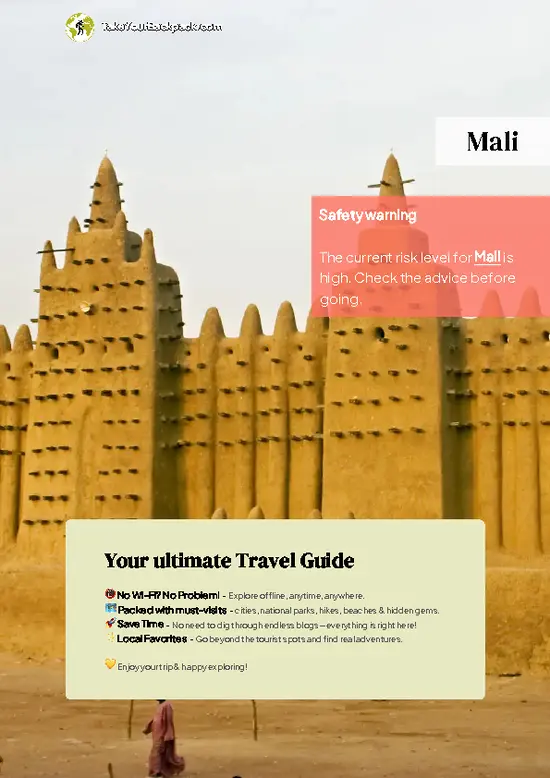
The current risk level for Mali is high. Check the advice before going.


Get your Mali guide
76 ranked highlights, routes & tips, works offline (321 pages)
Loading the map 🌍
CLICK TO FILTER
cities
towns
landmarks
national parks
hikes
attractions
festivals
regions
SHOW COUNTRY’S BESTSHOW ALL

✨ Why go?
Ranked #13 town in Mali
What sets this place apart

Backpackers flock to San in Mali for its convenience as a base for nearby hikes and cultural sites. The town’s walkable streets invite exploration, where you can savor local dishes at small eateries, filling the air with the scent of spices and grilled meats. Accommodations range from cozy guesthouses to budget-friendly hostels, fostering a friendly social atmosphere. Travelers often linger a few days, soaking in the laid-back vibe, making it ideal for slow travelers and solo adventurers. It’s not a party hub, but the warmth of the community makes it a perfect stop for those seeking genuine connection and adventure.
Want to include San in your Mali route?
Create a personalized Mali itinerary that includes San and the places that fit your trip — based on your travel style, budget, and available time. Get your route in seconds.

Generate my trip

💡 HighlightsWhat this place is best known for

  • Marché Central de San (Central Market) — the town’s busiest hub for fresh produce, spices, textiles and everyday gear; great for watching trade rhythms, bargaining, and picking up inexpensive local textiles or food snacks.
  • Grande Mosquée de San — San’s main Friday mosque and focal point of religious life; visit outside prayer times to observe Sahelian mosque architecture and the flow of people in the town center.
  • Artisan quarter (woodcarving and leather workshops) — small clusters of family-run workshops where you can watch traditional woodcarvers and leatherworkers at their benches and buy authentic, hand-made pieces directly from makers.
  • Riverside/port area — the riverbank where locals fish, launder, and load goods; offers calm sunset views and a genuine slice of day-to-day life tied
read more 👉
  • Marché Central de San (Central Market) — the town’s busiest hub for fresh produce, spices, textiles and everyday gear; great for watching trade rhythms, bargaining, and picking up inexpensive local textiles or food snacks.
  • Grande Mosquée de San — San’s main Friday mosque and focal point of religious life; visit outside prayer times to observe Sahelian mosque architecture and the flow of people in the town center.
  • Artisan quarter (woodcarving and leather workshops) — small clusters of family-run workshops where you can watch traditional woodcarvers and leatherworkers at their benches and buy authentic, hand-made pieces directly from makers.
  • Riverside/port area — the riverbank where locals fish, launder, and load goods; offers calm sunset views and a genuine slice of day-to-day life tied to the nearby waterways.
A few real, visitable highlights just outside San worth day-tripping to are the riverside town and cultural attractions of Ségou, the Markala irrigation dam and its Niger River scenery, and nearby regional market towns where local craft traditions continue.
Spotted a mistake or missing something? Contact us.

🏘️ NeighborhoodsUnderstanding the local layout

San, Mali, offers a vibrant tapestry of neighborhoods, each with its own character and charm. Here’s how to navigate this lively town:

Centre Ville: The heart of San, buzzing with local markets and street vendors. It’s walkable and affordable, perfect for short stays. The nightlife here is lively, with music spilling from bars, yet you can find quiet corners if you seek them.

Quartier de la Gare: Close to the train station, this area is practical for transport access. It’s a bit quieter, making it suitable for longer stays. You’ll find budget accommodations and local eateries, with a laid-back vibe that invites exploration.

Quartier de l’Indépendance: A blend of residential and commercial spaces, this neighborhood has a more local feel. It’s less touristy, offering a genuine experience. … read more 👉
San, Mali, offers a vibrant tapestry of neighborhoods, each with its own character and charm. Here’s how to navigate this lively town:

Centre Ville: The heart of San, buzzing with local markets and street vendors. It’s walkable and affordable, perfect for short stays. The nightlife here is lively, with music spilling from bars, yet you can find quiet corners if you seek them.

Quartier de la Gare: Close to the train station, this area is practical for transport access. It’s a bit quieter, making it suitable for longer stays. You’ll find budget accommodations and local eateries, with a laid-back vibe that invites exploration.

Quartier de l’Indépendance: A blend of residential and commercial spaces, this neighborhood has a more local feel. It’s less touristy, offering a genuine experience. Walkability is decent, and while nightlife is minimal, the daytime energy is palpable.

⌛️ 1 dayA smart one-day plan

San, Mali, is a vibrant tapestry of culture and history, where the scent of spices mingles with the earthy aroma of mud-brick homes. Start your day at the bustling market in the heart of the city. The early morning light casts long shadows as vendors display colorful fabrics and fresh produce. Engage with locals; their warmth is contagious.

After soaking in the market’s energy, head to the ancient mosque, a striking example of Sudano-Sahelian architecture. The intricate details of the mud walls tell stories of centuries past. Spend some time wandering the nearby neighborhoods, where you’ll find artisans crafting traditional pottery and textiles. This isn’t just sightseeing; it’s a chance to connect with the soul of San.

As the sun dips, make your way to the banks of the Niger River. Grab … read more 👉
San, Mali, is a vibrant tapestry of culture and history, where the scent of spices mingles with the earthy aroma of mud-brick homes. Start your day at the bustling market in the heart of the city. The early morning light casts long shadows as vendors display colorful fabrics and fresh produce. Engage with locals; their warmth is contagious.

After soaking in the market’s energy, head to the ancient mosque, a striking example of Sudano-Sahelian architecture. The intricate details of the mud walls tell stories of centuries past. Spend some time wandering the nearby neighborhoods, where you’ll find artisans crafting traditional pottery and textiles. This isn’t just sightseeing; it’s a chance to connect with the soul of San.

As the sun dips, make your way to the banks of the Niger River. Grab a seat at a local eatery, savoring grilled fish while watching the sunset paint the sky. This blend of flavors and sights encapsulates the essence of San, making every moment feel like a well-earned reward.
Turn your San visit into an Mali adventure
Build a complete Mali route with San, hidden gems, must-see destinations, and realistic travel times included.

Generate my trip

🌤️ When to go?Seasonal considerations and timing


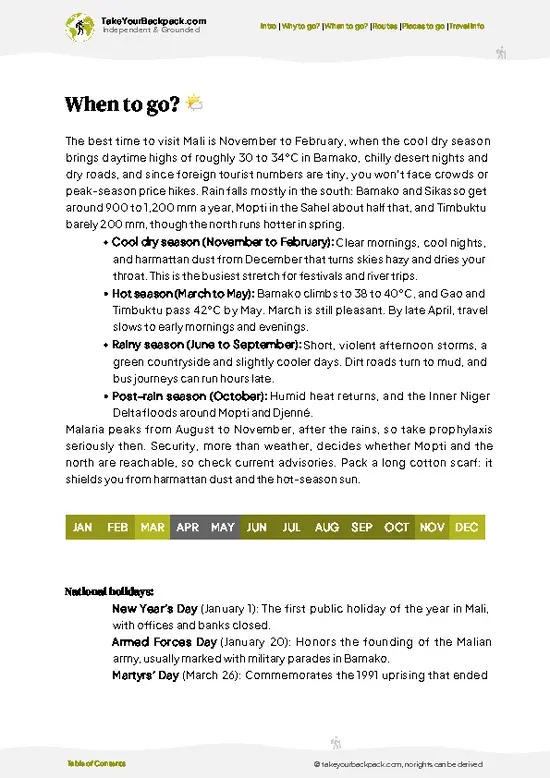
  • Topic: Weather — San’s climate swings between a scorching dry season and a brief rainy period. The dry season from November to February offers clear skies and manageable heat, with daytime temperatures around 28-32°C (82-90°F). Avoid the rainy months of June to September when heavy downpours turn trails to mud and the Niger River swells unpredictably.

  • Topic: Temperature — Nights can drop sharply during the dry season, sometimes down to 15°C (59°F), so pack layers. Daytime heat is intense but bearable with early starts and shade breaks.

  • Topic: Daylight Hours — Daylight stays steady year-round, roughly 12 hours, but the sun rises early and sets early, so plan hikes and explorations from dawn to mid-afternoon to avoid the peak heat.

  • Topic: Crowds — Tourist traffic peaks in the dry season,
read more 👉

  • Topic: Weather — San’s climate swings between a scorching dry season and a brief rainy period. The dry season from November to February offers clear skies and manageable heat, with daytime temperatures around 28-32°C (82-90°F). Avoid the rainy months of June to September when heavy downpours turn trails to mud and the Niger River swells unpredictably.

  • Topic: Temperature — Nights can drop sharply during the dry season, sometimes down to 15°C (59°F), so pack layers. Daytime heat is intense but bearable with early starts and shade breaks.

  • Topic: Daylight Hours — Daylight stays steady year-round, roughly 12 hours, but the sun rises early and sets early, so plan hikes and explorations from dawn to mid-afternoon to avoid the peak heat.

  • Topic: Crowds — Tourist traffic peaks in the dry season, especially December and January, when international visitors flock for festivals and cultural events. Visiting just before or after this window means fewer people and a more authentic vibe.

  • Topic: Seasonal Activities — The dry season aligns with local markets and traditional ceremonies, offering rich cultural immersion. The rainy season shuts down many outdoor activities but transforms the landscape into lush green, ideal for photographers who don’t mind the mud.

  • Topic: Price Fluctuations — Accommodation and transport costs spike during the dry season’s high months. Booking early can lock in better rates, while the shoulder months offer bargains but with some weather risk.


Pro-tip: Aim for late November or early March—enough dry weather to explore comfortably, fewer crowds, and better prices, making your San experience both smooth and rich.


source: climatestotravel.comJANJanuary: excellent for travelingFEBFebruary: excellent for travelingMARMarch: highly recommended for travelingAPRApril: fair for travelingMAYMay: fair for travelingJUNJune: below average for travelingJULJuly: below average for travelingAUGAugust: below average for travelingSEPSeptember: below average for travelingOCTOctober: good for travelingNOVNovember: highly recommended for travelingDECDecember: excellent for traveling
when-to-go

✈️ The backpacker research shortcutMali Travel Guide

An offline-friendly backpacking guide with optimized travel routes, ranked highlights, transport advice, and the best areas to stay.
example page 0 from our offline Travel Guide for Mali
example page 1 from our offline Travel Guide for Mali
example page 2 from our offline Travel Guide for Mali
example page 3 from our offline Travel Guide for Mali
example page 4 from our offline Travel Guide for Mali
example page 5 from our offline Travel Guide for Mali
example page 6 from our offline Travel Guide for Mali
example page 7 from our offline Travel Guide for Mali
The digital guide (321 pages) contains:
76 highlights, ranked by travel appeal
Optimized 5, 10 & 15-day travel routes
Cities, national parks, landmarks, beaches
How to get around
Offline-friendly for travel without Wi-Fi
👉 Click to see all 30+ guide features

📅 Plan smarter in minutes, not weeks
Month by month travel advice
Festivals & national holidays
Budget expectations

🗺️ Go to the right places, skip the overrated ones
Honest pros & cons of destinations
Top hikes, parks & viewpoints
Lesser-known places most travelers miss
Clear “worth it vs skip it” guidance

🛏️ Travel smoothly without rookie mistakes
Best areas to stay
Transport systems explained simply
Common scams & safety advice
SIM cards, money & practical tips

🌍 Understand the country, not just visit it
Culture & traditions
52 Essential phrases & customs
Festivals worth planning around
Traveler-friendly historical context
Insights that make places more meaningful

📱 Built for real travel conditions
Fully downloadable PDF
Works completely offline
Optimized for phone use
Useful in remote areas & buses
Everything in one place
Save weeks of stressful planning
Get instant access to your full guide. 30‑day money-back guarantee.


By proceeding you agree to our terms.
Sent to your inbox immediately after payment • 100% Secure Checkout
Best Backpacking Travel Advisor 2025 tourism awardBest Backpacking
Travel Advisor
2025
What others say about Take Your Backpack Guides:
⭐⭐⭐⭐⭐
Fantastic, amazing amount of information!
⭐⭐⭐⭐⭐
My goodness this is amazing, it's what I've been looking for hats off too you!
⭐⭐⭐⭐⭐
I think this is absolutely BRILLIANT
⭐⭐⭐⭐
Very complete and informative. It's still missing places, but I gotta to commend you
⭐⭐⭐⭐⭐
This is truly amazing, thank you, can't wait to explore it with my kids!
⭐⭐⭐⭐⭐
Awesome resource, thank you!
⭐⭐⭐⭐⭐
This is amazing! Can't wait to explore the ones I haven't seen
⭐⭐⭐⭐
I love this! Well done, great idea.
⭐⭐⭐⭐⭐
Thanks for taking the time to make this gem!
⭐⭐⭐⭐⭐
This might be the best website I've ever seen.
⭐⭐⭐⭐⭐
Congratulations, and thank you so much for your work; it's incredibly valuable.
⭐⭐⭐⭐
In all seriousness I think you did a great job pointing out the important spots
⭐⭐⭐⭐⭐
10/10 very good
⭐⭐⭐⭐⭐
As someone who's only just starting to visit regularly this is awesome, thank you.
⭐⭐⭐⭐
Thank you very much! I'm going to visit my dad, it's going to be very useful!
⭐⭐⭐⭐⭐
This is really cool! We'll be travelling for the first time and this definitely come in handy.
⭐⭐⭐⭐⭐
You are now our minister of culture, congratulations 👨‍💼
⭐⭐⭐⭐⭐
Just wanted to tell you that this is a pearl! Going to follow your recommendations.
⭐⭐⭐⭐⭐
This is so cool. I'll definitely be using the resource for my travels soon.
⭐⭐⭐⭐⭐
This is very impressive! Good work.
⭐⭐⭐⭐⭐
This is an amazing and informative site. Very well done!

🛏️ Where to stay?How to pick the right area

San’s heart for backpackers pulses strongest in the central market district. Here, the air is thick with the scent of spices and fresh bread, and the streets hum with vendors calling out their wares. This area is a magnet for budget travelers because it’s where you’ll find the most affordable guesthouses and a handful of hostels that cater to solo adventurers. The vibe is lively but manageable—locals and travelers mingle over shared meals and stories, making it easy to connect without feeling overwhelmed.

Compared to the quieter residential neighborhoods on the outskirts, the market district … read more 👉
San’s heart for backpackers pulses strongest in the central market district. Here, the air is thick with the scent of spices and fresh bread, and the streets hum with vendors calling out their wares. This area is a magnet for budget travelers because it’s where you’ll find the most affordable guesthouses and a handful of hostels that cater to solo adventurers. The vibe is lively but manageable—locals and travelers mingle over shared meals and stories, making it easy to connect without feeling overwhelmed.

Compared to the quieter residential neighborhoods on the outskirts, the market district offers a safer, more social environment after dark. The streets are well-traveled, lit by street lamps and the glow of small shops, which keeps the atmosphere secure and welcoming. Staying here means you’re steps away from the pulse of daily life, with easy access to transport and local eateries, making your stay both practical and immersive.

🚌 Getting aroundTransportation options and practical tips

San’s pulse is a mix of deliberate pauses and bursts of energy. The streets don’t hum with rigid timetables but rather the ebb and flow of locals weaving through their day, guided by intuition and habit more than clocks. The air carries the scent of street food mingling with exhaust, a reminder that this city’s rhythm is both gritty and alive. You’ll find that moving through San isn’t about racing the clock but syncing with its natural tempo—sometimes slow, sometimes sudden, always real.


  • Walking: The most reliable and immersive way to navigate San. Streets are compact and often crowded, so walking lets you soak in the smells, sounds, and unexpected street performances. It’s free, flexible, and perfect for short hops or exploring neighborhoods where vehicles can’t squeeze through.


read more 👉
San’s pulse is a mix of deliberate pauses and bursts of energy. The streets don’t hum with rigid timetables but rather the ebb and flow of locals weaving through their day, guided by intuition and habit more than clocks. The air carries the scent of street food mingling with exhaust, a reminder that this city’s rhythm is both gritty and alive. You’ll find that moving through San isn’t about racing the clock but syncing with its natural tempo—sometimes slow, sometimes sudden, always real.


  • Walking: The most reliable and immersive way to navigate San. Streets are compact and often crowded, so walking lets you soak in the smells, sounds, and unexpected street performances. It’s free, flexible, and perfect for short hops or exploring neighborhoods where vehicles can’t squeeze through.


  • Local Buses: These run roughly from 5:30 AM to 10 PM and cost a fraction of a taxi fare—usually under $1. They’re slow and packed during rush hours, but they cover almost every corner of the city. Expect frequent stops and a lively, sometimes chaotic atmosphere inside.


  • Shared Minivans (Colectivos): Faster than buses and more direct, these vans follow semi-fixed routes but leave once full. They operate from dawn until late evening, costing around $1.50. They’re a bit cramped but offer a good balance of speed and price, especially for medium distances.


  • Motorcycle Taxis: For quick, short trips where traffic snarls, these are your go-to. They’re cheap, around $1 to $2, and can weave through tight spots. Helmets aren’t always standard, so weigh the thrill against safety. Best for solo travelers comfortable with a bit of risk.


  • Regular Taxis: Metered but often negotiated upfront, expect to pay $3 to $6 for typical city rides. They’re more comfortable and private but can get stuck in traffic. Use them when you’re carrying heavy gear or traveling late at night.

👛 Costs (as of 7 April 2026)Money, prices, and spending tips

Backpacking in San, Mali, offers a raw, authentic experience where every expense reflects the local pace and resources. Here’s what you can expect to spend daily as an independent traveler navigating this town.
  • Dorm Accommodation: Options are limited and basic, often in guesthouses rather than formal hostels. Expect to pay around €5 to €10 per night. Rooms might be simple, with a fan or none at all, so prepare for the heat and occasional power cuts.
  • Meals: Street food and local eateries dominate. A filling meal of rice, sauce, and grilled meat or fish typically costs between €1.50 and €3. Fresh fruit and snacks are cheap but seasonal. Drinking water should be bought bottled, adding a small daily cost.
  • Local Transport: Transport is mostly by shared taxis or motorbike taxis. Short rides within
read more 👉
Backpacking in San, Mali, offers a raw, authentic experience where every expense reflects the local pace and resources. Here’s what you can expect to spend daily as an independent traveler navigating this town.
  • Dorm Accommodation: Options are limited and basic, often in guesthouses rather than formal hostels. Expect to pay around €5 to €10 per night. Rooms might be simple, with a fan or none at all, so prepare for the heat and occasional power cuts.
  • Meals: Street food and local eateries dominate. A filling meal of rice, sauce, and grilled meat or fish typically costs between €1.50 and €3. Fresh fruit and snacks are cheap but seasonal. Drinking water should be bought bottled, adding a small daily cost.
  • Local Transport: Transport is mostly by shared taxis or motorbike taxis. Short rides within town usually cost around €0.50 to €1.50. Walking is often the best way to soak in the atmosphere and avoid unnecessary expenses.
  • Basic Activities/Entry Fees: San is more about soaking in the local vibe than formal tourist sites. If you visit markets or cultural spots, entry fees are minimal or nonexistent, generally under €1. Guided tours or special events might cost more but are rare and usually arranged locally.
  • Miscellaneous Expenses: This includes essentials like SIM cards, snacks, or occasional treats. Budget around €1 to €2 daily. Keep some cash handy for unexpected needs, as card payments are rare.

In total, a realistic daily budget for backpacking in San ranges from about €10 to €18. This keeps you comfortably covered without overspending, letting you focus on the textures of daily life here—the dusty streets, the chatter in markets, and the slow rhythm of a town off the beaten path.
⚠️ Prices can change and everyone travels differently, so take this as a rough guide. Hope it helps you plan your adventure!

🚌 Day tripsWhere to go beyond the main area

San, Mali, is a fantastic launchpad for day trips that blend culture, adventure, and stunning landscapes. Here are some must-do excursions that will enrich your experience.

Dogon Country
A trek into Dogon Country is like stepping into a living museum. The dramatic cliffs and ancient villages tell stories of a rich heritage. It’s about a 3-hour drive from San, and you’ll want to budget around $20 for transport. The best time to visit is during the dry season, from November to March, when the air is crisp and the skies are clear. Many first-timers underestimate the physical demands of the hike; pack plenty of water and snacks to keep your energy up.
👉 Explore Dogon Country

Lake Sélingué
This serene lake is perfect for a day of relaxation and exploration. Just a 1.5-hour drive from San, … read more 👉
San, Mali, is a fantastic launchpad for day trips that blend culture, adventure, and stunning landscapes. Here are some must-do excursions that will enrich your experience.

Dogon Country
A trek into Dogon Country is like stepping into a living museum. The dramatic cliffs and ancient villages tell stories of a rich heritage. It’s about a 3-hour drive from San, and you’ll want to budget around $20 for transport. The best time to visit is during the dry season, from November to March, when the air is crisp and the skies are clear. Many first-timers underestimate the physical demands of the hike; pack plenty of water and snacks to keep your energy up.
👉 Explore Dogon Country

Lake Sélingué
This serene lake is perfect for a day of relaxation and exploration. Just a 1.5-hour drive from San, you can rent a canoe for about $10 and paddle through the tranquil waters, surrounded by lush greenery. The best months to visit are during the rainy season, when the landscape is vibrant and alive. A common mistake is to skip the local fish market; the fresh catch and lively atmosphere are worth experiencing.


Bandiagara Escarpment
The Bandiagara Escarpment offers breathtaking views and a glimpse into the unique lifestyle of the Dogon people. It’s about a 2-hour drive, costing around $15 for transport. Aim for early morning to catch the sunrise illuminating the cliffs. Many travelers miss out on the local guides who can share invaluable insights; hiring one for about $25 can enhance your understanding of the area’s history and culture.
👉 Explore Bandiagara Escarpment

Segou
A trip to Segou, known for its vibrant arts scene, is about 2.5 hours from San. You can explore local markets and admire traditional mud-brick architecture. Expect to spend around $15 on transport. The best time to visit is during the Segou Festival in September, but any time offers a rich cultural experience. First-timers often overlook the local cuisine; don’t miss trying the spicy fish stew at a roadside eatery.
👉 Explore Segou
Want to know what more Mali offers?
The Mali Travel Guide describes 76 highlights, from cities to national parks, from beaches to hikes

Get the Travel Guide -

🛡️ SafetyStaying Safe: What Travelers Should Know

San, Mali, is generally safe, but staying aware enhances your experience. Stick to well-lit areas at night, especially if you’re solo. The market can be bustling, and while locals are friendly, some might try to overcharge for goods. Always negotiate prices upfront; it’s part of the culture. Watch for the occasional distraction—someone might bump into you while another tries to grab your bag. Keep your belongings close and maintain a confident demeanor. This approach not only protects you but also invites genuine interactions with the locals.

Other Malian towns near San

Explore more nearby:

  • Tominian—Bwa villages, pottery workshops, crossroads town| 33 km away
  • Djenne—Great Mosque, mud architecture, island town| 77 km away
  • Macina—Canal network, rice cultivation, delta settlement| 89 km away

💡 Not sure where to go next?
Create a personalized itinerary for Mali including San and the places that fit your trip.

Generate my itinerary

👉 Discover all towns

Or checkout all Mali has to offer (think cities, towns, villages, national parks, hikes, beaches, festivals)
Country photo of Mali

We 💚 feedbackSumming up the experience

San pulses with life, a blend of laughter and the scent of spices wafting through the air. Don’t miss the bustling market; it’s a sensory overload in the best way. Just be ready for the heat—stay hydrated and embrace the slow pace. It’s worth it.

✍️ Help improve this page!
The information on this page is based on in-depth research, insights shared by experienced travelers, and feedback from the local travel community in Mali. While every effort is made to keep the information accurate and current, conditions can change — so if you spot anything incorrect or outdated, please get in touch.


🙋‍♂️ Give feedback

👋 Meet the founderWho’s Behind Take Your Backpack?

Johan, backpacker and founder of TakeYourBackpackHi, I’m Johan (Netherlands 🇳🇱), the creator of TakeYourBackpack. Over the past decade, I’ve backpacked through 80+ countries across six continents, gaining extensive experience with independent travel, long-term trips, and overland routes.

This site is built on a combination of firsthand travel experience and carefully curated insights from other backpackers. Many guides are based on places I’ve personally visited, while others bring together tips, observations, and practical advice shared by trusted travelers I’ve met along the way.

The goal is to provide realistic, experience-driven guidance — not generic itineraries — so you can explore destinations with better context, clearer expectations, and more confidence.

Get full Mali guide •
Instant download • 76 highlights • Full Offline guide