v2.webp)
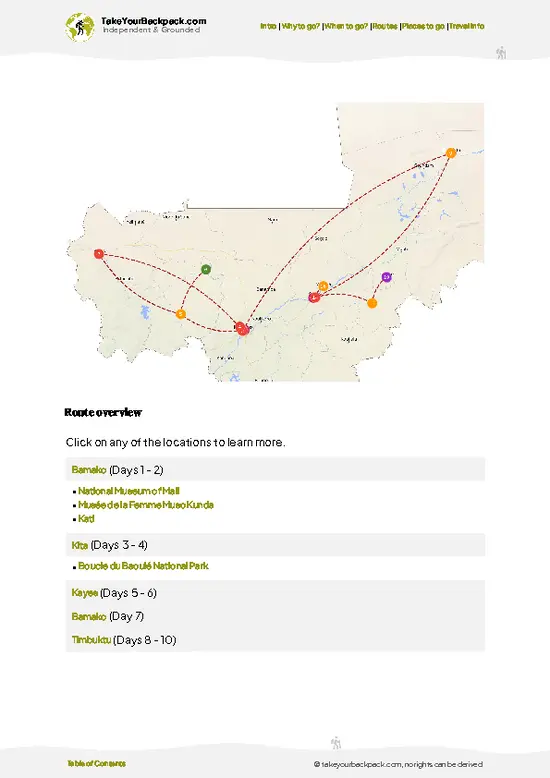
The Colonial-Era Weaponry Room
Forget the sanitized glass cases you see in European museums. Here, you’re face-to-face with battered rifles, bayonets, and uniforms that actually saw action in West Africa’s colonial campaigns. The room smells faintly of oil and old leather. You can trace the dents and scratches on a French Lebel rifle and know it wasn’t just for show. This isn’t about glorifying conquest—it’s about seeing the tools that shaped Mali’s modern borders, up close and unfiltered.
Tuareg Warrior Regalia
Instagram will show you a blue turban and call it a day. The real draw is the intricate, hand-forged silver amulets, the layered leather armor, and the swords with hilts worn smooth by generations of desert riders. The display doesn’t just show off the gear; it tells the story of … read more 👉
Forget the sanitized glass cases you see in European museums. Here, you’re face-to-face with battered rifles, bayonets, and uniforms that actually saw action in West Africa’s colonial campaigns. The room smells faintly of oil and old leather. You can trace the dents and scratches on a French Lebel rifle and know it wasn’t just for show. This isn’t about glorifying conquest—it’s about seeing the tools that shaped Mali’s modern borders, up close and unfiltered.
Tuareg Warrior Regalia
Instagram will show you a blue turban and call it a day. The real draw is the intricate, hand-forged silver amulets, the layered leather armor, and the swords with hilts worn smooth by generations of desert riders. The display doesn’t just show off the gear; it tells the story of … read more 👉
The Colonial-Era Weaponry Room
Forget the sanitized glass cases you see in European museums. Here, you’re face-to-face with battered rifles, bayonets, and uniforms that actually saw action in West Africa’s colonial campaigns. The room smells faintly of oil and old leather. You can trace the dents and scratches on a French Lebel rifle and know it wasn’t just for show. This isn’t about glorifying conquest—it’s about seeing the tools that shaped Mali’s modern borders, up close and unfiltered.
Tuareg Warrior Regalia
Instagram will show you a blue turban and call it a day. The real draw is the intricate, hand-forged silver amulets, the layered leather armor, and the swords with hilts worn smooth by generations of desert riders. The display doesn’t just show off the gear; it tells the story of a people who fought for autonomy long before Mali was a country. If you want to understand the soul of the Sahel, start here.
Independence-Era Artifacts
Most museums gloss over the messy, exhilarating birth of a nation. Not this one. You’ll see the battered typewriters used to draft Mali’s first constitution, propaganda posters that look like they were printed yesterday, and the actual radio transmitter that broadcast Mali’s independence to the world. It’s raw, it’s political, and it’s a reminder that history isn’t just old—it’s alive and sometimes loud.
Personal Effects of Malian Soldiers
This is where the museum gets personal. Letters home, dog tags, and faded photographs of young men in ill-fitting uniforms—some grinning, some stone-faced. There’s a gravity here that cuts through the usual museum detachment. You’re not just looking at artifacts; you’re staring at the cost of conflict, one family at a time. It’s sobering, but it’s also the most honest room in the building.
Outdoor Military Hardware Yard
If you’re expecting a neat row of tanks, think again. The outdoor yard is a sun-bleached lineup of armored cars, anti-aircraft guns, and the odd Soviet-era truck, all rusting quietly under the Bamako sky. Kids climb on them, locals picnic nearby, and the whole scene feels more like a neighborhood hangout than a war memorial. It’s chaotic, a little wild, and completely authentic—proof that history here isn’t locked behind velvet ropes.
The Anti-Colonial Resistance Gallery
This is the room that flips the script. Instead of just chronicling Mali’s subjugation, it highlights the resistance: hand-written manifestos, improvised weapons, and portraits of leaders who refused to bow. The stories are messy, sometimes contradictory, but always real. It’s a crash course in courage and stubbornness, and it’s the antidote to the sanitized “victor’s history” you’ll find elsewhere.
Forget the sanitized glass cases you see in European museums. Here, you’re face-to-face with battered rifles, bayonets, and uniforms that actually saw action in West Africa’s colonial campaigns. The room smells faintly of oil and old leather. You can trace the dents and scratches on a French Lebel rifle and know it wasn’t just for show. This isn’t about glorifying conquest—it’s about seeing the tools that shaped Mali’s modern borders, up close and unfiltered.
Tuareg Warrior Regalia
Instagram will show you a blue turban and call it a day. The real draw is the intricate, hand-forged silver amulets, the layered leather armor, and the swords with hilts worn smooth by generations of desert riders. The display doesn’t just show off the gear; it tells the story of a people who fought for autonomy long before Mali was a country. If you want to understand the soul of the Sahel, start here.
Independence-Era Artifacts
Most museums gloss over the messy, exhilarating birth of a nation. Not this one. You’ll see the battered typewriters used to draft Mali’s first constitution, propaganda posters that look like they were printed yesterday, and the actual radio transmitter that broadcast Mali’s independence to the world. It’s raw, it’s political, and it’s a reminder that history isn’t just old—it’s alive and sometimes loud.
Personal Effects of Malian Soldiers
This is where the museum gets personal. Letters home, dog tags, and faded photographs of young men in ill-fitting uniforms—some grinning, some stone-faced. There’s a gravity here that cuts through the usual museum detachment. You’re not just looking at artifacts; you’re staring at the cost of conflict, one family at a time. It’s sobering, but it’s also the most honest room in the building.
Outdoor Military Hardware Yard
If you’re expecting a neat row of tanks, think again. The outdoor yard is a sun-bleached lineup of armored cars, anti-aircraft guns, and the odd Soviet-era truck, all rusting quietly under the Bamako sky. Kids climb on them, locals picnic nearby, and the whole scene feels more like a neighborhood hangout than a war memorial. It’s chaotic, a little wild, and completely authentic—proof that history here isn’t locked behind velvet ropes.
The Anti-Colonial Resistance Gallery
This is the room that flips the script. Instead of just chronicling Mali’s subjugation, it highlights the resistance: hand-written manifestos, improvised weapons, and portraits of leaders who refused to bow. The stories are messy, sometimes contradictory, but always real. It’s a crash course in courage and stubbornness, and it’s the antidote to the sanitized “victor’s history” you’ll find elsewhere.
Spotted a mistake or missing something? Contact us.


 Best Backpacking
.jpg) Hi, I’m Johan (Netherlands 🇳🇱), the creator of TakeYourBackpack. Over the past 3 decades, I’ve backpacked through 90+ countries across six continents, gaining extensive experience with independent travel, long-term trips, and overland routes.
Hi, I’m Johan (Netherlands 🇳🇱), the creator of TakeYourBackpack. Over the past 3 decades, I’ve backpacked through 90+ countries across six continents, gaining extensive experience with independent travel, long-term trips, and overland routes.