×

Mauritania🇲🇷 | townsNemaeastern gateway, military base, regional market | things to do and best time to go

Explore Mouley BoubekeurExplore Ouadane

Backpacking in Nema
🌟 Highlighttown ranked #7
By Johan Kruseman 🇳🇱 | Updated June 9, 2026

A decade ago, Nema was a true frontier—dusty, raw, and so far east in Mauritania that the Sahara felt like it started at your doorstep. Today, the edges are a little softer, but the town still hums with that end-of-the-road energy. Nema sits near the Malian border, deep in the Hodh Ech Chargui region, where the air smells of sand and diesel, and the light is harsh by noon but golden at dusk. For backpackers, Nema isn’t a destination for urban thrills or postcard markets; it’s a practical waypoint, a launchpad for venturing into the wilds or crossing into Mali. The town’s rhythm is slow—think tea shops with plastic chairs, a market that’s more functional than photogenic, and evenings that fade quietly. You’ll find few other travelers, and costs are low, but so are creature comforts. Compared to busier Atar or the coastal cities, Nema feels stripped-down and honest—less scenic, more real, and best suited for those who find beauty in the journey, not just the destination.

Discover everything you want to know in the 📖 Mauritania Travel Guide.
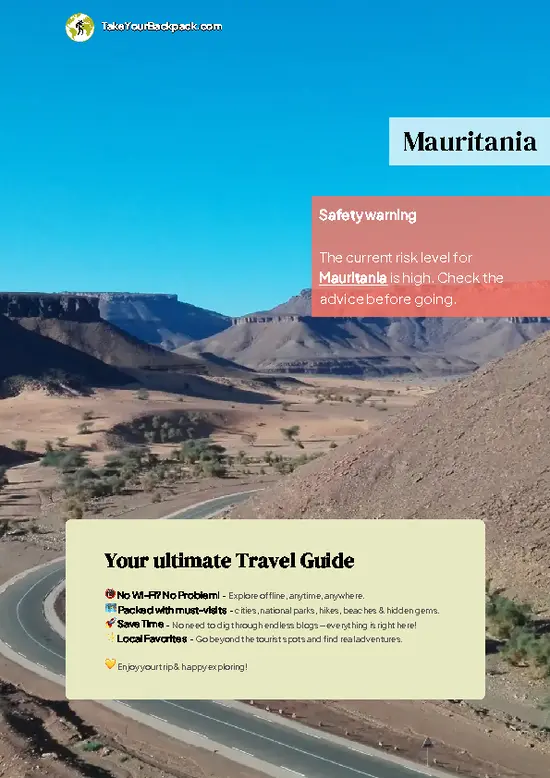
Safety warning

The current risk level for Mauritania is high. Check the advice before going.


Get your Mauritania guide
63 ranked highlights, routes & tips, works offline (269 pages)
Loading the map 🌍
CLICK TO FILTER
cities
towns
villages
landmarks
national parks
hikes
beaches
attractions
festivals
regions
SHOW COUNTRY’S BESTSHOW ALL

✨ Why go?
Ranked #7 town in Mauritania
The unique appeal for travelers

Nema, a small town in Mauritania, serves as a gateway for backpackers venturing into the Sahara or exploring the Adrar region. Its convenience lies in its proximity to stunning hikes and cultural sites, making it a strategic stop. The streets are walkable, inviting you to meander and soak in the local atmosphere.

You’ll find a handful of small-scale hostels and guesthouses, offering a cozy place to rest your head after a long day. The local food scene is a treat, with street vendors serving up hearty meals that reflect the region’s flavors.

Backpackers often stay here for a few days, especially those who appreciate a slower pace. It’s a friendly spot, perfect for solo travelers or small groups looking to connect with others over shared experiences. While it’s not a nightlife hub, the social … read more 👉
Nema, a small town in Mauritania, serves as a gateway for backpackers venturing into the Sahara or exploring the Adrar region. Its convenience lies in its proximity to stunning hikes and cultural sites, making it a strategic stop. The streets are walkable, inviting you to meander and soak in the local atmosphere.

You’ll find a handful of small-scale hostels and guesthouses, offering a cozy place to rest your head after a long day. The local food scene is a treat, with street vendors serving up hearty meals that reflect the region’s flavors.

Backpackers often stay here for a few days, especially those who appreciate a slower pace. It’s a friendly spot, perfect for solo travelers or small groups looking to connect with others over shared experiences. While it’s not a nightlife hub, the social vibe is warm and welcoming, making it an ideal base for those ready to dive deeper into Mauritania’s rich culture.
Want to include Nema in your Mauritania route?
Create a personalized Mauritania itinerary that includes Nema and the places that fit your trip — based on your travel style, budget, and available time. Get your route in seconds.

Generate my trip

💡 HighlightsMust-see experiences and standout moments

  • Grande mosquée de Néma — the town’s main mosque and social anchor; even if you can’t go inside during prayer times, the courtyard, minaret silhouette and the flow of daily life around it give a good feel for local rhythm and architecture.
  • Marché central (souq) — a colorful, noisy market where you can buy everything from spices and dates to second-hand clothes and phone credit; it’s the best place to watch bargaining, sample street food and meet local traders.
  • La palmeraie (palm groves and irrigation channels) — shady oases tucked into town where traditional irrigation and smallholder farming still feed families; great for a calm walk, photography and talking with farmers about date cultivation.
  • Ancien ksar / vieille médina — the old mud-brick quarter with narrow lanes and low houses;
read more 👉
  • Grande mosquée de Néma — the town’s main mosque and social anchor; even if you can’t go inside during prayer times, the courtyard, minaret silhouette and the flow of daily life around it give a good feel for local rhythm and architecture.
  • Marché central (souq) — a colorful, noisy market where you can buy everything from spices and dates to second-hand clothes and phone credit; it’s the best place to watch bargaining, sample street food and meet local traders.
  • La palmeraie (palm groves and irrigation channels) — shady oases tucked into town where traditional irrigation and smallholder farming still feed families; great for a calm walk, photography and talking with farmers about date cultivation.
  • Ancien ksar / vieille médina — the old mud-brick quarter with narrow lanes and low houses; wandering here rewards you with authentic street scenes and a sense of how the town developed before modern expansion.
  • Marché aux bestiaux (livestock market) — an early-morning spectacle when herders trade camels, goats and cattle; noisy, dusty and vividly alive — prime for seeing an economy that still runs on animals.
  • Quartier des artisans — pockets of leatherworkers, weavers and metal smiths around the market; watching craftsmen at work and buying small handmade items supports the local economy and makes for genuine souvenirs.
  • Place du gouvernorat / quartier colonial — a compact area where French colonial administrative buildings and the current local government offices sit; useful for photographic contrasts between eras and for understanding the town’s administrative role in the region.
  • Maison de la jeunesse / centre culturel local — small cultural spaces that host music, storytelling or community events; drop in to catch local music, youth performances or taped broadcasts that reflect regional culture.
  • Thé-houses and street cafés on the main avenue — low-key social hubs where people swap news over mint tea; perfect for people-watching, practicing a few phrases of Hassaniya Arabic and getting travel tips from locals.
  • Zone de transit et aérodrome de Néma — the small local airport and adjacent transport/logistics area that shows the town’s role as a regional hub; useful if you’re arriving or leaving and interesting to see the caravan and truck traffic that links Néma to the hinterland.
A few real, visitable spots just outside Néma worth day trips: the painted old ksar of Oualata (historic caravan town), the frontier trading town of Bassikounou, and the nearby dunes and nomad camps that give you a quick taste of the wider Hodh Ech Chargui desert.
Spotted a mistake or missing something? Contact us.

🏘️ NeighborhoodsKey areas and districts to know

Nema, a bustling town in Mauritania, offers a unique blend of culture and practicality for backpackers. Each neighborhood has its own character, making it essential to choose wisely.

Centre Ville: This is the heart of Nema. The vibe is lively, with local markets and street vendors filling the air with the scent of spices and grilled meats. It’s walkable, making it easy to explore on foot. Accommodations here range from budget hostels to mid-range hotels, perfect for short stays. Nightlife is minimal, but you can find a few cafes where locals gather.

Quartier des Artisans: Known for its artisan workshops, this area is quieter and more laid-back. The atmosphere is creative, with the sounds of craftsmen at work. It’s a great spot for longer stays if you want to immerse yourself in local culture. … read more 👉
Nema, a bustling town in Mauritania, offers a unique blend of culture and practicality for backpackers. Each neighborhood has its own character, making it essential to choose wisely.

Centre Ville: This is the heart of Nema. The vibe is lively, with local markets and street vendors filling the air with the scent of spices and grilled meats. It’s walkable, making it easy to explore on foot. Accommodations here range from budget hostels to mid-range hotels, perfect for short stays. Nightlife is minimal, but you can find a few cafes where locals gather.

Quartier des Artisans: Known for its artisan workshops, this area is quieter and more laid-back. The atmosphere is creative, with the sounds of craftsmen at work. It’s a great spot for longer stays if you want to immerse yourself in local culture. Transport options are decent, but you might need to walk a bit to reach the main attractions. Prices for lodging are reasonable, often with a more homey feel.

Zone Commerciale: This commercial zone is bustling during the day but quiets down at night. It’s ideal for those who prioritize convenience, with easy access to shops and services. Accommodations here are more utilitarian, catering to business travelers, but you can find budget options too. It’s less walkable, so be prepared to use public transport or taxis.

⌛️ 1 day1-day itinerary for Nema

Nema, a town in Mauritania, is a crossroads of cultures, where the desert whispers stories of ancient trade routes. It’s not on the typical tourist map, but that’s what makes it special. The air is thick with the scent of spices, and the vibrant colors of local fabrics catch the eye.

Start your morning at the bustling market in the heart of Nema. The sun is just rising, casting a warm glow over the stalls. Vendors call out, their voices mingling with the sounds of haggling. Grab a cup of sweet mint tea and a fresh loaf of khobz, the local bread. The taste is simple yet satisfying, a perfect fuel for your day.

After breakfast, wander through the nearby neighborhoods. The architecture here tells tales of resilience, with mud-brick houses standing strong against the elements. Don’t miss the … read more 👉
Nema, a town in Mauritania, is a crossroads of cultures, where the desert whispers stories of ancient trade routes. It’s not on the typical tourist map, but that’s what makes it special. The air is thick with the scent of spices, and the vibrant colors of local fabrics catch the eye.

Start your morning at the bustling market in the heart of Nema. The sun is just rising, casting a warm glow over the stalls. Vendors call out, their voices mingling with the sounds of haggling. Grab a cup of sweet mint tea and a fresh loaf of khobz, the local bread. The taste is simple yet satisfying, a perfect fuel for your day.

After breakfast, wander through the nearby neighborhoods. The architecture here tells tales of resilience, with mud-brick houses standing strong against the elements. Don’t miss the old mosque, a quiet spot where you can soak in the atmosphere. It’s a place where locals gather, and you might even catch a glimpse of a community prayer.

In the afternoon, head to the outskirts of town to visit the nearby oasis. This isn’t a typical tourist stop, but it’s worth the trek. The palm trees sway gently, and the cool shade offers a refreshing break. Take a moment to breathe in the earthy scent of the soil and listen to the rustling leaves.

As evening approaches, return to the town center. The streets come alive with laughter and chatter. Find a local eatery and try a plate of thieboudienne, a flavorful fish and rice dish. The spices dance on your palate, a fitting end to your day.

Nema may not be a well-trodden path, but it’s a place where every moment feels earned, and every experience is a story waiting to be told.
Turn your Nema visit into an Mauritania adventure
Build a complete Mauritania route with Nema, hidden gems, must-see destinations, and realistic travel times included.

Generate my trip

🌤️ When to go?Seasonal considerations and timing


  • Weather: Nema’s desert climate means scorching days and chilly nights. From November to February, temperatures hover between 20-30°C (68-86°F), making trekking and exploring bearable without frying under the sun.

  • Temperature: Avoid the summer months (June to August) when daytime highs can spike above 45°C (113°F), turning every step into a test of endurance and every breath into a dry gasp.

  • Daylight Hours: Daylight is fairly consistent year-round, around 11 to 12 hours, but winter months offer cooler mornings and evenings that extend your window for comfortable activity.

  • Crowds: Nema is off the beaten path, so crowds are minimal year-round. However, local festivals in winter attract a handful of visitors, adding a lively cultural pulse without overwhelming the town.

  • Seasonal Activities:
read more 👉

  • Weather: Nema’s desert climate means scorching days and chilly nights. From November to February, temperatures hover between 20-30°C (68-86°F), making trekking and exploring bearable without frying under the sun.

  • Temperature: Avoid the summer months (June to August) when daytime highs can spike above 45°C (113°F), turning every step into a test of endurance and every breath into a dry gasp.

  • Daylight Hours: Daylight is fairly consistent year-round, around 11 to 12 hours, but winter months offer cooler mornings and evenings that extend your window for comfortable activity.

  • Crowds: Nema is off the beaten path, so crowds are minimal year-round. However, local festivals in winter attract a handful of visitors, adding a lively cultural pulse without overwhelming the town.

  • Seasonal Activities: Winter brings traditional markets and camel races, giving you a chance to dive into local life. Summer’s heat shuts down most outdoor events, leaving the town quieter but less inviting.

  • Price Fluctuations: Accommodation and transport costs dip slightly in the hot season due to low demand, but the discomfort often outweighs the savings. Winter months see a modest price bump, justified by better conditions and richer experiences.


Pro-tip: Plan your visit between November and February to catch Nema’s desert charm at its most livable—cool mornings, warm afternoons, and evenings that invite stories under the stars.


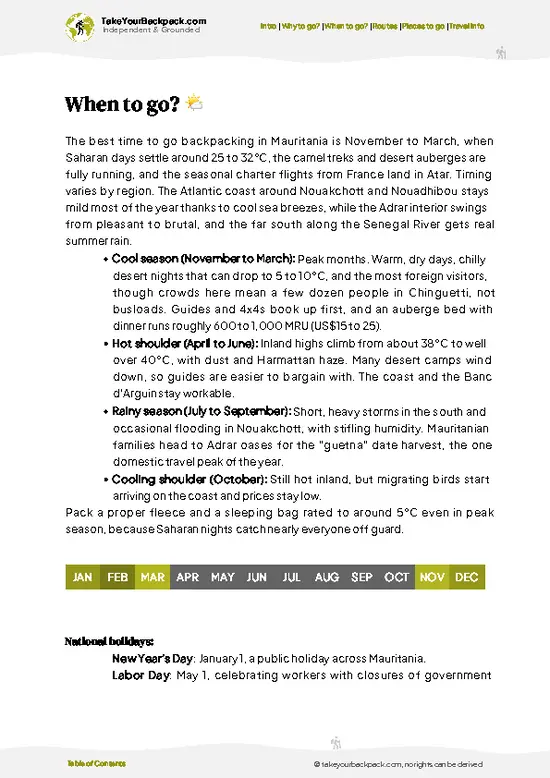
source: climatestotravel.comJANJanuary: excellent for travelingFEBFebruary: excellent for travelingMARMarch: highly recommended for travelingAPRApril: good for travelingMAYMay: fair for travelingJUNJune: below average for travelingJULJuly: below average for travelingAUGAugust: below average for travelingSEPSeptember: fair for travelingOCTOctober: good for travelingNOVNovember: excellent for travelingDECDecember: excellent for traveling
when-to-go

✈️ The backpacker research shortcutMauritania Travel Guide

An offline-friendly backpacking guide with optimized travel routes, ranked highlights, transport advice, and the best areas to stay.
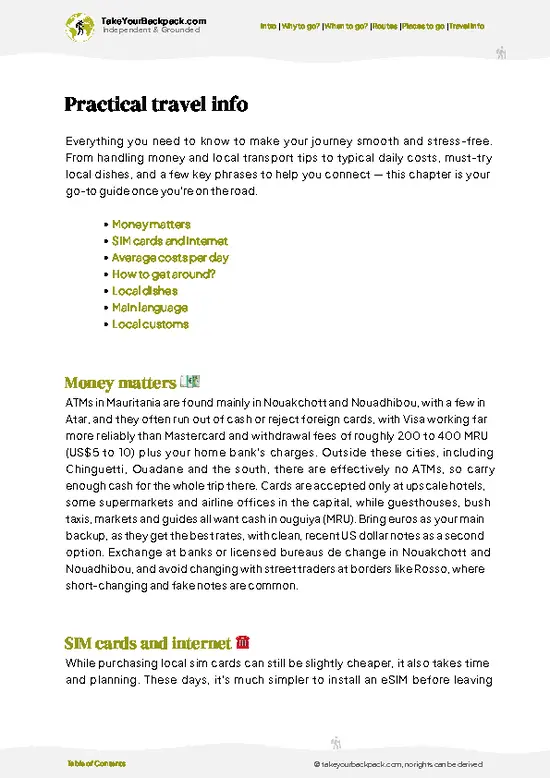
example page 0 from our offline Travel Guide for Mauritania
example page 1 from our offline Travel Guide for Mauritania
example page 2 from our offline Travel Guide for Mauritania
example page 3 from our offline Travel Guide for Mauritania
example page 4 from our offline Travel Guide for Mauritania
example page 5 from our offline Travel Guide for Mauritania
example page 6 from our offline Travel Guide for Mauritania
example page 7 from our offline Travel Guide for Mauritania
The digital guide (269 pages) contains:
63 highlights, ranked by travel appeal
Optimized 5, 10 & 15-day travel routes
Cities, national parks, landmarks, beaches
How to get around
Offline-friendly for travel without Wi-Fi
👉 Click to see all 30+ guide features

📅 Plan smarter in minutes, not weeks
Month by month travel advice
Festivals & national holidays
Budget expectations

🗺️ Go to the right places, skip the overrated ones
Honest pros & cons of destinations
Top hikes, parks & viewpoints
Lesser-known places most travelers miss
Clear “worth it vs skip it” guidance

🛏️ Travel smoothly without rookie mistakes
Best areas to stay
Transport systems explained simply
Common scams & safety advice
SIM cards, money & practical tips

🌍 Understand the country, not just visit it
Culture & traditions
52 Essential phrases & customs
Festivals worth planning around
Traveler-friendly historical context
Insights that make places more meaningful

📱 Built for real travel conditions
Fully downloadable PDF
Works completely offline
Optimized for phone use
Useful in remote areas & buses
Everything in one place
Save weeks of stressful planning
Get instant access to your full guide. 30‑day money-back guarantee.


By proceeding you agree to our terms.
Sent to your inbox immediately after payment • 100% Secure Checkout
Best Backpacking Travel Advisor 2025 tourism awardBest Backpacking
Travel Advisor
2025
What others say about Take Your Backpack Guides:
⭐⭐⭐⭐⭐
Fantastic, amazing amount of information!
⭐⭐⭐⭐⭐
My goodness this is amazing, it's what I've been looking for hats off too you!
⭐⭐⭐⭐⭐
I think this is absolutely BRILLIANT
⭐⭐⭐⭐
Very complete and informative. It's still missing places, but I gotta to commend you
⭐⭐⭐⭐⭐
This is truly amazing, thank you, can't wait to explore it with my kids!
⭐⭐⭐⭐⭐
Awesome resource, thank you!
⭐⭐⭐⭐⭐
This is amazing! Can't wait to explore the ones I haven't seen
⭐⭐⭐⭐
I love this! Well done, great idea.
⭐⭐⭐⭐⭐
Thanks for taking the time to make this gem!
⭐⭐⭐⭐⭐
This might be the best website I've ever seen.
⭐⭐⭐⭐⭐
Congratulations, and thank you so much for your work; it's incredibly valuable.
⭐⭐⭐⭐
In all seriousness I think you did a great job pointing out the important spots
⭐⭐⭐⭐⭐
10/10 very good
⭐⭐⭐⭐⭐
As someone who's only just starting to visit regularly this is awesome, thank you.
⭐⭐⭐⭐
Thank you very much! I'm going to visit my dad, it's going to be very useful!
⭐⭐⭐⭐⭐
This is really cool! We'll be travelling for the first time and this definitely come in handy.
⭐⭐⭐⭐⭐
You are now our minister of culture, congratulations 👨‍💼
⭐⭐⭐⭐⭐
Just wanted to tell you that this is a pearl! Going to follow your recommendations.
⭐⭐⭐⭐⭐
This is so cool. I'll definitely be using the resource for my travels soon.
⭐⭐⭐⭐⭐
This is very impressive! Good work.
⭐⭐⭐⭐⭐
This is an amazing and informative site. Very well done!

🛏️ Where to stay?Best areas to stay in Mauritania

In Nema, the best spot for backpackers is the area around the central market and the nearby main street. This neighborhood hums with life from dawn till dusk—vendors shouting, spices scenting the air, and locals weaving through narrow alleys. It’s where you’ll find the few budget hostels that cater to solo travelers and small groups, offering a chance to swap stories over mint tea in shared courtyards. Staying here means you’re plugged into the pulse of the town without wandering into sketchier outskirts.

Why this area? It’s safe enough to stroll after dark, thanks to the steady presence of shopkeepers … read more 👉
In Nema, the best spot for backpackers is the area around the central market and the nearby main street. This neighborhood hums with life from dawn till dusk—vendors shouting, spices scenting the air, and locals weaving through narrow alleys. It’s where you’ll find the few budget hostels that cater to solo travelers and small groups, offering a chance to swap stories over mint tea in shared courtyards. Staying here means you’re plugged into the pulse of the town without wandering into sketchier outskirts.

Why this area? It’s safe enough to stroll after dark, thanks to the steady presence of shopkeepers and families. The streets are compact, so you’re never far from a café or a small eatery serving fresh, simple meals. Compared to the quieter residential zones, this spot offers a social vibe that’s crucial when you’re traveling alone—easy to meet fellow backpackers or locals curious about your journey. The light here shifts beautifully in the late afternoon, casting long shadows on ochre walls, making the daily hustle feel like a lived-in story rather than just a backdrop. This neighborhood isn’t polished, but it’s real—and that’s exactly what you want.

🚌 Getting aroundTransportation options and practical tips

Nema hums with a laid-back rhythm that feels like a slow dance rather than a sprint. The sun casts long shadows on the cracked sidewalks by mid-afternoon, and the scent of grilled street food mingles with the dusty air. Here, time bends to the town’s pulse—less about rigid schedules and more about catching the next wave of movement when it rolls in. You won’t find strict timetables plastered on walls; instead, transit flows on intuition, local chatter, and the occasional honk. This means patience is your best companion, but it also opens doors to spontaneous connections and a deeper feel for the town’s character.


  • Walking: The heart of Nema is compact enough to explore on foot. Strolling through the sun-warmed streets lets you catch the small details—the cracked paint on market stalls,
read more 👉
Nema hums with a laid-back rhythm that feels like a slow dance rather than a sprint. The sun casts long shadows on the cracked sidewalks by mid-afternoon, and the scent of grilled street food mingles with the dusty air. Here, time bends to the town’s pulse—less about rigid schedules and more about catching the next wave of movement when it rolls in. You won’t find strict timetables plastered on walls; instead, transit flows on intuition, local chatter, and the occasional honk. This means patience is your best companion, but it also opens doors to spontaneous connections and a deeper feel for the town’s character.


  • Walking: The heart of Nema is compact enough to explore on foot. Strolling through the sun-warmed streets lets you catch the small details—the cracked paint on market stalls, the chatter of vendors, and the occasional stray dog weaving through alleys. It’s free, flexible, and the best way to absorb the town’s texture.


  • Shared Minibuses: These are the lifeblood of local transit, running from dawn until dusk. Expect a fare under $1, but be ready for crowded rides and frequent stops. They don’t run on a strict schedule; minibuses leave when full, so timing is a mix of luck and local know-how. They’re slow but immersive, offering a window into daily life.


  • Motorcycle Taxis (Boda Bodas): When you need speed and agility, boda bodas zip through traffic with a price tag around $0.50 to $1 for short hops. They’re perfect for tight corners and last-minute dashes but hold on tight—these rides are an adrenaline rush with the wind and dust in your face.


  • Regular Buses: For longer hauls out of town, the larger buses operate on rough schedules, usually starting early morning around 6 AM and tapering off by 6 PM. Tickets cost a few dollars depending on distance. They’re slower than minibuses but more comfortable and reliable for reaching neighboring towns.


  • Cycle Rickshaws: A slower, more scenic option for short distances, rickshaws cost about $0.30 to $0.70 and offer a breeze and a chance to chat with your driver. They’re best for when you want to soak in the street scenes without the rush.

👛 Costs (as of 9 June 2025)What things cost and how to budget

Backpacking in Nema, Mauritania, means embracing a raw, off-the-beaten-path vibe where costs stay modest but the experience demands a bit of savvy budgeting.
  • Dorm Accommodation: Expect basic guesthouses or hostels with shared rooms, often sparse but clean enough. Prices hover around €8 to €15 per night. Don’t expect luxury linens or hot showers, but the simplicity keeps your wallet happy.
  • Meals: Street food and small local eateries dominate. A filling meal of traditional Mauritanian dishes like thieboudienne or grilled meat with rice will cost between €2 and €5. Western-style or tourist-targeted spots push prices higher, but sticking local keeps costs low and flavors authentic.
  • Local Transport: Nema is small, so walking covers most ground. For longer hauls, shared taxis or minibuses run
read more 👉
Backpacking in Nema, Mauritania, means embracing a raw, off-the-beaten-path vibe where costs stay modest but the experience demands a bit of savvy budgeting.
  • Dorm Accommodation: Expect basic guesthouses or hostels with shared rooms, often sparse but clean enough. Prices hover around €8 to €15 per night. Don’t expect luxury linens or hot showers, but the simplicity keeps your wallet happy.
  • Meals: Street food and small local eateries dominate. A filling meal of traditional Mauritanian dishes like thieboudienne or grilled meat with rice will cost between €2 and €5. Western-style or tourist-targeted spots push prices higher, but sticking local keeps costs low and flavors authentic.
  • Local Transport: Nema is small, so walking covers most ground. For longer hauls, shared taxis or minibuses run around €0.50 to €1 per trip. Negotiating fares upfront is crucial since meters aren’t standard, and the heat makes these rides a relief.
  • Basic Activities/Entry Fees: Most cultural or natural sites in and around Nema have minimal or no entry fees, typically under €2. Guided tours are rare and usually arranged locally, so expect to pay around €10 to €15 if you want a deeper dive into the region’s history or nature.
  • Miscellaneous Expenses: Bottled water is essential in the Saharan climate, costing about €0.50 per liter. Internet access is patchy and usually found in cafes for around €1 per hour. Small tips or occasional snacks add a few euros daily.

All told, a practical daily budget for backpacking in Nema lands between €15 and €30. This range covers basic needs without cutting corners on safety or comfort, letting you focus on the stark beauty and unique rhythms of this Saharan town.
⚠️ Prices can change and everyone travels differently, so take this as a rough guide. Hope it helps you plan your adventure!

🚌 Day tripsEasy escapes and nearby places

Nema, Mauritania, is a strategic launchpad for unforgettable day trips that blend culture, adventure, and the raw beauty of the Sahara. Here’s how to make the most of your time.

Chinguetti
A UNESCO World Heritage site, Chinguetti is a treasure trove of ancient libraries and stunning architecture. The journey takes about two hours by bush taxi, and the ride is an experience in itself—bumping along dusty roads with the scent of spices wafting through the air. Expect to spend around $10 for transport. Once there, wander through the narrow alleys, marvel at the centuries-old stone houses, and soak in the atmosphere of this historic trading post. Many first-timers miss the chance to chat with locals, who are often eager to share stories about their town.
👉 Explore Chinguetti

Ouadane
About … read more 👉
Nema, Mauritania, is a strategic launchpad for unforgettable day trips that blend culture, adventure, and the raw beauty of the Sahara. Here’s how to make the most of your time.

Chinguetti
A UNESCO World Heritage site, Chinguetti is a treasure trove of ancient libraries and stunning architecture. The journey takes about two hours by bush taxi, and the ride is an experience in itself—bumping along dusty roads with the scent of spices wafting through the air. Expect to spend around $10 for transport. Once there, wander through the narrow alleys, marvel at the centuries-old stone houses, and soak in the atmosphere of this historic trading post. Many first-timers miss the chance to chat with locals, who are often eager to share stories about their town.
👉 Explore Chinguetti

Ouadane
About three hours from Nema, Ouadane offers a glimpse into the past with its crumbling ruins and sweeping desert views. The cost is similar to Chinguetti, around $10–$15 for the ride. The best time to visit is early morning when the light casts long shadows over the sand, creating a surreal landscape. Don’t rush; take your time to explore the remnants of this once-thriving city. A common mistake is underestimating the heat—bring plenty of water and a hat to stay cool.
👉 Explore Ouadane

Terjit Oasis
This lush oasis is a refreshing contrast to the arid surroundings. It’s about a two-hour drive, costing around $15. The best time to go is during the cooler months, from November to February. Once you arrive, the sound of flowing water and the sight of palm trees will rejuvenate your spirit. Many travelers overlook the short hike to the nearby cliffs for a panoramic view—trust me, it’s worth the effort.
👉 Explore Terjit Oasis

Atar
Just under three hours away, Atar is a bustling town that serves as a gateway to the Sahara. The ride will cost you about $15. Explore the local market, where the vibrant colors and rich aromas create a sensory feast. First-timers often miss the chance to try local dishes like tagine, which is a must. The best time to visit is early morning when the market is alive with energy.
👉 Explore Atar
Want to know what more Mauritania offers?
The Mauritania Travel Guide describes 63 highlights, from cities to national parks, from beaches to hikes

Get the Travel Guide -

🛡️ SafetyScams, Hazards, and Annoyances

Nema, Mauritania, is generally safe, but a few practical tips can enhance your experience. The town’s atmosphere is relaxed, yet awareness is key. Stick to well-lit areas at night; the streets can feel empty after dark. If you’re solo, a confident demeanor goes a long way—walk with purpose and avoid looking lost.

Common scams are rare, but be cautious when dealing with street vendors. They can be persistent, so set a clear price before engaging. If someone offers unsolicited help, politely decline; it’s often a prelude to a request for money.

Annoyances like dust and heat are part of the charm, so stay hydrated and embrace the local rhythm. Carry a small towel for sweat and a reusable water bottle to stay refreshed. This way, you’ll navigate Nema with ease, soaking in its unique vibe.

Other Mauritanian towns near Nema

Explore more nearby:

  • Oualata—painted facades, UNESCO site, Saharan architecture| 80 km away
  • Timbedra—transit stop, livestock trading, basic amenities| 106 km away
  • Bassiknou—refugee camps, humanitarian offices, remote location| 163 km away

💡 Not sure where to go next?
Create a personalized itinerary for Mauritania including Nema and the places that fit your trip.

Generate my itinerary

👉 Discover all towns

Or checkout all Mauritania has to offer (think cities, towns, villages, national parks, hikes, beaches, festivals)
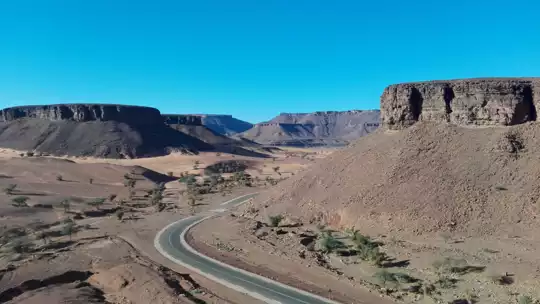
Country photo of Mauritania

We 💚 feedbackWhat to keep in mind

Nema is a place where the desert whispers secrets. The vibe is laid-back, with a warmth that seeps into your bones. You’ll be surprised by the local market—spices that dance in the air and smiles that feel genuine. Just a heads-up: the heat can be relentless, so plan your adventures for early morning or late afternoon. Embrace the slow pace; it’s part of the charm. You’ll leave with stories that linger long after the dust settles.

✍️ Help improve this page!
The information on this page is based on in-depth research, insights shared by experienced travelers, and feedback from the local travel community in Mauritania. While every effort is made to keep the information accurate and current, conditions can change — so if you spot anything incorrect or outdated, please get in touch.


🙋‍♂️ Give feedback

👋 Meet the founderWho’s Behind Take Your Backpack?

Johan, backpacker and founder of TakeYourBackpackHi, I’m Johan (Netherlands 🇳🇱), the creator of TakeYourBackpack. Over the past decade, I’ve backpacked through 80+ countries across six continents, gaining extensive experience with independent travel, long-term trips, and overland routes.

This site is built on a combination of firsthand travel experience and carefully curated insights from other backpackers. Many guides are based on places I’ve personally visited, while others bring together tips, observations, and practical advice shared by trusted travelers I’ve met along the way.

The goal is to provide realistic, experience-driven guidance — not generic itineraries — so you can explore destinations with better context, clearer expectations, and more confidence.

Get full Mauritania guide •
Instant download • 63 highlights • Full Offline guide