v2.webp)
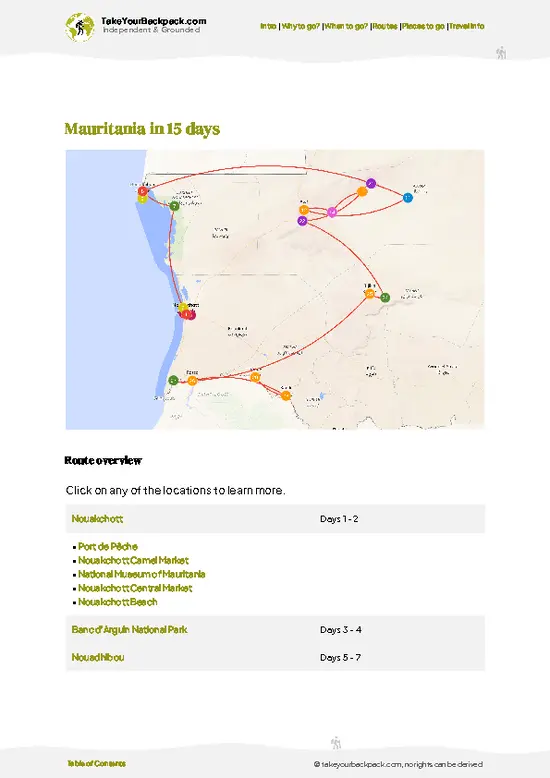
The Rock-Painted Walls: Living Canvases of Saharan Art
Forget the Instagram filters—these walls don’t need them. The houses of Oualata are hand-painted with geometric motifs and ancient symbols, a tradition kept alive by local women. This isn’t some staged “heritage village” for tourists; it’s a living, breathing art form. The paint is made from local clay, and the designs are refreshed after every sandstorm. You’ll see hands stained red with ochre, and if you’re lucky, you’ll catch an artist at work—no velvet ropes, no “do not touch” signs, just real people making real beauty in the middle of the desert.
The Labyrinthine Old Town: A Maze Built for Survival
Oualata’s old town is a maze of narrow, winding alleys—built not for charm, but for shade and defense. The streets twist and turn, funneling … read more 👉
Forget the Instagram filters—these walls don’t need them. The houses of Oualata are hand-painted with geometric motifs and ancient symbols, a tradition kept alive by local women. This isn’t some staged “heritage village” for tourists; it’s a living, breathing art form. The paint is made from local clay, and the designs are refreshed after every sandstorm. You’ll see hands stained red with ochre, and if you’re lucky, you’ll catch an artist at work—no velvet ropes, no “do not touch” signs, just real people making real beauty in the middle of the desert.
The Labyrinthine Old Town: A Maze Built for Survival
Oualata’s old town is a maze of narrow, winding alleys—built not for charm, but for shade and defense. The streets twist and turn, funneling … read more 👉
The Rock-Painted Walls: Living Canvases of Saharan Art
Forget the Instagram filters—these walls don’t need them. The houses of Oualata are hand-painted with geometric motifs and ancient symbols, a tradition kept alive by local women. This isn’t some staged “heritage village” for tourists; it’s a living, breathing art form. The paint is made from local clay, and the designs are refreshed after every sandstorm. You’ll see hands stained red with ochre, and if you’re lucky, you’ll catch an artist at work—no velvet ropes, no “do not touch” signs, just real people making real beauty in the middle of the desert.
The Labyrinthine Old Town: A Maze Built for Survival
Oualata’s old town is a maze of narrow, winding alleys—built not for charm, but for shade and defense. The streets twist and turn, funneling the wind and keeping the Saharan sun at bay. You’ll get lost, and that’s the point. Every corner reveals a new mural, a carved wooden door, or a quiet courtyard where time seems to stall. There’s no map that does this place justice; the magic is in wandering, in letting the city swallow you whole for an hour or two.
The Ancient Libraries: Manuscripts Older Than Most Countries
If you think “library” means fluorescent lights and shushing librarians, think again. Oualata’s manuscript libraries are family-run, dust-filled rooms stacked with centuries-old texts—Islamic law, astronomy, poetry, and medicine, all handwritten on yellowed parchment. Some of these books predate the printing press by hundreds of years. The keepers are proud but practical; they’ll show you the treasures, but don’t expect a polished museum. This is living history, fragile and fiercely protected.
The Friday Market: The Social Heartbeat
Skip the tourist trinkets—Oualata’s market is for locals, and it’s all the better for it. On Fridays, the town pulses with barter and banter. You’ll find camel cheese, salt from the desert, and handwoven mats. The real show is the people-watching: Tuareg traders in indigo, women in bright mulafas, and kids darting between stalls. It’s not curated for outsiders, which is exactly why it’s worth your time.
The City Gates: Thresholds to the Sahara
Oualata’s gates are more than just entry points—they’re statements. Built from mudbrick and painted with the same motifs as the houses, they mark the boundary between civilization and the endless sand. Stand at the gate at sunset and you’ll feel it: the hush, the heat, the sense that you’re on the edge of something immense and ancient. No crowd, no ticket booth, just you and the desert breathing at your feet.
Forget the Instagram filters—these walls don’t need them. The houses of Oualata are hand-painted with geometric motifs and ancient symbols, a tradition kept alive by local women. This isn’t some staged “heritage village” for tourists; it’s a living, breathing art form. The paint is made from local clay, and the designs are refreshed after every sandstorm. You’ll see hands stained red with ochre, and if you’re lucky, you’ll catch an artist at work—no velvet ropes, no “do not touch” signs, just real people making real beauty in the middle of the desert.
The Labyrinthine Old Town: A Maze Built for Survival
Oualata’s old town is a maze of narrow, winding alleys—built not for charm, but for shade and defense. The streets twist and turn, funneling the wind and keeping the Saharan sun at bay. You’ll get lost, and that’s the point. Every corner reveals a new mural, a carved wooden door, or a quiet courtyard where time seems to stall. There’s no map that does this place justice; the magic is in wandering, in letting the city swallow you whole for an hour or two.
The Ancient Libraries: Manuscripts Older Than Most Countries
If you think “library” means fluorescent lights and shushing librarians, think again. Oualata’s manuscript libraries are family-run, dust-filled rooms stacked with centuries-old texts—Islamic law, astronomy, poetry, and medicine, all handwritten on yellowed parchment. Some of these books predate the printing press by hundreds of years. The keepers are proud but practical; they’ll show you the treasures, but don’t expect a polished museum. This is living history, fragile and fiercely protected.
The Friday Market: The Social Heartbeat
Skip the tourist trinkets—Oualata’s market is for locals, and it’s all the better for it. On Fridays, the town pulses with barter and banter. You’ll find camel cheese, salt from the desert, and handwoven mats. The real show is the people-watching: Tuareg traders in indigo, women in bright mulafas, and kids darting between stalls. It’s not curated for outsiders, which is exactly why it’s worth your time.
The City Gates: Thresholds to the Sahara
Oualata’s gates are more than just entry points—they’re statements. Built from mudbrick and painted with the same motifs as the houses, they mark the boundary between civilization and the endless sand. Stand at the gate at sunset and you’ll feel it: the hush, the heat, the sense that you’re on the edge of something immense and ancient. No crowd, no ticket booth, just you and the desert breathing at your feet.
Spotted a mistake or missing something? Contact us.

 Best Backpacking
.jpg) Hi, I’m Johan (Netherlands 🇳🇱), the creator of TakeYourBackpack. Over the past decade, I’ve backpacked through 80+ countries across six continents, gaining extensive experience with independent travel, long-term trips, and overland routes.
Hi, I’m Johan (Netherlands 🇳🇱), the creator of TakeYourBackpack. Over the past decade, I’ve backpacked through 80+ countries across six continents, gaining extensive experience with independent travel, long-term trips, and overland routes.