×

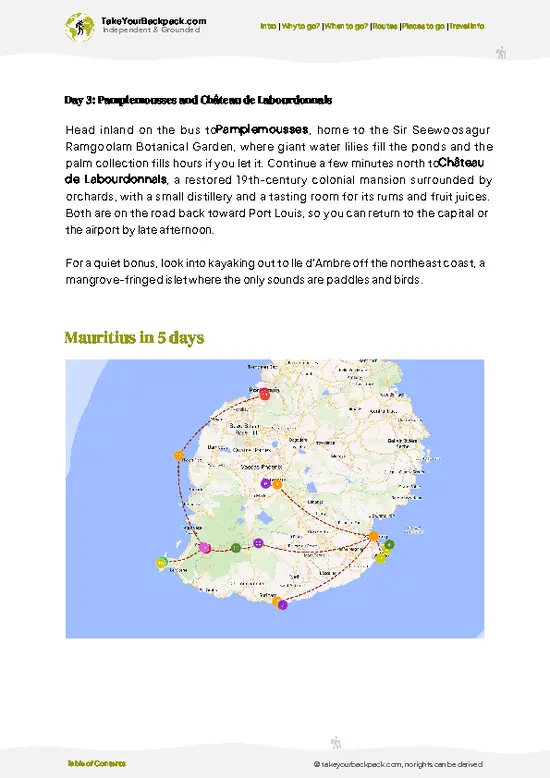
Mauritius🇲🇺 | attractionsChâteau de Labourdonnaisrestored mansion, orchard gardens, rum tasting | things to do and best time to go

Explore Aapravasi GhatExplore Rhumerie de Chamarel

Backpacking in Château de Labourdonnais
🌟 Highlightattraction ranked #4
By Johan Kruseman 🇳🇱 | Updated May 23, 2026

Here’s the practical edge nobody tells you: Château de Labourdonnais is one of the rare “big ticket” sights in Mauritius where you can actually escape the tour bus stampede—if you time it right. Tucked in the lush interior near Mapou, in the island’s north, this 19th-century sugar baron’s mansion is a world away from the beach crowds and resort hustle. Let’s be blunt: if you’re expecting Versailles, dial it back. The wow-factor here isn’t gold leaf or marble, but the slow-burn charm of creaking floorboards, mango trees older than your grandparents, and a working distillery that smells like a pirate’s breakfast. Yes, the entry fee stings a bit for a backpacker, and you’ll need to budget for a bus or taxi—public transport is patchy. But compared to the selfie-thronged Caudan Waterfront or the conveyor-belt tours at Pamplemousses, Labourdonnais feels personal, lived-in, and quietly grand. It’s not adrenaline, it’s atmosphere—and that’s the real magic.

Discover everything you want to know in the 📖 Mauritius Travel Guide.
Loading the map 🌍
CLICK TO FILTER
cities
towns
villages
landmarks
national parks
hikes
beaches
attractions
festivals
regions
SHOW COUNTRY’S BESTSHOW ALL

✨ Why go?
Ranked #4 attraction in Mauritius
The unique appeal for travelers

Backpackers often roll their eyes at the Château de Labourdonnais because it’s not your typical wild adventure spot. It’s a sprawling colonial mansion turned museum on Mauritius, and yes, it draws crowds—mostly day-trippers and history buffs. But here’s the real deal: this place is a rare window into the island’s layered past. It’s not just about the fancy rooms or manicured gardens; it’s about understanding how Mauritius evolved from a sugarcane powerhouse to a melting pot of cultures. The château’s preserved artifacts and guided tours don’t sugarcoat the colonial legacy—they lay it bare, making you confront the island’s complex history head-on.

For backpackers, it’s a major milestone on the classic country route because it breaks up the beach-and-hike routine with something cerebral and … read more 👉
Backpackers often roll their eyes at the Château de Labourdonnais because it’s not your typical wild adventure spot. It’s a sprawling colonial mansion turned museum on Mauritius, and yes, it draws crowds—mostly day-trippers and history buffs. But here’s the real deal: this place is a rare window into the island’s layered past. It’s not just about the fancy rooms or manicured gardens; it’s about understanding how Mauritius evolved from a sugarcane powerhouse to a melting pot of cultures. The château’s preserved artifacts and guided tours don’t sugarcoat the colonial legacy—they lay it bare, making you confront the island’s complex history head-on.

For backpackers, it’s a major milestone on the classic country route because it breaks up the beach-and-hike routine with something cerebral and surprisingly grounding. The effort-to-reward ratio is solid: you spend a couple of hours here, and you walk away with a richer sense of place that no Instagram sunset can match. Plus, the on-site distillery and orchard add a sensory punch—freshly pressed juices, spiced rum, and tropical fruits that connect you to the land’s bounty. It’s not flashy, but it’s real. And sometimes, that’s exactly what you need.
Want to include Château de Labourdonnais in your Mauritius route?
Create a personalized Mauritius itinerary that includes Château de Labourdonnais and the places that fit your trip — based on your travel style, budget, and available time. Get your route in seconds.

Generate my trip

💡 HighlightsEssential experiences to have while visiting Château de Labourdonnais

The Mansion Tour: Colonial Grandeur Without the Airbrushing
Forget the Instagram filters—this is a real 19th-century sugar baron’s mansion, and it’s not shy about its colonial past. You’ll walk through rooms that still creak with history: original woodwork, period furniture, and family portraits that stare back with a kind of haughty permanence. The house is impeccably restored, but not in a way that feels sterile or fake. You’ll see the good, the bad, and the complicated—Mauritian history in all its messy glory. If you want a sugar-coated fairytale, look elsewhere. If you want to feel the weight of real lives lived, this is the ticket.


The Gardens: Tropical Excess, Unfiltered
This isn’t some prim European hedge maze. The grounds are a riot of mango trees, banyans, and palms that look like … read more 👉
The Mansion Tour: Colonial Grandeur Without the Airbrushing
Forget the Instagram filters—this is a real 19th-century sugar baron’s mansion, and it’s not shy about its colonial past. You’ll walk through rooms that still creak with history: original woodwork, period furniture, and family portraits that stare back with a kind of haughty permanence. The house is impeccably restored, but not in a way that feels sterile or fake. You’ll see the good, the bad, and the complicated—Mauritian history in all its messy glory. If you want a sugar-coated fairytale, look elsewhere. If you want to feel the weight of real lives lived, this is the ticket.


The Gardens: Tropical Excess, Unfiltered
This isn’t some prim European hedge maze. The grounds are a riot of mango trees, banyans, and palms that look like they could swallow a small car. You’ll find giant tortoises lumbering around like they own the place (because, frankly, they do). The air is thick with the smell of ripe fruit and wet earth. It’s wild, a little chaotic, and absolutely alive. Skip the manicured lawns—this is Mauritius showing off its raw, humid heart.


The Distillery and Rum Tasting: Grown-Up Playground
You’re not just sipping rum here; you’re tasting the island’s DNA. The on-site distillery turns local sugarcane into small-batch rums that actually taste like something—think vanilla, spice, and a hit of tropical funk. The staff know their stuff and don’t rush you. This is not a tourist trap with watered-down samples. If you’re a spirits nerd, you’ll geek out. If you’re just thirsty, you’ll leave happy (and maybe a little tipsy).


The Orchard: Eat Your Way Through History
Most “heritage” sites give you a plaque and a pat on the back. Here, you can actually pick and taste the same fruits that have grown on this land for generations—guava, lychee, mango, and more. It’s hands-on, sticky-fingered fun, and a reminder that Mauritius is more than just beaches. The orchard is a living archive, and you’re invited to raid it.


The Restaurant: Mauritian Flavors Without the Gimmicks
Skip the resort buffets. The on-site restaurant serves up local classics—think venison curry, palm heart salad, and fresh fruit desserts—without the watered-down “international” menu nonsense. Ingredients are often sourced right from the estate. You’ll taste the difference. This is where you get a real sense of Mauritian hospitality: generous, unpretentious, and deeply satisfying.


The Family Museum: Stories, Not Just Stuff
Most museums drown you in artifacts. Here, the displays are personal—letters, photos, and everyday objects that tell the story of the Labourdonnais family and their workers. You get context, not just relics. It’s intimate, sometimes uncomfortable, and always real. If you want to understand how Mauritius became Mauritius, don’t skip this.
Spotted a mistake or missing something? Contact us.

Things to do near Château de Labourdonnais

Ratings based on Tripadvisor reviews. When you book through this link, you support our work at no extra cost to you.

🌤️ When to go?Choosing the right time of year


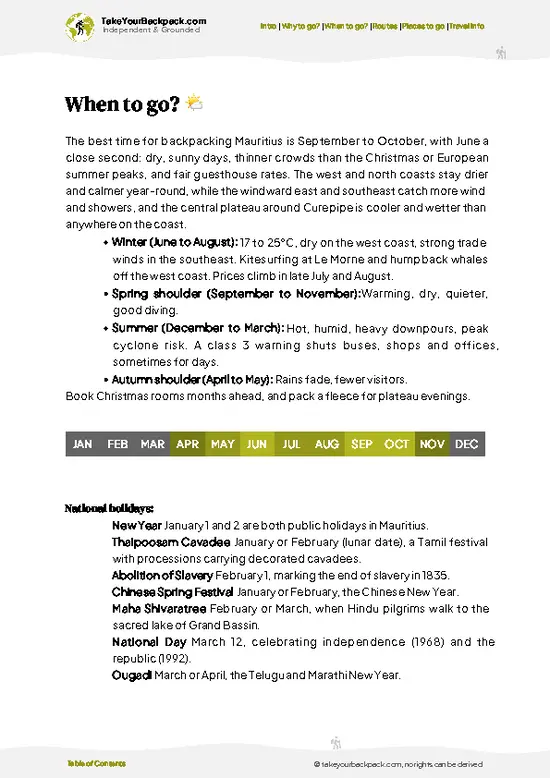
  • Weather: Mauritius swings between hot, humid summers and cooler, drier winters. From November to April, expect highs around 30-33°C (86-91°F) with sticky humidity and a risk of cyclones. May to October cools down to a comfortable 20-25°C (68-77°F), making it easier to explore without melting into a puddle.

  • Temperature: The Château de Labourdonnais is best enjoyed when you’re not sweating through your shirt. Aim for May to October when temperatures hover in the low to mid-20s Celsius (68-77°F). The summer months can push you into the low 30s Celsius (mid-80s to low 90s Fahrenheit), which is less forgiving for backpackers on foot.

  • Daylight Hours: Mauritius enjoys roughly 11 to 12 hours of daylight year-round, but the sun sets earlier in winter (May to August), around 5:30-6 PM. Longer
read more 👉

  • Weather: Mauritius swings between hot, humid summers and cooler, drier winters. From November to April, expect highs around 30-33°C (86-91°F) with sticky humidity and a risk of cyclones. May to October cools down to a comfortable 20-25°C (68-77°F), making it easier to explore without melting into a puddle.

  • Temperature: The Château de Labourdonnais is best enjoyed when you’re not sweating through your shirt. Aim for May to October when temperatures hover in the low to mid-20s Celsius (68-77°F). The summer months can push you into the low 30s Celsius (mid-80s to low 90s Fahrenheit), which is less forgiving for backpackers on foot.

  • Daylight Hours: Mauritius enjoys roughly 11 to 12 hours of daylight year-round, but the sun sets earlier in winter (May to August), around 5:30-6 PM. Longer daylight in summer means more time to wander, but the heat can sap your energy fast.

  • Crowds: Peak tourist season hits from December to March, coinciding with holidays and summer break. The Château gets busier, and prices spike. For a quieter, more authentic experience, visit between May and September when fewer tourists mean more space to breathe and explore.

  • Seasonal Activities: The estate’s gardens bloom vibrantly in the cooler months, May to September, perfect for those who want to see the grounds in full color without the sweat. Summer months bring tropical fruit harvests and occasional festivals, but expect crowds and higher prices.

  • Price Fluctuations: Accommodation and tours around the Château swell in price during the December to March high season. Booking in the shoulder months (April, May, September, October) can save you a decent chunk of cash without sacrificing the experience.


Pro-tip: Visit between May and September for the sweet spot of cooler weather, fewer crowds, and better prices—perfect for soaking in the Château’s charm without the Instagram crush.


source: climatestotravel.comJANJanuary: fair for travelingFEBFebruary: fair for travelingMARMarch: fair for travelingAPRApril: highly recommended for travelingMAYMay: excellent for travelingJUNJune: excellent for travelingJULJuly: excellent for travelingAUGAugust: excellent for travelingSEPSeptember: excellent for travelingOCTOctober: highly recommended for travelingNOVNovember: good for travelingDECDecember: fair for traveling
when-to-go

✈️ The backpacker research shortcutMauritius Travel Guide

An offline-friendly backpacking guide with optimized travel routes, ranked highlights, transport advice, and the best areas to stay.
example page 0 from our offline Travel Guide for Mauritius
example page 1 from our offline Travel Guide for Mauritius
example page 2 from our offline Travel Guide for Mauritius
example page 3 from our offline Travel Guide for Mauritius
example page 4 from our offline Travel Guide for Mauritius
example page 5 from our offline Travel Guide for Mauritius
example page 6 from our offline Travel Guide for Mauritius
example page 7 from our offline Travel Guide for Mauritius
The digital guide (256 pages) contains:
68 highlights, ranked by travel appeal
Optimized 2, 3 & 5-day travel routes
Cities, national parks, landmarks, beaches
How to get around
Offline-friendly for travel without Wi-Fi
👉 Click to see all 30+ guide features

📅 Plan smarter in minutes, not weeks
Month by month travel advice
Festivals & national holidays
Budget expectations

🗺️ Go to the right places, skip the overrated ones
Honest pros & cons of destinations
Top hikes, parks & viewpoints
Lesser-known places most travelers miss
Clear “worth it vs skip it” guidance

🛏️ Travel smoothly without rookie mistakes
Best areas to stay
Transport systems explained simply
Common scams & safety advice
SIM cards, money & practical tips

🌍 Understand the country, not just visit it
Culture & traditions
Local customs
Festivals worth planning around
Traveler-friendly historical context
Insights that make places more meaningful

📱 Built for real travel conditions
Fully downloadable PDF
Works completely offline
Optimized for phone use
Useful in remote areas & buses
Everything in one place
Save weeks of stressful planning
Get instant access to your full guide. 30‑day money-back guarantee.


By proceeding you agree to our terms.
Sent to your inbox immediately after payment • 100% Secure Checkout
Best Backpacking Travel Advisor 2025 tourism awardBest Backpacking
Travel Advisor
2025
What others say about Take Your Backpack Guides:
⭐⭐⭐⭐⭐
Fantastic, amazing amount of information!
⭐⭐⭐⭐⭐
My goodness this is amazing, it's what I've been looking for hats off too you!
⭐⭐⭐⭐⭐
I think this is absolutely BRILLIANT
⭐⭐⭐⭐
Very complete and informative. It's still missing places, but I gotta to commend you
⭐⭐⭐⭐⭐
This is truly amazing, thank you, can't wait to explore it with my kids!
⭐⭐⭐⭐⭐
Awesome resource, thank you!
⭐⭐⭐⭐⭐
This is amazing! Can't wait to explore the ones I haven't seen
⭐⭐⭐⭐
I love this! Well done, great idea.
⭐⭐⭐⭐⭐
Thanks for taking the time to make this gem!
⭐⭐⭐⭐⭐
This might be the best website I've ever seen.
⭐⭐⭐⭐⭐
Congratulations, and thank you so much for your work; it's incredibly valuable.
⭐⭐⭐⭐
In all seriousness I think you did a great job pointing out the important spots
⭐⭐⭐⭐⭐
10/10 very good
⭐⭐⭐⭐⭐
As someone who's only just starting to visit regularly this is awesome, thank you.
⭐⭐⭐⭐
Thank you very much! I'm going to visit my dad, it's going to be very useful!
⭐⭐⭐⭐⭐
This is really cool! We'll be travelling for the first time and this definitely come in handy.
⭐⭐⭐⭐⭐
You are now our minister of culture, congratulations 👨‍💼
⭐⭐⭐⭐⭐
Just wanted to tell you that this is a pearl! Going to follow your recommendations.
⭐⭐⭐⭐⭐
This is so cool. I'll definitely be using the resource for my travels soon.
⭐⭐⭐⭐⭐
This is very impressive! Good work.
⭐⭐⭐⭐⭐
This is an amazing and informative site. Very well done!

🛏️ Where to stay?Choosing the right base

Let’s cut through the sugarcoating around Château de Labourdonnais. Yes, it’s a beautiful colonial estate with sprawling gardens and a rum distillery that’s more than just a photo op. But it’s not some secret Eden where you’ll have the place to yourself. The crowds can be steady, especially on weekends and holidays, and the entrance fee isn’t exactly pocket change for a backpacker. So, if you’re chasing that Instagram-perfect shot, brace yourself for a few dozen others doing the same.

Now, here’s where the real magic kicks in: the areas around the château offer a surprisingly authentic slice … read more 👉
Let’s cut through the sugarcoating around Château de Labourdonnais. Yes, it’s a beautiful colonial estate with sprawling gardens and a rum distillery that’s more than just a photo op. But it’s not some secret Eden where you’ll have the place to yourself. The crowds can be steady, especially on weekends and holidays, and the entrance fee isn’t exactly pocket change for a backpacker. So, if you’re chasing that Instagram-perfect shot, brace yourself for a few dozen others doing the same.

Now, here’s where the real magic kicks in: the areas around the château offer a surprisingly authentic slice of Mauritian life, away from the usual tourist traps. For backpackers, the northern coastal belt near Grand Baie is your best bet. It’s safe, buzzing with fellow travelers, and packed with budget-friendly guesthouses and hostels that encourage social vibes. You’ll find plenty of opportunities to swap stories over cheap street food or join impromptu beach volleyball games. Plus, it’s a solid base for exploring the island’s north without breaking the bank.

If you want to dive deeper into local culture, consider staying in smaller villages like Mapou or Pamplemousses. These spots aren’t tourist magnets, but they offer a genuine feel of Mauritian daily life and are just a short ride from the château. The trade-off? Fewer backpackers and less nightlife, but more authenticity and a chance to connect with locals beyond the usual tourist circuit.

Bottom line: skip the pricey resorts near the château itself. Head to Grand Baie or the nearby villages for a safer, more social, and wallet-friendly experience that actually enriches your trip.

👛 Costs (as of 26 August 2025)Money, prices, and spending tips

As of November 2024, admission to the Château de Labourdonnais in Mauritius ranges from MUR 700 to MUR 900 (approximately €15 to €25) for adults, depending on the type of tour selected. Additional activities, such as guided tours and tastings, are available at extra costs.

source: domainedelabourdonnais.com
⚠️ Prices can change and everyone travels differently, so take this as a rough guide. Hope it helps you plan your adventure!

Other Mauritian attractions near Château de Labourdonnais

Explore more nearby:


💡 Not sure where to go next?
Create a personalized itinerary for Mauritius including Château de Labourdonnais and the places that fit your trip.

Generate my itinerary

👉 Discover all attractions

Or checkout all Mauritius has to offer (think cities, towns, villages, national parks, hikes, beaches, festivals)
Country photo of Mauritius

We 💚 feedbackParting advice and final tips

Château de Labourdonnais isn’t some polished postcard spot where you’ll find peace and quiet—expect a steady stream of tourists, especially on weekends. But here’s the kicker: beyond the crowds, the real charm sneaks up on you in the orchard’s scent and the old-school colonial kitchen where they whip up fresh vanilla-infused rum. It’s not just a museum; it’s a slice of Mauritian life that’s stubbornly authentic. If you’re after Instagram perfection, skip it. But if you want a place that sticks with you, this is it.

✍️ Help improve this page!
The information on this page is based on in-depth research, insights shared by experienced travelers, and feedback from the local travel community in Mauritius. While every effort is made to keep the information accurate and current, conditions can change — so if you spot anything incorrect or outdated, please get in touch.


🙋‍♂️ Give feedback

👋 Meet the founderWho’s Behind Take Your Backpack?

Johan, backpacker and founder of TakeYourBackpackHi, I’m Johan (Netherlands 🇳🇱), the creator of TakeYourBackpack. Over the past decade, I’ve backpacked through 80+ countries across six continents, gaining extensive experience with independent travel, long-term trips, and overland routes.

This site is built on a combination of firsthand travel experience and carefully curated insights from other backpackers. Many guides are based on places I’ve personally visited, while others bring together tips, observations, and practical advice shared by trusted travelers I’ve met along the way.

The goal is to provide realistic, experience-driven guidance — not generic itineraries — so you can explore destinations with better context, clearer expectations, and more confidence.

Get full Mauritius guide •
Instant download • 68 highlights • Full Offline guide