v2.webp)



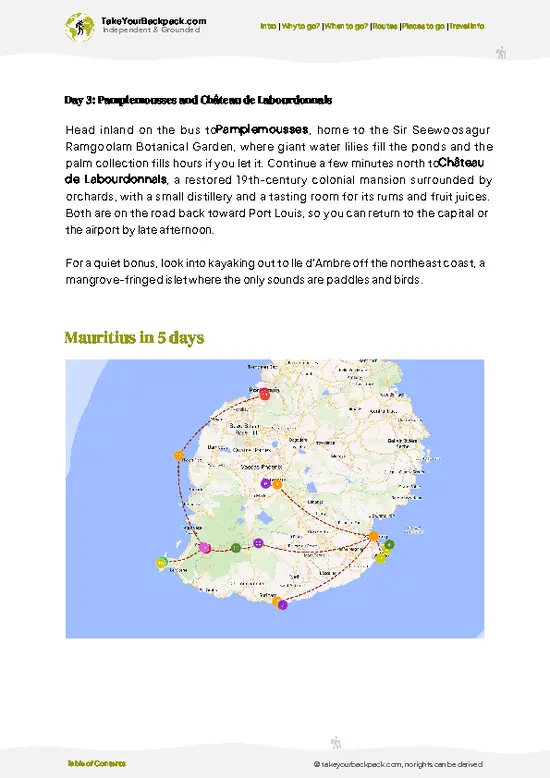

The Avenue of Royal Palms
Let’s get real: you’ve seen palm-lined walkways on a thousand Instagram feeds. But the SSR Botanic Garden’s Avenue of Royal Palms isn’t just a photo op—it’s a living corridor of history. These palms have stood sentry for centuries, towering and unapologetically regal, making you feel like you’re walking into a colonial fever dream. The scale is dramatic, the shade is real, and the sense of arrival is undeniable. No filter needed; the grandeur is baked in.
The Giant Water Lily Pond
Here’s where the garden earns its global reputation. The Victoria amazonica lilies are absurdly huge—think dinner plates for giants, floating serenely on still water. Yes, you’ll have to dodge the selfie sticks, but the lilies themselves are the real spectacle. Watch for the flowers: they … read more 👉
Let’s get real: you’ve seen palm-lined walkways on a thousand Instagram feeds. But the SSR Botanic Garden’s Avenue of Royal Palms isn’t just a photo op—it’s a living corridor of history. These palms have stood sentry for centuries, towering and unapologetically regal, making you feel like you’re walking into a colonial fever dream. The scale is dramatic, the shade is real, and the sense of arrival is undeniable. No filter needed; the grandeur is baked in.
The Giant Water Lily Pond
Here’s where the garden earns its global reputation. The Victoria amazonica lilies are absurdly huge—think dinner plates for giants, floating serenely on still water. Yes, you’ll have to dodge the selfie sticks, but the lilies themselves are the real spectacle. Watch for the flowers: they … read more 👉
The Avenue of Royal Palms
Let’s get real: you’ve seen palm-lined walkways on a thousand Instagram feeds. But the SSR Botanic Garden’s Avenue of Royal Palms isn’t just a photo op—it’s a living corridor of history. These palms have stood sentry for centuries, towering and unapologetically regal, making you feel like you’re walking into a colonial fever dream. The scale is dramatic, the shade is real, and the sense of arrival is undeniable. No filter needed; the grandeur is baked in.
The Giant Water Lily Pond
Here’s where the garden earns its global reputation. The Victoria amazonica lilies are absurdly huge—think dinner plates for giants, floating serenely on still water. Yes, you’ll have to dodge the selfie sticks, but the lilies themselves are the real spectacle. Watch for the flowers: they bloom white on the first day, blush pink on the second, then sink. It’s a fleeting, almost theatrical show that’s pure botanic drama.
The Old Sugar Mill Chimney
Don’t expect a polished museum experience here. The sugar factory ruins are raw, industrial, and a little haunting. The chimney stands as a stubborn relic of Mauritius’s colonial sugar empire. There’s no velvet rope, just weathered stone and the ghosts of laborers who powered the island’s economy. It’s not pretty, but it’s honest—and it gives the garden a backbone most manicured parks lack.
The Talipot Palm
This is the plant world’s version of a rock star’s final tour. The talipot palm flowers once—just once—in its 60-year life, then dies. If you catch it in bloom, you’re witnessing a botanical mic drop. Even out of bloom, its sheer size and mythic reputation make it a must-see. It’s the kind of natural spectacle that makes you appreciate the slow, strange drama of plants.
The Sugar Museum
Skip the touristy sugar tastings and head for the museum’s gritty exhibits. This isn’t a saccharine celebration; it’s a walk through the island’s complicated relationship with sugar—colonialism, slavery, and all. The machinery is massive, the stories are unvarnished, and the context is essential. If you want to understand Mauritius beyond the beaches, this is where you start.
The Spice Garden
Forget the perfunctory herb beds you find in most botanic gardens. Here, the spice garden is a riot of scent and texture—cinnamon, nutmeg, clove, and more. Crush a leaf, inhale, and you’re instantly reminded that Mauritius’s history is tangled up in the spice trade. It’s sensory, it’s educational, and it’s a reminder that the island’s riches were always more than just sugar.
The Tortoise Enclosure
Yes, it’s a crowd-pleaser, but it’s also a living link to the island’s natural history. The Aldabra tortoises lumber around with prehistoric indifference, outliving generations of visitors. They’re not props—they’re survivors. Watch them for a few minutes and you’ll understand why they’re the unofficial mascots of the garden: slow, stubborn, and quietly magnificent.
Let’s get real: you’ve seen palm-lined walkways on a thousand Instagram feeds. But the SSR Botanic Garden’s Avenue of Royal Palms isn’t just a photo op—it’s a living corridor of history. These palms have stood sentry for centuries, towering and unapologetically regal, making you feel like you’re walking into a colonial fever dream. The scale is dramatic, the shade is real, and the sense of arrival is undeniable. No filter needed; the grandeur is baked in.
The Giant Water Lily Pond
Here’s where the garden earns its global reputation. The Victoria amazonica lilies are absurdly huge—think dinner plates for giants, floating serenely on still water. Yes, you’ll have to dodge the selfie sticks, but the lilies themselves are the real spectacle. Watch for the flowers: they bloom white on the first day, blush pink on the second, then sink. It’s a fleeting, almost theatrical show that’s pure botanic drama.
The Old Sugar Mill Chimney
Don’t expect a polished museum experience here. The sugar factory ruins are raw, industrial, and a little haunting. The chimney stands as a stubborn relic of Mauritius’s colonial sugar empire. There’s no velvet rope, just weathered stone and the ghosts of laborers who powered the island’s economy. It’s not pretty, but it’s honest—and it gives the garden a backbone most manicured parks lack.
The Talipot Palm
This is the plant world’s version of a rock star’s final tour. The talipot palm flowers once—just once—in its 60-year life, then dies. If you catch it in bloom, you’re witnessing a botanical mic drop. Even out of bloom, its sheer size and mythic reputation make it a must-see. It’s the kind of natural spectacle that makes you appreciate the slow, strange drama of plants.
The Sugar Museum
Skip the touristy sugar tastings and head for the museum’s gritty exhibits. This isn’t a saccharine celebration; it’s a walk through the island’s complicated relationship with sugar—colonialism, slavery, and all. The machinery is massive, the stories are unvarnished, and the context is essential. If you want to understand Mauritius beyond the beaches, this is where you start.
The Spice Garden
Forget the perfunctory herb beds you find in most botanic gardens. Here, the spice garden is a riot of scent and texture—cinnamon, nutmeg, clove, and more. Crush a leaf, inhale, and you’re instantly reminded that Mauritius’s history is tangled up in the spice trade. It’s sensory, it’s educational, and it’s a reminder that the island’s riches were always more than just sugar.
The Tortoise Enclosure
Yes, it’s a crowd-pleaser, but it’s also a living link to the island’s natural history. The Aldabra tortoises lumber around with prehistoric indifference, outliving generations of visitors. They’re not props—they’re survivors. Watch them for a few minutes and you’ll understand why they’re the unofficial mascots of the garden: slow, stubborn, and quietly magnificent.
Spotted a mistake or missing something? Contact us.


 Best Backpacking
.jpg) Hi, I’m Johan (Netherlands 🇳🇱), the creator of TakeYourBackpack. Over the past 3 decades, I’ve backpacked through 90+ countries across six continents, gaining extensive experience with independent travel, long-term trips, and overland routes.
Hi, I’m Johan (Netherlands 🇳🇱), the creator of TakeYourBackpack. Over the past 3 decades, I’ve backpacked through 90+ countries across six continents, gaining extensive experience with independent travel, long-term trips, and overland routes.