v2.webp)
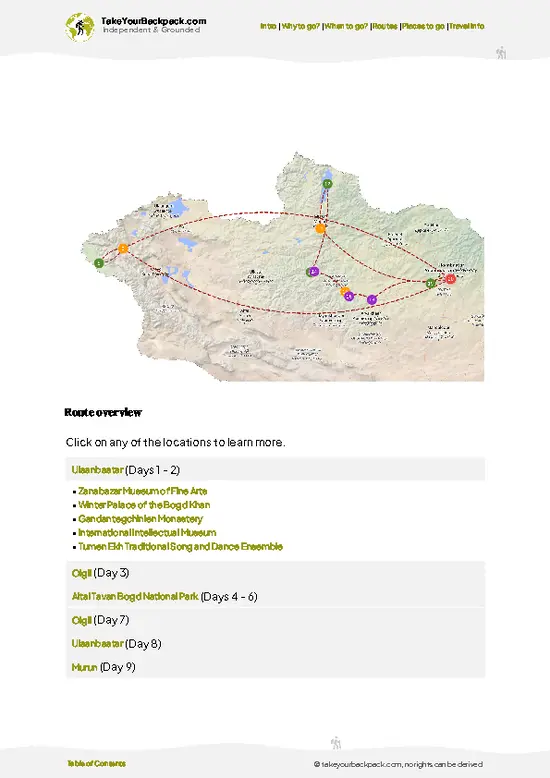

1. Migjid Janraisig Statue
Let’s cut through the Instagram haze: the 26-meter-tall Migjid Janraisig statue is not just a photo op. It’s a jaw-dropper, even if you’ve seen your share of giant Buddhas. Looming in the main temple, this gold-faced Avalokiteshvara is surrounded by hundreds of smaller statues and offerings. The sheer scale is humbling, but what really lands is the atmosphere—locals circling with prayer beads, the scent of yak butter candles, the low murmur of mantras. It’s not just a monument; it’s a living, breathing center of faith.
2. Morning Chanting Rituals
Forget the tourist bus schedule. If you want the real show, show up early for the monks’ morning chanting. This isn’t a performance for outsiders—it’s the daily pulse of Mongolian Buddhism. The sound is hypnotic: deep, … read more 👉
Let’s cut through the Instagram haze: the 26-meter-tall Migjid Janraisig statue is not just a photo op. It’s a jaw-dropper, even if you’ve seen your share of giant Buddhas. Looming in the main temple, this gold-faced Avalokiteshvara is surrounded by hundreds of smaller statues and offerings. The sheer scale is humbling, but what really lands is the atmosphere—locals circling with prayer beads, the scent of yak butter candles, the low murmur of mantras. It’s not just a monument; it’s a living, breathing center of faith.
2. Morning Chanting Rituals
Forget the tourist bus schedule. If you want the real show, show up early for the monks’ morning chanting. This isn’t a performance for outsiders—it’s the daily pulse of Mongolian Buddhism. The sound is hypnotic: deep, … read more 👉
1. Migjid Janraisig Statue
Let’s cut through the Instagram haze: the 26-meter-tall Migjid Janraisig statue is not just a photo op. It’s a jaw-dropper, even if you’ve seen your share of giant Buddhas. Looming in the main temple, this gold-faced Avalokiteshvara is surrounded by hundreds of smaller statues and offerings. The sheer scale is humbling, but what really lands is the atmosphere—locals circling with prayer beads, the scent of yak butter candles, the low murmur of mantras. It’s not just a monument; it’s a living, breathing center of faith.
2. Morning Chanting Rituals
Forget the tourist bus schedule. If you want the real show, show up early for the monks’ morning chanting. This isn’t a performance for outsiders—it’s the daily pulse of Mongolian Buddhism. The sound is hypnotic: deep, resonant chanting, the clatter of cymbals, the occasional blast of a conch shell. You’ll feel like you’ve stumbled into a centuries-old secret. It’s raw, unscripted, and a little chaotic. That’s the point.
3. The Monastic Courtyard
Here’s where the Instagrammers get it wrong. The courtyard isn’t just a backdrop for selfies; it’s a cross-section of Mongolian life. You’ll see elderly women spinning prayer wheels, young monks darting between buildings, and the odd stray dog napping in the sun. The energy is kinetic, not curated. If you want to people-watch and soak up the real Ulaanbaatar, this is the spot.
4. The Library of Sutras
Most visitors miss this, and that’s their loss. The monastery’s library holds ancient Buddhist texts—some hand-written, some rescued from Soviet-era destruction. The air is thick with history and incense. If you’re lucky, a monk might let you peek at the illuminated manuscripts. This is where Mongolia’s spiritual resilience is on full display. It’s not flashy, but it’s quietly powerful.
5. The Prayer Wheel Arcade
Rows of prayer wheels line the walkways, and spinning them is more than a tourist ritual. Locals do it with intent, murmuring prayers as they go. The tactile rhythm—spin, step, spin—draws you in. It’s meditative, grounding, and surprisingly addictive. You’ll catch yourself circling back for another round.
6. The Rooftop Views (Personal Favorite)
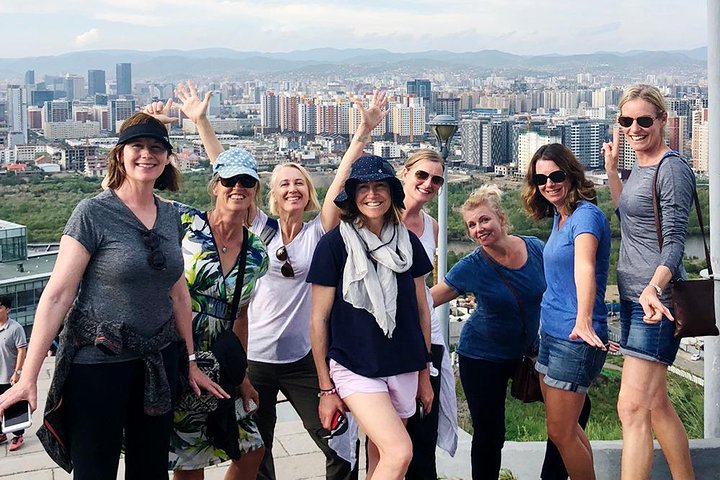
Climb up (if you can wrangle permission or find the right staircase) and you’ll get a panorama that’s pure Mongolia: golden temple roofs, Soviet apartment blocks, and the wild sweep of the steppe beyond the city. It’s a collision of old and new, sacred and secular. This is the moment when the city’s contradictions make sense. For me, this is the real magic—standing above the chaos, breathing in the cold air, and realizing you’re somewhere utterly singular.
Let’s cut through the Instagram haze: the 26-meter-tall Migjid Janraisig statue is not just a photo op. It’s a jaw-dropper, even if you’ve seen your share of giant Buddhas. Looming in the main temple, this gold-faced Avalokiteshvara is surrounded by hundreds of smaller statues and offerings. The sheer scale is humbling, but what really lands is the atmosphere—locals circling with prayer beads, the scent of yak butter candles, the low murmur of mantras. It’s not just a monument; it’s a living, breathing center of faith.
2. Morning Chanting Rituals
Forget the tourist bus schedule. If you want the real show, show up early for the monks’ morning chanting. This isn’t a performance for outsiders—it’s the daily pulse of Mongolian Buddhism. The sound is hypnotic: deep, resonant chanting, the clatter of cymbals, the occasional blast of a conch shell. You’ll feel like you’ve stumbled into a centuries-old secret. It’s raw, unscripted, and a little chaotic. That’s the point.
3. The Monastic Courtyard
Here’s where the Instagrammers get it wrong. The courtyard isn’t just a backdrop for selfies; it’s a cross-section of Mongolian life. You’ll see elderly women spinning prayer wheels, young monks darting between buildings, and the odd stray dog napping in the sun. The energy is kinetic, not curated. If you want to people-watch and soak up the real Ulaanbaatar, this is the spot.
4. The Library of Sutras
Most visitors miss this, and that’s their loss. The monastery’s library holds ancient Buddhist texts—some hand-written, some rescued from Soviet-era destruction. The air is thick with history and incense. If you’re lucky, a monk might let you peek at the illuminated manuscripts. This is where Mongolia’s spiritual resilience is on full display. It’s not flashy, but it’s quietly powerful.
5. The Prayer Wheel Arcade
Rows of prayer wheels line the walkways, and spinning them is more than a tourist ritual. Locals do it with intent, murmuring prayers as they go. The tactile rhythm—spin, step, spin—draws you in. It’s meditative, grounding, and surprisingly addictive. You’ll catch yourself circling back for another round.
6. The Rooftop Views (Personal Favorite)
Climb up (if you can wrangle permission or find the right staircase) and you’ll get a panorama that’s pure Mongolia: golden temple roofs, Soviet apartment blocks, and the wild sweep of the steppe beyond the city. It’s a collision of old and new, sacred and secular. This is the moment when the city’s contradictions make sense. For me, this is the real magic—standing above the chaos, breathing in the cold air, and realizing you’re somewhere utterly singular.
Spotted a mistake or missing something? Contact us.

Private Jeep City tour with English Speaking Driver

Ulaanbaatar Signature Tour – Mongolia’s Capital in One Day

Private Ulaanbaatar City Tour

Ulaanbaatar Private Custom Walking Tour With a Local Guide

Private Ulaanbaatar Tour: Small-Group with a Local Guide

Private Khustain National Park and City Tour in Mongolia

Ulaanbaatar Highlights

Private and Guided City Tour in Mongolia

Gobi &Central Mongolia –Local Naadam Tour

 Best Backpacking
.jpg) Hi, I’m Johan (Netherlands 🇳🇱), the creator of TakeYourBackpack. Over the past 3 decades, I’ve backpacked through 90+ countries across six continents, gaining extensive experience with independent travel, long-term trips, and overland routes.
Hi, I’m Johan (Netherlands 🇳🇱), the creator of TakeYourBackpack. Over the past 3 decades, I’ve backpacked through 90+ countries across six continents, gaining extensive experience with independent travel, long-term trips, and overland routes.