
1. The Green Palace (Main Residence)
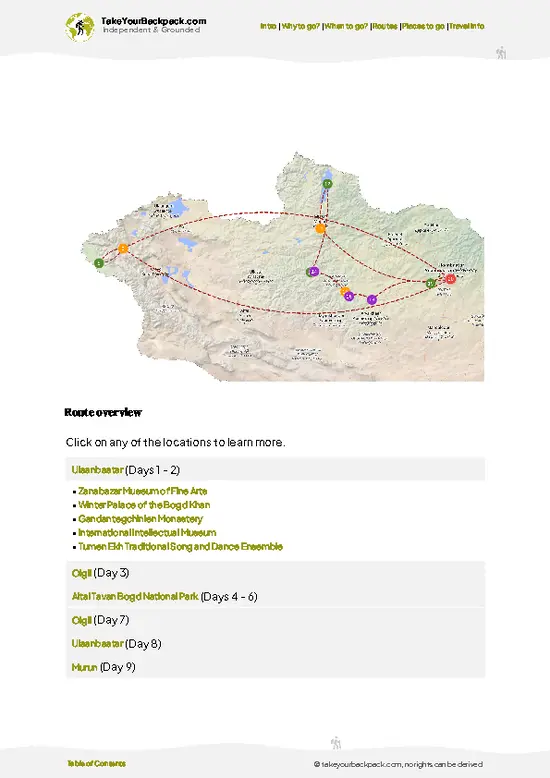
Forget the Instagram shots of ornate roofs and red pillars—this is where the real drama happened. The Green Palace is the heart of the Winter Palace complex, and it’s not just a pretty shell. Step inside and you’re face-to-face with the actual living quarters of Mongolia’s last king, the Bogd Khan. The rooms are preserved with a kind of stubborn authenticity: threadbare carpets, faded thrones, and a sense that you’re trespassing in someone’s private world. It’s not polished for tourists, and that’s the point. You can almost smell the incense and hear the whispers of old court intrigue. If you want to feel the pulse of Mongolia’s vanished monarchy, this is where it beats.
2. The Bogd Khan’s Personal Collection
This is not your average museum display. The … read more 👉
1. The Green Palace (Main Residence)
Forget the Instagram shots of ornate roofs and red pillars—this is where the real drama happened. The Green Palace is the heart of the Winter Palace complex, and it’s not just a pretty shell. Step inside and you’re face-to-face with the actual living quarters of Mongolia’s last king, the Bogd Khan. The rooms are preserved with a kind of stubborn authenticity: threadbare carpets, faded thrones, and a sense that you’re trespassing in someone’s private world. It’s not polished for tourists, and that’s the point. You can almost smell the incense and hear the whispers of old court intrigue. If you want to feel the pulse of Mongolia’s vanished monarchy, this is where it beats.
2. The Bogd Khan’s Personal Collection
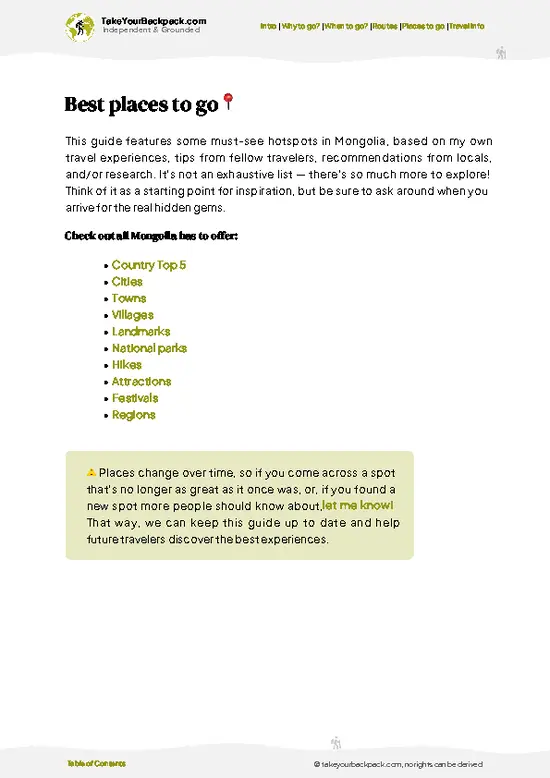
This is not your average museum display. The Bogd Khan was a collector of the bizarre, the beautiful, and the downright eccentric. You’ll find everything from ceremonial boots made for an elephant (yes, really) to taxidermied animals gifted by Russian czars. There are thrones, jeweled hats, and a pair of spectacles that look like they belong in a Wes Anderson film. It’s a crash course in royal taste—equal parts opulence and oddity. The collection is displayed with a kind of Soviet-era indifference to curation, which only adds to the charm. You’re left to piece together the story yourself, and that’s half the fun.
3. The Buddhist Temples
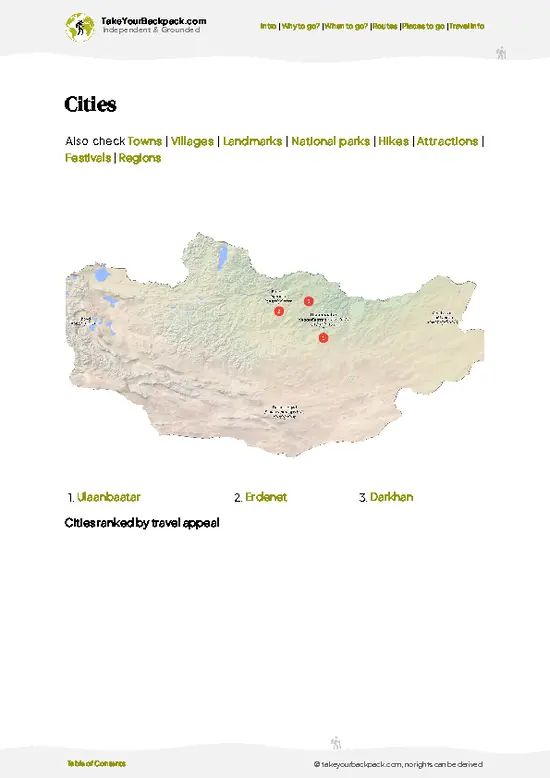
Don’t expect serene, empty sanctuaries. The temples here are compact, atmospheric, and still active. Monks chant, locals light butter lamps, and the air is thick with the scent of juniper. The murals are faded but fierce, depicting wrathful deities and cosmic battles. This is Buddhism with grit—less about postcard tranquility, more about survival and resilience. If you want to see how faith endures through revolution and repression, spend time here.
4. The Winter Palace Grounds
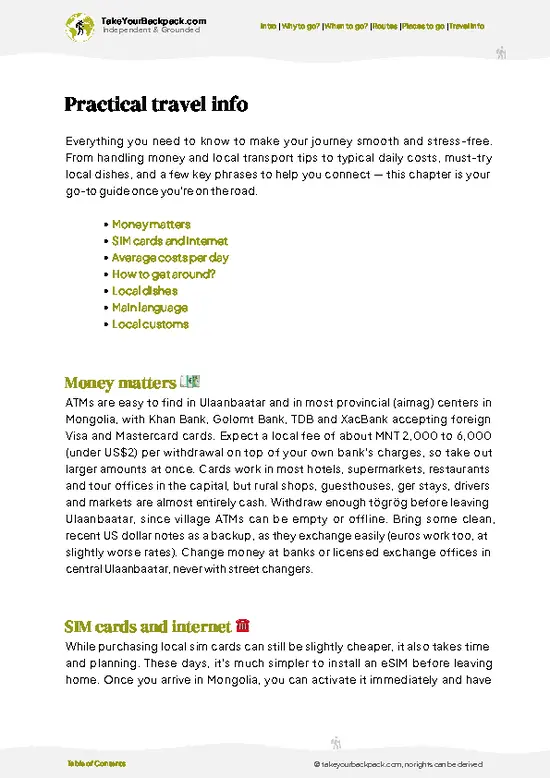
Here’s the surprise: the grounds are not manicured gardens. They’re a little wild, a little scruffy, and all the better for it. You’ll find stray dogs, weathered statues, and a sense of faded grandeur. The contrast between the palace’s former glory and its current, slightly ramshackle state is oddly moving. It’s a living reminder that history isn’t just preserved—it’s endured. This is my personal favorite. There’s something honest about a palace that wears its scars in public.
5. The Royal Yurt
Yes, there’s a yurt on the palace grounds, and it’s not just for show. This is where the Bogd Khan would retreat for ceremonies or just to escape the formalities of palace life. Step inside and you’ll see the blend of nomadic tradition and royal luxury: felt walls, silk hangings, and a throne that looks like it was airlifted from a steppe epic. It’s a crash course in Mongolian identity—part empire, part open sky.
Spotted a mistake or missing something? Contact us.

Cooking Class in a Traditional Ger Home in Ulaanbaatar Suburbs

Private 3-Day Tour of National Parks From Ulaanbaatar

Private tour wth Olivia: Genghis Statue-Turtle Rock-Terelj-Zaisan

Day Trip to Terelj National Park & Giant Chinggis Khaan Statue

Ulaanbaatar Walking Tour & Cooking Class in a Mongolian Home

Ulaanbaatar Signature Tour – Mongolia’s Capital in One Day

Full Day Chinggis Khaan Statue & Terelj NP Tour +Horseride, Eagle

Full Day Private Tour in Terelj National Park with Horse Riding

4 Days Tour: Central Mongolia


 Best Backpacking
 Hi, I’m Johan (Netherlands 🇳🇱), the creator of TakeYourBackpack. Over the past 3 decades, I’ve backpacked through 90+ countries across six continents, gaining extensive experience with independent travel, long-term trips, and overland routes.