×

Mozambique🇲🇿 | citiesPembacoral coast, crescent beaches, Makonde crafts | things to do and best time to go

Explore NampulaExplore Sofala

Backpacking in Pemba
🏆 Top pickcity ranked #2
By Johan Kruseman 🇳🇱 | Updated June 14, 2026

Everyone talks about Pemba’s beaches as if they’re the only reason to come, but here’s the real deal: what actually matters more is how Pemba forces you to weigh your time, money, and comfort in ways that most Mozambican cities never will. Pemba sits on Mozambique’s northern coast, hugging the edge of the Indian Ocean, far from the capital’s bustle and the tourist conveyor belt of the south. For backpackers, Pemba is a paradox—its crescent bay and faded colonial buildings offer a sense of discovery, but the city itself is rough around the edges. You’ll find a few lively markets, the crumbling Portuguese fort, and a handful of bars where expats and locals actually mingle. It’s pricier than Nampula or Ilha de Moçambique, and the infrastructure is patchy—think power cuts and slow buses—but that’s the trade-off for genuine adventure. Safety is a concern after dark, and solo travelers might feel isolated, but if you’re after real stories and not just another beach selfie, Pemba’s raw energy delivers.

Discover everything you want to know in the 📖 Mozambique Travel Guide.
Loading the map 🌍
CLICK TO FILTER
cities
towns
national parks
hikes
beaches
attractions
festivals
regions
SHOW COUNTRY’S BESTSHOW ALL

✨ Why go?
Ranked #2 city in Mozambique
What sets this place apart

Pemba, Mozambique, is a strategic stop for backpackers weaving through Southern Africa. It’s not just about the highlights; it’s about how they fit into your journey. The city serves as a basecamp for day trips to stunning beaches and nearby islands, making it a practical choice for those wanting to explore without the hassle of constant packing.

Accommodations here are affordable, with hostels that cater to the backpacker vibe—think communal spaces and a chance to swap stories with fellow travelers. The food scene is a delightful mix of local flavors and international options, so you can fuel up without breaking the bank.

Pemba is also walkable, allowing you to soak in the local culture at your own pace. When the sun sets, the nightlife offers a laid-back atmosphere, perfect for unwinding … read more 👉
Pemba, Mozambique, is a strategic stop for backpackers weaving through Southern Africa. It’s not just about the highlights; it’s about how they fit into your journey. The city serves as a basecamp for day trips to stunning beaches and nearby islands, making it a practical choice for those wanting to explore without the hassle of constant packing.

Accommodations here are affordable, with hostels that cater to the backpacker vibe—think communal spaces and a chance to swap stories with fellow travelers. The food scene is a delightful mix of local flavors and international options, so you can fuel up without breaking the bank.

Pemba is also walkable, allowing you to soak in the local culture at your own pace. When the sun sets, the nightlife offers a laid-back atmosphere, perfect for unwinding after a day of adventure. Plus, its easy onward travel options make it a breeze to continue your journey, whether you’re heading to the beaches or deeper into Mozambique.

If you’re looking for a place that balances comfort and value, Pemba is worth considering, even if just for a short stop.
Want to include Pemba in your Mozambique route?
Create a personalized Mozambique itinerary that includes Pemba and the places that fit your trip — based on your travel style, budget, and available time. Get your route in seconds.

Generate my trip

💡 HighlightsPlaces and moments you shouldn't skip

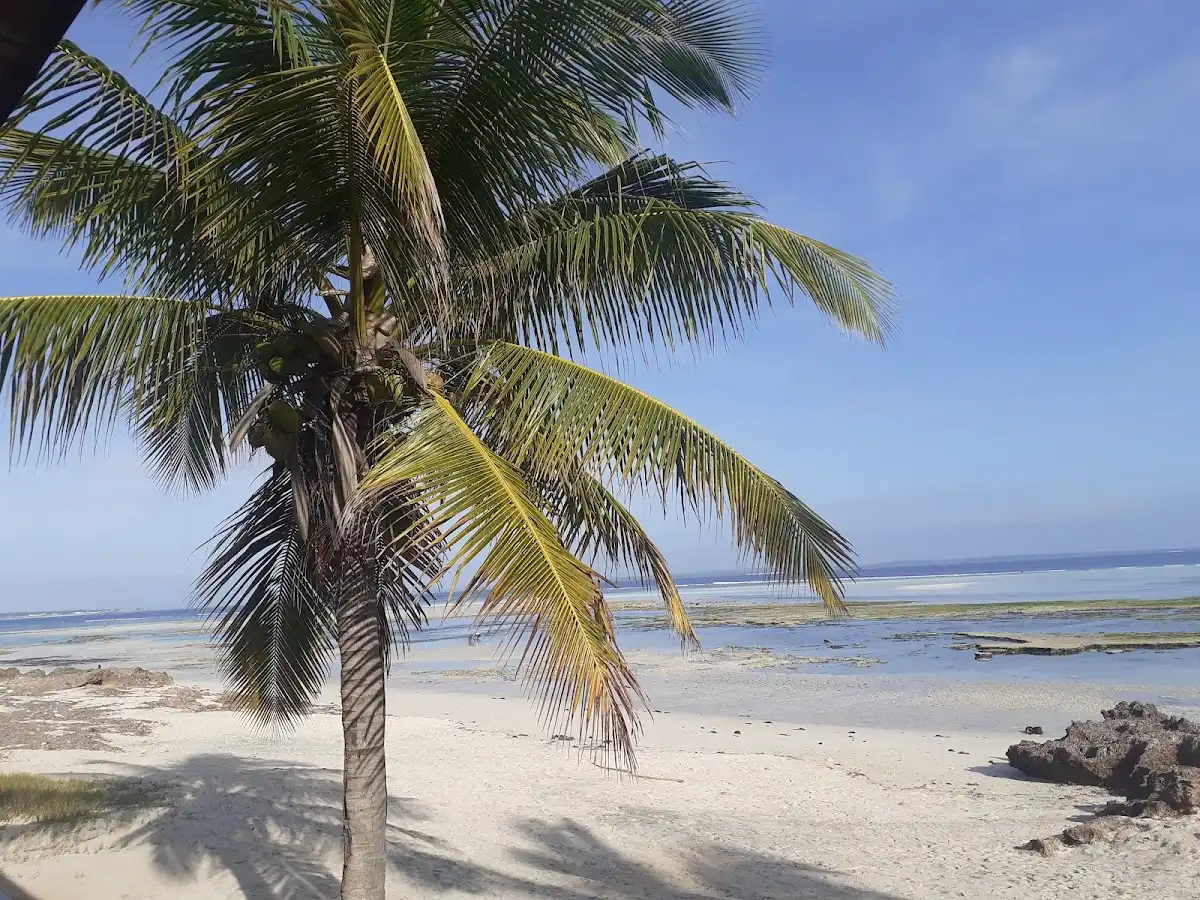
  • Wimbe Beach (Praia do Wimbe) — The city’s most famous stretch of sand: palm-lined, easy to walk, great for sunset kitesurfing watching and cheap seafood at the shacks. Classic Pemba beach vibe without leaving town.
  • Pemba Bay waterfront and cais (the quay) — Where town life meets the ocean: dhows, fishing boats and a low-key promenade. Good for photography, people-watching and seeing the bay that made the city important.
  • Mercado Municipal de Pemba (Central Market) — A lively, messy market selling fresh produce, fish, spices, handcrafts and piles of cashews. You’ll get the best local flavours and a real feel for everyday Pemba here.
  • Porto de Pemba / Fish landing — Early-morning fish landings are chaotic and fascinating: small auctions, sorting, and the chance to buy extremely fresh seafood
read more 👉
  • Wimbe Beach (Praia do Wimbe) — The city’s most famous stretch of sand: palm-lined, easy to walk, great for sunset kitesurfing watching and cheap seafood at the shacks. Classic Pemba beach vibe without leaving town.
  • Pemba Bay waterfront and cais (the quay) — Where town life meets the ocean: dhows, fishing boats and a low-key promenade. Good for photography, people-watching and seeing the bay that made the city important.
  • Mercado Municipal de Pemba (Central Market) — A lively, messy market selling fresh produce, fish, spices, handcrafts and piles of cashews. You’ll get the best local flavours and a real feel for everyday Pemba here.
  • Porto de Pemba / Fish landing — Early-morning fish landings are chaotic and fascinating: small auctions, sorting, and the chance to buy extremely fresh seafood straight off the boats.
  • Catedral de Nossa Senhora de Fátima — The main Catholic cathedral and diocesan centre in Pemba. It’s simple but important to the city’s social life; services and the surrounding square are a good window into local community rhythms.
  • Old Town / downtown colonial streets — Wander the older grid of streets for faded Portuguese-era facades, modest cafés and the odd colonial building — small details that tell the story of Pemba’s past.
  • Local dive shops and boat-charter strip — Pemba is the gateway to the Quirimbas for divers and snorkellers. Even if you don’t go offshore, the dive shops are useful to talk to, and the quay area hums with trip activity and local chatter.
  • Mangrove edges and short boat trips from the estuary — Quick local boat rides take you into the mangrove-fringed channels near town. Nice for birds, quiet scenery and seeing a different coastal ecosystem without going far.
  • Cashew yards and small-scale processing spots — The cashew trade is real here; near markets you can find drying yards and small facilities where local workers sort and prepare nuts — an unglamorous but informative local industry visit.
  • Casa da Cultura / local music and craft stalls — Pemba’s low-key cultural hubs—look for live music nights, craft sellers and community events. These places are where you’ll hear local songs, try street snacks and meet people beyond tourist circuits.
A few excellent day trips just outside Pemba include Ibo Island and other Quirimbas islands (Matemo, Vamizi) for beaches and history, plus the quieter coastal stretches around Mecufi and the Quirimbas National Park.
Spotted a mistake or missing something? Contact us.
🏘️ NeighborhoodsWhere things are and how it's laid out

Pemba, Mozambique, is a vibrant coastal city that offers a unique blend of culture, adventure, and relaxation. Here’s how to navigate its neighborhoods for the best backpacking experience.

Central Pemba
This area is the heartbeat of the city. You’ll find bustling markets, local eateries, and a lively atmosphere. It’s affordable, with plenty of budget accommodations. Walkability is high, making it easy to explore on foot. Nightlife is moderate; bars and music venues are scattered throughout, but it’s not overwhelming. Great for short stays, as you can soak in the local vibe quickly.

Ponta de Ouro
A bit more upscale, this area is known for its stunning beaches and water activities. Prices are higher here, especially for lodging and dining. It’s less walkable, so expect to rely on taxis … read more 👉
Pemba, Mozambique, is a vibrant coastal city that offers a unique blend of culture, adventure, and relaxation. Here’s how to navigate its neighborhoods for the best backpacking experience.

Central Pemba
This area is the heartbeat of the city. You’ll find bustling markets, local eateries, and a lively atmosphere. It’s affordable, with plenty of budget accommodations. Walkability is high, making it easy to explore on foot. Nightlife is moderate; bars and music venues are scattered throughout, but it’s not overwhelming. Great for short stays, as you can soak in the local vibe quickly.

Ponta de Ouro
A bit more upscale, this area is known for its stunning beaches and water activities. Prices are higher here, especially for lodging and dining. It’s less walkable, so expect to rely on taxis or rentals. The nightlife is more laid-back, perfect for those looking to unwind after a day of diving or snorkeling. Ideal for longer stays if you want to immerse yourself in beach life.

Macuti Beach
This neighborhood offers a more tranquil experience. It’s quieter, with fewer tourists, making it perfect for relaxation. Accommodations range from budget hostels to mid-range hotels. Walkability is decent, but you’ll want to plan your outings. Nightlife is minimal, focusing more on sunset views than parties. A great spot for longer stays if you’re seeking peace and nature.

Quirimbas Archipelago
While technically not in Pemba, it’s a must-visit. Accessible via boat, it’s a paradise for those who love adventure. Costs can be high, but the experience is worth it. Limited walkability; you’ll need to plan your transport. Nightlife is virtually non-existent, but the natural beauty is unparalleled. Perfect for a short getaway from the city.

⌛️ 1 dayHow to make the most of one day

Pemba, Mozambique, is a coastal treasure where the Indian Ocean meets vibrant local culture. Known for its stunning beaches and rich history, it’s a place where you can soak in the sun while immersing yourself in the rhythm of everyday life.

Start your day in the charming neighborhood of Wimbe. Grab a breakfast of fresh pão (bread) and a cup of strong coffee at a local café. The morning sun casts a warm glow over the sandy shores, making it the perfect backdrop for a stroll along Wimbe Beach. The gentle waves and the sight of fishermen bringing in their catch create a lively atmosphere.

Afterward, head to the Pemba Museum. It’s a small but insightful spot that showcases the region’s history and culture. You’ll find artifacts that tell stories of the local Makonde people and the colonial … read more 👉
Pemba, Mozambique, is a coastal treasure where the Indian Ocean meets vibrant local culture. Known for its stunning beaches and rich history, it’s a place where you can soak in the sun while immersing yourself in the rhythm of everyday life.

Start your day in the charming neighborhood of Wimbe. Grab a breakfast of fresh pão (bread) and a cup of strong coffee at a local café. The morning sun casts a warm glow over the sandy shores, making it the perfect backdrop for a stroll along Wimbe Beach. The gentle waves and the sight of fishermen bringing in their catch create a lively atmosphere.

Afterward, head to the Pemba Museum. It’s a small but insightful spot that showcases the region’s history and culture. You’ll find artifacts that tell stories of the local Makonde people and the colonial past. This isn’t on every tourist’s radar, but it’s a gem that adds depth to your understanding of the area.

In the afternoon, make your way to the bustling Mercado Municipal. Here, you can wander through stalls brimming with colorful spices, fresh produce, and handmade crafts. Engage with local vendors; they often have fascinating stories to share. This experience is a delightful way to connect with the community and pick up a few unique souvenirs.

As the sun begins to set, head to the beachfront restaurant, Tenda do Mar. Enjoy a dinner of grilled seafood while watching the sky turn shades of orange and pink. The ambiance is relaxed, and the food is fresh—perfect for reflecting on your day.

Pemba may not be the most famous destination, but its charm lies in these authentic experiences. By focusing on these neighborhoods and activities, you’ll leave with a deeper appreciation for this coastal city, making your trip truly worthwhile.
Turn your Pemba visit into an Mozambique adventure
Build a complete Mozambique route with Pemba, hidden gems, must-see destinations, and realistic travel times included.

Generate my trip

🌤️ When to go?Best time to visit Pemba


  • Topic: Weather – Pemba’s climate swings between a wet season from December to March, bringing heavy rains and humidity, and a dry season from April to November, which offers clearer skies and less muggy air. For backpackers, the dry months are your best bet to avoid soggy trails and unpredictable boat rides.

  • Topic: Temperature – Expect highs around 28-32°C (82-90°F) during the dry season, with nights cooling to a comfortable 18-22°C (64-72°F). The wet season heats up slightly, but the humidity makes it feel hotter, so pack accordingly.

  • Topic: Daylight Hours – Near the equator, daylight stays steady year-round, roughly 12 hours daily. This consistency means you won’t lose daylight for exploring, no matter when you arrive.

  • Topic: Crowds – Pemba isn’t a tourist hotspot, but the dry season
read more 👉

  • Topic: Weather – Pemba’s climate swings between a wet season from December to March, bringing heavy rains and humidity, and a dry season from April to November, which offers clearer skies and less muggy air. For backpackers, the dry months are your best bet to avoid soggy trails and unpredictable boat rides.

  • Topic: Temperature – Expect highs around 28-32°C (82-90°F) during the dry season, with nights cooling to a comfortable 18-22°C (64-72°F). The wet season heats up slightly, but the humidity makes it feel hotter, so pack accordingly.

  • Topic: Daylight Hours – Near the equator, daylight stays steady year-round, roughly 12 hours daily. This consistency means you won’t lose daylight for exploring, no matter when you arrive.

  • Topic: Crowds – Pemba isn’t a tourist hotspot, but the dry season draws more visitors, especially from July to September. If you want fewer people, aim for shoulder months like April or October.

  • Topic: Seasonal Activities – Dive enthusiasts flock during the dry season for clearer waters and better visibility. The wet season can limit marine activities but offers lush landscapes and birdwatching opportunities.

  • Topic: Price Fluctuations – Accommodation and tours tend to spike in the dry season’s peak months. Booking in shoulder seasons can save you money without sacrificing much comfort or access.


Pro-tip: Target the shoulder months of April or October for a smart balance of good weather, fewer crowds, and better prices—your backpacker’s sweet spot in Pemba.


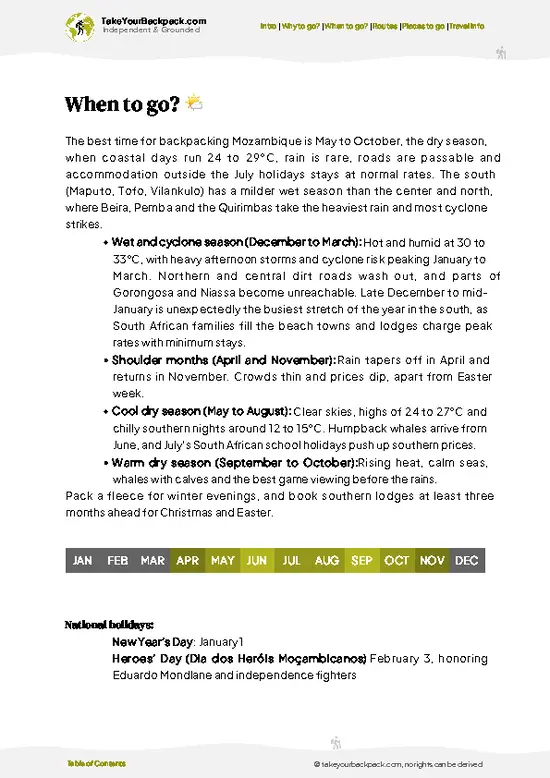
source: climatestotravel.comJANJanuary: fair for travelingFEBFebruary: fair for travelingMARMarch: fair for travelingAPRApril: highly recommended for travelingMAYMay: excellent for travelingJUNJune: excellent for travelingJULJuly: excellent for travelingAUGAugust: excellent for travelingSEPSeptember: excellent for travelingOCTOctober: highly recommended for travelingNOVNovember: good for travelingDECDecember: fair for traveling
when-to-go

✈️ The backpacker research shortcutMozambique Travel Guide

An offline-friendly backpacking guide with optimized travel routes, ranked highlights, transport advice, and the best areas to stay.
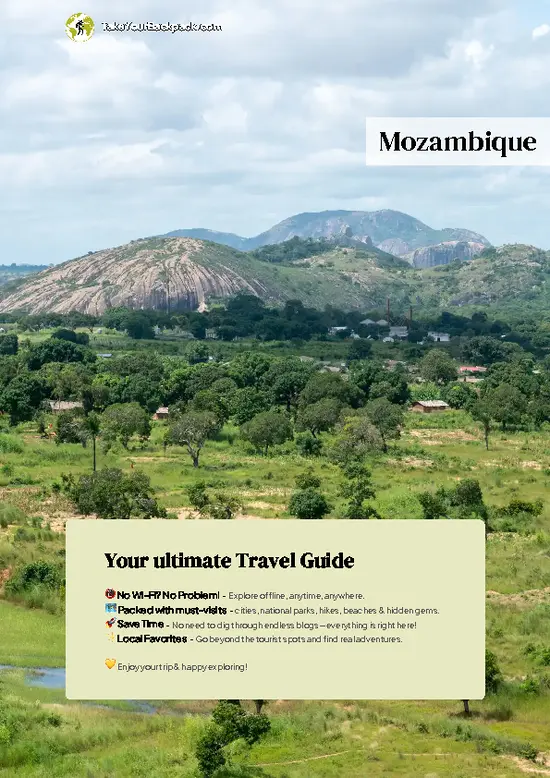
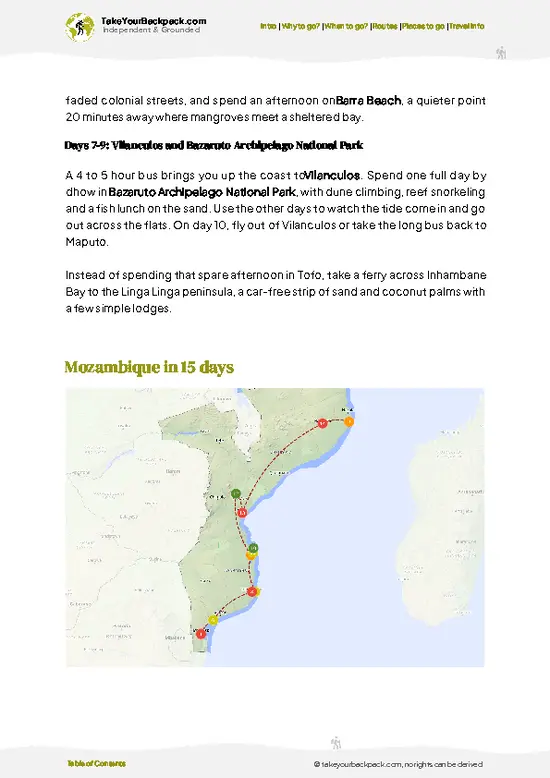
example page 0 from our offline Travel Guide for Mozambique
example page 1 from our offline Travel Guide for Mozambique
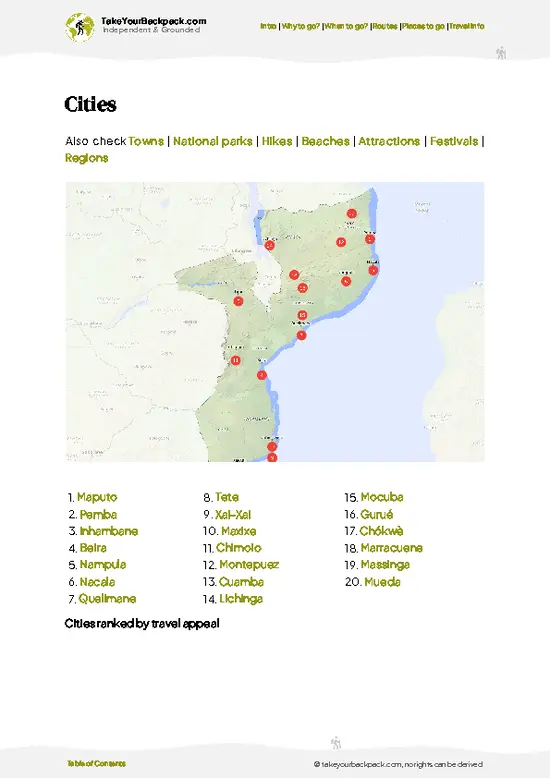
example page 2 from our offline Travel Guide for Mozambique
example page 3 from our offline Travel Guide for Mozambique
example page 4 from our offline Travel Guide for Mozambique
example page 5 from our offline Travel Guide for Mozambique
example page 6 from our offline Travel Guide for Mozambique
example page 7 from our offline Travel Guide for Mozambique
The digital guide (345 pages) contains:
86 highlights, ranked by travel appeal
Optimized 5, 10 & 15-day travel routes
Cities, national parks, landmarks, beaches
How to get around
Offline-friendly for travel without Wi-Fi
👉 Click to see all 30+ guide features

📅 Plan smarter in minutes, not weeks
Month by month travel advice
Festivals & national holidays
Budget expectations

🗺️ Go to the right places, skip the overrated ones
Honest pros & cons of destinations
Top hikes, parks & viewpoints
Lesser-known places most travelers miss
Clear “worth it vs skip it” guidance

🛏️ Travel smoothly without rookie mistakes
Best areas to stay
Transport systems explained simply
Common scams & safety advice
SIM cards, money & practical tips

🌍 Understand the country, not just visit it
Culture & traditions
52 Essential phrases & customs
Festivals worth planning around
Traveler-friendly historical context
Insights that make places more meaningful

📱 Built for real travel conditions
Fully downloadable PDF
Works completely offline
Optimized for phone use
Useful in remote areas & buses
Everything in one place
Save weeks of stressful planning
Get instant access to your full guide. 30‑day money-back guarantee.


By proceeding you agree to our terms.
Sent to your inbox immediately after payment • 100% Secure Checkout
Best Backpacking Travel Advisor 2025 tourism awardBest Backpacking
Travel Advisor
2025
What others say about Take Your Backpack Guides:
⭐⭐⭐⭐⭐
Fantastic, amazing amount of information!
⭐⭐⭐⭐⭐
My goodness this is amazing, it's what I've been looking for hats off too you!
⭐⭐⭐⭐⭐
I think this is absolutely BRILLIANT
⭐⭐⭐⭐
Very complete and informative. It's still missing places, but I gotta to commend you
⭐⭐⭐⭐⭐
This is truly amazing, thank you, can't wait to explore it with my kids!
⭐⭐⭐⭐⭐
Awesome resource, thank you!
⭐⭐⭐⭐⭐
This is amazing! Can't wait to explore the ones I haven't seen
⭐⭐⭐⭐
I love this! Well done, great idea.
⭐⭐⭐⭐⭐
Thanks for taking the time to make this gem!
⭐⭐⭐⭐⭐
This might be the best website I've ever seen.
⭐⭐⭐⭐⭐
Congratulations, and thank you so much for your work; it's incredibly valuable.
⭐⭐⭐⭐
In all seriousness I think you did a great job pointing out the important spots
⭐⭐⭐⭐⭐
10/10 very good
⭐⭐⭐⭐⭐
As someone who's only just starting to visit regularly this is awesome, thank you.
⭐⭐⭐⭐
Thank you very much! I'm going to visit my dad, it's going to be very useful!
⭐⭐⭐⭐⭐
This is really cool! We'll be travelling for the first time and this definitely come in handy.
⭐⭐⭐⭐⭐
You are now our minister of culture, congratulations 👨‍💼
⭐⭐⭐⭐⭐
Just wanted to tell you that this is a pearl! Going to follow your recommendations.
⭐⭐⭐⭐⭐
This is so cool. I'll definitely be using the resource for my travels soon.
⭐⭐⭐⭐⭐
This is very impressive! Good work.
⭐⭐⭐⭐⭐
This is an amazing and informative site. Very well done!

🛏️ Where to stay?Choosing the right base

In Pemba, the real backpacker sweet spot is the neighborhood around the city center and the nearby beach strip. This area strikes a rare balance between safety, social buzz, and budget options. It’s where you’ll find the most hostels, guesthouses, and small eateries catering to solo travelers and those watching their wallets. The streets here hum with a mix of local life and international visitors, making it easy to strike up conversations or find a group heading out to explore.

Compared to the more residential or industrial parts of Pemba, the city center and beachside offer a clear edge: walkability … read more 👉
In Pemba, the real backpacker sweet spot is the neighborhood around the city center and the nearby beach strip. This area strikes a rare balance between safety, social buzz, and budget options. It’s where you’ll find the most hostels, guesthouses, and small eateries catering to solo travelers and those watching their wallets. The streets here hum with a mix of local life and international visitors, making it easy to strike up conversations or find a group heading out to explore.

Compared to the more residential or industrial parts of Pemba, the city center and beachside offer a clear edge: walkability and vibe. You’re never far from the ocean breeze, markets, or a lively bar where backpackers swap stories over a cold drink. The social scene is low-key but genuine—no forced tourist traps, just real connections. Safety-wise, it’s the most reliable zone for travelers, especially after dark, thanks to a steady police presence and community awareness.

If you stray too far inland or into less developed districts, you lose that social pulse and the convenience of budget-friendly lodging. Plus, transport options thin out, and you’re left juggling taxis or long walks. So, for anyone wanting to maximize time, comfort, and social opportunities without blowing the budget, the city center and beach neighborhoods are the strategic choice in Pemba.

🚌 Getting aroundGetting around like a local

Pemba moves at its own rhythm—less a clockwork city and more a pulse you feel underfoot. It’s not about catching a train to the minute or hopping on a spotless metro. Instead, it’s a dance of waiting, watching, and reading the subtle cues of local life. Schedules exist, but they’re flexible, bending to the flow of the day and the mood of the driver. For a budget traveler, this means mastering the art of patience and intuition, turning transit into a strategic game where time, money, and comfort are your pieces on the board.


  • Walking: The ultimate zero-cost option. Pemba’s compact neighborhoods and coastal stretches invite exploration on foot. It’s slow but free, and you get to soak in the city’s textures—salt air, market chatter, and the occasional stray dog. Expect to spend hours if you’re
read more 👉
Pemba moves at its own rhythm—less a clockwork city and more a pulse you feel underfoot. It’s not about catching a train to the minute or hopping on a spotless metro. Instead, it’s a dance of waiting, watching, and reading the subtle cues of local life. Schedules exist, but they’re flexible, bending to the flow of the day and the mood of the driver. For a budget traveler, this means mastering the art of patience and intuition, turning transit into a strategic game where time, money, and comfort are your pieces on the board.


  • Walking: The ultimate zero-cost option. Pemba’s compact neighborhoods and coastal stretches invite exploration on foot. It’s slow but free, and you get to soak in the city’s textures—salt air, market chatter, and the occasional stray dog. Expect to spend hours if you’re covering major ground, but the trade-off is total control over your pace and no waiting.


  • Daladala (Minibus): The backbone of local transit. These minibuses run from early morning (around 6:30 AM) until dusk (about 6 PM). Fares hover around 200-500 Tanzanian shillings—dirt cheap but expect crowding and a stop-everywhere style that drags out travel time. Comfort is minimal; it’s a standing-room affair during rush hours. The upside is you’re plugged into the city’s pulse and can hop off anywhere.


  • Bajaji (Motorcycle Taxi): When time is tight but cash is limited, bajajis offer a nimble shortcut through Pemba’s narrow streets. They operate 24/7, with fares negotiable but generally between 1,000 to 2,000 shillings for short hops. Faster than daladalas and more flexible, but less comfortable and riskier—helmet use is spotty, and the ride can be bumpy.


  • Private Taxi: For those moments when comfort and speed outweigh cost, private taxis are available but pricey by local standards—expect to pay upwards of 10,000 shillings for a short trip. They run on your schedule, offer air conditioning, and spare you the crush of public transport. Best reserved for airport runs or late-night travel when other options dry up.


  • Bicycle Rental: A middle ground between walking and motorized transport. Renting a bike costs about 5,000 to 10,000 shillings per day. It’s faster than walking, gives you freedom to explore off-the-beaten paths, and offers a decent workout. Comfort depends on the bike’s condition—expect basic models with no suspension, so prepare for some bumps on Pemba’s uneven roads.


Understanding these options is your key to hacking Pemba’s transit system. You’re juggling three currencies: time, money, and comfort. Want to save cash? Walk or take the daladala but brace for longer travel times and less comfort. Need speed and flexibility? Bajajis or bikes are your allies, trading a bit of safety or sweat for efficiency. Crave comfort and zero hassle? Private taxis deliver, but your wallet will feel the pinch. The savvy traveler reads these trade-offs like a map, choosing the right balance for each leg of the journey and turning transit from a chore into a tactical win.

👛 Costs (as of 6 September 2025)Typical daily expenses

Backpacking in Pemba, Mozambique, involves a clear trade-off between cost and comfort, with prices reflecting the city’s developing tourism infrastructure and local economy.
  • Dorm Accommodation (High Season): Expect to pay around €10-€15 per night. High season drives prices up due to demand, but options remain basic, with modest amenities.
  • Dorm Accommodation (Off-Season): Prices drop to about €6-€10 per night. Fewer tourists mean better deals, though some places may reduce services or close temporarily.
  • Meals: Street food and local eateries offer meals for €2-€5. Western-style restaurants or tourist spots push this to €7-€12. Fresh seafood is a highlight but can be pricier.
  • Local Transport: Minibuses and motorcycle taxis cost roughly €0.30-€1 per trip within the city. Negotiation is common,
read more 👉
Backpacking in Pemba, Mozambique, involves a clear trade-off between cost and comfort, with prices reflecting the city’s developing tourism infrastructure and local economy.
  • Dorm Accommodation (High Season): Expect to pay around €10-€15 per night. High season drives prices up due to demand, but options remain basic, with modest amenities.
  • Dorm Accommodation (Off-Season): Prices drop to about €6-€10 per night. Fewer tourists mean better deals, though some places may reduce services or close temporarily.
  • Meals: Street food and local eateries offer meals for €2-€5. Western-style restaurants or tourist spots push this to €7-€12. Fresh seafood is a highlight but can be pricier.
  • Local Transport: Minibuses and motorcycle taxis cost roughly €0.30-€1 per trip within the city. Negotiation is common, and prices vary by distance and time of day.
  • City Transport Pass: Pemba does not have a formal city transport pass system. Budget for individual fares or occasional taxi rides instead.
  • Basic Activities/Entry Fees: Entry to local markets, beaches, or small museums typically costs €1-€3. Organized tours or diving excursions start around €20 and can climb significantly.
  • Miscellaneous Expenses: Budget €2-€5 daily for bottled water, snacks, and minor incidentals like SIM cards or toiletries.

In total, a backpacker in Pemba can expect to spend between €15 and €35 per day, depending on season and lifestyle choices. This range balances basic comfort with the freedom to explore local culture and natural beauty without overspending.


source: visitmozambique.net
⚠️ Prices can change and everyone travels differently, so take this as a rough guide. Hope it helps you plan your adventure!

🚌 Day tripsBest day trips from Pemba

Pemba, Mozambique, is a backpacker’s dream base for day trips, offering a blend of adventure and cultural immersion without breaking the bank. Here’s how to make the most of your time while keeping your wallet happy.

Quirimbas Archipelago Adventure
A boat trip to the Quirimbas Archipelago is a must. Picture turquoise waters and white sandy beaches, perfect for snorkeling among vibrant coral reefs. The journey takes about an hour, and you can expect to spend around $30 for the boat ride and gear rental. The best time to visit is during the dry season, from May to October, when the seas are calm. A common mistake? Underestimating the sun—bring plenty of sunscreen and a hat to avoid a painful burn.
👉 Explore Quirimbas Archipelago

Ibo Island Cultural Experience
Ibo Island offers a fascinating … read more 👉
Pemba, Mozambique, is a backpacker’s dream base for day trips, offering a blend of adventure and cultural immersion without breaking the bank. Here’s how to make the most of your time while keeping your wallet happy.

Quirimbas Archipelago Adventure
A boat trip to the Quirimbas Archipelago is a must. Picture turquoise waters and white sandy beaches, perfect for snorkeling among vibrant coral reefs. The journey takes about an hour, and you can expect to spend around $30 for the boat ride and gear rental. The best time to visit is during the dry season, from May to October, when the seas are calm. A common mistake? Underestimating the sun—bring plenty of sunscreen and a hat to avoid a painful burn.
👉 Explore Quirimbas Archipelago

Ibo Island Cultural Experience
Ibo Island offers a fascinating glimpse into Mozambique’s history. The ferry ride is about 1.5 hours and costs around $15. Once there, explore ancient ruins and local crafts. The island is particularly lively during cultural festivals, so check the calendar before you go. Many first-timers miss the chance to engage with local artisans—don’t just take photos; ask questions and learn about their crafts.


Mount Binga Hike
For the more adventurous, a day hike to Mount Binga, Mozambique’s highest peak, is exhilarating. It’s a bit of a trek to get there—around 2 hours by car—but the panoramic views are worth every minute. Expect to spend about $10 on transport and snacks. The best months for hiking are from May to September when the weather is cooler. A common pitfall is not bringing enough water; pack at least two liters to stay hydrated.


Pemba Beach Relaxation
Sometimes, the best trip is no trip at all. Spend a day at Pemba Beach, just a short walk from the city center. Enjoy the local seafood at beachside shacks for around $5. The atmosphere is laid-back, perfect for unwinding after a few busy days. Many backpackers overlook this option, thinking they need to venture far for a good time. Don’t miss the sunset—it’s a showstopper.


Local Market Exploration
Dive into the local culture by visiting Pemba’s bustling market. It’s a short walk from the city center and free to explore. You’ll find everything from fresh produce to handmade crafts. Bring about $10 for snacks and small purchases. The market is most vibrant in the morning, so get there early. First-timers often miss the chance to haggle—don’t be shy; it’s part of the experience!
Want to know what more Mozambique offers?
The Mozambique Travel Guide describes 86 highlights, from cities to national parks, from beaches to hikes

Get the Travel Guide -

🍲 FoodEating & Drinking in Pemba

In Pemba, Mozambique, food and drink are a vibrant part of the local culture, offering a feast for the senses. Dive into Xima, a staple made from maize flour, often served with a variety of flavorful sauces or grilled fish. The seafood here is exceptional; fresh catches like prawns and octopus are grilled to perfection, infused with local spices that dance on your palate.

Street food is where the magic happens. Vendors line the bustling markets, serving up piri-piri chicken that’s marinated in a fiery sauce, creating a delightful kick. Pair it with a cold Rooibos tea or a local beer, and you’re in for a treat. The atmosphere is electric, with locals chatting and laughing, making it easy to join in.

Dining customs are relaxed but rich in community. Sharing food is common, so don’t hesitate … read more 👉
In Pemba, Mozambique, food and drink are a vibrant part of the local culture, offering a feast for the senses. Dive into Xima, a staple made from maize flour, often served with a variety of flavorful sauces or grilled fish. The seafood here is exceptional; fresh catches like prawns and octopus are grilled to perfection, infused with local spices that dance on your palate.

Street food is where the magic happens. Vendors line the bustling markets, serving up piri-piri chicken that’s marinated in a fiery sauce, creating a delightful kick. Pair it with a cold Rooibos tea or a local beer, and you’re in for a treat. The atmosphere is electric, with locals chatting and laughing, making it easy to join in.

Dining customs are relaxed but rich in community. Sharing food is common, so don’t hesitate to try a bit of everything. When you’re offered a drink, it’s polite to accept; it’s a gesture of friendship.

As the sun sets, the bars come alive with laughter and music. Enjoy a cashew nut cocktail or a local brew while soaking in the vibrant nightlife. In Pemba, every bite and sip tells a story, making your culinary journey as memorable as the landscapes.

🛡️ SafetySafety Tips and Common Scams in Pemba

Pemba, Mozambique, is generally safe for travelers, but a few situational awareness tips can enhance your experience. Stick to well-trodden paths, especially near the waterfront and markets. While the city has a friendly vibe, be cautious in less populated areas after dark. If you’re solo, consider returning to your accommodation before nightfall; street lighting can be sparse, and it’s easier to navigate during daylight.

Scams are rare, but you might encounter persistent vendors or taxi drivers who overcharge. Always agree on a fare before getting in a taxi, and don’t hesitate to walk away if the price feels off.

Everyday annoyances can include aggressive sales tactics at markets. A polite but firm “no, thank you” usually does the trick. Carry yourself confidently, and engage with locals; … read more 👉
Pemba, Mozambique, is generally safe for travelers, but a few situational awareness tips can enhance your experience. Stick to well-trodden paths, especially near the waterfront and markets. While the city has a friendly vibe, be cautious in less populated areas after dark. If you’re solo, consider returning to your accommodation before nightfall; street lighting can be sparse, and it’s easier to navigate during daylight.

Scams are rare, but you might encounter persistent vendors or taxi drivers who overcharge. Always agree on a fare before getting in a taxi, and don’t hesitate to walk away if the price feels off.

Everyday annoyances can include aggressive sales tactics at markets. A polite but firm “no, thank you” usually does the trick. Carry yourself confidently, and engage with locals; they’re often eager to share their culture. By staying aware and grounded, you’ll navigate Pemba smoothly and enjoy its unique charm.

Other Mozambican cities near Pemba

Explore more nearby:

  • Montepuez—ruby mines, cashew plantations, northern gateway| 166 km away
  • Nacala—deepwater port, cliffside neighborhoods, container terminals| 178 km away
  • Mueda—Makonde plateau, liberation history, upland markets| 179 km away

💡 Not sure where to go next?
Create a personalized itinerary for Mozambique including Pemba and the places that fit your trip.

Generate my itinerary

👉 Discover all cities

Or checkout all Mozambique has to offer (think cities, towns, villages, national parks, hikes, beaches, festivals)
Country photo of Mozambique

We 💚 feedbackWhat to keep in mind

Pemba has a laid-back vibe that feels like a well-kept secret. The best surprise? The local seafood markets, where you can snag fresh catches and watch the fishermen at work. Just be ready for the occasional power outage; it’s part of the charm. Embrace the slow pace and savor the moments. You’ll find that the real magic lies in the connections you make, not just the sights you see. Trust me, it’s worth every bit of the journey.

✍️ Help improve this page!
The information on this page is based on in-depth research, insights shared by experienced travelers, and feedback from the local travel community in Mozambique. While every effort is made to keep the information accurate and current, conditions can change — so if you spot anything incorrect or outdated, please get in touch.


🙋‍♂️ Give feedback

👋 Meet the founderWho’s Behind Take Your Backpack?

Johan, backpacker and founder of TakeYourBackpackHi, I’m Johan (Netherlands 🇳🇱), the creator of TakeYourBackpack. Over the past decade, I’ve backpacked through 80+ countries across six continents, gaining extensive experience with independent travel, long-term trips, and overland routes.

This site is built on a combination of firsthand travel experience and carefully curated insights from other backpackers. Many guides are based on places I’ve personally visited, while others bring together tips, observations, and practical advice shared by trusted travelers I’ve met along the way.

The goal is to provide realistic, experience-driven guidance — not generic itineraries — so you can explore destinations with better context, clearer expectations, and more confidence.

Get full Mozambique guide •
Instant download • 86 highlights • Full Offline guide