×

Myanmar🇲🇲 | citiesTamuIndia border, trade markets, frontier town | things to do and best time to go

Explore MuseExplore Bago

Backpacking in Tamu
🌟 Highlightcity ranked #13
By Johan Kruseman 🇳🇱 | Updated June 13, 2026

Most people talk about Tamu as “that border crossing to India,” like it’s just a stamp in your passport and a dusty main road. The border matters, sure, but what actually shapes your experience here is the in-between feeling: Myanmar on one side, Manipur just beyond, and a town that runs on trade more than tourism. Tamu sits in far northwestern Myanmar, in Sagaing Region, facing Moreh across the Indian border. For backpackers it’s more gateway than goal, a practical stop where you catch your breath, change currencies, and reset your route rather than chase big sights. The market streets are the main draw: piles of betel nut, cheap textiles, Indian snacks mixing with Burmese curries, the smell of frying oil and dust after rain. It’s walkable in the center, but you’ll probably hop a moto-taxi for anything beyond; buses are the realistic way in and out, and they’re long, bumpy, and tiring enough that you’ll feel you’ve earned your next bed. Compared with Mandalay or Kalaymyo, Tamu feels smaller, rougher around the edges, less scenic but more liminal, like a waiting room between two countries. Nights are quiet, with a couple of teashops and beer stations instead of bars, so meeting other backpackers is hit-or-miss and usually happens around guesthouse courtyards or shared jeeps. Costs are low, comfort is basic, and safety is mostly about staying aware of border politics and not wandering near restricted areas, which keeps this firmly in the “functional stopover” category rather than a long-stay base.

Discover everything you want to know in the 📖 Myanmar Travel Guide.
Safety warning

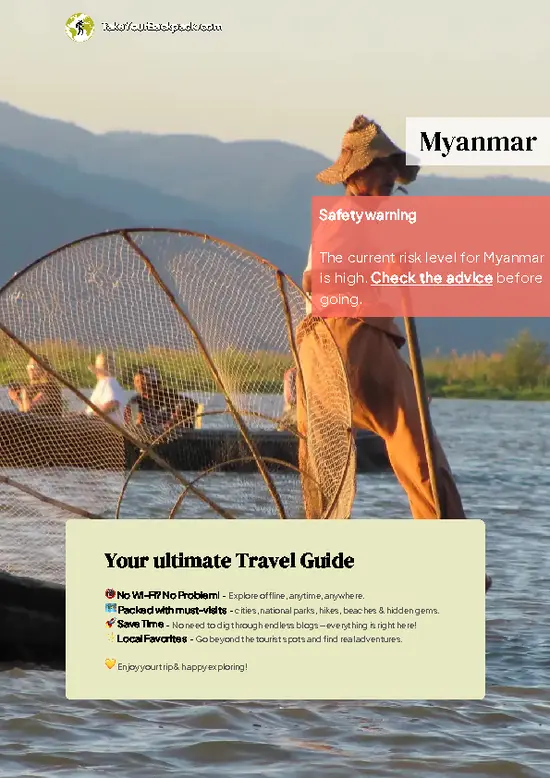
The current risk level for Myanmar is high. Check the advice before going.


Get your Myanmar guide
110 ranked highlights, routes & tips, works offline (405 pages)
Loading the map 🌍
CLICK TO FILTER
cities
towns
landmarks
national parks
hikes
beaches
attractions
festivals
regions
SHOW COUNTRY’S BESTSHOW ALL

✨ Why go?
Ranked #13 city in Myanmar
What makes this city worth visiting

Tamu serves as a gateway for backpackers heading to the Chin State and beyond. Its walkable streets are lined with small-scale guesthouses that offer a cozy, communal vibe, perfect for solo travelers or small groups. The local food stalls dish out hearty meals that fuel your next adventure. While many pass through quickly, drawn by the convenience of nearby hikes and cultural sites, some linger to soak in the friendly atmosphere. It’s a place where the scent of street food mingles with the chatter of fellow travelers, making it ideal for those who appreciate a slower pace amidst the journey.
Want to include Tamu in your Myanmar route?
Create a personalized Myanmar itinerary that includes Tamu and the places that fit your trip — based on your travel style, budget, and available time. Get your route in seconds.

Generate my trip

💡 HighlightsWhat this place is best known for

  • Moreh-Tamu Border Market (cross-border trading zone) — The heart of this frontier town: a bustling open market where Indian and Burmese goods flow, useful for cheap textiles, spices, and electronics. It’s the best place to watch daily cross-border commerce and sample real border-town street food.
  • Tamu International Border Gate / Immigration Complex — The physical point where Myanmar meets India and a living piece of regional geopolitics; visiting the gate and surrounding customs area gives a clear sense of why Tamu exists as a trade hub and how border logistics shape local life.
  • Tamu Central Bazaar (town market and main street) — A compact, lively bazaar where locals do daily shopping: fresh produce, Burmese snacks, small tailors, and roadside tea shops. It’s the most reliable place to
read more 👉
  • Moreh-Tamu Border Market (cross-border trading zone) — The heart of this frontier town: a bustling open market where Indian and Burmese goods flow, useful for cheap textiles, spices, and electronics. It’s the best place to watch daily cross-border commerce and sample real border-town street food.
  • Tamu International Border Gate / Immigration Complex — The physical point where Myanmar meets India and a living piece of regional geopolitics; visiting the gate and surrounding customs area gives a clear sense of why Tamu exists as a trade hub and how border logistics shape local life.
  • Tamu Central Bazaar (town market and main street) — A compact, lively bazaar where locals do daily shopping: fresh produce, Burmese snacks, small tailors, and roadside tea shops. It’s the most reliable place to experience everyday Tamu rhythms and cheap, authentic food.
  • Local Monasteries and Pagodas — Small, active monasteries and town pagodas scattered around Tamu provide cultural context: watch alms rounds, see traditional Buddhist architecture up close, and attend short local ceremonies that are accessible to visitors.
Nearby, visit Moreh across the border in India, the larger commercial town of Kalay (Kalaymyo) to the southeast, and Imphal in Manipur for bigger markets and cultural sites — Kalaymyo is my personal favorite for a day trip.
Spotted a mistake or missing something? Contact us.
🏘️ NeighborhoodsNeighborhood guide to Tamu

Tamu is a vibrant crossroads in Myanmar, where the pulse of local life meets the curiosity of travelers. Here’s how to navigate its neighborhoods:

Downtown Tamu: This is the heart of the action. Expect bustling markets and street food stalls that fill the air with spices and smoke. It’s walkable, with affordable guesthouses. Perfect for short stays, but the nightlife is low-key—ideal if you prefer a quieter evening.

Shwe Pyi Taw: A bit more upscale, this area offers a mix of local charm and modern amenities. It’s slightly pricier but worth it for the comfort. Great for longer stays, with easy access to transport options. The vibe is relaxed, making it a solid choice for unwinding after a day of exploration.

Thiri Mingalar: This neighborhood is quieter, with a more residential feel. It’s … read more 👉
Tamu is a vibrant crossroads in Myanmar, where the pulse of local life meets the curiosity of travelers. Here’s how to navigate its neighborhoods:

Downtown Tamu: This is the heart of the action. Expect bustling markets and street food stalls that fill the air with spices and smoke. It’s walkable, with affordable guesthouses. Perfect for short stays, but the nightlife is low-key—ideal if you prefer a quieter evening.

Shwe Pyi Taw: A bit more upscale, this area offers a mix of local charm and modern amenities. It’s slightly pricier but worth it for the comfort. Great for longer stays, with easy access to transport options. The vibe is relaxed, making it a solid choice for unwinding after a day of exploration.

Thiri Mingalar: This neighborhood is quieter, with a more residential feel. It’s less touristy, giving you a genuine taste of local life. Walkability is decent, but you might need a bike or a tuk-tuk for longer distances. Perfect for those wanting to immerse themselves in the culture without the chaos.

⌛️ 1 day1-day itinerary for Tamu

Tamu, Myanmar, is a crossroads of cultures, where the scent of street food mingles with the sounds of bustling markets. Start your morning at the local market, where vendors hawk fresh produce and spices. The vibrant colors and lively chatter create an electric atmosphere. Grab a bowl of mohinga, the local fish soup, from a street stall—it’s a breakfast that packs a punch.

In the afternoon, wander through the quiet streets of the old town. Seek out the lesser-known Shwe Pyi Taw Pagoda, a serene spot often overlooked by tourists. The golden stupa glimmers in the sunlight, and the surrounding gardens offer a peaceful retreat. Take a moment to breathe in the fragrant flowers and listen to the distant calls of monks.

As evening falls, head to the riverside. The sunset casts a warm glow over … read more 👉
Tamu, Myanmar, is a crossroads of cultures, where the scent of street food mingles with the sounds of bustling markets. Start your morning at the local market, where vendors hawk fresh produce and spices. The vibrant colors and lively chatter create an electric atmosphere. Grab a bowl of mohinga, the local fish soup, from a street stall—it’s a breakfast that packs a punch.

In the afternoon, wander through the quiet streets of the old town. Seek out the lesser-known Shwe Pyi Taw Pagoda, a serene spot often overlooked by tourists. The golden stupa glimmers in the sunlight, and the surrounding gardens offer a peaceful retreat. Take a moment to breathe in the fragrant flowers and listen to the distant calls of monks.

As evening falls, head to the riverside. The sunset casts a warm glow over the water, perfect for reflection. Enjoy a simple dinner at a local eatery, where the flavors of grilled fish and fresh herbs dance on your palate. Tamu may not be on every traveler’s radar, but its charm lies in these authentic experiences.
Turn your Tamu visit into an Myanmar adventure
Build a complete Myanmar route with Tamu, hidden gems, must-see destinations, and realistic travel times included.

Generate my trip

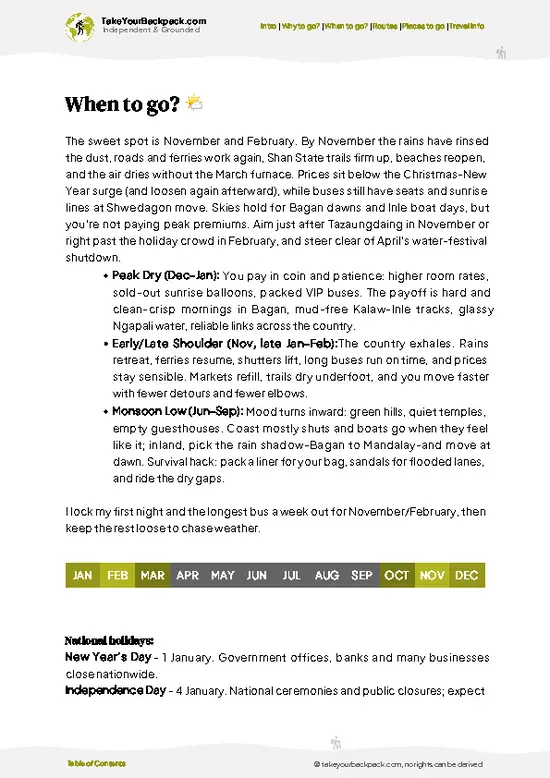
🌤️ When to go?Weather, crowds, and seasonal trade-offs


  • Weather: The dry season from November to February is your best bet. Expect clear skies and minimal rain, making trails and roads manageable. The monsoon months (May to October) bring heavy rains that can turn paths into mudslides and flood low areas.

  • Temperature: During the dry season, daytime highs hover around 25-30°C (77-86°F), perfect for trekking without overheating. Nights can dip to 15°C (59°F), so pack a light jacket. The wet season heats up to 35°C (95°F) with oppressive humidity.

  • Daylight Hours: Around 11-12 hours of daylight year-round, but the dry season offers clearer mornings and longer stretches of bright, dust-free light—ideal for early starts and late afternoon hikes.

  • Crowds: Tourist numbers peak in the dry season, especially December and January. You’ll find more
read more 👉

  • Weather: The dry season from November to February is your best bet. Expect clear skies and minimal rain, making trails and roads manageable. The monsoon months (May to October) bring heavy rains that can turn paths into mudslides and flood low areas.

  • Temperature: During the dry season, daytime highs hover around 25-30°C (77-86°F), perfect for trekking without overheating. Nights can dip to 15°C (59°F), so pack a light jacket. The wet season heats up to 35°C (95°F) with oppressive humidity.

  • Daylight Hours: Around 11-12 hours of daylight year-round, but the dry season offers clearer mornings and longer stretches of bright, dust-free light—ideal for early starts and late afternoon hikes.

  • Crowds: Tourist numbers peak in the dry season, especially December and January. You’ll find more fellow travelers but also better services and open guesthouses. The off-season is quieter but expect limited amenities.

  • Seasonal Activities: Festivals like the Tamu Pagoda Festival in January add cultural depth but also crowd the town. Dry months are best for exploring the surrounding hills and markets without weather interruptions.

  • Price Fluctuations: Accommodation and transport costs rise during the dry season due to demand. Booking ahead can save you from last-minute price hikes, especially around festival times.


Pro-tip: Arrive just before the dry season peaks—late November or early December—to enjoy manageable crowds, fresh air, and vibrant local life without the festival crush.


source: climatestotravel.comJANJanuary: highly recommended for travelingFEBFebruary: excellent for travelingMARMarch: highly recommended for travelingAPRApril: good for travelingMAYMay: fair for travelingJUNJune: below average for travelingJULJuly: below average for travelingAUGAugust: below average for travelingSEPSeptember: fair for travelingOCTOctober: fair for travelingNOVNovember: highly recommended for travelingDECDecember: highly recommended for traveling
when-to-go

✈️ The backpacker research shortcutMyanmar Travel Guide

An offline-friendly backpacking guide with optimized travel routes, ranked highlights, transport advice, and the best areas to stay.
example page 0 from our offline Travel Guide for Myanmar
example page 1 from our offline Travel Guide for Myanmar
example page 2 from our offline Travel Guide for Myanmar
example page 3 from our offline Travel Guide for Myanmar
example page 4 from our offline Travel Guide for Myanmar
example page 5 from our offline Travel Guide for Myanmar
example page 6 from our offline Travel Guide for Myanmar
example page 7 from our offline Travel Guide for Myanmar
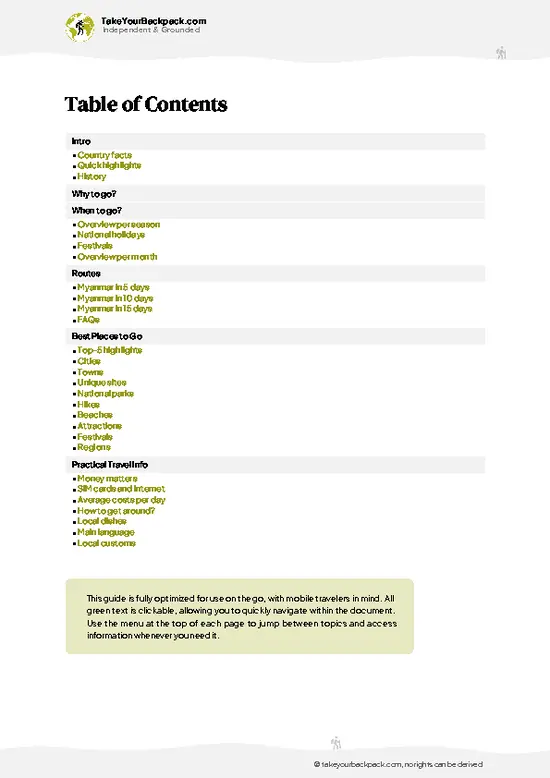
The digital guide (405 pages) contains:
110 highlights, ranked by travel appeal
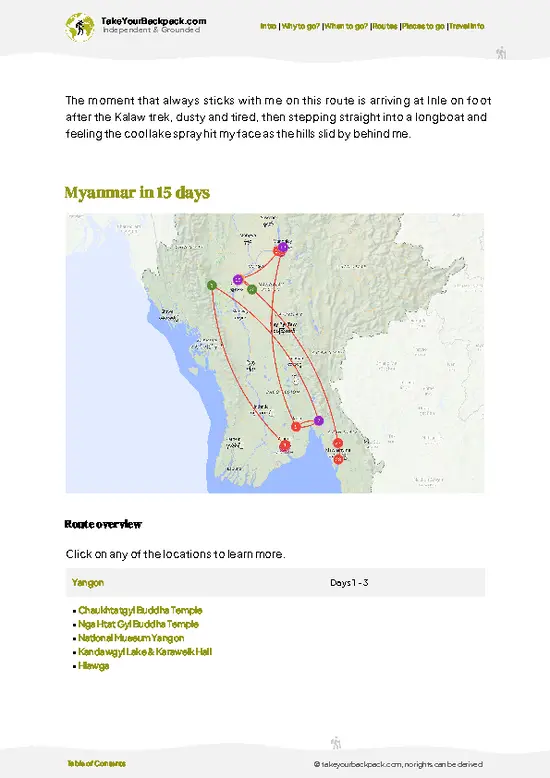
Optimized 5, 10 & 15-day travel routes
Cities, national parks, landmarks, beaches
How to get around
Offline-friendly for travel without Wi-Fi
👉 Click to see all 30+ guide features

📅 Plan smarter in minutes, not weeks
Month by month travel advice
Festivals & national holidays
Budget expectations

🗺️ Go to the right places, skip the overrated ones
Honest pros & cons of destinations
Top hikes, parks & viewpoints
Lesser-known places most travelers miss
Clear “worth it vs skip it” guidance

🛏️ Travel smoothly without rookie mistakes
Best areas to stay
Transport systems explained simply
Common scams & safety advice
SIM cards, money & practical tips

🌍 Understand the country, not just visit it
Culture & traditions
52 Essential phrases & customs
Festivals worth planning around
Traveler-friendly historical context
Insights that make places more meaningful

📱 Built for real travel conditions
Fully downloadable PDF
Works completely offline
Optimized for phone use
Useful in remote areas & buses
Everything in one place
Save weeks of stressful planning
Get instant access to your full guide. 30‑day money-back guarantee.


By proceeding you agree to our terms.
Sent to your inbox immediately after payment • 100% Secure Checkout
Best Backpacking Travel Advisor 2025 tourism awardBest Backpacking
Travel Advisor
2025
What others say about Take Your Backpack Guides:
⭐⭐⭐⭐⭐
Fantastic, amazing amount of information!
⭐⭐⭐⭐⭐
My goodness this is amazing, it's what I've been looking for hats off too you!
⭐⭐⭐⭐⭐
I think this is absolutely BRILLIANT
⭐⭐⭐⭐
Very complete and informative. It's still missing places, but I gotta to commend you
⭐⭐⭐⭐⭐
This is truly amazing, thank you, can't wait to explore it with my kids!
⭐⭐⭐⭐⭐
Awesome resource, thank you!
⭐⭐⭐⭐⭐
This is amazing! Can't wait to explore the ones I haven't seen
⭐⭐⭐⭐
I love this! Well done, great idea.
⭐⭐⭐⭐⭐
Thanks for taking the time to make this gem!
⭐⭐⭐⭐⭐
This might be the best website I've ever seen.
⭐⭐⭐⭐⭐
Congratulations, and thank you so much for your work; it's incredibly valuable.
⭐⭐⭐⭐
In all seriousness I think you did a great job pointing out the important spots
⭐⭐⭐⭐⭐
10/10 very good
⭐⭐⭐⭐⭐
As someone who's only just starting to visit regularly this is awesome, thank you.
⭐⭐⭐⭐
Thank you very much! I'm going to visit my dad, it's going to be very useful!
⭐⭐⭐⭐⭐
This is really cool! We'll be travelling for the first time and this definitely come in handy.
⭐⭐⭐⭐⭐
You are now our minister of culture, congratulations 👨‍💼
⭐⭐⭐⭐⭐
Just wanted to tell you that this is a pearl! Going to follow your recommendations.
⭐⭐⭐⭐⭐
This is so cool. I'll definitely be using the resource for my travels soon.
⭐⭐⭐⭐⭐
This is very impressive! Good work.
⭐⭐⭐⭐⭐
This is an amazing and informative site. Very well done!

🛏️ Where to stay?Best areas and accommodation options

Tamu’s backpacker scene centers around the town’s main artery, the market street area near the border crossing. This neighborhood hums with energy from dawn till dusk, where vendors shout over the clatter of motorbikes and the scent of grilled street food hangs heavy in the humid air. It’s the safest spot for solo travelers because it’s well-patrolled and packed with other budget adventurers, creating a natural social hub. Hostels here are basic but clean, often with communal spaces that invite easy conversations over shared meals or map swaps.

Venture farther into the quieter residential quarters, … read more 👉
Tamu’s backpacker scene centers around the town’s main artery, the market street area near the border crossing. This neighborhood hums with energy from dawn till dusk, where vendors shout over the clatter of motorbikes and the scent of grilled street food hangs heavy in the humid air. It’s the safest spot for solo travelers because it’s well-patrolled and packed with other budget adventurers, creating a natural social hub. Hostels here are basic but clean, often with communal spaces that invite easy conversations over shared meals or map swaps.

Venture farther into the quieter residential quarters, and you’ll lose that buzz—and the convenience of quick access to transport and eateries. Staying near the market means you’re never far from the pulse of local life or the chance to catch a ride deeper into Myanmar or across the border. It’s the practical choice that rewards you with both safety and the kind of spontaneous connections that make travel memorable.

🚌 Getting aroundTransportation options and practical tips

Tamu moves at the pace of the Irrawaddy River itself—steady, patient, and a little unpredictable. The town’s rhythm isn’t dictated by strict timetables but by the ebb and flow of daily life, where markets burst to life with the scent of fresh spices and the chatter of vendors, then quiet down as the sun dips low, casting long shadows over dusty streets. You won’t find a clock controlling the day here; instead, you’ll navigate by the sun, the sounds, and the occasional honk of a motorbike weaving through the crowd. Understanding this flow means you don’t just get from point A to B—you sync with the town’s pulse, making every journey part of the experience.


  • Walking: The most reliable and immersive way to get around. Tamu’s compact center is best explored on foot, letting you catch the scent
read more 👉
Tamu moves at the pace of the Irrawaddy River itself—steady, patient, and a little unpredictable. The town’s rhythm isn’t dictated by strict timetables but by the ebb and flow of daily life, where markets burst to life with the scent of fresh spices and the chatter of vendors, then quiet down as the sun dips low, casting long shadows over dusty streets. You won’t find a clock controlling the day here; instead, you’ll navigate by the sun, the sounds, and the occasional honk of a motorbike weaving through the crowd. Understanding this flow means you don’t just get from point A to B—you sync with the town’s pulse, making every journey part of the experience.


  • Walking: The most reliable and immersive way to get around. Tamu’s compact center is best explored on foot, letting you catch the scent of street food stalls and the texture of weathered walls. No cost, flexible timing, and perfect for spontaneous detours.

  • Shared Motorbike Taxis: These dart through the town like quicksilver, offering a fast, budget-friendly ride for about 500-1,000 kyat. They don’t run on a schedule—flag one down when you need it. Expect a bumpy, open-air ride that’s part transport, part local thrill.

  • Local Buses: Operating mainly from early morning until late afternoon, these buses connect Tamu with nearby towns. Fares hover around 1,000-2,000 kyat. They’re slow and crowded but give a genuine slice of daily life and a chance to chat with locals.

  • Long-Distance Minibuses: For budget travelers heading beyond Tamu, minibuses leave when full rather than on a strict schedule. Prices vary but expect around 5,000-7,000 kyat to major hubs. They’re less comfortable but a practical choice if you’re flexible and patient.

👛 Costs (as of 3 February 2026)What things cost and how to budget

Backpacking in Tamu, Myanmar, is a raw, off-the-beaten-path experience where your money stretches further than in the tourist hubs, but you still need to plan carefully to avoid surprises.
  • Dorm Accommodation: Expect to pay around $5 to $8 per night for a basic dorm bed. Options are limited and often simple, with fan rooms rather than air conditioning. The rooms are clean enough, but don’t expect luxury—think sturdy beds, mosquito nets, and the faint scent of wood and earth.
  • Meals: Street food and local eateries dominate here. A typical meal costs between $1 and $3. You’ll find hearty bowls of noodle soup, fried rice, and fresh fruit snacks. The flavors are straightforward but satisfying, with a hint of smoky char from open-fire cooking.
  • Local Transport: Getting around Tamu is mostly on
read more 👉
Backpacking in Tamu, Myanmar, is a raw, off-the-beaten-path experience where your money stretches further than in the tourist hubs, but you still need to plan carefully to avoid surprises.
  • Dorm Accommodation: Expect to pay around $5 to $8 per night for a basic dorm bed. Options are limited and often simple, with fan rooms rather than air conditioning. The rooms are clean enough, but don’t expect luxury—think sturdy beds, mosquito nets, and the faint scent of wood and earth.
  • Meals: Street food and local eateries dominate here. A typical meal costs between $1 and $3. You’ll find hearty bowls of noodle soup, fried rice, and fresh fruit snacks. The flavors are straightforward but satisfying, with a hint of smoky char from open-fire cooking.
  • Local Transport: Getting around Tamu is mostly on foot or by shared motorbike taxis, which cost about $0.50 to $1 per short ride. If you’re heading to nearby villages, expect to pay $2 to $5 for longer rides. The roads are dusty, and the air carries the scent of dry earth and diesel, so pack a bandana or scarf.
  • Basic Activities/Entry Fees: Tamu isn’t packed with formal tourist sites, so entry fees are minimal or nonexistent. Visiting local markets or temples is usually free, but if you hire a guide for village tours or border area visits, budget around $10 to $15 for a half-day.
  • Miscellaneous Expenses: This includes bottled water, snacks, and occasional phone top-ups. Bottled water runs about $0.50, and a local SIM card with data might cost $5 to $10 for a week. Small tips or souvenirs can add a couple of dollars here and there.

All told, you’re looking at roughly $10 to $20 per day to cover the essentials in Tamu. It’s a place where simplicity rules, and every dollar saved on basics lets you linger longer in the dusty markets or chat with locals over a steaming bowl of mohinga. The payoff is in the slow rhythm of the town, where the light shifts golden in the late afternoon and the air smells faintly of wood smoke and fresh earth.
⚠️ Prices can change and everyone travels differently, so take this as a rough guide. Hope it helps you plan your adventure!

🚌 Day tripsEasy escapes and nearby places

Tamu, Myanmar, is a backpacker’s dream base for exploring the region’s rich tapestry of culture and nature. The town itself is a quiet hub, but the surrounding landscapes and villages offer unforgettable experiences.

Trip to Mount Victoria
A trek to Mount Victoria is a must. The trail winds through lush forests, where the air is thick with the scent of pine and wildflowers. It takes about two hours to reach the trailhead from Tamu, and the hike itself can take around six hours round trip. Expect to spend around $10 for transport and snacks. The best time to go is during the cool season, from November to February. Many first-timers underestimate the trail’s difficulty; pack plenty of water and snacks to keep your energy up.


Visit to the Chin Villages
Exploring the Chin villages offers … read more 👉
Tamu, Myanmar, is a backpacker’s dream base for exploring the region’s rich tapestry of culture and nature. The town itself is a quiet hub, but the surrounding landscapes and villages offer unforgettable experiences.

Trip to Mount Victoria
A trek to Mount Victoria is a must. The trail winds through lush forests, where the air is thick with the scent of pine and wildflowers. It takes about two hours to reach the trailhead from Tamu, and the hike itself can take around six hours round trip. Expect to spend around $10 for transport and snacks. The best time to go is during the cool season, from November to February. Many first-timers underestimate the trail’s difficulty; pack plenty of water and snacks to keep your energy up.


Visit to the Chin Villages
Exploring the Chin villages offers a deep dive into local culture. The journey takes about an hour by shared taxi, costing around $5. You’ll meet locals who proudly display their traditional tattoos and crafts. Aim for a weekday visit to avoid crowds. A common mistake is rushing through; take your time to engage with the villagers and savor their stories.


Excursion to the Tamu Market
The Tamu Market is a sensory overload of colors and sounds. Just a short walk from the center, you can immerse yourself in local life. Spend a couple of hours here, and budget around $3 for snacks and small purchases. Early morning is the best time to catch the market in full swing. Many travelers miss the chance to try local street food; don’t skip the grilled skewers!
Want to know what more Myanmar offers?
The Myanmar Travel Guide describes 110 highlights, from cities to national parks, from beaches to hikes

Get the Travel Guide -

🍲 FoodLocal Flavors for Backpackers

Tamu’s food scene is a playground for your taste buds, where fermented tea leaf salad—a tangy, slightly bitter local staple—dominates the table. Don’t miss the chance to try Mohinga, Myanmar’s unofficial national dish, a fish broth noodle soup that hits the perfect balance of savory and sour. Street stalls and bustling markets are your best bets for authentic bites, where the air is thick with the scent of grilled meats and smoky spices.

Backpackers find themselves drawn to these lively spots, sharing plastic stools and stories over bowls of steaming noodles or plates of crispy fried snacks. Drinking here is more about the communal vibe than fancy cocktails; expect to sip on local brews or sweet, milky tea served in simple cups, often accompanied by casual chatter and laughter. A quick tip: … read more 👉
Tamu’s food scene is a playground for your taste buds, where fermented tea leaf salad—a tangy, slightly bitter local staple—dominates the table. Don’t miss the chance to try Mohinga, Myanmar’s unofficial national dish, a fish broth noodle soup that hits the perfect balance of savory and sour. Street stalls and bustling markets are your best bets for authentic bites, where the air is thick with the scent of grilled meats and smoky spices.

Backpackers find themselves drawn to these lively spots, sharing plastic stools and stories over bowls of steaming noodles or plates of crispy fried snacks. Drinking here is more about the communal vibe than fancy cocktails; expect to sip on local brews or sweet, milky tea served in simple cups, often accompanied by casual chatter and laughter. A quick tip: it’s polite to use your right hand when eating or passing food, a small gesture that goes a long way in this warm, welcoming town.

🛡️ SafetyScams, Hazards, and Annoyances

Tamu is generally safe, but a few practical tips can enhance your experience. Stay alert in crowded markets, where pickpockets might lurk. If you’re wandering solo at night, stick to well-lit areas and avoid quiet backstreets; the atmosphere can shift quickly after dark.

Watch for common scams, like inflated taxi fares or overly friendly locals offering unsolicited help. A firm but polite “no, thank you” usually does the trick. Carry yourself confidently, and you’ll blend in seamlessly, making your journey smoother and more enjoyable.

Other Burmese cities near Tamu

Explore more nearby:

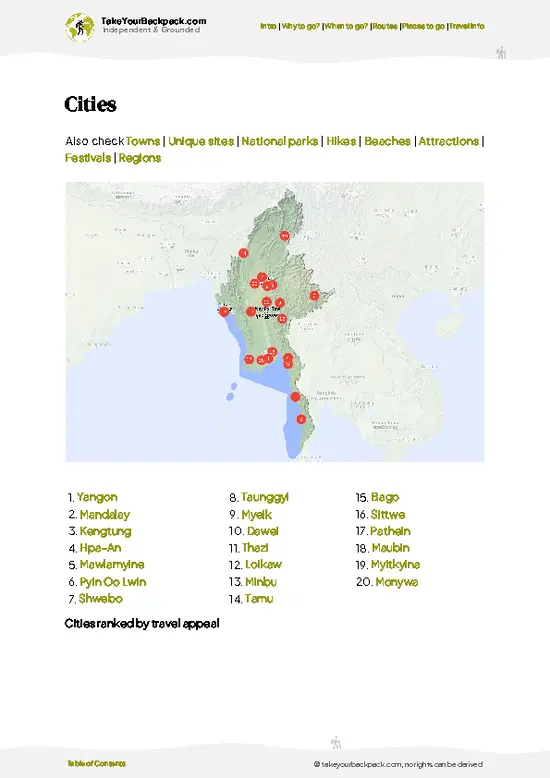
  • Shwebo—royal ruins, dry zone, irrigation canals| 231 km away
  • Monywa—giant Buddhas, Chindwin River, mural caves| 249 km away
  • Sagaing—monastic hills, meditation centers, pagoda clusters| 307 km away

💡 Not sure where to go next?
Create a personalized itinerary for Myanmar including Tamu and the places that fit your trip.

Generate my itinerary

👉 Discover all cities

Or checkout all Myanmar has to offer (think cities, towns, villages, national parks, hikes, beaches, festivals)
Country photo of Myanmar

We 💚 feedbackKey takeaways before you go

Tamu’s charm lies in its raw, unfiltered atmosphere. The bustling markets pulse with life, and the scent of street food is intoxicating. But be prepared: infrastructure can be rough. Expect delays and a few hiccups, but those moments make the experience richer. Embrace the chaos; it’s part of the adventure.

✈️ When did I visit Myanmar?
In November 2013 I backpacked through Myanmar, bringing a full stack of pristine dollar bills as they had no ATMs back then.

✍️ Help improve this page!
The information on this page is based on my own backpacking experience in Myanmar, supplemented with up-to-date research and feedback from other travelers. Travel details can change, so if you notice anything outdated or incomplete, feel free to let me know.


🙋‍♂️ Give feedback

👋 Meet the founderWho’s Behind Take Your Backpack?

Johan, backpacker and founder of TakeYourBackpackHi, I’m Johan (Netherlands 🇳🇱), the creator of TakeYourBackpack. Over the past decade, I’ve backpacked through 80+ countries across six continents, gaining extensive experience with independent travel, long-term trips, and overland routes.

This site is built on a combination of firsthand travel experience and carefully curated insights from other backpackers. Many guides are based on places I’ve personally visited, while others bring together tips, observations, and practical advice shared by trusted travelers I’ve met along the way.

The goal is to provide realistic, experience-driven guidance — not generic itineraries — so you can explore destinations with better context, clearer expectations, and more confidence.

Get full Myanmar guide •
Instant download • 110 highlights • Full Offline guide