×

Nepal🇳🇵 | citiesSolukhumbuEverest approaches, Sherpa settlements, alpine valleys | things to do and best time to go

Explore TaplejungExplore Buddha Jayanti

Backpacking in Solukhumbu
👌 Worth visitingcity ranked #5
By Johan Kruseman 🇳🇱 | Updated September 4, 2026

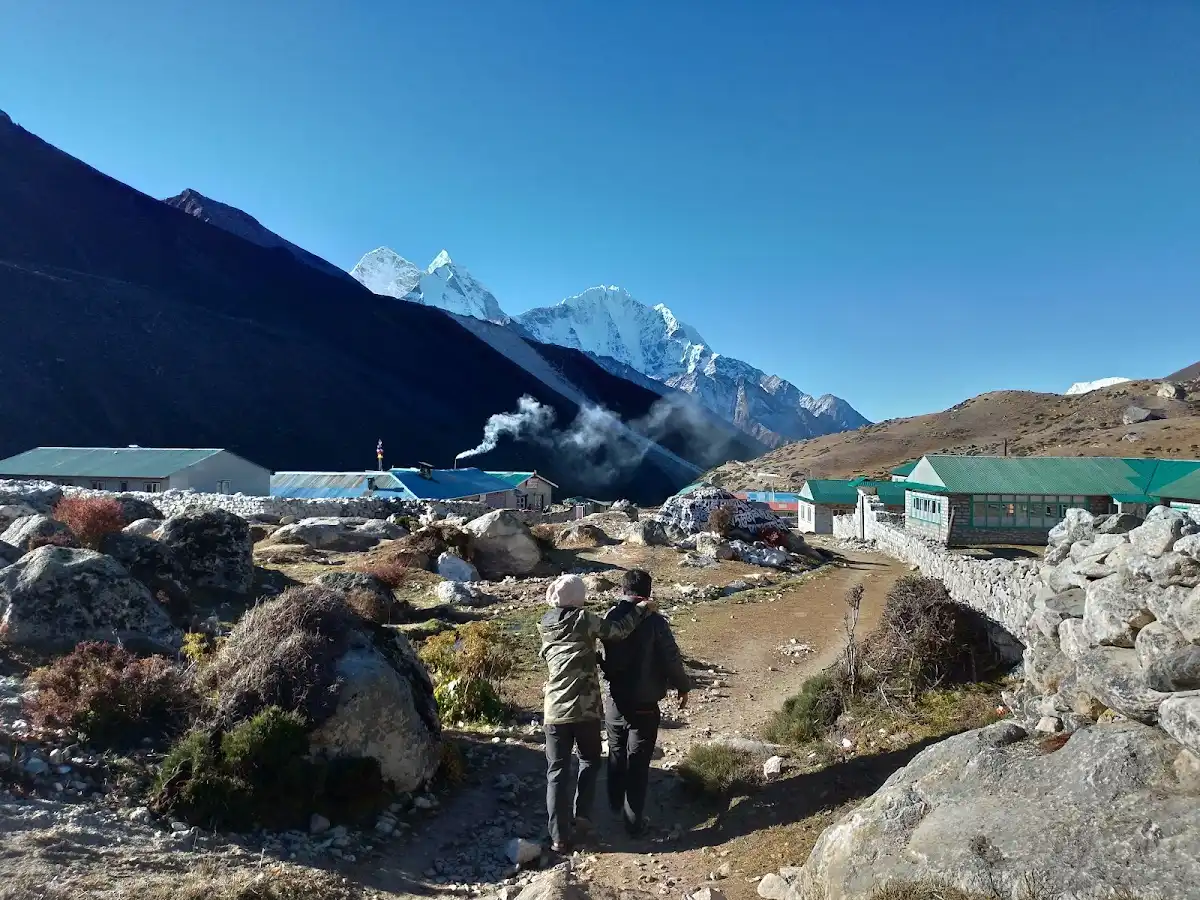
You land in Nepal and face a brutal fork: do you burn days and cash flying straight into Lukla, or grind up from lower Solukhumbu on foot and save money while your lungs actually acclimatize? That choice shapes your whole Everest-region trip. Solukhumbu sits in northeastern Nepal, south of Everest, and it’s less a “city” than a string of Sherpa and Rai towns, monasteries, and trailheads. For backpackers, it’s raw, rewarding, and occasionally frustrating: fewer cafés and bars than Kathmandu or Pokhara, but deeper cultural encounters, quieter trails, and teahouses where you actually talk to people instead of scrolling. It’s cheaper once you’re away from the main Everest corridor, reasonably safe if you respect altitude and weather, and logistically messier—domestic flights, permits, and trail conditions all demand attention—but that’s exactly what filters out the casual selfie crowd and leaves you with serious trekkers and locals who have time to talk.

Discover everything you want to know in the 📖 Nepal Travel Guide.


Get your Nepal guide
97 ranked highlights, routes & tips, works offline (362 pages)
Loading the map 🌍
CLICK TO FILTER
cities
towns
villages
landmarks
national parks
hikes
attractions
festivals
regions
SHOW COUNTRY’S BESTSHOW ALL

✨ Why go?
Ranked #5 city in Nepal
The unique appeal for travelers

Solukhumbu is a strategic hub for backpackers, balancing time, money, and comfort. It’s not just a stopover; it’s a launchpad for some of the most exhilarating day trips in the Himalayas. The city offers a variety of hostels that cater to different budgets, making it easy to find a cozy spot to recharge. You’ll find affordable food options that fuel your adventures without breaking the bank.

The walkability of Solukhumbu is a game-changer. You can easily navigate the streets, soaking in the local vibe while planning your next trek. Plus, the nightlife is surprisingly lively for a mountain town, with spots to unwind after a long day on the trails.

As for onward travel, connections to major trekking routes are seamless, allowing you to maximize your time in the region. If you’re looking … read more 👉
Solukhumbu is a strategic hub for backpackers, balancing time, money, and comfort. It’s not just a stopover; it’s a launchpad for some of the most exhilarating day trips in the Himalayas. The city offers a variety of hostels that cater to different budgets, making it easy to find a cozy spot to recharge. You’ll find affordable food options that fuel your adventures without breaking the bank.

The walkability of Solukhumbu is a game-changer. You can easily navigate the streets, soaking in the local vibe while planning your next trek. Plus, the nightlife is surprisingly lively for a mountain town, with spots to unwind after a long day on the trails.

As for onward travel, connections to major trekking routes are seamless, allowing you to maximize your time in the region. If you’re looking for a base that offers both adventure and comfort, Solukhumbu is worth more than just a quick stop.
Want to include Solukhumbu in your Nepal route?
Create a personalized Nepal itinerary that includes Solukhumbu and the places that fit your trip — based on your travel style, budget, and available time. Get your route in seconds.

Generate my trip

💡 HighlightsEssential experiences to have while visiting Solukhumbu

  1. Namche Bazaar — The Sherpa hub and trading crossroads: a lively market, gear shops, cafés and the best place to soak in local life while acclimatizing. It’s where real Khumbu culture meets trekkers’ logistics, views included.
  2. Tengboche Monastery (Dawa Choling Gompa) — Perched with a clear line of sight to Everest, this monastery’s morning chants, butter lamps and prayer flags create the classic Himalayan temple experience. The view alone is worth the walk.
  3. Pangboche Monastery — Older, quieter and steeped in Sherpa history, Pangboche offers intimate monastery life, carved statuary and authentic village rhythms without the heavier tourist footfall of other stops.
  4. Khumjung Village & Hillary School — A living Sherpa village with stone houses, the famed Hillary School and small local museums;
read more 👉
  1. Namche Bazaar — The Sherpa hub and trading crossroads: a lively market, gear shops, cafés and the best place to soak in local life while acclimatizing. It’s where real Khumbu culture meets trekkers’ logistics, views included.
  2. Tengboche Monastery (Dawa Choling Gompa) — Perched with a clear line of sight to Everest, this monastery’s morning chants, butter lamps and prayer flags create the classic Himalayan temple experience. The view alone is worth the walk.
  3. Pangboche Monastery — Older, quieter and steeped in Sherpa history, Pangboche offers intimate monastery life, carved statuary and authentic village rhythms without the heavier tourist footfall of other stops.
  4. Khumjung Village & Hillary School — A living Sherpa village with stone houses, the famed Hillary School and small local museums; you get a genuine slice of community life and a sense of how families here live high in the mountains.
  5. Kunde Hospital (Sir Edmund Hillary Hospital) — More than a health post: an important community institution founded through Himalayan partnerships. Visiting shows how mountain medicine and local development work hand-in-hand.
  6. Lukla and Tenzing-Hillary Airport — Chaotic, tiny and unforgettable: the gateway airstrip that launches (and lands) most treks into the Khumbu. The town has a busy market and real frontier energy—good to see even if you’re only passing through.
  7. Thame Village & Monastery — A traditional Sherpa settlement off the main tourist corridor with strong cultural traditions, local festivals (if your timing’s right) and rewarding walks through terraced fields and yak pastures.
  8. Sagarmatha National Park Visitor Centers (Namche/Khumjung) — The park’s interpretation centers and small displays explain the ecology, geology and conservation challenges of the region; useful context before you walk higher into the mountains.
  9. Syangboche / Everest Viewpoint & Everest View Hotel area — Short hikes from Namche take you to classic panoramas of Everest, Lhotse and Ama Dablam; the viewpoint at Syangboche is ideal for sunrise photos without committing to a multi-day trek.
  10. Sherpa Cultural Museum (Namche or Khumjung local exhibits) — Small community-run displays of traditional dress, religious objects and oral histories that paint a fuller picture of Sherpa identity beyond the climbing stories.
A few worthy spots just outside the main town that make easy day trips: Tengboche Monastery, Khumjung/Kunde villages, and the Syangboche/Everest Viewpoint—my personal favorite is Tengboche for its setting and morning prayers.
Spotted a mistake or missing something? Contact us.

Things to do near Solukhumbu

Ratings based on Tripadvisor reviews. When you book through this link, you support our work at no extra cost to you.

🏘️ NeighborhoodsWhere things are and how it's laid out

Solukhumbu is a gateway to the Himalayas, where every neighborhood offers a unique flavor for backpackers. Here’s how to navigate the area like a pro.

**Namche Bazaar**: The bustling heart of the region, Namche is where trekkers acclimatize and socialize. Expect a lively vibe with plenty of guesthouses and eateries. Prices can be higher here, but the convenience of shops and ATMs makes it worth it. Walkability is excellent, and you can easily explore nearby trails. Perfect for both short stays and longer acclimatization periods.

**Lukla**: Known primarily for its airport, Lukla is a transit hub rather than a destination. It’s a bit pricier due to its remote location, but you can find basic accommodations. The atmosphere is quieter, catering mostly to those gearing up for treks. If you’re … read more 👉
Solukhumbu is a gateway to the Himalayas, where every neighborhood offers a unique flavor for backpackers. Here’s how to navigate the area like a pro.

**Namche Bazaar**: The bustling heart of the region, Namche is where trekkers acclimatize and socialize. Expect a lively vibe with plenty of guesthouses and eateries. Prices can be higher here, but the convenience of shops and ATMs makes it worth it. Walkability is excellent, and you can easily explore nearby trails. Perfect for both short stays and longer acclimatization periods.

**Lukla**: Known primarily for its airport, Lukla is a transit hub rather than a destination. It’s a bit pricier due to its remote location, but you can find basic accommodations. The atmosphere is quieter, catering mostly to those gearing up for treks. If you’re just passing through, this is your spot, but don’t linger too long.

**Phakding**: A serene alternative to the busier spots, Phakding offers a more laid-back experience. Accommodations are affordable, and the views are stunning. It’s walkable, with easy access to the trailhead for Everest Base Camp. Ideal for those wanting a peaceful night before heading into the more crowded areas.

**Tengboche**: Famous for its monastery, Tengboche is a spiritual stop on the trek. The vibe is tranquil, with fewer tourists compared to Namche. Prices are moderate, and the scenery is breathtaking. It’s suitable for longer stays if you want to soak in the culture and landscape.

⌛️ 1 dayA smart one-day plan

Solukhumbu, a gateway to the Himalayas, is a blend of rich culture and breathtaking landscapes. It’s not just a stopover; it’s a place where the spirit of adventure meets the warmth of local hospitality.

Start your day in the bustling heart of the town, where you can sip on a cup of locally brewed tea at a small café in the Thame neighborhood. The aroma of spices and fresh bread fills the air, setting the tone for a day of exploration. After breakfast, take a leisurely stroll to the nearby Khumbu Pasang Lhamu Rural Municipality. Here, you’ll find the vibrant local market, where vendors sell everything from handmade crafts to fresh produce. It’s a perfect spot to engage with locals and soak in the daily rhythm of life.

In the afternoon, head towards the iconic Tengboche Monastery. The hike … read more 👉
Solukhumbu, a gateway to the Himalayas, is a blend of rich culture and breathtaking landscapes. It’s not just a stopover; it’s a place where the spirit of adventure meets the warmth of local hospitality.

Start your day in the bustling heart of the town, where you can sip on a cup of locally brewed tea at a small café in the Thame neighborhood. The aroma of spices and fresh bread fills the air, setting the tone for a day of exploration. After breakfast, take a leisurely stroll to the nearby Khumbu Pasang Lhamu Rural Municipality. Here, you’ll find the vibrant local market, where vendors sell everything from handmade crafts to fresh produce. It’s a perfect spot to engage with locals and soak in the daily rhythm of life.

In the afternoon, head towards the iconic Tengboche Monastery. The hike is invigorating, offering stunning views of the surrounding peaks. Once there, take a moment to absorb the serene atmosphere and perhaps catch a glimpse of a prayer ceremony. This isn’t just a tourist stop; it’s a spiritual experience that connects you to the heart of Sherpa culture.

As evening approaches, return to Solukhumbu and wander through the quieter lanes of the Bhotekoshi neighborhood. Here, you’ll find a small, family-run eatery that serves traditional Sherpa dishes. Try the momos; they’re a local favorite and a delicious way to end your day.

This itinerary balances time, comfort, and cultural immersion, allowing you to experience the essence of Solukhumbu without feeling rushed. Embrace the choices you make, and let the journey unfold.
Turn your Solukhumbu visit into an Nepal adventure
Build a complete Nepal route with Solukhumbu, hidden gems, must-see destinations, and realistic travel times included.

Generate my trip

🌤️ When to go?Best time to visit Solukhumbu


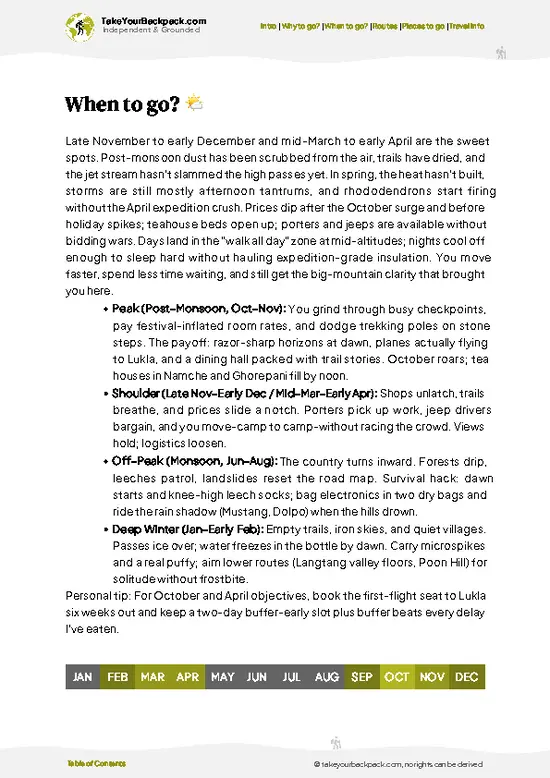
  • Weather: The best window is late September to November when skies clear after monsoon, offering crisp, dry air and minimal rain. Spring (March to May) also works but expect more showers.

  • Temperature: Autumn days hover around 15-20°C (59-68°F), dropping sharply at night. Spring warms slightly but still demands layered gear.

  • Daylight Hours: Around 10-12 hours in peak trekking months, giving ample daylight for long hikes without rushing.

  • Crowds: Autumn draws the biggest crowds, especially on popular trails. Spring is quieter but still busy. Off-season means solitude but tougher conditions.

  • Seasonal Activities: Autumn offers clear mountain views and cultural festivals; spring blooms rhododendrons and alpine flowers, adding color to the trek.

  • Price Fluctuations: Peak seasons spike
read more 👉

  • Weather: The best window is late September to November when skies clear after monsoon, offering crisp, dry air and minimal rain. Spring (March to May) also works but expect more showers.

  • Temperature: Autumn days hover around 15-20°C (59-68°F), dropping sharply at night. Spring warms slightly but still demands layered gear.

  • Daylight Hours: Around 10-12 hours in peak trekking months, giving ample daylight for long hikes without rushing.

  • Crowds: Autumn draws the biggest crowds, especially on popular trails. Spring is quieter but still busy. Off-season means solitude but tougher conditions.

  • Seasonal Activities: Autumn offers clear mountain views and cultural festivals; spring blooms rhododendrons and alpine flowers, adding color to the trek.

  • Price Fluctuations: Peak seasons spike lodge and permit costs. Off-peak months drop prices but risk weather delays and fewer services.


Pro-tip: Aim for early autumn to balance weather, crowd size, and cost—this is when Solukhumbu rewards you with both spectacle and sanity.


source: climatestotravel.comJANJanuary: fair for travelingFEBFebruary: good for travelingMARMarch: highly recommended for travelingAPRApril: highly recommended for travelingMAYMay: good for travelingJUNJune: below average for travelingJULJuly: below average for travelingAUGAugust: below average for travelingSEPSeptember: highly recommended for travelingOCTOctober: excellent for travelingNOVNovember: excellent for travelingDECDecember: fair for traveling
nepal-city-solukhumbu
© Google |

✈️ The backpacker research shortcutNepal Travel Guide

An offline-friendly backpacking guide with optimized travel routes, ranked highlights, transport advice, and the best areas to stay.
example page 0 from our offline Travel Guide for Nepal
example page 1 from our offline Travel Guide for Nepal
example page 2 from our offline Travel Guide for Nepal
example page 3 from our offline Travel Guide for Nepal
example page 4 from our offline Travel Guide for Nepal
example page 5 from our offline Travel Guide for Nepal
example page 6 from our offline Travel Guide for Nepal
example page 7 from our offline Travel Guide for Nepal
The digital guide (362 pages) contains:
97 highlights, ranked by travel appeal
Optimized 5, 10 & 15-day travel routes
Cities, national parks, landmarks, beaches
How to get around
Offline-friendly for travel without Wi-Fi
👉 Click to see all 30+ guide features

📅 Plan smarter in minutes, not weeks
Month by month travel advice
Festivals & national holidays
Budget expectations

🗺️ Go to the right places, skip the overrated ones
Honest pros & cons of destinations
Top hikes, parks & viewpoints
Lesser-known places most travelers miss
Clear “worth it vs skip it” guidance

🛏️ Travel smoothly without rookie mistakes
Best areas to stay
Transport systems explained simply
Common scams & safety advice
SIM cards, money & practical tips

🌍 Understand the country, not just visit it
Culture & traditions
52 Essential phrases & customs
Festivals worth planning around
Traveler-friendly historical context
Insights that make places more meaningful

📱 Built for real travel conditions
Fully downloadable PDF
Works completely offline
Optimized for phone use
Useful in remote areas & buses
Everything in one place
Save weeks of stressful planning
Get instant access to your full guide. 30‑day money-back guarantee.
+ Add another guide for just US$7.80

By proceeding you agree to our terms.
Sent to your inbox immediately after payment • 100% Secure Checkout
Best Backpacking Travel Advisor 2025 tourism awardBest Backpacking
Travel Advisor
2025
What others say about Take Your Backpack Guides:
⭐⭐⭐⭐⭐
Fantastic, amazing amount of information!
⭐⭐⭐⭐⭐
My goodness this is amazing, it's what I've been looking for hats off too you!
⭐⭐⭐⭐⭐
I think this is absolutely BRILLIANT
⭐⭐⭐⭐
Very complete and informative. It's still missing places, but I gotta to commend you
⭐⭐⭐⭐⭐
This is truly amazing, thank you, can't wait to explore it with my kids!
⭐⭐⭐⭐⭐
Awesome resource, thank you!
⭐⭐⭐⭐⭐
This is amazing! Can't wait to explore the ones I haven't seen
⭐⭐⭐⭐
I love this! Well done, great idea.
⭐⭐⭐⭐⭐
Thanks for taking the time to make this gem!
⭐⭐⭐⭐⭐
This might be the best website I've ever seen.
⭐⭐⭐⭐⭐
Congratulations, and thank you so much for your work; it's incredibly valuable.
⭐⭐⭐⭐
In all seriousness I think you did a great job pointing out the important spots
⭐⭐⭐⭐⭐
10/10 very good
⭐⭐⭐⭐⭐
As someone who's only just starting to visit regularly this is awesome, thank you.
⭐⭐⭐⭐
Thank you very much! I'm going to visit my dad, it's going to be very useful!
⭐⭐⭐⭐⭐
This is really cool! We'll be travelling for the first time and this definitely come in handy.
⭐⭐⭐⭐⭐
You are now our minister of culture, congratulations 👨‍💼
⭐⭐⭐⭐⭐
Just wanted to tell you that this is a pearl! Going to follow your recommendations.
⭐⭐⭐⭐⭐
This is so cool. I'll definitely be using the resource for my travels soon.
⭐⭐⭐⭐⭐
This is very impressive! Good work.
⭐⭐⭐⭐⭐
This is an amazing and informative site. Very well done!

🛏️ Where to stay?Best areas to stay in Nepal

Solukhumbu isn’t a sprawling city but a district centered around Namche Bazaar, the real hub for backpackers. This is where you want to base yourself—safe, buzzing with trekkers swapping stories, and loaded with budget lodges and hostels. The vibe here is social without being overwhelming; you’ll find communal dining and shared spaces that make solo travel feel less lonely. Compared to the quieter, more remote villages scattered around, Namche offers the perfect balance of comfort and connection without breaking the bank. It’s the launchpad for Everest treks, so expect a steady flow of like-minded … read more 👉
Solukhumbu isn’t a sprawling city but a district centered around Namche Bazaar, the real hub for backpackers. This is where you want to base yourself—safe, buzzing with trekkers swapping stories, and loaded with budget lodges and hostels. The vibe here is social without being overwhelming; you’ll find communal dining and shared spaces that make solo travel feel less lonely. Compared to the quieter, more remote villages scattered around, Namche offers the perfect balance of comfort and connection without breaking the bank. It’s the launchpad for Everest treks, so expect a steady flow of like-minded adventurers and a practical infrastructure built for budget travelers.

🚌 Getting aroundHow to get from A to B

Solukhumbu moves at the pace of the mountains themselves—unpredictable yet deliberate. It’s not a place where you’ll find rigid timetables etched in stone; instead, the rhythm is set by the weather, the trail conditions, and the flow of trekkers and locals alike. Here, intuition and flexibility are your best allies. The trade-off is clear: you can chase speed and comfort, but often at a steep price, or embrace the slower, rougher routes that deliver authenticity and savings. Understanding this balance is your key to mastering the journey.


  • Walking: The backbone of Solukhumbu travel. Free, obviously, but expect long days on uneven terrain. It’s the slowest option but offers unmatched immersion and flexibility—start when you want, stop where you please.

  • Local Jeep: Runs from Lukla to Namche
read more 👉
Solukhumbu moves at the pace of the mountains themselves—unpredictable yet deliberate. It’s not a place where you’ll find rigid timetables etched in stone; instead, the rhythm is set by the weather, the trail conditions, and the flow of trekkers and locals alike. Here, intuition and flexibility are your best allies. The trade-off is clear: you can chase speed and comfort, but often at a steep price, or embrace the slower, rougher routes that deliver authenticity and savings. Understanding this balance is your key to mastering the journey.


  • Walking: The backbone of Solukhumbu travel. Free, obviously, but expect long days on uneven terrain. It’s the slowest option but offers unmatched immersion and flexibility—start when you want, stop where you please.

  • Local Jeep: Runs from Lukla to Namche Bazaar and nearby villages. Prices hover around $5-$10 per ride, but schedules are loose and depend on passenger demand. Rough roads mean a bumpy, sometimes uncomfortable ride, but it shaves hours off your trek.

  • Shared Jeep: Slightly pricier than local jeeps, around $10-$15, but more reliable and faster. Departure times are more predictable, usually early morning, but seats fill quickly during peak season.

  • Helicopter: The ultimate time-saver, cutting hours to minutes. Expect to pay $150-$200 for a one-way trip. Comfort is high, but the cost is prohibitive for most budget travelers. Best reserved for emergencies or splurge moments.

  • Bus (Limited): Available on some lower routes, fares are low ($2-$5), but services are infrequent and slow. Not recommended for tight schedules but useful if you want to stretch your budget and don’t mind waiting.

👛 Costs (as of 4 September 2026)Typical daily expenses

Backpacking in Solukhumbu, Nepal, means balancing rugged adventure with tight budgets, but knowing the real costs upfront lets you play the game smarter.
  • Dorm Accommodation (High Season): Expect to pay around $8 to $12 per night for a basic dorm bed in guesthouses or teahouses. High season (spring and autumn) pushes prices up due to demand, but the quality remains simple—think shared bathrooms and minimal heating.
  • Dorm Accommodation (Off-Season): Drop to about $5 to $8 per night when the crowds thin out. Off-season means fewer services, sometimes colder nights, but a quieter, more authentic experience.
  • Meals: Budget $3 to $6 per meal at local eateries. Dal bhat (lentil soup with rice) is the staple and the best value, filling and nutritious. Western-style meals or imported snacks can double
read more 👉
Backpacking in Solukhumbu, Nepal, means balancing rugged adventure with tight budgets, but knowing the real costs upfront lets you play the game smarter.
  • Dorm Accommodation (High Season): Expect to pay around $8 to $12 per night for a basic dorm bed in guesthouses or teahouses. High season (spring and autumn) pushes prices up due to demand, but the quality remains simple—think shared bathrooms and minimal heating.
  • Dorm Accommodation (Off-Season): Drop to about $5 to $8 per night when the crowds thin out. Off-season means fewer services, sometimes colder nights, but a quieter, more authentic experience.
  • Meals: Budget $3 to $6 per meal at local eateries. Dal bhat (lentil soup with rice) is the staple and the best value, filling and nutritious. Western-style meals or imported snacks can double that price.
  • Local Transport: In Solukhumbu, transport is mostly on foot or by jeep. Jeep rides between villages or to Lukla airport cost roughly $10 to $20 per trip, depending on distance and negotiation skills.
  • City Transport Pass: Not applicable here. Solukhumbu’s rugged terrain means no city buses or metro passes—your legs and occasional jeep rides are your transport system.
  • Basic Activities/Entry Fees: Trekking permits like the TIMS card and Sagarmatha National Park entry cost around $30 to $50 total, spread over your trip. Daily entry fees to local monasteries or museums are minimal, usually under $2.
  • Miscellaneous Expenses: Budget $2 to $5 daily for bottled water, phone top-ups, or small gear repairs. Internet cafes or Wi-Fi access in lodges might add a dollar or two per hour.

Add it all up, and you’re looking at roughly $20 to $40 per day, depending on season and how much you lean into creature comforts or local simplicity. Solukhumbu rewards those who embrace its pace and style—spending less on transport and accommodation means more energy and budget left for the stunning trails and cultural encounters.


source: welcomenepal.com
⚠️ Prices can change and everyone travels differently, so take this as a rough guide. Hope it helps you plan your adventure!

🚌 Day tripsWhere to go beyond the main area

Solukhumbu, Nepal, is a backpacker’s dream base for day trips, offering a blend of adventure, culture, and breathtaking views without the need for overnight gear. Here are some standout options that pack a punch.

**Everest View Trek**
This trek is a classic for a reason. Just a few hours from Solukhumbu, you’ll find yourself on a trail that offers jaw-dropping views of Everest and its neighboring peaks. The trek typically takes about 5-6 hours round trip, and you can do it in a day if you start early. Expect to spend around $10 on food and drinks along the way. The best time to go is during the spring or autumn when the skies are clear. A common mistake? Underestimating the altitude; take it slow and enjoy the scenery.


**Namche Bazaar**
A bustling hub of Sherpa culture, Namche Bazaar … read more 👉
Solukhumbu, Nepal, is a backpacker’s dream base for day trips, offering a blend of adventure, culture, and breathtaking views without the need for overnight gear. Here are some standout options that pack a punch.

**Everest View Trek**
This trek is a classic for a reason. Just a few hours from Solukhumbu, you’ll find yourself on a trail that offers jaw-dropping views of Everest and its neighboring peaks. The trek typically takes about 5-6 hours round trip, and you can do it in a day if you start early. Expect to spend around $10 on food and drinks along the way. The best time to go is during the spring or autumn when the skies are clear. A common mistake? Underestimating the altitude; take it slow and enjoy the scenery.


**Namche Bazaar**
A bustling hub of Sherpa culture, Namche Bazaar is about a 7-hour hike from Solukhumbu. This vibrant market town is perfect for soaking in local life and grabbing some delicious momos. Budget around $15 for food and drinks. Spring and autumn are ideal, but be prepared for crowds during peak trekking seasons. First-timers often rush through; take time to explore the side trails and enjoy the views.
👉 Explore Namche Bazaar

**Tengboche Monastery**
This serene monastery is a 6-hour trek from Solukhumbu and offers a spiritual experience alongside stunning mountain vistas. The entrance is free, but donations are appreciated. The best time to visit is early morning when the light hits the peaks just right. Many newcomers forget to bring a respectful attitude; remember, this is a sacred space.


**Khunde and Khumjung Villages**
These neighboring villages are a short 4-hour trek from Solukhumbu and provide a glimpse into traditional Sherpa life. You can visit the local schools and monasteries, and the round trip will cost you about $10. Spring and autumn are best for clear views. A common pitfall? Skipping the local tea houses; they offer a chance to chat with locals and recharge.


Each of these trips offers a unique slice of the Solukhumbu experience, making it easy to choose your adventure wisely.
Want to know what more Nepal offers?
The Nepal Travel Guide describes 97 highlights, from cities to national parks, from beaches to hikes

Get the Travel Guide -

🍲 FoodLocal Cuisine & Drinks

In **Solukhumbu**, the culinary scene is a delightful mix of tradition and local flavor. You can’t miss trying **dal bhat**, a hearty lentil soup served with rice and vegetables. It’s not just a meal; it’s a ritual. Locals often enjoy it twice a day, and you’ll find it everywhere, from bustling markets to small tea houses.

Street food is a must. Look for **momos**, those delicious dumplings filled with meat or veggies, often served with a tangy dipping sauce. The aroma wafts through the air, drawing you in. Grab a plate and enjoy them with fellow travelers and locals alike, sharing stories over steaming cups of **chai**.

When it comes to drinks, **local raksi** is worth a sip. This homemade spirit, often made from millet or rice, packs a punch and is a staple during celebrations. Just remember, … read more 👉
In **Solukhumbu**, the culinary scene is a delightful mix of tradition and local flavor. You can’t miss trying **dal bhat**, a hearty lentil soup served with rice and vegetables. It’s not just a meal; it’s a ritual. Locals often enjoy it twice a day, and you’ll find it everywhere, from bustling markets to small tea houses.

Street food is a must. Look for **momos**, those delicious dumplings filled with meat or veggies, often served with a tangy dipping sauce. The aroma wafts through the air, drawing you in. Grab a plate and enjoy them with fellow travelers and locals alike, sharing stories over steaming cups of **chai**.

When it comes to drinks, **local raksi** is worth a sip. This homemade spirit, often made from millet or rice, packs a punch and is a staple during celebrations. Just remember, it’s customary to share a drink, so don’t be surprised if someone offers you a taste.

Eating here is a communal experience. Expect to see people gathered around tables, laughing and sharing. Embrace the chaos and savor every bite; it’s all part of the adventure.

🛡️ SafetyTraveler Safety Guide

In Solukhumbu, safety is generally solid, but a few nuances can enhance your experience. Stay aware in crowded areas, especially near markets or bus stations, where pickpockets might lurk. If you’re solo, consider your surroundings at night; stick to well-lit paths and avoid wandering too far from your accommodation.

Scams are rare, but some locals may try to overcharge for services or goods. Always negotiate prices upfront, whether for a taxi or a trekking guide. A friendly smile and a firm stance can go a long way in these situations.

Annoyances like stray dogs or persistent vendors can pop up, but they’re part of the local color. Carry yourself confidently, and don’t hesitate to say no politely. This approach not only keeps you safe but also enriches your interactions with the community.

FAQCommon questions from travelers

7 to 14 days are ideal to explore Solukhumbu, allowing time for acclimatization and trekking, especially the Everest Base Camp trek which takes about 12-14 days. Shorter visits of 3-5 days can cover local villages and short hikes but miss major highlights.
Yes, Solukhumbu is generally safe for solo backpackers with basic precautions. The region is well-traveled by trekkers, and local communities are welcoming, but solo travelers should avoid trekking alone in remote areas and be prepared for altitude challenges.
Solukhumbu is known for being the gateway to Mount Everest and the Everest Base Camp trek. It is also famous for its Sherpa culture, stunning Himalayan landscapes, and the Sagarmatha National Park, a UNESCO World Heritage Site.
⚠️ Things can change over time, so always validate details locally before you go.

Other Nepali cities near Solukhumbu

Explore more nearby:

  • Taplejung—Kanchenjunga foothills, tea gardens, remote trailheads| 99 km away
  • Kathmandu—temple squares, urban sprawl, backpacker districts| 139 km away
  • Chitwan—jungle buffer zone, Tharu villages, elephant grasslands| 236 km away

💡 Not sure where to go next?
Create a personalized itinerary for Nepal including Solukhumbu and the places that fit your trip.

Generate my itinerary

👉 Discover all cities

Or checkout all Nepal has to offer (think cities, towns, villages, national parks, hikes, beaches, festivals)
Country photo of Nepal

We 💚 feedbackKey takeaways before you go

Solukhumbu is a gateway to the Himalayas, where the air buzzes with the spirit of adventure. You’ll find authentic Sherpa culture and breathtaking landscapes that make every uphill trek worth it. But be ready for the altitude; it can hit hard. Acclimatization is key, so don’t rush. Embrace the slow pace, and you’ll unlock the true magic of this rugged paradise.

✈️ When did I visit Nepal?
Being a mountain lover, Nepal is one of my favorites. I visited it in November 2006, hiking the full Annapurna circuit as my highlight.

✍️ Help improve this page!
The information on this page is based on my own backpacking experience in Nepal, supplemented with up-to-date research and feedback from other travelers. Travel details can change, so if you notice anything outdated or incomplete, feel free to let me know.


🙋‍♂️ Give feedback

👋 Meet the founderWho’s Behind Take Your Backpack?

Johan, backpacker and founder of TakeYourBackpackHi, I’m Johan (Netherlands 🇳🇱), the creator of TakeYourBackpack. Over the past decade, I’ve backpacked through 80+ countries across six continents, gaining extensive experience with independent travel, long-term trips, and overland routes.

This site is built on a combination of firsthand travel experience and carefully curated insights from other backpackers. Many guides are based on places I’ve personally visited, while others bring together tips, observations, and practical advice shared by trusted travelers I’ve met along the way.

The goal is to provide realistic, experience-driven guidance — not generic itineraries — so you can explore destinations with better context, clearer expectations, and more confidence.

Get full Nepal guide •
Instant download • 97 highlights • Full Offline guide