
1. The Waal River Dikes
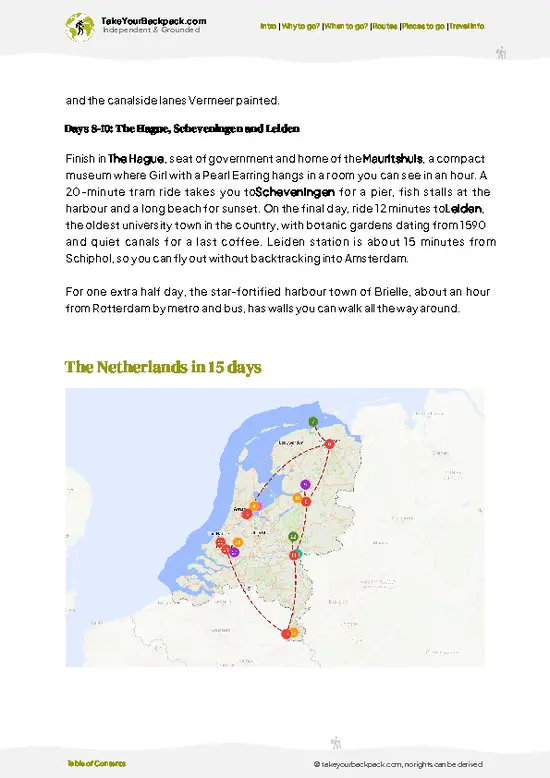
You don’t just walk beside the Waal—you walk above it. The dikes here are more than flood defenses; they’re the backbone of the Ooijpolder. Boots crunch on gravel as you stride along the crest, wind tugging at your jacket, barges sliding by below. On one side, the river flexes its muscle, broad and restless. On the other, meadows sprawl, dotted with wild Konik horses and Galloway cattle. This is the Netherlands stripped of postcard polish—mud on your boots, wind in your face, and a sense of scale that makes you feel like you’re striding through a living landscape, not a curated park.
2. Bisonbaai
This oxbow lake is the wild heart of the Ooijpolder. The path narrows, reeds whip at your legs, and suddenly you’re staring at a mirror-flat expanse of water, ringed by willow … read more 👉
You don’t just walk beside the Waal—you walk above it. The dikes here are more than flood defenses; they’re the backbone of the Ooijpolder. Boots crunch on gravel as you stride along the crest, wind tugging at your jacket, barges sliding by below. On one side, the river flexes its muscle, broad and restless. On the other, meadows sprawl, dotted with wild Konik horses and Galloway cattle. This is the Netherlands stripped of postcard polish—mud on your boots, wind in your face, and a sense of scale that makes you feel like you’re striding through a living landscape, not a curated park.
2. Bisonbaai
This oxbow lake is the wild heart of the Ooijpolder. The path narrows, reeds whip at your legs, and suddenly you’re staring at a mirror-flat expanse of water, ringed by willow … read more 👉
1. The Waal River Dikes
You don’t just walk beside the Waal—you walk above it. The dikes here are more than flood defenses; they’re the backbone of the Ooijpolder. Boots crunch on gravel as you stride along the crest, wind tugging at your jacket, barges sliding by below. On one side, the river flexes its muscle, broad and restless. On the other, meadows sprawl, dotted with wild Konik horses and Galloway cattle. This is the Netherlands stripped of postcard polish—mud on your boots, wind in your face, and a sense of scale that makes you feel like you’re striding through a living landscape, not a curated park.
2. Bisonbaai
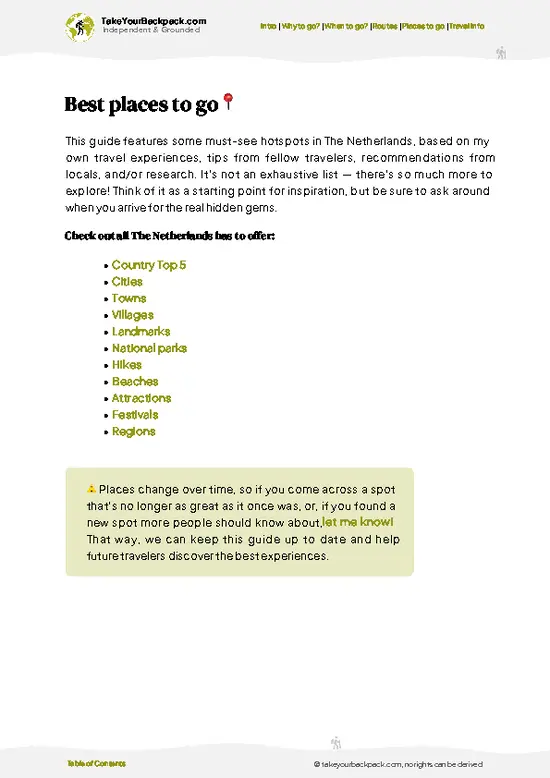
This oxbow lake is the wild heart of the Ooijpolder. The path narrows, reeds whip at your legs, and suddenly you’re staring at a mirror-flat expanse of water, ringed by willow and alder. In spring, the air vibrates with birdsong—grebes, herons, and, if you’re lucky, a flash of kingfisher blue. In summer, the mudflats steam in the sun, dragonflies darting. The real magic? Herds of semi-wild horses and cattle graze right up to the water’s edge, sometimes blocking the trail. Step quietly, breathe deep, and you’ll feel the pulse of the wild in the middle of the lowlands.
3. The Millinger Tea Garden
You slog through a patch of forest, sweat cooling on your back, and suddenly stumble into a scene that feels like a fever dream: a lush, Moroccan-inspired tea garden, hidden in the reeds. The Millinger Theetuin isn’t just a café—it’s a reward. Order mint tea or a slab of homemade cake, collapse into a mismatched chair, and let your legs recover. Peacocks strut, fountains gurgle, and the scent of flowers hangs thick in the air. It’s the kind of place you’d never believe existed if you hadn’t earned it with every muddy kilometer. This is my personal favorite—nothing tastes better than that first sip after a hard push.
4. The Floodplain Forests
Here, the trail dives into a tangle of willow and poplar. The ground squelches underfoot, and the air smells of damp earth and river. In winter, mist coils between the trunks; in summer, the canopy hums with insects. You might spot roe deer slipping through the undergrowth or a white stork picking its way through the shallows. The forest isn’t manicured—expect fallen branches, muddy detours, and the occasional scramble. But that’s the point: it’s wild, unpredictable, and alive.
5. The View from the Duivelsberg
Technically just outside the Ooijpolder, but worth every extra step. The climb up Duivelsberg is short but sharp, legs burning as you push through beech woods to the top. The payoff? A panoramic sweep over the Rhine, the polders, and the distant hills of Germany. On a clear day, you can see the patchwork of fields and water that defines this corner of the Netherlands. It’s the exhale after the effort—the moment you realize why you hike.
You don’t just walk beside the Waal—you walk above it. The dikes here are more than flood defenses; they’re the backbone of the Ooijpolder. Boots crunch on gravel as you stride along the crest, wind tugging at your jacket, barges sliding by below. On one side, the river flexes its muscle, broad and restless. On the other, meadows sprawl, dotted with wild Konik horses and Galloway cattle. This is the Netherlands stripped of postcard polish—mud on your boots, wind in your face, and a sense of scale that makes you feel like you’re striding through a living landscape, not a curated park.
2. Bisonbaai
This oxbow lake is the wild heart of the Ooijpolder. The path narrows, reeds whip at your legs, and suddenly you’re staring at a mirror-flat expanse of water, ringed by willow and alder. In spring, the air vibrates with birdsong—grebes, herons, and, if you’re lucky, a flash of kingfisher blue. In summer, the mudflats steam in the sun, dragonflies darting. The real magic? Herds of semi-wild horses and cattle graze right up to the water’s edge, sometimes blocking the trail. Step quietly, breathe deep, and you’ll feel the pulse of the wild in the middle of the lowlands.
3. The Millinger Tea Garden
You slog through a patch of forest, sweat cooling on your back, and suddenly stumble into a scene that feels like a fever dream: a lush, Moroccan-inspired tea garden, hidden in the reeds. The Millinger Theetuin isn’t just a café—it’s a reward. Order mint tea or a slab of homemade cake, collapse into a mismatched chair, and let your legs recover. Peacocks strut, fountains gurgle, and the scent of flowers hangs thick in the air. It’s the kind of place you’d never believe existed if you hadn’t earned it with every muddy kilometer. This is my personal favorite—nothing tastes better than that first sip after a hard push.
4. The Floodplain Forests
Here, the trail dives into a tangle of willow and poplar. The ground squelches underfoot, and the air smells of damp earth and river. In winter, mist coils between the trunks; in summer, the canopy hums with insects. You might spot roe deer slipping through the undergrowth or a white stork picking its way through the shallows. The forest isn’t manicured—expect fallen branches, muddy detours, and the occasional scramble. But that’s the point: it’s wild, unpredictable, and alive.
5. The View from the Duivelsberg
Technically just outside the Ooijpolder, but worth every extra step. The climb up Duivelsberg is short but sharp, legs burning as you push through beech woods to the top. The payoff? A panoramic sweep over the Rhine, the polders, and the distant hills of Germany. On a clear day, you can see the patchwork of fields and water that defines this corner of the Netherlands. It’s the exhale after the effort—the moment you realize why you hike.
Spotted a mistake or missing something? Contact us.
v2.webp)


Best Backpacking
Hi, I’m Johan (Netherlands 🇳🇱), the creator of TakeYourBackpack. Over the past decade, I’ve backpacked through 80+ countries across six continents, gaining extensive experience with independent travel, long-term trips, and overland routes.