×

New Zealand🇳🇿 | citiesAucklandSkyline harbours, volcanic cones, multicultural food, urban islands | things to do and best time to go

Explore Porpoise BayExplore Christchurch

Backpacking in Auckland
🏆 Top pickcity ranked #2
By Johan Kruseman 🇳🇱 | Updated September 4, 2026

Your bus wheezes up Queen Street in the drizzle, windows fogged, the smell of wet wool and takeaway fries thick in the air. A gust hits as you step off: salty harbor wind, car brakes squealing, a busker’s guitar fighting with construction drills. You look up and the Sky Tower cuts through low cloud like a needle.

Auckland sits near the top of New Zealand’s North Island, and it feels like the country’s big front door. For backpackers, it’s convenient, not cheap. Hostels are social and full of working-holiday folks, but beds and beers cost more than in Wellington or Christchurch. The payoff: easy ferries to islands, day hikes on volcanic cones, decent museums, and nightlife that actually goes late. It’s safe, walkable in the core, and public transport is just good enough if you’re patient. I treat Auckland as a launchpad: a few days to meet people, adjust, and then escape in almost any direction.

Discover everything you want to know in the 📖 New Zealand Travel Guide.
Loading the map 🌍
CLICK TO FILTER
cities
towns
villages
landmarks
national parks
hikes
beaches
attractions
festivals
regions
SHOW COUNTRY’S BESTSHOW ALL

✨ Why go?
Ranked #2 city in New Zealand
The unique appeal for travelers

Auckland is a strategic base for backpackers, blending urban energy with access to nature. The city offers a wealth of highlights and activities that cater to diverse interests, making it a vibrant stop on your journey. With a solid selection of hostels, you’ll find budget-friendly options that foster a sense of community, perfect for meeting fellow travelers.

The walkability of the city is a huge plus; you can easily explore neighborhoods, waterfronts, and parks without needing to rely on public transport. When it comes to food, Auckland’s culinary scene is a delightful mix of international flavors, often at reasonable prices, so you can indulge without breaking the bank.

As for nightlife, the city buzzes with energy, offering everything from laid-back bars to lively clubs, ensuring your … read more 👉
Auckland is a strategic base for backpackers, blending urban energy with access to nature. The city offers a wealth of highlights and activities that cater to diverse interests, making it a vibrant stop on your journey. With a solid selection of hostels, you’ll find budget-friendly options that foster a sense of community, perfect for meeting fellow travelers.

The walkability of the city is a huge plus; you can easily explore neighborhoods, waterfronts, and parks without needing to rely on public transport. When it comes to food, Auckland’s culinary scene is a delightful mix of international flavors, often at reasonable prices, so you can indulge without breaking the bank.

As for nightlife, the city buzzes with energy, offering everything from laid-back bars to lively clubs, ensuring your evenings are just as exciting as your days. Plus, Auckland serves as a gateway for day trips to stunning landscapes, making it easy to venture beyond the city.

In short, Auckland is not just a stopover; it’s a high-value experience that balances comfort and adventure, fitting seamlessly into your backpacking route.
Want to include Auckland in your New Zealand route?
Create a personalized New Zealand itinerary that includes Auckland and the places that fit your trip — based on your travel style, budget, and available time. Get your route in seconds.

Generate my trip

💡 HighlightsEssential experiences to have while visiting Auckland

  • Sky Tower — Auckland’s skyline signature: take the lift up for sweeping harbor and city views, grab a drink in the revolving restaurant or, if you’re feeling silly-brave, do the SkyWalk or SkyJump.
  • Auckland War Memorial Museum (Auckland Domain) — a cultural and historical heavyweight: excellent Māori and Pacific collections, natural history exhibits and a solemn war memorial; guided Māori cultural performances make visits feel alive and contextualized.
  • Maungawhau / Mount Eden — the highest natural viewpoint in central Auckland and a tūpuna (ancestral) site with visible Māori terracing; short walk, huge panoramic payoff and a real sense of place.
  • Auckland Art Gallery Toi o Tāmaki — New Zealand’s largest public art collection with strong Māori and Pacific works, rotating contemporary shows
read more 👉
  • Sky Tower — Auckland’s skyline signature: take the lift up for sweeping harbor and city views, grab a drink in the revolving restaurant or, if you’re feeling silly-brave, do the SkyWalk or SkyJump.
  • Auckland War Memorial Museum (Auckland Domain) — a cultural and historical heavyweight: excellent Māori and Pacific collections, natural history exhibits and a solemn war memorial; guided Māori cultural performances make visits feel alive and contextualized.
  • Maungawhau / Mount Eden — the highest natural viewpoint in central Auckland and a tūpuna (ancestral) site with visible Māori terracing; short walk, huge panoramic payoff and a real sense of place.
  • Auckland Art Gallery Toi o Tāmaki — New Zealand’s largest public art collection with strong Māori and Pacific works, rotating contemporary shows and a beautifully restored heritage building in the CBD.
  • Wynyard Quarter & Silo Park — waterfront regeneration done well: food trucks, pop-up events, waterfront walks and big public art; excellent for evening vibes and casual eats by the water.
  • Viaduct Harbour & Queens Wharf — lively marina and dining precinct where yachts, seafood restaurants and ferry departures meet — great for people-watching, sunsets and waterfront nightlife.
  • Karangahape Road (K’ Road) — gritty, creative and eclectic: vintage shops, dive bars, queer-friendly venues, street art and indie galleries that show a less-polished, authentic Auckland side.
  • Ponsonby Road — tree-lined strip of cafes, boutique shops and Victorian villas; comes alive on weekends and is a good barometer of local food and fashion scenes without the tourist gloss.
  • Auckland Domain Wintergardens — calm glasshouses, formal beds and a lily pond tucked inside the Domain; perfect for a mellow hour away from the city rush and pleasantly photogenic.
  • Civic Theatre & Aotea Square — the 1920s Civic’s ornate interior is a treat for architecture and film buffs, while Aotea Square outside hosts markets, protests and live events — the city’s civic heart.
If you’ve got time for day trips, hop a ferry to Waiheke or Rangitoto, or drive out west to Piha’s black-sand surf beach — all are easily reachable from Auckland and well worth the detour.
Spotted a mistake or missing something? Contact us.

Things to do in Auckland

Ratings based on Tripadvisor reviews. When you book through this link, you support our work at no extra cost to you.

🏘️ NeighborhoodsUnderstanding the local layout

Auckland is a vibrant city with distinct neighborhoods, each offering unique experiences for backpackers. Here’s a breakdown to help you navigate your choices.

Central Auckland: This is the heart of the city, buzzing with energy. You’ll find a mix of budget hostels and pricier hotels. Walkability is high, with plenty of cafes and shops. Nightlife thrives here, especially around Victoria Street. Great for short stays, but it can feel a bit hectic if you’re looking for peace.

Ponsonby: Known for its trendy vibe, Ponsonby is packed with boutique shops and eateries. It’s a bit pricier, but the atmosphere is worth it. Walkable and lively, it’s perfect for those who enjoy a mix of relaxation and socializing. Public transport is accessible, making it easy to explore further. Ideal for longer stays … read more 👉
Auckland is a vibrant city with distinct neighborhoods, each offering unique experiences for backpackers. Here’s a breakdown to help you navigate your choices.

Central Auckland: This is the heart of the city, buzzing with energy. You’ll find a mix of budget hostels and pricier hotels. Walkability is high, with plenty of cafes and shops. Nightlife thrives here, especially around Victoria Street. Great for short stays, but it can feel a bit hectic if you’re looking for peace.

Ponsonby: Known for its trendy vibe, Ponsonby is packed with boutique shops and eateries. It’s a bit pricier, but the atmosphere is worth it. Walkable and lively, it’s perfect for those who enjoy a mix of relaxation and socializing. Public transport is accessible, making it easy to explore further. Ideal for longer stays if you want a local feel.

Grey Lynn: A quieter alternative, Grey Lynn offers a laid-back atmosphere with parks and local cafes. It’s more affordable than Ponsonby, and you can easily walk to nearby attractions. Nightlife is subdued, making it suitable for those who prefer a peaceful retreat. Great for longer stays, especially if you want to immerse yourself in local life.

Devonport: A short ferry ride from the city, Devonport feels like a getaway. It’s charming and picturesque, with a slower pace. Costs are moderate, and the area is walkable. Perfect for a day trip or a longer stay if you want a break from the urban hustle. The views of the skyline are a bonus.

⌛️ 1 dayWhat you can realistically do in a day

Auckland is a city that thrives on its unique blend of urban energy and natural beauty. With its stunning harbors, lush parks, and a vibrant cultural scene, it’s a place where you can feel the pulse of New Zealand life. You can easily spend a day here, soaking in the sights and flavors without feeling rushed.

Start your morning in the charming neighborhood of Grey Lynn. Grab a coffee at a local café like Crumb, where the baristas know their beans and the pastries are a treat. After fueling up, take a stroll through the nearby Grey Lynn Park. It’s a great spot to stretch your legs and enjoy the greenery before diving into the city’s hustle.

Next, head toward the Auckland Waterfront. The walk along the Viaduct Harbour is picturesque, with yachts bobbing in the water and plenty of eateries … read more 👉
Auckland is a city that thrives on its unique blend of urban energy and natural beauty. With its stunning harbors, lush parks, and a vibrant cultural scene, it’s a place where you can feel the pulse of New Zealand life. You can easily spend a day here, soaking in the sights and flavors without feeling rushed.

Start your morning in the charming neighborhood of Grey Lynn. Grab a coffee at a local café like Crumb, where the baristas know their beans and the pastries are a treat. After fueling up, take a stroll through the nearby Grey Lynn Park. It’s a great spot to stretch your legs and enjoy the greenery before diving into the city’s hustle.

Next, head toward the Auckland Waterfront. The walk along the Viaduct Harbour is picturesque, with yachts bobbing in the water and plenty of eateries lining the shore. Stop by the Auckland Fish Market for a fresh seafood lunch. Try the fish and chips; they’re a local favorite.

In the afternoon, make your way to the Auckland Domain, the city’s oldest park. Here, you’ll find the Auckland War Memorial Museum, which offers fascinating insights into New Zealand’s history and culture. It’s often overlooked by tourists, but the museum’s Maori and Pacific collections are truly captivating.

As the sun begins to set, venture to the vibrant neighborhood of Ponsonby. This area is known for its eclectic shops and lively atmosphere. Grab dinner at a local eatery like Ponsoby Central, where you can sample a variety of dishes from different cuisines.

End your day with a visit to the Sky Tower. The panoramic views of the city at night are breathtaking, and it’s a perfect way to cap off your Auckland adventure. You’ll leave with a sense of connection to this dynamic city, having experienced both its iconic landmarks and its hidden treasures.
Turn your Auckland visit into an New Zealand adventure
Build a complete New Zealand route with Auckland, hidden gems, must-see destinations, and realistic travel times included.

Generate my trip

🌤️ When to go?Choosing the right time of year


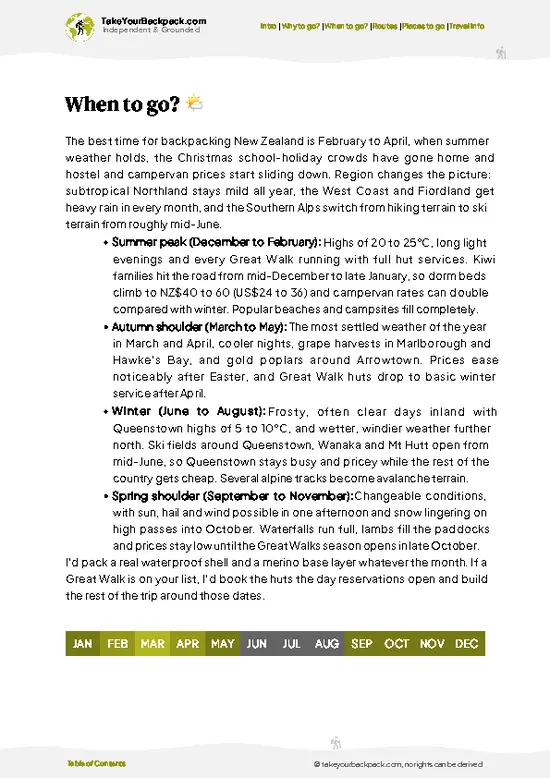
  • Weather: Auckland’s climate is mild year-round, but summer (December to February) brings warm, humid days averaging 20-25°C (68-77°F). Winters (June to August) are cooler and wetter, hovering around 10-15°C (50-59°F), which can dampen outdoor plans.

  • Temperature: Spring (September to November) and autumn (March to May) offer the best balance—pleasant 15-20°C (59-68°F) temperatures without the extremes, making hiking and city exploration comfortable.

  • Daylight Hours: Summer days stretch up to 14-15 hours, perfect for squeezing in extra adventures. Winter shrinks daylight to about 9 hours, limiting time for outdoor activities.

  • Crowds: Peak tourist season aligns with summer, so expect busier hostels, pricier tours, and crowded hotspots. Shoulder seasons (spring and autumn) see fewer travelers,
read more 👉

  • Weather: Auckland’s climate is mild year-round, but summer (December to February) brings warm, humid days averaging 20-25°C (68-77°F). Winters (June to August) are cooler and wetter, hovering around 10-15°C (50-59°F), which can dampen outdoor plans.

  • Temperature: Spring (September to November) and autumn (March to May) offer the best balance—pleasant 15-20°C (59-68°F) temperatures without the extremes, making hiking and city exploration comfortable.

  • Daylight Hours: Summer days stretch up to 14-15 hours, perfect for squeezing in extra adventures. Winter shrinks daylight to about 9 hours, limiting time for outdoor activities.

  • Crowds: Peak tourist season aligns with summer, so expect busier hostels, pricier tours, and crowded hotspots. Shoulder seasons (spring and autumn) see fewer travelers, giving you more breathing room and local interaction.

  • Seasonal Activities: Summer unlocks beaches, sailing, and festivals like the Auckland Arts Festival. Winter offers cozy indoor experiences but fewer outdoor events.

  • Price Fluctuations: Accommodation and flights spike in summer due to demand. Booking in shoulder seasons can save you 20-40%, letting you invest in experiences rather than just logistics.


Pro-tip: Aim for late spring or early autumn to hack the system—enjoy near-summer weather, fewer crowds, and better prices, turning your Auckland trip into a smart, high-value win.


source: climatestotravel.comJANJanuary: highly recommended for travelingFEBFebruary: highly recommended for travelingMARMarch: highly recommended for travelingAPRApril: excellent for travelingMAYMay: excellent for travelingJUNJune: fair for travelingJULJuly: fair for travelingAUGAugust: fair for travelingSEPSeptember: excellent for travelingOCTOctober: excellent for travelingNOVNovember: highly recommended for travelingDECDecember: highly recommended for traveling
new-zealand-city-auckland
© Google |

✈️ The backpacker research shortcutNew Zealand Travel Guide

An offline-friendly backpacking guide with optimized travel routes, ranked highlights, transport advice, and the best areas to stay.
example page 0 from our offline Travel Guide for New Zealand
example page 1 from our offline Travel Guide for New Zealand
example page 2 from our offline Travel Guide for New Zealand
example page 3 from our offline Travel Guide for New Zealand
example page 4 from our offline Travel Guide for New Zealand
example page 5 from our offline Travel Guide for New Zealand
example page 6 from our offline Travel Guide for New Zealand
example page 7 from our offline Travel Guide for New Zealand
The digital guide (402 pages) contains:
112 highlights, ranked by travel appeal
Optimized 7, 14 & 21-day travel routes
Cities, national parks, landmarks, beaches
How to get around
Offline-friendly for travel without Wi-Fi
👉 Click to see all 30+ guide features

📅 Plan smarter in minutes, not weeks
Month by month travel advice
Festivals & national holidays
Budget expectations

🗺️ Go to the right places, skip the overrated ones
Honest pros & cons of destinations
Top hikes, parks & viewpoints
Lesser-known places most travelers miss
Clear “worth it vs skip it” guidance

🛏️ Travel smoothly without rookie mistakes
Best areas to stay
Transport systems explained simply
Common scams & safety advice
SIM cards, money & practical tips

🌍 Understand the country, not just visit it
Culture & traditions
Local customs
Festivals worth planning around
Traveler-friendly historical context
Insights that make places more meaningful

📱 Built for real travel conditions
Fully downloadable PDF
Works completely offline
Optimized for phone use
Useful in remote areas & buses
Everything in one place
Save weeks of stressful planning
Get instant access to your full guide. 30‑day money-back guarantee.
+ Add another guide for just US$7.80

By proceeding you agree to our terms.
Sent to your inbox immediately after payment • 100% Secure Checkout
Best Backpacking Travel Advisor 2025 tourism awardBest Backpacking
Travel Advisor
2025
What others say about Take Your Backpack Guides:
⭐⭐⭐⭐⭐
Fantastic, amazing amount of information!
⭐⭐⭐⭐⭐
My goodness this is amazing, it's what I've been looking for hats off too you!
⭐⭐⭐⭐⭐
I think this is absolutely BRILLIANT
⭐⭐⭐⭐
Very complete and informative. It's still missing places, but I gotta to commend you
⭐⭐⭐⭐⭐
This is truly amazing, thank you, can't wait to explore it with my kids!
⭐⭐⭐⭐⭐
Awesome resource, thank you!
⭐⭐⭐⭐⭐
This is amazing! Can't wait to explore the ones I haven't seen
⭐⭐⭐⭐
I love this! Well done, great idea.
⭐⭐⭐⭐⭐
Thanks for taking the time to make this gem!
⭐⭐⭐⭐⭐
This might be the best website I've ever seen.
⭐⭐⭐⭐⭐
Congratulations, and thank you so much for your work; it's incredibly valuable.
⭐⭐⭐⭐
In all seriousness I think you did a great job pointing out the important spots
⭐⭐⭐⭐⭐
10/10 very good
⭐⭐⭐⭐⭐
As someone who's only just starting to visit regularly this is awesome, thank you.
⭐⭐⭐⭐
Thank you very much! I'm going to visit my dad, it's going to be very useful!
⭐⭐⭐⭐⭐
This is really cool! We'll be travelling for the first time and this definitely come in handy.
⭐⭐⭐⭐⭐
You are now our minister of culture, congratulations 👨‍💼
⭐⭐⭐⭐⭐
Just wanted to tell you that this is a pearl! Going to follow your recommendations.
⭐⭐⭐⭐⭐
This is so cool. I'll definitely be using the resource for my travels soon.
⭐⭐⭐⭐⭐
This is very impressive! Good work.
⭐⭐⭐⭐⭐
This is an amazing and informative site. Very well done!

🛏️ Where to stay?Choosing the right base

Auckland’s backpacker sweet spot is undeniably the Central Business District (CBD) and its immediate surroundings. This area nails the balance between safety, social buzz, and budget options. Staying here means you’re in the thick of it—close to public transport, eateries, and nightlife without the hassle of long commutes. The CBD’s compact layout lets you walk or bike to most spots, saving time and money, which is gold when you’re juggling a tight budget and a packed itinerary.

Just a stone’s throw from the CBD, neighborhoods like Ponsonby and Kingsland offer a slightly quieter vibe but still … read more 👉
Auckland’s backpacker sweet spot is undeniably the Central Business District (CBD) and its immediate surroundings. This area nails the balance between safety, social buzz, and budget options. Staying here means you’re in the thick of it—close to public transport, eateries, and nightlife without the hassle of long commutes. The CBD’s compact layout lets you walk or bike to most spots, saving time and money, which is gold when you’re juggling a tight budget and a packed itinerary.

Just a stone’s throw from the CBD, neighborhoods like Ponsonby and Kingsland offer a slightly quieter vibe but still keep you connected. These areas attract a younger crowd, including solo travelers, thanks to their café culture and local bars. They’re safe, walkable, and have a handful of hostels and budget lodgings that foster social interaction without the chaos of the city center.

Compared to suburbs like Newmarket or Mount Eden, which lean more residential and upscale, the CBD and its fringe neighborhoods deliver more bang for your buck in terms of social opportunities and convenience. You trade a bit of peace for access and community, but that’s the trade-off that makes backpacking in Auckland feel like a smart, connected adventure rather than a logistical headache.

🚌 Getting aroundHow to get from A to B

Auckland moves with a curious rhythm—neither a frantic rush nor a laid-back drift. It’s a city where the pulse of daily life is shaped by a blend of punctual public transport and the freedom of open roads. You’ll find moments of strict timetables, especially on buses and trains, but also plenty of room for improvisation when you’re on foot or behind the wheel. This balance means your choices between time, money, and comfort aren’t just about convenience—they’re a strategic play in how you experience the city’s flow.


  • Walking: The ultimate budget option, free and flexible. Auckland’s central areas are surprisingly walkable, especially around the waterfront and downtown. Walking lets you soak in the city’s vibe at your own pace, but it’s slow and not ideal for long distances or bad weather.
read more 👉
Auckland moves with a curious rhythm—neither a frantic rush nor a laid-back drift. It’s a city where the pulse of daily life is shaped by a blend of punctual public transport and the freedom of open roads. You’ll find moments of strict timetables, especially on buses and trains, but also plenty of room for improvisation when you’re on foot or behind the wheel. This balance means your choices between time, money, and comfort aren’t just about convenience—they’re a strategic play in how you experience the city’s flow.


  • Walking: The ultimate budget option, free and flexible. Auckland’s central areas are surprisingly walkable, especially around the waterfront and downtown. Walking lets you soak in the city’s vibe at your own pace, but it’s slow and not ideal for long distances or bad weather.


  • AT Metro Bus: Runs roughly from 5:30 AM to midnight, with fares starting around NZD 2.50 using an AT HOP card. Buses cover most of the city and suburbs, making them a reliable, budget-friendly choice. They’re slower during peak hours due to traffic but offer decent comfort and shelter from the elements.


  • Train (Auckland Rail Network): Operating from about 5 AM to midnight, trains connect key suburbs to the city center. Fares start at NZD 3.50 with an AT HOP card. Trains are faster than buses during rush hour and more comfortable, but routes are limited, so they’re best for specific corridors like Britomart to Manukau or Onehunga.


  • Ferry: A scenic but pricier option, with routes running from early morning until late evening. Fares vary but expect around NZD 8-12 one way. Ferries link downtown Auckland to places like Devonport and Waiheke Island. They’re slower and less frequent but offer a unique, comfortable ride with unbeatable views.


  • Rideshare (Uber, Ola): Available 24/7, prices fluctuate with demand but generally start around NZD 10 for short trips. Offers door-to-door convenience and comfort but at a higher cost. Ideal when time is tight or when public transit options don’t align with your schedule.


Understanding these options is your key to mastering Auckland’s transit game. You trade off speed for cost, comfort for flexibility, and sometimes a bit of patience for a richer experience. Pick your moves wisely, and you’ll navigate the city like a pro, turning every trip into a deliberate choice rather than a compromise.

👛 Costs (as of 4 September 2026)Typical daily expenses

Backpacking in Auckland means balancing a few key costs that shape your daily rhythm. Knowing where your money goes lets you pick what matters most—whether that’s saving on sleep to splurge on experiences or vice versa.
  • Dorm Accommodation (High Season): Expect to pay around $25 to $40 USD per night. High season, typically summer months and holidays, pushes prices up as demand spikes.
  • Dorm Accommodation (Off-Season): Drop to about $18 to $30 USD per night. Shoulder seasons offer better deals, especially if you book ahead or stay midweek.
  • Meals: Budget roughly $10 to $20 USD daily if you stick to groceries and casual eats like food trucks or takeaway spots. Eating out at mid-range cafes or restaurants can easily double that.
  • Local Transport: Single bus or ferry rides cost about $2.50 to
read more 👉
Backpacking in Auckland means balancing a few key costs that shape your daily rhythm. Knowing where your money goes lets you pick what matters most—whether that’s saving on sleep to splurge on experiences or vice versa.
  • Dorm Accommodation (High Season): Expect to pay around $25 to $40 USD per night. High season, typically summer months and holidays, pushes prices up as demand spikes.
  • Dorm Accommodation (Off-Season): Drop to about $18 to $30 USD per night. Shoulder seasons offer better deals, especially if you book ahead or stay midweek.
  • Meals: Budget roughly $10 to $20 USD daily if you stick to groceries and casual eats like food trucks or takeaway spots. Eating out at mid-range cafes or restaurants can easily double that.
  • Local Transport: Single bus or ferry rides cost about $2.50 to $4 USD each. Auckland’s public transport is decent but not extensive, so plan routes carefully to avoid multiple fares.
  • City Transport Pass: A daily pass for unlimited travel on buses, trains, and ferries runs around $15 USD. This is a smart buy if you’re hopping around a lot in one day.
  • Basic Activities/Entry Fees: Many museums and galleries are free or under $10 USD. Paid attractions like the Sky Tower or guided tours range from $20 to $50 USD, depending on the experience.
  • Miscellaneous Expenses: Factor in about $5 to $10 USD for essentials like water, snacks, or occasional laundry. Small costs add up but rarely break the bank.

Auckland’s daily backpacking budget typically lands between $50 and $90 USD, depending on how much you prioritize comfort and activities. This range covers the essentials without cutting corners on the experiences that make the city tick. Knowing these trade-offs upfront lets you strategize your days like a pro, squeezing the most value out of every dollar spent.
⚠️ Prices can change and everyone travels differently, so take this as a rough guide. Hope it helps you plan your adventure!

🚌 Day tripsBest day trips from Auckland

Auckland is a fantastic launchpad for day trips that pack a punch without draining your wallet or time. Here’s how to make the most of your adventure.

Rangitoto Island
Just a 25-minute ferry ride from Auckland, Rangitoto Island is a volcanic wonderland waiting to be explored. Hike to the summit for panoramic views of the Hauraki Gulf and the city skyline. The trail is well-marked and takes about an hour, making it accessible even for those who don’t hike often. Bring a packed lunch to enjoy at the top, but don’t forget your water—there are no shops on the island. A round-trip ferry ticket will set you back around NZD 40. Best visited in spring or early summer when the pohutukawa trees are in bloom. First-timers often underestimate the sun—wear sunscreen!


Piha Beach
About an hour’s … read more 👉
Auckland is a fantastic launchpad for day trips that pack a punch without draining your wallet or time. Here’s how to make the most of your adventure.

Rangitoto Island
Just a 25-minute ferry ride from Auckland, Rangitoto Island is a volcanic wonderland waiting to be explored. Hike to the summit for panoramic views of the Hauraki Gulf and the city skyline. The trail is well-marked and takes about an hour, making it accessible even for those who don’t hike often. Bring a packed lunch to enjoy at the top, but don’t forget your water—there are no shops on the island. A round-trip ferry ticket will set you back around NZD 40. Best visited in spring or early summer when the pohutukawa trees are in bloom. First-timers often underestimate the sun—wear sunscreen!


Piha Beach
About an hour’s drive from Auckland, Piha Beach is a surfer’s paradise with its wild waves and dramatic black sand. The scenery is jaw-dropping, with the iconic Lion Rock standing guard over the beach. If you’re not into surfing, take a stroll along the shore or hike the nearby trails for stunning coastal views. Budget around NZD 20 for gas or public transport. The best time to visit is during the summer months when the weather is warm and inviting. A common mistake is arriving too late in the day; the sunsets here are worth the early start.
👉 Explore Piha Beach

Waitakere Ranges
A mere 30-minute drive from the city, the Waitakere Ranges offer lush rainforests and breathtaking waterfalls. The Arataki Visitor Centre is a great first stop to gather maps and tips. From there, you can hike to the stunning Karekare Falls or explore the various trails that wind through the bush. Expect to spend around NZD 10 on parking. Autumn is particularly beautiful, with vibrant foliage. Many newcomers miss the chance to explore the lesser-known trails; don’t just stick to the popular ones!


Waiheke Island
Just a 40-minute ferry ride away, Waiheke Island is known for its vineyards and stunning beaches. Spend the day wine tasting or lounging on Oneroa Beach. You can rent a bike for about NZD 50 to explore at your own pace. The island is best visited in the warmer months, but spring is lovely too, with wildflowers in bloom. A common rookie mistake is trying to pack too much into one day; take your time and savor the experience.


Matakana
About an hour north of Auckland, Matakana is a charming village known for its farmers’ market and beautiful beaches. Visit on a Saturday to experience the market, where you can sample local produce and artisanal goods. The drive is scenic, and you can easily spend a few hours wandering around. Budget around NZD 30 for gas and snacks. Spring and summer are ideal for enjoying the outdoor vibe. First-timers often miss the market hours; plan accordingly!
Want to know what more New Zealand offers?
The New Zealand Travel Guide describes 112 highlights, from cities to national parks, from beaches to hikes

Get the Travel Guide -

🍲 FoodLocal Cuisine & Drinks

Auckland’s food scene is a vibrant mix of cultures, reflecting its diverse population. You can’t visit without trying Hāngī, a traditional Māori dish where meat and vegetables are slow-cooked in an underground oven. The smoky flavor is a taste of history, and it’s often served at local festivals or community gatherings.

For a quick bite, hit the food markets. The smell of fresh seafood mingles with the aroma of spices from various stalls. Grab some fish and chips from a vendor; it’s a classic Kiwi experience. Pair it with a local craft beer, which is booming in Auckland. The city’s breweries are passionate about their hops, and tasting a few will give you a sense of the local flavor.

Cafés are another staple, where you can sip on a flat white—New Zealand’s answer to coffee perfection. The … read more 👉
Auckland’s food scene is a vibrant mix of cultures, reflecting its diverse population. You can’t visit without trying Hāngī, a traditional Māori dish where meat and vegetables are slow-cooked in an underground oven. The smoky flavor is a taste of history, and it’s often served at local festivals or community gatherings.

For a quick bite, hit the food markets. The smell of fresh seafood mingles with the aroma of spices from various stalls. Grab some fish and chips from a vendor; it’s a classic Kiwi experience. Pair it with a local craft beer, which is booming in Auckland. The city’s breweries are passionate about their hops, and tasting a few will give you a sense of the local flavor.

Cafés are another staple, where you can sip on a flat white—New Zealand’s answer to coffee perfection. The café culture is laid-back, making it a great spot to chat with locals or fellow travelers.

When dining, don’t rush. Meals are often a social affair, so take your time and enjoy the company. Sharing plates is common, and it’s a perfect way to sample a variety of dishes. Embrace the casual vibe, and let the flavors of Auckland unfold.

🛡️ SafetyScams, Hazards, and Annoyances

Auckland is generally a safe city for backpackers, but like any urban area, a bit of awareness goes a long way. Stick to well-lit streets in the central business district at night, especially if you’re solo. The waterfront is lively, but quieter areas can feel a bit isolated after dark.

While serious crime is rare, petty theft can happen, particularly in crowded spots like Queen Street or at popular tourist attractions. Keep your belongings close and avoid flashy displays of valuables.

Scams are minimal, but be cautious of overly friendly strangers offering unsolicited help or trying to sell you something. If someone approaches you with an offer that seems too good to be true, trust your instincts and walk away.

Overall, carry yourself with confidence, stay aware of your surroundings, … read more 👉
Auckland is generally a safe city for backpackers, but like any urban area, a bit of awareness goes a long way. Stick to well-lit streets in the central business district at night, especially if you’re solo. The waterfront is lively, but quieter areas can feel a bit isolated after dark.

While serious crime is rare, petty theft can happen, particularly in crowded spots like Queen Street or at popular tourist attractions. Keep your belongings close and avoid flashy displays of valuables.

Scams are minimal, but be cautious of overly friendly strangers offering unsolicited help or trying to sell you something. If someone approaches you with an offer that seems too good to be true, trust your instincts and walk away.

Overall, carry yourself with confidence, stay aware of your surroundings, and you’ll navigate Auckland smoothly. It’s about enjoying the experience while being smart about your choices.

FAQTraveler FAQ

3 to 4 days are sufficient to explore Auckland's main attractions, including the Sky Tower, Auckland War Memorial Museum, and nearby islands like Waiheke. This allows time for city tours and a day trip to places like the Waitakere Ranges or Rangitoto Island.
Yes, Auckland is generally safe for solo backpackers, with low violent crime rates compared to other major cities. Standard precautions like avoiding poorly lit areas at night and securing belongings are advised.
Auckland is known for its iconic Sky Tower, vibrant waterfront, and as the gateway to New Zealand's outdoor adventures. It is also famous for its multicultural food scene and proximity to natural attractions like volcanic cones and beaches.
⚠️ Things can change over time, so always validate details locally before you go.

Other New Zealander cities near Auckland

Explore more nearby:

  • Tauranga—Harbourfront, Mount Maunganui, subtropical gardens, Māori heritage| 155 km away
  • Wellington—Harbour hills, creative precincts, national museum, wind-swept waterfront| 494 km away
  • Christchurch—Botanic gardens, transitional art, riverside parks, post-quake rebuild| 764 km away

💡 Not sure where to go next?
Create a personalized itinerary for New Zealand including Auckland and the places that fit your trip.

Generate my itinerary

👉 Discover all cities

Or checkout all New Zealand has to offer (think cities, towns, villages, national parks, hikes, beaches, festivals)
Country photo of New Zealand

We 💚 feedbackKey takeaways before you go

Auckland’s blend of urban energy and stunning nature is a real kicker. You can hike up a volcano in the morning and sip craft beer by the waterfront in the afternoon. But here’s the catch: it can feel a bit spread out, so expect to spend time commuting between sights. Embrace the journey, though; it’s part of the experience. Just plan your days wisely, and you’ll unlock the city’s true charm.

✈️ When did I visit New Zealand?
All the way back in high school I have been visiting the Northern Island of New Zealand (1993).

✍️ Help improve this page!
The information on this page is based on my own backpacking experience in New Zealand, supplemented with up-to-date research and feedback from other travelers. Travel details can change, so if you notice anything outdated or incomplete, feel free to let me know.


🙋‍♂️ Give feedback

👋 Meet the founderWho’s Behind Take Your Backpack?

Johan, backpacker and founder of TakeYourBackpackHi, I’m Johan (Netherlands 🇳🇱), the creator of TakeYourBackpack. Over the past decade, I’ve backpacked through 80+ countries across six continents, gaining extensive experience with independent travel, long-term trips, and overland routes.

This site is built on a combination of firsthand travel experience and carefully curated insights from other backpackers. Many guides are based on places I’ve personally visited, while others bring together tips, observations, and practical advice shared by trusted travelers I’ve met along the way.

The goal is to provide realistic, experience-driven guidance — not generic itineraries — so you can explore destinations with better context, clearer expectations, and more confidence.

Get full country guide •
Instant download • 112 highlights • Full Offline guide