×

Nigeria🇳🇬 | citiesIlorinIslamic scholarship, pottery workshops, central mosque | things to do and best time to go

Explore Benin CityExplore Uyo

Backpacking in Ilorin
👍 Recommendedcity ranked #14
By Johan Kruseman 🇳🇱 | Updated June 10, 2026

Ilorin is not the dusty, overlooked stop you might expect—this city is a powerhouse of living history, where centuries-old mosques and Yoruba palaces sit beside lively university cafés and the clang of roadside suya grills. Smack in the heart of Nigeria’s Middle Belt, Ilorin is less chaotic than Lagos, less touristy than Abuja, and far friendlier than its reputation suggests. You’ll find the Emir’s Palace, the National Museum, and the bustling Oja Oba market all within easy reach, but don’t expect a backpacker scene—solo travelers will need to make their own connections. It’s affordable, generally safe with street smarts, and the pace is mellow, but public transport is patchy and nightlife is low-key. Ilorin rewards patience and curiosity, not instant gratification.

Discover everything you want to know in the 📖 Nigeria Travel Guide.
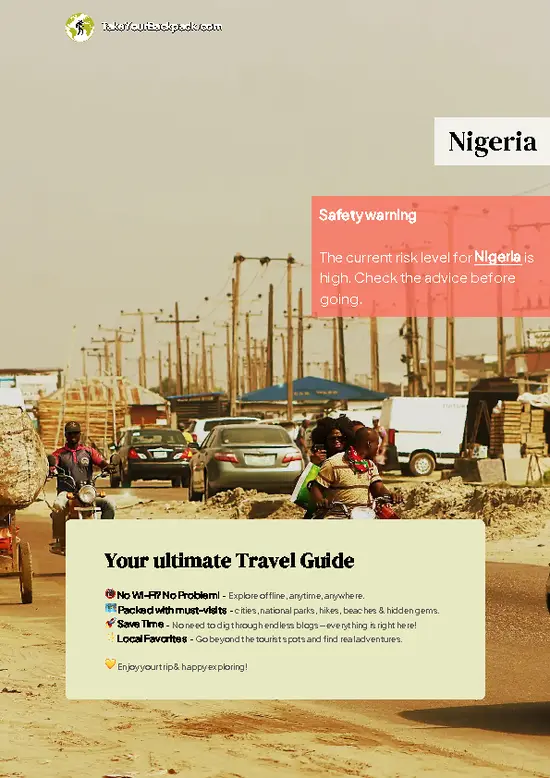
Safety warning

The current risk level for Nigeria is high. Check the advice before going.


Get your Nigeria guide
89 ranked highlights, routes & tips, works offline (332 pages)
Loading the map 🌍
CLICK TO FILTER
cities
towns
landmarks
national parks
hikes
beaches
attractions
festivals
regions
SHOW COUNTRY’S BESTSHOW ALL

✨ Why go?
Ranked #14 city in Nigeria
Why visitors keep coming back

Ilorin is a strategic basecamp for backpackers exploring Nigeria. It offers a unique blend of affordability and comfort, with hostels that cater to budget travelers while providing a cozy atmosphere. The city’s walkability makes it easy to navigate, allowing you to soak in local life without the hassle of transport. Food options are diverse and delicious, from street vendors to local eateries, ensuring you experience authentic flavors without breaking the bank. Plus, the nightlife is vibrant enough to keep you entertained without overwhelming you. As a transit point, Ilorin connects you to various day trips, making it a smart stop on your journey through Nigeria.
Want to include Ilorin in your Nigeria route?
Create a personalized Nigeria itinerary that includes Ilorin and the places that fit your trip — based on your travel style, budget, and available time. Get your route in seconds.

Generate my trip

💡 HighlightsThe experiences that define the visit

  1. Ilorin Emir’s Palace — The living heart of Ilorin’s history and tradition; the Emir’s compound is where chiefs meet, major festivals are staged, and you see traditional Fulani-Yoruba court architecture and pageantry up close.
  2. Ilorin Central Mosque — A huge, active mosque that anchors daily life in the city; impressive for its scale, Friday congregations, and as a place to feel Ilorin’s Muslim cultural rhythm.
  3. University of Ilorin (Unilorin) campus — A wide, well-kept campus worth strolling: shady walkways, academic buildings, student life, small bookshops and cafés, and a calm spot to observe local young culture and events.
  4. Sobi Hill (Sobi Rock) — A nearby granite outcrop inside the city’s reach that gives a quick nature escape: short hikes, good skyline views at sunset, and a feel for
read more 👉
  1. Ilorin Emir’s Palace — The living heart of Ilorin’s history and tradition; the Emir’s compound is where chiefs meet, major festivals are staged, and you see traditional Fulani-Yoruba court architecture and pageantry up close.
  2. Ilorin Central Mosque — A huge, active mosque that anchors daily life in the city; impressive for its scale, Friday congregations, and as a place to feel Ilorin’s Muslim cultural rhythm.
  3. University of Ilorin (Unilorin) campus — A wide, well-kept campus worth strolling: shady walkways, academic buildings, student life, small bookshops and cafés, and a calm spot to observe local young culture and events.
  4. Sobi Hill (Sobi Rock) — A nearby granite outcrop inside the city’s reach that gives a quick nature escape: short hikes, good skyline views at sunset, and a feel for the region’s geology and local outdoor hangouts.
  5. Ilorin Central Market (Oja-Oba) — The city’s main market where cloth traders, food sellers, and craftsmen mingle; best place to buy local textiles, try street food, and absorb everyday Ilorin commerce and flavors.
For quick day trips from Ilorin try Esie (the Esie Museum and its famous soapstone figures) and Jebba on the Niger River (riverfront, bridge and dam area).
Spotted a mistake or missing something? Contact us.

🏘️ NeighborhoodsUnderstanding the local layout

Ilorin, Nigeria, offers a blend of culture and convenience for backpackers. Here’s a breakdown of key neighborhoods to help you navigate your stay.

GRA (Government Reserved Area): This upscale neighborhood is quieter, with tree-lined streets and spacious homes. It’s perfect for longer stays if you prefer a relaxed vibe. Costs are higher here, but you’ll find good transport links and local eateries.

Oloje: A bustling area with a lively atmosphere. It’s affordable and walkable, making it ideal for short stays. The nightlife is vibrant, with local bars and street food. Expect a mix of locals and travelers.

Challenge: Known for its markets and local culture, this area is a backpacker’s dream. It’s budget-friendly and offers a genuine taste of Ilorin life. While it’s not the quietest spot, … read more 👉
Ilorin, Nigeria, offers a blend of culture and convenience for backpackers. Here’s a breakdown of key neighborhoods to help you navigate your stay.

GRA (Government Reserved Area): This upscale neighborhood is quieter, with tree-lined streets and spacious homes. It’s perfect for longer stays if you prefer a relaxed vibe. Costs are higher here, but you’ll find good transport links and local eateries.

Oloje: A bustling area with a lively atmosphere. It’s affordable and walkable, making it ideal for short stays. The nightlife is vibrant, with local bars and street food. Expect a mix of locals and travelers.

Challenge: Known for its markets and local culture, this area is a backpacker’s dream. It’s budget-friendly and offers a genuine taste of Ilorin life. While it’s not the quietest spot, the energy is infectious. Transport options are plentiful.

Oyun: A quieter residential area, great for those seeking peace. It’s less touristy, making it a good choice for longer stays. Costs are low, but nightlife is minimal.

⌛️ 1 day1-day itinerary for Ilorin

Ilorin, Nigeria, is a city where tradition meets modernity, offering a rich tapestry of culture, history, and local flavor. Start your day in the bustling neighborhood of Tanke, where you can grab a hearty breakfast at a local eatery. Try the jollof rice or akara; it’s a delicious way to fuel up for the day.

After breakfast, head to the Emir’s Palace in the heart of the city. This iconic site showcases stunning architecture and gives you a glimpse into the region’s royal heritage. Spend some time wandering the grounds and soaking in the atmosphere.

In the afternoon, make your way to the vibrant market at Oja Oba. Here, you’ll find everything from colorful textiles to handcrafted goods. Engage with local vendors; they often have fascinating stories to share. For a unique experience, visit … read more 👉
Ilorin, Nigeria, is a city where tradition meets modernity, offering a rich tapestry of culture, history, and local flavor. Start your day in the bustling neighborhood of Tanke, where you can grab a hearty breakfast at a local eatery. Try the jollof rice or akara; it’s a delicious way to fuel up for the day.

After breakfast, head to the Emir’s Palace in the heart of the city. This iconic site showcases stunning architecture and gives you a glimpse into the region’s royal heritage. Spend some time wandering the grounds and soaking in the atmosphere.

In the afternoon, make your way to the vibrant market at Oja Oba. Here, you’ll find everything from colorful textiles to handcrafted goods. Engage with local vendors; they often have fascinating stories to share. For a unique experience, visit the nearby Ilorin Central Mosque, a serene spot that’s often overlooked by tourists.

As evening approaches, unwind at a local restaurant in the GRA area. Enjoy traditional dishes while mingling with friendly locals. This day in Ilorin is not just about sightseeing; it’s about connecting with the heart of Nigeria.
Turn your Ilorin visit into an Nigeria adventure
Build a complete Nigeria route with Ilorin, hidden gems, must-see destinations, and realistic travel times included.

Generate my trip

🌤️ When to go?Weather, crowds, and seasonal trade-offs


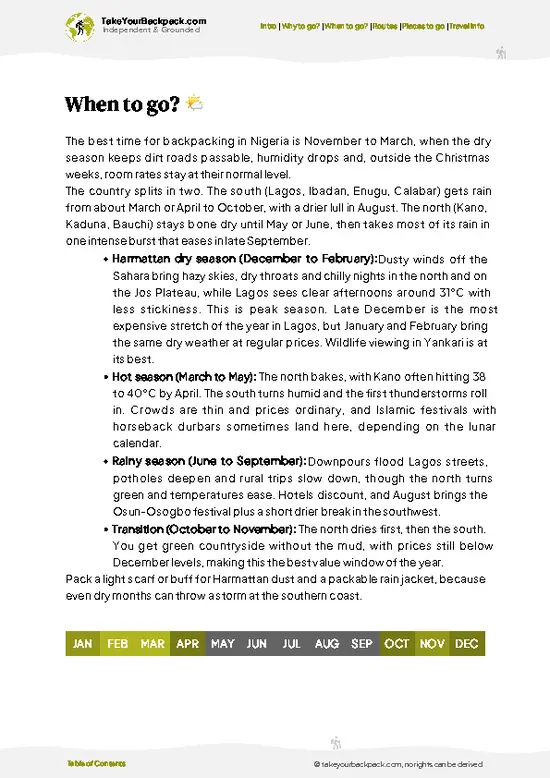
  • Topic: Weather – Ilorin’s climate swings between wet and dry seasons. The dry season, from November to March, offers clear skies and minimal rain, making trekking and exploring hassle-free. The wet season, April to October, brings heavy rains that can turn dirt roads into mud traps and dampen outdoor plans.

  • Topic: Temperature – Expect highs around 32–35°C (90–95°F) during the dry months, with nights cooling to a comfortable 20–22°C (68–72°F). The wet season is slightly cooler but more humid, which can feel sticky and uncomfortable for long hikes or city strolls.

  • Topic: Daylight Hours – Daylight remains fairly consistent year-round, roughly 11 to 12 hours daily. This steadiness means you won’t lose precious daylight to shifting seasons, so plan your days around local rhythms rather than sunlight
read more 👉

  • Topic: Weather – Ilorin’s climate swings between wet and dry seasons. The dry season, from November to March, offers clear skies and minimal rain, making trekking and exploring hassle-free. The wet season, April to October, brings heavy rains that can turn dirt roads into mud traps and dampen outdoor plans.

  • Topic: Temperature – Expect highs around 32–35°C (90–95°F) during the dry months, with nights cooling to a comfortable 20–22°C (68–72°F). The wet season is slightly cooler but more humid, which can feel sticky and uncomfortable for long hikes or city strolls.

  • Topic: Daylight Hours – Daylight remains fairly consistent year-round, roughly 11 to 12 hours daily. This steadiness means you won’t lose precious daylight to shifting seasons, so plan your days around local rhythms rather than sunlight changes.

  • Topic: Crowds – Tourist traffic is low year-round, but the dry season sees a slight uptick as travelers avoid the rain. This means better availability and quieter sites if you visit off-peak within those months.

  • Topic: Seasonal Activities – Cultural festivals and markets peak during the dry season, offering authentic local experiences. The wet season slows down events but brings lush landscapes if you’re into photography or nature walks.

  • Topic: Price Fluctuations – Accommodation and transport costs rise moderately in the dry season due to demand. The wet season offers bargains but at the expense of comfort and accessibility.


Pro-tip: Target the early dry season (November to January) for the sweet spot—pleasant weather, manageable crowds, and lively local culture without the premium prices of peak months.


source: climatestotravel.comJANJanuary: excellent for travelingFEBFebruary: highly recommended for travelingMARMarch: highly recommended for travelingAPRApril: fair for travelingMAYMay: fair for travelingJUNJune: fair for travelingJULJuly: fair for travelingAUGAugust: fair for travelingSEPSeptember: fair for travelingOCTOctober: good for travelingNOVNovember: excellent for travelingDECDecember: excellent for traveling
when-to-go

✈️ The backpacker research shortcutNigeria Travel Guide

An offline-friendly backpacking guide with optimized travel routes, ranked highlights, transport advice, and the best areas to stay.
example page 0 from our offline Travel Guide for Nigeria
example page 1 from our offline Travel Guide for Nigeria
example page 2 from our offline Travel Guide for Nigeria
example page 3 from our offline Travel Guide for Nigeria
example page 4 from our offline Travel Guide for Nigeria
example page 5 from our offline Travel Guide for Nigeria
example page 6 from our offline Travel Guide for Nigeria
example page 7 from our offline Travel Guide for Nigeria
The digital guide (332 pages) contains:
89 highlights, ranked by travel appeal
Optimized 7, 14 & 21-day travel routes
Cities, national parks, landmarks, beaches
How to get around
Offline-friendly for travel without Wi-Fi
👉 Click to see all 30+ guide features

📅 Plan smarter in minutes, not weeks
Month by month travel advice
Festivals & national holidays
Budget expectations

🗺️ Go to the right places, skip the overrated ones
Honest pros & cons of destinations
Top hikes, parks & viewpoints
Lesser-known places most travelers miss
Clear “worth it vs skip it” guidance

🛏️ Travel smoothly without rookie mistakes
Best areas to stay
Transport systems explained simply
Common scams & safety advice
SIM cards, money & practical tips

🌍 Understand the country, not just visit it
Culture & traditions
52 Essential phrases & customs
Festivals worth planning around
Traveler-friendly historical context
Insights that make places more meaningful

📱 Built for real travel conditions
Fully downloadable PDF
Works completely offline
Optimized for phone use
Useful in remote areas & buses
Everything in one place
Save weeks of stressful planning
Get instant access to your full guide. 30‑day money-back guarantee.


By proceeding you agree to our terms.
Sent to your inbox immediately after payment • 100% Secure Checkout
Best Backpacking Travel Advisor 2025 tourism awardBest Backpacking
Travel Advisor
2025
What others say about Take Your Backpack Guides:
⭐⭐⭐⭐⭐
Fantastic, amazing amount of information!
⭐⭐⭐⭐⭐
My goodness this is amazing, it's what I've been looking for hats off too you!
⭐⭐⭐⭐⭐
I think this is absolutely BRILLIANT
⭐⭐⭐⭐
Very complete and informative. It's still missing places, but I gotta to commend you
⭐⭐⭐⭐⭐
This is truly amazing, thank you, can't wait to explore it with my kids!
⭐⭐⭐⭐⭐
Awesome resource, thank you!
⭐⭐⭐⭐⭐
This is amazing! Can't wait to explore the ones I haven't seen
⭐⭐⭐⭐
I love this! Well done, great idea.
⭐⭐⭐⭐⭐
Thanks for taking the time to make this gem!
⭐⭐⭐⭐⭐
This might be the best website I've ever seen.
⭐⭐⭐⭐⭐
Congratulations, and thank you so much for your work; it's incredibly valuable.
⭐⭐⭐⭐
In all seriousness I think you did a great job pointing out the important spots
⭐⭐⭐⭐⭐
10/10 very good
⭐⭐⭐⭐⭐
As someone who's only just starting to visit regularly this is awesome, thank you.
⭐⭐⭐⭐
Thank you very much! I'm going to visit my dad, it's going to be very useful!
⭐⭐⭐⭐⭐
This is really cool! We'll be travelling for the first time and this definitely come in handy.
⭐⭐⭐⭐⭐
You are now our minister of culture, congratulations 👨‍💼
⭐⭐⭐⭐⭐
Just wanted to tell you that this is a pearl! Going to follow your recommendations.
⭐⭐⭐⭐⭐
This is so cool. I'll definitely be using the resource for my travels soon.
⭐⭐⭐⭐⭐
This is very impressive! Good work.
⭐⭐⭐⭐⭐
This is an amazing and informative site. Very well done!

🛏️ Where to stay?How to pick the right area

In ’Ilorin’, the sweet spot for backpackers is the GRA (Government Reserved Area) and its immediate surroundings. This neighborhood strikes a solid balance between safety and social buzz, making it a natural magnet for solo travelers and budget adventurers. The streets here are quieter and more orderly compared to the bustling city center, which can feel overwhelming and less secure for newcomers. GRA offers a handful of hostels and guesthouses that cater to budget-conscious visitors, providing basic comfort without the chaos of high-end hotels. It’s also close enough to markets and eateries where … read more 👉
In ’Ilorin’, the sweet spot for backpackers is the GRA (Government Reserved Area) and its immediate surroundings. This neighborhood strikes a solid balance between safety and social buzz, making it a natural magnet for solo travelers and budget adventurers. The streets here are quieter and more orderly compared to the bustling city center, which can feel overwhelming and less secure for newcomers. GRA offers a handful of hostels and guesthouses that cater to budget-conscious visitors, providing basic comfort without the chaos of high-end hotels. It’s also close enough to markets and eateries where you can dive into local life without sacrificing peace of mind. Other parts of Ilorin tend to lean either too residential and isolated or too commercial and hectic, lacking that sweet blend of accessibility, safety, and social opportunities that GRA nails. Staying here means you’re plugged into the city’s rhythm without getting lost in its noise.

🚌 Getting aroundTransportation options and practical tips

Ilorin moves at its own rhythm—a blend of deliberate pace and bursts of spontaneous energy. It’s not a city where you can rely on strict timetables; instead, you learn to read the flow, catching rides when they come and embracing the unpredictability. The streets pulse with a mix of old-school charm and practical hustle, where waiting is part of the game, and every trip is a negotiation between your patience, your wallet, and how much you’re willing to sacrifice comfort.


  • Walking: The ultimate budget choice. Ilorin’s core is compact enough to explore on foot, giving you full control over your time and zero cost. It’s slow but immersive—perfect for soaking in street life and local markets without missing a beat.

  • Danfo Buses: These shared minibuses run from dawn until late evening, typically
read more 👉
Ilorin moves at its own rhythm—a blend of deliberate pace and bursts of spontaneous energy. It’s not a city where you can rely on strict timetables; instead, you learn to read the flow, catching rides when they come and embracing the unpredictability. The streets pulse with a mix of old-school charm and practical hustle, where waiting is part of the game, and every trip is a negotiation between your patience, your wallet, and how much you’re willing to sacrifice comfort.


  • Walking: The ultimate budget choice. Ilorin’s core is compact enough to explore on foot, giving you full control over your time and zero cost. It’s slow but immersive—perfect for soaking in street life and local markets without missing a beat.

  • Danfo Buses: These shared minibuses run from dawn until late evening, typically between 6 AM and 10 PM. Fares hover around 100-200 NGN, making them cheap but often crowded and unpredictable in timing. You trade comfort and speed for a deep dive into local daily life.

  • Okada (Motorcycle Taxis): Fast and flexible, okadas zip through traffic and narrow alleys, cutting your travel time dramatically. Expect to pay about 200-500 NGN per trip. They’re less comfortable and riskier but unbeatable when time is tight and you want to avoid the wait.

  • Shared Taxis: Operating on fixed routes, these cars offer a middle ground—more comfort than danfos, faster than walking, and fares around 300-500 NGN. They run mostly during the day, but schedules can be loose, so expect some waiting and occasional detours.

  • Private Taxis: The most comfortable and flexible option, but also the priciest. You can negotiate fares starting around 1,000 NGN. Ideal if you value door-to-door service and time savings, but it’s a clear trade-off against your budget.


Understanding these options means you’re not just moving through Ilorin—you’re playing the city’s transit game smartly, balancing your priorities between time, money, and comfort to craft a trip that fits your style perfectly.

👛 Costs (as of 28 February 2026)Typical daily expenses

Backpacking in Ilorin, Nigeria, offers a clear trade-off between cost and comfort, with prices leaning toward budget-friendly but varying by season and choice of services.
  • Dorm Accommodation (High Season): Expect to pay around $10 to $15 per night in basic hostels or guesthouses. These places are simple but clean, often with shared bathrooms and limited amenities.
  • Dorm Accommodation (Off-Season): Prices drop to about $6 to $10 per night when demand is lower. This is the sweet spot for budget travelers who don’t mind fewer crowds and quieter streets.
  • Meals: Street food and local eateries dominate the scene, with meals costing between $1.50 and $3.50. You’ll find hearty, filling options like amala or pounded yam with soup that keep you fueled without breaking the bank.
  • Local Transport: Short
read more 👉
Backpacking in Ilorin, Nigeria, offers a clear trade-off between cost and comfort, with prices leaning toward budget-friendly but varying by season and choice of services.
  • Dorm Accommodation (High Season): Expect to pay around $10 to $15 per night in basic hostels or guesthouses. These places are simple but clean, often with shared bathrooms and limited amenities.
  • Dorm Accommodation (Off-Season): Prices drop to about $6 to $10 per night when demand is lower. This is the sweet spot for budget travelers who don’t mind fewer crowds and quieter streets.
  • Meals: Street food and local eateries dominate the scene, with meals costing between $1.50 and $3.50. You’ll find hearty, filling options like amala or pounded yam with soup that keep you fueled without breaking the bank.
  • Local Transport: Short rides on shared minibuses or motorcycle taxis typically cost $0.20 to $0.50. It’s cheap but expect a bit of hustle and close quarters.
  • City Transport Pass: Ilorin doesn’t have a formal city transport pass system. Budget around $1 to $2 daily if you rely heavily on local transport for multiple trips.
  • Basic Activities/Entry Fees: Most cultural sites and local attractions charge minimal fees, usually under $2. Museums and historical sites are affordable, making it easy to explore without a big spend.
  • Miscellaneous Expenses: This covers bottled water, snacks, occasional internet cafes, or small tips. Set aside $1 to $3 daily to cover these small but necessary extras.

The daily budget for backpacking in Ilorin ranges roughly from $10 on a tight budget during the off-season to about $25 if you opt for more comfort and convenience. This balance lets you decide how much you want to invest in comfort versus stretching your dollar for longer stays or extra experiences.
⚠️ Prices can change and everyone travels differently, so take this as a rough guide. Hope it helps you plan your adventure!

🚌 Day tripsBest day trips from Ilorin

Using Ilorin as your base opens up a treasure chest of day trip possibilities that are both enriching and accessible. Here’s how to maximize your experience without breaking the bank.

Ogbomosho
Just a two-hour ride from Ilorin, Ogbomosho offers a vibrant slice of local life. Explore the bustling markets, where the air is thick with the aroma of spices and street food. Don’t miss the historic Ogbomosho Palace, a testament to the city’s rich heritage. Budget around 1,500 NGN for transport and a few hundred more for snacks. The best time to visit is during the dry season, when the weather is more forgiving. A common mistake? Skipping the local food stalls—trust me, the jollof rice is a must-try.
👉 Explore Ogbomosho

Kwara State Cultural Centre
A quick 30-minute jaunt from Ilorin, this … read more 👉
Using Ilorin as your base opens up a treasure chest of day trip possibilities that are both enriching and accessible. Here’s how to maximize your experience without breaking the bank.

Ogbomosho
Just a two-hour ride from Ilorin, Ogbomosho offers a vibrant slice of local life. Explore the bustling markets, where the air is thick with the aroma of spices and street food. Don’t miss the historic Ogbomosho Palace, a testament to the city’s rich heritage. Budget around 1,500 NGN for transport and a few hundred more for snacks. The best time to visit is during the dry season, when the weather is more forgiving. A common mistake? Skipping the local food stalls—trust me, the jollof rice is a must-try.
👉 Explore Ogbomosho

Kwara State Cultural Centre
A quick 30-minute jaunt from Ilorin, this cultural hub is perfect for those wanting to dive into the local arts scene. You can catch traditional performances and browse local crafts. Entry is usually free, but set aside about 1,000 NGN for refreshments. The dry season is ideal for outdoor events. First-timers often overlook the workshops—participating can give you a deeper appreciation of the culture.


Esie Museum
About an hour from Ilorin, the Esie Museum is home to fascinating stone sculptures that date back centuries. It’s a unique glimpse into Nigeria’s history. Expect to spend around 2,000 NGN for transport and entry. The best time to visit is early morning to avoid the heat. Many visitors miss the guided tours, which provide invaluable context to the artifacts.


Jebba
Roughly 90 minutes away, Jebba is known for its stunning river views and the Jebba Dam. Take a leisurely walk along the riverbank or enjoy a boat ride. Budget around 2,500 NGN for transport and activities. The rainy season can make the scenery even more picturesque, but be cautious of flooding. A common oversight is not checking the boat schedules—plan ahead to avoid disappointment.
👉 Explore Jebba
Want to know what more Nigeria offers?
The Nigeria Travel Guide describes 89 highlights, from cities to national parks, from beaches to hikes

Get the Travel Guide -

🍲 FoodWhat to Eat & Drink

In Ilorin, local cuisine is a vibrant tapestry of flavors. Dive into pounded yam served with egusi soup, a rich blend of ground melon seeds, spices, and leafy greens. Don’t miss jollof rice, a staple that’s a party on your plate, bursting with tomatoes and spices.

Street food is where the magic happens. Vendors line the streets, offering suya, spicy skewers of grilled meat that sizzle with flavor. Pair it with a cold zobo, a refreshing hibiscus drink that cools you down after a day of exploring.

Eating here is communal. Expect to share dishes and stories, fostering connections over meals. Remember, it’s polite to greet vendors and engage in a bit of banter. This isn’t just food; it’s a cultural experience that makes every bite memorable.

🛡️ SafetyStaying Safe: What Travelers Should Know

Ilorin is generally safe for travelers, but staying aware is key. Stick to well-lit areas at night, especially if you’re solo. The city has a friendly vibe, but watch for common scams like overcharging for taxi rides or market goods. Always negotiate prices upfront to avoid surprises.

Keep your belongings close in crowded places, as pickpocketing can happen. Locals are usually helpful, so don’t hesitate to ask for directions or advice. Carry yourself confidently; a relaxed demeanor can deter unwanted attention. Enjoy the experience, but stay alert to make the most of your time here.

Other Nigerian cities near Ilorin

Explore more nearby:

  • Offa—railway junction, Offa pottery, community mosques| 48 km away
  • Ogbomosho—ancient city gates, textile weaving, Yoruba shrines| 57 km away
  • Oyo—Alaafin’s palace, Yoruba heritage, annual festivals| 99 km away

💡 Not sure where to go next?
Create a personalized itinerary for Nigeria including Ilorin and the places that fit your trip.

Generate my itinerary

👉 Discover all cities

Or checkout all Nigeria has to offer (think cities, towns, villages, national parks, hikes, beaches, festivals)
Country photo of Nigeria

We 💚 feedbackWhat to keep in mind

Ilorin has a unique pulse. The blend of tradition and modernity is captivating. Don’t miss the local food scene; the spicy jollof rice is a revelation. Just be ready for the heat—both in the weather and the flavors. Embrace it, and you’ll leave with stories worth sharing.

✍️ Help improve this page!
The information on this page is based on in-depth research, insights shared by experienced travelers, and feedback from the local travel community in Nigeria. While every effort is made to keep the information accurate and current, conditions can change — so if you spot anything incorrect or outdated, please get in touch.


🙋‍♂️ Give feedback

👋 Meet the founderWho’s Behind Take Your Backpack?

Johan, backpacker and founder of TakeYourBackpackHi, I’m Johan (Netherlands 🇳🇱), the creator of TakeYourBackpack. Over the past decade, I’ve backpacked through 80+ countries across six continents, gaining extensive experience with independent travel, long-term trips, and overland routes.

This site is built on a combination of firsthand travel experience and carefully curated insights from other backpackers. Many guides are based on places I’ve personally visited, while others bring together tips, observations, and practical advice shared by trusted travelers I’ve met along the way.

The goal is to provide realistic, experience-driven guidance — not generic itineraries — so you can explore destinations with better context, clearer expectations, and more confidence.

Get full Nigeria guide •
Instant download • 89 highlights • Full Offline guide