×

Nigeria🇳🇬 | citiesUyomodern boulevards, Ibom Plaza, palm groves | things to do and best time to go

Explore IlorinExplore Akure

Backpacking in Uyo
🌟 Highlightcity ranked #11
By Johan Kruseman 🇳🇱 | Updated June 10, 2026

Ask anyone why people visit Uyo and you’ll hear about the Ibom Plaza—its neon-lit sprawl and the city’s pride. But here’s the real deal: what matters more is how Uyo lets you slow down and actually breathe in Nigeria. Tucked in the south, Akwa Ibom State, Uyo is less chaos, more calm, with leafy streets and a pace that feels almost subversive compared to Lagos or Port Harcourt. Backpackers get a city that’s safe by Nigerian standards, affordable, and surprisingly easy to navigate, but don’t expect a parade of hostels or a ready-made backpacker scene. The National Museum and Unity Park are worth a look, but the real highlight is the everyday rhythm—markets, street food, and the friendly, curious locals. Uyo is for travelers who want to trade nightlife and crowds for genuine connection and a softer landing in Nigeria.

Discover everything you want to know in the 📖 Nigeria Travel Guide.
Safety warning

The current risk level for Nigeria is high. Check the advice before going.


Get your Nigeria guide
89 ranked highlights, routes & tips, works offline (332 pages)
Loading the map 🌍
CLICK TO FILTER
cities
towns
landmarks
national parks
hikes
beaches
attractions
festivals
regions
SHOW COUNTRY’S BESTSHOW ALL

✨ Why go?
Ranked #11 city in Nigeria
Why visitors keep coming back

Uyo, Nigeria, is a strategic stop for backpackers weaving through West Africa. It offers a solid basecamp for day trips, making it easy to explore the surrounding natural wonders without the hassle of constant packing. The hostels here are affordable and welcoming, providing a chance to connect with fellow travelers while keeping your budget in check.

Food is a highlight; local eateries serve up delicious, authentic dishes that won’t break the bank. The city is walkable, allowing you to soak in the vibrant street life and culture without needing a taxi. When the sun sets, the nightlife kicks in, with lively spots that cater to a range of tastes, from laid-back bars to energetic dance clubs.

While Uyo may not be a destination in itself, it’s a valuable waypoint on your journey, balancing … read more 👉
Uyo, Nigeria, is a strategic stop for backpackers weaving through West Africa. It offers a solid basecamp for day trips, making it easy to explore the surrounding natural wonders without the hassle of constant packing. The hostels here are affordable and welcoming, providing a chance to connect with fellow travelers while keeping your budget in check.

Food is a highlight; local eateries serve up delicious, authentic dishes that won’t break the bank. The city is walkable, allowing you to soak in the vibrant street life and culture without needing a taxi. When the sun sets, the nightlife kicks in, with lively spots that cater to a range of tastes, from laid-back bars to energetic dance clubs.

While Uyo may not be a destination in itself, it’s a valuable waypoint on your journey, balancing comfort and cost effectively. If you’re looking for a place to recharge and plan your next adventure, Uyo fits the bill perfectly.
Want to include Uyo in your Nigeria route?
Create a personalized Nigeria itinerary that includes Uyo and the places that fit your trip — based on your travel style, budget, and available time. Get your route in seconds.

Generate my trip

💡 HighlightsDon't-miss highlights and experiences

  • Godswill Akpabio International Stadium — one of Nigeria’s more modern stadiums; even if there isn’t a match on, the scale, design and surrounding public space make for a good walk and local people-watching.
  • Ibom Tropicana Entertainment Centre — the city’s main mall/entertainment complex with cinemas, restaurants and food stalls; great for a relaxed evening and to sample local street food in one safe spot.
  • Ibom Plaza (Leaders’ Square) — a planned civic square with sculptures, fountains and events; it’s where locals hang out, small concerts happen, and you can see modern Uyo civic life up close.
  • University of Uyo (main campus) — a leafy campus with lively student culture, campus cafés and quiet spots to stroll; useful for seeing everyday youth life, informal vendors and occasional student
read more 👉
  • Godswill Akpabio International Stadium — one of Nigeria’s more modern stadiums; even if there isn’t a match on, the scale, design and surrounding public space make for a good walk and local people-watching.
  • Ibom Tropicana Entertainment Centre — the city’s main mall/entertainment complex with cinemas, restaurants and food stalls; great for a relaxed evening and to sample local street food in one safe spot.
  • Ibom Plaza (Leaders’ Square) — a planned civic square with sculptures, fountains and events; it’s where locals hang out, small concerts happen, and you can see modern Uyo civic life up close.
  • University of Uyo (main campus) — a leafy campus with lively student culture, campus cafés and quiet spots to stroll; useful for seeing everyday youth life, informal vendors and occasional student exhibitions.
  • Uyo Main Market (Itam/Uruan market) — chaotic, colourful and honest: spices, fresh fish, fabrics and local crafts; fantastic for photos, bargaining practice and eating really fresh local dishes.
  • Le Méridien Ibom Hotel & Golf Resort — a big, planted hotel property worth a walk for its gardens and golf-course vibes; good for a relaxed lunch or to escape the city heat for an hour.
  • Ibom Hall (State Convention/Cultural Centre) — where state ceremonies, concerts and cultural shows happen; check the schedule and you might catch a performance showcasing Akwa Ibom music and dance.
  • Akwa Ibom State Museum / cultural displays — a compact collection focusing on local history, traditional costumes and folk artifacts; small museums like this give context to what you’ll see around town.
  • Local churches and cathedrals (central Uyo) — visiting a major cathedral or large local church service is one of the best ways to see community life and hear the local take on gospel music and ceremony—go respectfully on a non-service day if you want a quieter visit.
  • Neighborhood food streets (eg. popular roadside spots around the city center) — not a single landmark, but the cluster of roadside stalls and small joints is where Uyo’s true food culture lives: fresh seafood, edikang ikong, and local snacks at wallet-friendly prices.
A few real, visitable highlights just outside Uyo that make easy day trips: Ibeno Beach (coastal beaches and fishing villages), Ikot Ekpene (traditional crafts and weaving) and the Qua Iboe estuary area for river scenery and local fishing life.
Spotted a mistake or missing something? Contact us.

🏘️ NeighborhoodsHow different areas shape the experience

Uyo, the capital of Akwa Ibom State, is a vibrant city that offers a unique blend of culture and modernity. Here’s how to navigate its neighborhoods for the best backpacking experience:

Uyo Town: This is the heart of the city, buzzing with energy. You’ll find affordable guesthouses and local eateries. The walkability is decent, and you can easily explore markets and parks. Nightlife is lively, with bars and music venues. Perfect for short stays if you want to soak in the local vibe.

Ikot Ekpene: Known for its rich history and craft markets, this area is quieter but still accessible. It’s a bit further from the city center, so transport options are essential. Ideal for longer stays if you want a more relaxed pace and to immerse yourself in local crafts and traditions.

Abak: A suburban area … read more 👉
Uyo, the capital of Akwa Ibom State, is a vibrant city that offers a unique blend of culture and modernity. Here’s how to navigate its neighborhoods for the best backpacking experience:

Uyo Town: This is the heart of the city, buzzing with energy. You’ll find affordable guesthouses and local eateries. The walkability is decent, and you can easily explore markets and parks. Nightlife is lively, with bars and music venues. Perfect for short stays if you want to soak in the local vibe.

Ikot Ekpene: Known for its rich history and craft markets, this area is quieter but still accessible. It’s a bit further from the city center, so transport options are essential. Ideal for longer stays if you want a more relaxed pace and to immerse yourself in local crafts and traditions.

Abak: A suburban area with a laid-back atmosphere. It’s less touristy, making it a great spot for budget travelers. Walkability is limited, but public transport is available. This area is suitable for longer stays, especially if you want to experience local life away from the hustle.

Uruan: A blend of urban and rural, Uruan offers a unique perspective on local culture. It’s quieter, with fewer tourists, and has affordable accommodations. Transport can be tricky, but it’s worth it for those seeking authenticity. Great for longer stays to truly connect with the community.

⌛️ 1 dayA smart one-day plan

’Uyo’ is a vibrant city in southeastern Nigeria, known for its rich culture and warm hospitality. It’s a place where the pulse of life beats strong, and the local cuisine is a feast for the senses. Spending a day here can be a delightful mix of exploration and relaxation.

Start your morning at the bustling Akwa Ibom State Cultural Centre. This spot is not just about the architecture; it’s a gateway into the local art scene. You can wander through exhibitions showcasing traditional crafts and contemporary pieces. Grab a breakfast of *ekpang nkukwo*, a delicious local dish made from cocoyam and spices, at a nearby eatery. It’s a hearty way to fuel up for the day ahead.

In the afternoon, head to the serene Ibom Plaza. This is where locals gather, and you can soak in the atmosphere. Enjoy a … read more 👉
’Uyo’ is a vibrant city in southeastern Nigeria, known for its rich culture and warm hospitality. It’s a place where the pulse of life beats strong, and the local cuisine is a feast for the senses. Spending a day here can be a delightful mix of exploration and relaxation.

Start your morning at the bustling Akwa Ibom State Cultural Centre. This spot is not just about the architecture; it’s a gateway into the local art scene. You can wander through exhibitions showcasing traditional crafts and contemporary pieces. Grab a breakfast of *ekpang nkukwo*, a delicious local dish made from cocoyam and spices, at a nearby eatery. It’s a hearty way to fuel up for the day ahead.

In the afternoon, head to the serene Ibom Plaza. This is where locals gather, and you can soak in the atmosphere. Enjoy a leisurely stroll, and don’t miss the impressive statue of the state’s founder. If you’re feeling adventurous, visit the nearby *Nwaniba River*. It’s not on the usual tourist trail but offers a peaceful escape. You can sit by the water, watch the boats, and enjoy the sounds of nature.

As evening approaches, make your way to the lively Ewet Housing Estate. Here, you’ll find a variety of restaurants serving up local dishes. Try *ofada rice* with *ayamase* sauce for a true taste of the region. After dinner, take a moment to appreciate the vibrant nightlife. Local music fills the air, and you might even find a spot to dance.

In just one day, you’ll experience the heart of ’Uyo’—a blend of culture, cuisine, and community that leaves a lasting impression.
Turn your Uyo visit into an Nigeria adventure
Build a complete Nigeria route with Uyo, hidden gems, must-see destinations, and realistic travel times included.

Generate my trip

🌤️ When to go?Best time to visit Uyo


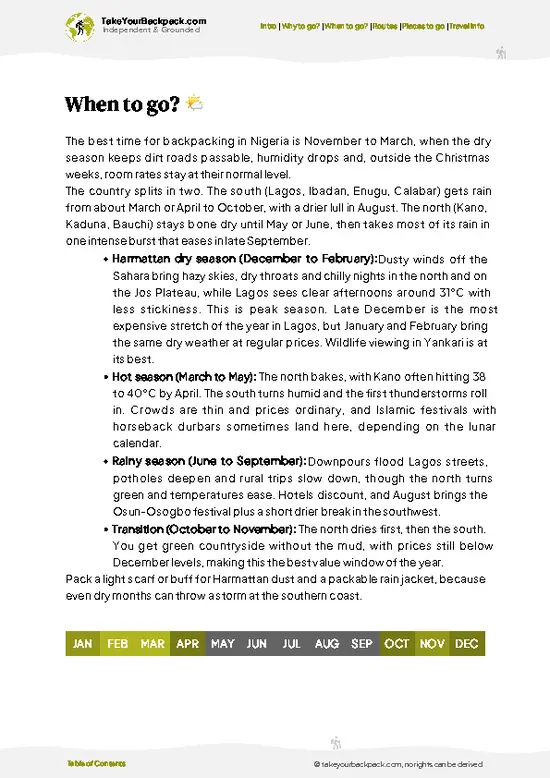
  • Topic: Weather – Uyo’s climate is tropical, with a heavy rainy season from April to October. Expect daily downpours and humidity above 80%, which can slow your pace and soak your gear. The dry season, November to March, offers clearer skies and less mud.

  • Topic: Temperature – Temperatures hover between 24°C and 32°C (75°F to 90°F) year-round. The dry season feels hotter but less oppressive without the constant rain, making it easier to hike and explore.

  • Topic: Daylight Hours – Daylight stays steady around 12 hours daily, so no need to juggle your schedule for fading light. Early mornings and late afternoons are best for outdoor activities to avoid midday heat.

  • Topic: Crowds – Uyo isn’t a tourist hotspot, so crowds are minimal year-round. However, local festivals during the dry season
read more 👉

  • Topic: Weather – Uyo’s climate is tropical, with a heavy rainy season from April to October. Expect daily downpours and humidity above 80%, which can slow your pace and soak your gear. The dry season, November to March, offers clearer skies and less mud.

  • Topic: Temperature – Temperatures hover between 24°C and 32°C (75°F to 90°F) year-round. The dry season feels hotter but less oppressive without the constant rain, making it easier to hike and explore.

  • Topic: Daylight Hours – Daylight stays steady around 12 hours daily, so no need to juggle your schedule for fading light. Early mornings and late afternoons are best for outdoor activities to avoid midday heat.

  • Topic: Crowds – Uyo isn’t a tourist hotspot, so crowds are minimal year-round. However, local festivals during the dry season can bring a lively buzz, offering cultural immersion without overwhelming tourist throngs.

  • Topic: Seasonal Activities – The dry season hosts events like the Uyo Carnival, showcasing local music and dance. The rainy season limits outdoor adventures but reveals lush landscapes and fewer travelers.

  • Topic: Price Fluctuations – Accommodation and transport costs dip during the rainy season due to lower demand, but factor in potential delays and less comfortable conditions. The dry season commands higher prices but rewards with smoother logistics.


Pro-tip: Aim for the dry season to maximize comfort and activity options, but if you’re after solitude and budget savings, the rainy months offer a quieter, greener Uyo with a bit more grit.


source: climatestotravel.comJANJanuary: excellent for travelingFEBFebruary: excellent for travelingMARMarch: excellent for travelingAPRApril: fair for travelingMAYMay: fair for travelingJUNJune: fair for travelingJULJuly: fair for travelingAUGAugust: fair for travelingSEPSeptember: fair for travelingOCTOctober: fair for travelingNOVNovember: highly recommended for travelingDECDecember: highly recommended for traveling
when-to-go

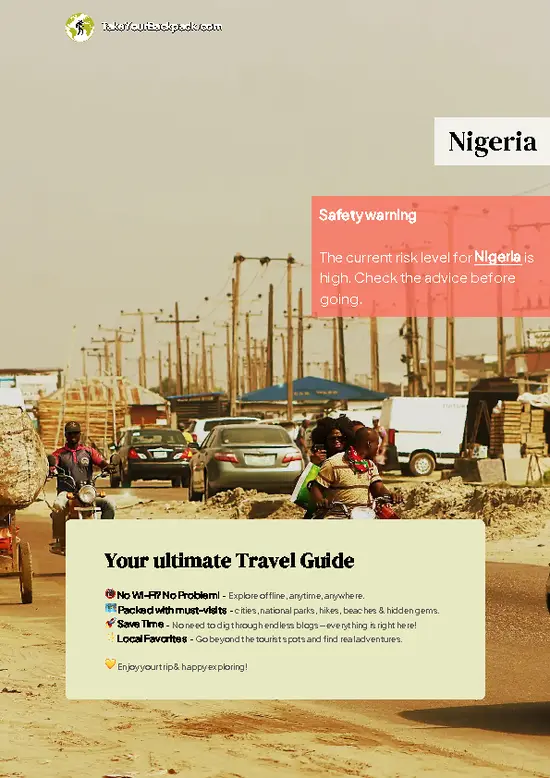
✈️ The backpacker research shortcutNigeria Travel Guide

An offline-friendly backpacking guide with optimized travel routes, ranked highlights, transport advice, and the best areas to stay.
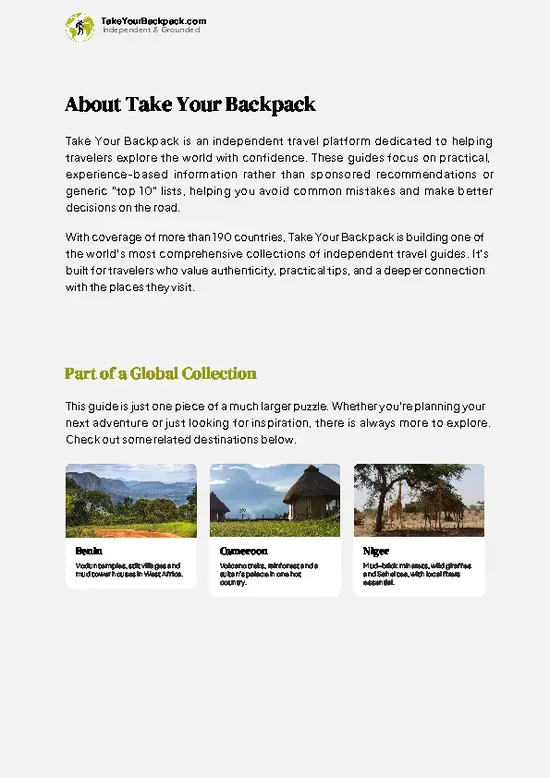
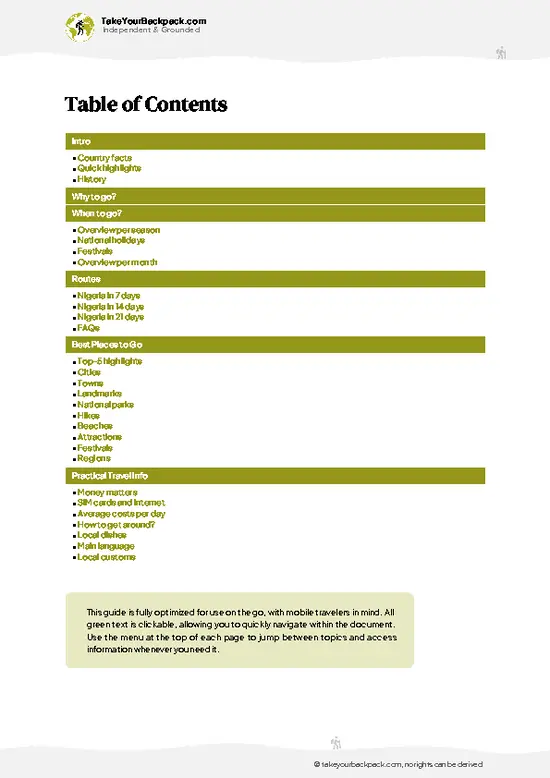
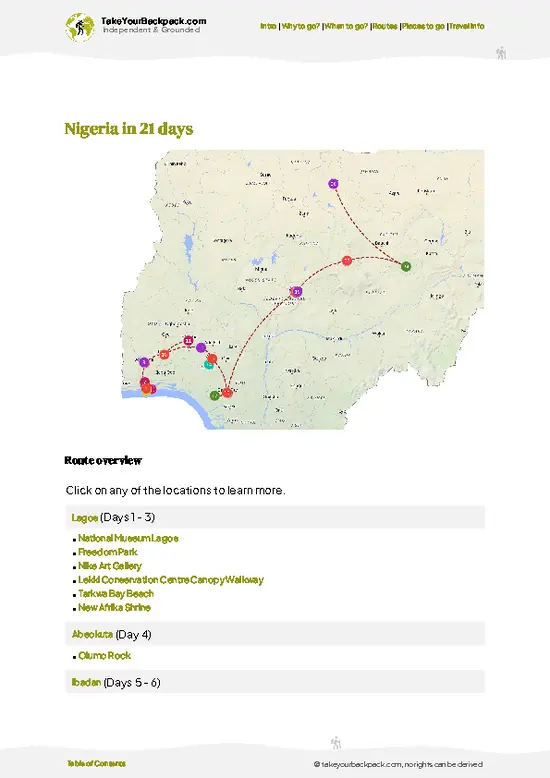
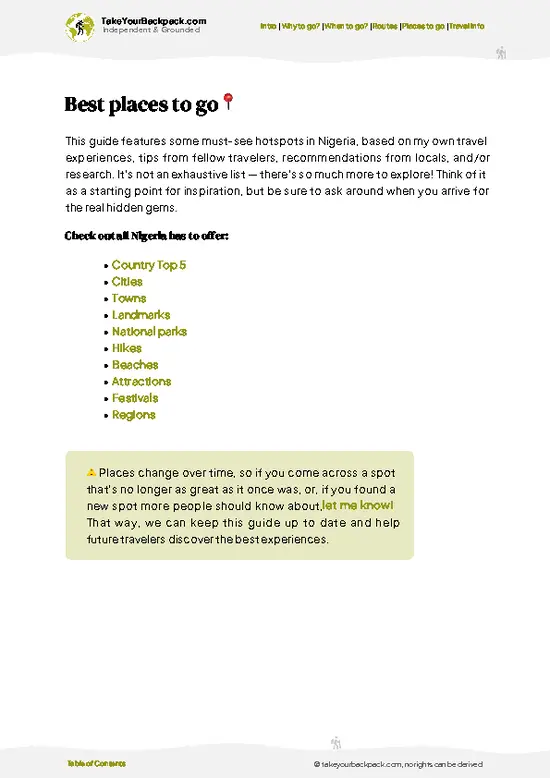
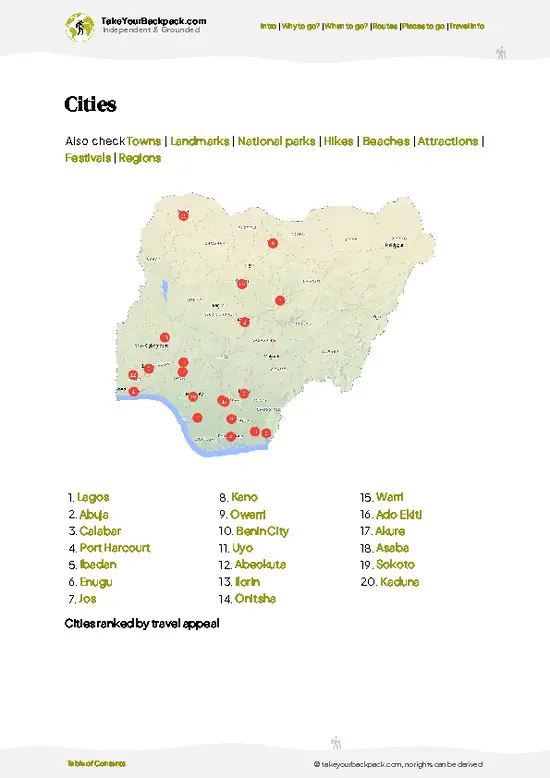
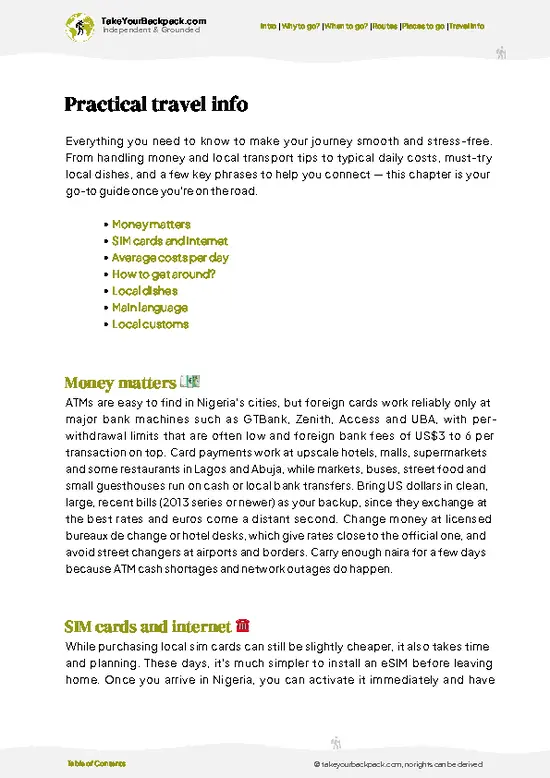
example page 0 from our offline Travel Guide for Nigeriaexample page 1 from our offline Travel Guide for Nigeriaexample page 2 from our offline Travel Guide for Nigeriaexample page 3 from our offline Travel Guide for Nigeriaexample page 4 from our offline Travel Guide for Nigeriaexample page 5 from our offline Travel Guide for Nigeriaexample page 6 from our offline Travel Guide for Nigeriaexample page 7 from our offline Travel Guide for Nigeria
The digital guide (332 pages) contains:
89 highlights, ranked by travel appeal
Optimized 7, 14 & 21-day travel routes
Cities, national parks, landmarks, beaches
How to get around
Offline-friendly for travel without Wi-Fi
👉 Click to see all 30+ guide features

📅 Plan smarter in minutes, not weeks
Month by month travel advice
Festivals & national holidays
Budget expectations

🗺️ Go to the right places, skip the overrated ones
Honest pros & cons of destinations
Top hikes, parks & viewpoints
Lesser-known places most travelers miss
Clear “worth it vs skip it” guidance

🛏️ Travel smoothly without rookie mistakes
Best areas to stay
Transport systems explained simply
Common scams & safety advice
SIM cards, money & practical tips

🌍 Understand the country, not just visit it
Culture & traditions
52 Essential phrases & customs
Festivals worth planning around
Traveler-friendly historical context
Insights that make places more meaningful

📱 Built for real travel conditions
Fully downloadable PDF
Works completely offline
Optimized for phone use
Useful in remote areas & buses
Everything in one place
Save weeks of stressful planning
Get instant access to your full guide. 30‑day money-back guarantee.


By proceeding you agree to our terms.
Sent to your inbox immediately after payment • 100% Secure Checkout
Best Backpacking Travel Advisor 2025 tourism awardBest Backpacking
Travel Advisor
2025
What others say about Take Your Backpack Guides:
⭐⭐⭐⭐⭐
Fantastic, amazing amount of information!
⭐⭐⭐⭐⭐
My goodness this is amazing, it's what I've been looking for hats off too you!
⭐⭐⭐⭐⭐
I think this is absolutely BRILLIANT
⭐⭐⭐⭐
Very complete and informative. It's still missing places, but I gotta to commend you
⭐⭐⭐⭐⭐
This is truly amazing, thank you, can't wait to explore it with my kids!
⭐⭐⭐⭐⭐
Awesome resource, thank you!
⭐⭐⭐⭐⭐
This is amazing! Can't wait to explore the ones I haven't seen
⭐⭐⭐⭐
I love this! Well done, great idea.
⭐⭐⭐⭐⭐
Thanks for taking the time to make this gem!
⭐⭐⭐⭐⭐
This might be the best website I've ever seen.
⭐⭐⭐⭐⭐
Congratulations, and thank you so much for your work; it's incredibly valuable.
⭐⭐⭐⭐
In all seriousness I think you did a great job pointing out the important spots
⭐⭐⭐⭐⭐
10/10 very good
⭐⭐⭐⭐⭐
As someone who's only just starting to visit regularly this is awesome, thank you.
⭐⭐⭐⭐
Thank you very much! I'm going to visit my dad, it's going to be very useful!
⭐⭐⭐⭐⭐
This is really cool! We'll be travelling for the first time and this definitely come in handy.
⭐⭐⭐⭐⭐
You are now our minister of culture, congratulations 👨‍💼
⭐⭐⭐⭐⭐
Just wanted to tell you that this is a pearl! Going to follow your recommendations.
⭐⭐⭐⭐⭐
This is so cool. I'll definitely be using the resource for my travels soon.
⭐⭐⭐⭐⭐
This is very impressive! Good work.
⭐⭐⭐⭐⭐
This is an amazing and informative site. Very well done!

🛏️ Where to stay?Best areas to stay in Nigeria

In Uyo, the sweet spot for backpackers is the city center around Ewet Housing Estate and the nearby Akpan Andem Market area. This zone nails the balance between safety and social buzz, making it a natural magnet for solo travelers and budget adventurers. You’re close enough to local eateries, street vendors, and lively markets to soak in authentic daily life without the hassle of long commutes. Hostels and budget guesthouses cluster here, offering basic but clean accommodations that keep your wallet intact while plugging you into a community vibe.

Venture outside this core, and options thin … read more 👉
In Uyo, the sweet spot for backpackers is the city center around Ewet Housing Estate and the nearby Akpan Andem Market area. This zone nails the balance between safety and social buzz, making it a natural magnet for solo travelers and budget adventurers. You’re close enough to local eateries, street vendors, and lively markets to soak in authentic daily life without the hassle of long commutes. Hostels and budget guesthouses cluster here, offering basic but clean accommodations that keep your wallet intact while plugging you into a community vibe.

Venture outside this core, and options thin out fast. Neighborhoods like Uruan or Itu might feel quieter but lack the social infrastructure and easy access to transport hubs. Plus, safety can be more hit-or-miss. The city center’s mix of convenience, foot traffic, and a steady flow of fellow travelers means you’re not just booking a bed—you’re stepping into a mini-network of shared stories and local insights. It’s the kind of place where comfort is measured in connection, not just pillows.

🚌 Getting aroundHow to get around Uyo

Uyo moves at its own rhythm—neither a frantic rush nor a laid-back drift. It’s a city where schedules exist but bend to the reality of traffic, weather, and local hustle. You’ll find that time here is a flexible currency, traded with a wink rather than a strict ledger. This means your travel choices aren’t just about getting from A to B; they’re about reading the pulse of the city and deciding what you’re willing to trade: time, money, or comfort. Mastering this balance turns your trip from a series of logistics headaches into a strategic game where you call the shots.


  • Walking: The ultimate budget option and the best way to soak in Uyo’s street life. It costs nothing, offers full control over your pace, and reveals details you’d miss zooming by. Just be ready for tropical heat and occasional
read more 👉
Uyo moves at its own rhythm—neither a frantic rush nor a laid-back drift. It’s a city where schedules exist but bend to the reality of traffic, weather, and local hustle. You’ll find that time here is a flexible currency, traded with a wink rather than a strict ledger. This means your travel choices aren’t just about getting from A to B; they’re about reading the pulse of the city and deciding what you’re willing to trade: time, money, or comfort. Mastering this balance turns your trip from a series of logistics headaches into a strategic game where you call the shots.


  • Walking: The ultimate budget option and the best way to soak in Uyo’s street life. It costs nothing, offers full control over your pace, and reveals details you’d miss zooming by. Just be ready for tropical heat and occasional uneven sidewalks.


  • Commercial Motorcycles (Okada): Fast and flexible, these dart through traffic like ninjas. Expect to pay around 100–200 NGN per short trip. They run all day until dusk but can be uncomfortable and risky if you’re not used to the chaos. Great for saving time but sacrifices comfort and safety.


  • Shared Taxis: These minibuses or cars follow semi-fixed routes and are a staple for locals. Fares hover around 200–300 NGN. They run from early morning until evening but can be unpredictable in departure times. They strike a middle ground—more comfort than okadas, less speed, and a social experience that’s part local life, part patience test.


  • Private Taxis: More expensive, typically 1000 NGN or more per ride, but offer door-to-door comfort and flexibility. Ideal if you’re traveling with luggage or in a group. They operate 24/7 but require negotiation or app-based booking, which can add complexity.


  • Buses: Limited routes and schedules, often crowded and slow, but dirt cheap (under 100 NGN). If you have time to spare and want to stretch your budget, this is your go-to. Just don’t expect punctuality or air conditioning.

👛 Costs (as of 3 March 2026)Money, prices, and spending tips

Backpacking in Uyo, Nigeria, offers a clear trade-off between cost and comfort, and understanding these numbers helps you play the system smartly.
  • Dorm Accommodation (High Season): Expect to pay around $10 to $15 per night. High season sees a slight bump due to demand, but options remain basic with modest amenities.
  • Dorm Accommodation (Off-Season): Prices drop to about $6 to $10 per night. Fewer travelers mean better bargaining power and quieter stays, though facilities stay consistent year-round.
  • Meals: Local eateries serve filling meals for $2 to $5. Street food and small restaurants dominate, offering authentic flavors without the tourist markup. Western-style or upscale dining will push costs higher.
  • Local Transport: Shared minibuses and motorcycle taxis (okadas) cost between $0.30
read more 👉
Backpacking in Uyo, Nigeria, offers a clear trade-off between cost and comfort, and understanding these numbers helps you play the system smartly.
  • Dorm Accommodation (High Season): Expect to pay around $10 to $15 per night. High season sees a slight bump due to demand, but options remain basic with modest amenities.
  • Dorm Accommodation (Off-Season): Prices drop to about $6 to $10 per night. Fewer travelers mean better bargaining power and quieter stays, though facilities stay consistent year-round.
  • Meals: Local eateries serve filling meals for $2 to $5. Street food and small restaurants dominate, offering authentic flavors without the tourist markup. Western-style or upscale dining will push costs higher.
  • Local Transport: Shared minibuses and motorcycle taxis (okadas) cost between $0.30 and $1 per trip within the city. It’s cheap but expect variable comfort and safety standards.
  • City Transport Pass: Uyo doesn’t have a formal city transport pass system. Budgeting for daily local transport expenses is more practical than investing in a pass.
  • Basic Activities/Entry Fees: Most cultural or natural attractions charge minimal or no entry fees, typically under $2. Guided tours or special experiences might cost more but remain affordable.
  • Miscellaneous Expenses: Budget around $1 to $3 for essentials like bottled water, snacks, or minor personal items. Internet cafes or SIM cards are inexpensive but vary by provider.

The daily budget for backpackers in Uyo ranges roughly from $15 to $30, depending on season and personal comfort choices. This range balances the essentials without sacrificing the authentic local experience, letting you decide where to stretch or save.
⚠️ Prices can change and everyone travels differently, so take this as a rough guide. Hope it helps you plan your adventure!

🚌 Day tripsShort trips worth adding

Using Uyo as your base opens up a world of day trips that blend culture, nature, and adventure. Here’s how to maximize your experience without breaking the bank.

Ibom Tropicana Entertainment Centre
Just a short 30-minute drive from Uyo, this vibrant hub offers a mix of leisure and local culture. You can enjoy a water park, cinema, and even a mini-golf course. The entrance fee is around 1,000 NGN, making it a budget-friendly option for a day of fun. Best visited during the dry season, you’ll avoid the rain and crowds. A common mistake is underestimating the time needed to explore all the attractions—plan for at least half a day.


Awhum Waterfall
About a two-hour journey from Uyo, Awhum Waterfall is a stunning natural spectacle. The cascading water surrounded by lush greenery is perfect … read more 👉
Using Uyo as your base opens up a world of day trips that blend culture, nature, and adventure. Here’s how to maximize your experience without breaking the bank.

Ibom Tropicana Entertainment Centre
Just a short 30-minute drive from Uyo, this vibrant hub offers a mix of leisure and local culture. You can enjoy a water park, cinema, and even a mini-golf course. The entrance fee is around 1,000 NGN, making it a budget-friendly option for a day of fun. Best visited during the dry season, you’ll avoid the rain and crowds. A common mistake is underestimating the time needed to explore all the attractions—plan for at least half a day.


Awhum Waterfall
About a two-hour journey from Uyo, Awhum Waterfall is a stunning natural spectacle. The cascading water surrounded by lush greenery is perfect for a refreshing dip or a picnic. The trip will cost you around 2,500 NGN for transport and entrance fees. The best time to visit is during the rainy season when the falls are at their most impressive. First-timers often forget to bring water shoes; the rocky terrain can be tricky.
👉 Explore Awhum Waterfall

Calabar
Roughly a three-hour drive, Calabar is rich in history and culture. Explore the Calabar Museum or take a stroll along the waterfront. The total cost for transport and meals can be around 5,000 NGN. The dry season is ideal for this trip, as the weather is pleasant for walking. Many overlook the local cuisine—don’t miss trying the famous Calabar pepper soup!
👉 Explore Calabar

Obudu Mountain Resort
A bit further afield, about four hours from Uyo, this resort offers breathtaking views and a cooler climate. The cable car ride is a highlight, costing around 3,000 NGN. Best visited during the dry season, you’ll enjoy clear skies and stunning vistas. A common pitfall is not booking the cable car in advance; it can get busy!
👉 Explore Obudu Mountain Resort
Want to know what more Nigeria offers?
The Nigeria Travel Guide describes 89 highlights, from cities to national parks, from beaches to hikes

Get the Travel Guide -

🍲 FoodEating & Drinking in Uyo

In Uyo, the local cuisine is a vibrant tapestry of flavors that beckons you to dive in. Start with edikang ikong, a rich vegetable soup packed with spinach and meat, often served with pounded yam. The aroma alone is enough to draw you in. Don’t miss ofada rice, a local variety that pairs beautifully with spicy stews.

Street food is where the magic happens. Vendors line the streets, serving up suya, spicy skewered meat that’s grilled to perfection. Grab a skewer and enjoy it with a cold drink from a nearby stall. The buzz of the market is infectious, filled with laughter and the sizzling sounds of food being prepared.

When it comes to drinks, try palm wine, a traditional favorite that’s often tapped fresh. It’s sweet and slightly fizzy, perfect for sipping while mingling with locals.

Etiquette … read more 👉
In Uyo, the local cuisine is a vibrant tapestry of flavors that beckons you to dive in. Start with edikang ikong, a rich vegetable soup packed with spinach and meat, often served with pounded yam. The aroma alone is enough to draw you in. Don’t miss ofada rice, a local variety that pairs beautifully with spicy stews.

Street food is where the magic happens. Vendors line the streets, serving up suya, spicy skewered meat that’s grilled to perfection. Grab a skewer and enjoy it with a cold drink from a nearby stall. The buzz of the market is infectious, filled with laughter and the sizzling sounds of food being prepared.

When it comes to drinks, try palm wine, a traditional favorite that’s often tapped fresh. It’s sweet and slightly fizzy, perfect for sipping while mingling with locals.

Etiquette is relaxed; sharing food is common, so don’t hesitate to join in. Just remember, it’s polite to greet vendors and fellow diners. Embrace the community vibe—you’re not just eating; you’re part of the experience.

🛡️ SafetySafety Tips and Common Scams in Uyo

Uyo is generally safe for travelers, but like any city, it has its quirks. Stay alert in crowded markets like Akwa Ibom Plaza, where pickpockets might lurk. If you’re solo, avoid wandering too far after dark; stick to well-lit areas and main roads.

Common scams include overly friendly locals who might offer unsolicited help, only to expect payment later. A polite but firm “no, thank you” usually does the trick.

Annoyances can arise from aggressive taxi drivers; agree on a fare before getting in. Carry a small amount of cash for street vendors, as many don’t accept cards. By being aware and confident, you’ll navigate Uyo smoothly, turning potential pitfalls into mere bumps in your adventure.

Other Nigerian cities near Uyo

Explore more nearby:

  • Ikot Ekpene—raffia weaving, colonial relics, Annang cuisine| 27 km away
  • Eket—oil industry, palm groves, Ibibio culture| 44 km away
  • Calabar—Cross River, colonial architecture, annual carnival| 48 km away

💡 Not sure where to go next?
Create a personalized itinerary for Nigeria including Uyo and the places that fit your trip.

Generate my itinerary

👉 Discover all cities

Or checkout all Nigeria has to offer (think cities, towns, villages, national parks, hikes, beaches, festivals)
Country photo of Nigeria

We 💚 feedbackSumming up the experience

Uyo has a pulse that’s hard to ignore. The local food scene? A delightful surprise—try the afang soup; it’s a flavor explosion. But watch out for the humidity; it can be relentless. Embrace the vibrant street life, but don’t rush. Take your time to chat with locals; their stories are the real treasures. You’ll leave with more than just memories; you’ll carry a piece of Uyo with you.

✍️ Help improve this page!
The information on this page is based on in-depth research, insights shared by experienced travelers, and feedback from the local travel community in Nigeria. While every effort is made to keep the information accurate and current, conditions can change — so if you spot anything incorrect or outdated, please get in touch.


🙋‍♂️ Give feedback

👋 Meet the founderWho’s Behind Take Your Backpack?

Johan, backpacker and founder of TakeYourBackpackHi, I’m Johan (Netherlands 🇳🇱), the creator of TakeYourBackpack. Over the past decade, I’ve backpacked through 80+ countries across six continents, gaining extensive experience with independent travel, long-term trips, and overland routes.

This site is built on a combination of firsthand travel experience and carefully curated insights from other backpackers. Many guides are based on places I’ve personally visited, while others bring together tips, observations, and practical advice shared by trusted travelers I’ve met along the way.

The goal is to provide realistic, experience-driven guidance — not generic itineraries — so you can explore destinations with better context, clearer expectations, and more confidence.

Get full Nigeria guide •
Instant download • 89 highlights • Full Offline guide