×

Nigeria🇳🇬 | citiesMubiborder town, cattle trade, hillside neighborhoods | things to do and best time to go

Explore NguruExplore Funtua

Backpacking in Mubi
👀 For curious travelerscity ranked #38
By Johan Kruseman 🇳🇱 | Updated June 12, 2026

You land in Yola, eyeing the road north to Mubi, and here’s your first real fork: pay extra for a private car and shave hours off a bumpy, unpredictable bus ride, or save cash and brace for the full local experience—heat, delays, and all. Mubi sits in Adamawa State, northeast Nigeria, close to the Cameroon border. For backpackers, Mubi is raw and rarely touristed—think bustling markets, colonial-era mosques, and a university town energy, but little in the way of nightlife or backpacker hostels. Costs are low, but English is less common, and security is a real concern compared to Jos or Gombe. The vibe? Gritty, curious, and unvarnished—if you want polished, look elsewhere.

Discover everything you want to know in the 📖 Nigeria Travel Guide.
Safety warning

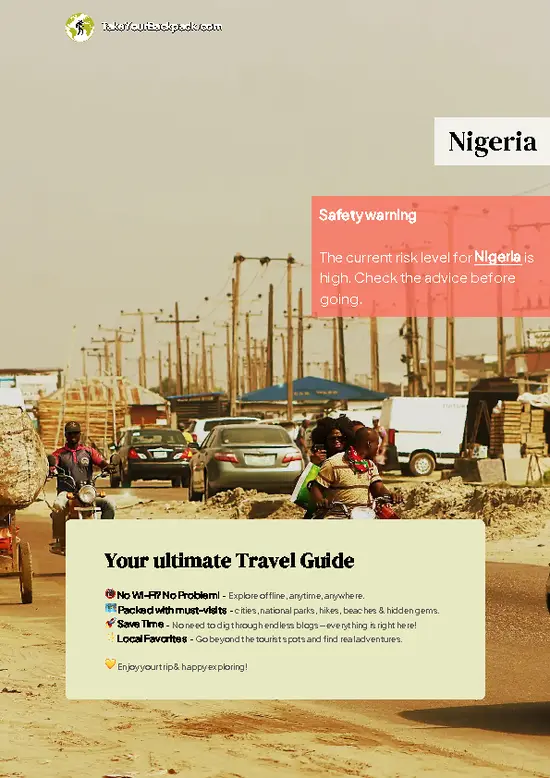
The current risk level for Nigeria is high. Check the advice before going.


Get your Nigeria guide
89 ranked highlights, routes & tips, works offline (332 pages)
Loading the map 🌍
CLICK TO FILTER
cities
towns
landmarks
national parks
hikes
beaches
attractions
festivals
regions
SHOW COUNTRY’S BESTSHOW ALL

✨ Why go?
Ranked #38 city in Nigeria
The unique appeal for travelers

Mubi is a strategic stop for backpackers navigating Nigeria. Its affordable hostels provide a solid basecamp for day trips, making it easy to explore the surrounding region without breaking the bank. The city’s walkability allows you to soak in local life, while the street food scene offers delicious, budget-friendly meals that fuel your adventures. When the sun sets, the nightlife buzzes with energy, giving you a taste of the local culture. Plus, Mubi’s easy onward travel options mean you can seamlessly continue your journey. It’s a place that balances value and experience, perfect for those seeking a genuine connection.
Want to include Mubi in your Nigeria route?
Create a personalized Nigeria itinerary that includes Mubi and the places that fit your trip — based on your travel style, budget, and available time. Get your route in seconds.

Generate my trip

💡 HighlightsEssential experiences to have while visiting Mubi

  1. Mubi Central Market — The town’s busiest heart: a sprawling open-air market where farmers, traders and artisans sell fresh produce, grains, fabrics and household goods. Great for hands-on local shopping, street food, and watching the daily rhythms of Mubi commerce.
  2. Mubi Emir’s Palace — The traditional seat of local authority and a focal point for cultural events and ceremonies. Visiting the palace courtyard gives real insight into local leadership, customs and Fulani/Hausa traditions that shape life in the town.
  3. Mubi Central Mosque (Friday Mosque) — The main congregational mosque and a social hub on Fridays. It’s worth visiting to observe large-scale communal worship, the call to prayer, and traditional Islamic architecture and dress in everyday use.
  4. Mubi Airstrip / Mubi Airport — A small
read more 👉
  1. Mubi Central Market — The town’s busiest heart: a sprawling open-air market where farmers, traders and artisans sell fresh produce, grains, fabrics and household goods. Great for hands-on local shopping, street food, and watching the daily rhythms of Mubi commerce.
  2. Mubi Emir’s Palace — The traditional seat of local authority and a focal point for cultural events and ceremonies. Visiting the palace courtyard gives real insight into local leadership, customs and Fulani/Hausa traditions that shape life in the town.
  3. Mubi Central Mosque (Friday Mosque) — The main congregational mosque and a social hub on Fridays. It’s worth visiting to observe large-scale communal worship, the call to prayer, and traditional Islamic architecture and dress in everyday use.
  4. Mubi Airstrip / Mubi Airport — A small regional airstrip that serves the town and surrounding communities. It’s a practical arrival/departure point and offers a straightforward look at regional transport infrastructure and local comings-and-goings.
  5. Old Town / Traditional Quarter — Narrow lanes, small workshops and street vendors preserve the town’s old trading patterns and everyday crafts. Walking this quarter is the best way to soak up local street life, sample home-style snacks, and see artisans at work.
A few real, visitable highlights just outside Mubi that make excellent day trips are Yola (Lamido’s Palace and Jimeta markets), Numan on the Benue River for riverfront life, and Gashaka-Gumti National Park for mountain scenery and wildlife.
Spotted a mistake or missing something? Contact us.

🏘️ NeighborhoodsNeighborhood guide to Mubi

Mubi is a vibrant hub in Nigeria, offering a mix of culture and practicality for backpackers. Here’s how the neighborhoods stack up:

Central Mubi: This area buzzes with energy. It’s walkable, with local markets and eateries. Costs are moderate, making it ideal for budget travelers. Nightlife is lively but not overwhelming, perfect for a short stay.

Garkida: A quieter neighborhood, Garkida offers a more laid-back vibe. It’s less touristy, so you’ll find authentic experiences. Transport options are decent, but you might need to rely on taxis. Great for longer stays if you want to immerse yourself.

Wuro Kazaure: Known for its vibrant community, this area is a blend of nightlife and local culture. Costs can vary, but it’s generally affordable. Walkability is good, making it suitable for both short and extended visits.

⌛️ 1 dayWhat you can realistically do in a day

Mubi, Nigeria, is a vibrant hub of culture and community, where the pulse of daily life beats strong. Start your day in the bustling Mubi Market, where the aroma of spices mingles with the chatter of vendors. Grab a local breakfast of beans and plantains from a street stall—it’s a delicious way to fuel up.

In the afternoon, head to the historic Mubi Central Mosque. Its intricate architecture offers a glimpse into the region’s rich Islamic heritage. Take a stroll through the nearby neighborhoods, where you can chat with locals and soak in the atmosphere. For a unique experience, visit the Mubi Arts and Culture Centre, often overlooked by tourists, but a treasure trove of local art and crafts.

As evening falls, find a spot at a local eatery to savor jollof rice and grilled chicken. The lively … read more 👉
Mubi, Nigeria, is a vibrant hub of culture and community, where the pulse of daily life beats strong. Start your day in the bustling Mubi Market, where the aroma of spices mingles with the chatter of vendors. Grab a local breakfast of beans and plantains from a street stall—it’s a delicious way to fuel up.

In the afternoon, head to the historic Mubi Central Mosque. Its intricate architecture offers a glimpse into the region’s rich Islamic heritage. Take a stroll through the nearby neighborhoods, where you can chat with locals and soak in the atmosphere. For a unique experience, visit the Mubi Arts and Culture Centre, often overlooked by tourists, but a treasure trove of local art and crafts.

As evening falls, find a spot at a local eatery to savor jollof rice and grilled chicken. The lively ambiance will wrap up your day perfectly, leaving you with a taste of Mubi’s warmth and character.
Turn your Mubi visit into an Nigeria adventure
Build a complete Nigeria route with Mubi, hidden gems, must-see destinations, and realistic travel times included.

Generate my trip

🌤️ When to go?Weather, crowds, and seasonal trade-offs


  • Topic: Weather – Mubi’s climate swings between a hot dry season and a rainy season. The dry months from November to March offer clear skies and minimal rain, ideal for trekking and exploring without mud or humidity.

  • Topic: Temperature – Expect highs around 33–38°C (91–100°F) in the dry season, cooling slightly at night. The rainy season (April to October) brings lower highs near 28–32°C (82–90°F) but with sticky humidity.

  • Topic: Daylight Hours – Daylight is steady year-round, roughly 12 hours daily, so timing won’t affect your hiking window much.

  • Topic: Crowds – Mubi isn’t a tourist hotspot, so crowds are minimal anytime. However, local festivals in December can bring a lively buzz worth catching.

  • Topic: Seasonal Activities – Dry season is best for outdoor adventures and market
read more 👉

  • Topic: Weather – Mubi’s climate swings between a hot dry season and a rainy season. The dry months from November to March offer clear skies and minimal rain, ideal for trekking and exploring without mud or humidity.

  • Topic: Temperature – Expect highs around 33–38°C (91–100°F) in the dry season, cooling slightly at night. The rainy season (April to October) brings lower highs near 28–32°C (82–90°F) but with sticky humidity.

  • Topic: Daylight Hours – Daylight is steady year-round, roughly 12 hours daily, so timing won’t affect your hiking window much.

  • Topic: Crowds – Mubi isn’t a tourist hotspot, so crowds are minimal anytime. However, local festivals in December can bring a lively buzz worth catching.

  • Topic: Seasonal Activities – Dry season is best for outdoor adventures and market visits. The rainy season can limit access to rural trails but offers lush landscapes if you don’t mind the wet.

  • Topic: Price Fluctuations – Prices for accommodation and transport dip during the rainy season due to fewer visitors, but you trade off comfort and accessibility.


Pro-tip: Aim for the dry season to maximize comfort and mobility, but if you want lower prices and don’t mind a bit of mud, the rainy months offer a quieter, greener experience.


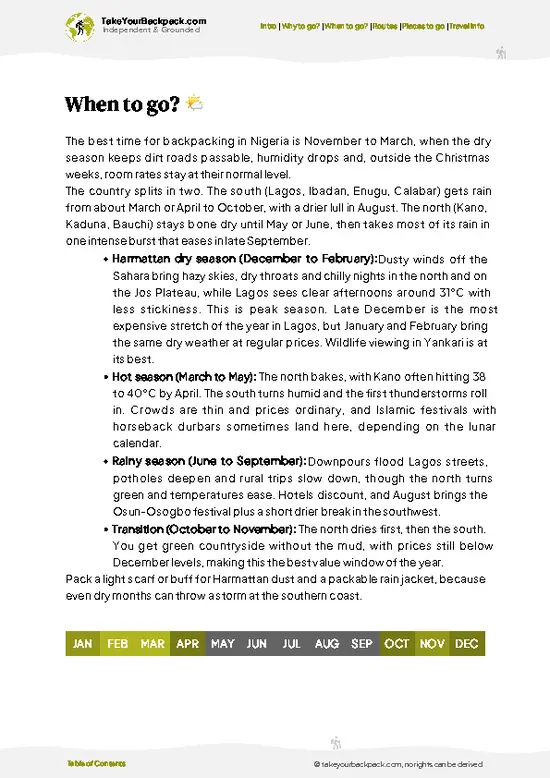
source: climatestotravel.comJANJanuary: excellent for travelingFEBFebruary: excellent for travelingMARMarch: excellent for travelingAPRApril: good for travelingMAYMay: good for travelingJUNJune: good for travelingJULJuly: good for travelingAUGAugust: good for travelingSEPSeptember: good for travelingOCTOctober: good for travelingNOVNovember: excellent for travelingDECDecember: highly recommended for traveling
when-to-go

✈️ The backpacker research shortcutNigeria Travel Guide

An offline-friendly backpacking guide with optimized travel routes, ranked highlights, transport advice, and the best areas to stay.
example page 0 from our offline Travel Guide for Nigeria
example page 1 from our offline Travel Guide for Nigeria
example page 2 from our offline Travel Guide for Nigeria
example page 3 from our offline Travel Guide for Nigeria
example page 4 from our offline Travel Guide for Nigeria
example page 5 from our offline Travel Guide for Nigeria
example page 6 from our offline Travel Guide for Nigeria
example page 7 from our offline Travel Guide for Nigeria
The digital guide (332 pages) contains:
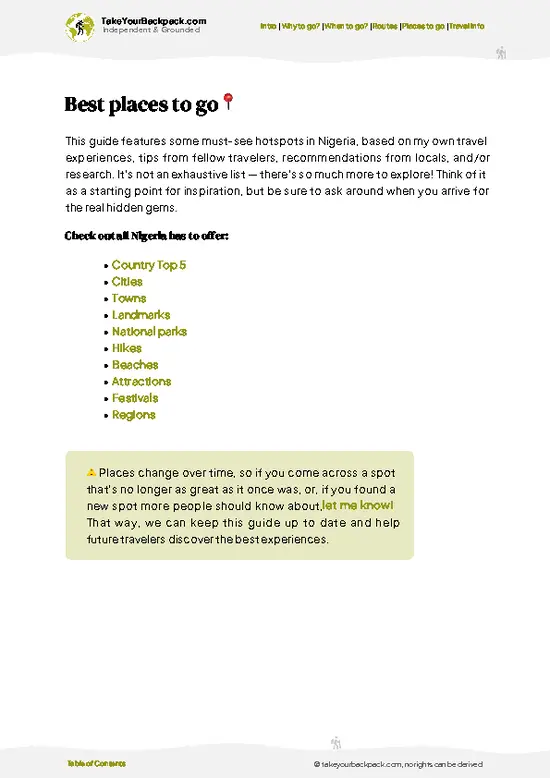
89 highlights, ranked by travel appeal
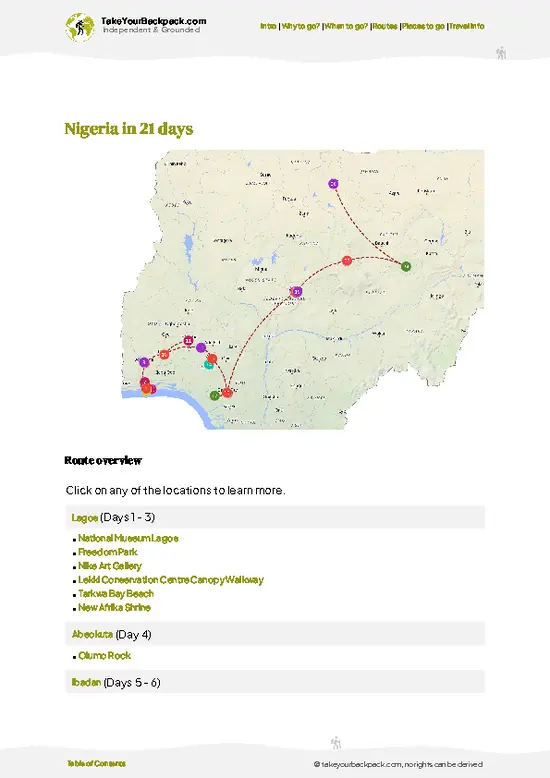
Optimized 7, 14 & 21-day travel routes
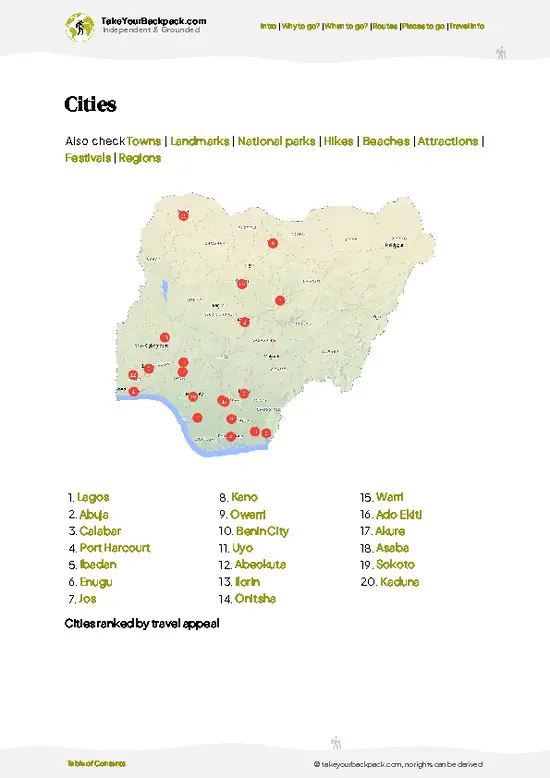
Cities, national parks, landmarks, beaches
How to get around
Offline-friendly for travel without Wi-Fi
👉 Click to see all 30+ guide features

📅 Plan smarter in minutes, not weeks
Month by month travel advice
Festivals & national holidays
Budget expectations

🗺️ Go to the right places, skip the overrated ones
Honest pros & cons of destinations
Top hikes, parks & viewpoints
Lesser-known places most travelers miss
Clear “worth it vs skip it” guidance

🛏️ Travel smoothly without rookie mistakes
Best areas to stay
Transport systems explained simply
Common scams & safety advice
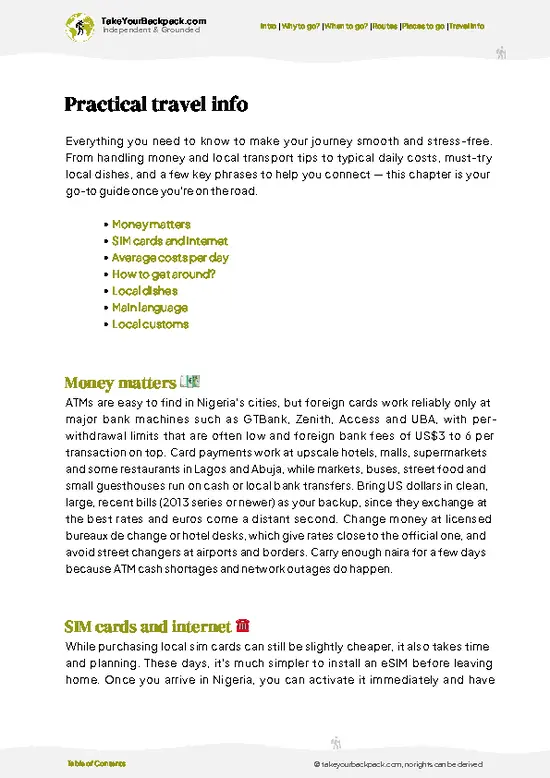
SIM cards, money & practical tips

🌍 Understand the country, not just visit it
Culture & traditions
52 Essential phrases & customs
Festivals worth planning around
Traveler-friendly historical context
Insights that make places more meaningful

📱 Built for real travel conditions
Fully downloadable PDF
Works completely offline
Optimized for phone use
Useful in remote areas & buses
Everything in one place
Save weeks of stressful planning
Get instant access to your full guide. 30‑day money-back guarantee.


By proceeding you agree to our terms.
Sent to your inbox immediately after payment • 100% Secure Checkout
Best Backpacking Travel Advisor 2025 tourism awardBest Backpacking
Travel Advisor
2025
What others say about Take Your Backpack Guides:
⭐⭐⭐⭐⭐
Fantastic, amazing amount of information!
⭐⭐⭐⭐⭐
My goodness this is amazing, it's what I've been looking for hats off too you!
⭐⭐⭐⭐⭐
I think this is absolutely BRILLIANT
⭐⭐⭐⭐
Very complete and informative. It's still missing places, but I gotta to commend you
⭐⭐⭐⭐⭐
This is truly amazing, thank you, can't wait to explore it with my kids!
⭐⭐⭐⭐⭐
Awesome resource, thank you!
⭐⭐⭐⭐⭐
This is amazing! Can't wait to explore the ones I haven't seen
⭐⭐⭐⭐
I love this! Well done, great idea.
⭐⭐⭐⭐⭐
Thanks for taking the time to make this gem!
⭐⭐⭐⭐⭐
This might be the best website I've ever seen.
⭐⭐⭐⭐⭐
Congratulations, and thank you so much for your work; it's incredibly valuable.
⭐⭐⭐⭐
In all seriousness I think you did a great job pointing out the important spots
⭐⭐⭐⭐⭐
10/10 very good
⭐⭐⭐⭐⭐
As someone who's only just starting to visit regularly this is awesome, thank you.
⭐⭐⭐⭐
Thank you very much! I'm going to visit my dad, it's going to be very useful!
⭐⭐⭐⭐⭐
This is really cool! We'll be travelling for the first time and this definitely come in handy.
⭐⭐⭐⭐⭐
You are now our minister of culture, congratulations 👨‍💼
⭐⭐⭐⭐⭐
Just wanted to tell you that this is a pearl! Going to follow your recommendations.
⭐⭐⭐⭐⭐
This is so cool. I'll definitely be using the resource for my travels soon.
⭐⭐⭐⭐⭐
This is very impressive! Good work.
⭐⭐⭐⭐⭐
This is an amazing and informative site. Very well done!

🛏️ Where to stay?Best areas and accommodation options

In Mubi, the best spot for backpackers is the central district near the main market and university area. This zone balances safety with a lively social scene, perfect for solo travelers wanting to connect without sacrificing peace of mind. Budget accommodations cluster here, often simple guesthouses or small hostels that prioritize community over luxury. Compared to the quieter residential outskirts, this area pulses with local energy—street vendors, students, and traders create a dynamic backdrop that’s both authentic and accessible. You trade a bit of quiet for convenience and interaction, but … read more 👉
In Mubi, the best spot for backpackers is the central district near the main market and university area. This zone balances safety with a lively social scene, perfect for solo travelers wanting to connect without sacrificing peace of mind. Budget accommodations cluster here, often simple guesthouses or small hostels that prioritize community over luxury. Compared to the quieter residential outskirts, this area pulses with local energy—street vendors, students, and traders create a dynamic backdrop that’s both authentic and accessible. You trade a bit of quiet for convenience and interaction, but that’s the sweet spot for making your trip memorable without breaking the bank or risking isolation.

🚌 Getting aroundTransportation options and practical tips

Mubi moves at its own rhythm—neither a frantic rush nor a laid-back drift. It’s a place where schedules exist but bend to local realities, where you’ll find a mix of punctuality and improvisation. The city’s pulse is set by a blend of foot traffic, shared rides, and the occasional motorbike darting through narrow streets. Understanding this flow is your secret weapon: it’s about balancing your time, money, and comfort to get the most out of your stay without losing your mind or your wallet.


  • Walking: The ultimate budget option. No cost, zero scheduling, and perfect for short distances or exploring neighborhoods. It’s slow but immersive, letting you catch every detail the city offers.

  • Shared Taxis (Danfo): Runs roughly from 6 AM to 10 PM, fares are dirt cheap (think pocket change), but
read more 👉
Mubi moves at its own rhythm—neither a frantic rush nor a laid-back drift. It’s a place where schedules exist but bend to local realities, where you’ll find a mix of punctuality and improvisation. The city’s pulse is set by a blend of foot traffic, shared rides, and the occasional motorbike darting through narrow streets. Understanding this flow is your secret weapon: it’s about balancing your time, money, and comfort to get the most out of your stay without losing your mind or your wallet.


  • Walking: The ultimate budget option. No cost, zero scheduling, and perfect for short distances or exploring neighborhoods. It’s slow but immersive, letting you catch every detail the city offers.

  • Shared Taxis (Danfo): Runs roughly from 6 AM to 10 PM, fares are dirt cheap (think pocket change), but expect cramped seats and frequent stops. Speed varies with traffic, but it’s a direct route to most hotspots.

  • Motorbike Taxis (Okada): Available 24/7, these are faster and more flexible than shared taxis but cost more—still affordable. Great for tight schedules or when you want to avoid traffic jams, though comfort is minimal.

  • Local Buses: Operate from early morning until early evening, very low fares, but routes can be confusing and stops irregular. They’re slower but offer a genuine slice of daily life and a chance to stretch your legs between stops.

👛 Costs (as of 2 March 2026)How expensive it really is

Backpacking in Mubi, Nigeria, involves a clear balancing act between cost and convenience, with prices reflecting the city’s developing infrastructure and local economy. Here’s how your daily expenses typically break down:
  • Dorm Accommodation (High Season): Expect to pay around $10 to $15 per night. Options are limited but functional, often basic guesthouses or small hostels catering to travelers and local workers.
  • Dorm Accommodation (Off-Season): Prices drop to about $7 to $10 per night. Availability can be tighter, so booking ahead is wise if you want the best rates.
  • Meals: Street food and local eateries dominate, with meals costing between $2 and $5 each. You can eat well on a budget, but imported or Western-style food will push costs higher.
  • Local Transport: Shared minibuses and motorcycle
read more 👉
Backpacking in Mubi, Nigeria, involves a clear balancing act between cost and convenience, with prices reflecting the city’s developing infrastructure and local economy. Here’s how your daily expenses typically break down:
  • Dorm Accommodation (High Season): Expect to pay around $10 to $15 per night. Options are limited but functional, often basic guesthouses or small hostels catering to travelers and local workers.
  • Dorm Accommodation (Off-Season): Prices drop to about $7 to $10 per night. Availability can be tighter, so booking ahead is wise if you want the best rates.
  • Meals: Street food and local eateries dominate, with meals costing between $2 and $5 each. You can eat well on a budget, but imported or Western-style food will push costs higher.
  • Local Transport: Shared minibuses and motorcycle taxis (okadas) are the norm, with fares typically ranging from $0.30 to $1 per trip, depending on distance and negotiation skills.
  • City Transport Pass: Mubi does not have a formal city transport pass system. Budgeting for daily transport means factoring in individual fares rather than a flat rate pass.
  • Basic Activities/Entry Fees: Tourist infrastructure is minimal. Entry fees to local attractions or cultural sites, if any, are usually under $5. Most exploration is free or low-cost wandering through markets and neighborhoods.
  • Miscellaneous Expenses: This covers essentials like bottled water, snacks, phone credit, and small tips. Expect to spend around $1 to $3 daily here.

In total, a backpacker in Mubi can expect to spend roughly $15 to $25 per day, depending on the season and personal comfort choices. This range reflects a practical, no-frills approach to experiencing the city while keeping costs manageable.
⚠️ Prices can change and everyone travels differently, so take this as a rough guide. Hope it helps you plan your adventure!

🚌 Day tripsExploring the surroundings

Mubi, Nigeria, is a fantastic launchpad for day trips that pack a punch without draining your wallet or time. Here are some standout options.

Borno National Park
Just a couple of hours from Mubi, Borno National Park offers a chance to explore diverse wildlife and stunning landscapes. The park is a haven for birdwatchers and nature lovers alike. Expect to spend around $5 for entrance fees and transportation, making it a budget-friendly escape. The dry season, from November to March, is ideal for spotting animals. A common mistake? Underestimating the park’s size; plan for a full day to soak it all in.


Gwoza Mountain
A short drive from Mubi, Gwoza Mountain is a hiker’s paradise. The trek rewards you with panoramic views and a peek into local culture. Budget around $10 for transport … read more 👉
Mubi, Nigeria, is a fantastic launchpad for day trips that pack a punch without draining your wallet or time. Here are some standout options.

Borno National Park
Just a couple of hours from Mubi, Borno National Park offers a chance to explore diverse wildlife and stunning landscapes. The park is a haven for birdwatchers and nature lovers alike. Expect to spend around $5 for entrance fees and transportation, making it a budget-friendly escape. The dry season, from November to March, is ideal for spotting animals. A common mistake? Underestimating the park’s size; plan for a full day to soak it all in.


Gwoza Mountain
A short drive from Mubi, Gwoza Mountain is a hiker’s paradise. The trek rewards you with panoramic views and a peek into local culture. Budget around $10 for transport and snacks. The best time to visit is during the cooler months, from November to February. First-timers often overlook the need for sturdy shoes; don’t let blisters ruin your adventure!


Mubi Market
For a taste of local life, spend a day at Mubi Market. It’s vibrant, bustling, and full of character. You can easily wander through the stalls, sampling street food and picking up handmade crafts. This trip is practically free, aside from what you choose to spend on food or souvenirs. The market is most lively on Saturdays, so plan accordingly. A rookie mistake? Not bargaining; it’s part of the experience!
Want to know what more Nigeria offers?
The Nigeria Travel Guide describes 89 highlights, from cities to national parks, from beaches to hikes

Get the Travel Guide -

🍲 FoodLocal Flavors for Backpackers

Mubi’s culinary scene is a vibrant tapestry of flavors. Dive into jollof rice, a spicy, tomato-infused dish that’s a staple at any gathering. Pair it with suya, skewered meat seasoned with a fiery spice mix, often sold by street vendors.

Markets buzz with life, offering fresh fruits and local snacks like puff-puff—sweet, fried dough balls that are impossible to resist.

When it comes to drinks, try zobo, a refreshing hibiscus tea, perfect for cooling off.

Eating here is communal; sharing food is a sign of friendship. Embrace the local customs, and you’ll find that every meal is a celebration.

🛡️ SafetyStaying Safe: What Travelers Should Know

Mubi is generally safe, but like any city, it has its quirks. Stay alert in crowded markets, where pickpockets might lurk. If you’re solo, avoid wandering too far after dark; stick to well-lit areas and main roads.

Common scams include overly friendly locals who might offer unsolicited help, expecting a tip. Politely decline and keep your distance. Everyday annoyances can include aggressive taxi drivers; agree on a fare before getting in. Carry yourself confidently, and you’ll navigate Mubi just fine.

Other Nigerian cities near Mubi

Explore more nearby:

  • Biu—Biu Plateau, Fulani settlements, dry season farming| 123 km away
  • Yola—Benue River banks, twin city layout, Fulani heritage| 144 km away
  • Maiduguri—Kanuri culture, open-air markets, Sahelian architecture| 175 km away

💡 Not sure where to go next?
Create a personalized itinerary for Nigeria including Mubi and the places that fit your trip.

Generate my itinerary

👉 Discover all cities

Or checkout all Nigeria has to offer (think cities, towns, villages, national parks, hikes, beaches, festivals)
Country photo of Nigeria

We 💚 feedbackWhat to keep in mind

Mubi has a raw, vibrant energy that pulls you in. The best surprise? The local markets bursting with flavors and colors. Just a heads-up: the heat can be intense, so stay hydrated and take it slow. Embrace the chaos; it’s part of the charm.

✍️ Help improve this page!
The information on this page is based on in-depth research, insights shared by experienced travelers, and feedback from the local travel community in Nigeria. While every effort is made to keep the information accurate and current, conditions can change — so if you spot anything incorrect or outdated, please get in touch.


🙋‍♂️ Give feedback

👋 Meet the founderWho’s Behind Take Your Backpack?

Johan, backpacker and founder of TakeYourBackpackHi, I’m Johan (Netherlands 🇳🇱), the creator of TakeYourBackpack. Over the past decade, I’ve backpacked through 80+ countries across six continents, gaining extensive experience with independent travel, long-term trips, and overland routes.

This site is built on a combination of firsthand travel experience and carefully curated insights from other backpackers. Many guides are based on places I’ve personally visited, while others bring together tips, observations, and practical advice shared by trusted travelers I’ve met along the way.

The goal is to provide realistic, experience-driven guidance — not generic itineraries — so you can explore destinations with better context, clearer expectations, and more confidence.

Get full Nigeria guide •
Instant download • 89 highlights • Full Offline guide