v2.webp)
- Sino-Korean Friendship Bridge (Sinuiju bridgehead) — The bridge itself is the single most visible symbol of the city: standing on the DPRK side you get raw views across the Yalu/Amnok River to China and can watch freight and river traffic. Foreign visitors usually see the bridgehead as part of approved tours, and it’s great for photos that actually feel like “you’re on the border.”
- Yalu River promenade / riverside embankment — A straightforward walk along the river gives you the clearest sense of Sinuiju life: fishermen, riverside vendors, kids playing, and the slow rhythm of a border town. It’s low-key but honest — no theme-park propaganda, just the river and the city.
- Sinuiju Railway Station (Pyongui Line terminus) — The city’s station is historically important as the rail link toward
- Sino-Korean Friendship Bridge (Sinuiju bridgehead) — The bridge itself is the single most visible symbol of the city: standing on the DPRK side you get raw views across the Yalu/Amnok River to China and can watch freight and river traffic. Foreign visitors usually see the bridgehead as part of approved tours, and it’s great for photos that actually feel like “you’re on the border.”
- Yalu River promenade / riverside embankment — A straightforward walk along the river gives you the clearest sense of Sinuiju life: fishermen, riverside vendors, kids playing, and the slow rhythm of a border town. It’s low-key but honest — no theme-park propaganda, just the river and the city.
- Sinuiju Railway Station (Pyongui Line terminus) — The city’s station is historically important as the rail link toward Pyongyang and China. Even if you don’t ride, watching trains, the station’s Soviet-era architecture, and the comings-and-goings offers a good slice of everyday infrastructure and logistics in the DPRK.
- Central market / fresh-food market — Markets are where most real-life scenes happen: fresh produce, household goods, and small food stalls. Tours often include a supervised visit to see how people shop and eat in Sinuiju; it’s the best place to get a sense of daily routines and local produce.
- City square and local monument(s) — Sinuiju’s main square(s) and the local monuments or statues give you a view of how civic space is organized: parades, public art, and the choreographed civic aesthetic that’s different from anywhere else in Korea. It’s useful for understanding the city’s public life.
- Sinuiju City Museum / local history displays — Smaller provincial museums tend to focus on local revolutionary history, industry, and the river’s role. They’re modest but informative — close-up exhibits and dioramas that tell the story the city presents about itself.
- Cultural Palace / Grand Theatre — The cultural center or theatre is where you can see the city’s staged arts and public cultural programs (when available). The building interiors, posters, and any available performances give insight into local cultural priorities and aesthetics.
- Riverside hotels with Yalu views (hotel lobbies and rooftop viewpoints) — Many visitor itineraries include a stop at one of the riverside hotels for a look at the lobby murals, Soviet-style décor, and, importantly, the views across the river. Even if you don’t stay overnight, these spots are practical for an elevated perspective on the city and border traffic.
- Local stadium / sports ground — Sports facilities, when open to visitors, are useful windows into community life: youth training, public events, and patterns of leisure that contrast with the official propaganda spaces. They’re rough-around-the-edges but real.
- Industrial/riverfront trade zones (viewpoints of the working waterfront) — Sinuiju’s economy leans on cross-border trade and the river. Observing the quays, small factories, and freight areas (from permitted vantage points) gives you an on-the-ground sense of how the city functions economically — practical context that you won’t get from monuments alone.
Spotted a mistake or missing something? Contact us.

 Best Backpacking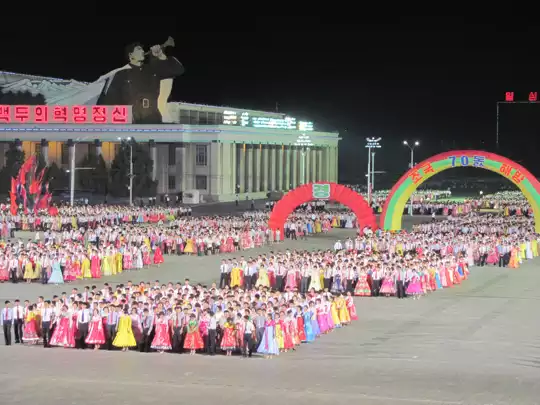
.jpg) Hi, I’m Johan (Netherlands 🇳🇱), the creator of TakeYourBackpack. Over the past decade, I’ve backpacked through 80+ countries across six continents, gaining extensive experience with independent travel, long-term trips, and overland routes.
Hi, I’m Johan (Netherlands 🇳🇱), the creator of TakeYourBackpack. Over the past decade, I’ve backpacked through 80+ countries across six continents, gaining extensive experience with independent travel, long-term trips, and overland routes.