Transport Hubs
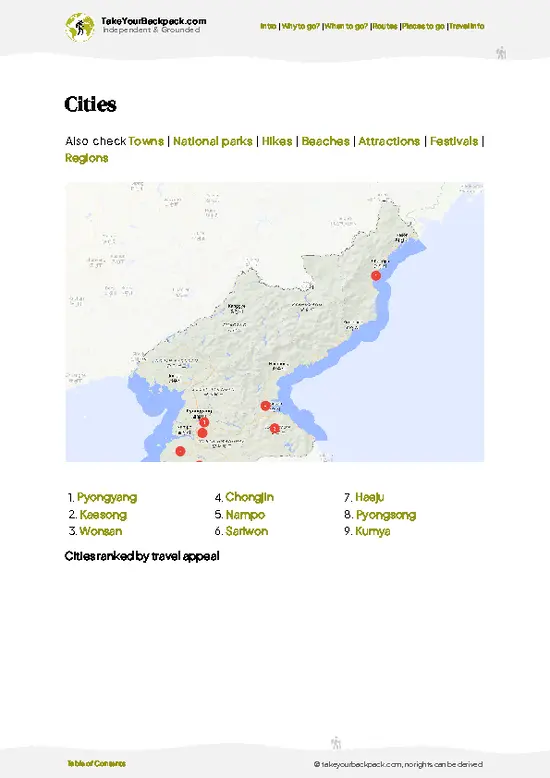
North Korea’s transport infrastructure is basic but functional. The primary entry points are Pyongyang and a few other cities, where you’ll find the most reliable train and bus services. Trains are the backbone of intercity travel, but schedules can be erratic. Expect delays and plan for flexibility. Buses are less reliable but can connect you to smaller towns. If you’re considering multiple cities, factor in travel time; it can eat into your exploration.
Urban Pacing
The pace of life in North Korean cities is markedly different from what you might be used to. Expect a slower rhythm, with less hustle and bustle. This can be refreshing but also challenging if you’re used to a packed itinerary. Prioritize your visits based on your interests. If you’re keen on cultural immersion, …
read more 👉Transport Hubs
North Korea’s transport infrastructure is basic but functional. The primary entry points are Pyongyang and a few other cities, where you’ll find the most reliable train and bus services. Trains are the backbone of intercity travel, but schedules can be erratic. Expect delays and plan for flexibility. Buses are less reliable but can connect you to smaller towns. If you’re considering multiple cities, factor in travel time; it can eat into your exploration.
Urban Pacing
The pace of life in North Korean cities is markedly different from what you might be used to. Expect a slower rhythm, with less hustle and bustle. This can be refreshing but also challenging if you’re used to a packed itinerary. Prioritize your visits based on your interests. If you’re keen on cultural immersion, spend more time in fewer cities. Rushing through multiple locations may lead to missed experiences and a superficial understanding of local life.
Local Costs
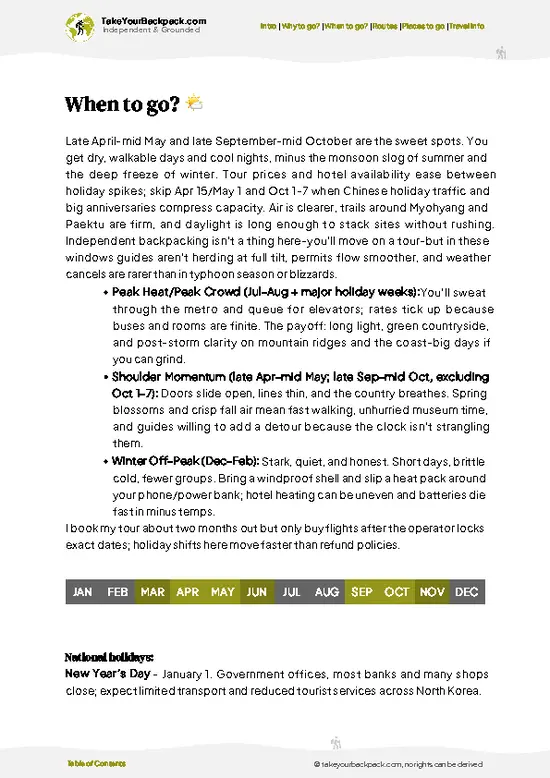
Costs in North Korea are generally low, but your spending will largely depend on your itinerary and the level of comfort you seek. Accommodation options range from basic guesthouses to more upscale hotels, with the latter offering better amenities but at a higher price. Meals are inexpensive, especially if you stick to local eateries. However, be prepared for limited choices and a lack of variety. If you’re on a tighter budget, focus on fewer cities to maximize your experience without overspending.
Exploring More Cities vs. Deeper Immersion
The trade-off between visiting more cities quickly versus immersing yourself in fewer locations is significant. If you choose to explore multiple cities, you’ll likely see a broader range of landscapes and cultural sites, but the experience may feel fragmented. On the other hand, spending more time in a single city allows for deeper connections with locals and a better understanding of daily life. Consider what you value more: breadth or depth.
Planning and Prioritizing Cities
When planning your trip, prioritize cities based on your interests—historical sites, cultural experiences, or natural beauty. Research the specific offerings of each location, as they can vary widely. Keep in mind that travel restrictions may limit your options, so flexibility is key. If you’re keen on a particular experience, such as a festival or local event, plan your visit around those dates.
Safety & Cultural Considerations
Safety is generally not a major concern, but cultural sensitivity is crucial. Respect local customs and be aware of the restrictions on photography and conversation topics. Engaging with locals can be rewarding, but tread carefully; not all topics are appropriate. Understanding the cultural context will enhance your experience and help you navigate social interactions more smoothly.
Conclusion
In North Korea, the journey is as important as the destination. Balancing your itinerary with realistic expectations will lead to a more enriching experience. Whether you choose to explore widely or dive deep, understanding the nuances of travel in this unique country will set you up for success.
v2.webp)
 Best Backpacking
.jpg) Hi, I’m Johan (Netherlands 🇳🇱), the creator of TakeYourBackpack. Over the past decade, I’ve backpacked through 80+ countries across six continents, gaining extensive experience with independent travel, long-term trips, and overland routes.
Hi, I’m Johan (Netherlands 🇳🇱), the creator of TakeYourBackpack. Over the past decade, I’ve backpacked through 80+ countries across six continents, gaining extensive experience with independent travel, long-term trips, and overland routes.