×

North Korea🇰🇵 | citiesPyongsongindustrial zones, academic institutes, transport hub | things to do and best time to go

Explore NampoExplore Pyongyang

Backpacking in Pyongsong
🏆 Top pickcity ranked #2
By Johan Kruseman 🇳🇱 | Updated June 11, 2026

Years ago, Pyongsong was a closed-off industrial satellite, its streets echoing with the clatter of factory shifts and the hush of officialdom. Today, for the rare traveler, it’s a different kind of threshold—less a destination, more a lens into North Korea’s quieter, workaday rhythms. Just north of Pyongyang, Pyongsong sits in the shadow of the capital, close enough for day trips but far enough to feel the air shift—less parade, more routine. For backpackers, Pyongsong is a practical waypoint: a place to catch your breath between the spectacle of Pyongyang and the rural sprawl further north. The town’s market, if you’re allowed in, hums with a low-key energy; the hills on the edge of town offer a glimpse of countryside that feels almost within reach. Don’t expect hostels or a café scene—nights are slow, socializing is rare, and you’ll move with your guide. Costs are bundled, safety is high, and compared to Sinuiju or Kaesong, Pyongsong feels more subdued, more utilitarian, but also more real.

Discover everything you want to know in the 📖 North Korea Travel Guide.
Safety warning

The current risk level for North Korea is high. Check the advice before going.


Get your North Korea guide
74 ranked highlights, routes & tips, works offline (296 pages)
Loading the map 🌍
CLICK TO FILTER
cities
towns
landmarks
national parks
hikes
beaches
attractions
festivals
regions
SHOW COUNTRY’S BESTSHOW ALL

✨ Why go?
Ranked #2 city in North Korea
Reasons people choose to visit here

Backpackers flock to Pyongsong for its strategic position as a launchpad for nearby hikes and cultural sites. The walkable streets invite exploration, where you can stumble upon local food experiences that showcase authentic flavors. Small-scale guesthouses offer a cozy atmosphere, perfect for solo travelers or small groups looking to connect. Most visitors stay briefly, using it as a stepping stone to more remote adventures, but those who linger find a surprisingly friendly social vibe. The town balances quiet moments with the thrill of discovery, making it ideal for slow travelers who appreciate the journey as much as the destination. If you’re after a genuine slice of North Korean life, Pyongsong is a worthwhile stop.
Want to include Pyongsong in your North Korea route?
Create a personalized North Korea itinerary that includes Pyongsong and the places that fit your trip — based on your travel style, budget, and available time. Get your route in seconds.

Generate my trip

💡 HighlightsPlaces and moments you shouldn't skip

  1. Pyongsong Central Market (Jangmadang) — The city’s busiest public marketplace, great for watching everyday commerce, seeing local produce, cheap street food, and informal small-business life that you won’t see in glossy guidebooks. Markets are where a city’s personality shows.
  2. South Pyongan Provincial Museum — The provincial museum typically holds local archeology, folk culture and exhibits about revolutionary history. It’s a compact place to get regional context beyond Pyongyang-level narratives.
  3. Pyongsong City Square & Monument — The central square with its civic monument and murals captures the civic ordering of public space in a DPRK provincial capital and is a good spot for people-watching and local photography (within rules).
  4. Pyongsong People’s Cultural House — A working cultural
read more 👉
  1. Pyongsong Central Market (Jangmadang) — The city’s busiest public marketplace, great for watching everyday commerce, seeing local produce, cheap street food, and informal small-business life that you won’t see in glossy guidebooks. Markets are where a city’s personality shows.
  2. South Pyongan Provincial Museum — The provincial museum typically holds local archeology, folk culture and exhibits about revolutionary history. It’s a compact place to get regional context beyond Pyongyang-level narratives.
  3. Pyongsong City Square & Monument — The central square with its civic monument and murals captures the civic ordering of public space in a DPRK provincial capital and is a good spot for people-watching and local photography (within rules).
  4. Pyongsong People’s Cultural House — A working cultural centre that hosts performances, films and exhibitions for locals; if your visit lines up with an event it’s one of the best ways to experience everyday cultural life.
  5. Pyongsong Municipal Stadium — Local sports and mass-gathering venue where you can observe local athletic events or rehearsals; stadiums show how national messages are staged on a community level.
  6. Pyongsong Railway Station — More than transit: a living, noisy slice of provincial movement. Short train visits (or station-side observations) reveal travel rhythms, luggage markets and how locals get around.
  7. Provincial Library / Reading Room — A quieter stop to see everyday education resources and how reading culture is organized locally; libraries are surprisingly revealing about local priorities and youth activities.
  8. Light-Industry or Food Processing Factory (organized visit) — Pyongsong has light industrial sites and food/pharmaceutical plants; organized, permitted factory visits give a hands-on look at local production and employment patterns.
  9. Local Revolutionary Memorial / Martyrs’ Tomb — Smaller, locally focused revolutionary memorials are common and provide historical context on wartime memory and local heroes; they’re compact but emotionally and culturally significant.
  10. University / Technical College Campus — A visit to a local higher-education campus (science/technical institutions in the area) shows student life, campus culture and educational priorities away from the capital.
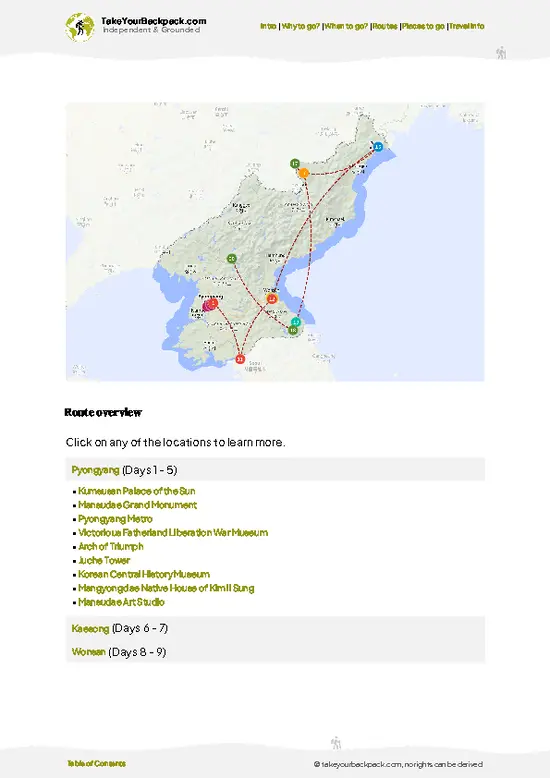
A few real, visitable highlights just outside Pyongsong worth day-tripping to are Pyongyang’s monuments and museums (Mansudae, Victorious Fatherland Liberation War Museum), the Nampo West Sea Barrage on the Taedong’s estuary, and the Nampo port area — the West Sea Barrage is my personal favorite for a raw, up-close look at large-scale DPRK engineering and great photos.
Spotted a mistake or missing something? Contact us.
🏘️ NeighborhoodsKey areas and districts to know

Pyongsong offers a unique glimpse into North Korean life, blending the everyday with the extraordinary. Here’s how to navigate its neighborhoods:

Central Pyongsong: This is the heartbeat of the town. The vibe is bustling yet manageable, with local shops and eateries lining the streets. Walkability is high, making it easy to explore on foot. Transport options are readily available, with buses connecting to major sites. Perfect for short stays, you can soak in the local culture without feeling rushed.

East Pyongsong: Quieter and more residential, this area gives you a taste of daily life. The atmosphere is relaxed, with fewer tourists and more locals going about their routines. It’s ideal for longer stays if you want to immerse yourself in the community. However, nightlife is minimal, so expect … read more 👉
Pyongsong offers a unique glimpse into North Korean life, blending the everyday with the extraordinary. Here’s how to navigate its neighborhoods:

Central Pyongsong: This is the heartbeat of the town. The vibe is bustling yet manageable, with local shops and eateries lining the streets. Walkability is high, making it easy to explore on foot. Transport options are readily available, with buses connecting to major sites. Perfect for short stays, you can soak in the local culture without feeling rushed.

East Pyongsong: Quieter and more residential, this area gives you a taste of daily life. The atmosphere is relaxed, with fewer tourists and more locals going about their routines. It’s ideal for longer stays if you want to immerse yourself in the community. However, nightlife is minimal, so expect peaceful evenings.

West Pyongsong: This area is more industrial, with a distinct vibe. While it may lack charm, it’s a hub for transport, making it easy to venture out. If you’re looking for a base to explore further afield, this is a practical choice, though not the most picturesque.

⌛️ 1 daySeeing the highlights in 24 hours

Pyongsong, a town just north of Pyongyang, offers a glimpse into everyday life in North Korea, away from the usual tourist spots. The atmosphere is a blend of industrious energy and quiet charm, with wide streets lined by simple, functional buildings.

Start your morning at the local market, where the scent of fresh produce mingles with the chatter of vendors. Here, you can find everything from seasonal fruits to handmade goods. Engage with locals; they’re often curious about visitors and willing to share a smile or a story. Afterward, stroll through the nearby residential neighborhoods. The architecture is utilitarian, but the gardens are vibrant, showcasing the effort families put into their small patches of green.

In the afternoon, head to the Kim Il-sung Square. It’s not as grand as … read more 👉
Pyongsong, a town just north of Pyongyang, offers a glimpse into everyday life in North Korea, away from the usual tourist spots. The atmosphere is a blend of industrious energy and quiet charm, with wide streets lined by simple, functional buildings.

Start your morning at the local market, where the scent of fresh produce mingles with the chatter of vendors. Here, you can find everything from seasonal fruits to handmade goods. Engage with locals; they’re often curious about visitors and willing to share a smile or a story. Afterward, stroll through the nearby residential neighborhoods. The architecture is utilitarian, but the gardens are vibrant, showcasing the effort families put into their small patches of green.

In the afternoon, head to the Kim Il-sung Square. It’s not as grand as its counterpart in Pyongyang, but it’s a hub of local activity. Watch as children play and families gather, absorbing the everyday rhythm of life. For a unique experience, visit the Pyongsong Revolutionary Museum, often overlooked by tourists. It offers fascinating insights into the town’s role in the country’s history, with exhibits that feel both personal and poignant.

As evening falls, find a local eatery to savor traditional Korean dishes. The warmth of the food and the hospitality of the staff create a perfect ending to your day. The light dims, and the town takes on a softer glow, reminding you that even in a place often shrouded in mystery, there’s a genuine human connection waiting to be discovered.
Turn your Pyongsong visit into an North Korea adventure
Build a complete North Korea route with Pyongsong, hidden gems, must-see destinations, and realistic travel times included.

Generate my trip

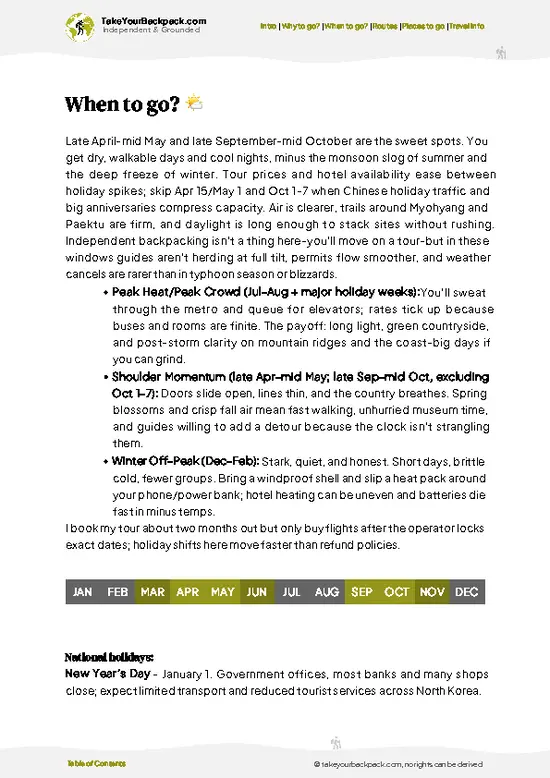
🌤️ When to go?Choosing the right time of year


  • Topic: Weather and Temperature — Spring (April to June) and autumn (September to October) offer the most comfortable temperatures, ranging from 10°C to 22°C (50°F to 72°F). Summers can be hot and humid, pushing 30°C (86°F), while winters plunge well below freezing, often below -10°C (14°F), making outdoor exploration tough.

  • Topic: Daylight Hours — In spring and autumn, daylight stretches around 12 to 14 hours, giving you ample time to roam without rushing. Winter days shrink to 9 hours or less, which can cramp your sightseeing plans.

  • Topic: Crowds — Pyongsong isn’t a tourist hotspot, but national holidays and major state events can swell local crowds, especially in summer. Visiting in shoulder seasons means fewer people and a quieter, more authentic vibe.

  • Topic: Seasonal Activities
read more 👉

  • Topic: Weather and Temperature — Spring (April to June) and autumn (September to October) offer the most comfortable temperatures, ranging from 10°C to 22°C (50°F to 72°F). Summers can be hot and humid, pushing 30°C (86°F), while winters plunge well below freezing, often below -10°C (14°F), making outdoor exploration tough.

  • Topic: Daylight Hours — In spring and autumn, daylight stretches around 12 to 14 hours, giving you ample time to roam without rushing. Winter days shrink to 9 hours or less, which can cramp your sightseeing plans.

  • Topic: Crowds — Pyongsong isn’t a tourist hotspot, but national holidays and major state events can swell local crowds, especially in summer. Visiting in shoulder seasons means fewer people and a quieter, more authentic vibe.

  • Topic: Seasonal Activities — Spring brings blooming flowers and fresh greenery, perfect for hiking and photography. Autumn’s crisp air and colorful foliage add texture to city walks. Winter’s harshness limits outdoor options but offers a stark, quiet beauty if you’re prepared.

  • Topic: Price Fluctuations — Prices for accommodations and guided tours tend to rise slightly during peak summer months and around national holidays. Shoulder seasons often provide better value without sacrificing experience quality.


Pro-tip: Aim for late spring or early autumn to catch Pyongsong at its most inviting—mild weather, decent daylight, and a calm atmosphere that lets you soak in the city’s unique rhythm without battling heat or crowds.


source: climatestotravel.comJANJanuary: below average for travelingFEBFebruary: below average for travelingMARMarch: good for travelingAPRApril: excellent for travelingMAYMay: excellent for travelingJUNJune: highly recommended for travelingJULJuly: fair for travelingAUGAugust: fair for travelingSEPSeptember: excellent for travelingOCTOctober: excellent for travelingNOVNovember: good for travelingDECDecember: below average for traveling
when-to-go

✈️ The backpacker research shortcutNorth Korea Travel Guide

An offline-friendly backpacking guide with optimized travel routes, ranked highlights, transport advice, and the best areas to stay.
example page 0 from our offline Travel Guide for North Korea
example page 1 from our offline Travel Guide for North Korea
example page 2 from our offline Travel Guide for North Korea
example page 3 from our offline Travel Guide for North Korea
example page 4 from our offline Travel Guide for North Korea
example page 5 from our offline Travel Guide for North Korea
example page 6 from our offline Travel Guide for North Korea
example page 7 from our offline Travel Guide for North Korea
The digital guide (296 pages) contains:
74 highlights, ranked by travel appeal
Optimized 5, 10 & 15-day travel routes
Cities, national parks, landmarks, beaches
How to get around
Offline-friendly for travel without Wi-Fi
👉 Click to see all 30+ guide features

📅 Plan smarter in minutes, not weeks
Month by month travel advice
Festivals & national holidays
Budget expectations

🗺️ Go to the right places, skip the overrated ones
Honest pros & cons of destinations
Top hikes, parks & viewpoints
Lesser-known places most travelers miss
Clear “worth it vs skip it” guidance

🛏️ Travel smoothly without rookie mistakes
Best areas to stay
Transport systems explained simply
Common scams & safety advice
SIM cards, money & practical tips

🌍 Understand the country, not just visit it
Culture & traditions
52 Essential phrases & customs
Festivals worth planning around
Traveler-friendly historical context
Insights that make places more meaningful

📱 Built for real travel conditions
Fully downloadable PDF
Works completely offline
Optimized for phone use
Useful in remote areas & buses
Everything in one place
Save weeks of stressful planning
Get instant access to your full guide. 30‑day money-back guarantee.


By proceeding you agree to our terms.
Sent to your inbox immediately after payment • 100% Secure Checkout
Best Backpacking Travel Advisor 2025 tourism awardBest Backpacking
Travel Advisor
2025
What others say about Take Your Backpack Guides:
⭐⭐⭐⭐⭐
Fantastic, amazing amount of information!
⭐⭐⭐⭐⭐
My goodness this is amazing, it's what I've been looking for hats off too you!
⭐⭐⭐⭐⭐
I think this is absolutely BRILLIANT
⭐⭐⭐⭐
Very complete and informative. It's still missing places, but I gotta to commend you
⭐⭐⭐⭐⭐
This is truly amazing, thank you, can't wait to explore it with my kids!
⭐⭐⭐⭐⭐
Awesome resource, thank you!
⭐⭐⭐⭐⭐
This is amazing! Can't wait to explore the ones I haven't seen
⭐⭐⭐⭐
I love this! Well done, great idea.
⭐⭐⭐⭐⭐
Thanks for taking the time to make this gem!
⭐⭐⭐⭐⭐
This might be the best website I've ever seen.
⭐⭐⭐⭐⭐
Congratulations, and thank you so much for your work; it's incredibly valuable.
⭐⭐⭐⭐
In all seriousness I think you did a great job pointing out the important spots
⭐⭐⭐⭐⭐
10/10 very good
⭐⭐⭐⭐⭐
As someone who's only just starting to visit regularly this is awesome, thank you.
⭐⭐⭐⭐
Thank you very much! I'm going to visit my dad, it's going to be very useful!
⭐⭐⭐⭐⭐
This is really cool! We'll be travelling for the first time and this definitely come in handy.
⭐⭐⭐⭐⭐
You are now our minister of culture, congratulations 👨‍💼
⭐⭐⭐⭐⭐
Just wanted to tell you that this is a pearl! Going to follow your recommendations.
⭐⭐⭐⭐⭐
This is so cool. I'll definitely be using the resource for my travels soon.
⭐⭐⭐⭐⭐
This is very impressive! Good work.
⭐⭐⭐⭐⭐
This is an amazing and informative site. Very well done!

🛏️ Where to stay?Where staying makes the most sense

Pyongsong is a city that feels like stepping into a quieter, more controlled rhythm of North Korea. For backpackers, the best place to stay is near the city center, where the pulse of daily life hums steadily without overwhelming. This area offers the clearest access to local markets, small eateries, and public squares where you can watch the city’s routine unfold—children in crisp uniforms, elderly men playing chess, and workers heading home as the light softens. Staying here means you’re close enough to the action to soak in the atmosphere but far enough from the government buildings and industrial … read more 👉
Pyongsong is a city that feels like stepping into a quieter, more controlled rhythm of North Korea. For backpackers, the best place to stay is near the city center, where the pulse of daily life hums steadily without overwhelming. This area offers the clearest access to local markets, small eateries, and public squares where you can watch the city’s routine unfold—children in crisp uniforms, elderly men playing chess, and workers heading home as the light softens. Staying here means you’re close enough to the action to soak in the atmosphere but far enough from the government buildings and industrial zones that dominate other parts of town.

Hostel options are limited, but the central neighborhood tends to have the fewest barriers for solo travelers, with guesthouses that cater to foreigners and a slightly more relaxed vibe. The streets here are safe, well-patrolled, and surprisingly walkable, with wide sidewalks and the occasional burst of street food aromas—think fried dumplings and sweet rice cakes—that make wandering after dark a quiet pleasure rather than a risk.

Avoid the outskirts where industrial complexes and military facilities create a sterile, tense environment. The city center’s blend of modest bustle and approachable locals offers a better chance to connect, even if only through shared smiles or brief exchanges. This is where Pyongsong’s understated character reveals itself, making your stay feel less like a checkpoint and more like a genuine stop on your journey.

🚌 Getting aroundHow to get from A to B

Pyongsong moves at its own rhythm, a blend of deliberate order and quiet patience. The streets don’t buzz with frantic urgency but hum with a steady, almost meditative pace. You won’t find a flood of neon signs or a rush-hour crush here; instead, the light filters softly through the haze, and the air carries a faint scent of pine and coal smoke. It’s a place where timing feels less like a strict schedule and more like a shared understanding — buses and trains run, but expect pauses, expect waiting, and you’ll find the flow rewarding rather than frustrating. This is a town where the journey is part of the experience, not just a means to an end.


  • Walking: Pyongsong’s compact center is best explored on foot. The streets are straightforward, with wide sidewalks and few cars, making walking
read more 👉
Pyongsong moves at its own rhythm, a blend of deliberate order and quiet patience. The streets don’t buzz with frantic urgency but hum with a steady, almost meditative pace. You won’t find a flood of neon signs or a rush-hour crush here; instead, the light filters softly through the haze, and the air carries a faint scent of pine and coal smoke. It’s a place where timing feels less like a strict schedule and more like a shared understanding — buses and trains run, but expect pauses, expect waiting, and you’ll find the flow rewarding rather than frustrating. This is a town where the journey is part of the experience, not just a means to an end.


  • Walking: Pyongsong’s compact center is best explored on foot. The streets are straightforward, with wide sidewalks and few cars, making walking both safe and scenic. Expect to cover most key spots within 30 to 45 minutes, soaking in the muted colors of Soviet-era architecture and the occasional burst of local market chatter.


  • City Buses: The backbone of local transit, city buses run roughly from 6:00 AM to 8:00 PM. They’re slow but reliable, with fares typically under 100 won, making them the cheapest way to reach neighborhoods beyond walking distance. The buses can be crowded during peak hours, so a bit of patience and a firm grip on the handrails are your best friends.


  • Shared Taxis: These minibuses or vans operate on fixed routes but leave only when full, blending the line between taxi and bus. They’re faster than city buses and cost around 200 to 300 won. The catch is the unpredictability of departure times, so if you’re in a hurry, this option demands flexibility and a willingness to wait for the vehicle to fill up.


  • Bicycles: Renting a bike is a smart move for budget travelers who want to cover more ground without losing the intimacy of street-level exploration. Rentals are affordable, around 500 to 1000 won per hour, and the terrain is mostly flat. Early mornings or late afternoons are the best times to ride, when the light softens and the air cools, turning the city into a quiet, almost cinematic scene.


  • Intercity Trains: For budget travelers aiming to connect Pyongsong with Pyongyang or other regional hubs, trains offer a slow but steady option. Departures are limited and schedules can be irregular, but tickets are cheap, often under 1000 won. The experience is raw and authentic — expect basic seating, a distinct metallic clatter, and the occasional whistle cutting through the stillness.

👛 Costs (as of 8 April 2026)Travel costs and budget guide for Pyongsong

Backpacking in Pyongsong, North Korea, is a unique experience where costs reflect the controlled and limited tourism infrastructure, making it quite different from typical backpacker destinations.
  • Dorm Accommodation: Options are extremely limited and usually tied to government-run guesthouses or arranged through official tours. Expect to pay around $30 to $50 USD per night. These places are basic, with minimal amenities, but clean and functional. Independent travelers rarely find cheaper alternatives.
  • Meals: Food options are sparse and mostly consist of local Korean dishes served in state-run restaurants. Meals typically cost between $5 and $10 USD. The taste is simple, often rice, kimchi, and some form of protein, with little variation. Bringing snacks from outside can save money and add
read more 👉
Backpacking in Pyongsong, North Korea, is a unique experience where costs reflect the controlled and limited tourism infrastructure, making it quite different from typical backpacker destinations.
  • Dorm Accommodation: Options are extremely limited and usually tied to government-run guesthouses or arranged through official tours. Expect to pay around $30 to $50 USD per night. These places are basic, with minimal amenities, but clean and functional. Independent travelers rarely find cheaper alternatives.
  • Meals: Food options are sparse and mostly consist of local Korean dishes served in state-run restaurants. Meals typically cost between $5 and $10 USD. The taste is simple, often rice, kimchi, and some form of protein, with little variation. Bringing snacks from outside can save money and add comfort.
  • Local Transport: Public transport is minimal and not tourist-friendly. Most travel within Pyongsong happens via arranged vehicles or taxis, costing roughly $10 to $20 USD per trip depending on distance. Walking is often the best way to soak in the atmosphere and avoid extra costs.
  • Basic Activities/Entry Fees: Tourist activities are tightly controlled and usually bundled into official tour packages. Entry fees for museums or cultural sites range from $5 to $15 USD. Independent exploration is limited, so these fees are often unavoidable if you want to see anything beyond the streets.
  • Miscellaneous Expenses: This includes bottled water, small souvenirs, or tips. Bottled water can cost around $1 to $2 USD, and souvenirs are rare and usually overpriced, so budget about $5 to $10 USD daily for extras.

All told, expect a daily budget between $55 and $95 USD. This isn’t a place for spontaneous wandering or budget hacks; the costs reflect the controlled environment and limited options. The payoff is in the rare glimpse behind one of the world’s most closed doors, where every step feels deliberate and every detail counts.


source: korea-dpr.com
⚠️ Prices can change and everyone travels differently, so take this as a rough guide. Hope it helps you plan your adventure!

🚌 Day tripsWhere to go beyond the main area

Using Pyongsong as a base for day trips opens up a unique window into North Korea’s culture and landscapes. The town itself is a quieter alternative to the bustling capital, offering a more authentic experience. Here are some worthwhile day trips that will enrich your journey.

Kaesong
Just a couple of hours away, Kaesong is steeped in history. You’ll wander through the ancient streets, where the scent of traditional Korean food wafts from local eateries. The highlight is the Koryo Museum, showcasing artifacts from the Goryeo Dynasty. Expect to pay around $10 for transport and entry fees. Spring and autumn are ideal for comfortable weather. A common mistake is underestimating the time needed for security checks; plan for an early start to soak it all in.
👉 Explore Kaesong

Mount Kumgangread more 👉
Using Pyongsong as a base for day trips opens up a unique window into North Korea’s culture and landscapes. The town itself is a quieter alternative to the bustling capital, offering a more authentic experience. Here are some worthwhile day trips that will enrich your journey.

Kaesong
Just a couple of hours away, Kaesong is steeped in history. You’ll wander through the ancient streets, where the scent of traditional Korean food wafts from local eateries. The highlight is the Koryo Museum, showcasing artifacts from the Goryeo Dynasty. Expect to pay around $10 for transport and entry fees. Spring and autumn are ideal for comfortable weather. A common mistake is underestimating the time needed for security checks; plan for an early start to soak it all in.
👉 Explore Kaesong

Mount Kumgang
This stunning mountain range is about a three-hour drive from Pyongsong. The air is crisp, and the views are jaw-dropping. Hiking trails vary from easy strolls to challenging climbs, so there’s something for everyone. Bring a packed lunch to enjoy amidst the breathtaking scenery. Costs can run around $15 for transport and park entry. Late spring is particularly beautiful, with wildflowers in bloom. First-timers often forget to check the weather; a rainy day can dampen the experience.
👉 Explore Mount Kumgang

Pyongyang
A day trip to the capital is a must. It’s only about an hour away by bus. You’ll find a mix of grand monuments and local life. Don’t miss the iconic Kim Il-sung Square and the Arch of Triumph. Budget around $20 for transport and entry fees. The best time to visit is during the spring festivals when the city comes alive. Many travelers overlook the importance of guided tours; they provide context that enriches your understanding.
👉 Explore Pyongyang

Chongjin
For the adventurous, Chongjin offers a glimpse into North Korea’s industrial heart. It’s a longer journey, taking about four hours, but the experience is unique. You’ll see factories and local markets, giving you a real sense of daily life. Expect to spend around $25 on transport. Late summer is best for vibrant local produce. A common pitfall is not engaging with locals; they can offer insights that enhance your visit.
👉 Explore Chongjin
Want to know what more North Korea offers?
The North Korea Travel Guide describes 74 highlights, from cities to national parks, from beaches to hikes

Get the Travel Guide -

🍲 FoodEating & Drinking in Pyongsong

In Pyongsong, food and drink are a quiet but revealing window into daily life. The city’s signature dishes lean heavily on simple, hearty flavors—think bowls of cold noodles (naengmyeon) with a tangy, icy broth that cuts through the summer heat, or steamy rice cakes (tteok) simmered in a subtly sweet soy sauce. These aren’t just meals; they’re a taste of local rhythm, where every bite feels deliberate and unpretentious.

Backpackers won’t find a bustling street food scene like in other Asian cities, but the markets and casual eateries offer a chance to sit down with locals over a shared meal. Expect communal tables and a quiet hum of conversation, where the focus is on the food and company rather than flashy presentation. The aroma of simmering broths and grilled fish hangs in the air, inviting … read more 👉
In Pyongsong, food and drink are a quiet but revealing window into daily life. The city’s signature dishes lean heavily on simple, hearty flavors—think bowls of cold noodles (naengmyeon) with a tangy, icy broth that cuts through the summer heat, or steamy rice cakes (tteok) simmered in a subtly sweet soy sauce. These aren’t just meals; they’re a taste of local rhythm, where every bite feels deliberate and unpretentious.

Backpackers won’t find a bustling street food scene like in other Asian cities, but the markets and casual eateries offer a chance to sit down with locals over a shared meal. Expect communal tables and a quiet hum of conversation, where the focus is on the food and company rather than flashy presentation. The aroma of simmering broths and grilled fish hangs in the air, inviting you to slow down and savor.

Drinking culture here is understated but meaningful. Soju, the clear rice spirit, is the go-to drink, often accompanied by rounds of toasts that demand eye contact and a respectful nod. Pouring for others before yourself is a must—this small ritual speaks volumes about respect and connection. Cafés are sparse but cozy, serving simple black coffee or sweetened tea, perfect for a reflective pause amid your explorations.

In Pyongsong, eating and drinking aren’t just about sustenance—they’re a quiet conversation with the city’s soul.

🛡️ SafetySafety Tips and Common Scams in Pyongsong

In Pyongsong, safety is generally solid, but awareness is key. Stick to well-trodden paths and avoid wandering into less populated areas, especially after dark. Solo travelers should remain vigilant; the streets can feel eerily quiet at night.

While scams are rare, be cautious of overly friendly locals who might want to engage you in conversation, as they could be looking for a way to draw you into a situation that feels uncomfortable.

Carry yourself confidently, maintain a friendly demeanor, and respect local customs. This approach not only helps you blend in but also enhances your experience, making interactions more genuine and enjoyable.

Other North Korean cities near Pyongsong

Explore more nearby:

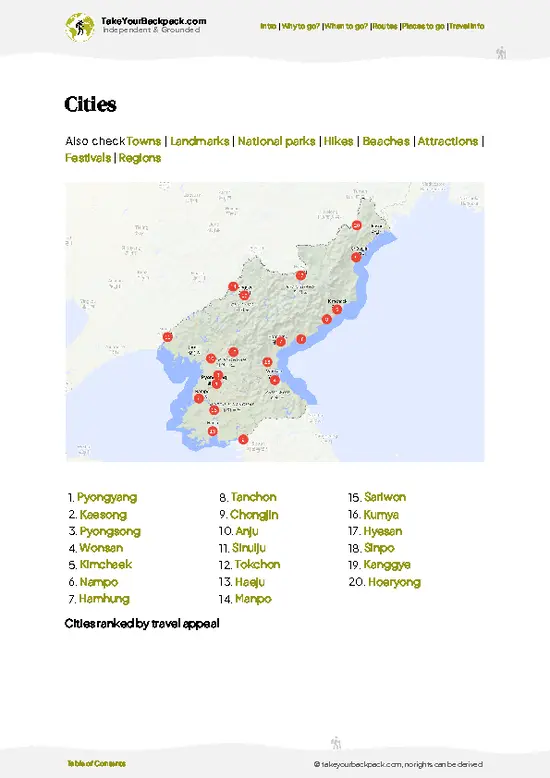
  • Pyongyang—monumental architecture, central squares, state museums| 21 km away
  • Anju—coal mining, riverside industry, worker districts| 44 km away
  • Tokchon—agricultural plains, collective farms, local markets| 67 km away

💡 Not sure where to go next?
Create a personalized itinerary for North Korea including Pyongsong and the places that fit your trip.

Generate my itinerary

👉 Discover all cities

Or checkout all North Korea has to offer (think cities, towns, villages, national parks, hikes, beaches, festivals)
Country photo of North Korea

We 💚 feedbackFinal thoughts on visiting Pyongsong

Pyongsong offers a rare glimpse into daily life in North Korea, where the air is thick with the scent of street food and the sounds of laughter echo in the parks. But be ready for strict regulations; spontaneity is a luxury here. Embrace the challenge, and you’ll find a deeper understanding of a world few get to see.

✈️ When did I visit North Korea?
As part of my 1.5 year travel around the world trip, I visited North Korea in August 2015. I had never expected I was able to get in.

✍️ Help improve this page!
The information on this page is based on my own backpacking experience in North Korea, supplemented with up-to-date research and feedback from other travelers. Travel details can change, so if you notice anything outdated or incomplete, feel free to let me know.


🙋‍♂️ Give feedback

👋 Meet the founderWho’s Behind Take Your Backpack?

Johan, backpacker and founder of TakeYourBackpackHi, I’m Johan (Netherlands 🇳🇱), the creator of TakeYourBackpack. Over the past decade, I’ve backpacked through 80+ countries across six continents, gaining extensive experience with independent travel, long-term trips, and overland routes.

This site is built on a combination of firsthand travel experience and carefully curated insights from other backpackers. Many guides are based on places I’ve personally visited, while others bring together tips, observations, and practical advice shared by trusted travelers I’ve met along the way.

The goal is to provide realistic, experience-driven guidance — not generic itineraries — so you can explore destinations with better context, clearer expectations, and more confidence.

Get full country guide •
Instant download • 74 highlights • Full Offline guide