
1. The Real Face of the Highlands: Tribal Artifacts and Everyday Tools
Forget the sanitized glass cases you find in big-city museums. The J.K. McCarthy Museum is a crash course in what Papua New Guinea’s Highlands actually look and feel like—raw, layered, and unapologetically real. You’ll see battle shields still scarred from tribal skirmishes, intricately carved axes, and ceremonial masks that have actually been danced in, not just displayed. This isn’t a curated Instagram fantasy; it’s a tactile, slightly chaotic collection that tells you more about the region’s soul in ten minutes than a week of tourist brochures ever could.
2. The Cannibalism Exhibit: Confronting the Taboo
Yes, there’s a section on cannibalism. No, it’s not sensationalized for shock value. The museum tackles the subject … read more 👉
Forget the sanitized glass cases you find in big-city museums. The J.K. McCarthy Museum is a crash course in what Papua New Guinea’s Highlands actually look and feel like—raw, layered, and unapologetically real. You’ll see battle shields still scarred from tribal skirmishes, intricately carved axes, and ceremonial masks that have actually been danced in, not just displayed. This isn’t a curated Instagram fantasy; it’s a tactile, slightly chaotic collection that tells you more about the region’s soul in ten minutes than a week of tourist brochures ever could.
2. The Cannibalism Exhibit: Confronting the Taboo
Yes, there’s a section on cannibalism. No, it’s not sensationalized for shock value. The museum tackles the subject … read more 👉
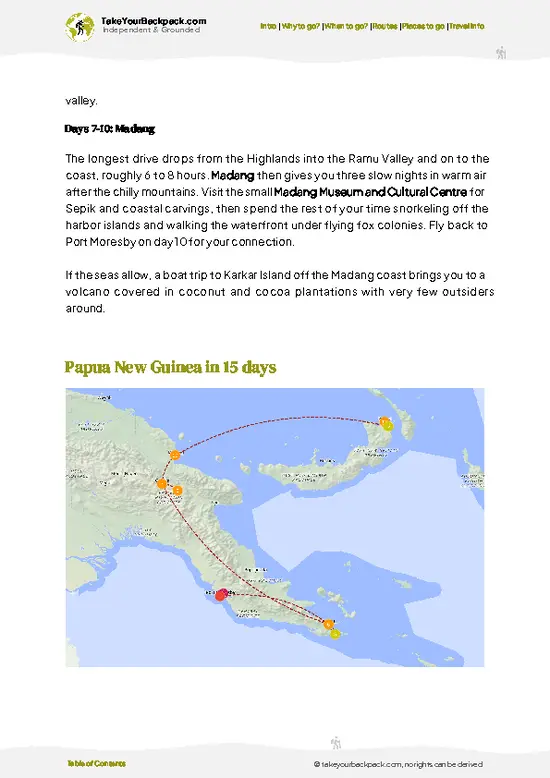
1. The Real Face of the Highlands: Tribal Artifacts and Everyday Tools
Forget the sanitized glass cases you find in big-city museums. The J.K. McCarthy Museum is a crash course in what Papua New Guinea’s Highlands actually look and feel like—raw, layered, and unapologetically real. You’ll see battle shields still scarred from tribal skirmishes, intricately carved axes, and ceremonial masks that have actually been danced in, not just displayed. This isn’t a curated Instagram fantasy; it’s a tactile, slightly chaotic collection that tells you more about the region’s soul in ten minutes than a week of tourist brochures ever could.
2. The Cannibalism Exhibit: Confronting the Taboo
Yes, there’s a section on cannibalism. No, it’s not sensationalized for shock value. The museum tackles the subject head-on, with artifacts and stories that force you to confront the region’s not-so-distant past. Expect to see tools and utensils that were actually used, plus honest context about why and how these practices existed. It’s uncomfortable, but it’s also one of the most honest museum displays you’ll ever see—no sugarcoating, no moralizing, just the facts and the humanity behind them.
3. WWII Relics: War in the Highlands
If you think Papua New Guinea’s only claim to WWII fame is the Kokoda Track, you’re missing the bigger picture. The museum’s collection of rusted helmets, dog tags, and battered weapons brings the global conflict down to a personal, local scale. You’ll see how the war crashed into the Highlands, leaving behind not just relics but stories of alliances, betrayals, and survival that still echo in the region’s collective memory.
4. The Quirky, Unfiltered Display Style
This isn’t the Louvre, and thank goodness for that. The J.K. McCarthy Museum is gloriously unpolished. Labels are handwritten, displays are sometimes a little crooked, and the lighting is whatever was working that day. But that’s exactly the charm: you’re not being spoon-fed a narrative. You’re left to wander, discover, and interpret. It feels more like rummaging through a local’s attic than ticking off a checklist, and that’s where the real magic happens.
5. The Human Stories: Photographs and Personal Accounts
The museum’s collection of black-and-white photographs and written testimonies is where the Highlands’ history gets personal. These aren’t staged portraits—they’re snapshots of real people, real ceremonies, and real moments of joy, grief, and resilience. If you want to understand Goroka beyond the festival masks and market stalls, this is where you start. The stories are sometimes messy, often moving, and always authentic.
Forget the sanitized glass cases you find in big-city museums. The J.K. McCarthy Museum is a crash course in what Papua New Guinea’s Highlands actually look and feel like—raw, layered, and unapologetically real. You’ll see battle shields still scarred from tribal skirmishes, intricately carved axes, and ceremonial masks that have actually been danced in, not just displayed. This isn’t a curated Instagram fantasy; it’s a tactile, slightly chaotic collection that tells you more about the region’s soul in ten minutes than a week of tourist brochures ever could.
2. The Cannibalism Exhibit: Confronting the Taboo
Yes, there’s a section on cannibalism. No, it’s not sensationalized for shock value. The museum tackles the subject head-on, with artifacts and stories that force you to confront the region’s not-so-distant past. Expect to see tools and utensils that were actually used, plus honest context about why and how these practices existed. It’s uncomfortable, but it’s also one of the most honest museum displays you’ll ever see—no sugarcoating, no moralizing, just the facts and the humanity behind them.
3. WWII Relics: War in the Highlands
If you think Papua New Guinea’s only claim to WWII fame is the Kokoda Track, you’re missing the bigger picture. The museum’s collection of rusted helmets, dog tags, and battered weapons brings the global conflict down to a personal, local scale. You’ll see how the war crashed into the Highlands, leaving behind not just relics but stories of alliances, betrayals, and survival that still echo in the region’s collective memory.
4. The Quirky, Unfiltered Display Style
This isn’t the Louvre, and thank goodness for that. The J.K. McCarthy Museum is gloriously unpolished. Labels are handwritten, displays are sometimes a little crooked, and the lighting is whatever was working that day. But that’s exactly the charm: you’re not being spoon-fed a narrative. You’re left to wander, discover, and interpret. It feels more like rummaging through a local’s attic than ticking off a checklist, and that’s where the real magic happens.
5. The Human Stories: Photographs and Personal Accounts
The museum’s collection of black-and-white photographs and written testimonies is where the Highlands’ history gets personal. These aren’t staged portraits—they’re snapshots of real people, real ceremonies, and real moments of joy, grief, and resilience. If you want to understand Goroka beyond the festival masks and market stalls, this is where you start. The stories are sometimes messy, often moving, and always authentic.
Spotted a mistake or missing something? Contact us.
v2.webp)

Best Backpacking
Hi, I’m Johan (Netherlands 🇳🇱), the creator of TakeYourBackpack. Over the past decade, I’ve backpacked through 80+ countries across six continents, gaining extensive experience with independent travel, long-term trips, and overland routes.