

×

Papua New Guinea🇵🇬 | attractionsKokopo War Museummilitary vehicles, WWII relics, Japanese tunnels, battlefield artifacts | things to do and best time to go

Explore Rabao Historical MuseumExplore Madang Museum and Cultural Centre

Backpacking in Kokopo War Museum
🌟 Highlightattraction ranked #4
By Johan Kruseman 🇳🇱 | Updated September 4, 2026

Here’s what nobody tells you until you’re standing there: Kokopo War Museum is one of the rare places in Papua New Guinea where you can actually get up close—like, hands-on close—to WWII relics without a velvet rope or a security guard breathing down your neck. It’s tucked away in Kokopo, East New Britain, a short drive from the airport but a world away from the chaos of Port Moresby or the touristy buzz of Rabaul’s volcanoes. Let’s be blunt: this isn’t a polished, air-conditioned Smithsonian. The tanks and rusted planes are scattered outdoors, half-swallowed by jungle, and the museum’s main building is more shed than gallery. But that’s the magic. You feel the weight of history here—raw, unfiltered, and weirdly intimate. It’s cheap to enter, rarely crowded, and the staff are genuinely happy to chat if you’re curious. Compared to the country’s headline-grabbing dive sites or mountain treks, Kokopo War Museum is low-key, but it punches above its weight for anyone who wants the real, unvarnished story of PNG’s past.

Discover everything you want to know in the 📖 Papua New Guinea Travel Guide.
Loading the map 🌍
CLICK TO FILTER
cities
towns
national parks
hikes
beaches
attractions
festivals
regions
SHOW COUNTRY’S BESTSHOW ALL

✨ Why go?
Ranked #4 attraction in Papua New Guinea
Why Kokopo War Museum should be on your travel list

The Kokopo War Museum in Papua New Guinea isn’t your typical tourist pit stop. Forget the glossy Instagram shots; this place is raw, gritty, and packed with real history that hits hard. It’s not just about old tanks and faded photos—it’s a living archive of the Pacific theater in World War II, where the stakes were life and death, and the echoes still linger. Backpackers who make the trek here aren’t just ticking a box; they’re stepping into a pivotal chapter of global history that shaped the region’s identity. The museum’s location in Kokopo, a town rebuilt from the ashes of volcanic destruction, adds a layer of resilience and rebirth that you won’t find in guidebooks.

Yes, it’s off the beaten path and can be a logistical headache, but that’s part of the appeal. The crowds are minimal, so … read more 👉
The Kokopo War Museum in Papua New Guinea isn’t your typical tourist pit stop. Forget the glossy Instagram shots; this place is raw, gritty, and packed with real history that hits hard. It’s not just about old tanks and faded photos—it’s a living archive of the Pacific theater in World War II, where the stakes were life and death, and the echoes still linger. Backpackers who make the trek here aren’t just ticking a box; they’re stepping into a pivotal chapter of global history that shaped the region’s identity. The museum’s location in Kokopo, a town rebuilt from the ashes of volcanic destruction, adds a layer of resilience and rebirth that you won’t find in guidebooks.

Yes, it’s off the beaten path and can be a logistical headache, but that’s part of the appeal. The crowds are minimal, so you get space to absorb the stories without the usual tourist noise. The effort-to-reward ratio is high—this isn’t a flashy attraction, but the emotional payoff is profound. For anyone serious about understanding Papua New Guinea beyond the surface, the Kokopo War Museum is a milestone. It’s a place where history isn’t just learned; it’s felt.
Want to include Kokopo War Museum in your Papua New Guinea route?
Create a personalized Papua New Guinea itinerary that includes Kokopo War Museum and the places that fit your trip — based on your travel style, budget, and available time. Get your route in seconds.

Generate my trip

💡 HighlightsDon't-miss highlights and experiences

1. The Outdoor Tank Graveyard
Let’s cut through the Instagram haze: the real showstopper at Kokopo War Museum is the open-air graveyard of WWII relics. You’re not peering at tanks from behind velvet ropes—these rusted hulks of Japanese and Allied armor are scattered across the grass, battered by tropical rain and sun. You can walk right up, touch the pitted steel, and see the bullet holes and battle scars up close. It’s raw, unsanitized history—no glass cases, no airbrushing. If you want to feel the weight of the Pacific War, this is where it hits you in the gut.


2. The Aircraft Skeletons
Forget polished museum pieces. Here, the remains of Japanese Zero fighters and Allied bombers lie half-swallowed by jungle. Some are little more than twisted aluminum and faded insignia, but that’s the point: … read more 👉
1. The Outdoor Tank Graveyard
Let’s cut through the Instagram haze: the real showstopper at Kokopo War Museum is the open-air graveyard of WWII relics. You’re not peering at tanks from behind velvet ropes—these rusted hulks of Japanese and Allied armor are scattered across the grass, battered by tropical rain and sun. You can walk right up, touch the pitted steel, and see the bullet holes and battle scars up close. It’s raw, unsanitized history—no glass cases, no airbrushing. If you want to feel the weight of the Pacific War, this is where it hits you in the gut.


2. The Aircraft Skeletons
Forget polished museum pieces. Here, the remains of Japanese Zero fighters and Allied bombers lie half-swallowed by jungle. Some are little more than twisted aluminum and faded insignia, but that’s the point: you’re seeing the aftermath, not the Hollywood version. It’s a rare, unfiltered look at the machinery of war, left to the mercy of the elements. The entertainment factor? It’s the thrill of discovery—every plane tells a story, and you’re the one piecing it together.


3. The Weapons and Ammunition Dump
Inside the museum’s modest building, you’ll find racks of rifles, machine guns, and mortars, many still caked with mud. There’s no slick lighting or dramatic music—just the cold, hard reality of what soldiers carried and used. Some of the ammunition is shockingly intact. It’s a hands-on, up-close encounter with the tools of conflict, and it’s as sobering as it is fascinating. This isn’t a sanitized history lesson; it’s the real thing, scars and all.


4. The Local War Stories and Artifacts
This is where Kokopo War Museum pulls away from the pack. Alongside the military gear, you’ll find personal items—dog tags, letters, battered helmets—collected from the surrounding villages. The staff, often descendants of those who lived through the war, are quick to share stories you won’t find in any guidebook. It’s these human details—the faded photograph, the hand-written note—that turn a pile of relics into a living, breathing history lesson. If you want to understand how WWII shaped Papua New Guinea, this is the beating heart of the museum.


5. The Unfiltered Setting
Here’s the kicker: the museum itself is rough around the edges. The grass is patchy, the signage is hit-or-miss, and the jungle is always threatening to reclaim the lot. But that’s exactly what makes it real. There’s no curated narrative, no attempt to tidy up the past. You’re walking through history as it actually is—messy, unfinished, and unforgettable for all the right reasons. If you’re tired of airbrushed attractions, Kokopo War Museum is the antidote.
Spotted a mistake or missing something? Contact us.

🌤️ When to go?Weather, crowds, and seasonal trade-offs


  • Topic: Weather – Papua New Guinea’s Kokopo War Museum sits in a tropical climate, so expect heat and humidity year-round. The dry season from May to October is your best bet for manageable weather, with less rain and fewer mudslides. The wet season, November to April, brings heavy rains that can make travel tricky and dampen your museum visit.

  • Topic: Temperature – Temperatures hover between 24°C to 31°C (75°F to 88°F) throughout the year. The dry season feels more comfortable, especially in the mornings and evenings, while the wet season can feel sticky and oppressive.

  • Topic: Daylight Hours – Daylight is pretty consistent, roughly 11 to 12 hours daily, with sunrise around 6 AM and sunset near 6 PM. Plan your visit early to avoid the midday heat and maximize your time exploring the museum
read more 👉

  • Topic: Weather – Papua New Guinea’s Kokopo War Museum sits in a tropical climate, so expect heat and humidity year-round. The dry season from May to October is your best bet for manageable weather, with less rain and fewer mudslides. The wet season, November to April, brings heavy rains that can make travel tricky and dampen your museum visit.

  • Topic: Temperature – Temperatures hover between 24°C to 31°C (75°F to 88°F) throughout the year. The dry season feels more comfortable, especially in the mornings and evenings, while the wet season can feel sticky and oppressive.

  • Topic: Daylight Hours – Daylight is pretty consistent, roughly 11 to 12 hours daily, with sunrise around 6 AM and sunset near 6 PM. Plan your visit early to avoid the midday heat and maximize your time exploring the museum and surrounding areas.

  • Topic: Crowds – This isn’t a tourist hotspot, so crowds are minimal year-round. However, local holidays and school breaks in July and August might bring a slight uptick in visitors, mostly locals rather than international tourists.

  • Topic: Seasonal Activities – The dry season aligns with local festivals and cultural events, offering a richer context to your visit. These months also make it easier to explore nearby battlefields and natural sites without weather disruptions.

  • Topic: Price Fluctuations – Expect stable prices year-round for entry and local services. The biggest cost swings come from flights and accommodation, which are cheaper in the wet season but come with the trade-off of less reliable weather.


Pro-tip: Aim for June to September to dodge the rain, enjoy cooler mornings, and catch local cultural events that add layers to your Kokopo War Museum experience.


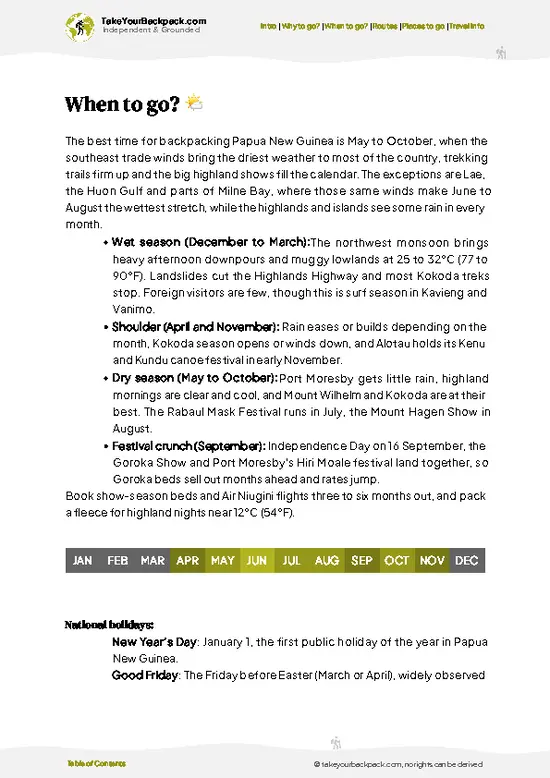
source: climatestotravel.comJANJanuary: fair for travelingFEBFebruary: fair for travelingMARMarch: fair for travelingAPRApril: fair for travelingMAYMay: highly recommended for travelingJUNJune: excellent for travelingJULJuly: highly recommended for travelingAUGAugust: highly recommended for travelingSEPSeptember: excellent for travelingOCTOctober: highly recommended for travelingNOVNovember: fair for travelingDECDecember: fair for traveling
papua-new-guinea-attraction-kokopo-war-museum
© Google |

✈️ The backpacker research shortcutPapua New Guinea Travel Guide

An offline-friendly backpacking guide with optimized travel routes, ranked highlights, transport advice, and the best areas to stay.
example page 0 from our offline Travel Guide for Papua New Guinea
example page 1 from our offline Travel Guide for Papua New Guinea
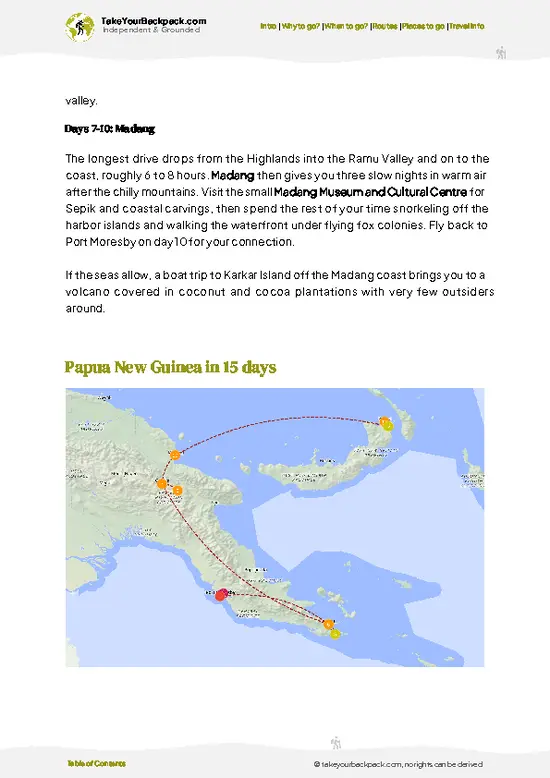
example page 2 from our offline Travel Guide for Papua New Guinea
example page 3 from our offline Travel Guide for Papua New Guinea
example page 4 from our offline Travel Guide for Papua New Guinea
example page 5 from our offline Travel Guide for Papua New Guinea
example page 6 from our offline Travel Guide for Papua New Guinea
example page 7 from our offline Travel Guide for Papua New Guinea
The digital guide (319 pages) contains:
86 highlights, ranked by travel appeal
Optimized 5, 10 & 15-day travel routes
Cities, national parks, landmarks, beaches
How to get around
Offline-friendly for travel without Wi-Fi
👉 Click to see all 30+ guide features

📅 Plan smarter in minutes, not weeks
Month by month travel advice
Festivals & national holidays
Budget expectations

🗺️ Go to the right places, skip the overrated ones
Honest pros & cons of destinations
Top hikes, parks & viewpoints
Lesser-known places most travelers miss
Clear “worth it vs skip it” guidance

🛏️ Travel smoothly without rookie mistakes
Best areas to stay
Transport systems explained simply
Common scams & safety advice
SIM cards, money & practical tips

🌍 Understand the country, not just visit it
Culture & traditions
52 Essential phrases & customs
Festivals worth planning around
Traveler-friendly historical context
Insights that make places more meaningful

📱 Built for real travel conditions
Fully downloadable PDF
Works completely offline
Optimized for phone use
Useful in remote areas & buses
Everything in one place
Save weeks of stressful planning
Get instant access to your full guide. 30‑day money-back guarantee.
+ Add another guide for just US$7.80

By proceeding you agree to our terms.
Sent to your inbox immediately after payment • 100% Secure Checkout
Best Backpacking Travel Advisor 2025 tourism awardBest Backpacking
Travel Advisor
2025
What others say about Take Your Backpack Guides:
⭐⭐⭐⭐⭐
Fantastic, amazing amount of information!
⭐⭐⭐⭐⭐
My goodness this is amazing, it's what I've been looking for hats off too you!
⭐⭐⭐⭐⭐
I think this is absolutely BRILLIANT
⭐⭐⭐⭐
Very complete and informative. It's still missing places, but I gotta to commend you
⭐⭐⭐⭐⭐
This is truly amazing, thank you, can't wait to explore it with my kids!
⭐⭐⭐⭐⭐
Awesome resource, thank you!
⭐⭐⭐⭐⭐
This is amazing! Can't wait to explore the ones I haven't seen
⭐⭐⭐⭐
I love this! Well done, great idea.
⭐⭐⭐⭐⭐
Thanks for taking the time to make this gem!
⭐⭐⭐⭐⭐
This might be the best website I've ever seen.
⭐⭐⭐⭐⭐
Congratulations, and thank you so much for your work; it's incredibly valuable.
⭐⭐⭐⭐
In all seriousness I think you did a great job pointing out the important spots
⭐⭐⭐⭐⭐
10/10 very good
⭐⭐⭐⭐⭐
As someone who's only just starting to visit regularly this is awesome, thank you.
⭐⭐⭐⭐
Thank you very much! I'm going to visit my dad, it's going to be very useful!
⭐⭐⭐⭐⭐
This is really cool! We'll be travelling for the first time and this definitely come in handy.
⭐⭐⭐⭐⭐
You are now our minister of culture, congratulations 👨‍💼
⭐⭐⭐⭐⭐
Just wanted to tell you that this is a pearl! Going to follow your recommendations.
⭐⭐⭐⭐⭐
This is so cool. I'll definitely be using the resource for my travels soon.
⭐⭐⭐⭐⭐
This is very impressive! Good work.
⭐⭐⭐⭐⭐
This is an amazing and informative site. Very well done!

🛏️ Where to stay?Where staying makes the most sense

Kokopo War Museum is a magnet for history buffs, but let’s cut through the Instagram gloss: this isn’t a polished tourist hub. The area around Kokopo is raw, real, and yes, a bit rough around the edges. Crowds? Not really a problem here—this isn’t a tourist hotspot swarming with selfie sticks. But safety and comfort can be hit or miss if you don’t pick your spot wisely.

For backpackers, the best places to stay are in Kokopo town itself, within easy reach of the museum. This is where you’ll find the pulse of local life, a handful of budget guesthouses, and a chance to connect with other travelers … read more 👉
Kokopo War Museum is a magnet for history buffs, but let’s cut through the Instagram gloss: this isn’t a polished tourist hub. The area around Kokopo is raw, real, and yes, a bit rough around the edges. Crowds? Not really a problem here—this isn’t a tourist hotspot swarming with selfie sticks. But safety and comfort can be hit or miss if you don’t pick your spot wisely.

For backpackers, the best places to stay are in Kokopo town itself, within easy reach of the museum. This is where you’ll find the pulse of local life, a handful of budget guesthouses, and a chance to connect with other travelers and locals alike. It’s social enough to meet people but not so busy that you lose the authentic vibe. The key is to stay in areas with a visible local presence and some basic amenities—think small markets, local eateries, and a few communal hangouts where you can swap stories over a cold drink.

Avoid the outskirts where infrastructure thins out and safety can become a concern after dark. Kokopo’s charm is in its gritty, lived-in feel, and staying close to the town center puts you right in the mix of that energy. It’s not luxury, but it’s real—and that’s what makes the experience worth it.

👛 Costs (as of 4 September 2026)Typical daily expenses

The Kokopo War Museum charges an entrance fee of approximately €5 to €10. Additional costs may include guided tours or special exhibitions, which can vary.

source: kbb.com.pg
⚠️ Prices can change and everyone travels differently, so take this as a rough guide. Hope it helps you plan your adventure!

FAQTraveler FAQ

1 to 2 hours is sufficient to visit Kokopo War Museum. This allows time to explore the exhibits and read the informational displays without rushing. The museum is compact but detailed, so plan accordingly.
Yes, Kokopo War Museum is worth the entrance fee, which is typically around 10 to 15 Papua New Guinean Kina. It offers valuable insights into World War II history in the region with authentic artifacts and well-preserved exhibits. The educational value and unique local perspective justify the cost.
To get to Kokopo War Museum, travel to Kokopo town in East New Britain Province, Papua New Guinea. From Kokopo, the museum is accessible by a short taxi ride or local transport, usually within 5 kilometers from the town center. The nearest major airport is Hoskins Airport, about 45 kilometers away.
⚠️ Things can change over time, so always validate details locally before you go.

Other Papua New Guinean attractions near Kokopo War Museum

Explore more nearby:


💡 Not sure where to go next?
Create a personalized itinerary for Papua New Guinea including Kokopo War Museum and the places that fit your trip.

Generate my itinerary

👉 Discover all attractions

Or checkout all Papua New Guinea has to offer (think cities, towns, villages, national parks, hikes, beaches, festivals)
Country photo of Papua New Guinea

We 💚 feedbackKey takeaways before you go

The Kokopo War Museum isn’t a polished tourist spot, and yes, it can feel a bit raw and rough around the edges. Don’t expect crowds or fancy displays—this place is about gritty history, told by locals who lived it. The real surprise? The way the stories stick with you, long after you leave. It’s not a flashy photo op, but if you want to understand the scars and resilience of Papua New Guinea, this museum hits deeper than most. Just bring patience and respect; it’s worth it.

✍️ Help improve this page!
The information on this page is based on in-depth research, insights shared by experienced travelers, and feedback from the local travel community in Papua New Guinea. While every effort is made to keep the information accurate and current, conditions can change — so if you spot anything incorrect or outdated, please get in touch.


🙋‍♂️ Give feedback

👋 Meet the founderWho’s Behind Take Your Backpack?

Johan, backpacker and founder of TakeYourBackpackHi, I’m Johan (Netherlands 🇳🇱), the creator of TakeYourBackpack. Over the past decade, I’ve backpacked through 80+ countries across six continents, gaining extensive experience with independent travel, long-term trips, and overland routes.

This site is built on a combination of firsthand travel experience and carefully curated insights from other backpackers. Many guides are based on places I’ve personally visited, while others bring together tips, observations, and practical advice shared by trusted travelers I’ve met along the way.

The goal is to provide realistic, experience-driven guidance — not generic itineraries — so you can explore destinations with better context, clearer expectations, and more confidence.

Get full country guide •
Instant download • 86 highlights • Full Offline guide