×

Papua New Guinea🇵🇬 | regionsMisima IslandLouisiade coast tracks, drop-off reefs, dawn fishing, old gold mine | things to do and best time to go

Explore Kiriwina IslandExplore Duke of York Islands

Backpacking in Misima Island
👌 Worth visitingregion ranked #18
By Johan Kruseman 🇳🇱 | Updated October 15, 2026

Misima Island is a former gold-mining island in the Louisiade Archipelago, in the southeast of Papua New Guinea, reached by flight or boat from Alotau. Expect empty sand, clear shallows, reef edges and almost no tourist infrastructure. Food and beds are basic, getting here costs real money, and swimming spots vary with local tides. Pack curiosity and cash. Independent travelers who love self-made adventure will thrive; anyone wanting resorts, nightlife or schedules will not.

Discover everything you want to know in the 📖 Papua New Guinea Travel Guide.


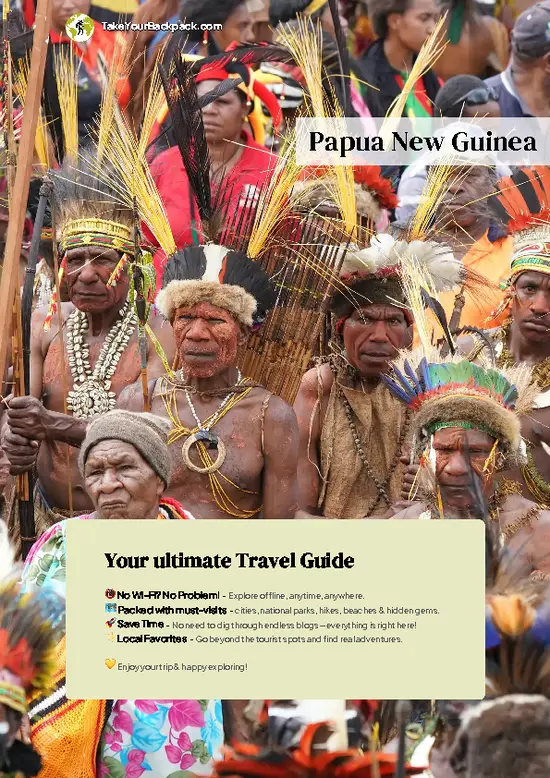
example page 0 from our offline Travel Guide for Papua New Guinea
example page 1 from our offline Travel Guide for Papua New Guinea
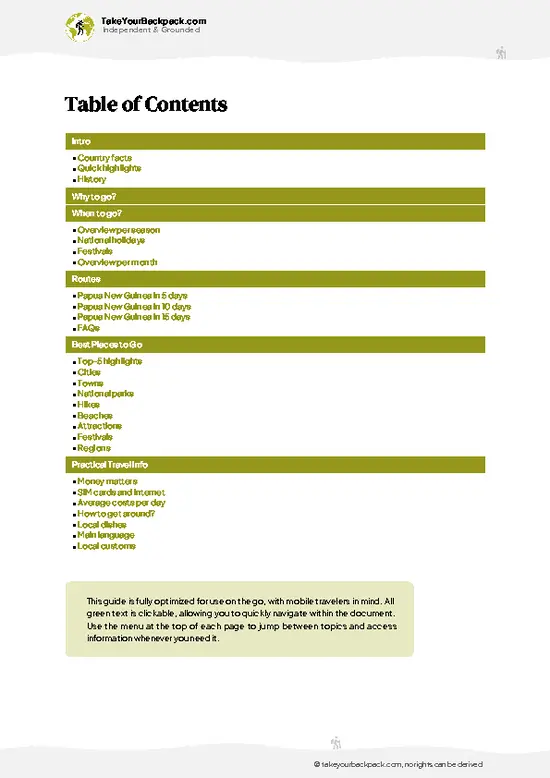
example page 2 from our offline Travel Guide for Papua New Guinea
example page 3 from our offline Travel Guide for Papua New Guinea
example page 4 from our offline Travel Guide for Papua New Guinea
example page 5 from our offline Travel Guide for Papua New Guinea
example page 6 from our offline Travel Guide for Papua New Guinea
example page 7 from our offline Travel Guide for Papua New Guinea
Loading the map 🌍
CLICK TO FILTER
cities
towns
national parks
hikes
beaches
attractions
festivals
regions
SHOW COUNTRY’S BESTSHOW ALL

✨ Why go?
Ranked #18 region in Papua New Guinea
Reasons people choose to visit here

Backpackers come to Misima for the sheer remoteness. Nobody is selling you a Louisiade Archipelago package here, so you share the sand with villagers, fishing canoes and the occasional reef-bound boat rather than other travelers. The island's old gold-mining history gives the coast a story beyond swimming: rusted relics, mine-town roads and locals who remember the boom years. It also works as a stepping stone for islanders' boat routes across the archipelago, so you meet people moving between islands, trade stores and guesthouses, and you leave with invitations and tips no guidebook carries.

💡 HighlightsWhat this place is best known for

  1. Reef snorkeling off the village shores: Coral drop-offs sit close to the beach in clear water, with schools of reef fish and few other swimmers in sight.
  2. Walking the coastal sand between villages: Foot tracks link small settlements, and you pass gardens, outrigger canoes pulled up on the shore and children who will want to know your name.
  3. Watching outrigger fishing at dawn: Villagers paddle out early and return with catch you can often buy straight off the sand for a meal.
  4. Exploring the old mine area near Bwagaoia: The former gold-mining operation left roads, pits and rusting equipment, giving the island an industrial backdrop unlike most Pacific beaches.
  5. Evening on the sand with locals: There is no nightlife scene, so the night is stars, village fires and conversation if you are invited to join
… read more 👉
  1. Reef snorkeling off the village shores: Coral drop-offs sit close to the beach in clear water, with schools of reef fish and few other swimmers in sight.
  2. Walking the coastal sand between villages: Foot tracks link small settlements, and you pass gardens, outrigger canoes pulled up on the shore and children who will want to know your name.
  3. Watching outrigger fishing at dawn: Villagers paddle out early and return with catch you can often buy straight off the sand for a meal.
  4. Exploring the old mine area near Bwagaoia: The former gold-mining operation left roads, pits and rusting equipment, giving the island an industrial backdrop unlike most Pacific beaches.
  5. Evening on the sand with locals: There is no nightlife scene, so the night is stars, village fires and conversation if you are invited to join in.
Skip the mine area if time is short, and spend it in the water instead.
Spotted a mistake or missing something? Contact us.

⌛️ 5 daysWhat you can realistically do in a week

The island runs on PMV trucks and the odd boat, so mornings are for moving and afternoons are for lying under a tree while the heat peaks. Plan around that rhythm.
Day 1: Bwagaoia: Start in the main town on the southeast corner. Stock up at the stores, change cash, and hire a PMV for the days ahead, since stock is thinner farther out. Walk the waterfront in the late afternoon when it cools.
Day 2: Abaleti: Ride out along the island road toward the old mine area, where the closed gold mine (shut in 2004) has left terraced hillsides and a strange quiet. Locals will point out what remains. Slow movement here pays off because trucks run sparsely.
Day 3 to 4: Coastal villages: Arrange a guesthouse or village stay and spend two days swimming and snorkeling over reef edges. Staying put saves you from … read more 👉
The island runs on PMV trucks and the odd boat, so mornings are for moving and afternoons are for lying under a tree while the heat peaks. Plan around that rhythm.
Day 1: Bwagaoia: Start in the main town on the southeast corner. Stock up at the stores, change cash, and hire a PMV for the days ahead, since stock is thinner farther out. Walk the waterfront in the late afternoon when it cools.
Day 2: Abaleti: Ride out along the island road toward the old mine area, where the closed gold mine (shut in 2004) has left terraced hillsides and a strange quiet. Locals will point out what remains. Slow movement here pays off because trucks run sparsely.
Day 3 to 4: Coastal villages: Arrange a guesthouse or village stay and spend two days swimming and snorkeling over reef edges. Staying put saves you from chasing unreliable rides.
Day 5: Bwagaoia: Return to town for onward flights or boats.

Detour: hire a dinghy for a half-day reef trip to a nearby islet, easy to fit between villages.

If one day justifies the trip, make it Day 3, when you finally stop traveling and the reef takes over.

🌤️ When to go?Choosing the right time of year

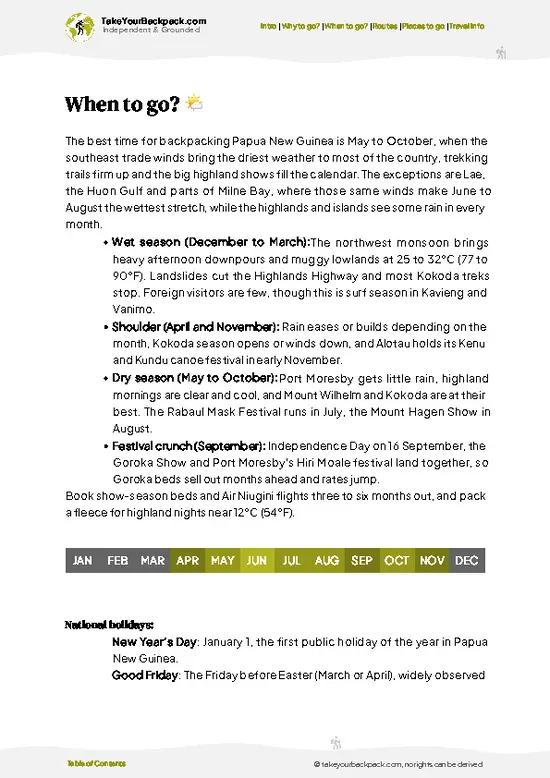
  • Dry Season (May to November): Southeast trade winds bring lower rain, calmer mornings and the clearest water for snorkeling. Highs run 28 to 31°C (82 to 88°F), nights 23 to 25°C (73 to 77°F).
  • Wet Season (December to April): Heavy squalls, humidity and the odd cyclone swell. Boats and flights get canceled, and roads turn muddy.
  • Crowds and Prices: Visitors are few year-round, mostly officials and church workers, so beds and boat charters barely shift. Daylight stays near 12 hours.
Book a seat on the weekly flight from Port Moresby or Alotau well ahead, since schedules slip.

source: climatestotravel.comJANJanuary: below average for travelingFEBFebruary: below average for travelingMARMarch: below average for travelingAPRApril: fair for travelingMAYMay: excellent for travelingJUNJune: excellent for travelingJULJuly: excellent for travelingAUGAugust: excellent for travelingSEPSeptember: excellent for travelingOCTOctober: excellent for travelingNOVNovember: fair for travelingDECDecember: below average for traveling
when-to-go

✈️ The backpacker research shortcutPapua New Guinea Travel Guide

An offline-friendly backpacking guide with optimized travel routes, ranked highlights, transport advice, and the best areas to stay.
example page 0 from our offline Travel Guide for Papua New Guinea
example page 1 from our offline Travel Guide for Papua New Guinea
example page 2 from our offline Travel Guide for Papua New Guinea
example page 3 from our offline Travel Guide for Papua New Guinea
example page 4 from our offline Travel Guide for Papua New Guinea
example page 5 from our offline Travel Guide for Papua New Guinea
example page 6 from our offline Travel Guide for Papua New Guinea
example page 7 from our offline Travel Guide for Papua New Guinea
The digital guide (251 pages) contains:
✅ 81 highlights, ranked by travel appeal
✅ Optimized 5, 10 & 15-day travel routes
✅ Cities, national parks, landmarks, beaches
✅ How to get around
✅ Offline-friendly for travel without Wi-Fi
👉 Click to see all 30+ guide features

📅 Plan smarter in minutes, not weeks
✅ Month by month travel advice
✅ Festivals & national holidays
✅ Budget expectations

🗺️ Go to the right places, skip the overrated ones
✅ Honest pros & cons of destinations
✅ Top hikes, parks & viewpoints
✅ Lesser-known places most travelers miss
✅ Clear “worth it vs skip it” guidance

🛏️ Travel smoothly without rookie mistakes
✅ Best areas to stay
✅ Transport systems explained simply
✅ Common scams & safety advice
✅ SIM cards, money & practical tips

🌍 Understand the country, not just visit it
✅ Culture & traditions
✅ 52 Essential phrases & customs
✅ Festivals worth planning around
✅ Traveler-friendly historical context
✅ Insights that make places more meaningful

📱 Built for real travel conditions
✅ Fully downloadable PDF
✅ Works completely offline
✅ Optimized for phone use
✅ Useful in remote areas & buses
✅ Everything in one place
Stop searching, start planning
Get instant access to your full guide. 30‑day money-back guarantee.
+ Add another guide for just

By proceeding you agree to our terms.
Sent to your inbox immediately after payment • 100% Secure Checkout
Best Backpacking Travel Advisor 2025 tourism awardBest Backpacking
Travel Advisor
2025
What others say about Take Your Backpack Guides:
⭐⭐⭐⭐⭐
Fantastic, amazing amount of information!
⭐⭐⭐⭐⭐
My goodness this is amazing, it's what I've been looking for hats off too you!
⭐⭐⭐⭐⭐
I think this is absolutely BRILLIANT
⭐⭐⭐⭐
Very complete and informative. It's still missing places, but I gotta to commend you
⭐⭐⭐⭐⭐
This is truly amazing, thank you, can't wait to explore it with my kids!
⭐⭐⭐⭐⭐
Awesome resource, thank you!
⭐⭐⭐⭐⭐
This is amazing! Can't wait to explore the ones I haven't seen
⭐⭐⭐⭐
I love this! Well done, great idea.
⭐⭐⭐⭐⭐
Thanks for taking the time to make this gem!
⭐⭐⭐⭐⭐
This might be the best website I've ever seen.
⭐⭐⭐⭐⭐
Congratulations, and thank you so much for your work; it's incredibly valuable.
⭐⭐⭐⭐
In all seriousness I think you did a great job pointing out the important spots
⭐⭐⭐⭐⭐
10/10 very good
⭐⭐⭐⭐⭐
As someone who's only just starting to visit regularly this is awesome, thank you.
⭐⭐⭐⭐
Thank you very much! I'm going to visit my dad, it's going to be very useful!
⭐⭐⭐⭐⭐
This is really cool! We'll be travelling for the first time and this definitely come in handy.
⭐⭐⭐⭐⭐
You are now our minister of culture, congratulations 👨‍💼
⭐⭐⭐⭐⭐
Just wanted to tell you that this is a pearl! Going to follow your recommendations.
⭐⭐⭐⭐⭐
This is so cool. I'll definitely be using the resource for my travels soon.
⭐⭐⭐⭐⭐
This is very impressive! Good work.
⭐⭐⭐⭐⭐
This is an amazing and informative site. Very well done!

🛏️ Where to stay?Best areas to stay in Papua New Guinea

The area around Bwagaoia, the main town on the southeast corner of the island, is the practical base for backpackers on Misima. It has the airstrip access, the market, a few small stores, trade stores for supplies and guesthouses where you meet officials, teachers and church workers. Transport to other beaches starts here, mostly by hired truck or dinghy. For something quieter, ask in coastal villages such as Boiou or Ewena about village stays. Families rent simple bush-material rooms, you eat what they cook, and you pay a modest nightly fee in kina. Solo travelers are safest when a local host … read more 👉
The area around Bwagaoia, the main town on the southeast corner of the island, is the practical base for backpackers on Misima. It has the airstrip access, the market, a few small stores, trade stores for supplies and guesthouses where you meet officials, teachers and church workers. Transport to other beaches starts here, mostly by hired truck or dinghy. For something quieter, ask in coastal villages such as Boiou or Ewena about village stays. Families rent simple bush-material rooms, you eat what they cook, and you pay a modest nightly fee in kina. Solo travelers are safest when a local host introduces them around, and it is polite to arrange your visit with the village leader first.

🚌 Getting aroundMoving around without the hassle

A ride in a PMV (the open-backed truck or minibus that serves as public transport) costs roughly US$1 to 3 for a typical hop around Bwagaoia and the nearby road, and you pay the driver or his crew in kina cash once you are on board or at the end of the ride.
Most backpackers stick to the island's few roads by PMV and use boats for everything else, and that works, though schedules bend to fuel, weather and how full the vehicle is.
  • PMV trucks: They run the road out of Bwagaoia on the southeast corner, cost US$1 to 5 depending on how far you go, and leave when full. The seats are hard and the dust is real, but nothing gives you more island per dollar, so climb in and grab a spot near the cab.
  • Dinghies and banana boats: Local operators link coastal villages and nearby islands for about US$10 to 40
… read more 👉
A ride in a PMV (the open-backed truck or minibus that serves as public transport) costs roughly US$1 to 3 for a typical hop around Bwagaoia and the nearby road, and you pay the driver or his crew in kina cash once you are on board or at the end of the ride.
Most backpackers stick to the island's few roads by PMV and use boats for everything else, and that works, though schedules bend to fuel, weather and how full the vehicle is.
  • PMV trucks: They run the road out of Bwagaoia on the southeast corner, cost US$1 to 5 depending on how far you go, and leave when full. The seats are hard and the dust is real, but nothing gives you more island per dollar, so climb in and grab a spot near the cab.
  • Dinghies and banana boats: Local operators link coastal villages and nearby islands for about US$10 to 40 a seat or charter, depending on the distance and the fuel. You pay more and get splashed, but it is the fastest way to reach places the road never touches, and the views are worth the soaking.
  • Inter-island ships and flights: Coastal cargo-passenger ships connect Misima to the mainland for roughly US$40 to 80 over a day or more, in basic deck space or cabins. Small planes into the airstrip near Bwagaoia cost more, often US$150 and up, but save you days. Take the ship if you have time and want the adventure.
  • Walking: Coastal tracks between villages cost nothing and carry you past gardens and beaches. Go early before the heat climbs.
Ask around the market in Bwagaoia the day before you plan to move, since drivers and boat owners share their plans there.

🍲 FoodEating & Drinking in Misima Island

Eat what the sea and gardens give you. Fresh reef fish arrives grilled over coals or boiled in coconut milk, sweet and smoky, often beside taro, yam and sweet potato that soak up the broth. Banana and greens cooked in coconut cream fill out a plate. In Bwagaoia, the market sells produce, smoked fish and cheap scone-like fried dough for under US$1, and small trade stores stock rice and tinned fish. Drink green coconut straight from the husk. Share what you have, accept offered food with your right hand, and carry your own snacks for village stays, where meals depend on what was harvested that day.

🛡️ SafetyStaying Safe: What Travelers Should Know

Misima’s beaches are generally calm and quiet, with villagers fishing and kids swimming near the shore. Currents are mild inside the fringing reef, but gaps in the reef channel can pull strongly, so ask locals where they swim. Saltwater crocodiles are a real consideration near river mouths and mangroves, so keep out of murky estuaries. Sun is intense from mid-morning, so swim early or late. Leave valuables at your lodging, and always ask permission before using a village beach, since land is customary owned.

FAQFrequently asked questions about Misima Island

Fly to Misima’s Bwagaoia airstrip from Port Moresby or Alotau with PNG’s domestic carrier, usually a 1 to 2 hour flight on a few flights a week. The cheaper, slower option is a cargo or passenger boat from Alotau, around 12 to 24 hours depending on weather and schedule. On the island, hire a truck or dinghy from Bwagaoia to reach beaches, typically K50 to 200 (US$13 to 52) by negotiation.
Snorkeling is the standout, with fringing reefs, clear water and healthy coral off many villages, best from May to November. Surfing is not an established activity and there are no rental shops, so bring your own gear if you try. Swim inside the reef and avoid river mouths because of saltwater crocodiles, and ask villagers to point out safe spots.
Beaches are not ticketed, but land belongs to local clans, so expect to ask permission and pay a small fee. Budget K10 to 50 (US$3 to 13) per person for access, a guide or a canoe ride across to reefs. Village hosts appreciate payment in cash, so carry small kina notes from Alotau or Port Moresby, since banking on the island is limited.
⚠️ Things can change over time, so always validate details locally before you go.

Other Papua New Guinean regions near Misima Island

Explore more nearby:

  • Kiriwina Island—Trobriand cricket, calm lagoons, canoe carvers, string band evenings| 298 km away
  • Milne Bay—Carved canoe prows, Trobriand yam houses, Solomon Sea islands, volcanic hot springs| 298 km away
  • Kimbe Bay—Coral walls, seamounts, jetty snorkeling, Willaumez hot springs| 659 km away

💡 Not sure where to go next?
Create a personalized itinerary for Papua New Guinea including Misima Island and the places that fit your trip.

Generate my itinerary

👉 Discover all regions

Or checkout all Papua New Guinea has to offer (think cities, towns, villages, national parks, hikes, beaches, festivals)
Country photo of Papua New Guinea

We 💚 feedbackWhat to keep in mind

The classic mistake is arriving with no cash and no flexibility, then discovering there is no ATM on the beach. Bring plenty of small kina notes, ask villagers before swimming or camping on any stretch, and build in spare days for delayed boats.

✍️ Help improve this page!
The information on this page is based on in-depth research, insights shared by experienced travelers, and feedback from the local travel community in Papua New Guinea. While every effort is made to keep the information accurate and current, conditions can change — so if you spot anything incorrect or outdated, please get in touch.


🙋‍♂️ Give feedback

👋 Meet the founderWho’s Behind Take Your Backpack?

Johan, backpacker and founder of TakeYourBackpackHi, I’m Johan (Netherlands 🇳🇱), the creator of TakeYourBackpack. Over the past 3 decades, I’ve backpacked through 90+ countries across six continents, gaining extensive experience with independent travel, long-term trips, and overland routes.

This site is built on a combination of firsthand travel experience and carefully curated insights from other backpackers. Many guides are based on places I’ve personally visited, while others bring together tips, observations, and practical advice shared by trusted travelers I’ve met along the way.

The goal is to provide realistic, experience-driven guidance — not generic itineraries — so you can explore destinations with better context, clearer expectations, and more confidence.