×

Peru🇵🇪 | citiesChulucanasBurnished pottery, family workshops, mango market, quiet plaza | things to do and best time to go

Explore Tingo MaríaExplore Carnaval de Cajamarca

Backpacking in Chulucanas
👀 For curious travelerscity ranked #17
By Johan Kruseman 🇳🇱 | Updated October 19, 2026

Chulucanas suits curious travelers who like craft towns and a slow look at everyday Peru, and it will disappoint anyone chasing big sights or nightlife. It sits in the north of Peru, in the Piura region, inland from the coast. I expected dusty quiet. Instead, I walked past a workshop where a potter was rubbing a clay pot with a smooth stone until it gleamed like polished leather. Spend your time in the ceramic workshops and the plaza. Skip anything that needs a tight schedule. Craft lovers will like it most, party seekers won’t.

Discover everything you want to know in the 📖 Peru Travel Guide.


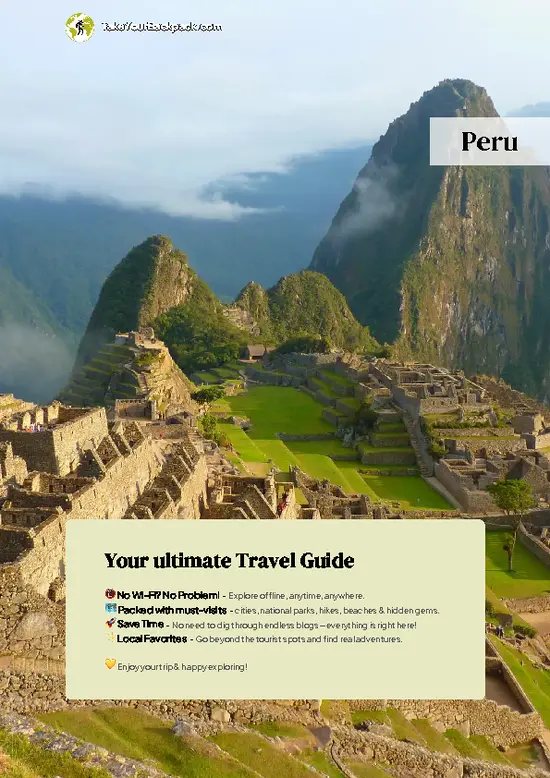
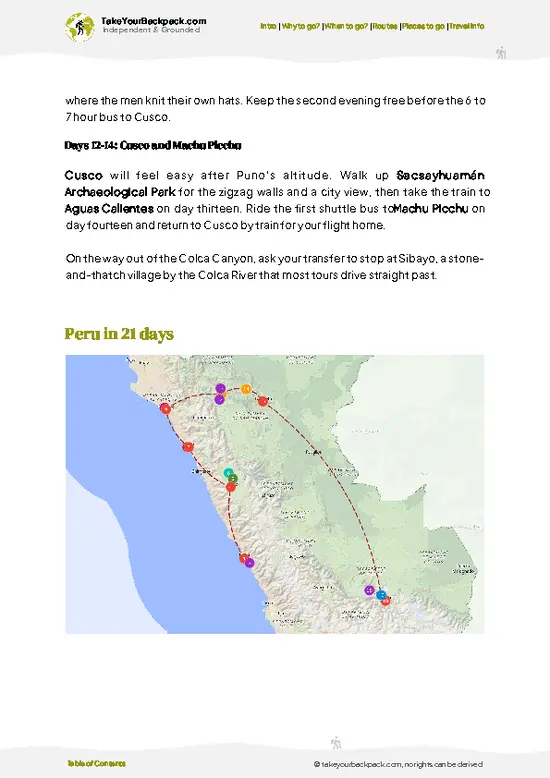
example page 0 from our offline Travel Guide for Peru
example page 1 from our offline Travel Guide for Peru
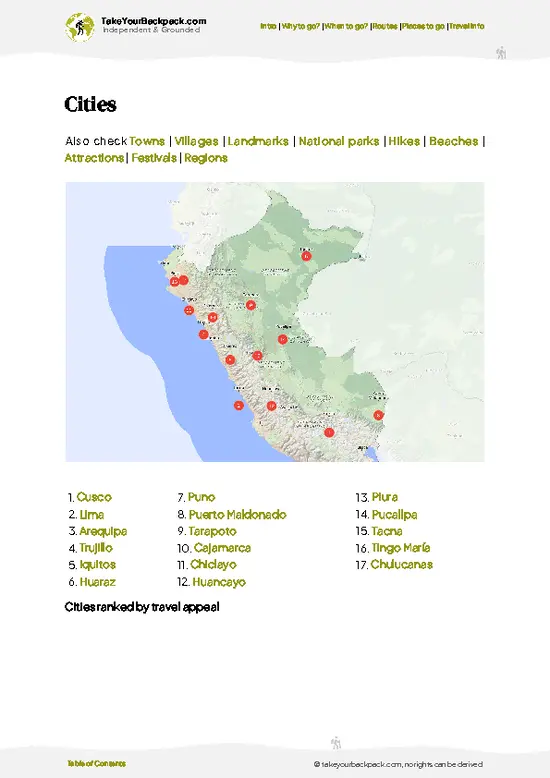
example page 2 from our offline Travel Guide for Peru
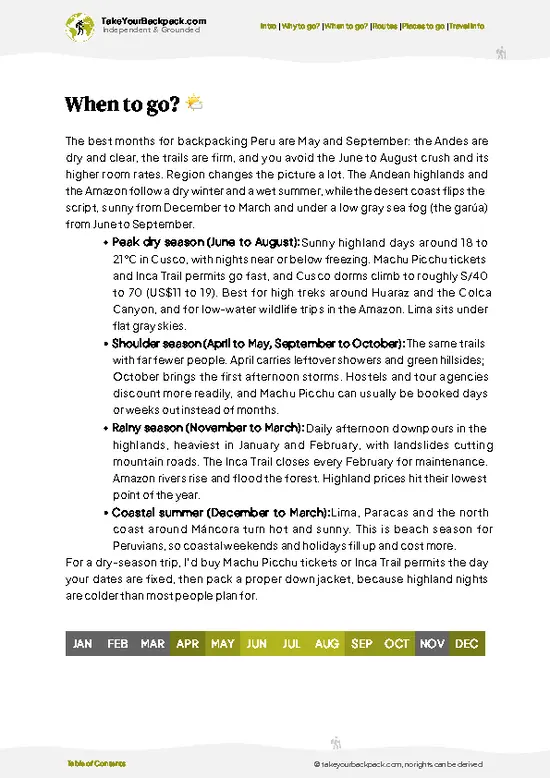
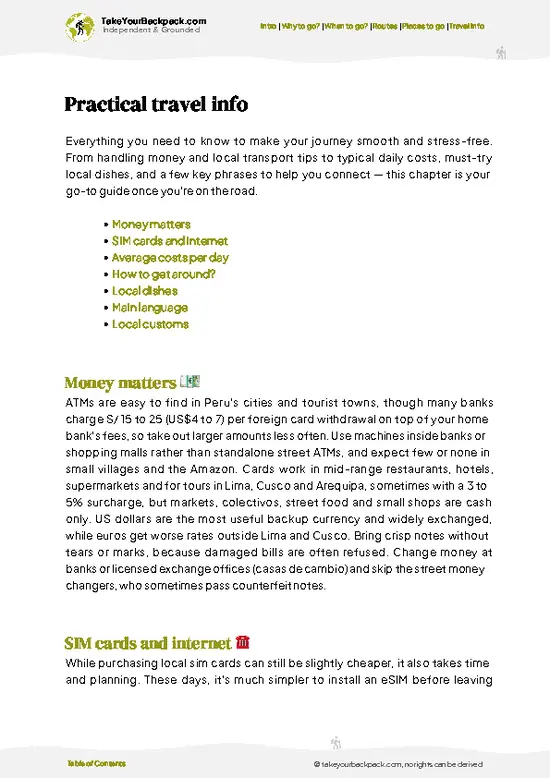
example page 3 from our offline Travel Guide for Peru
example page 4 from our offline Travel Guide for Peru
example page 5 from our offline Travel Guide for Peru
example page 6 from our offline Travel Guide for Peru
example page 7 from our offline Travel Guide for Peru
Loading the map 🌍
CLICK TO FILTER
cities
towns
villages
landmarks
national parks
hikes
beaches
attractions
festivals
regions
SHOW COUNTRY’S BESTSHOW ALL

✨ Why go?
Ranked #17 city in Peru
What makes this city worth visiting

Chulucanas earns a stop because of its pottery, and that single focus gives a short visit real purpose. Its famous Chulucanas ceramics, with a polished, smoky finish made by hand, are made in local workshops you can walk into and watch. You see the whole process, from shaping clay to firing, and you can buy straight from the maker. The town also sits on the road between Piura and the highlands, so it breaks up a long journey well. Nightlife is minimal and hostels are few, so plan one night or an afternoon, not a week.

💡 HighlightsMust-see experiences and standout moments

  1. Chulucanas Pottery Workshops: family studios where artisans shape and burnish clay using stones and organic dyes. Go in the morning when kilns are being tended. Visits are usually free, pieces cost US$5 to 100, and you need 1 to 2 hours.
  2. Plaza de Armas: the shaded main square, where locals gather, sip juice and watch the day pass. Late afternoon is best. Free, 30 to 45 minutes.
  3. Iglesia Matriz: the town’s main church, on the plaza, a calm place to see local devotion. Visit between services. Free, about 20 minutes.
  4. Mercado Central: a working market with tropical fruit, mangoes in season, and cheap local lunches. Go before noon. Free to enter, about 45 minutes.
  5. Monumento a la Cerámica: a tribute to the craft that put the town on the map, good for a quick photo. Free, 10 minutes.
Pair the pottery workshops … read more 👉
  1. Chulucanas Pottery Workshops: family studios where artisans shape and burnish clay using stones and organic dyes. Go in the morning when kilns are being tended. Visits are usually free, pieces cost US$5 to 100, and you need 1 to 2 hours.
  2. Plaza de Armas: the shaded main square, where locals gather, sip juice and watch the day pass. Late afternoon is best. Free, 30 to 45 minutes.
  3. Iglesia Matriz: the town’s main church, on the plaza, a calm place to see local devotion. Visit between services. Free, about 20 minutes.
  4. Mercado Central: a working market with tropical fruit, mangoes in season, and cheap local lunches. Go before noon. Free to enter, about 45 minutes.
  5. Monumento a la Cerámica: a tribute to the craft that put the town on the map, good for a quick photo. Free, 10 minutes.
Pair the pottery workshops with the Plaza de Armas for a relaxed morning of craft followed by a late afternoon in the square. For day trips, look at the Cerros de Chulucanas hills and the Tambogrande and Morropón area, as well as the highland town of Huancabamba, which lies farther out.
Spotted a mistake or missing something? Contact us.

🏘️ NeighborhoodsUnderstanding the local layout

Chulucanas is compact, and you can cover every corner on foot in an afternoon. Here is where to spend your time.
  • Plaza de Armas: Start here. Shaded benches, the church and the Tuesday-to-Sunday bustle of ice cream vendors and motorcycle taxis make it the best place to watch local life. Worth an hour, no more.
  • Ceramics workshops (Chulucanas and La Encantada, 5 km west): Head to the workshops where potters make the famous Chulucanas pottery, the dark, burnished pieces fired with mango-leaf smoke. This is the reason to come. Walk in, watch, and bargain gently.
  • Market area: Dive in for fresh mango, lime, goat stew and cheap lunches. Loud, hot and fun, best before 2 pm.
  • Outskirts and rice and mango fields: Pretty, but spread out. Hop a mototaxi rather than walking in the heat.

⌛️ 1 daySeeing the highlights in 24 hours

9:00 AM: Chulucanas Pottery Workshops Start where the town’s fame comes from. Visit a family studio, watch the burnishing and ask to see the dyeing. Walk or take a short mototaxi to the next stop.
11:00 AM: Monumento a la Cerámica A quick look at the monument, then continue on foot toward the center.
12:00 PM: Mercado Central Eat a local lunch among the fruit stalls and try regional dishes such as seco de cabrito.
2:00 PM: Iglesia Matriz and Plaza de Armas Rest in the shade, look inside the church and watch town life.
4:00 PM: A rural workshop on the outskirts Take a mototaxi to a smaller, less visited potter on the edge of town, where you can chat and buy directly. Return as the evening cools.

🌤️ When to go?When to go for the best experience

The best months for Chulucanas are May to November, when it is drier and cooler.
  • Dry Season (May to November): Highs of 28 to 32°C (82 to 90°F), cooler nights near 18°C (64°F), and comfortable walking.
  • Hot Wet Season (December to April): Highs of 32 to 36°C (90 to 97°F), humid, with occasional downpours; El Niño years can flood roads.
  • Crowds and Prices: Very few tourists year-round, so prices barely shift. Daylight stays at about 12 hours.
  • Mango Season: Peaks from December to March, with fruit everywhere.
Go early in the day, since afternoons are hot in any month.

source: climatestotravel.comJANJanuary: fair for travelingFEBFebruary: fair for travelingMARMarch: fair for travelingAPRApril: good for travelingMAYMay: highly recommended for travelingJUNJune: excellent for travelingJULJuly: excellent for travelingAUGAugust: excellent for travelingSEPSeptember: highly recommended for travelingOCTOctober: highly recommended for travelingNOVNovember: fair for travelingDECDecember: fair for traveling
when-to-go

✈️ The backpacker research shortcutPeru Travel Guide

An offline-friendly backpacking guide with optimized travel routes, ranked highlights, transport advice, and the best areas to stay.
example page 0 from our offline Travel Guide for Peru
example page 1 from our offline Travel Guide for Peru
example page 2 from our offline Travel Guide for Peru
example page 3 from our offline Travel Guide for Peru
example page 4 from our offline Travel Guide for Peru
example page 5 from our offline Travel Guide for Peru
example page 6 from our offline Travel Guide for Peru
example page 7 from our offline Travel Guide for Peru
The digital guide (310 pages) contains:
✅ 102 highlights, ranked by travel appeal
✅ Optimized 7, 14 & 21-day travel routes
✅ Cities, national parks, landmarks, beaches
✅ How to get around
✅ Offline-friendly for travel without Wi-Fi
👉 Click to see all 30+ guide features

📅 Plan smarter in minutes, not weeks
✅ Month by month travel advice
✅ Festivals & national holidays
✅ Budget expectations

🗺️ Go to the right places, skip the overrated ones
✅ Honest pros & cons of destinations
✅ Top hikes, parks & viewpoints
✅ Lesser-known places most travelers miss
✅ Clear “worth it vs skip it” guidance

🛏️ Travel smoothly without rookie mistakes
✅ Best areas to stay
✅ Transport systems explained simply
✅ Common scams & safety advice
✅ SIM cards, money & practical tips

🌍 Understand the country, not just visit it
✅ Culture & traditions
✅ 52 Essential phrases & customs
✅ Festivals worth planning around
✅ Traveler-friendly historical context
✅ Insights that make places more meaningful

📱 Built for real travel conditions
✅ Fully downloadable PDF
✅ Works completely offline
✅ Optimized for phone use
✅ Useful in remote areas & buses
✅ Everything in one place
Stop searching, start planning
Get instant access to your full guide. 30‑day money-back guarantee.
+ Add another guide for just

By proceeding you agree to our terms.
Sent to your inbox immediately after payment • 100% Secure Checkout
Best Backpacking Travel Advisor 2025 tourism awardBest Backpacking
Travel Advisor
2025
What others say about Take Your Backpack Guides:
⭐⭐⭐⭐⭐
Fantastic, amazing amount of information!
⭐⭐⭐⭐⭐
My goodness this is amazing, it's what I've been looking for hats off too you!
⭐⭐⭐⭐⭐
I think this is absolutely BRILLIANT
⭐⭐⭐⭐
Very complete and informative. It's still missing places, but I gotta to commend you
⭐⭐⭐⭐⭐
This is truly amazing, thank you, can't wait to explore it with my kids!
⭐⭐⭐⭐⭐
Awesome resource, thank you!
⭐⭐⭐⭐⭐
This is amazing! Can't wait to explore the ones I haven't seen
⭐⭐⭐⭐
I love this! Well done, great idea.
⭐⭐⭐⭐⭐
Thanks for taking the time to make this gem!
⭐⭐⭐⭐⭐
This might be the best website I've ever seen.
⭐⭐⭐⭐⭐
Congratulations, and thank you so much for your work; it's incredibly valuable.
⭐⭐⭐⭐
In all seriousness I think you did a great job pointing out the important spots
⭐⭐⭐⭐⭐
10/10 very good
⭐⭐⭐⭐⭐
As someone who's only just starting to visit regularly this is awesome, thank you.
⭐⭐⭐⭐
Thank you very much! I'm going to visit my dad, it's going to be very useful!
⭐⭐⭐⭐⭐
This is really cool! We'll be travelling for the first time and this definitely come in handy.
⭐⭐⭐⭐⭐
You are now our minister of culture, congratulations 👨‍💼
⭐⭐⭐⭐⭐
Just wanted to tell you that this is a pearl! Going to follow your recommendations.
⭐⭐⭐⭐⭐
This is so cool. I'll definitely be using the resource for my travels soon.
⭐⭐⭐⭐⭐
This is very impressive! Good work.
⭐⭐⭐⭐⭐
This is an amazing and informative site. Very well done!

🛏️ Where to stay?Best areas to stay in Peru

Stay within a few blocks of the Plaza de Armas, because that is where the few budget bed options, restaurants and mototaxi stands cluster. Chulucanas has little hostel infrastructure, so expect simple guesthouses and small hotels with private rooms, often at roughly US$10 to 25 a night. Fans or air conditioning are worth checking for, as nights are warm. The center is quiet and feels safe after dark, though noise from motorcycles starts early. A second option is Piura, about 1 to 1.5 hours away, which has far more dorms and bus connections, and works well if you only want Chulucanas as a day visit.

🚌 Getting aroundGetting around like a local

Taking a taxi from Piura for the whole trip costs several times what a shared colectivo does, so skip the private ride and join the shared one. Chulucanas is small, flat and easy, and traffic is mostly motorcycles and mototaxis. Public transport is informal but frequent.
  • Walking: Free and best for the center and the ceramics workshops. Go before 11 am, because midday heat is punishing.
  • Mototaxi: The default way to get around town. Rides cost about US$0.60 to 1.50, and you should agree on the price before climbing in. Worth it for the farther workshops.
  • Colectivo and minibus to Piura: Cars and vans leave when full from the terminal area, take about 1 to 1.5 hours, and cost roughly US$2 to 3.50. They run from early morning until evening. This is the smart option.
  • Intercity buses: A few services
… read more 👉
Taking a taxi from Piura for the whole trip costs several times what a shared colectivo does, so skip the private ride and join the shared one. Chulucanas is small, flat and easy, and traffic is mostly motorcycles and mototaxis. Public transport is informal but frequent.
  • Walking: Free and best for the center and the ceramics workshops. Go before 11 am, because midday heat is punishing.
  • Mototaxi: The default way to get around town. Rides cost about US$0.60 to 1.50, and you should agree on the price before climbing in. Worth it for the farther workshops.
  • Colectivo and minibus to Piura: Cars and vans leave when full from the terminal area, take about 1 to 1.5 hours, and cost roughly US$2 to 3.50. They run from early morning until evening. This is the smart option.
  • Intercity buses: A few services connect with Piura, and Lima buses leave from Piura rather than Chulucanas. Do not expect a big terminal.
  • Taxi: Possible, but needs to be arranged by phone or at the plaza. Skip it unless you have luggage or are traveling at night.

👛 Costs (as of 19 October 2026)Money, prices, and spending tips

A backpacker in Chulucanas needs about US$31 a day, mostly because rooms and meals cost little here.
CategoryBudget RangeLocal Reality
Dorm accommodation (high season)US$10 to 14Few dorms exist, so a simple private room is usual
Dorm accommodation (off-season)US$8 to 12Slightly cheaper from December to April
MealsUS$7 to 11Set menus cost US$2 to 4
Local transportUS$1 to 3Mototaxi rides are US$0.60 to 1.50
City transport passNot availablePay per ride
Basic activities and entry feesUS$1 to 4Workshops are mostly free to visit
MiscellaneousUS$2 to 4Water, snacks and SIM top-ups
Total Daily BudgetUS$31Based on high-season accommodation
Eat your main meal at lunchtime, when set menus are the cheapest.

source: peru.travel
⚠️ Prices can change and everyone travels differently, so take this as a rough guide. Hope it helps you plan your adventure!

🚌 Day tripsShort trips worth adding

Chulucanas works well as a base for rural day trips, and Piura is the gateway to the bigger sights.
Piura City: Colonial center, the cathedral and the Peruvian cuisine scene make this an easy outing. Shared cars take 1 to 1.5 hours and cost US$2 to 3.50 each way. A common mistake is arriving after 4 pm and missing the last return seats.
👉 Explore Piura
Catacaos: This is Piura’s craft town, known for filigree jewelry, straw hats and picanterías serving spicy lunches. Reach it by changing in Piura, with about 2 hours each way and a total of roughly US$6 to 12 with lunch. Go at the weekend, when the market is busiest.

Sechura Desert and Tallán Villages: Dry forest and dunes lie to the west, and you can ride there by mototaxi or colectivo. Allow a half day. Visit between May and November to avoid mud and extreme heat.

🍲 FoodWhat to Eat & Drink

Chulucanas sits in a mango and lime country, so the local fruit is the star. Try fresh mango juice and sweet limón drinks at the market, along with seco de cabrito, a goat stew with cilantro that is a northern classic. Local chifles (plantain chips) and dulce de leche sweets are common snacks. Breakfast at the market stalls is cheap, usually US$1.50 to 3. For lunch, small picanterías near the plaza serve generous set menus at about US$2 to 4. Evenings are quiet, so grab a cold beer at a plaza café. Try a glass of clarito, a light fermented corn drink typical of the Piura region.

🛡️ SafetyStaying Safe: What Travelers Should Know

Chulucanas is calm and small, and most visitors have no trouble. Petty theft is the main concern, mostly phone and bag snatching around the market and the plaza when it is crowded, so keep valuables in front of you. Solo travelers, including women, can walk the center in the evening, but streets thin out after 9 pm, so take a mototaxi home. Agree on fares before you ride, as foreigners sometimes get quoted double. Avoid the outskirts at night and bring mosquito repellent during the rainy months.

FAQCommon questions from travelers

One full day is enough for Chulucanas, and two days if you want to watch pottery being made and add a half-day trip. The ceramics workshops take about 2 to 3 hours, the plaza and market another 1 to 2 hours. Piura is roughly 1 to 1.5 hours away by shared car for US$2 to 3.50.
Yes, Chulucanas is calm and suitable for solo backpackers, with mainly petty theft in the market and plaza to watch for. Use mototaxis after 9 pm, agree on fares first, and keep your phone out of sight in crowds. Rides cost US$0.60 to 1.50 and most travelers meet friendly locals.
Chulucanas is known for its burnished black and cream ceramics, fired with mango-leaf smoke and recognized across Peru. It also grows mangoes and limes, which are sold at the market in large amounts from December to March. Workshops are mostly free to visit, and pieces start around US$5 to 10.
⚠️ Things can change over time, so always validate details locally before you go.

Other Peruvian cities near Chulucanas

Explore more nearby:

  • Piura—Northern desert, goat stew, Vicús gold, beach gateway| 56 km away
  • Chiclayo—Moche tombs, Lambayeque museums, mototaxis, market herbalists| 190 km away
  • Cajamarca—Thermal springs, Atahualpa’s ransom room, market cheese, cool highlands| 293 km away

💡 Not sure where to go next?
Create a personalized itinerary for Peru including Chulucanas and the places that fit your trip.

Generate my itinerary

👉 Discover all cities

Or checkout all Peru has to offer (think cities, towns, villages, national parks, hikes, beaches, festivals)
Country photo of Peru

We 💚 feedbackParting advice and final tips

Chulucanas will be most enjoyed by craft lovers and slow travelers who like talking to makers instead of ticking sights. I would bring cash and wrapping space, and plan one night, no more.

✈️ When did I visit Peru?
Peru I visited during my half year trip through South and Central America back in 2003

✍️ Help improve this page!
The information on this page is based on my own backpacking experience in Peru, supplemented with up-to-date research and feedback from other travelers. Travel details can change, so if you notice anything outdated or incomplete, feel free to let me know.


🙋‍♂️ Give feedback

👋 Meet the founderWho’s Behind Take Your Backpack?

Johan, backpacker and founder of TakeYourBackpackHi, I’m Johan (Netherlands 🇳🇱), the creator of TakeYourBackpack. Over the past 3 decades, I’ve backpacked through 90+ countries across six continents, gaining extensive experience with independent travel, long-term trips, and overland routes.

This site is built on a combination of firsthand travel experience and carefully curated insights from other backpackers. Many guides are based on places I’ve personally visited, while others bring together tips, observations, and practical advice shared by trusted travelers I’ve met along the way.

The goal is to provide realistic, experience-driven guidance — not generic itineraries — so you can explore destinations with better context, clearer expectations, and more confidence.