1. The Peruvian Contemporary Core Collection
Let’s cut through the hype: you’re not coming here for a parade of international art celebrities. MAC Lima’s real power is its unapologetic focus on Peruvian and Latin American artists who actually live and breathe the region’s contradictions. This isn’t the sanitized, export-ready version of Peru. You’ll see works that wrestle with Lima’s urban chaos, indigenous identity, and the aftershocks of political upheaval. Some pieces are raw, even abrasive—think graffiti-inspired canvases, installations made from scavenged city debris, and video art that doesn’t care if you’re comfortable. If you want to understand contemporary Peru beyond the travel-brochure surface, this is your crash course.
2. The Outdoor Sculpture Park
Instagram will tell you to pose … read more 👉
Let’s cut through the hype: you’re not coming here for a parade of international art celebrities. MAC Lima’s real power is its unapologetic focus on Peruvian and Latin American artists who actually live and breathe the region’s contradictions. This isn’t the sanitized, export-ready version of Peru. You’ll see works that wrestle with Lima’s urban chaos, indigenous identity, and the aftershocks of political upheaval. Some pieces are raw, even abrasive—think graffiti-inspired canvases, installations made from scavenged city debris, and video art that doesn’t care if you’re comfortable. If you want to understand contemporary Peru beyond the travel-brochure surface, this is your crash course.
2. The Outdoor Sculpture Park
Instagram will tell you to pose … read more 👉
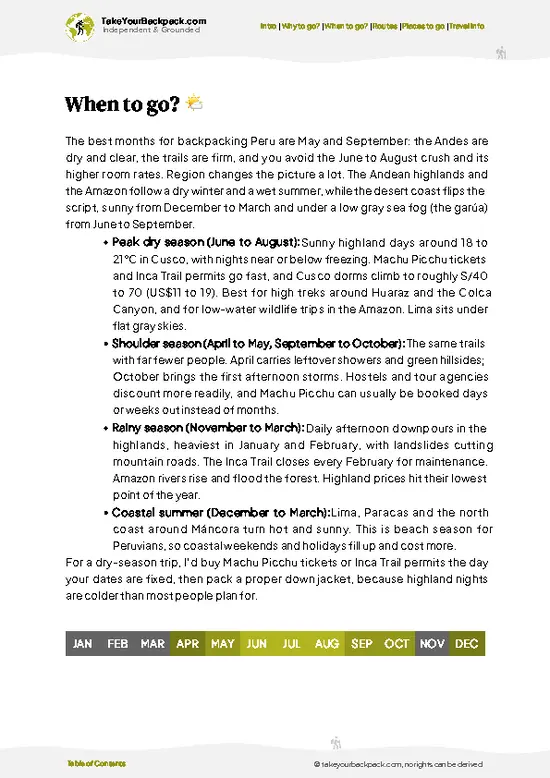
1. The Peruvian Contemporary Core Collection
Let’s cut through the hype: you’re not coming here for a parade of international art celebrities. MAC Lima’s real power is its unapologetic focus on Peruvian and Latin American artists who actually live and breathe the region’s contradictions. This isn’t the sanitized, export-ready version of Peru. You’ll see works that wrestle with Lima’s urban chaos, indigenous identity, and the aftershocks of political upheaval. Some pieces are raw, even abrasive—think graffiti-inspired canvases, installations made from scavenged city debris, and video art that doesn’t care if you’re comfortable. If you want to understand contemporary Peru beyond the travel-brochure surface, this is your crash course.
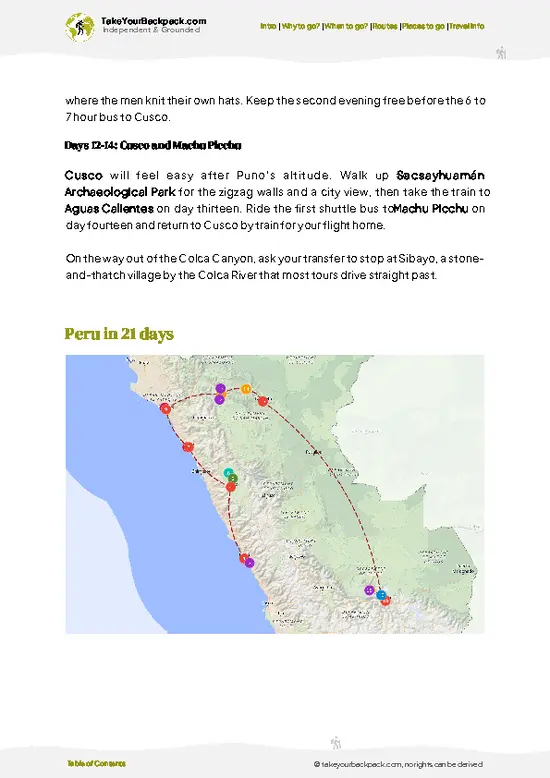
2. The Outdoor Sculpture Park
Instagram will tell you to pose in front of the big, colorful sculptures. Sure, snap your shot, but then actually walk the grounds. The park is a rare Lima oasis—wide lawns, a breeze off the Pacific, and sculptures that are playful, weird, or just plain massive. Some are interactive; others are so abstract you’ll find yourself inventing stories about them. The real win? Locals use the park as a hangout, so you get a slice of everyday Lima—skateboarders, couples, families, and the occasional art student sketching in the grass. It’s the opposite of a stuffy gallery: art that’s lived with, not just looked at.
3. Rotating Exhibitions: The Wild Card
Here’s where MAC Lima throws you a curveball. The rotating exhibitions are unpredictable—in the best way. One month you might stumble into a room filled with immersive sound installations that rattle your bones; another, you’ll find a retrospective of a Peruvian artist who never made it big abroad but whose work will stick with you for days. The curation is bold, sometimes divisive, and never panders to tourist expectations. If you’re tired of seeing the same old Frida Kahlo prints everywhere, this is your antidote.
4. The Glass Pavilion (Personal Favorite)
This is where the museum’s architecture becomes part of the art. The glass pavilion is all sharp lines and sunlight, with floor-to-ceiling windows that blur the line between inside and out. On a clear day, the space glows. It’s used for installations that play with light, shadow, and reflection—sometimes you’ll catch a piece that changes completely as the sun moves. I’ve lost track of time here, just watching Lima’s sky shift through the glass, art and city bleeding into each other. It’s the kind of space that makes you feel awake and alive, even if you don’t “get” contemporary art.
5. The Museum Café and Terrace
Skip the overpriced, soulless museum cafés you find in most capitals. MAC Lima’s café is a local haunt, not a tourist trap. The terrace overlooks the sculpture park, and you’ll hear more Spanish than English. Order a coffee or a pisco sour, grab a seat, and watch the city’s creative crowd drift by. It’s the perfect spot to decompress, sketch, or eavesdrop on art students debating the meaning of whatever you just saw inside. The people-watching is as good as the art.
Let’s cut through the hype: you’re not coming here for a parade of international art celebrities. MAC Lima’s real power is its unapologetic focus on Peruvian and Latin American artists who actually live and breathe the region’s contradictions. This isn’t the sanitized, export-ready version of Peru. You’ll see works that wrestle with Lima’s urban chaos, indigenous identity, and the aftershocks of political upheaval. Some pieces are raw, even abrasive—think graffiti-inspired canvases, installations made from scavenged city debris, and video art that doesn’t care if you’re comfortable. If you want to understand contemporary Peru beyond the travel-brochure surface, this is your crash course.
2. The Outdoor Sculpture Park
Instagram will tell you to pose in front of the big, colorful sculptures. Sure, snap your shot, but then actually walk the grounds. The park is a rare Lima oasis—wide lawns, a breeze off the Pacific, and sculptures that are playful, weird, or just plain massive. Some are interactive; others are so abstract you’ll find yourself inventing stories about them. The real win? Locals use the park as a hangout, so you get a slice of everyday Lima—skateboarders, couples, families, and the occasional art student sketching in the grass. It’s the opposite of a stuffy gallery: art that’s lived with, not just looked at.
3. Rotating Exhibitions: The Wild Card
Here’s where MAC Lima throws you a curveball. The rotating exhibitions are unpredictable—in the best way. One month you might stumble into a room filled with immersive sound installations that rattle your bones; another, you’ll find a retrospective of a Peruvian artist who never made it big abroad but whose work will stick with you for days. The curation is bold, sometimes divisive, and never panders to tourist expectations. If you’re tired of seeing the same old Frida Kahlo prints everywhere, this is your antidote.
4. The Glass Pavilion (Personal Favorite)
This is where the museum’s architecture becomes part of the art. The glass pavilion is all sharp lines and sunlight, with floor-to-ceiling windows that blur the line between inside and out. On a clear day, the space glows. It’s used for installations that play with light, shadow, and reflection—sometimes you’ll catch a piece that changes completely as the sun moves. I’ve lost track of time here, just watching Lima’s sky shift through the glass, art and city bleeding into each other. It’s the kind of space that makes you feel awake and alive, even if you don’t “get” contemporary art.
5. The Museum Café and Terrace
Skip the overpriced, soulless museum cafés you find in most capitals. MAC Lima’s café is a local haunt, not a tourist trap. The terrace overlooks the sculpture park, and you’ll hear more Spanish than English. Order a coffee or a pisco sour, grab a seat, and watch the city’s creative crowd drift by. It’s the perfect spot to decompress, sketch, or eavesdrop on art students debating the meaning of whatever you just saw inside. The people-watching is as good as the art.
Spotted a mistake or missing something? Contact us.
v2.webp)


Best Backpacking
Hi, I’m Johan (Netherlands 🇳🇱), the creator of TakeYourBackpack. Over the past decade, I’ve backpacked through 80+ countries across six continents, gaining extensive experience with independent travel, long-term trips, and overland routes.