×

Peru🇵🇪 | attractionsMuseo de Sitio Pachacamactemple ruins, coastal pilgrimage site, site museum | things to do and best time to go

Explore Museo de Arte de LimaExplore Monasterio de Santa Catalina de Siena

Backpacking in Museo de Sitio Pachacamac
By Johan Kruseman 🇳🇱 | Updated October 15, 2026

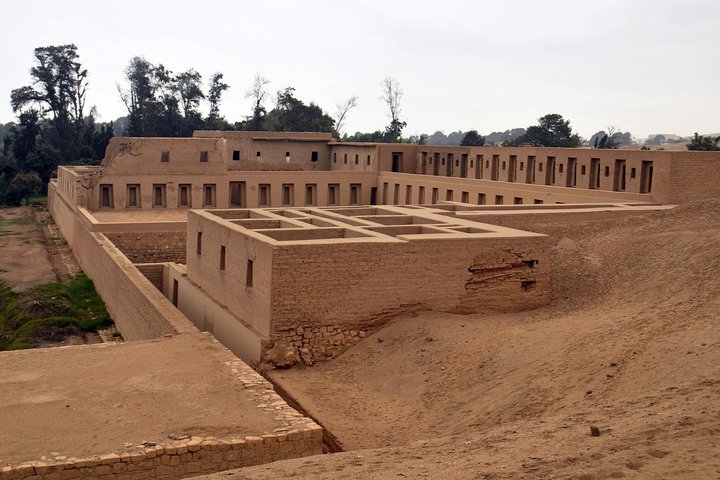
Here’s what nobody tells you until you’re standing in the dust: Museo de Sitio Pachacamac is one of the rare ancient sites near Lima where you can actually breathe—literally and figuratively. Skip the three-hour bus to crowded Machu Picchu and you’ll find this archaeological heavyweight just 40 kilometers southeast of Lima, perched on the edge of the Pacific and the desert. The museum itself is compact, modern, and refreshingly uncrowded, especially compared to the elbow-to-elbow chaos of Cusco’s Sacred Valley. You get to walk among sun-bleached adobe temples and pyramids that once drew pilgrims from across the Andes, but without the circus of selfie sticks. The cost? A fraction of Peru’s blockbuster sites, and you can do it as a half-day trip. Is it as jaw-dropping as Machu Picchu? No. But the raw, windblown silence and the sense of ancient ritual—plus the bonus of not being herded like livestock—make Pachacamac a rare, real-deal experience for backpackers who want substance over spectacle.

Discover everything you want to know in the 📖 Peru Travel Guide.


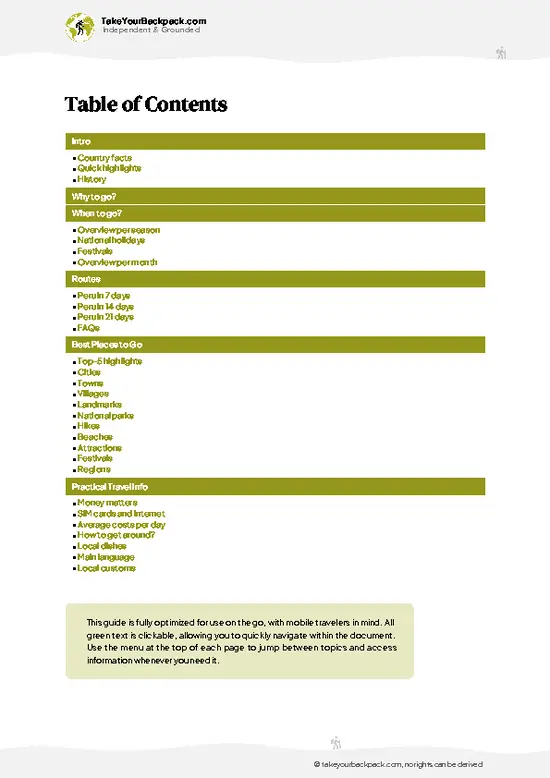
example page 0 from our offline Travel Guide for Peru
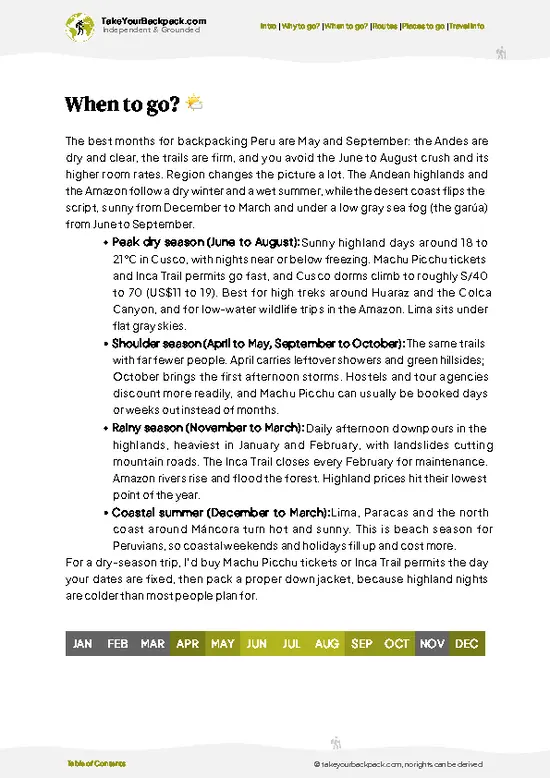
example page 1 from our offline Travel Guide for Peru
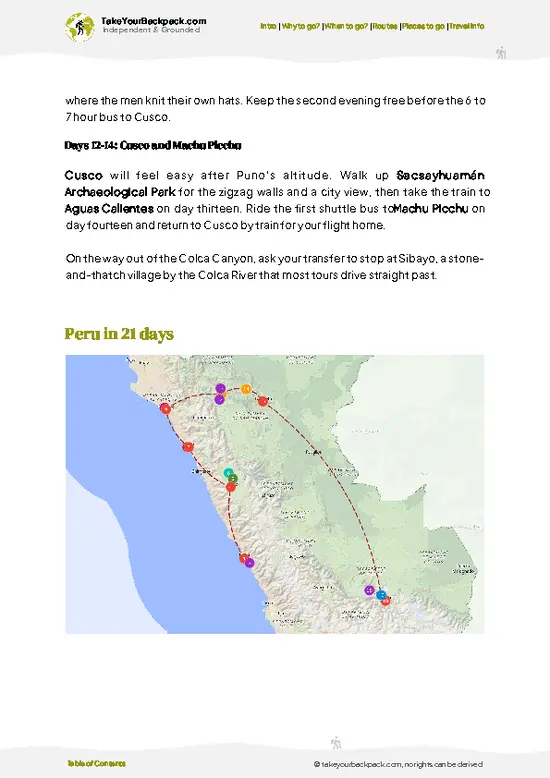
example page 2 from our offline Travel Guide for Peru
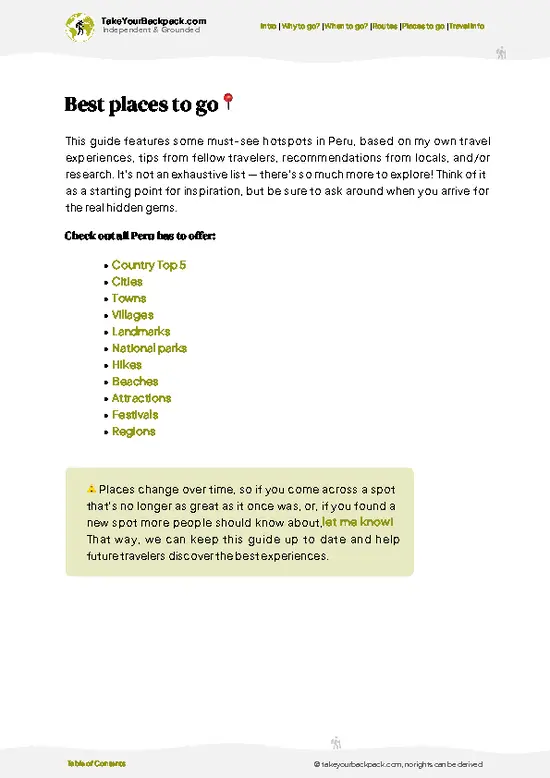
example page 3 from our offline Travel Guide for Peru
example page 4 from our offline Travel Guide for Peru
example page 5 from our offline Travel Guide for Peru
example page 6 from our offline Travel Guide for Peru
example page 7 from our offline Travel Guide for Peru
Loading the map 🌍
CLICK TO FILTER
cities
towns
villages
landmarks
national parks
hikes
beaches
attractions
festivals
regions
SHOW COUNTRY’S BESTSHOW ALL

✨ Why go?
Ranked #99 attraction in Peru
Reasons people choose to visit here

Backpackers who carve out time for the Museo de Sitio Pachacamac aren’t just ticking off a tourist box—they’re stepping into a cornerstone of Peru’s pre-Columbian history that most travelers overlook. Sure, it’s not Machu Picchu, so don’t expect crowds of selfie-stick wielders elbowing their way through. But that’s exactly why it’s worth your effort. This site is a sprawling complex that was a major religious center for the Lima culture and later the Inca Empire, offering a rare, unfiltered glimpse into the spiritual and political heartbeat of ancient Peru.

The historical depth here is staggering: from adobe pyramids to intricate ceremonial spaces, every corner tells a story of power, faith, and survival in a harsh desert environment. It’s not just about seeing ruins; it’s about feeling … read more 👉
Backpackers who carve out time for the Museo de Sitio Pachacamac aren’t just ticking off a tourist box—they’re stepping into a cornerstone of Peru’s pre-Columbian history that most travelers overlook. Sure, it’s not Machu Picchu, so don’t expect crowds of selfie-stick wielders elbowing their way through. But that’s exactly why it’s worth your effort. This site is a sprawling complex that was a major religious center for the Lima culture and later the Inca Empire, offering a rare, unfiltered glimpse into the spiritual and political heartbeat of ancient Peru.

The historical depth here is staggering: from adobe pyramids to intricate ceremonial spaces, every corner tells a story of power, faith, and survival in a harsh desert environment. It’s not just about seeing ruins; it’s about feeling the pulse of a civilization that shaped the region long before the Spanish arrived. The effort-to-reward ratio is high—getting here requires a bit of planning and a short trip from Lima, but you’ll be rewarded with fewer crowds and a more intimate connection to Peru’s roots. For backpackers threading through the country, Pachacamac is a major milestone that bridges the gap between urban Lima and the Andean highlands, grounding your journey in authentic cultural significance.

💡 HighlightsEssential experiences to have while visiting Museo de Sitio Pachacamac

1. The Painted Temple (Templo Pintado)
Skip the Instagram filters—this is color that’s survived centuries of sun and salt air. The Painted Temple’s faded murals are the real deal: geometric patterns and stylized figures that once blazed with red, yellow, and black. Most visitors breeze past, but if you slow down, you’ll spot the fingerprints of ancient artisans. The thrill here isn’t just the art—it’s the sense of standing where pre-Inca priests once worked, paintbrush in hand, with the Pacific wind at their backs.


2. The Temple of the Sun (Templo del Sol)
This is the blockbuster. Yes, you’ll share the view with a crowd, but the scale is impossible to capture in photos. The Temple of the Sun is a massive adobe pyramid, built for ritual offerings to Pachacamac, the earth-shaker god. Climb … read more 👉
1. The Painted Temple (Templo Pintado)
Skip the Instagram filters—this is color that’s survived centuries of sun and salt air. The Painted Temple’s faded murals are the real deal: geometric patterns and stylized figures that once blazed with red, yellow, and black. Most visitors breeze past, but if you slow down, you’ll spot the fingerprints of ancient artisans. The thrill here isn’t just the art—it’s the sense of standing where pre-Inca priests once worked, paintbrush in hand, with the Pacific wind at their backs.


2. The Temple of the Sun (Templo del Sol)
This is the blockbuster. Yes, you’ll share the view with a crowd, but the scale is impossible to capture in photos. The Temple of the Sun is a massive adobe pyramid, built for ritual offerings to Pachacamac, the earth-shaker god. Climb to the top (it’s a short, hot slog—bring water), and you get a panoramic sweep: desert, ocean, and the sprawl of Lima in the distance. The drama isn’t just visual; it’s the weight of history under your boots. This is where the Inca elite watched the horizon for omens. If you want a moment of awe, come late in the day when the light turns the adobe gold.


3. The Pilgrims’ Plaza
Forget the “ruins as empty relics” cliché. This plaza once thrummed with thousands of pilgrims, some walking for weeks to reach Pachacamac. Stand in the open space and imagine the chaos: traders hawking goods, priests chanting, the smell of dust and sweat. The scale alone is humbling. It’s a reminder that this wasn’t just a sacred site—it was a crossroads for cultures from across the Andes and coast.


4. The Site Museum (Museo de Sitio)
Here’s where the magic gets personal. The museum is compact but packs a punch: ceramics, textiles, and wooden idols that survived the Spanish conquest. The star is the Pachacamac Idol, a carved wooden figure that the conquistadors tried (and failed) to erase from history. The displays are refreshingly honest about the violence and resilience of the cultures that built this place. If you’re a detail nerd, you’ll love the explanations of how the site evolved over 1,500 years. This is my personal favorite—because it’s where the stories come alive, and you realize these weren’t just “ancient people,” but real humans with fears, jokes, and ambitions.


5. The Painted Adobe Walls and Storage Galleries
Most people miss these, but the storage galleries—long, narrow adobe corridors—are a time capsule of logistics. This is where offerings and supplies were stashed, and you can still see the marks of ancient hands on the walls. It’s not glamorous, but it’s a rare, tactile connection to daily life at a sacred city. If you want to dodge the crowds and feel the past under your fingertips, this is your spot.
Spotted a mistake or missing something? Contact us.

Things to do around Museo de Sitio Pachacamac

Ratings based on Tripadvisor reviews. When you book through this link, you support our work at no extra cost to you.

🌤️ When to go?Weather, crowds, and seasonal trade-offs

  • Weather: The dry season from May to October is your best bet for clear skies and minimal rain. Temperatures hover around 18-22°C (64-72°F), making it comfortable for wandering the ruins without sweating buckets or dodging mud.
  • Temperature: Daytime temps are mild year-round, but from November to April, expect warmer, more humid conditions around 24-28°C (75-82°F). Nights can get chilly in the dry season, dipping to 12°C (54°F), so pack layers.
  • Daylight Hours: June and July offer the longest daylight, roughly 11.5 to 12 hours, giving you ample time to explore without rushing. December and January have slightly shorter days, closer to 11 hours.
  • Crowds: Peak tourist season aligns with Peru’s dry months, especially July and August, when the site gets noticeably busier. If you want to dodge
… read more 👉
  • Weather: The dry season from May to October is your best bet for clear skies and minimal rain. Temperatures hover around 18-22°C (64-72°F), making it comfortable for wandering the ruins without sweating buckets or dodging mud.
  • Temperature: Daytime temps are mild year-round, but from November to April, expect warmer, more humid conditions around 24-28°C (75-82°F). Nights can get chilly in the dry season, dipping to 12°C (54°F), so pack layers.
  • Daylight Hours: June and July offer the longest daylight, roughly 11.5 to 12 hours, giving you ample time to explore without rushing. December and January have slightly shorter days, closer to 11 hours.
  • Crowds: Peak tourist season aligns with Peru’s dry months, especially July and August, when the site gets noticeably busier. If you want to dodge the crowds, aim for shoulder months like May or September.
  • Seasonal Activities: Local festivals around June can add cultural depth but also bring more visitors. Outside these times, the site feels more like a quiet, contemplative space rather than a tourist hotspot.
  • Price Fluctuations: Entrance fees stay fairly stable year-round, but guided tours and transport costs spike during peak season. Booking in shoulder months can save you a few soles and hassle.
Pro-tip: Visit early morning during the shoulder season to enjoy cooler temps, fewer people, and that rare quiet moment when the ancient stones seem to whisper their secrets just to you.


source: climatestotravel.comJANJanuary: good for travelingFEBFebruary: fair for travelingMARMarch: fair for travelingAPRApril: good for travelingMAYMay: highly recommended for travelingJUNJune: highly recommended for travelingJULJuly: highly recommended for travelingAUGAugust: highly recommended for travelingSEPSeptember: highly recommended for travelingOCTOctober: highly recommended for travelingNOVNovember: good for travelingDECDecember: good for traveling
peru-attraction-museo-de-sitio-pachacamac v1
© Google |

✈️ The backpacker research shortcutPeru Travel Guide

An offline-friendly backpacking guide with optimized travel routes, ranked highlights, transport advice, and the best areas to stay.
example page 0 from our offline Travel Guide for Peru
example page 1 from our offline Travel Guide for Peru
example page 2 from our offline Travel Guide for Peru
example page 3 from our offline Travel Guide for Peru
example page 4 from our offline Travel Guide for Peru
example page 5 from our offline Travel Guide for Peru
example page 6 from our offline Travel Guide for Peru
example page 7 from our offline Travel Guide for Peru
The digital guide (310 pages) contains:
✅ 102 highlights, ranked by travel appeal
✅ Optimized 7, 14 & 21-day travel routes
✅ Cities, national parks, landmarks, beaches
✅ How to get around
✅ Offline-friendly for travel without Wi-Fi
👉 Click to see all 30+ guide features

📅 Plan smarter in minutes, not weeks
✅ Month by month travel advice
✅ Festivals & national holidays
✅ Budget expectations

🗺️ Go to the right places, skip the overrated ones
✅ Honest pros & cons of destinations
✅ Top hikes, parks & viewpoints
✅ Lesser-known places most travelers miss
✅ Clear “worth it vs skip it” guidance

🛏️ Travel smoothly without rookie mistakes
✅ Best areas to stay
✅ Transport systems explained simply
✅ Common scams & safety advice
✅ SIM cards, money & practical tips

🌍 Understand the country, not just visit it
✅ Culture & traditions
✅ 52 Essential phrases & customs
✅ Festivals worth planning around
✅ Traveler-friendly historical context
✅ Insights that make places more meaningful

📱 Built for real travel conditions
✅ Fully downloadable PDF
✅ Works completely offline
✅ Optimized for phone use
✅ Useful in remote areas & buses
✅ Everything in one place
Stop searching, start planning
Get instant access to your full guide. 30‑day money-back guarantee.
+ Add another guide for just

By proceeding you agree to our terms.
Sent to your inbox immediately after payment • 100% Secure Checkout
Best Backpacking Travel Advisor 2025 tourism awardBest Backpacking
Travel Advisor
2025
What others say about Take Your Backpack Guides:
⭐⭐⭐⭐⭐
Fantastic, amazing amount of information!
⭐⭐⭐⭐⭐
My goodness this is amazing, it's what I've been looking for hats off too you!
⭐⭐⭐⭐⭐
I think this is absolutely BRILLIANT
⭐⭐⭐⭐
Very complete and informative. It's still missing places, but I gotta to commend you
⭐⭐⭐⭐⭐
This is truly amazing, thank you, can't wait to explore it with my kids!
⭐⭐⭐⭐⭐
Awesome resource, thank you!
⭐⭐⭐⭐⭐
This is amazing! Can't wait to explore the ones I haven't seen
⭐⭐⭐⭐
I love this! Well done, great idea.
⭐⭐⭐⭐⭐
Thanks for taking the time to make this gem!
⭐⭐⭐⭐⭐
This might be the best website I've ever seen.
⭐⭐⭐⭐⭐
Congratulations, and thank you so much for your work; it's incredibly valuable.
⭐⭐⭐⭐
In all seriousness I think you did a great job pointing out the important spots
⭐⭐⭐⭐⭐
10/10 very good
⭐⭐⭐⭐⭐
As someone who's only just starting to visit regularly this is awesome, thank you.
⭐⭐⭐⭐
Thank you very much! I'm going to visit my dad, it's going to be very useful!
⭐⭐⭐⭐⭐
This is really cool! We'll be travelling for the first time and this definitely come in handy.
⭐⭐⭐⭐⭐
You are now our minister of culture, congratulations 👨‍💼
⭐⭐⭐⭐⭐
Just wanted to tell you that this is a pearl! Going to follow your recommendations.
⭐⭐⭐⭐⭐
This is so cool. I'll definitely be using the resource for my travels soon.
⭐⭐⭐⭐⭐
This is very impressive! Good work.
⭐⭐⭐⭐⭐
This is an amazing and informative site. Very well done!

🛏️ Where to stay?Where staying makes the most sense

The Museo de Sitio Pachacamac sits just outside Lima’s urban sprawl, so your best bets for backpacker stays aren’t right at the ruins but in nearby towns that balance safety, social vibes, and budget sense. Head to Lurín, a small town about 10 minutes away by local bus or moto-taxi. It’s low-key, with a handful of guesthouses and eateries where you’ll meet other travelers without the tourist swarm. The vibe here is chill, and it’s a solid base for early starts to the site before the crowds roll in.

If you want more buzz and a bigger backpacker scene, Pachacamac town itself is an option, though … read more 👉
The Museo de Sitio Pachacamac sits just outside Lima’s urban sprawl, so your best bets for backpacker stays aren’t right at the ruins but in nearby towns that balance safety, social vibes, and budget sense. Head to Lurín, a small town about 10 minutes away by local bus or moto-taxi. It’s low-key, with a handful of guesthouses and eateries where you’ll meet other travelers without the tourist swarm. The vibe here is chill, and it’s a solid base for early starts to the site before the crowds roll in.

If you want more buzz and a bigger backpacker scene, Pachacamac town itself is an option, though it’s quieter and less polished. It’s perfect if you want to feel like you’re stepping back in time, with local markets and street food that won’t break your wallet. Safety-wise, stick to well-trodden streets and avoid wandering after dark.

Forget Lima’s center for this trip; it’s a hassle to get to Pachacamac daily and doesn’t offer the same authentic, grounded experience. Lurín and Pachacamac town put you close to the ruins, keep your budget intact, and let you soak in the local rhythm without the tourist gloss.

👛 Costs (as of 15 October 2026)What things cost and how to budget

As of the latest information, the entrance fee to the Museo de Sitio Pachacamac is S/15.00 for adults, approximately €3.80. Students from higher education institutions pay S/5.00, about €1.30. Children and adolescents aged 3 to 17 years are charged S/1.00, roughly €0.25. Special visits, such as 'The Route of the Pilgrims,' are available for S/20.00 per person, around €5.00. Guided services are offered at S/50.00, approximately €12.70, subject to availability. Discounts of 50% are provided for senior citizens (60+ years), military personnel, teachers, and individuals with disabilities. Additionally, the museum offers free admission to children under 3 years old and to Peruvian citizens and foreign residents on the first Sunday of each month.

source: pachacamac.cultura.pe
⚠️ Prices can change and everyone travels differently, so take this as a rough guide. Hope it helps you plan your adventure!

FAQCommon questions from travelers

Plan for about 2 to 3 hours to visit Museo de Sitio Pachacamac to fully explore the museum and the archaeological site. This allows time to see the exhibits and walk around the ruins comfortably.
Yes, Museo de Sitio Pachacamac is worth the entrance fee, which is around 15 Peruvian soles for foreigners. The site offers valuable insights into pre-Columbian cultures and well-preserved ruins, making it a worthwhile cultural experience.
To get to Museo de Sitio Pachacamac, take a bus or taxi from Lima heading south towards Lurín; the site is about 40 km from central Lima. Buses leave regularly from the Estación Central or Plaza de Acho, and the journey takes roughly 1 to 1.5 hours.
⚠️ Things can change over time, so always validate details locally before you go.

Other Peruvian attractions near Museo de Sitio Pachacamac

Explore more nearby:


💡 Not sure where to go next?
Create a personalized itinerary for Peru including Museo de Sitio Pachacamac and the places that fit your trip.

Generate my itinerary

👉 Discover all attractions

Or checkout all Peru has to offer (think cities, towns, villages, national parks, hikes, beaches, festivals)
Country photo of Peru

We 💚 feedbackIs it worth it?

Museo de Sitio Pachacamac isn’t a polished tourist trap, and that’s exactly why it hits differently. Yes, it can get crowded, especially on weekends, and the entrance fee isn’t dirt cheap—but stepping into those ancient ruins, you’re touching a piece of pre-Incan life that’s raw and real, not sanitized for Instagram. If you want history with grit and a sense of place that sticks, this is your spot. Just come ready to share the space.

✈️ When did I visit Peru?
Peru I visited during my half year trip through South and Central America back in 2003

✍️ Help improve this page!
The information on this page is based on my own backpacking experience in Peru, supplemented with up-to-date research and feedback from other travelers. Travel details can change, so if you notice anything outdated or incomplete, feel free to let me know.


🙋‍♂️ Give feedback

👋 Meet the founderWho’s Behind Take Your Backpack?

Johan, backpacker and founder of TakeYourBackpackHi, I’m Johan (Netherlands 🇳🇱), the creator of TakeYourBackpack. Over the past 3 decades, I’ve backpacked through 90+ countries across six continents, gaining extensive experience with independent travel, long-term trips, and overland routes.

This site is built on a combination of firsthand travel experience and carefully curated insights from other backpackers. Many guides are based on places I’ve personally visited, while others bring together tips, observations, and practical advice shared by trusted travelers I’ve met along the way.

The goal is to provide realistic, experience-driven guidance — not generic itineraries — so you can explore destinations with better context, clearer expectations, and more confidence.