×

Peru🇵🇪 | citiesPaitaPacific harbor, colonial lighthouse, fishing fleets | things to do and best time to go

Explore ChulucanasExplore Carnaval de Cajamarca

Backpacking in Paita
👀 For curious travelerscity ranked #19
By Johan Kruseman 🇳🇱 | Updated June 19, 2026

Paita is not for people chasing bucket-list icons or big-party hostels. It is for backpackers who like seeing how a working port city actually runs and don’t mind a bit of grit. On Peru’s far north coast, west of Piura, Paita gives you cheap ceviche, a busy harbor, a breezy malecón, and a couple of old churches and plazas that feel more lived-in than curated. It’s rougher and less polished than Máncora, with fewer travelers and nightlife options, but also fewer scams and lower prices. I’ve always treated it as a one- or two-night stop: safe enough if you stay street-smart, interesting enough to watch the fishing boats at dawn, and quiet enough that you’ll probably talk more with locals than with other backpackers.

Discover everything you want to know in the 📖 Peru Travel Guide.


Get your Peru guide
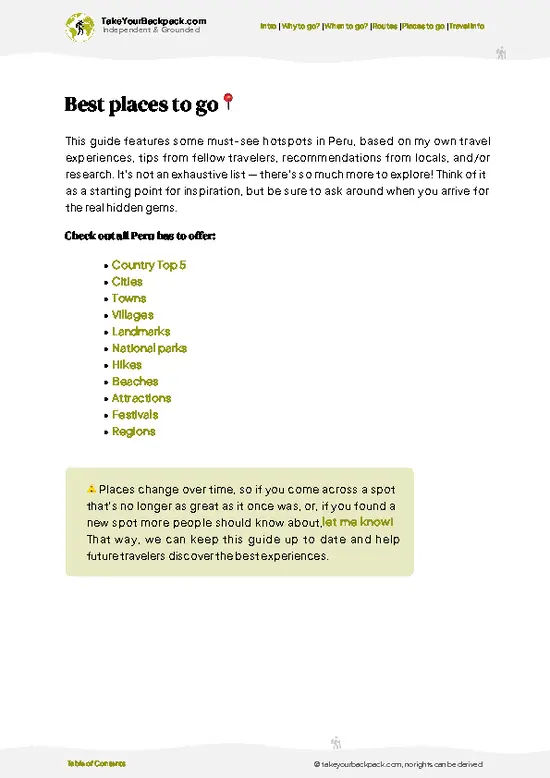
118 ranked highlights, routes & tips, works offline (442 pages)
Loading the map 🌍
CLICK TO FILTER
cities
towns
villages
landmarks
national parks
hikes
beaches
attractions
festivals
regions
SHOW COUNTRY’S BESTSHOW ALL

✨ Why go?
Ranked #19 city in Peru
Reasons people choose to visit here

Paita is a strategic stop for backpackers weaving through northern Peru. It offers a solid blend of affordability and comfort, making it a great basecamp for day trips. The hostels here are friendly and budget-friendly, fostering a communal vibe. You’ll find delicious local food at every corner, from street vendors to cozy eateries, all without breaking the bank. The city is walkable, allowing you to soak in the local culture without the hassle of transport. When night falls, the nightlife is laid-back yet lively, perfect for unwinding after a day of exploration. Plus, it’s an easy jump to other destinations, making your travel flow seamless.
Want to include Paita in your Peru route?
Create a personalized Peru itinerary that includes Paita and the places that fit your trip — based on your travel style, budget, and available time. Get your route in seconds.

Generate my trip

💡 HighlightsPlaces and moments you shouldn't skip

  • Plaza de Armas de Paita — The pulsing heart of the city: a shady square, locals chatting on benches, municipal buildings and small kiosks. Great for people-watching and getting a feel for Paita’s pace of life.
  • Malecón (the waterfront promenade) — A long stretch along the bay where fishermen, families and street-food stalls mix. Best at sunset when the sea air and the sound of boats make everything feel right.
  • Puerto / Fishermen’s Dock — Active, gritty and honest: watch boats come in, see the catch unloaded and talk to crews. It’s the working core of Paita’s identity as a port town.
  • Mercado Central (the fish market) — Loud, bright and fragrant in the best way. You’ll find fresh seafood, bargaining locals and stalls serving ceviche straight from the morning’s catch—an essential sensory
read more 👉
  • Plaza de Armas de Paita — The pulsing heart of the city: a shady square, locals chatting on benches, municipal buildings and small kiosks. Great for people-watching and getting a feel for Paita’s pace of life.
  • Malecón (the waterfront promenade) — A long stretch along the bay where fishermen, families and street-food stalls mix. Best at sunset when the sea air and the sound of boats make everything feel right.
  • Puerto / Fishermen’s Dock — Active, gritty and honest: watch boats come in, see the catch unloaded and talk to crews. It’s the working core of Paita’s identity as a port town.
  • Mercado Central (the fish market) — Loud, bright and fragrant in the best way. You’ll find fresh seafood, bargaining locals and stalls serving ceviche straight from the morning’s catch—an essential sensory stop.
  • Main parish church / Iglesia matriz — The city’s principal church and plaza anchor; even if it’s modest, it’s where weddings, processions and local faith life happen. Good for a quiet pause and some local history.
  • City beach (playa urbana) — Not a postcard beach, but where residents swim, kids play and informal vendors sell snacks. Visiting here shows how locals actually use their coastline.
  • Fishermen’s neighborhoods / boatyards — Walk the lanes where nets are mended and vessels are repaired. Seeing the craft and chatting with boatbuilders gives a real behind-the-scenes look at coastal livelihoods.
  • Small seafood restaurants and cevicherías along the malecon — Not a single landmark, but a corridor of kitchens where you can eat fresh, cheap and excellent seafood while watching the ocean—one of the best ways to experience Paita.
  • Harbor viewpoints and breakwater — Short climbs and concrete jetties give surprisingly good panoramas of the bay and town; perfect for photography and to watch fishermen hauling in nets.
  • Old-town streets and colonial-era façades — Wanderable blocks with faded paint, wooden balconies and narrow streets. They’re quieter than the plaza but full of small details that tell Paita’s longer story.
For day trips outside the city but close by: Isla Foca (boat trips for sea lions and birdlife), the long sandy beaches of Colán, and the turtle-spotting snorkeling at El Ñuro — Isla Foca is my personal favorite for wildlife and quick-boat adventure.
Spotted a mistake or missing something? Contact us.
🏘️ NeighborhoodsUnderstanding the local layout

Paita offers a blend of coastal charm and local culture, making it a unique stop for backpackers.

Centro Histórico: This is the heart of Paita, where colonial architecture meets local markets. It’s walkable, with plenty of budget-friendly eateries. The vibe is lively during the day but quiets down at night, making it suitable for short stays.

La Punta: A bit more upscale, La Punta boasts stunning ocean views and a relaxed atmosphere. It’s perfect for longer stays if you enjoy beach walks and a slower pace. Transport options are limited, but the tranquility is worth it.

El Mirador: Known for its nightlife, this area is vibrant and energetic. Bars and clubs are within walking distance, making it ideal for those looking to socialize. However, it can be noisy, so consider this if you prefer … read more 👉
Paita offers a blend of coastal charm and local culture, making it a unique stop for backpackers.

Centro Histórico: This is the heart of Paita, where colonial architecture meets local markets. It’s walkable, with plenty of budget-friendly eateries. The vibe is lively during the day but quiets down at night, making it suitable for short stays.

La Punta: A bit more upscale, La Punta boasts stunning ocean views and a relaxed atmosphere. It’s perfect for longer stays if you enjoy beach walks and a slower pace. Transport options are limited, but the tranquility is worth it.

El Mirador: Known for its nightlife, this area is vibrant and energetic. Bars and clubs are within walking distance, making it ideal for those looking to socialize. However, it can be noisy, so consider this if you prefer quiet evenings.

Los Olivos: A residential area that offers a more local experience. It’s less touristy, with affordable accommodations and easy access to public transport, making it great for longer stays.

⌛️ 1 dayA smart one-day plan

Paita, Peru, is a coastal city that pulses with a blend of history and local charm. Its vibrant fishing port and colonial architecture offer a glimpse into both the past and the daily lives of its residents.

Start your morning at the Plaza de Armas, where the colonial-era church stands as a centerpiece. Grab a coffee from a nearby café and soak in the local vibe. The morning sun casts a warm glow on the bustling market nearby, where you can sample fresh ceviche or buy handmade crafts.

In the afternoon, wander through the historic neighborhood of El Chipe. Here, the streets are lined with colorful houses and murals that tell stories of Paita’s rich maritime history. Don’t miss the Museo de Paita, a small but insightful spot that showcases local artifacts.

As evening approaches, head to … read more 👉
Paita, Peru, is a coastal city that pulses with a blend of history and local charm. Its vibrant fishing port and colonial architecture offer a glimpse into both the past and the daily lives of its residents.

Start your morning at the Plaza de Armas, where the colonial-era church stands as a centerpiece. Grab a coffee from a nearby café and soak in the local vibe. The morning sun casts a warm glow on the bustling market nearby, where you can sample fresh ceviche or buy handmade crafts.

In the afternoon, wander through the historic neighborhood of El Chipe. Here, the streets are lined with colorful houses and murals that tell stories of Paita’s rich maritime history. Don’t miss the Museo de Paita, a small but insightful spot that showcases local artifacts.

As evening approaches, head to the Malecón for a stroll along the waterfront. The sunset paints the sky in hues of orange and pink, making it a perfect backdrop for reflection. For dinner, seek out a local eatery like El Rincón de la Abuela, where the seafood is fresh and the atmosphere is welcoming.

This day in Paita isn’t just about sights; it’s about feeling the rhythm of a city that’s often overlooked but brimming with life.
Turn your Paita visit into an Peru adventure
Build a complete Peru route with Paita, hidden gems, must-see destinations, and realistic travel times included.

Generate my trip

🌤️ When to go?Weather, crowds, and seasonal trade-offs


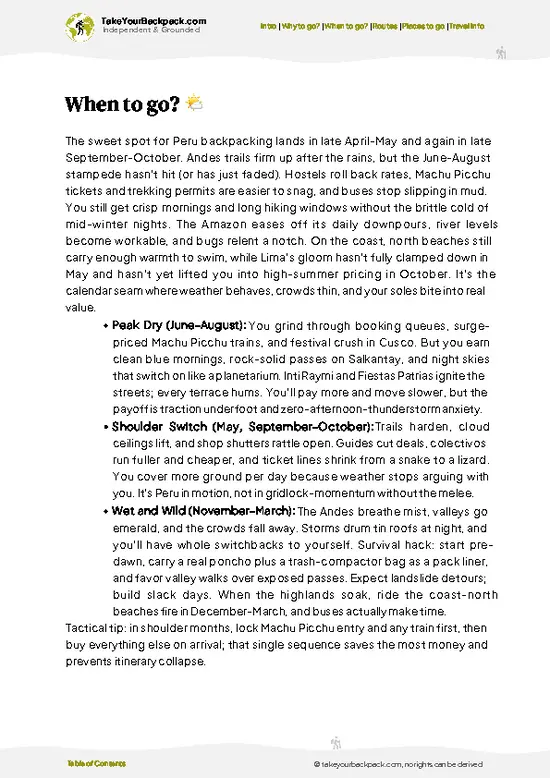
  • Weather: Paita’s dry season runs May to October, offering clear skies and minimal rain—ideal for hiking and beach time. The wet season, November to April, brings humidity and sporadic showers that can disrupt plans.

  • Temperature: Daytime highs hover around 28-32°C (82-90°F) in dry months, cooling to 24-27°C (75-81°F) during wet months. Nights stay mild year-round, rarely dropping below 20°C (68°F).

  • Daylight Hours: Fairly consistent year-round, about 11-12 hours daily, so no drastic shifts in your trekking or sightseeing window.

  • Crowds: Peak tourist influx aligns with the dry season, especially July and August, meaning busier beaches and higher accommodation demand.

  • Seasonal Activities: Dry months favor fishing festivals and open-air markets, while wet months slow outdoor events but
read more 👉

  • Weather: Paita’s dry season runs May to October, offering clear skies and minimal rain—ideal for hiking and beach time. The wet season, November to April, brings humidity and sporadic showers that can disrupt plans.

  • Temperature: Daytime highs hover around 28-32°C (82-90°F) in dry months, cooling to 24-27°C (75-81°F) during wet months. Nights stay mild year-round, rarely dropping below 20°C (68°F).

  • Daylight Hours: Fairly consistent year-round, about 11-12 hours daily, so no drastic shifts in your trekking or sightseeing window.

  • Crowds: Peak tourist influx aligns with the dry season, especially July and August, meaning busier beaches and higher accommodation demand.

  • Seasonal Activities: Dry months favor fishing festivals and open-air markets, while wet months slow outdoor events but bring lush landscapes for photography.

  • Price Fluctuations: Expect higher prices for lodging and tours during the dry season’s peak months; off-season offers bargains but with a trade-off in weather reliability.


Pro-tip: Aim for shoulder months like May or October to balance good weather, fewer crowds, and better prices—your smartest move for a high-value Paita experience.


source: climatestotravel.comJANJanuary: fair for travelingFEBFebruary: fair for travelingMARMarch: fair for travelingAPRApril: fair for travelingMAYMay: highly recommended for travelingJUNJune: highly recommended for travelingJULJuly: excellent for travelingAUGAugust: excellent for travelingSEPSeptember: highly recommended for travelingOCTOctober: highly recommended for travelingNOVNovember: fair for travelingDECDecember: fair for traveling
when-to-go

✈️ The backpacker research shortcutPeru Travel Guide

An offline-friendly backpacking guide with optimized travel routes, ranked highlights, transport advice, and the best areas to stay.
example page 0 from our offline Travel Guide for Peru
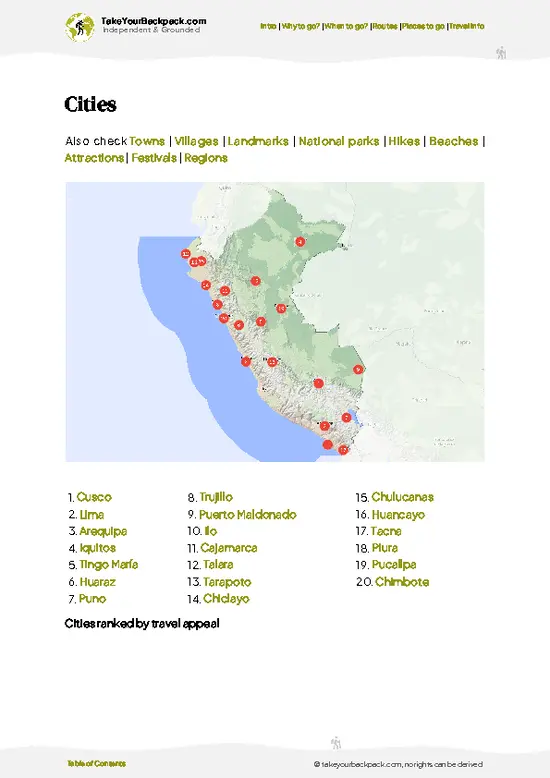
example page 1 from our offline Travel Guide for Peru
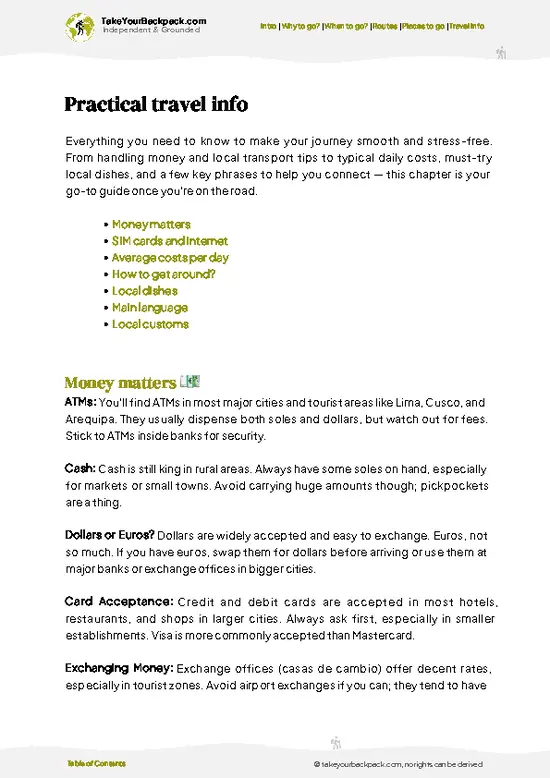
example page 2 from our offline Travel Guide for Peru
example page 3 from our offline Travel Guide for Peru
example page 4 from our offline Travel Guide for Peru
example page 5 from our offline Travel Guide for Peru
example page 6 from our offline Travel Guide for Peru
example page 7 from our offline Travel Guide for Peru
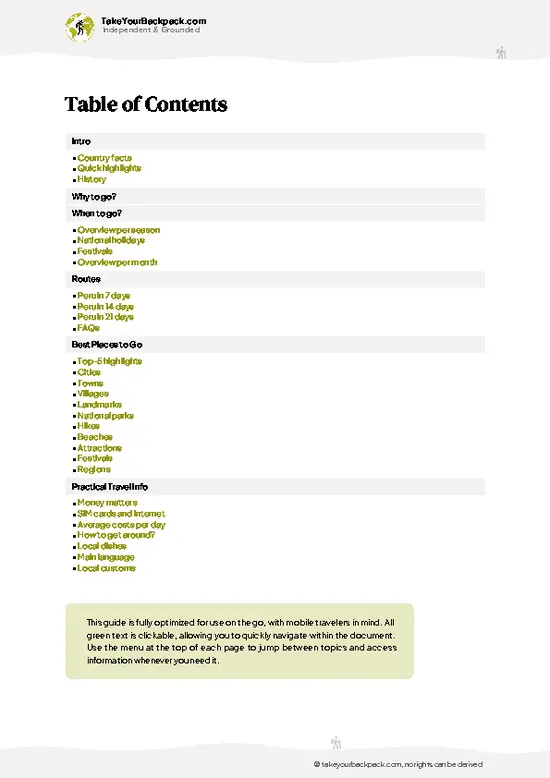
The digital guide (442 pages) contains:
118 highlights, ranked by travel appeal
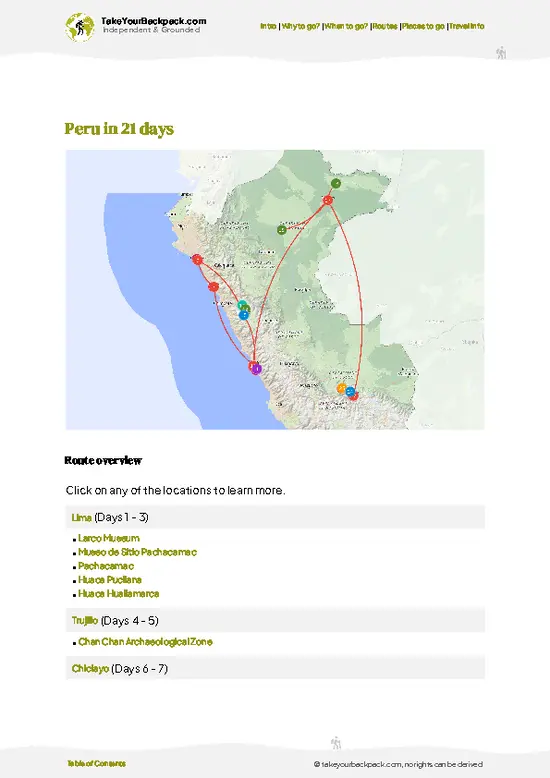
Optimized 7, 14 & 21-day travel routes
Cities, national parks, landmarks, beaches
How to get around
Offline-friendly for travel without Wi-Fi
👉 Click to see all 30+ guide features

📅 Plan smarter in minutes, not weeks
Month by month travel advice
Festivals & national holidays
Budget expectations

🗺️ Go to the right places, skip the overrated ones
Honest pros & cons of destinations
Top hikes, parks & viewpoints
Lesser-known places most travelers miss
Clear “worth it vs skip it” guidance

🛏️ Travel smoothly without rookie mistakes
Best areas to stay
Transport systems explained simply
Common scams & safety advice
SIM cards, money & practical tips

🌍 Understand the country, not just visit it
Culture & traditions
52 Essential phrases & customs
Festivals worth planning around
Traveler-friendly historical context
Insights that make places more meaningful

📱 Built for real travel conditions
Fully downloadable PDF
Works completely offline
Optimized for phone use
Useful in remote areas & buses
Everything in one place
Save weeks of stressful planning
Get instant access to your full guide. 30‑day money-back guarantee.


By proceeding you agree to our terms.
Sent to your inbox immediately after payment • 100% Secure Checkout
Best Backpacking Travel Advisor 2025 tourism awardBest Backpacking
Travel Advisor
2025
What others say about Take Your Backpack Guides:
⭐⭐⭐⭐⭐
Fantastic, amazing amount of information!
⭐⭐⭐⭐⭐
My goodness this is amazing, it's what I've been looking for hats off too you!
⭐⭐⭐⭐⭐
I think this is absolutely BRILLIANT
⭐⭐⭐⭐
Very complete and informative. It's still missing places, but I gotta to commend you
⭐⭐⭐⭐⭐
This is truly amazing, thank you, can't wait to explore it with my kids!
⭐⭐⭐⭐⭐
Awesome resource, thank you!
⭐⭐⭐⭐⭐
This is amazing! Can't wait to explore the ones I haven't seen
⭐⭐⭐⭐
I love this! Well done, great idea.
⭐⭐⭐⭐⭐
Thanks for taking the time to make this gem!
⭐⭐⭐⭐⭐
This might be the best website I've ever seen.
⭐⭐⭐⭐⭐
Congratulations, and thank you so much for your work; it's incredibly valuable.
⭐⭐⭐⭐
In all seriousness I think you did a great job pointing out the important spots
⭐⭐⭐⭐⭐
10/10 very good
⭐⭐⭐⭐⭐
As someone who's only just starting to visit regularly this is awesome, thank you.
⭐⭐⭐⭐
Thank you very much! I'm going to visit my dad, it's going to be very useful!
⭐⭐⭐⭐⭐
This is really cool! We'll be travelling for the first time and this definitely come in handy.
⭐⭐⭐⭐⭐
You are now our minister of culture, congratulations 👨‍💼
⭐⭐⭐⭐⭐
Just wanted to tell you that this is a pearl! Going to follow your recommendations.
⭐⭐⭐⭐⭐
This is so cool. I'll definitely be using the resource for my travels soon.
⭐⭐⭐⭐⭐
This is very impressive! Good work.
⭐⭐⭐⭐⭐
This is an amazing and informative site. Very well done!

🛏️ Where to stay?Choosing the right base

In Paita, the best spot for backpackers is the downtown area near the main plaza. It’s where you’ll find a cluster of budget hostels and guesthouses, making it easy to meet fellow travelers. Safety here is relatively solid compared to the outskirts, and the streets buzz with local markets and eateries, giving you a real slice of daily life without the tourist gloss. The vibe is social but laid-back—perfect for solo backpackers who want to connect without the chaos of a party district. Other neighborhoods tend to be quieter or more residential, lacking the hostel density and traveler energy that make downtown the natural hub for budget stays.

🚌 Getting aroundTransportation options and practical tips

Paita moves at its own rhythm—less a clockwork machine and more a pulse you feel in the streets. Schedules exist, but they’re suggestions, not laws. Expect a blend of patience and hustle, where waiting is part of the game and bargaining for a ride is a daily ritual. This city’s flow rewards those who read between the lines, balancing time, money, and comfort like a seasoned player.


  • Walking: The ultimate budget move. Paita’s compact center means you can cover most key spots on foot. Zero cost, full control, but prepare for sun and uneven sidewalks.

  • Colectivos: Shared minibuses that dart through main routes. Runs roughly from 6 AM to 9 PM. Costs around 1-2 PEN, quick but packed—comfort is minimal, but speed beats walking.

  • Mototaxis: Three-wheeled motorbikes perfect for short hops. Available
read more 👉
Paita moves at its own rhythm—less a clockwork machine and more a pulse you feel in the streets. Schedules exist, but they’re suggestions, not laws. Expect a blend of patience and hustle, where waiting is part of the game and bargaining for a ride is a daily ritual. This city’s flow rewards those who read between the lines, balancing time, money, and comfort like a seasoned player.


  • Walking: The ultimate budget move. Paita’s compact center means you can cover most key spots on foot. Zero cost, full control, but prepare for sun and uneven sidewalks.

  • Colectivos: Shared minibuses that dart through main routes. Runs roughly from 6 AM to 9 PM. Costs around 1-2 PEN, quick but packed—comfort is minimal, but speed beats walking.

  • Mototaxis: Three-wheeled motorbikes perfect for short hops. Available all day, fares start at 2 PEN. Faster than walking, more flexible than colectivos, but hold on tight—comfort is a trade-off for agility.

  • Local Buses: Larger buses serving longer routes, operating from early morning until evening. Fares hover around 2-3 PEN. Slower than mototaxis but more comfortable and reliable for longer distances.

  • Taxi: Metered taxis exist but are rare and pricier, starting around 10 PEN. Best for late-night or heavy luggage, offering comfort and direct routes at a cost.

👛 Costs (as of 11 May 2025)Money, prices, and spending tips

Backpacking in Paita, Peru, offers a clear trade-off between cost and comfort, with prices leaning toward the budget-friendly side but varying by season and choice of services.
  • Dorm Accommodation (High Season): Expect to pay around $8 to $12 per night. High season drives prices up slightly due to demand, but dorms remain basic with essential amenities.
  • Dorm Accommodation (Off-Season): Prices drop to about $5 to $8 per night. Off-season means fewer tourists, so you can negotiate better deals or find quieter spots.
  • Meals: Street food and local eateries dominate here, with meals costing between $2 and $5. A typical plate of ceviche or grilled fish with rice and salad fits comfortably in this range.
  • Local Transport: Short rides on mototaxis or colectivos usually cost $0.50 to $1.50. These
read more 👉
Backpacking in Paita, Peru, offers a clear trade-off between cost and comfort, with prices leaning toward the budget-friendly side but varying by season and choice of services.
  • Dorm Accommodation (High Season): Expect to pay around $8 to $12 per night. High season drives prices up slightly due to demand, but dorms remain basic with essential amenities.
  • Dorm Accommodation (Off-Season): Prices drop to about $5 to $8 per night. Off-season means fewer tourists, so you can negotiate better deals or find quieter spots.
  • Meals: Street food and local eateries dominate here, with meals costing between $2 and $5. A typical plate of ceviche or grilled fish with rice and salad fits comfortably in this range.
  • Local Transport: Short rides on mototaxis or colectivos usually cost $0.50 to $1.50. These are the go-to options for quick, cheap hops around town.
  • City Transport Pass: Paita doesn’t have a formal city transport pass system. Budget around $1 to $2 daily if you rely on multiple mototaxi rides or colectivos.
  • Basic Activities/Entry Fees: Most local attractions, like beaches and markets, are free or cost under $3. If you want to visit museums or guided tours, budget $3 to $7.
  • Miscellaneous Expenses: This includes bottled water, snacks, or occasional internet café use, typically around $1 to $3 daily.

Altogether, you’re looking at roughly $12 to $25 per day, depending on how much you lean into comfort or cut corners. Paita’s charm lies in its simplicity, so spending more doesn’t always mean a better experience here—sometimes, it’s about embracing the local rhythm and keeping things straightforward.


source: peru.travel
⚠️ Prices can change and everyone travels differently, so take this as a rough guide. Hope it helps you plan your adventure!

🚌 Day tripsEasy escapes and nearby places

Paita, Peru, is a fantastic launchpad for day trips that blend adventure and culture without breaking the bank. Here’s how to maximize your time, money, and comfort while exploring the region.

Las Pocitas Beach
Just a 30-minute bus ride from Paita, Las Pocitas offers stunning coastal views and a chance to unwind. The beach is less crowded than others, making it perfect for a relaxing day. Bring your own snacks to save cash; a budget traveler can enjoy a day here for around $10. The best time to visit is during the dry season, from May to October. A common mistake is underestimating the sun—don’t forget sunscreen!


Tumbes National Sanctuary
About an hour north, this sanctuary is a biodiversity hotspot. You’ll find unique flora and fauna, plus the chance to hike through mangroves. Entry … read more 👉
Paita, Peru, is a fantastic launchpad for day trips that blend adventure and culture without breaking the bank. Here’s how to maximize your time, money, and comfort while exploring the region.

Las Pocitas Beach
Just a 30-minute bus ride from Paita, Las Pocitas offers stunning coastal views and a chance to unwind. The beach is less crowded than others, making it perfect for a relaxing day. Bring your own snacks to save cash; a budget traveler can enjoy a day here for around $10. The best time to visit is during the dry season, from May to October. A common mistake is underestimating the sun—don’t forget sunscreen!


Tumbes National Sanctuary
About an hour north, this sanctuary is a biodiversity hotspot. You’ll find unique flora and fauna, plus the chance to hike through mangroves. Entry is usually around $5, and you can easily spend a full day exploring. The dry season is ideal for wildlife spotting. First-timers often miss the guided tours that enhance the experience, so consider joining one.


Punta Sal
A little over an hour away, Punta Sal is known for its beautiful beaches and marine life. You can snorkel or just soak up the sun. Expect to spend around $15 for transportation and snacks. The best time to visit is during the warmer months, from December to March. Many backpackers overlook the local eateries, which serve delicious, affordable seafood.
👉 Explore Punta Sal
Want to know what more Peru offers?
The Peru Travel Guide describes 118 highlights, from cities to national parks, from beaches to hikes

Get the Travel Guide -

🍲 FoodLocal Flavors for Backpackers

In Paita, food is a vibrant dance of flavors. Dive into ceviche, the local star, where fresh fish meets zesty lime and a kick of chili. Street vendors serve it up with a side of sweet potato and corn, creating a refreshing bite that’s hard to resist.

For a heartier option, try arroz con mariscos, a seafood rice dish that’s a staple here. Markets buzz with energy, offering everything from grilled skewers to tasty empanadas.

When it comes to drinks, don’t miss out on chicha morada, a sweet purple corn beverage that’s as refreshing as it is unique. Locals often sip it during meals, showcasing a communal vibe. Embrace the casual dining culture; sharing food is part of the experience, so dig in and enjoy!

🛡️ SafetyScams, Hazards, and Annoyances

Paita is generally safe, but like any city, it has its quirks. Stay alert in crowded markets, especially around vendors selling trinkets; pickpockets can be sneaky. If you’re solo, avoid wandering too far from the main areas after dark. The waterfront is lovely but can feel isolated at night.

Watch out for common scams, like overly friendly locals offering unsolicited help or inflated prices for tours. Keep your belongings close and trust your instincts. Carry yourself confidently, and you’ll navigate Paita with ease. Enjoy the vibrant local culture, but stay aware.

Other Peruvian cities near Paita

Explore more nearby:

  • Sullana—Chira river, rice fields, tropical heat| 49 km away
  • Piura—desert coast, mango orchards, colonial squares| 50 km away
  • Talara—oil fields, Pacific beaches, dry coastal hills| 59 km away

💡 Not sure where to go next?
Create a personalized itinerary for Peru including Paita and the places that fit your trip.

Generate my itinerary

👉 Discover all cities

Or checkout all Peru has to offer (think cities, towns, villages, national parks, hikes, beaches, festivals)
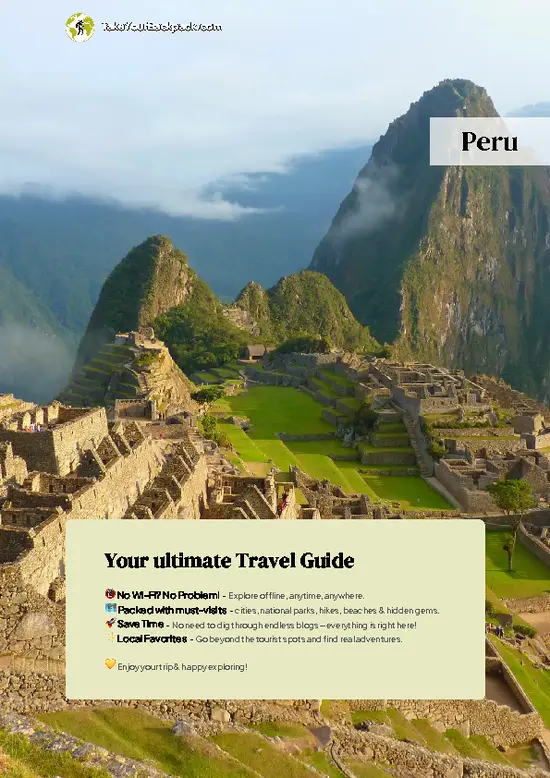
Country photo of Peru

We 💚 feedbackFinal thoughts on visiting Paita

Paita’s coastal charm is a breath of fresh air. The seafood here? Absolutely worth the trip alone. But be ready for some logistical hiccups; public transport can be a bit of a puzzle. Embrace the challenge, and you’ll find the rewards are well worth the effort.

✈️ When did I visit Peru?
Peru I visited during my half year trip through South and Central America back in 2003

✍️ Help improve this page!
The information on this page is based on my own backpacking experience in Peru, supplemented with up-to-date research and feedback from other travelers. Travel details can change, so if you notice anything outdated or incomplete, feel free to let me know.


🙋‍♂️ Give feedback

👋 Meet the founderWho’s Behind Take Your Backpack?

Johan, backpacker and founder of TakeYourBackpackHi, I’m Johan (Netherlands 🇳🇱), the creator of TakeYourBackpack. Over the past decade, I’ve backpacked through 80+ countries across six continents, gaining extensive experience with independent travel, long-term trips, and overland routes.

This site is built on a combination of firsthand travel experience and carefully curated insights from other backpackers. Many guides are based on places I’ve personally visited, while others bring together tips, observations, and practical advice shared by trusted travelers I’ve met along the way.

The goal is to provide realistic, experience-driven guidance — not generic itineraries — so you can explore destinations with better context, clearer expectations, and more confidence.

Get full Peru guide •
Instant download • 118 highlights • Full Offline guide