×

Peru🇵🇪 | regionsPuno and the Uros Floating IslandsTotora reed islands, local crafts, lakeshore city | things to do and best time to go

Explore Paracas and the Ballestas IslandsExplore Aguas Calientes

Backpacking in Puno and the Uros Floating Islands
👀 For curious travelersregion ranked #6
By Johan Kruseman 🇳🇱 | Updated September 4, 2026

You land in Puno and the first big decision hits: do you book the quick half-day Uros tour with a hundred other people and tick Lake Titicaca off your list, or slow down, spend a night on the lake, and trade comfort (cold rooms, basic toilets) for a deeper look at island life. That choice matters, because this is where Peru flips from “Instagram stop” to “this actually changed how I see tourism.”

Puno sits in Peru’s far south, on the shore of Lake Titicaca near the Bolivian border, with the Uros Floating Islands a short boat ride away. For backpackers, it’s cheap, easy to move on from (Cusco, Arequipa, La Paz buses), and the lake at sunrise is absurdly beautiful. But it’s also one of the most tour-saturated spots in Peru; compared with wilder Colca Canyon or more soulful highland towns around Cusco, Puno feels more transactional. I still go, but I treat it like a conscious cultural experiment, not a fairy tale.

Discover everything you want to know in the 📖 Peru Travel Guide.


Get your Peru guide
113 ranked highlights, routes & tips, works offline (416 pages)
Loading the map 🌍
CLICK TO FILTER
cities
towns
villages
landmarks
national parks
hikes
beaches
attractions
festivals
regions
SHOW COUNTRY’S BESTSHOW ALL

✨ Why go?
Ranked #6 region in Peru
The unique appeal for travelers

Backpackers flock to Puno and the Uros Floating Islands for a reason. It’s all about the variety of landscapes and experiences packed into one spot. You can wake up on a floating island, sip on local tea, and then hop on a boat to explore Lake Titicaca. This isn’t just a quick stop; it’s a chance to slow travel and soak in the culture without the hassle of constant relocation.

The transport flexibility here is a game-changer. You can easily navigate between islands or take a day trip to nearby Taquile. Each destination offers a unique slice of Andean life, from traditional crafts to local cuisine.

Mixing nature and culture is the name of the game. You’ll find yourself surrounded by stunning views while engaging with the Uros people, learning about their way of life. This balance makes Puno … read more 👉
Backpackers flock to Puno and the Uros Floating Islands for a reason. It’s all about the variety of landscapes and experiences packed into one spot. You can wake up on a floating island, sip on local tea, and then hop on a boat to explore Lake Titicaca. This isn’t just a quick stop; it’s a chance to slow travel and soak in the culture without the hassle of constant relocation.

The transport flexibility here is a game-changer. You can easily navigate between islands or take a day trip to nearby Taquile. Each destination offers a unique slice of Andean life, from traditional crafts to local cuisine.

Mixing nature and culture is the name of the game. You’ll find yourself surrounded by stunning views while engaging with the Uros people, learning about their way of life. This balance makes Puno a high-value experience, where every moment feels rich and rewarding.
Want to include Puno and the Uros Floating Islands in your Peru route?
Create a personalized Peru itinerary that includes Puno and the Uros Floating Islands and the places that fit your trip — based on your travel style, budget, and available time. Get your route in seconds.

Generate my trip

💡 HighlightsDon't-miss highlights and experiences

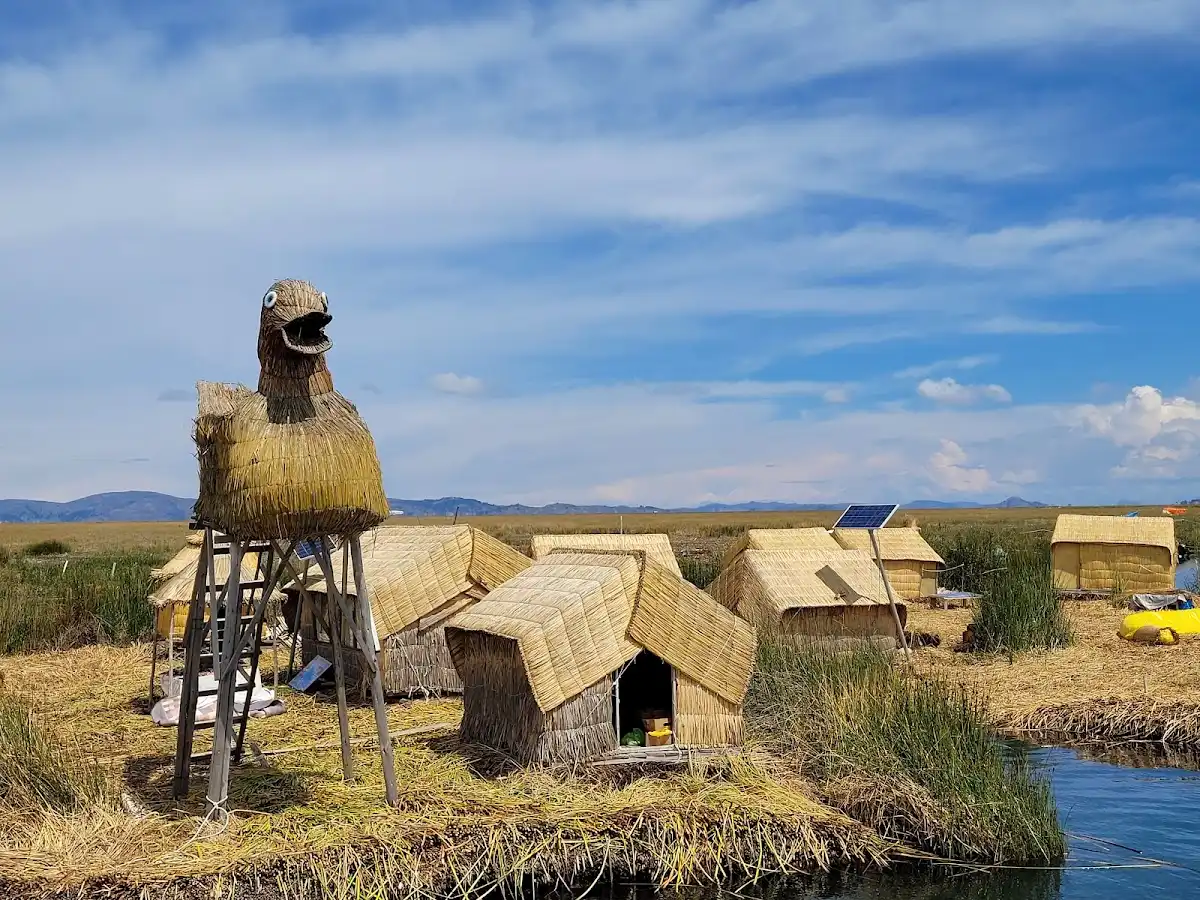
  • Uros Floating Islands — Man-made islands of totora reeds where families still live, fish, and build reed boats. It’s a one-of-a-kind living community: you can walk the wobbling platforms, watch reed-boat building, and see a lake culture that doesn’t exist anywhere else.
  • Taquile Island — A compact island famous for its community weaving, terraced fields and honest, community-run tourism. The hike up to the plaza, the view across the lake, and the slow rhythm of daily life make it feel like stepping into a different era of the Andes.
  • Amantani Island — Overnight homestays, two small hilltop temples (Pachatata and Pachamama), and stellar sunsets over Titicaca. Families host simple dinners and traditional dances at night — best way to feel the island’s culture. (Personal favorite: the silence
read more 👉
  • Uros Floating Islands — Man-made islands of totora reeds where families still live, fish, and build reed boats. It’s a one-of-a-kind living community: you can walk the wobbling platforms, watch reed-boat building, and see a lake culture that doesn’t exist anywhere else.
  • Taquile Island — A compact island famous for its community weaving, terraced fields and honest, community-run tourism. The hike up to the plaza, the view across the lake, and the slow rhythm of daily life make it feel like stepping into a different era of the Andes.
  • Amantani Island — Overnight homestays, two small hilltop temples (Pachatata and Pachamama), and stellar sunsets over Titicaca. Families host simple dinners and traditional dances at night — best way to feel the island’s culture. (Personal favorite: the silence after sunset and the rooftop view of distant shorelines.)
  • Sillustani chullpas — Towering stone funerary towers on the shores of Lake Umayo, set on a windswept peninsula. The scale and placement of the chullpas, with llamas grazing nearby, create one of the region’s most atmospheric archaeological scenes — especially beautiful at golden hour.
  • Inca Uyo (Chucuito) — A small pre-Columbian stone complex of carved fertility stones near the town of Chucuito. It’s intimate, easy to visit from Puno, and gives a real sense of the deeper history around Titicaca without the crowds.
  • Capachica Peninsula — Hidden gem: farmland, tiny hamlets and quiet shoreline trails that most day-trippers miss. Walk or cycle the back roads, drop into a family farm for fresh cheese, and watch everyday lake life away from the main tourist routes.
  • Pomata Church (Iglesia San Pedro de Pomata) — Hidden gem: a striking colonial church with an unusually tall bell tower and ornate altar work. The village of Pomata around it is calm and authentic — great for photos and to see local religious traditions up close.
  • Anapia Island — Hidden gem: a low-key farming island on Titicaca with few visitors, neat little trails, and friendly households. If you want quiet hikes, potato terraces and real island routines (no souvenir stalls), this is the place.
  • Puno Central Market (Mercado Central) — A full-on local experience: stallholders selling trout from the lake, quinoa, herbs, and regional snacks. Grab a bowl of chairo or a fresh trucha and watch daily life — far more honest than tourist food courts.
  • Bay of Puno / Pier Sunset and Reed-Boat Walks — The city waterfront is where the lake’s energy is easiest to feel: fishermen, reed boats, and low light that turns the hills into silhouettes. Take a short reed-boat ride at dusk or just sit on the pier and let the lake calm you down.
Spotted a mistake or missing something? Contact us.

Things to do around Puno and the Uros Floating Islands

Ratings based on Tripadvisor reviews. When you book through this link, you support our work at no extra cost to you.

⌛️ 5 daysWhat you can realistically do in a week

Day 1: Puno
Arrive in Puno, the gateway to Lake Titicaca. Settle in and acclimate to the altitude. The town’s vibe is laid-back, with a bustling market and local eateries. Spend the afternoon exploring the Plaza de Armas and grabbing a bite at a local restaurant. This day is about easing into the altitude and soaking up the local culture.

Day 2: Uros Floating Islands
Take an early boat to the Uros Floating Islands. The ride is about 30 minutes, and you’ll want to beat the crowds. The locals here are welcoming, and you’ll learn about their unique lifestyle. This experience is a must; it’s not just a photo op but a deep dive into a living culture. The morning light on the water is magical, making for stunning photos.

Day 3: Taquile Island
Head to Taquile Island, a bit further out but … read more 👉
Day 1: Puno
Arrive in Puno, the gateway to Lake Titicaca. Settle in and acclimate to the altitude. The town’s vibe is laid-back, with a bustling market and local eateries. Spend the afternoon exploring the Plaza de Armas and grabbing a bite at a local restaurant. This day is about easing into the altitude and soaking up the local culture.

Day 2: Uros Floating Islands
Take an early boat to the Uros Floating Islands. The ride is about 30 minutes, and you’ll want to beat the crowds. The locals here are welcoming, and you’ll learn about their unique lifestyle. This experience is a must; it’s not just a photo op but a deep dive into a living culture. The morning light on the water is magical, making for stunning photos.

Day 3: Taquile Island
Head to Taquile Island, a bit further out but worth the trip. The boat ride takes about two hours, so bring snacks and enjoy the views. Taquile is known for its textiles and traditional way of life. Hike up to the main square for breathtaking views of the lake. This day is about immersing yourself in local traditions and enjoying the slower pace of island life.

Day 4: Off-Path Reward - Sillustani
Take a detour to Sillustani, an ancient burial site about 30 minutes from Puno. The chullpas (funerary towers) are fascinating, and the scenery is stunning. This stop adds depth to your understanding of the region’s history without straying too far from your base.

Day 5: Return to Puno
Spend your last day revisiting favorite spots in Puno or picking up souvenirs. Reflect on your journey and savor the local cuisine one last time.

The must-do day? Day 2 at the Uros Floating Islands. It’s the heart of the experience, blending culture, beauty, and connection. You’ll leave with stories that resonate long after you’ve returned home.
Turn your Puno and the Uros Floating Islands visit into an Peru adventure
Build a complete Peru route with Puno and the Uros Floating Islands, hidden gems, must-see destinations, and realistic travel times included.

Generate my trip

🌤️ When to go?When to go for the best experience


  • Weather: The dry season from May to October is your best bet—clear skies and minimal rain make exploring the floating islands a breeze. Wet season (November to March) brings heavy showers that can turn the lake choppy and the reed islands soggy.

  • Temperature: Days hover around 15-20°C (59-68°F) during dry months, perfect for trekking without overheating. Nights can dip sharply to 0-5°C (32-41°F), so pack layers. Wet season nights are milder but wetter.

  • Daylight Hours: June and July offer the longest daylight, about 11-12 hours, giving you more time to soak in the lake’s magic before dark.

  • Crowds: Peak dry season draws tourists, especially July and August. Early May or late September means fewer people but still solid weather.

  • Seasonal Activities: June’s Corpus Christi festival is
read more 👉

  • Weather: The dry season from May to October is your best bet—clear skies and minimal rain make exploring the floating islands a breeze. Wet season (November to March) brings heavy showers that can turn the lake choppy and the reed islands soggy.

  • Temperature: Days hover around 15-20°C (59-68°F) during dry months, perfect for trekking without overheating. Nights can dip sharply to 0-5°C (32-41°F), so pack layers. Wet season nights are milder but wetter.

  • Daylight Hours: June and July offer the longest daylight, about 11-12 hours, giving you more time to soak in the lake’s magic before dark.

  • Crowds: Peak dry season draws tourists, especially July and August. Early May or late September means fewer people but still solid weather.

  • Seasonal Activities: June’s Corpus Christi festival is a cultural jackpot, with vibrant parades on the lake—plan around this if you want local color.

  • Price Fluctuations: Expect higher prices mid-year when demand spikes. Booking early or visiting shoulder months can save you a chunk.


Pro-tip: Arrive early morning to the Uros Islands to catch the calmest water and avoid the midday tourist rush—trust me, it’s a game-changer.


source: climatestotravel.comJANJanuary: fair for travelingFEBFebruary: fair for travelingMARMarch: fair for travelingAPRApril: good for travelingMAYMay: highly recommended for travelingJUNJune: excellent for travelingJULJuly: excellent for travelingAUGAugust: highly recommended for travelingSEPSeptember: highly recommended for travelingOCTOctober: highly recommended for travelingNOVNovember: fair for travelingDECDecember: fair for traveling
peru-region-puno-and-the-uros-floating-islands
© Google |

✈️ The backpacker research shortcutPeru Travel Guide

An offline-friendly backpacking guide with optimized travel routes, ranked highlights, transport advice, and the best areas to stay.
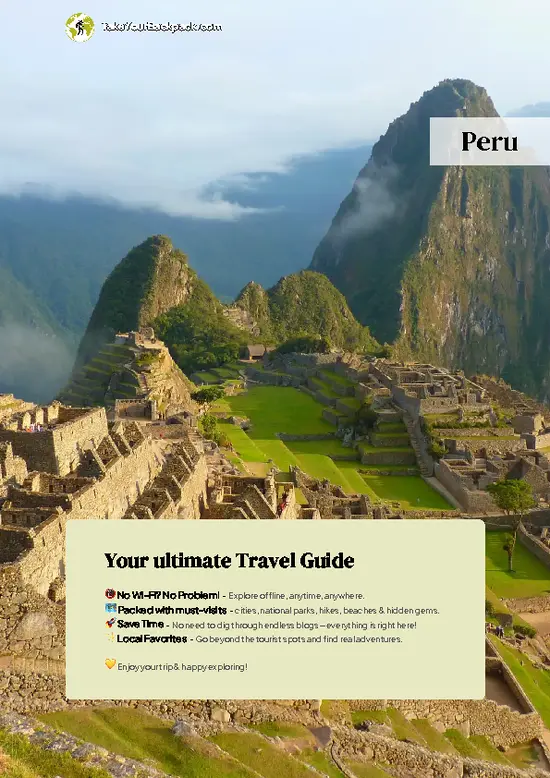
example page 0 from our offline Travel Guide for Peru
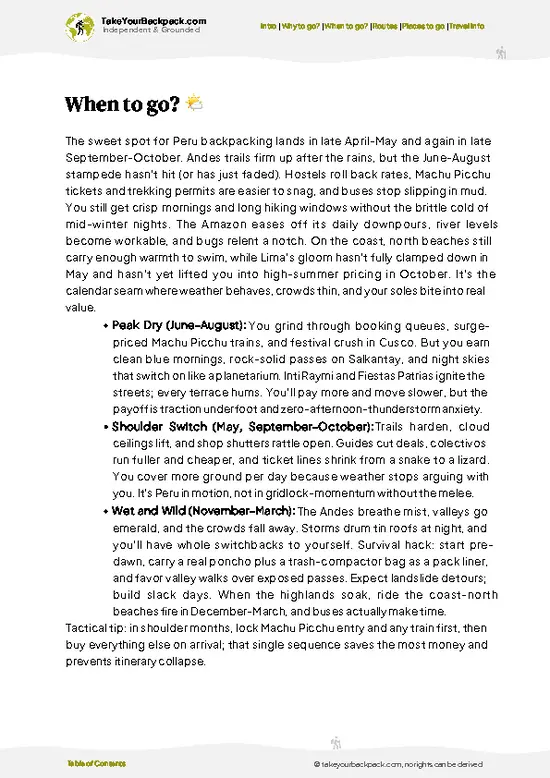
example page 1 from our offline Travel Guide for Peru
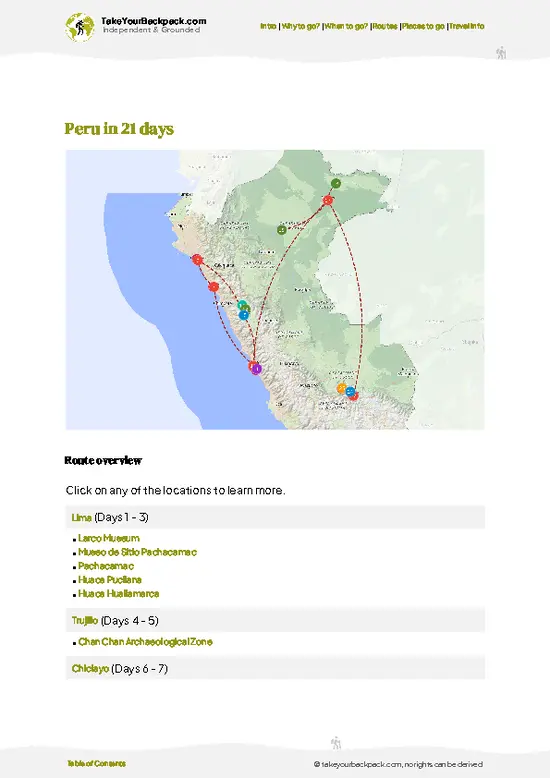
example page 2 from our offline Travel Guide for Peru
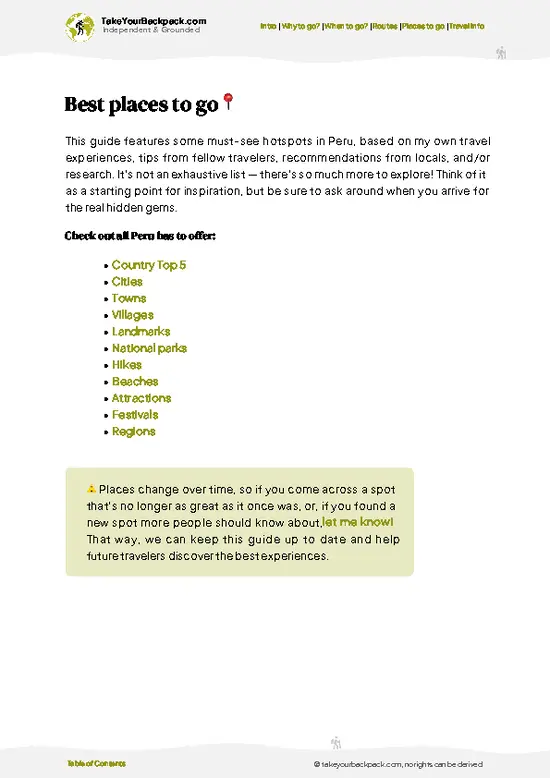
example page 3 from our offline Travel Guide for Peru
example page 4 from our offline Travel Guide for Peru
example page 5 from our offline Travel Guide for Peru
example page 6 from our offline Travel Guide for Peru
example page 7 from our offline Travel Guide for Peru
The digital guide (416 pages) contains:
113 highlights, ranked by travel appeal
Optimized 7, 14 & 21-day travel routes
Cities, national parks, landmarks, beaches
How to get around
Offline-friendly for travel without Wi-Fi
👉 Click to see all 30+ guide features

📅 Plan smarter in minutes, not weeks
Month by month travel advice
Festivals & national holidays
Budget expectations

🗺️ Go to the right places, skip the overrated ones
Honest pros & cons of destinations
Top hikes, parks & viewpoints
Lesser-known places most travelers miss
Clear “worth it vs skip it” guidance

🛏️ Travel smoothly without rookie mistakes
Best areas to stay
Transport systems explained simply
Common scams & safety advice
SIM cards, money & practical tips

🌍 Understand the country, not just visit it
Culture & traditions
52 Essential phrases & customs
Festivals worth planning around
Traveler-friendly historical context
Insights that make places more meaningful

📱 Built for real travel conditions
Fully downloadable PDF
Works completely offline
Optimized for phone use
Useful in remote areas & buses
Everything in one place
Save weeks of stressful planning
Get instant access to your full guide. 30‑day money-back guarantee.
+ Add another guide for just US$7.80

By proceeding you agree to our terms.
Sent to your inbox immediately after payment • 100% Secure Checkout
Best Backpacking Travel Advisor 2025 tourism awardBest Backpacking
Travel Advisor
2025
What others say about Take Your Backpack Guides:
⭐⭐⭐⭐⭐
Fantastic, amazing amount of information!
⭐⭐⭐⭐⭐
My goodness this is amazing, it's what I've been looking for hats off too you!
⭐⭐⭐⭐⭐
I think this is absolutely BRILLIANT
⭐⭐⭐⭐
Very complete and informative. It's still missing places, but I gotta to commend you
⭐⭐⭐⭐⭐
This is truly amazing, thank you, can't wait to explore it with my kids!
⭐⭐⭐⭐⭐
Awesome resource, thank you!
⭐⭐⭐⭐⭐
This is amazing! Can't wait to explore the ones I haven't seen
⭐⭐⭐⭐
I love this! Well done, great idea.
⭐⭐⭐⭐⭐
Thanks for taking the time to make this gem!
⭐⭐⭐⭐⭐
This might be the best website I've ever seen.
⭐⭐⭐⭐⭐
Congratulations, and thank you so much for your work; it's incredibly valuable.
⭐⭐⭐⭐
In all seriousness I think you did a great job pointing out the important spots
⭐⭐⭐⭐⭐
10/10 very good
⭐⭐⭐⭐⭐
As someone who's only just starting to visit regularly this is awesome, thank you.
⭐⭐⭐⭐
Thank you very much! I'm going to visit my dad, it's going to be very useful!
⭐⭐⭐⭐⭐
This is really cool! We'll be travelling for the first time and this definitely come in handy.
⭐⭐⭐⭐⭐
You are now our minister of culture, congratulations 👨‍💼
⭐⭐⭐⭐⭐
Just wanted to tell you that this is a pearl! Going to follow your recommendations.
⭐⭐⭐⭐⭐
This is so cool. I'll definitely be using the resource for my travels soon.
⭐⭐⭐⭐⭐
This is very impressive! Good work.
⭐⭐⭐⭐⭐
This is an amazing and informative site. Very well done!

🛏️ Where to stay?Where staying makes the most sense

When you’re in Puno and the Uros Floating Islands, your choice of where to stay can make or break your experience.

Start in Puno’s city center. It’s buzzing with life, filled with markets and eateries. You’ll find fellow backpackers here, making it easy to swap stories over a cheap meal. Plus, it’s a great launchpad for day trips to the Uros Islands. Just be mindful of your timing; evenings can get lively, so if you crave quiet, aim for a spot a bit off the main square.

Next, consider the Uros Floating Islands themselves. Staying overnight on the islands is a unique experience. You’ll get a … read more 👉
When you’re in Puno and the Uros Floating Islands, your choice of where to stay can make or break your experience.

Start in Puno’s city center. It’s buzzing with life, filled with markets and eateries. You’ll find fellow backpackers here, making it easy to swap stories over a cheap meal. Plus, it’s a great launchpad for day trips to the Uros Islands. Just be mindful of your timing; evenings can get lively, so if you crave quiet, aim for a spot a bit off the main square.

Next, consider the Uros Floating Islands themselves. Staying overnight on the islands is a unique experience. You’ll get a taste of local life, and the sunsets are something else. However, it’s a bit pricier and less comfortable than Puno. Think of it as a trade-off: you sacrifice some comfort for an unforgettable experience.

Lastly, check out Taquile Island. It’s a bit more remote, but the community vibe is strong. You’ll meet locals and fellow travelers, and the hiking is spectacular. Just plan your stay wisely; it’s a longer journey from Puno, but the tranquility is worth it.

🚌 Getting aroundHow to get from A to B

Puno and the Uros Floating Islands pulse with a rhythm that’s part chaos, part charm. Here, the air is thick with the scent of lake reeds and the sound of laughter from locals weaving their colorful crafts. Schedules? They exist, but they’re more like guidelines than hard rules. You’ll find yourself hopping on a boat or bus when the moment feels right, not just when the clock says so. This is a place where spontaneity reigns, and the journey is as much about the experience as the destination.


  • Motorboat to Uros Islands: These boats zip across Lake Titicaca, taking about 30-45 minutes to reach the floating islands. Prices hover around 20-30 soles round trip, and they run from 7 AM to 5 PM. Expect a bit of a jostle, but the views are worth it.


  • Collectivo to Puno: A shared taxi or minivan
read more 👉
Puno and the Uros Floating Islands pulse with a rhythm that’s part chaos, part charm. Here, the air is thick with the scent of lake reeds and the sound of laughter from locals weaving their colorful crafts. Schedules? They exist, but they’re more like guidelines than hard rules. You’ll find yourself hopping on a boat or bus when the moment feels right, not just when the clock says so. This is a place where spontaneity reigns, and the journey is as much about the experience as the destination.


  • Motorboat to Uros Islands: These boats zip across Lake Titicaca, taking about 30-45 minutes to reach the floating islands. Prices hover around 20-30 soles round trip, and they run from 7 AM to 5 PM. Expect a bit of a jostle, but the views are worth it.


  • Collectivo to Puno: A shared taxi or minivan can whisk you from Puno to the port for about 5 soles. They leave when full, so it’s a bit of a waiting game, but you’ll save time and money. The ride is quick, usually around 10-15 minutes.


  • Public Bus to Puno: If you’re coming from Cusco, the bus ride takes about 6-7 hours and costs between 30-70 soles, depending on the company. Opt for a reputable service for a more comfortable experience, especially at higher altitudes.


  • Kayak Rentals: For the adventurous spirit, renting a kayak on the Uros Islands can cost around 50 soles for a couple of hours. It’s a unique way to explore the islands at your own pace, but be prepared for a workout!


For smooth sailing across this vibrant region, aim to catch the early morning boats. Not only will you beat the crowds, but the lake is also at its most serene, reflecting the stunning Andes like a mirror. Plus, you’ll have more time to soak in the local culture before the day gets busy.

🍲 FoodWhat to Eat & Drink

In Puno and on the Uros Floating Islands, food is a vibrant tapestry of flavors and traditions. Dive into trout, freshly caught from Lake Titicaca, often grilled to perfection and served with a zesty squeeze of lime. Don’t miss quinoa soup, a hearty bowl that warms you up against the chill of the high altitude.

For a true local experience, head to the bustling markets. The Mercado Central is a sensory overload, where the aroma of fried cheese empanadas mingles with the earthy scent of herbs. Grab a plate of anticuchos—grilled beef heart skewers—served with a side of spicy sauce. Street vendors are your best friends here; they offer quick bites that pack a punch without breaking the bank.

When it comes to drinks, try a glass of chicha morada, a sweet, purple corn drink that’s as refreshing … read more 👉
In Puno and on the Uros Floating Islands, food is a vibrant tapestry of flavors and traditions. Dive into trout, freshly caught from Lake Titicaca, often grilled to perfection and served with a zesty squeeze of lime. Don’t miss quinoa soup, a hearty bowl that warms you up against the chill of the high altitude.

For a true local experience, head to the bustling markets. The Mercado Central is a sensory overload, where the aroma of fried cheese empanadas mingles with the earthy scent of herbs. Grab a plate of anticuchos—grilled beef heart skewers—served with a side of spicy sauce. Street vendors are your best friends here; they offer quick bites that pack a punch without breaking the bank.

When it comes to drinks, try a glass of chicha morada, a sweet, purple corn drink that’s as refreshing as it is unique. And if you’re feeling adventurous, sample pisco, the local spirit, but sip it slowly; it packs a punch.

Dining customs are relaxed but respectful. Always greet your hosts with a smile, and don’t be shy to share a toast. Eating is a communal affair, so embrace the local vibe and enjoy every bite!

FAQCommon questions from travelers

2 to 3 days are sufficient to explore Puno and the Uros Floating Islands. One day can be dedicated to visiting the Uros Islands by boat, which takes about 30 minutes from Puno, and another day to explore Puno town and nearby attractions like Taquile Island. This timeframe allows for a relaxed pace and some cultural immersion.
You get around Puno and the Uros Floating Islands primarily by boat and on foot. Local boats operate regular tours to the Uros Islands and other nearby islands on Lake Titicaca, with prices around 30-50 soles per person for a round trip. Within Puno, walking and local minibuses (colectivos) are common and affordable ways to navigate the town.
Puno and the Uros Floating Islands are known for their unique floating reed islands made from totora reeds, inhabited by the Uros people who maintain traditional lifestyles. The region is also famous as the gateway to Lake Titicaca, the highest navigable lake in the world, and for its vibrant indigenous culture and festivals.
⚠️ Things can change over time, so always validate details locally before you go.

Other Peruvian regions near Puno and the Uros Floating Islands

Explore more nearby:


💡 Not sure where to go next?
Create a personalized itinerary for Peru including Puno and the Uros Floating Islands and the places that fit your trip.

Generate my itinerary

👉 Discover all regions

Or checkout all Peru has to offer (think cities, towns, villages, national parks, hikes, beaches, festivals)
Country photo of Peru

We 💚 feedbackKey takeaways before you go

Visiting the Uros Floating Islands is like stepping into a living history book. The locals’ craftsmanship and connection to the lake are captivating. But here’s the kicker: the altitude can hit hard. If you’re not acclimated, you might feel it. Plan a couple of days in Puno to adjust. Embrace the culture, but don’t underestimate the altitude—your lungs will thank you later.

✈️ When did I visit Peru?
Peru I visited during my half year trip through South and Central America back in 2003

✍️ Help improve this page!
The information on this page is based on my own backpacking experience in Peru, supplemented with up-to-date research and feedback from other travelers. Travel details can change, so if you notice anything outdated or incomplete, feel free to let me know.


🙋‍♂️ Give feedback

👋 Meet the founderWho’s Behind Take Your Backpack?

Johan, backpacker and founder of TakeYourBackpackHi, I’m Johan (Netherlands 🇳🇱), the creator of TakeYourBackpack. Over the past decade, I’ve backpacked through 80+ countries across six continents, gaining extensive experience with independent travel, long-term trips, and overland routes.

This site is built on a combination of firsthand travel experience and carefully curated insights from other backpackers. Many guides are based on places I’ve personally visited, while others bring together tips, observations, and practical advice shared by trusted travelers I’ve met along the way.

The goal is to provide realistic, experience-driven guidance — not generic itineraries — so you can explore destinations with better context, clearer expectations, and more confidence.

Get full Peru guide •
Instant download • 113 highlights • Full Offline guide