×

Philippines🇵🇭 | citiesCebuheritage sites, urban markets, island hopping | things to do and best time to go

Explore Dinagat IslandsExplore Davao

Backpacking in Cebu
🏆 Top pickcity ranked #1
By Johan Kruseman 🇳🇱 | Updated June 9, 2026

Your shirt sticks to your back as the jeepney door rattles open, hot air and exhaust rushing in with a blast of karaoke from a nearby sari-sari store. Someone passes your fare hand-to-hand to the driver. A kid grins at you over a bag of chicharrón. Above the chaos, a faded sign points toward “Magellan’s Cross.”

Cebu sits in the central Visayas of the Philippines, a jump-off hub that’s more lived-in city than beach fantasy. For backpackers, it’s a trade: gritty streets and traffic in exchange for easy ferries to Bohol, Siquijor, and those famous Kawasan canyoneering runs. The old quarter around Colon and the Basilica gives you history and street food; IT Park and Mango Square give you bars, clubs, and late-night barbecue. It’s cheaper and rougher than Manila, busier and more connected than Dumaguete. You’ll meet travelers in hostels and dive shops, but most people here are just living their lives. Safety is mostly about street smarts: watch your pockets, avoid drunk bravado, and you’re fine. The vibe is work-hard port city with just enough adventure energy to keep you hooked for “one more night.”

Discover everything you want to know in the 📖 Philippines Travel Guide.
Loading the map 🌍
CLICK TO FILTER
cities
towns
landmarks
national parks
hikes
beaches
attractions
festivals
regions
SHOW COUNTRY’S BESTSHOW ALL

✨ Why go?
Ranked #1 city in Philippines
The unique appeal for travelers

Cebu is a backpacker’s hub that balances time, money, and comfort like a pro. It’s not just a stopover; it’s a strategic basecamp for those eager to explore the Visayas. The city offers a wealth of highlights and activities that cater to various interests, making it easy to fill your days without feeling rushed.

You’ll find affordable hostels that foster a social vibe, perfect for meeting fellow travelers. The food scene is a delightful mix of local flavors and international options, ensuring you won’t break the bank while indulging. Plus, the city is walkable, allowing you to soak in the atmosphere without relying on transport.

When the sun sets, Cebu’s nightlife kicks in, offering everything from laid-back bars to lively clubs, so you can unwind after a day of exploration. And if you’re … read more 👉
Cebu is a backpacker’s hub that balances time, money, and comfort like a pro. It’s not just a stopover; it’s a strategic basecamp for those eager to explore the Visayas. The city offers a wealth of highlights and activities that cater to various interests, making it easy to fill your days without feeling rushed.

You’ll find affordable hostels that foster a social vibe, perfect for meeting fellow travelers. The food scene is a delightful mix of local flavors and international options, ensuring you won’t break the bank while indulging. Plus, the city is walkable, allowing you to soak in the atmosphere without relying on transport.

When the sun sets, Cebu’s nightlife kicks in, offering everything from laid-back bars to lively clubs, so you can unwind after a day of exploration. And if you’re itching to venture further, the easy onward travel options make it simple to hop to nearby islands or attractions.

In short, Cebu is a smart choice for backpackers looking for a blend of value and experience, whether you’re planning a longer stay or just passing through.
Want to include Cebu in your Philippines route?
Create a personalized Philippines itinerary that includes Cebu and the places that fit your trip — based on your travel style, budget, and available time. Get your route in seconds.

Generate my trip

💡 HighlightsKey sights and experiences for travelers

  • Basilica Minore del Santo Niño — Home of the 16th-century Santo Niño statue and a living center of devotion; the church, its museum and the plaza give real context to Cebu’s Spanish-Catholic history and the annual Sinulog fever.
  • Magellan’s Cross — The small, painted kiosk hiding the planted cross is an iconic pilgrimage spot; it’s a compact, tangible link to the Philippines’ first documented European contact and worth seeing in person for the symbolism alone.
  • Fort San Pedro — A low, triangular Spanish fort with cannons, murals and a quiet garden; it’s small but a great place to imagine colonial Cebu and grab a slower moment amid downtown bustle.
  • Casa Gorordo Museum — A well-restored 19th-century Filipino-Spanish home that shows how elite Cebuano life looked before modernity; the furniture,
read more 👉
  • Basilica Minore del Santo Niño — Home of the 16th-century Santo Niño statue and a living center of devotion; the church, its museum and the plaza give real context to Cebu’s Spanish-Catholic history and the annual Sinulog fever.
  • Magellan’s Cross — The small, painted kiosk hiding the planted cross is an iconic pilgrimage spot; it’s a compact, tangible link to the Philippines’ first documented European contact and worth seeing in person for the symbolism alone.
  • Fort San Pedro — A low, triangular Spanish fort with cannons, murals and a quiet garden; it’s small but a great place to imagine colonial Cebu and grab a slower moment amid downtown bustle.
  • Casa Gorordo Museum — A well-restored 19th-century Filipino-Spanish home that shows how elite Cebuano life looked before modernity; the furniture, kitchen and period rooms are surprisingly intimate and informative.
  • Yap-Sandiego Ancestral House (Parian) — One of the oldest wooden dwellings in the city, tucked in the historic Parian district; the house and surrounding narrow streets give a clear feel for Cebu’s Chinese-Filipino heritage.
  • Taboan Public Market — The place to buy danggit (dried fish), dried mangoes and local tidbits; chaotic, fragrant and very Cebuano — perfect for foodie souvenirs and street-level culture.
  • Carbon Market — Cebu’s oldest and busiest public market; it’s loud, lively and inexpensive — the best place to watch daily life, try local snacks and practice your bargaining (and keep an eye on your stuff).
  • Taoist Temple (Beverly Hills) — A colorful, hilltop Chinese temple open to visitors, with ornate steps, dragon carvings and a decent city view; it’s free, photogenic and shows another strand of Cebu’s cultural mix.
  • Sirao Flower Garden — A bright, hillside flower farm in Busay (often called “Little Amsterdam”); beyond the photos it’s a pleasant walk, cooler air and a peek at local hobby-farming away from the city center.
  • Museo Sugbo (Old Provincial Jail) — Housed in the former prison, this museum covers Cebu’s layered history from pre-colonial times through American and Japanese eras; the building itself adds atmosphere to the exhibits.
A few excellent day-trip options just outside Cebu City: Mactan Island (Lapu-Lapu Shrine, diving and beach spots), Olango Island Wildlife Sanctuary (birding), and Kawasan Falls (canyoneering and swimming) — my personal favorite for a day escape is Kawasan Falls.
Spotted a mistake or missing something? Contact us.

Things to do in Cebu

Ratings based on Tripadvisor reviews. When you book through this link, you support our work at no extra cost to you.

🏘️ NeighborhoodsKey areas and districts to know

Cebu is a vibrant hub that balances urban energy with tropical charm. Each neighborhood offers unique advantages for backpackers, so let’s break it down.

Colon Street: This is the heart of Cebu, packed with history and local culture. It’s budget-friendly, with plenty of cheap eats and hostels. The vibe is bustling, perfect for those who thrive on energy. Walkability is decent, but be cautious of traffic. Nightlife is lively, with bars and street food stalls. Ideal for short stays if you want to dive into local life quickly.

IT Park: A modern contrast to the historical areas, IT Park is where tech meets leisure. It’s more upscale, with co-working spaces and trendy cafes. The vibe is relaxed yet professional. Walkability is excellent, with everything within reach. Nightlife here is more laid-back, … read more 👉
Cebu is a vibrant hub that balances urban energy with tropical charm. Each neighborhood offers unique advantages for backpackers, so let’s break it down.

Colon Street: This is the heart of Cebu, packed with history and local culture. It’s budget-friendly, with plenty of cheap eats and hostels. The vibe is bustling, perfect for those who thrive on energy. Walkability is decent, but be cautious of traffic. Nightlife is lively, with bars and street food stalls. Ideal for short stays if you want to dive into local life quickly.

IT Park: A modern contrast to the historical areas, IT Park is where tech meets leisure. It’s more upscale, with co-working spaces and trendy cafes. The vibe is relaxed yet professional. Walkability is excellent, with everything within reach. Nightlife here is more laid-back, with chill bars and restaurants. Great for longer stays if you enjoy a quieter atmosphere with modern amenities.

Banilad: This neighborhood offers a mix of residential comfort and local flair. It’s slightly pricier but still affordable. The vibe is family-friendly, with parks and local markets. Walkability is good, but public transport is needed for longer distances. Nightlife is minimal, making it suitable for those seeking peace. Perfect for longer stays if you want a homey feel.

Malapascua Island: While not in Cebu City, it’s a must-mention for divers and beach lovers. It’s more remote, so expect to spend a bit more on transport. The vibe is laid-back, with stunning beaches and dive shops. Walkability is excellent, but you’ll want to plan your stay around diving schedules. Ideal for longer stays to soak in the island life.

Choose wisely based on your priorities, and you’ll unlock the best of Cebu!

⌛️ 1 dayA smart one-day plan

Cebu is a vibrant blend of history, culture, and stunning landscapes. It’s the kind of city where you can feel the pulse of the Philippines—bustling markets, rich heritage, and the warm smiles of locals. If you’re spending a day here, let’s dive into a plan that balances time, money, and comfort, ensuring you soak up the essence of this lively destination.

Start your morning in the historic district of Parian. Grab a traditional breakfast at a local eatery—try the *danggit* (dried fish) with rice and a side of fresh mango. It’s a simple meal that packs a punch. After fueling up, stroll over to the nearby Basilica del Santo Niño. This iconic church is a must-see, housing the oldest religious relic in the Philippines. The atmosphere is electric, filled with devotion and history.

As the sun … read more 👉
Cebu is a vibrant blend of history, culture, and stunning landscapes. It’s the kind of city where you can feel the pulse of the Philippines—bustling markets, rich heritage, and the warm smiles of locals. If you’re spending a day here, let’s dive into a plan that balances time, money, and comfort, ensuring you soak up the essence of this lively destination.

Start your morning in the historic district of Parian. Grab a traditional breakfast at a local eatery—try the *danggit* (dried fish) with rice and a side of fresh mango. It’s a simple meal that packs a punch. After fueling up, stroll over to the nearby Basilica del Santo Niño. This iconic church is a must-see, housing the oldest religious relic in the Philippines. The atmosphere is electric, filled with devotion and history.

As the sun climbs higher, make your way to the bustling Carbon Market. This isn’t just a place to shop; it’s a sensory overload of colors and sounds. Here, you can pick up local crafts or fresh produce. Don’t miss the chance to chat with vendors; their stories add depth to your experience.

In the afternoon, head to the neighborhood of Lahug and visit the Temple of Leah. This grand structure, often overlooked by tourists, offers stunning views of the city and a glimpse into the local culture. The intricate architecture and serene gardens provide a perfect backdrop for some reflective moments.

As evening approaches, return to the waterfront at Cebu IT Park. This area is alive with energy, filled with restaurants and cafes. Treat yourself to a meal at a local spot like *The Pyramid*, where you can enjoy a mix of Filipino and international dishes. The ambiance is casual yet vibrant, perfect for unwinding after a day of exploration.

Cebu is more than just a destination; it’s a tapestry of experiences waiting to be unraveled. By focusing on these neighborhoods and activities, you’ll not only save time but also create lasting memories that go beyond the typical tourist trail.
Turn your Cebu visit into an Philippines adventure
Build a complete Philippines route with Cebu, hidden gems, must-see destinations, and realistic travel times included.

Generate my trip

🌤️ When to go?Seasonal considerations and timing


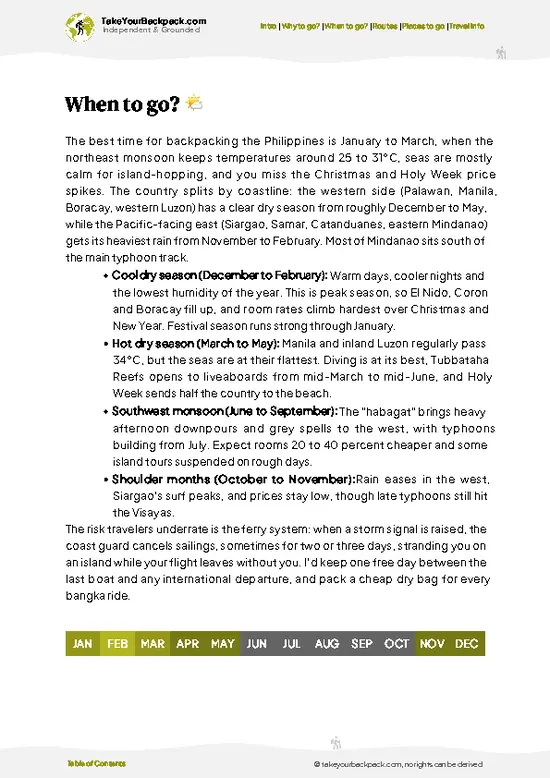
  • Topic: Weather – Cebu’s tropical climate means it’s warm year-round, but the dry season from December to May offers the most reliable sunshine. The wet season, June to November, brings heavy rains and typhoons, which can disrupt plans and dampen trails.

  • Topic: Temperature – Expect daily highs around 30-33°C (86-91°F) during the dry months, with lows rarely dropping below 24°C (75°F). The wet season cools things slightly but adds humidity, making it feel hotter than the thermometer reads.

  • Topic: Daylight Hours – Cebu enjoys roughly 11 to 12 hours of daylight year-round, with sunrise around 6 AM and sunset near 6 PM. This consistency means planning hikes or island tours is straightforward without drastic seasonal shifts.

  • Topic: Crowds – Peak tourist influx aligns with the dry season,
read more 👉

  • Topic: Weather – Cebu’s tropical climate means it’s warm year-round, but the dry season from December to May offers the most reliable sunshine. The wet season, June to November, brings heavy rains and typhoons, which can disrupt plans and dampen trails.

  • Topic: Temperature – Expect daily highs around 30-33°C (86-91°F) during the dry months, with lows rarely dropping below 24°C (75°F). The wet season cools things slightly but adds humidity, making it feel hotter than the thermometer reads.

  • Topic: Daylight Hours – Cebu enjoys roughly 11 to 12 hours of daylight year-round, with sunrise around 6 AM and sunset near 6 PM. This consistency means planning hikes or island tours is straightforward without drastic seasonal shifts.

  • Topic: Crowds – Peak tourist influx aligns with the dry season, especially around Christmas and Easter. If you want fewer people and a more local vibe, shoulder months like November or early December are smarter bets.

  • Topic: Seasonal Activities – Festivals like Sinulog in January pack the city with energy and culture but also crowds and higher prices. Diving and snorkeling thrive in the dry months when water visibility peaks.

  • Topic: Price Fluctuations – Accommodation and flights spike during the dry season and festival periods. Traveling in the wet season can save money but risks weather-related delays and cancellations.


Pro-tip: Aim for late November to early December—weather is improving, crowds are thin, and prices haven’t yet surged. You’ll get the best balance of comfort, cost, and authentic Cebuano life.


source: climatestotravel.comJANJanuary: highly recommended for travelingFEBFebruary: excellent for travelingMARMarch: excellent for travelingAPRApril: excellent for travelingMAYMay: highly recommended for travelingJUNJune: fair for travelingJULJuly: fair for travelingAUGAugust: fair for travelingSEPSeptember: below average for travelingOCTOctober: fair for travelingNOVNovember: good for travelingDECDecember: highly recommended for traveling
when-to-go

✈️ The backpacker research shortcutPhilippines Travel Guide

An offline-friendly backpacking guide with optimized travel routes, ranked highlights, transport advice, and the best areas to stay.
example page 0 from our offline Travel Guide for Philippines
example page 1 from our offline Travel Guide for Philippines
example page 2 from our offline Travel Guide for Philippines
example page 3 from our offline Travel Guide for Philippines
example page 4 from our offline Travel Guide for Philippines
example page 5 from our offline Travel Guide for Philippines
example page 6 from our offline Travel Guide for Philippines
example page 7 from our offline Travel Guide for Philippines
The digital guide (505 pages) contains:
144 highlights, ranked by travel appeal
Optimized 7, 14 & 21-day travel routes
Cities, national parks, landmarks, beaches
How to get around
Offline-friendly for travel without Wi-Fi
👉 Click to see all 30+ guide features

📅 Plan smarter in minutes, not weeks
Month by month travel advice
Festivals & national holidays
Budget expectations

🗺️ Go to the right places, skip the overrated ones
Honest pros & cons of destinations
Top hikes, parks & viewpoints
Lesser-known places most travelers miss
Clear “worth it vs skip it” guidance

🛏️ Travel smoothly without rookie mistakes
Best areas to stay
Transport systems explained simply
Common scams & safety advice
SIM cards, money & practical tips

🌍 Understand the country, not just visit it
Culture & traditions
52 Essential phrases & customs
Festivals worth planning around
Traveler-friendly historical context
Insights that make places more meaningful

📱 Built for real travel conditions
Fully downloadable PDF
Works completely offline
Optimized for phone use
Useful in remote areas & buses
Everything in one place
Save weeks of stressful planning
Get instant access to your full guide. 30‑day money-back guarantee.


By proceeding you agree to our terms.
Sent to your inbox immediately after payment • 100% Secure Checkout
Best Backpacking Travel Advisor 2025 tourism awardBest Backpacking
Travel Advisor
2025
What others say about Take Your Backpack Guides:
⭐⭐⭐⭐⭐
Fantastic, amazing amount of information!
⭐⭐⭐⭐⭐
My goodness this is amazing, it's what I've been looking for hats off too you!
⭐⭐⭐⭐⭐
I think this is absolutely BRILLIANT
⭐⭐⭐⭐
Very complete and informative. It's still missing places, but I gotta to commend you
⭐⭐⭐⭐⭐
This is truly amazing, thank you, can't wait to explore it with my kids!
⭐⭐⭐⭐⭐
Awesome resource, thank you!
⭐⭐⭐⭐⭐
This is amazing! Can't wait to explore the ones I haven't seen
⭐⭐⭐⭐
I love this! Well done, great idea.
⭐⭐⭐⭐⭐
Thanks for taking the time to make this gem!
⭐⭐⭐⭐⭐
This might be the best website I've ever seen.
⭐⭐⭐⭐⭐
Congratulations, and thank you so much for your work; it's incredibly valuable.
⭐⭐⭐⭐
In all seriousness I think you did a great job pointing out the important spots
⭐⭐⭐⭐⭐
10/10 very good
⭐⭐⭐⭐⭐
As someone who's only just starting to visit regularly this is awesome, thank you.
⭐⭐⭐⭐
Thank you very much! I'm going to visit my dad, it's going to be very useful!
⭐⭐⭐⭐⭐
This is really cool! We'll be travelling for the first time and this definitely come in handy.
⭐⭐⭐⭐⭐
You are now our minister of culture, congratulations 👨‍💼
⭐⭐⭐⭐⭐
Just wanted to tell you that this is a pearl! Going to follow your recommendations.
⭐⭐⭐⭐⭐
This is so cool. I'll definitely be using the resource for my travels soon.
⭐⭐⭐⭐⭐
This is very impressive! Good work.
⭐⭐⭐⭐⭐
This is an amazing and informative site. Very well done!

🛏️ Where to stay?How to pick the right area

Cebu’s backpacker scene gravitates toward two main areas that balance safety, social buzz, and budget options: Mango Avenue and the nearby Fuente Osmeña Circle district. Mango Avenue is the city’s pulse for nightlife and casual meetups. It’s where you’ll find a cluster of hostels packed with solo travelers and groups alike, drawn by the mix of affordable eats, bars, and easy access to transport hubs. The vibe here is lively but not chaotic—safe enough to wander at night, with enough social spaces to make connections without forcing it.

Fuente Osmeña Circle, just a short walk from Mango, offers … read more 👉
Cebu’s backpacker scene gravitates toward two main areas that balance safety, social buzz, and budget options: Mango Avenue and the nearby Fuente Osmeña Circle district. Mango Avenue is the city’s pulse for nightlife and casual meetups. It’s where you’ll find a cluster of hostels packed with solo travelers and groups alike, drawn by the mix of affordable eats, bars, and easy access to transport hubs. The vibe here is lively but not chaotic—safe enough to wander at night, with enough social spaces to make connections without forcing it.

Fuente Osmeña Circle, just a short walk from Mango, offers a slightly more laid-back atmosphere. It’s a green, open space surrounded by budget guesthouses and local eateries. This area appeals to backpackers who want to balance socializing with some downtime. The hostels here tend to be smaller, fostering a more intimate community feel. It’s also a strategic spot for day trips, with jeepney routes and bus terminals nearby, saving you time and money on transfers.

Compared to the more commercial or residential parts of Cebu, these two neighborhoods offer the best trade-off between comfort, cost, and social opportunities. You’re not sacrificing safety or convenience for budget, and the hostel density means you’re never far from fellow travelers or local flavor. It’s a smart base for anyone wanting to crack the code of Cebu’s backpacker circuit.

🚌 Getting aroundHow to get around Cebu

Cebu moves at its own rhythm—partly dictated by the relentless tropical sun, partly by the ebb and flow of locals hustling through their day. It’s not a city where you’ll find strict timetables etched in stone; instead, it’s a dance of informal schedules and gut instincts. The traffic snarls and honking horns create a soundtrack that’s chaotic but oddly predictable once you get the hang of it. Here, time is flexible, money is a lever, and comfort is a luxury you negotiate with every ride. Understanding this dynamic is your secret weapon to mastering Cebu’s transit game.


  • Jeepneys: The backbone of Cebu’s public transit, these colorful, open-air buses run from dawn until around 9 PM. Fares hover around 10-15 PHP (about 20-30 cents), making them the cheapest option. They’re slow and packed,
read more 👉
Cebu moves at its own rhythm—partly dictated by the relentless tropical sun, partly by the ebb and flow of locals hustling through their day. It’s not a city where you’ll find strict timetables etched in stone; instead, it’s a dance of informal schedules and gut instincts. The traffic snarls and honking horns create a soundtrack that’s chaotic but oddly predictable once you get the hang of it. Here, time is flexible, money is a lever, and comfort is a luxury you negotiate with every ride. Understanding this dynamic is your secret weapon to mastering Cebu’s transit game.


  • Jeepneys: The backbone of Cebu’s public transit, these colorful, open-air buses run from dawn until around 9 PM. Fares hover around 10-15 PHP (about 20-30 cents), making them the cheapest option. They’re slow and packed, but perfect for soaking in local life and stretching your budget. Expect frequent stops and a noisy, bumpy ride—comfort is minimal, but the price is unbeatable.


  • V-Hire Vans: These shared vans cover longer distances faster than jeepneys, with fixed routes connecting Cebu City to nearby towns. Operating roughly from 5 AM to 8 PM, fares range from 50 to 100 PHP depending on distance. They strike a balance between speed and cost, offering air-conditioned comfort but limited seating, so arriving early is key to snagging a spot.


  • City Buses: Larger and more comfortable than jeepneys, city buses run on main routes with fares around 15-30 PHP. They operate from early morning until late evening, but schedules can be irregular. Buses are a solid choice if you want a smoother ride without breaking the bank, though they’re slower than V-Hires and less flexible than jeepneys.


  • Motorcycle Taxis (Habal-Habal): When time is tight and your destination is off the beaten path, these motorcycle taxis are your go-to. Prices vary widely—usually 50-150 PHP depending on distance and negotiation skills. They’re fast and nimble but come with a trade-off in safety and comfort. Not ideal for long hauls or heavy luggage, but unbeatable for quick hops through traffic-clogged streets.


  • Walking: Cebu’s city center is surprisingly walkable if you’re light on gear and up for some heat. Walking costs nothing, offers maximum flexibility, and lets you absorb the city’s pulse at your own pace. It’s slower than any vehicle, obviously, but often the smartest choice for short distances, especially when traffic jams turn motorized options into crawling beasts.

👛 Costs (as of 3 July 2026)Travel costs and budget guide for Cebu

Backpacking in Cebu, Philippines, is a balancing act between stretching your budget and soaking in the local vibe without skimping on essentials. Here’s how the daily costs typically break down for an independent traveler navigating this city.
  • Dorm Accommodation (High Season and Off-Season): Expect to pay around $8-$12 per night during the high season when demand spikes, especially near popular spots like Mango Square or IT Park. Off-season drops prices to about $5-$8, but quality and availability can vary, so booking ahead pays off.
  • Meals: Street food and local eateries offer the best value, with meals ranging from $1.50 to $3.50. For a more balanced diet or occasional splurge, budget $4-$7 per meal at casual restaurants. Fresh seafood and tropical fruits are highlights here, making meals
read more 👉
Backpacking in Cebu, Philippines, is a balancing act between stretching your budget and soaking in the local vibe without skimping on essentials. Here’s how the daily costs typically break down for an independent traveler navigating this city.
  • Dorm Accommodation (High Season and Off-Season): Expect to pay around $8-$12 per night during the high season when demand spikes, especially near popular spots like Mango Square or IT Park. Off-season drops prices to about $5-$8, but quality and availability can vary, so booking ahead pays off.
  • Meals: Street food and local eateries offer the best value, with meals ranging from $1.50 to $3.50. For a more balanced diet or occasional splurge, budget $4-$7 per meal at casual restaurants. Fresh seafood and tropical fruits are highlights here, making meals both affordable and flavorful.
  • Local Transport: Jeepneys and tricycles are the backbone of Cebu’s local transport, costing roughly $0.20-$0.50 per short ride. For longer trips or more comfort, taxis or ride-hailing apps like Grab will run you about $2-$5 depending on distance and traffic.
  • City Transport Pass: Cebu doesn’t have a unified city transport pass like some metro areas. Instead, budgeting around $2-$4 daily for multiple jeepney or tricycle rides is realistic if you plan to move around a lot.
  • Basic Activities/Entry Fees: Many cultural sites and natural attractions have low entry fees, typically $1-$5. For example, visiting historical spots or small museums is cheap, while island hopping tours or snorkeling trips can push daily activity costs to $15-$25 if you include gear rental.
  • Miscellaneous Expenses: This covers essentials like bottled water, snacks, SIM cards, or occasional laundry. Set aside about $2-$5 daily to stay comfortable and connected without surprises.

All told, a savvy backpacker in Cebu can expect to spend between $15 and $35 per day, depending on how much comfort and convenience they want to weave into their experience. The city rewards those who embrace local transport and street eats but also offers enough options to dial up comfort without breaking the bank.
⚠️ Prices can change and everyone travels differently, so take this as a rough guide. Hope it helps you plan your adventure!

🚌 Day tripsShort trips worth adding

Cebu is a fantastic launchpad for day trips that pack a punch without draining your wallet or time. Here’s how to maximize your experience while keeping your budget in check.

**Kawasan Falls**
A trip to Kawasan Falls is like stepping into a postcard. The turquoise waters and lush surroundings are a feast for the senses. It’s about a 3-hour bus ride from Cebu City, costing around PHP 200. The best time to go is early in the morning to beat the crowds and enjoy the serenity. A common mistake is underestimating the trek to the falls; wear sturdy shoes and bring water. You’ll want to soak in the beauty, so plan to spend a few hours here.
👉 Explore Kawasan Falls

**Moalboal**
Moalboal is a diver’s paradise and a beach lover’s dream. Just 3 hours from Cebu City, you can catch a bus for about … read more 👉
Cebu is a fantastic launchpad for day trips that pack a punch without draining your wallet or time. Here’s how to maximize your experience while keeping your budget in check.

**Kawasan Falls**
A trip to Kawasan Falls is like stepping into a postcard. The turquoise waters and lush surroundings are a feast for the senses. It’s about a 3-hour bus ride from Cebu City, costing around PHP 200. The best time to go is early in the morning to beat the crowds and enjoy the serenity. A common mistake is underestimating the trek to the falls; wear sturdy shoes and bring water. You’ll want to soak in the beauty, so plan to spend a few hours here.
👉 Explore Kawasan Falls

**Moalboal**
Moalboal is a diver’s paradise and a beach lover’s dream. Just 3 hours from Cebu City, you can catch a bus for about PHP 150. The highlight? Snorkeling with sardine runs right off the coast. Go during the dry season, from November to May, for the best visibility. Many first-timers miss the chance to explore the nearby Pescador Island, which is a must for snorkeling. Pack a lunch and enjoy the laid-back vibe.
👉 Explore Moalboal

**Oslob**
Oslob is famous for whale shark encounters, but it’s also rich in history. The journey takes about 3 hours by bus, costing around PHP 200. The best time to visit is early morning, as the sharks are more active. While swimming with these gentle giants is thrilling, don’t forget to explore the nearby Tumalog Falls for a refreshing dip afterward. A common pitfall is getting too caught up in the whale shark experience and missing the local culture.


**Bantayan Island**
Though it requires a bit more travel, Bantayan Island is worth every minute. A combination of bus and ferry will set you back about PHP 400 and take around 4-5 hours. The island is known for its pristine beaches and relaxed atmosphere. Aim for a weekday visit to avoid the weekend crowds. Many first-timers overlook the local eateries; try the seafood for a true taste of the island.
👉 Explore Bantayan Island

**Sirao Flower Farm**
For a quick escape, Sirao Flower Farm is just a 30-minute ride from Cebu City, costing around PHP 50. This vibrant farm is a riot of colors, especially during the blooming season from November to February. It’s a perfect spot for photos, but don’t just snap and go; take a moment to enjoy the tranquility. First-timers often miss the best angles for photos, so explore the entire area.
Want to know what more Philippines offers?
The Philippines Travel Guide describes 144 highlights, from cities to national parks, from beaches to hikes

Get the Travel Guide -

🍲 FoodLocal Cuisine & Drinks

In Cebu, food is a vibrant dance of flavors that tells the story of its culture. **Lechon**, the roasted pig, is the star of the show. Its crispy skin and tender meat are a rite of passage for any traveler. You’ll find it at local celebrations, but don’t wait for a fiesta—seek it out at markets where the aroma wafts through the air, drawing you in.

**Street food** is where the heart of Cebu beats. Try **puso**, rice wrapped in banana leaves, often served with grilled meats. It’s cheap, filling, and a true local experience. Vendors line the streets, their grills sizzling, creating a communal atmosphere that invites you to join in.

For drinks, **tuba**, a local coconut wine, is a must. It’s sweet, slightly tangy, and often enjoyed in casual settings with friends. You might find it at roadside … read more 👉
In Cebu, food is a vibrant dance of flavors that tells the story of its culture. **Lechon**, the roasted pig, is the star of the show. Its crispy skin and tender meat are a rite of passage for any traveler. You’ll find it at local celebrations, but don’t wait for a fiesta—seek it out at markets where the aroma wafts through the air, drawing you in.

**Street food** is where the heart of Cebu beats. Try **puso**, rice wrapped in banana leaves, often served with grilled meats. It’s cheap, filling, and a true local experience. Vendors line the streets, their grills sizzling, creating a communal atmosphere that invites you to join in.

For drinks, **tuba**, a local coconut wine, is a must. It’s sweet, slightly tangy, and often enjoyed in casual settings with friends. You might find it at roadside stalls or small bars, where locals gather to unwind.

Etiquette is simple: share your food and drinks. It’s common to pass around dishes, creating a sense of community. Embrace the chaos of the markets, the laughter over shared meals, and the warmth of Cebuano hospitality. Each bite and sip is a connection to the island’s soul, making your journey richer and more rewarding.

🛡️ SafetyStaying Safe: What Travelers Should Know

Cebu is generally safe for backpackers, but a few areas require extra awareness. Stick to well-lit streets in the city center at night, especially around Colon Street, where things can get a bit sketchy. If you’re solo, consider using rideshare apps instead of hailing a taxi on the street; it’s a simple way to avoid potential hassles.

Common scams include overly friendly locals offering unsolicited help, often leading to inflated prices or unwanted detours. If someone approaches you with a deal that sounds too good to be true—like a guided tour at a fraction of the price—trust your instincts and walk away.

Everyday annoyances can pop up, like aggressive street vendors or persistent beggars. A polite but firm “no, thank you” usually does the trick. Carry yourself confidently and stay aware … read more 👉
Cebu is generally safe for backpackers, but a few areas require extra awareness. Stick to well-lit streets in the city center at night, especially around Colon Street, where things can get a bit sketchy. If you’re solo, consider using rideshare apps instead of hailing a taxi on the street; it’s a simple way to avoid potential hassles.

Common scams include overly friendly locals offering unsolicited help, often leading to inflated prices or unwanted detours. If someone approaches you with a deal that sounds too good to be true—like a guided tour at a fraction of the price—trust your instincts and walk away.

Everyday annoyances can pop up, like aggressive street vendors or persistent beggars. A polite but firm “no, thank you” usually does the trick. Carry yourself confidently and stay aware of your surroundings. This mindset not only keeps you safe but also enhances your experience, allowing you to engage with the vibrant local culture without unnecessary distractions.

Other Filipino cities near Cebu

Explore more nearby:

  • Maasin—hilltop cathedral, river delta, rural markets| 106 km away
  • Bacolod—sugar plantations, heritage mansions, food stalls| 110 km away
  • Ormoc—pineapple farms, lake shore, ferry terminal| 114 km away

💡 Not sure where to go next?
Create a personalized itinerary for Philippines including Cebu and the places that fit your trip.

Generate my itinerary

👉 Discover all cities

Or checkout all Philippines has to offer (think cities, towns, villages, national parks, hikes, beaches, festivals)
Country photo of Philippines

We 💚 feedbackParting advice and final tips

Cebu has this electric vibe that pulls you in. The food scene is a feast for your senses—try lechon, and you’ll understand why it’s a local obsession. But here’s the catch: traffic can be a nightmare. Expect delays that can eat into your plans. Embrace the chaos, though; it’s part of the experience. Just plan your day around it, and you’ll be fine. The rewards far outweigh the hassle.

✈️ When did I visit Philippines?
Philippines being one of my favorites, due to the people and their mentality. I visited it first in 2010 and came back in January 2016 as part of my 1.5 year world trip.

✍️ Help improve this page!
The information on this page is based on my own backpacking experience in Philippines, supplemented with up-to-date research and feedback from other travelers. Travel details can change, so if you notice anything outdated or incomplete, feel free to let me know.


🙋‍♂️ Give feedback

👋 Meet the founderWho’s Behind Take Your Backpack?

Johan, backpacker and founder of TakeYourBackpackHi, I’m Johan (Netherlands 🇳🇱), the creator of TakeYourBackpack. Over the past decade, I’ve backpacked through 80+ countries across six continents, gaining extensive experience with independent travel, long-term trips, and overland routes.

This site is built on a combination of firsthand travel experience and carefully curated insights from other backpackers. Many guides are based on places I’ve personally visited, while others bring together tips, observations, and practical advice shared by trusted travelers I’ve met along the way.

The goal is to provide realistic, experience-driven guidance — not generic itineraries — so you can explore destinations with better context, clearer expectations, and more confidence.

Get full country guide •
Instant download • 144 highlights • Full Offline guide