v2.webp)

- El Faro (Fajardo Lighthouse): The restored 1882 Spanish colonial lighthouse crowns the headland, with views across to Culebra and the open Atlantic. It is the main reason people come.
- Mangrove boardwalk: A raised wooden path winds through red, black and white mangroves, where crabs scuttle among the roots and small fish shelter below.
- Laguna Grande: Just beside the reserve, this lagoon glows blue-green at night from microscopic dinoflagellates. Kayak tours paddle through mangrove channels.
- Seven Seas-side rocky shoreline: Wave-battered rock and a small beach face the Atlantic below the lighthouse, with strong surf and good photos.
- Dry forest trail: The path crosses coastal dry forest where lizards and iguanas bask on the stones and the air smells of salt and dust.
- Interpretive center: The visitor
- El Faro (Fajardo Lighthouse): The restored 1882 Spanish colonial lighthouse crowns the headland, with views across to Culebra and the open Atlantic. It is the main reason people come.
- Mangrove boardwalk: A raised wooden path winds through red, black and white mangroves, where crabs scuttle among the roots and small fish shelter below.
- Laguna Grande: Just beside the reserve, this lagoon glows blue-green at night from microscopic dinoflagellates. Kayak tours paddle through mangrove channels.
- Seven Seas-side rocky shoreline: Wave-battered rock and a small beach face the Atlantic below the lighthouse, with strong surf and good photos.
- Dry forest trail: The path crosses coastal dry forest where lizards and iguanas bask on the stones and the air smells of salt and dust.
- Interpretive center: The visitor building has displays on the reserve ecosystems and works as the meeting point before each tour begins.
Spotted a mistake or missing something? Contact us.


 Best Backpacking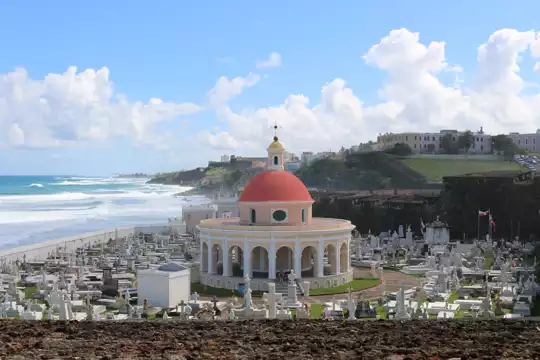
.jpg) Hi, I’m Johan (Netherlands 🇳🇱), the creator of TakeYourBackpack. Over the past 3 decades, I’ve backpacked through 90+ countries across six continents, gaining extensive experience with independent travel, long-term trips, and overland routes.
Hi, I’m Johan (Netherlands 🇳🇱), the creator of TakeYourBackpack. Over the past 3 decades, I’ve backpacked through 90+ countries across six continents, gaining extensive experience with independent travel, long-term trips, and overland routes.