×

Rwanda🇷🇼 | regionsGisagaraRice marshland, coffee washing station, terraced ridges, market towns | things to do and best time to go

Explore NyabihuExplore Rulindo

Backpacking in Gisagara
🌟 Highlightregion ranked #18
By Johan Kruseman 🇳🇱 | Updated October 22, 2026

Women in Gisagara’s Akanyaru lowlands work the rice paddies in rows, and the green sheets of the marshland are visible from the road on the way down to the Burundi border. Gisagara sits in the south of Rwanda, a district of steep terraced hills below Huye. It has no headline attractions and little tourist infrastructure, so what you get is quiet farming country, coffee slopes and unhurried market towns. Evenings end with hill smoke and the smell of cooking fires.

Discover everything you want to know in the 📖 Rwanda Travel Guide.


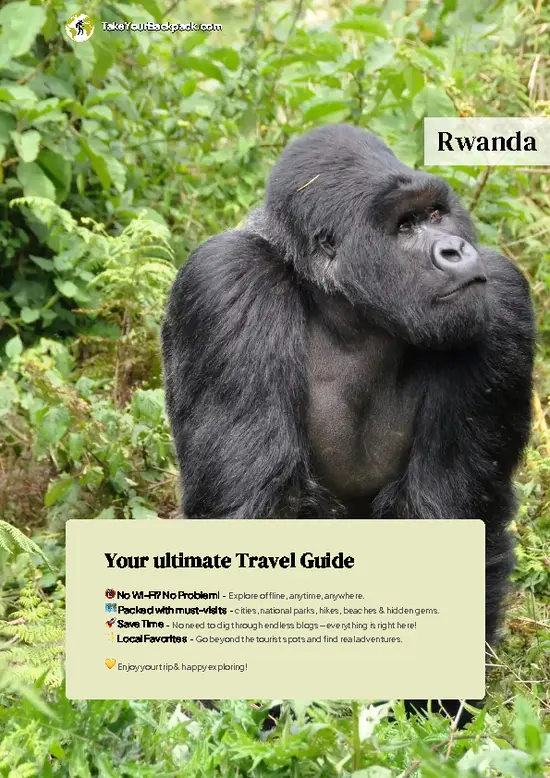
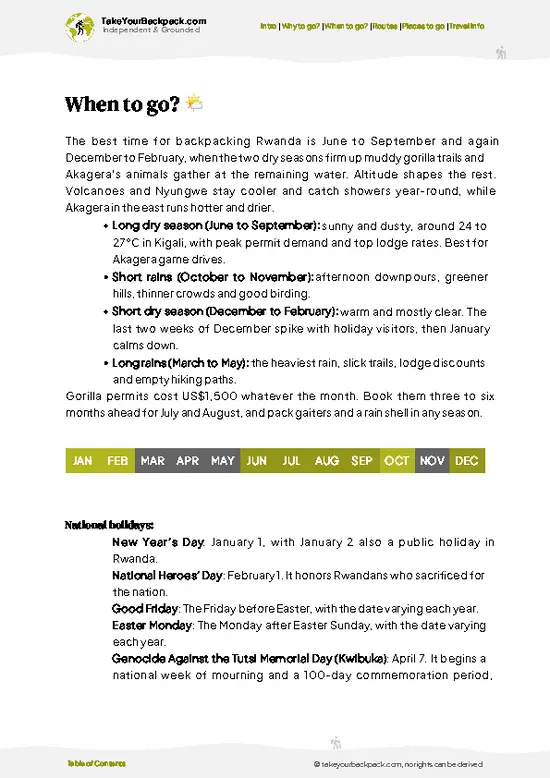
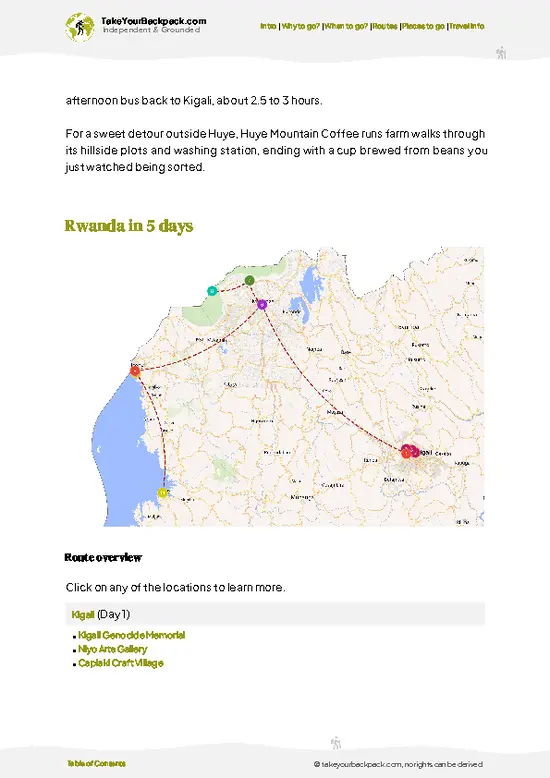
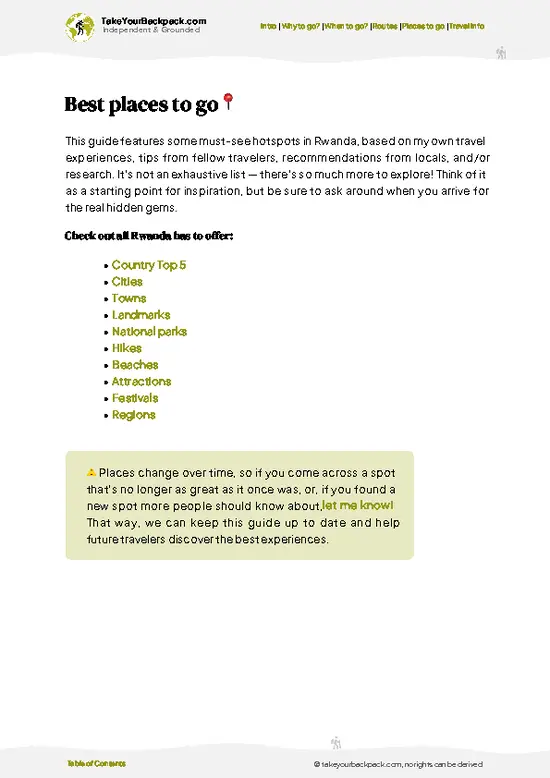
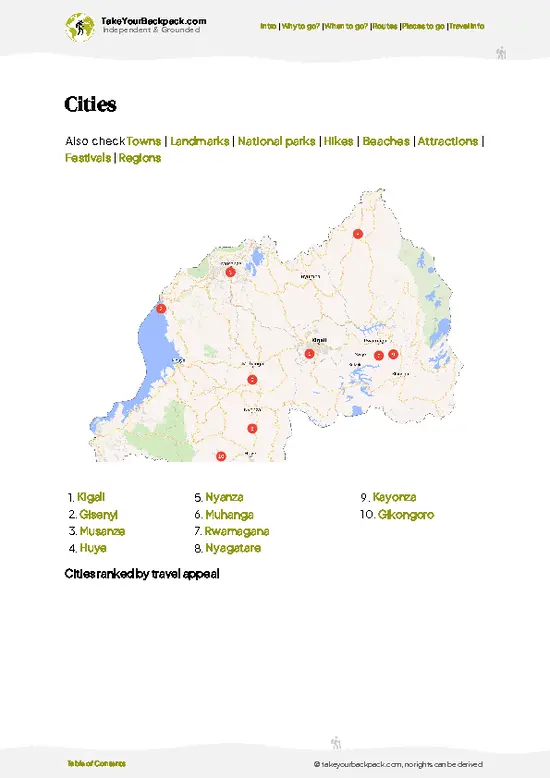
example page 0 from our offline Travel Guide for Rwanda
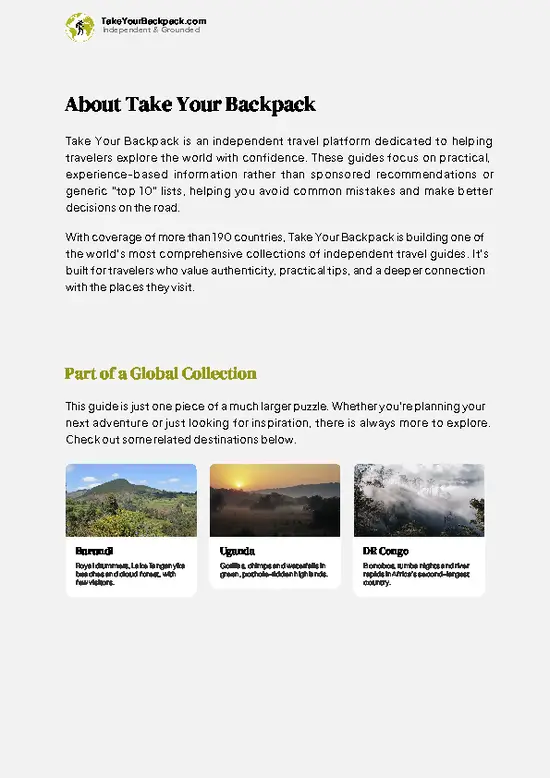
example page 1 from our offline Travel Guide for Rwanda
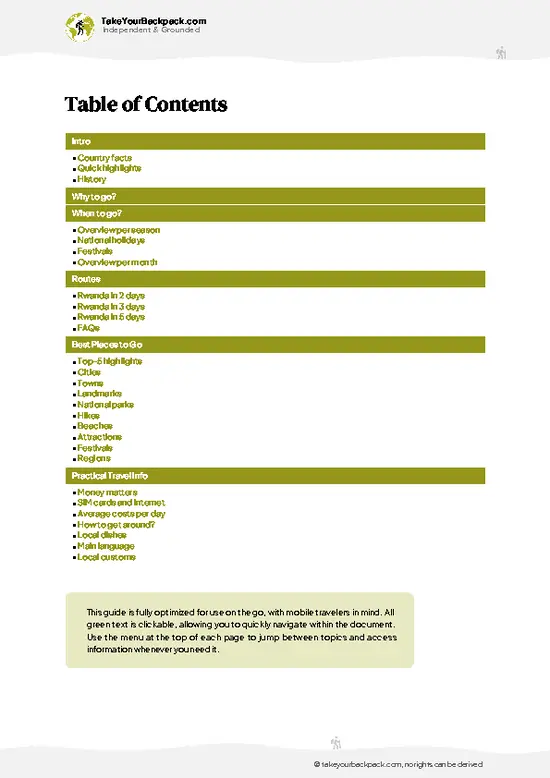
example page 2 from our offline Travel Guide for Rwanda
example page 3 from our offline Travel Guide for Rwanda
example page 4 from our offline Travel Guide for Rwanda
example page 5 from our offline Travel Guide for Rwanda
example page 6 from our offline Travel Guide for Rwanda
example page 7 from our offline Travel Guide for Rwanda
Loading the map 🌍
CLICK TO FILTER
cities
towns
landmarks
national parks
hikes
beaches
attractions
festivals
regions
SHOW COUNTRY’S BESTSHOW ALL

✨ Why go?
Ranked #18 region in Rwanda
What makes this region worth visiting

Gisagara suits backpackers who want southern Rwanda without the crowds of the main circuit. Its Akanyaru marshlands and the coffee hills around Gikonko sit close together, so you can walk from wetland to terraced slope without changing base. Huye is near enough for museums and restaurants, while Gisagara itself stays local: market days, cooperative visits and footpaths where people greet you first. It is a place to travel slowly, with a day pack and curiosity, and to talk to farmers about their harvest.

💡 HighlightsMust-see experiences and standout moments

  1. Akanyaru Marshlands: Flat, irrigated rice paddies along the Burundi frontier, with herons and farmers at work. The levees make easy walking.
  2. Gikonko Coffee Cooperative: A working washing station where cherries are sorted, pulped and dried on raised beds in season. Ask for a tasting of the local cup.
  3. Gisagara Hill Viewpoints: Ridge roads give long views over terraced banana and coffee plots, with the marsh visible beyond. Go early for clear air.
  4. Ndora Market: A local trading point for beans, sorghum, cassava and secondhand clothes, with almost no tourists. Buy fruit and snacks here.
  5. Kansi and Save Village Walks: Footpaths between brick-kilns, schoolyards and farms. Lesser known, and the best way to meet residents.
  6. Mamba Sector Banana Groves: Quiet lanes through plantations where banana beer is brewed,
… read more 👉
  1. Akanyaru Marshlands: Flat, irrigated rice paddies along the Burundi frontier, with herons and farmers at work. The levees make easy walking.
  2. Gikonko Coffee Cooperative: A working washing station where cherries are sorted, pulped and dried on raised beds in season. Ask for a tasting of the local cup.
  3. Gisagara Hill Viewpoints: Ridge roads give long views over terraced banana and coffee plots, with the marsh visible beyond. Go early for clear air.
  4. Ndora Market: A local trading point for beans, sorghum, cassava and secondhand clothes, with almost no tourists. Buy fruit and snacks here.
  5. Kansi and Save Village Walks: Footpaths between brick-kilns, schoolyards and farms. Lesser known, and the best way to meet residents.
  6. Mamba Sector Banana Groves: Quiet lanes through plantations where banana beer is brewed, a rural scene few visitors see.
Gisagara has no ticketed sight, though the coffee cooperative is best visited by arranging ahead through a local guide or the cooperative’s office.
Spotted a mistake or missing something? Contact us.

Things to do around Gisagara

Ratings based on Tripadvisor reviews. When you book through this link, you support our work at no extra cost to you.

🏘️ NeighborhoodsUnderstanding the local layout

Gisagara, a charming town in Rwanda, offers a blend of local culture and stunning landscapes, perfect for backpackers seeking authentic experiences.

Gisagara Town Center: This is the heartbeat of the town. You’ll find bustling markets, local eateries, and a vibrant atmosphere. It’s walkable, making it easy to explore on foot. Costs are low, and you can grab a meal for just a few dollars. While nightlife is limited, the local bars offer a cozy vibe for evening chats. Perfect for short stays.

Nyungwe Forest Edge: Just outside the town, this area is ideal for nature lovers. The fresh scent of pine and the sounds of wildlife create a serene backdrop. Accommodation ranges from budget hostels to mid-range lodges. It’s a bit quieter, making it great for longer stays where you can immerse yourself … read more 👉
Gisagara, a charming town in Rwanda, offers a blend of local culture and stunning landscapes, perfect for backpackers seeking authentic experiences.

Gisagara Town Center: This is the heartbeat of the town. You’ll find bustling markets, local eateries, and a vibrant atmosphere. It’s walkable, making it easy to explore on foot. Costs are low, and you can grab a meal for just a few dollars. While nightlife is limited, the local bars offer a cozy vibe for evening chats. Perfect for short stays.

Nyungwe Forest Edge: Just outside the town, this area is ideal for nature lovers. The fresh scent of pine and the sounds of wildlife create a serene backdrop. Accommodation ranges from budget hostels to mid-range lodges. It’s a bit quieter, making it great for longer stays where you can immerse yourself in hiking and birdwatching.

Lake Kivu Shoreline: A bit further out, this area is stunning. The views of the lake are breathtaking, especially at sunset. It’s more touristy, so prices can be higher, but the atmosphere is relaxed. Ideal for those looking to unwind after a trek, with options for both short and longer visits.

⌛️ 5 daysSeeing the highlights in 5 days

A market morning opens the trip, because Gisagara’s rhythm follows the days when farmers bring produce down from the hills. Moto-taxis and minibuses run on set routes, so you plan around daylight, not schedules.
Day 1: Ndora: Start at the market to see what grows here, then walk the lanes nearby. Ask where to sleep, since options are modest.
Day 2: Gikonko: Visit the coffee cooperative while staff are working, then climb the slope behind it for a view of terraced plots. The morning light is best for photographs.
Day 3: Akanyaru Marshlands: Walk the levees in the cool hours and watch the rice workers. Moto transport makes this an easy half day.
Day 4: Detour to Huye: Take a short ride to the Ethnographic Museum, Rwanda’s best collection of traditional objects, then return to Gisagara by evening. … read more 👉
A market morning opens the trip, because Gisagara’s rhythm follows the days when farmers bring produce down from the hills. Moto-taxis and minibuses run on set routes, so you plan around daylight, not schedules.
Day 1: Ndora: Start at the market to see what grows here, then walk the lanes nearby. Ask where to sleep, since options are modest.
Day 2: Gikonko: Visit the coffee cooperative while staff are working, then climb the slope behind it for a view of terraced plots. The morning light is best for photographs.
Day 3: Akanyaru Marshlands: Walk the levees in the cool hours and watch the rice workers. Moto transport makes this an easy half day.
Day 4: Detour to Huye: Take a short ride to the Ethnographic Museum, Rwanda’s best collection of traditional objects, then return to Gisagara by evening.
Day 5: Kansi and Save: Finish with a long walk through village paths. This is the day that justifies the whole trip, because people stop to talk and the hills open up all around.

🌤️ When to go?Best time to visit Gisagara

The dry months of June to August bring the firmest roads around Gisagara, and they suit walking the hills best.
  • Long Dry Season (June to August): Days reach 25 to 28°C (77 to 82°F), nights cool to about 14°C (57°F), and the dirt tracks stay passable.
  • Short Dry Spell (December to February): Similar warmth, with occasional showers and lively harvest activity in the fields.
  • Rains (March to May, October to November): Expect downpours, slick red clay and cheaper rooms; the hills turn deep green.
Daylight stays close to 12 hours all year, so start walks early to be done before afternoon storms.

source: climatestotravel.comJANJanuary: highly recommended for travelingFEBFebruary: highly recommended for travelingMARMarch: fair for travelingAPRApril: fair for travelingMAYMay: fair for travelingJUNJune: excellent for travelingJULJuly: highly recommended for travelingAUGAugust: highly recommended for travelingSEPSeptember: excellent for travelingOCTOctober: fair for travelingNOVNovember: fair for travelingDECDecember: highly recommended for traveling
when-to-go

✈️ The backpacker research shortcutRwanda Travel Guide

An offline-friendly backpacking guide with optimized travel routes, ranked highlights, transport advice, and the best areas to stay.
example page 0 from our offline Travel Guide for Rwanda
example page 1 from our offline Travel Guide for Rwanda
example page 2 from our offline Travel Guide for Rwanda
example page 3 from our offline Travel Guide for Rwanda
example page 4 from our offline Travel Guide for Rwanda
example page 5 from our offline Travel Guide for Rwanda
example page 6 from our offline Travel Guide for Rwanda
example page 7 from our offline Travel Guide for Rwanda
The digital guide (233 pages) contains:
✅ 57 highlights, ranked by travel appeal
✅ Optimized 2, 3 & 5-day travel routes
✅ Cities, national parks, landmarks, beaches
✅ How to get around
✅ Offline-friendly for travel without Wi-Fi
👉 Click to see all 30+ guide features

📅 Plan smarter in minutes, not weeks
✅ Month by month travel advice
✅ Festivals & national holidays
✅ Budget expectations

🗺️ Go to the right places, skip the overrated ones
✅ Honest pros & cons of destinations
✅ Top hikes, parks & viewpoints
✅ Lesser-known places most travelers miss
✅ Clear “worth it vs skip it” guidance

🛏️ Travel smoothly without rookie mistakes
✅ Best areas to stay
✅ Transport systems explained simply
✅ Common scams & safety advice
✅ SIM cards, money & practical tips

🌍 Understand the country, not just visit it
✅ Culture & traditions
✅ 52 Essential phrases & customs
✅ Festivals worth planning around
✅ Traveler-friendly historical context
✅ Insights that make places more meaningful

📱 Built for real travel conditions
✅ Fully downloadable PDF
✅ Works completely offline
✅ Optimized for phone use
✅ Useful in remote areas & buses
✅ Everything in one place
Stop searching, start planning
Get instant access to your full guide. 30‑day money-back guarantee.
+ Add another guide for just

By proceeding you agree to our terms.
Sent to your inbox immediately after payment • 100% Secure Checkout
Best Backpacking Travel Advisor 2025 tourism awardBest Backpacking
Travel Advisor
2025
What others say about Take Your Backpack Guides:
⭐⭐⭐⭐⭐
Fantastic, amazing amount of information!
⭐⭐⭐⭐⭐
My goodness this is amazing, it's what I've been looking for hats off too you!
⭐⭐⭐⭐⭐
I think this is absolutely BRILLIANT
⭐⭐⭐⭐
Very complete and informative. It's still missing places, but I gotta to commend you
⭐⭐⭐⭐⭐
This is truly amazing, thank you, can't wait to explore it with my kids!
⭐⭐⭐⭐⭐
Awesome resource, thank you!
⭐⭐⭐⭐⭐
This is amazing! Can't wait to explore the ones I haven't seen
⭐⭐⭐⭐
I love this! Well done, great idea.
⭐⭐⭐⭐⭐
Thanks for taking the time to make this gem!
⭐⭐⭐⭐⭐
This might be the best website I've ever seen.
⭐⭐⭐⭐⭐
Congratulations, and thank you so much for your work; it's incredibly valuable.
⭐⭐⭐⭐
In all seriousness I think you did a great job pointing out the important spots
⭐⭐⭐⭐⭐
10/10 very good
⭐⭐⭐⭐⭐
As someone who's only just starting to visit regularly this is awesome, thank you.
⭐⭐⭐⭐
Thank you very much! I'm going to visit my dad, it's going to be very useful!
⭐⭐⭐⭐⭐
This is really cool! We'll be travelling for the first time and this definitely come in handy.
⭐⭐⭐⭐⭐
You are now our minister of culture, congratulations 👨‍💼
⭐⭐⭐⭐⭐
Just wanted to tell you that this is a pearl! Going to follow your recommendations.
⭐⭐⭐⭐⭐
This is so cool. I'll definitely be using the resource for my travels soon.
⭐⭐⭐⭐⭐
This is very impressive! Good work.
⭐⭐⭐⭐⭐
This is an amazing and informative site. Very well done!

🛏️ Where to stay?Best areas to stay in Rwanda

Huye, about 30 minutes north by road, is the best bet for most backpackers staying near Gisagara, with the widest choice of budget beds from roughly US$10 to 25 a night. Its university crowd gives it cafés, a lively evening scene and easy company for solo travelers, plus the National Museum nearby. Gisagara town itself is quiet, with a few simple guesthouses at about US$8 to 15, suited to travelers who want rural calm and early walks through the hills. Staying in Huye and day-tripping gives better food, reliable electricity and shared rides to catch.

🚌 Getting aroundHow to get from A to B

Gisagara’s biggest time sink is waiting in Huye for a bus that never fills toward the district’s smaller sectors, when a moto would have had you there in 30 minutes. Most backpackers base themselves in Huye (Butare), 20 to 30 km north, and reach Gisagara by minibus or moto. Main roads are paved and reliable, while side tracks turn to clay after rain.
  • Minibus (twegerane): Shared vans run from Huye toward Gisagara town for roughly US$1 to 2, about 30 to 45 minutes, leaving when full. You sit shoulder to shoulder and watch terraced hills and banana groves slide past.
  • Moto-taxi: The only way to reach most villages, at US$1 to 4 per ride depending on distance. Helmets are provided, and the ridge views from the back are worth the dust.
  • Bicycle taxi: Found around trading centers for short hops at about
… read more 👉
Gisagara’s biggest time sink is waiting in Huye for a bus that never fills toward the district’s smaller sectors, when a moto would have had you there in 30 minutes. Most backpackers base themselves in Huye (Butare), 20 to 30 km north, and reach Gisagara by minibus or moto. Main roads are paved and reliable, while side tracks turn to clay after rain.
  • Minibus (twegerane): Shared vans run from Huye toward Gisagara town for roughly US$1 to 2, about 30 to 45 minutes, leaving when full. You sit shoulder to shoulder and watch terraced hills and banana groves slide past.
  • Moto-taxi: The only way to reach most villages, at US$1 to 4 per ride depending on distance. Helmets are provided, and the ridge views from the back are worth the dust.
  • Bicycle taxi: Found around trading centers for short hops at about US$0.50 to 1. Slow uphill, and the free-wheeling descents are the fun part.
  • Walking: Paths between villages cross valleys and sorghum fields in 1 to 3 hours. You meet farmers, who greet every passerby.
Carry small Rwandan franc notes, since drivers rarely have change, and set out before 3 pm so you are not stuck without a ride at dusk.

👛 Costs (as of 22 October 2026)Travel costs and budget guide for Gisagara

Backpacking in Gisagara, Rwanda, demands a practical approach to budgeting, where every dollar stretches to cover the essentials without sacrificing the experience.
  • Dorm Accommodation: Expect to pay around $5 to $10 per night for a basic dorm bed. Options are limited and simple, often with shared bathrooms and minimal amenities, but clean and safe enough for a good rest after a day of exploring.
  • Meals: Local eateries serve hearty meals for $2 to $5. Think staple dishes like ugali, beans, and fresh vegetables, often accompanied by a small portion of meat or fish. Street food is cheaper but less predictable in quality, so budget accordingly if you want to avoid stomach issues.
  • Local Transport: Getting around usually means moto-taxis or minibuses. Moto rides cost about $0.50 to $1 for short
… read more 👉
Backpacking in Gisagara, Rwanda, demands a practical approach to budgeting, where every dollar stretches to cover the essentials without sacrificing the experience.
  • Dorm Accommodation: Expect to pay around $5 to $10 per night for a basic dorm bed. Options are limited and simple, often with shared bathrooms and minimal amenities, but clean and safe enough for a good rest after a day of exploring.
  • Meals: Local eateries serve hearty meals for $2 to $5. Think staple dishes like ugali, beans, and fresh vegetables, often accompanied by a small portion of meat or fish. Street food is cheaper but less predictable in quality, so budget accordingly if you want to avoid stomach issues.
  • Local Transport: Getting around usually means moto-taxis or minibuses. Moto rides cost about $0.50 to $1 for short trips within town, while minibuses for longer distances can run $1 to $3. The roads are rough, so travel times can stretch, but the price stays low.
  • Basic Activities/Entry Fees: Most local attractions, like community museums or natural sites, charge between $1 and $5. Guided tours are rare and often arranged through local contacts, so expect to negotiate prices directly.
  • Miscellaneous Expenses: This covers essentials like bottled water, snacks, phone credit, and occasional small tips. Budget around $1 to $3 daily here, as these small costs add up quickly in a place where cash is king and card payments are rare.

In total, a realistic daily budget for backpacking in Gisagara falls between $10 and $25. This range balances the bare necessities with enough flexibility to enjoy local flavors and sights without feeling pinched. The modest costs reflect the town’s quiet pace and straightforward lifestyle, making it a solid choice for travelers who value authenticity over luxury.


source: visitrwanda.com
⚠️ Prices can change and everyone travels differently, so take this as a rough guide. Hope it helps you plan your adventure!

🚌 Day tripsEasy escapes and nearby places

Gisagara, Rwanda, is a backpacker’s dream base, offering a blend of culture, nature, and adventure just a stone’s throw away.

Lake Kivu Exploration
A trip to Lake Kivu is a must. The shimmering waters are perfect for a refreshing swim or a kayak adventure. It’s about a 30-minute ride from Gisagara, and you can rent a kayak for around $10. The best time to visit is during the dry season, from June to September, when the sun glistens off the lake’s surface. Many first-timers miss the chance to explore the lakeside villages; don’t just stick to the main beach. Venture into the local markets for a taste of fresh fish and vibrant community life.
👉 Explore Lake Kivu

Nyungwe National Park
Just over an hour away, Nyungwe National Park is a treasure trove of biodiversity. The canopy walk is a … read more 👉
Gisagara, Rwanda, is a backpacker’s dream base, offering a blend of culture, nature, and adventure just a stone’s throw away.

Lake Kivu Exploration
A trip to Lake Kivu is a must. The shimmering waters are perfect for a refreshing swim or a kayak adventure. It’s about a 30-minute ride from Gisagara, and you can rent a kayak for around $10. The best time to visit is during the dry season, from June to September, when the sun glistens off the lake’s surface. Many first-timers miss the chance to explore the lakeside villages; don’t just stick to the main beach. Venture into the local markets for a taste of fresh fish and vibrant community life.
👉 Explore Lake Kivu

Nyungwe National Park
Just over an hour away, Nyungwe National Park is a treasure trove of biodiversity. The canopy walk is a highlight, offering breathtaking views of the lush rainforest. Entry fees hover around $60, but the experience is worth every franc. Aim for early morning visits to catch the mist rising off the trees. A common rookie mistake is underestimating the park’s trails; wear sturdy shoes and bring plenty of water. The chirping of birds and rustling leaves create a symphony that makes the trek feel alive.


Butare Cultural Experience
Butare, about 45 minutes from Gisagara, is rich in Rwandan history. The National Museum is a gem, showcasing artifacts that tell the story of the nation. Entry is around $5, and the local eateries serve up delicious Ugali and grilled meats. Visit on a weekday to avoid crowds and soak in the local vibe. Many backpackers overlook the cultural significance of Butare, but engaging with locals here can lead to unforgettable conversations and insights.


Mamba Club Visit
For a unique twist, head to Mamba Club, just 20 minutes away. This crocodile farm offers guided tours where you can learn about these fascinating creatures. Entry is about $7, and the guides are passionate storytellers. The best time to visit is during feeding hours, when you can witness the raw power of these reptiles. First-timers often miss the chance to ask questions; engage with the guides for a deeper understanding of the ecosystem.


These day trips from Gisagara not only enrich your travel experience but also allow you to connect with the heart of Rwanda.

🍲 FoodLocal Cuisine & Drinks

Gisagara’s food is farm food: brochettes of grilled goat, sizzling over charcoal with a smoky, salty bite, usually about US$1 to 2 a skewer. Local canteens serve the buffet of beans, rice, cassava, plantains and boiled potatoes for around US$1.50 to 3, eaten with a spoon or right hand. Try ikivuguto, tangy fermented milk, and sweet milky tea at roadside stalls. Banana beer, urwagwa, is poured at gatherings and tastes sharp and earthy. Markets sell fat avocados, tree tomatoes and sweet pineapple. Greet hosts first, accept offered drinks and share bottles of Fanta or beer, which are poured for the group.

🛡️ SafetyScams, Hazards, and Annoyances

Gisagara is generally safe, but a few practical tips can enhance your experience. Stay aware in crowded markets; pickpockets can be a nuisance. When wandering solo, especially after dark, stick to well-lit areas and avoid empty streets. The locals are friendly, but some may approach you with overly eager offers for guided tours or services. Politely decline if it feels too pushy.

Carry a small amount of cash, as many places don’t accept cards. Keep your belongings close, especially in busy spots. Embrace the vibrant atmosphere, but stay grounded. A confident demeanor goes a long way in navigating this charming town smoothly.

FAQTraveler FAQ

Two days cover Gisagara if you base yourself in Huye and visit by moto. Spend one day on village walks and hill viewpoints, then add a second for the Huye museum and market, 30 minutes away. Add a third day if you want longer treks through the terraced valleys.
Getting around Gisagara without a car means combining minibuses with moto-taxis. Shared vans from Huye cost about US$1 to 2 and take 30 to 45 minutes, while motos run US$1 to 4 for village trips. For short distances, walking between hillside trading centers is easy and takes 1 to 3 hours.
Gisagara is known for its rolling southern hills, terraced farms of sorghum, banana and coffee, and traditional crafts. It sits close to Huye, home to the Ethnographic Museum, so many visitors combine them. The district is also known for quiet rural life, with homestays and village walks at roughly US$10 to 25 a day for lodging.
⚠️ Things can change over time, so always validate details locally before you go.

Other Rwandan regions near Gisagara

Explore more nearby:

  • Nyaruguru—Kitabi rainforest edge, tea rows, birding trail, honey cooperatives| 33 km away
  • Bugesera—Church memorials, papyrus lakeshores, flat savanna, moto trips| 49 km away
  • Nyamasheke—Nyungwe canopy, chimp permits, Kivu beaches, tea factory| 76 km away

💡 Not sure where to go next?
Create a personalized itinerary for Rwanda including Gisagara and the places that fit your trip.

Generate my itinerary

👉 Discover all regions

Or checkout all Rwanda has to offer (think cities, towns, villages, national parks, hikes, beaches, festivals)
Country photo of Rwanda

We 💚 feedbackFinal thoughts on visiting Gisagara

Gisagara is best in the early morning, when mist lifts off the Akanyaru marsh and farmers are already in the paddies. Come in the dry season if you can, and carry small bills for market snacks and moto rides.

✍️ Help improve this page!
The information on this page is based on in-depth research, insights shared by experienced travelers, and feedback from the local travel community in Rwanda. While every effort is made to keep the information accurate and current, conditions can change — so if you spot anything incorrect or outdated, please get in touch.


🙋‍♂️ Give feedback

👋 Meet the founderWho’s Behind Take Your Backpack?

Johan, backpacker and founder of TakeYourBackpackHi, I’m Johan (Netherlands 🇳🇱), the creator of TakeYourBackpack. Over the past 3 decades, I’ve backpacked through 90+ countries across six continents, gaining extensive experience with independent travel, long-term trips, and overland routes.

This site is built on a combination of firsthand travel experience and carefully curated insights from other backpackers. Many guides are based on places I’ve personally visited, while others bring together tips, observations, and practical advice shared by trusted travelers I’ve met along the way.

The goal is to provide realistic, experience-driven guidance — not generic itineraries — so you can explore destinations with better context, clearer expectations, and more confidence.