×

Rwanda🇷🇼 | regionsRulindoMulindi tea hills, RPF headquarters, Kinihira rock, Nyabarongo wetlands | things to do and best time to go

Explore GisagaraExplore Kibuye

Backpacking in Rulindo
👌 Worth visitingregion ranked #21
By Johan Kruseman 🇳🇱 | Updated October 22, 2026

Rulindo is best known for the rolling tea hills around Mulindi, where the Rwanda Patriotic Front had its headquarters in the early 1990s. Just as relevant is how few visitors stop: most pass through on the way between Kigali and Musanze. The district lies in the north of Rwanda, a short ride from Kigali. Services are thin because few travelers come, so carry cash and base your day around a motorbike driver from Base town.

Discover everything you want to know in the 📖 Rwanda Travel Guide.


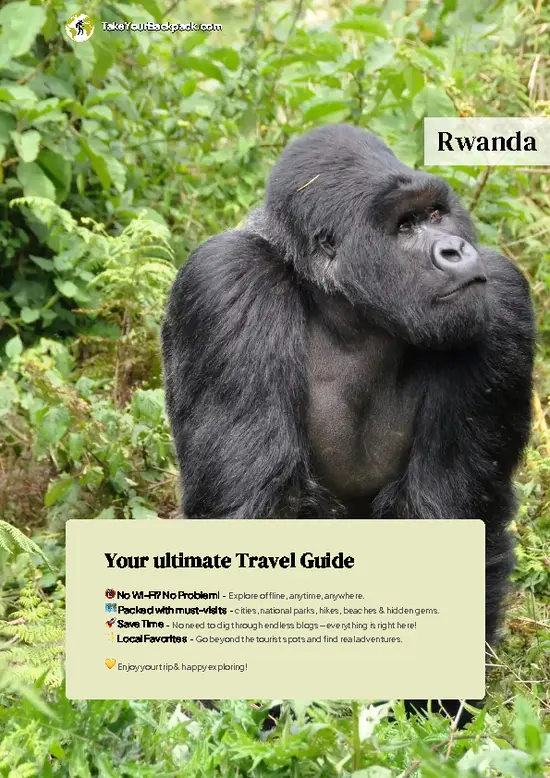
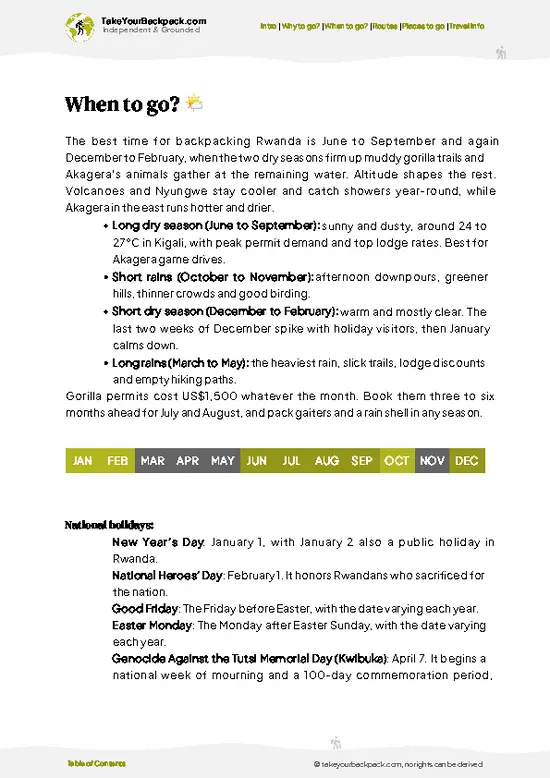
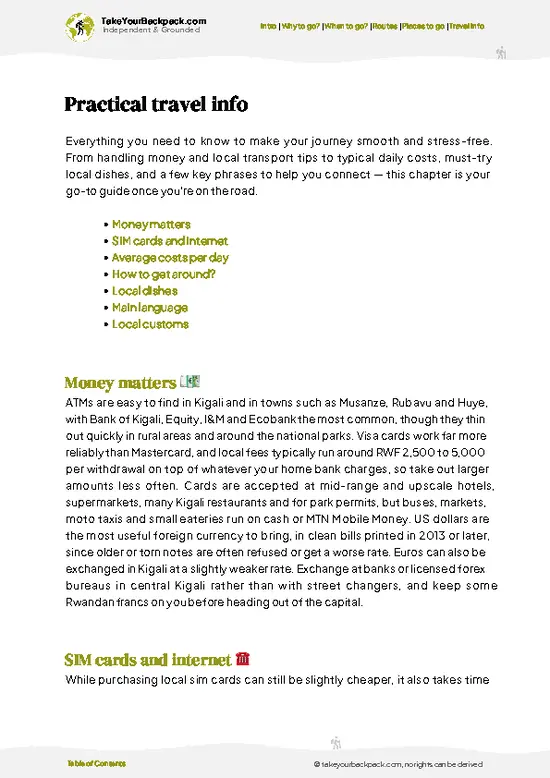
example page 0 from our offline Travel Guide for Rwanda
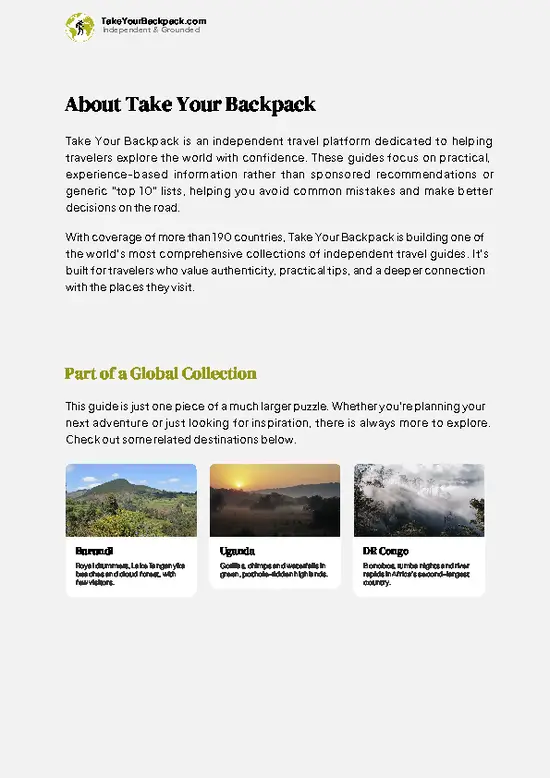
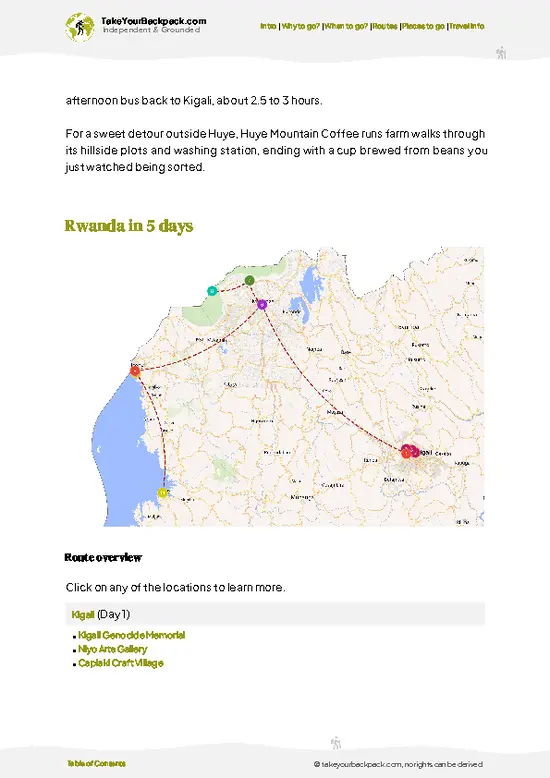
example page 1 from our offline Travel Guide for Rwanda
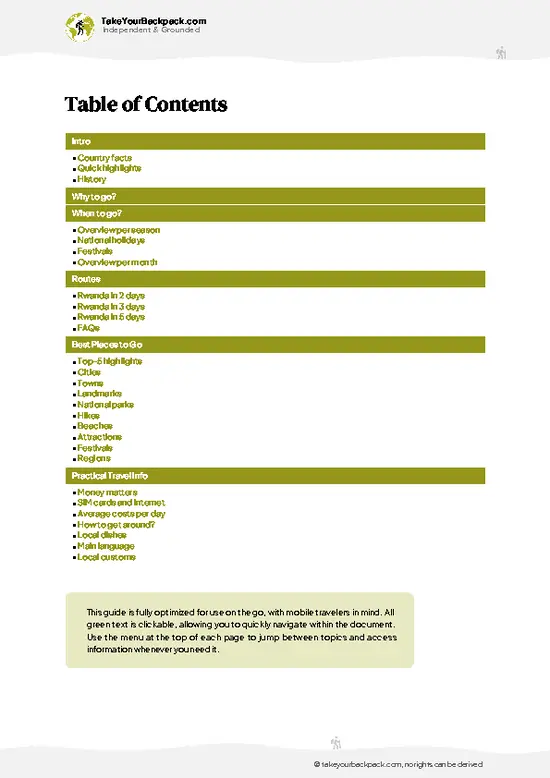
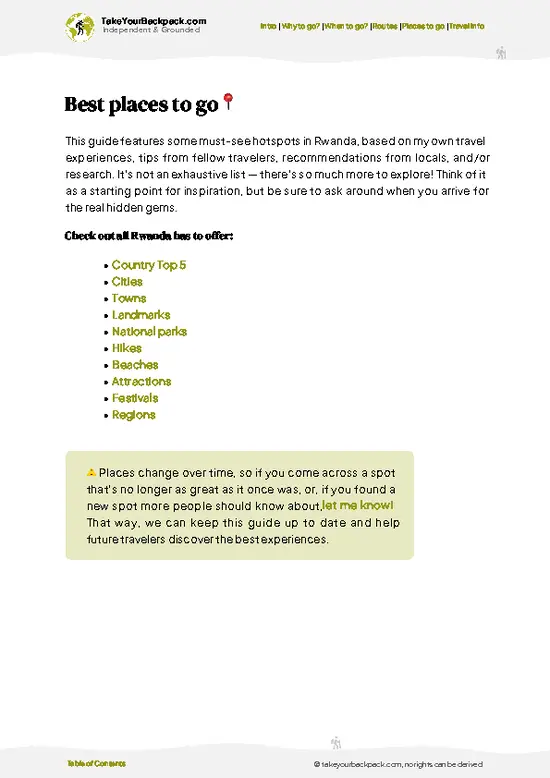
example page 2 from our offline Travel Guide for Rwanda
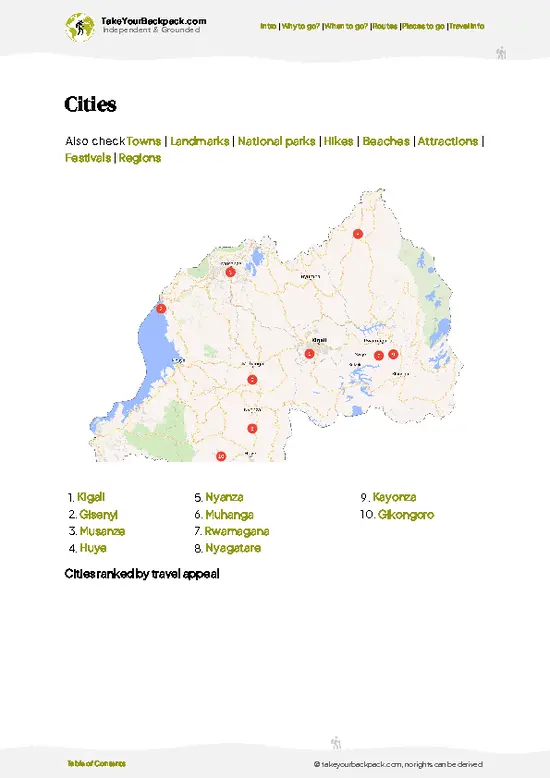
example page 3 from our offline Travel Guide for Rwanda
example page 4 from our offline Travel Guide for Rwanda
example page 5 from our offline Travel Guide for Rwanda
example page 6 from our offline Travel Guide for Rwanda
example page 7 from our offline Travel Guide for Rwanda
Loading the map 🌍
CLICK TO FILTER
cities
towns
landmarks
national parks
hikes
beaches
attractions
festivals
regions
SHOW COUNTRY’S BESTSHOW ALL

✨ Why go?
Ranked #21 region in Rwanda
Why visitors keep coming back

Rulindo suits travelers who want hills and history without crowds. The terraced slopes around Mulindi carry the tea estate and a wartime headquarters site, so you can trace a recent chapter of Rwandan history on foot. Kinihira Rock adds an older layer, tied to royal ritual. Because Rulindo sits on the main northern road, you can break the Kigali to Musanze trip here for a day or two, with minibuses passing constantly and motorbike taxis covering the side roads.

💡 HighlightsMust-see experiences and standout moments

  1. Mulindi Tea Plantation: Green terraces on the hillsides, with a working factory that processes leaf picked nearby.
  2. Mulindi RPF Headquarters: The compound used by the Rwanda Patriotic Front in the early 1990s, now a modest historical stop.
  3. Kinihira Rock: A hill outcrop associated with the Umuganura harvest ritual presided over by the king, with wide views of the farmland.
  4. Base Town Roadside Market: A working market on the main northern road where farmers sell beans, potatoes and seasonal fruit. Few tourists stop.
  5. Nyabarongo River Valley: Wetland and papyrus edges along the river that marks the district boundary, good for slow walks and birdwatching.
  6. Rutongo Mining Hills: Historic tin and wolfram mining country, where you can see the terraced, scarred hillsides and the villages around them.
  7. Rural
… read more 👉
  1. Mulindi Tea Plantation: Green terraces on the hillsides, with a working factory that processes leaf picked nearby.
  2. Mulindi RPF Headquarters: The compound used by the Rwanda Patriotic Front in the early 1990s, now a modest historical stop.
  3. Kinihira Rock: A hill outcrop associated with the Umuganura harvest ritual presided over by the king, with wide views of the farmland.
  4. Base Town Roadside Market: A working market on the main northern road where farmers sell beans, potatoes and seasonal fruit. Few tourists stop.
  5. Nyabarongo River Valley: Wetland and papyrus edges along the river that marks the district boundary, good for slow walks and birdwatching.
  6. Rutongo Mining Hills: Historic tin and wolfram mining country, where you can see the terraced, scarred hillsides and the villages around them.
  7. Rural Hill Villages Around Mulindi: Footpaths between banana groves and tea rows, where locals are glad to point out shortcuts.
Rulindo has no ticketed attraction that needs advance booking, though a visit inside the Mulindi tea factory is best arranged in advance with the staff.
Spotted a mistake or missing something? Contact us.

Things to do near Rulindo

Ratings based on Tripadvisor reviews. When you book through this link, you support our work at no extra cost to you.

🏘️ NeighborhoodsKey areas and districts to know

Rulindo is a tapestry of vibrant culture and stunning landscapes, perfect for backpackers seeking authentic experiences.

Nyundo: This area buzzes with local life. Affordable guesthouses line the streets, making it ideal for budget travelers. The walkability is excellent, with markets and eateries just a stroll away. Nightlife is low-key, perfect for unwinding after a day of exploration.

Gakenke: A bit quieter, Gakenke offers a serene atmosphere. It’s great for longer stays, with homestays that immerse you in local culture. The transport access is decent, but you’ll want to plan your trips. The lush surroundings provide a peaceful backdrop, ideal for reflection.

Rulindo Town Center: The heart of the action. Here, you’ll find a mix of shops and cafes. It’s bustling, making it suitable for … read more 👉
Rulindo is a tapestry of vibrant culture and stunning landscapes, perfect for backpackers seeking authentic experiences.

Nyundo: This area buzzes with local life. Affordable guesthouses line the streets, making it ideal for budget travelers. The walkability is excellent, with markets and eateries just a stroll away. Nightlife is low-key, perfect for unwinding after a day of exploration.

Gakenke: A bit quieter, Gakenke offers a serene atmosphere. It’s great for longer stays, with homestays that immerse you in local culture. The transport access is decent, but you’ll want to plan your trips. The lush surroundings provide a peaceful backdrop, ideal for reflection.

Rulindo Town Center: The heart of the action. Here, you’ll find a mix of shops and cafes. It’s bustling, making it suitable for short stays. Public transport is readily available, connecting you to nearby attractions. The vibe is energetic, perfect for those who thrive in lively settings.

⌛️ 5 daysWhat you can realistically do in a week

Day 1: Base Town: Take a minibus from Kigali to Base, because the northern highway is the one dependable spine here. Browse the market, then ride a motorbike taxi to Kinihira Rock for the view over the farmland.
Day 2: Mulindi: Spend the day among the tea terraces and the old Patriotic Front headquarters. Walking between sites is realistic, and the quiet suits the history.
Day 3: Nyabarongo Valley: Detour to the river wetlands by moto. It adds birds and papyrus without needing a change of base.
Day 4: Rutongo Hills: Climb through the old mining villages and return to the highway by afternoon, when minibuses are frequent.
Day 5: Mulindi: Return to the tea estate. If one day justifies the trip, make it Day 2: the headquarters and the tea hills together explain the district.

🌤️ When to go?Choosing the right time of year

  • Long dry season (June to August): Days reach 24 to 27°C (75 to 81°F), nights drop to 13 to 15°C (55 to 59°F), and the red-earth roads around Rulindo stay firm for hiking and cycling.
  • Short dry spell (December to February): Similar warmth, fewer showers, and the best window for the Base cycling route.
  • Rainy seasons (March to May, October to November): Heavy afternoon downpours turn slopes slick, though lodging prices dip.
Daylight stays close to 12 hours all year, so start walks early and finish by late afternoon.

source: climatestotravel.comJANJanuary: highly recommended for travelingFEBFebruary: excellent for travelingMARMarch: fair for travelingAPRApril: fair for travelingMAYMay: fair for travelingJUNJune: highly recommended for travelingJULJuly: excellent for travelingAUGAugust: excellent for travelingSEPSeptember: excellent for travelingOCTOctober: fair for travelingNOVNovember: fair for travelingDECDecember: highly recommended for traveling
when-to-go

✈️ The backpacker research shortcutRwanda Travel Guide

An offline-friendly backpacking guide with optimized travel routes, ranked highlights, transport advice, and the best areas to stay.
example page 0 from our offline Travel Guide for Rwanda
example page 1 from our offline Travel Guide for Rwanda
example page 2 from our offline Travel Guide for Rwanda
example page 3 from our offline Travel Guide for Rwanda
example page 4 from our offline Travel Guide for Rwanda
example page 5 from our offline Travel Guide for Rwanda
example page 6 from our offline Travel Guide for Rwanda
example page 7 from our offline Travel Guide for Rwanda
The digital guide (233 pages) contains:
✅ 57 highlights, ranked by travel appeal
✅ Optimized 2, 3 & 5-day travel routes
✅ Cities, national parks, landmarks, beaches
✅ How to get around
✅ Offline-friendly for travel without Wi-Fi
👉 Click to see all 30+ guide features

📅 Plan smarter in minutes, not weeks
✅ Month by month travel advice
✅ Festivals & national holidays
✅ Budget expectations

🗺️ Go to the right places, skip the overrated ones
✅ Honest pros & cons of destinations
✅ Top hikes, parks & viewpoints
✅ Lesser-known places most travelers miss
✅ Clear “worth it vs skip it” guidance

🛏️ Travel smoothly without rookie mistakes
✅ Best areas to stay
✅ Transport systems explained simply
✅ Common scams & safety advice
✅ SIM cards, money & practical tips

🌍 Understand the country, not just visit it
✅ Culture & traditions
✅ 52 Essential phrases & customs
✅ Festivals worth planning around
✅ Traveler-friendly historical context
✅ Insights that make places more meaningful

📱 Built for real travel conditions
✅ Fully downloadable PDF
✅ Works completely offline
✅ Optimized for phone use
✅ Useful in remote areas & buses
✅ Everything in one place
Stop searching, start planning
Get instant access to your full guide. 30‑day money-back guarantee.
+ Add another guide for just

By proceeding you agree to our terms.
Sent to your inbox immediately after payment • 100% Secure Checkout
Best Backpacking Travel Advisor 2025 tourism awardBest Backpacking
Travel Advisor
2025
What others say about Take Your Backpack Guides:
⭐⭐⭐⭐⭐
Fantastic, amazing amount of information!
⭐⭐⭐⭐⭐
My goodness this is amazing, it's what I've been looking for hats off too you!
⭐⭐⭐⭐⭐
I think this is absolutely BRILLIANT
⭐⭐⭐⭐
Very complete and informative. It's still missing places, but I gotta to commend you
⭐⭐⭐⭐⭐
This is truly amazing, thank you, can't wait to explore it with my kids!
⭐⭐⭐⭐⭐
Awesome resource, thank you!
⭐⭐⭐⭐⭐
This is amazing! Can't wait to explore the ones I haven't seen
⭐⭐⭐⭐
I love this! Well done, great idea.
⭐⭐⭐⭐⭐
Thanks for taking the time to make this gem!
⭐⭐⭐⭐⭐
This might be the best website I've ever seen.
⭐⭐⭐⭐⭐
Congratulations, and thank you so much for your work; it's incredibly valuable.
⭐⭐⭐⭐
In all seriousness I think you did a great job pointing out the important spots
⭐⭐⭐⭐⭐
10/10 very good
⭐⭐⭐⭐⭐
As someone who's only just starting to visit regularly this is awesome, thank you.
⭐⭐⭐⭐
Thank you very much! I'm going to visit my dad, it's going to be very useful!
⭐⭐⭐⭐⭐
This is really cool! We'll be travelling for the first time and this definitely come in handy.
⭐⭐⭐⭐⭐
You are now our minister of culture, congratulations 👨‍💼
⭐⭐⭐⭐⭐
Just wanted to tell you that this is a pearl! Going to follow your recommendations.
⭐⭐⭐⭐⭐
This is so cool. I'll definitely be using the resource for my travels soon.
⭐⭐⭐⭐⭐
This is very impressive! Good work.
⭐⭐⭐⭐⭐
This is an amazing and informative site. Very well done!

🛏️ Where to stay?Best areas and accommodation options

Base is the most practical place to stay in Rulindo, sitting on the main Kigali to Musanze road with frequent minibuses and a few simple guesthouses. Its small market and eateries make it easy to arrange moto rides to surrounding hills and memorial sites. Many travelers also use Kigali as a bed, since it has the widest social hostel scene and Rulindo is an easy day trip away. Village stays through community tourism offer homestay-style contact with farming families, though they are quiet and early to bed. Expect basic rooms in the area, roughly US$10 to 25 a night.

🚌 Getting aroundHow to get from A to B

A moto-taxi ride within Rulindo costs about US$0.40 to 1.50, and you pay in cash in Rwandan francs, since mobile-money payment is rarely set up for visitors. Most backpackers reach the district from Kigali by minibus and then hop between hills by moto. The roads are paved on the main routes and reliable, though side roads turn to red mud in the rains.
  • Minibus (coaster): Kigali to Base or Rulindo trading centers takes roughly 1 to 1.5 hours and costs US$1.50 to 3. Vehicles leave when full, so mornings are the safest bet for a seat.
  • Moto-taxi: Fastest for hill villages and genocide memorial sites. Fares are negotiated before you ride. Use the helmet the driver must provide, since police check this and fines fall on the rider.
  • Bicycle hire: Rare locally, but cyclists often bring rides from Kigali.
… read more 👉
A moto-taxi ride within Rulindo costs about US$0.40 to 1.50, and you pay in cash in Rwandan francs, since mobile-money payment is rarely set up for visitors. Most backpackers reach the district from Kigali by minibus and then hop between hills by moto. The roads are paved on the main routes and reliable, though side roads turn to red mud in the rains.
  • Minibus (coaster): Kigali to Base or Rulindo trading centers takes roughly 1 to 1.5 hours and costs US$1.50 to 3. Vehicles leave when full, so mornings are the safest bet for a seat.
  • Moto-taxi: Fastest for hill villages and genocide memorial sites. Fares are negotiated before you ride. Use the helmet the driver must provide, since police check this and fines fall on the rider.
  • Bicycle hire: Rare locally, but cyclists often bring rides from Kigali. Hills are steep, so allow double the time you expect.
  • Walking: Distances between viewpoints are short, usually 2 to 5 km, and rural paths are well used and easy to follow with directions.
Carry small notes, since drivers seldom have change for large bills, and head back toward Kigali before dusk when minibuses thin out.

👛 Costs (as of 22 October 2026)How expensive it really is

Backpacking in Rulindo, Rwanda, offers a grounded experience where costs remain modest but reflect the town’s developing infrastructure and local lifestyle. Here’s what you can expect to spend day-to-day:
  • Dorm Accommodation: Dorm beds in guesthouses or small hostels typically run between $5 and $10 per night. These places are basic but clean, often with shared bathrooms and simple mosquito nets. Expect modest lighting and a quiet, local vibe rather than touristy buzz.
  • Meals: Eating local is both a cultural dive and a budget saver. A filling meal from a street vendor or small eatery costs around $1.50 to $3. Think hearty portions of beans, plantains, or rice with fresh vegetables. Western-style or more upscale meals can push closer to $5 to $7, but they’re rare and pricier.
  • Local Transport:
… read more 👉
Backpacking in Rulindo, Rwanda, offers a grounded experience where costs remain modest but reflect the town’s developing infrastructure and local lifestyle. Here’s what you can expect to spend day-to-day:
  • Dorm Accommodation: Dorm beds in guesthouses or small hostels typically run between $5 and $10 per night. These places are basic but clean, often with shared bathrooms and simple mosquito nets. Expect modest lighting and a quiet, local vibe rather than touristy buzz.
  • Meals: Eating local is both a cultural dive and a budget saver. A filling meal from a street vendor or small eatery costs around $1.50 to $3. Think hearty portions of beans, plantains, or rice with fresh vegetables. Western-style or more upscale meals can push closer to $5 to $7, but they’re rare and pricier.
  • Local Transport: Getting around mostly means moto-taxis, which are cheap and quick. A typical short ride costs about $0.50 to $1. Longer trips within the district might be $2 to $3. Walking is also common, especially in the town center, where the air carries the scent of earth and cooking fires.
  • Basic Activities/Entry Fees: Rulindo’s attractions are mostly natural or cultural, with low or no entry fees. Visiting local markets or community sites might cost $1 to $3 if there’s a small fee. Organized tours or guided hikes, less common here, could run $10 to $20, but most experiences are self-guided and free.
  • Miscellaneous Expenses: Budget around $1 to $3 daily for essentials like bottled water, snacks, or phone credit. Internet access is spotty and usually requires buying data bundles, which cost about $1 for a small package.

Altogether, a realistic daily budget for backpacking in Rulindo falls between $10 and $20. This range covers basic comfort without splurging, letting you soak in the local rhythm without the pressure of tourist prices. The modest costs reflect the town’s quiet pace and straightforward lifestyle, where every dollar stretches but still supports the community.


source: visitrwanda.com
⚠️ Prices can change and everyone travels differently, so take this as a rough guide. Hope it helps you plan your adventure!

🚌 Day tripsWhere to go beyond the main area

Rulindo, Rwanda, is a backpacker’s dream base for day trips, offering a blend of culture, nature, and adventure just a stone’s throw away.

Nyungwe Forest National Park
A trek through Nyungwe is like stepping into a living postcard. The air is thick with the scent of damp earth and wild orchids. Spend a day hiking the canopy walk, where you’ll feel the thrill of being suspended above the forest floor. It’s about a 2.5-hour drive from Rulindo, and you’ll want to leave early to catch the morning mist. Expect to spend around $30 for transport and park fees. Mistake? Don’t underestimate the chill in the early hours; a light jacket will make your experience much more enjoyable.
👉 Explore Nyungwe Forest National Park

Gisenyi Beach
Gisenyi offers a refreshing escape with its sandy shores and … read more 👉
Rulindo, Rwanda, is a backpacker’s dream base for day trips, offering a blend of culture, nature, and adventure just a stone’s throw away.

Nyungwe Forest National Park
A trek through Nyungwe is like stepping into a living postcard. The air is thick with the scent of damp earth and wild orchids. Spend a day hiking the canopy walk, where you’ll feel the thrill of being suspended above the forest floor. It’s about a 2.5-hour drive from Rulindo, and you’ll want to leave early to catch the morning mist. Expect to spend around $30 for transport and park fees. Mistake? Don’t underestimate the chill in the early hours; a light jacket will make your experience much more enjoyable.
👉 Explore Nyungwe Forest National Park

Gisenyi Beach
Gisenyi offers a refreshing escape with its sandy shores and the cool breeze off Lake Kivu. It’s roughly a 2-hour drive, making it perfect for a leisurely day. Grab a local meal for about $5 and enjoy the vibrant atmosphere. The best time to visit is during the dry season, when the sun glistens on the water. A common rookie error? Forgetting sunscreen; the sun can be relentless, even with clouds overhead.


Musanze Caves
Exploring the Musanze Caves is like stepping into a hidden world. The cool, damp air and echoing silence create an otherworldly atmosphere. Just an hour from Rulindo, this trip is both quick and rewarding. Entry fees are around $10, and guided tours are available for a small extra cost. The caves are best visited in the morning to avoid crowds. Many first-timers miss the chance to appreciate the local legends tied to the caves; ask your guide for stories that bring the place to life.
👉 Explore Musanze Caves

🍲 FoodEating & Drinking in Rulindo

Rulindo eats the way rural Rwanda does: brochettes of grilled goat, charred and salty, served with fried plantain, plus buffet plates of beans, rice, cassava and isombe, a pounded cassava leaf stew. Roadside stalls at Base sell hot chapati, boiled corn and sweet bananas for under US$1. Locals drink milky tea and Primus beer, and share urwagwa banana beer at gatherings. Eat with your right hand when sharing, and expect lunch to arrive slowly.

🛡️ SafetySafety Tips and Common Scams in Rulindo

Rulindo is generally safe, but staying aware enhances your experience. Stick to well-lit areas after dark, especially if you’re solo. The local vibe is friendly, but keep your belongings close in crowded spots; a distracted moment can lead to minor theft.

Watch for overly eager guides who might offer services you didn’t ask for—politely decline and keep moving. Embrace the local culture, but trust your instincts. Carry yourself confidently, and you’ll blend in while enjoying the rich atmosphere of this vibrant town.

FAQTraveler FAQ

One full day is enough for Rulindo if you base yourself in Kigali, though two days lets you add a hill walk and a village visit. The main sights, including the Ntarama and Nyamata-area memorials in nearby districts and local viewpoints, sit about 1 to 1.5 hours by road from Kigali. Minibuses cost around US$1.50 to 3 each way.
In Rulindo, minibuses run along the main road from Kigali for roughly US$1.50 to 3, and moto-taxis cover the hill roads for about US$0.40 to 1.50 a ride. Agree on the fare before you climb on. Fewer vehicles run after dark, so plan to return by late afternoon.
Rulindo is known for its green terraced hills, banana and coffee farming, and cooperative craft traditions in northern Rwanda. The district lies on the Kigali to Musanze route, about 1 to 1.5 hours north of the capital. Rulindo also holds the Nyirangarama region and Base trading center, popular with cyclists on the Congo Nile Trail approach.
⚠️ Things can change over time, so always validate details locally before you go.

Other Rwandan regions near Rulindo

Explore more nearby:

  • Burera—Twin lakes, dugout canoes, volcano views, lakeside dawns| 36 km away
  • Nyabihu—Gishwati forest, potato fields, tea slopes, cool highlands| 52 km away
  • Bugesera—Church memorials, papyrus lakeshores, flat savanna, moto trips| 54 km away

💡 Not sure where to go next?
Create a personalized itinerary for Rwanda including Rulindo and the places that fit your trip.

Generate my itinerary

👉 Discover all regions

Or checkout all Rwanda has to offer (think cities, towns, villages, national parks, hikes, beaches, festivals)
Country photo of Rwanda

We 💚 feedbackParting advice and final tips

Rulindo rewards the traveler who stays instead of rushing between Kigali and Musanze. The common mistake is leaving by midafternoon. I would arrive early, hire one moto driver for the whole day, and keep small cash.

✍️ Help improve this page!
The information on this page is based on in-depth research, insights shared by experienced travelers, and feedback from the local travel community in Rwanda. While every effort is made to keep the information accurate and current, conditions can change — so if you spot anything incorrect or outdated, please get in touch.


🙋‍♂️ Give feedback

👋 Meet the founderWho’s Behind Take Your Backpack?

Johan, backpacker and founder of TakeYourBackpackHi, I’m Johan (Netherlands 🇳🇱), the creator of TakeYourBackpack. Over the past 3 decades, I’ve backpacked through 90+ countries across six continents, gaining extensive experience with independent travel, long-term trips, and overland routes.

This site is built on a combination of firsthand travel experience and carefully curated insights from other backpackers. Many guides are based on places I’ve personally visited, while others bring together tips, observations, and practical advice shared by trusted travelers I’ve met along the way.

The goal is to provide realistic, experience-driven guidance — not generic itineraries — so you can explore destinations with better context, clearer expectations, and more confidence.