×

Rwanda🇷🇼 | regionsNyaruguruKitabi rainforest edge, tea rows, birding trail, honey cooperatives | things to do and best time to go

Explore BureraExplore Nyabihu

Backpacking in Nyaruguru
👍 Recommendedregion ranked #20
By Johan Kruseman 🇳🇱 | Updated October 22, 2026

Mist sits low over the tea rows at dawn, and the red dirt road smells of wet eucalyptus and woodsmoke while a cyclist hauls bananas uphill. Nyaruguru lies in the south of Rwanda, along the edge of Nyungwe forest, near the Burundi border. Its hills, tea estates and rainforest edges are lovely, though roads are rough and visitor services are thin. A first day could mean a morning at Nyungwe’s edge, then tea and a slow afternoon in Kitabi.

Discover everything you want to know in the 📖 Rwanda Travel Guide.


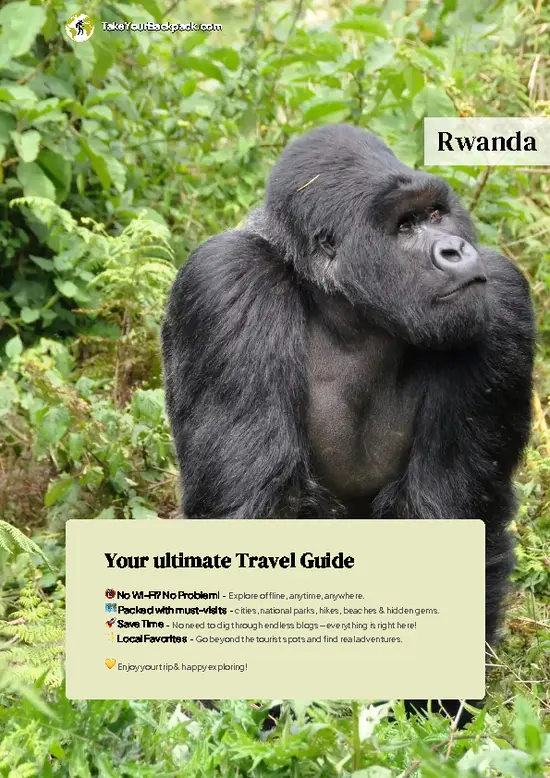
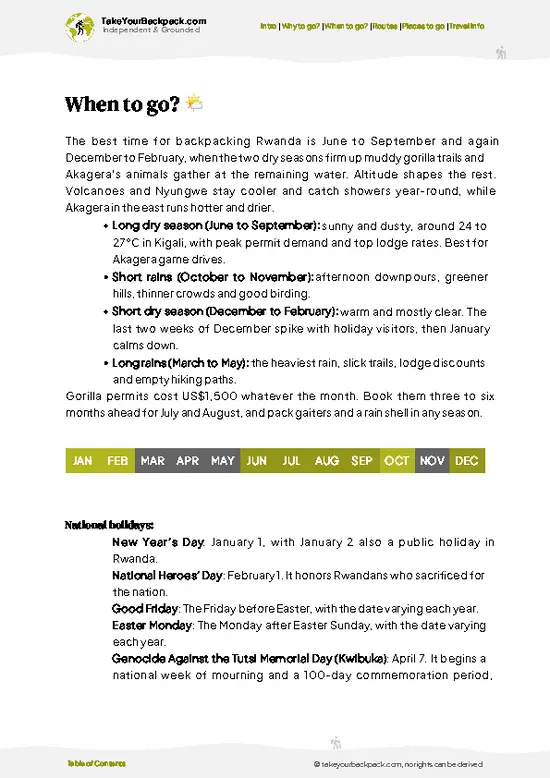
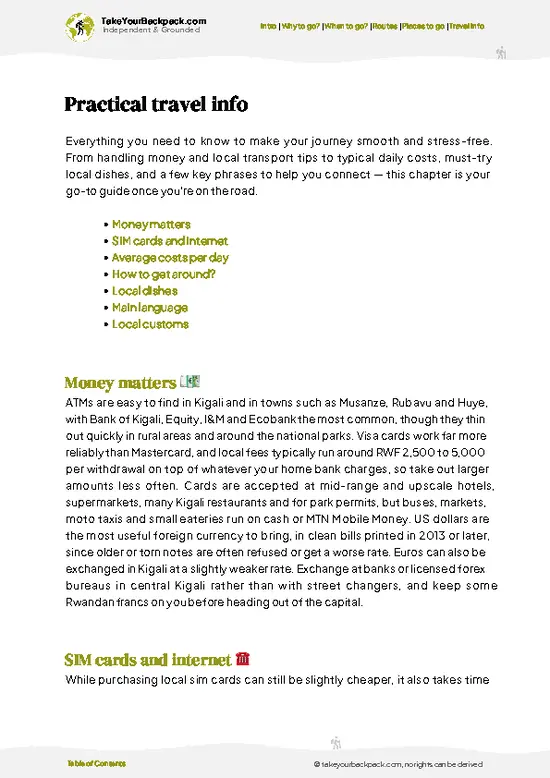
example page 0 from our offline Travel Guide for Rwanda
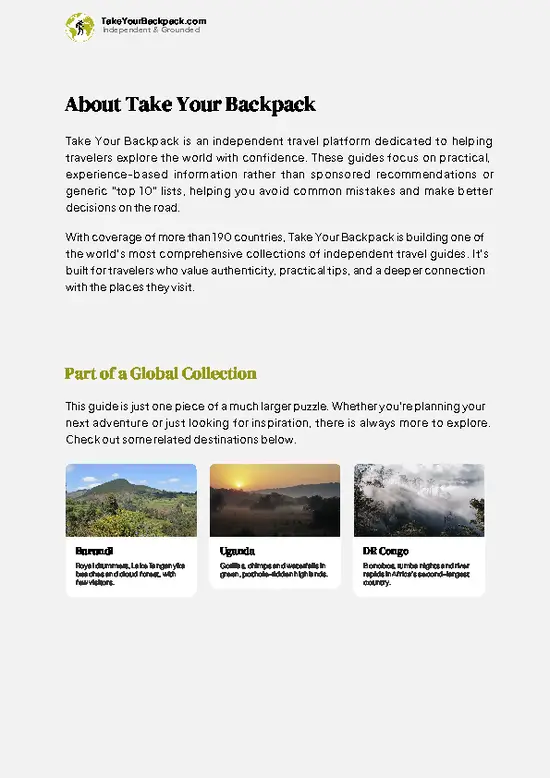
example page 1 from our offline Travel Guide for Rwanda
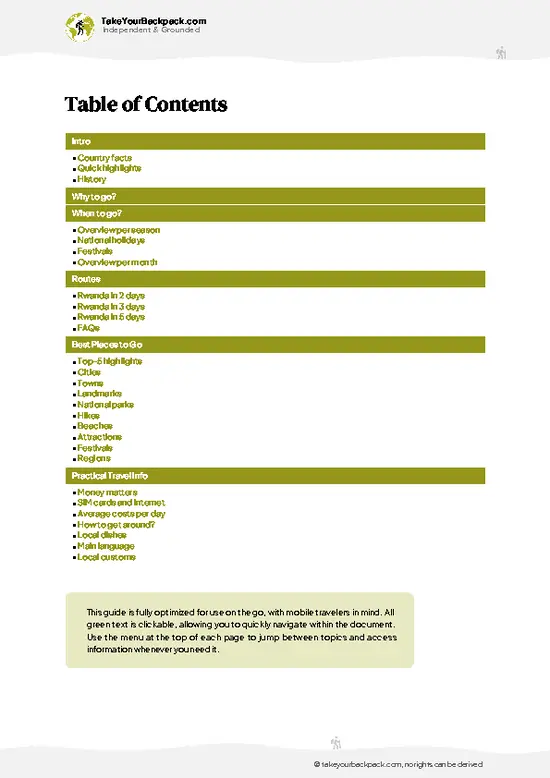
example page 2 from our offline Travel Guide for Rwanda
example page 3 from our offline Travel Guide for Rwanda
example page 4 from our offline Travel Guide for Rwanda
example page 5 from our offline Travel Guide for Rwanda
example page 6 from our offline Travel Guide for Rwanda
example page 7 from our offline Travel Guide for Rwanda
Loading the map 🌍
CLICK TO FILTER
cities
towns
landmarks
national parks
hikes
beaches
attractions
festivals
regions
SHOW COUNTRY’S BESTSHOW ALL

✨ Why go?
Ranked #20 region in Rwanda
What sets this place apart

Nyaruguru gives you the quiet southern flank of Nyungwe without the crowds of the main park circuits. You can walk through the rainforest in the morning and spend the afternoon among Kitabi tea plantations, with no long relocation in between. The Kitabi Eco-Center works with nearby communities, so you can add village visits, cultural dances and honey or craft workshops to your forest time. Slow travel suits these steep, winding hills.

💡 HighlightsMust-see experiences and standout moments

  1. Nyungwe National Park (Kitabi sector): Montane rainforest with chimpanzee trekking, colobus monkeys and canopy birdlife. Permits are required.
  2. Kitabi Eco-Center: A community-run base for guided forest walks, birding and cultural activities.
  3. Kitabi Tea Plantation: Neat green rows climbing the hills beside the forest, good for a quiet walk.
  4. Karamba Bird Trail: A short forest walk where birders can watch for Albertine Rift endemics.
  5. Kitabi Cultural Village: Local guides share traditional dance, drumming and village life.
  6. Munini Market: A working local market where farmers sell produce, little visited by outsiders.
  7. Mount Kamwenge viewpoints: Ridge roads give long looks over ridge after ridge of cultivated hills.
  8. Banana beer village stops: Roadside homes where neighbors share fermented banana drink and
… read more 👉
  1. Nyungwe National Park (Kitabi sector): Montane rainforest with chimpanzee trekking, colobus monkeys and canopy birdlife. Permits are required.
  2. Kitabi Eco-Center: A community-run base for guided forest walks, birding and cultural activities.
  3. Kitabi Tea Plantation: Neat green rows climbing the hills beside the forest, good for a quiet walk.
  4. Karamba Bird Trail: A short forest walk where birders can watch for Albertine Rift endemics.
  5. Kitabi Cultural Village: Local guides share traditional dance, drumming and village life.
  6. Munini Market: A working local market where farmers sell produce, little visited by outsiders.
  7. Mount Kamwenge viewpoints: Ridge roads give long looks over ridge after ridge of cultivated hills.
  8. Banana beer village stops: Roadside homes where neighbors share fermented banana drink and conversation.
  9. Local honey cooperatives: Beekeepers show hives in the forest edge and sell honey.
  10. Tea factory tours: See leaves withered, rolled and dried in the processing sheds.
Nyaruguru is best met first at Nyungwe National Park (Kitabi sector), where the forest walk gives the clearest sense of the place.
Spotted a mistake or missing something? Contact us.

Things to do near Nyaruguru

Ratings based on Tripadvisor reviews. When you book through this link, you support our work at no extra cost to you.

🏘️ NeighborhoodsHow different areas shape the experience

Nyaruguru offers a unique blend of culture and nature, perfect for backpackers seeking an authentic Rwandan experience.

Town Center: This is the heartbeat of Nyaruguru. It’s bustling with local markets and street food. You’ll find affordable accommodations here, making it ideal for both short and longer stays. Walkability is high, but be prepared for some lively noise at night.

Nyamagabe: A quieter area, perfect for those wanting to escape the hustle. It’s surrounded by lush hills and offers stunning views. Transport options are limited, so it’s best for longer stays where you can soak in the tranquility.

Rugango: This neighborhood strikes a balance between nightlife and relaxation. It has a few bars and cafes, making it suitable for socializing after a day of hiking. Walkable and accessible, … read more 👉
Nyaruguru offers a unique blend of culture and nature, perfect for backpackers seeking an authentic Rwandan experience.

Town Center: This is the heartbeat of Nyaruguru. It’s bustling with local markets and street food. You’ll find affordable accommodations here, making it ideal for both short and longer stays. Walkability is high, but be prepared for some lively noise at night.

Nyamagabe: A quieter area, perfect for those wanting to escape the hustle. It’s surrounded by lush hills and offers stunning views. Transport options are limited, so it’s best for longer stays where you can soak in the tranquility.

Rugango: This neighborhood strikes a balance between nightlife and relaxation. It has a few bars and cafes, making it suitable for socializing after a day of hiking. Walkable and accessible, it’s a solid choice for both short and extended visits.

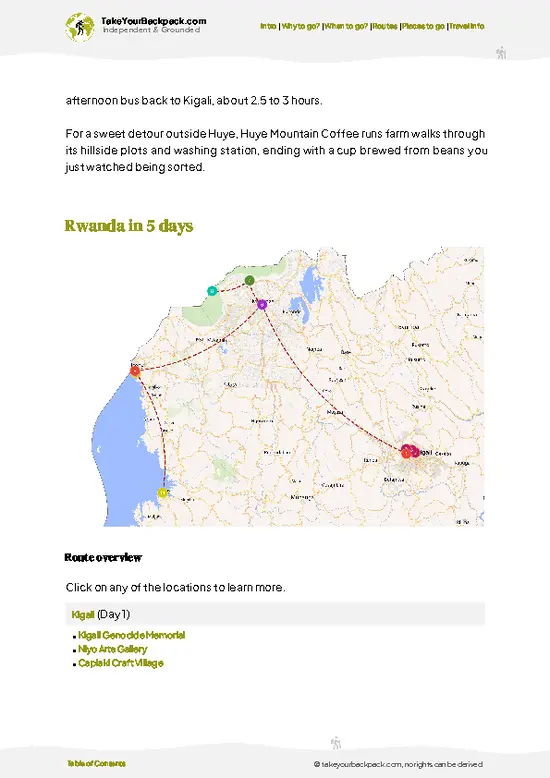
⌛️ 5 daysHow to make the most of Nyaruguru

Day 1: Kitabi: Start at the forest edge, because Kitabi is the natural hub and roads beyond it are slow. Settle in, walk through the tea estates and let your legs adjust to the steep hills.
Day 2: Nyungwe Forest: Spend a full day on the trails. Early starts catch bird activity and cooler air, and guides are arranged locally.
Day 3: Villages and Market: Use quieter back roads by moto or on foot, since vehicles are few. Visit Munini Market and a honey cooperative, then take a village cultural visit.
Day 4: Detour to Nyamagabe: Add a side trip toward Nyamagabe on the main road for a different ridge landscape, returning by evening.
Day 5: Forest Edge Morning: Finish with another birding walk. Day 2 is the one that justifies the trip.

🌤️ When to go?Weather, crowds, and seasonal trade-offs

Nyaruguru is easiest from June to September, when the southern highlands dry out and the tea-country roads are firm.
  • Long Dry Season (June to September): Days reach 22 to 26°C (72 to 79°F), nights drop to 10 to 12°C (50 to 54°F), and the Nyungwe edge stays clear for walking. Crowds and lodge rates peak.
  • Short Dry Spell (December to February): Similar temperatures, with brighter mornings and moderate prices.
  • Rains (March to May, October to November): Mist and red mud slow the hill tracks, but rooms cost less and the hills turn deep green.
Book a few days ahead for July and August, and leave a spare day for rain delays.

source: climatestotravel.comJANJanuary: highly recommended for travelingFEBFebruary: highly recommended for travelingMARMarch: fair for travelingAPRApril: fair for travelingMAYMay: good for travelingJUNJune: excellent for travelingJULJuly: excellent for travelingAUGAugust: highly recommended for travelingSEPSeptember: highly recommended for travelingOCTOctober: fair for travelingNOVNovember: fair for travelingDECDecember: highly recommended for traveling
when-to-go

✈️ The backpacker research shortcutRwanda Travel Guide

An offline-friendly backpacking guide with optimized travel routes, ranked highlights, transport advice, and the best areas to stay.
example page 0 from our offline Travel Guide for Rwanda
example page 1 from our offline Travel Guide for Rwanda
example page 2 from our offline Travel Guide for Rwanda
example page 3 from our offline Travel Guide for Rwanda
example page 4 from our offline Travel Guide for Rwanda
example page 5 from our offline Travel Guide for Rwanda
example page 6 from our offline Travel Guide for Rwanda
example page 7 from our offline Travel Guide for Rwanda
The digital guide (233 pages) contains:
✅ 57 highlights, ranked by travel appeal
✅ Optimized 2, 3 & 5-day travel routes
✅ Cities, national parks, landmarks, beaches
✅ How to get around
✅ Offline-friendly for travel without Wi-Fi
👉 Click to see all 30+ guide features

📅 Plan smarter in minutes, not weeks
✅ Month by month travel advice
✅ Festivals & national holidays
✅ Budget expectations

🗺️ Go to the right places, skip the overrated ones
✅ Honest pros & cons of destinations
✅ Top hikes, parks & viewpoints
✅ Lesser-known places most travelers miss
✅ Clear “worth it vs skip it” guidance

🛏️ Travel smoothly without rookie mistakes
✅ Best areas to stay
✅ Transport systems explained simply
✅ Common scams & safety advice
✅ SIM cards, money & practical tips

🌍 Understand the country, not just visit it
✅ Culture & traditions
✅ 52 Essential phrases & customs
✅ Festivals worth planning around
✅ Traveler-friendly historical context
✅ Insights that make places more meaningful

📱 Built for real travel conditions
✅ Fully downloadable PDF
✅ Works completely offline
✅ Optimized for phone use
✅ Useful in remote areas & buses
✅ Everything in one place
Stop searching, start planning
Get instant access to your full guide. 30‑day money-back guarantee.
+ Add another guide for just

By proceeding you agree to our terms.
Sent to your inbox immediately after payment • 100% Secure Checkout
Best Backpacking Travel Advisor 2025 tourism awardBest Backpacking
Travel Advisor
2025
What others say about Take Your Backpack Guides:
⭐⭐⭐⭐⭐
Fantastic, amazing amount of information!
⭐⭐⭐⭐⭐
My goodness this is amazing, it's what I've been looking for hats off too you!
⭐⭐⭐⭐⭐
I think this is absolutely BRILLIANT
⭐⭐⭐⭐
Very complete and informative. It's still missing places, but I gotta to commend you
⭐⭐⭐⭐⭐
This is truly amazing, thank you, can't wait to explore it with my kids!
⭐⭐⭐⭐⭐
Awesome resource, thank you!
⭐⭐⭐⭐⭐
This is amazing! Can't wait to explore the ones I haven't seen
⭐⭐⭐⭐
I love this! Well done, great idea.
⭐⭐⭐⭐⭐
Thanks for taking the time to make this gem!
⭐⭐⭐⭐⭐
This might be the best website I've ever seen.
⭐⭐⭐⭐⭐
Congratulations, and thank you so much for your work; it's incredibly valuable.
⭐⭐⭐⭐
In all seriousness I think you did a great job pointing out the important spots
⭐⭐⭐⭐⭐
10/10 very good
⭐⭐⭐⭐⭐
As someone who's only just starting to visit regularly this is awesome, thank you.
⭐⭐⭐⭐
Thank you very much! I'm going to visit my dad, it's going to be very useful!
⭐⭐⭐⭐⭐
This is really cool! We'll be travelling for the first time and this definitely come in handy.
⭐⭐⭐⭐⭐
You are now our minister of culture, congratulations 👨‍💼
⭐⭐⭐⭐⭐
Just wanted to tell you that this is a pearl! Going to follow your recommendations.
⭐⭐⭐⭐⭐
This is so cool. I'll definitely be using the resource for my travels soon.
⭐⭐⭐⭐⭐
This is very impressive! Good work.
⭐⭐⭐⭐⭐
This is an amazing and informative site. Very well done!

🛏️ Where to stay?Best areas and accommodation options

Kibeho is the most practical base in Nyaruguru, with simple guesthouses at roughly US$10 to 25 a night and a steady stream of pilgrims, so people are used to visitors. Munini and Ngera offer quieter, village-scale stays with tea hills at the door, though evenings are early and eating options few. Many backpackers sleep in Huye (about 1.5 to 2 hours away) for its hostels, cafés and fellow travelers, then day-trip in. Nyamagabe suits anyone aiming for the Nyungwe forest edge at dawn.

🚌 Getting aroundTransportation options and practical tips

Nyaruguru runs on moto-taxis, which cost about US$1 to 4 for most hops between Kibeho, Ngera and Munini, paid in cash in Rwandan francs (mobile money works with some drivers). Minibuses connect the district to Huye and Nyamagabe, and they are steady and predictable, though they leave only when full. Roads are mostly paved on the main corridor, with red dirt tracks on the side routes.
  • Moto-taxi: Fast and flexible, with a helmet supplied. Fares run US$1 to 4 per hop, and you ride past terraced tea slopes and banana groves with the whole valley opening below you.
  • Shared minibus: Huye to Kibeho takes roughly 1.5 to 2 hours for US$2 to 4. You sit shoulder to shoulder with farmers and market traders, which is the quickest way to hear local news.
  • Bus from Kigali: Services to Huye or Nyamagabe cost US$4
… read more 👉
Nyaruguru runs on moto-taxis, which cost about US$1 to 4 for most hops between Kibeho, Ngera and Munini, paid in cash in Rwandan francs (mobile money works with some drivers). Minibuses connect the district to Huye and Nyamagabe, and they are steady and predictable, though they leave only when full. Roads are mostly paved on the main corridor, with red dirt tracks on the side routes.
  • Moto-taxi: Fast and flexible, with a helmet supplied. Fares run US$1 to 4 per hop, and you ride past terraced tea slopes and banana groves with the whole valley opening below you.
  • Shared minibus: Huye to Kibeho takes roughly 1.5 to 2 hours for US$2 to 4. You sit shoulder to shoulder with farmers and market traders, which is the quickest way to hear local news.
  • Bus from Kigali: Services to Huye or Nyamagabe cost US$4 to 7 and take 3 to 4 hours, with a comfortable seat and long views of the hills.
  • Walking: Short village paths take 30 to 60 minutes between nearby hamlets, and you meet children, cattle and cooperative tea pickers along the way.
Start before 9 am, since minibuses thin out by late afternoon and moto fares rise after dark.

👛 Costs (as of 22 October 2026)Typical daily expenses

Backpacking in Nyaruguru, Rwanda, offers a raw, earthy experience where every dollar stretches into local flavors and rugged landscapes. Here’s what you can expect to spend daily if you’re traveling on your own steam.
  • Dorm Accommodation: Budget lodges and guesthouses in Nyaruguru typically charge between $8 and $15 per night for a dorm bed. These places are basic but clean, often with mosquito nets and shared bathrooms. Expect simple comforts rather than luxury—think cool stone floors and the faint scent of wood smoke from nearby kitchens.
  • Meals: Local meals are affordable and filling. A plate of isombe (cassava leaves) with rice or plantains runs about $2 to $4. Street food snacks like brochettes or fried bananas cost less than a dollar. If you opt for a small restaurant, budget around
… read more 👉
Backpacking in Nyaruguru, Rwanda, offers a raw, earthy experience where every dollar stretches into local flavors and rugged landscapes. Here’s what you can expect to spend daily if you’re traveling on your own steam.
  • Dorm Accommodation: Budget lodges and guesthouses in Nyaruguru typically charge between $8 and $15 per night for a dorm bed. These places are basic but clean, often with mosquito nets and shared bathrooms. Expect simple comforts rather than luxury—think cool stone floors and the faint scent of wood smoke from nearby kitchens.
  • Meals: Local meals are affordable and filling. A plate of isombe (cassava leaves) with rice or plantains runs about $2 to $4. Street food snacks like brochettes or fried bananas cost less than a dollar. If you opt for a small restaurant, budget around $5 to $7 for a three-course meal with fresh local ingredients.
  • Local Transport: Getting around usually means moto-taxis, which are the lifeblood of local transport. A short ride within town costs about $0.50 to $1. Longer trips to nearby villages or markets might run $2 to $4. Walking is also common, especially if you want to soak in the earthy smells of wet soil and fresh coffee plantations.
  • Basic Activities/Entry Fees: Nyaruguru’s main draws are natural—hiking, visiting tea plantations, and exploring local markets. Entry fees for community-run sites or small nature reserves hover around $2 to $5. Guided hikes or cultural tours can cost $10 to $20, depending on length and guide expertise.
  • Miscellaneous Expenses: This covers essentials like bottled water ($0.50), occasional internet access at a café ($1 to $2 per hour), and small souvenirs or tips. Budget around $2 to $4 daily for these incidentals.

Altogether, you’re looking at roughly $15 to $30 per day to cover the basics in Nyaruguru. This range lets you experience the town’s earthy charm without cutting corners on comfort or local engagement.


source: visitrwanda.com
⚠️ Prices can change and everyone travels differently, so take this as a rough guide. Hope it helps you plan your adventure!

🚌 Day tripsEasy escapes and nearby places

Nyaruguru is a fantastic base for day trips, offering a mix of culture, nature, and adventure. Here are some standout options that will enrich your experience.

Nyungwe National Park
Just an hour away, Nyungwe is a lush paradise filled with ancient trees and vibrant wildlife. The canopy walk is a must; it sways high above the forest floor, giving you a bird’s-eye view of the treetops. Expect to pay around $60 for entry and guides. The best time to visit is during the dry season, from June to September, when the trails are more manageable. Many first-timers underestimate the park’s vastness and miss out on the lesser-known trails.


Lake Kivu
A two-hour drive leads you to the shores of Lake Kivu, where the air is thick with the scent of fresh fish grilling on the beach. Spend the day kayaking … read more 👉
Nyaruguru is a fantastic base for day trips, offering a mix of culture, nature, and adventure. Here are some standout options that will enrich your experience.

Nyungwe National Park
Just an hour away, Nyungwe is a lush paradise filled with ancient trees and vibrant wildlife. The canopy walk is a must; it sways high above the forest floor, giving you a bird’s-eye view of the treetops. Expect to pay around $60 for entry and guides. The best time to visit is during the dry season, from June to September, when the trails are more manageable. Many first-timers underestimate the park’s vastness and miss out on the lesser-known trails.


Lake Kivu
A two-hour drive leads you to the shores of Lake Kivu, where the air is thick with the scent of fresh fish grilling on the beach. Spend the day kayaking or simply lounging by the water. Costs are minimal; you can rent a kayak for about $10. The sunsets here are spectacular, especially from the town of Gisenyi. Avoid the mistake of rushing back; linger to soak in the atmosphere.
👉 Explore Lake Kivu

Musanze Caves
About 90 minutes from Nyaruguru, these caves are a hidden treasure. The cool, damp air inside contrasts sharply with the warm sun outside. Guided tours cost around $15 and reveal fascinating geological formations and local legends. The best time to visit is early morning when the light filters through the cave openings. Many backpackers overlook this spot, thinking it’s just another cave, but the stories and sights are captivating.
👉 Explore Musanze Caves

🍲 FoodWhat to Eat & Drink

Expect ugali-like isombe, cassava leaves simmered with peanut paste and served beside boiled beans, plantains and sweet potatoes. Roadside stalls in Kibeho sell hot brochettes of goat, charred and salty, for about US$1 to 2. Local tea from the surrounding plantations arrives sweet and milky, and cafeterias serve it in thick mugs. Wash down a plate with a cold Fanta or banana beer if you are invited. Eat with your right hand when sharing, and expect meals to be slow and unhurried.

🛡️ SafetyScams, Hazards, and Annoyances

Nyaruguru is generally safe, but staying aware enhances your experience. Stick to well-lit areas after dark, especially if you’re solo. The local vibe is friendly, but keep your belongings close in crowded spots.

Watch for the occasional overzealous vendor; a polite “no, thank you” usually suffices. If someone offers unsolicited help, be cautious—it’s often a setup for a tip request. Trust your instincts, engage with locals, and you’ll navigate smoothly through this charming town.

FAQTraveler FAQ

Two to three days covers Nyaruguru comfortably. Spend one day at Kibeho, a second among the tea hills of Munini and Ngera, and add a third for the edge of Nyungwe forest. Huye is about 1.5 to 2 hours away if you want a bigger base.
Nyaruguru is manageable without a car using moto-taxis and shared minibuses. Moto hops cost roughly US$1 to 4, while a minibus from Huye to Kibeho takes 1.5 to 2 hours for US$2 to 4. Start early, because afternoon services thin out.
Nyaruguru is known for Kibeho, the Catholic pilgrimage site tied to Marian apparitions in the 1980s, which draws thousands every November. The district also has steep tea and farming hills on the edge of Nyungwe forest. Cool highland weather, with daytime temperatures around 20 to 25°C (68 to 77°F), makes walking easy.
⚠️ Things can change over time, so always validate details locally before you go.

Other Rwandan regions near Nyaruguru

Explore more nearby:

  • Gisagara—Rice marshland, coffee washing station, terraced ridges, market towns| 33 km away
  • Nyamasheke—Nyungwe canopy, chimp permits, Kivu beaches, tea factory| 51 km away
  • Bugesera—Church memorials, papyrus lakeshores, flat savanna, moto trips| 78 km away

💡 Not sure where to go next?
Create a personalized itinerary for Rwanda including Nyaruguru and the places that fit your trip.

Generate my itinerary

👉 Discover all regions

Or checkout all Rwanda has to offer (think cities, towns, villages, national parks, hikes, beaches, festivals)
Country photo of Rwanda

We 💚 feedbackWhat to keep in mind

Nyaruguru’s overlooked detail is the tea country around the forest edge, which many skip while rushing for chimpanzees. I would bring rain gear, walk a plantation lane slowly, and let the evening birdsong settle the day.

✍️ Help improve this page!
The information on this page is based on in-depth research, insights shared by experienced travelers, and feedback from the local travel community in Rwanda. While every effort is made to keep the information accurate and current, conditions can change — so if you spot anything incorrect or outdated, please get in touch.


🙋‍♂️ Give feedback

👋 Meet the founderWho’s Behind Take Your Backpack?

Johan, backpacker and founder of TakeYourBackpackHi, I’m Johan (Netherlands 🇳🇱), the creator of TakeYourBackpack. Over the past 3 decades, I’ve backpacked through 90+ countries across six continents, gaining extensive experience with independent travel, long-term trips, and overland routes.

This site is built on a combination of firsthand travel experience and carefully curated insights from other backpackers. Many guides are based on places I’ve personally visited, while others bring together tips, observations, and practical advice shared by trusted travelers I’ve met along the way.

The goal is to provide realistic, experience-driven guidance — not generic itineraries — so you can explore destinations with better context, clearer expectations, and more confidence.