
The Ancient Sugar Well
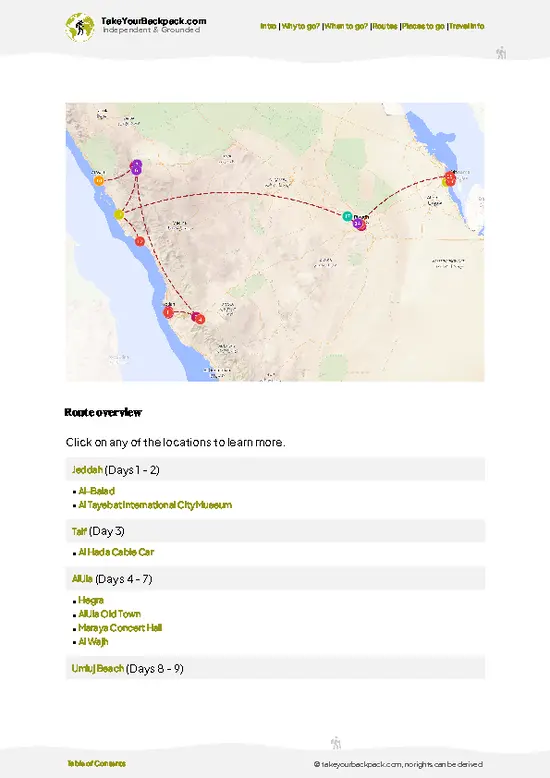
Forget the filtered shots of turquoise pools. Ain al-Sukkar is not a spa day for your Instagram grid—it’s a living relic, a spring that once sweetened the lives of traders and pilgrims crossing the Arabian Peninsula. The well itself is unassuming, but that’s the point: it’s a rare survivor from the days when water meant everything and “sweet” was literal. Stand here and you’re standing where caravans paused, where the taste of the water was a legend in itself. No crowds, no ticket booth, just the hum of history and the desert wind.
Ottoman-Era Aqueduct Remnants
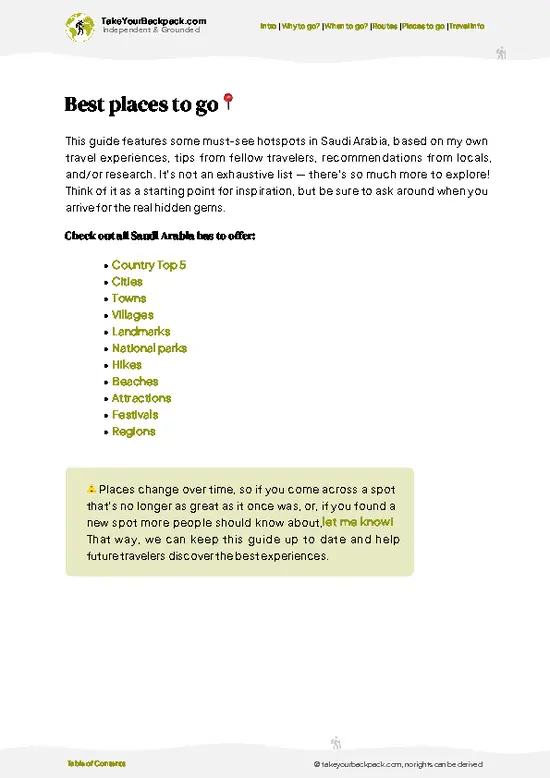
You’ll see the bones of an old aqueduct—stonework that’s more practical than pretty, but that’s what makes it fascinating. This was infrastructure, not ornament. The Ottomans didn’t build for show; they built … read more 👉
The Ancient Sugar Well
Forget the filtered shots of turquoise pools. Ain al-Sukkar is not a spa day for your Instagram grid—it’s a living relic, a spring that once sweetened the lives of traders and pilgrims crossing the Arabian Peninsula. The well itself is unassuming, but that’s the point: it’s a rare survivor from the days when water meant everything and “sweet” was literal. Stand here and you’re standing where caravans paused, where the taste of the water was a legend in itself. No crowds, no ticket booth, just the hum of history and the desert wind.
Ottoman-Era Aqueduct Remnants
You’ll see the bones of an old aqueduct—stonework that’s more practical than pretty, but that’s what makes it fascinating. This was infrastructure, not ornament. The Ottomans didn’t build for show; they built to last, and the surviving arches and channels are a crash course in desert engineering. Run your hand along the stone and you’re tracing the route that kept a whole community alive. It’s not flashy, but it’s real, and it’s a direct line to the grit and ingenuity of people who made the desert work for them.
The Pilgrim Route Connection
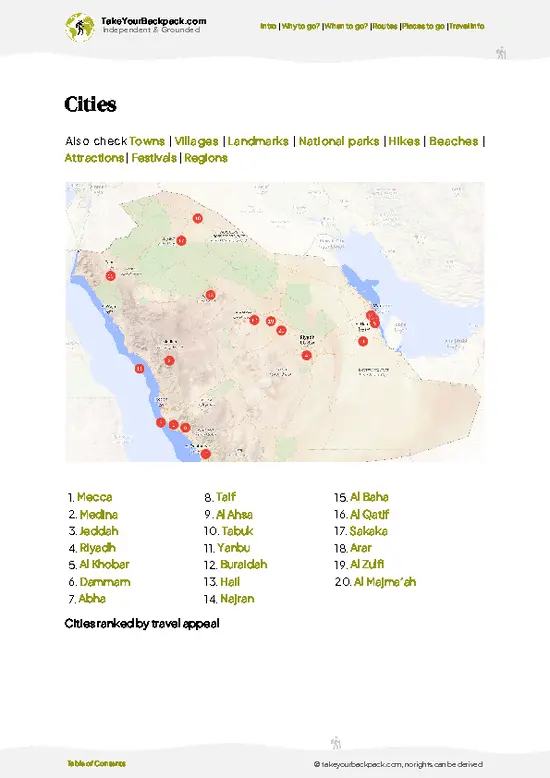
Ain al-Sukkar isn’t just a dot on a map—it’s a waypoint on the ancient Hajj route. Pilgrims heading to Mecca stopped here to refill their water skins and catch their breath. There’s no plaque, no velvet rope, just the knowledge that you’re walking in the footsteps of millions. If you want to feel the pulse of history, skip the selfie and listen for the echo of travelers who crossed continents for faith and survival.
Desert Flora and the “Sweetness” Myth
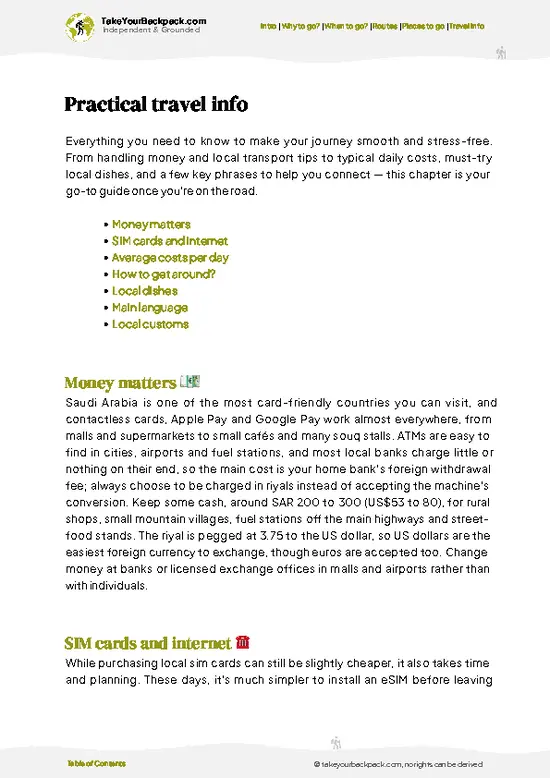
Here’s the twist: the “sugar” in Ain al-Sukkar isn’t about literal sweetness. It’s about the mineral-rich water that nourished a patch of green in a sea of sand. Look for hardy desert plants thriving where they shouldn’t. The spring’s chemistry gave life to a micro-oasis, and if you’re lucky, you’ll spot birds and insects drawn to this unlikely patch of fertility. It’s a subtle kind of magic—no lush jungle, but a stubborn, improbable burst of life.
Raw, Unfiltered Solitude
This is not a place for crowds or curated experiences. If you’re looking for a gift shop, you’re in the wrong country. What Ain al-Sukkar offers is the rarest luxury: silence. You get the desert as it is—wide, empty, and honest. No distractions, no performance. Just you, the wind, and the knowledge that you’re standing somewhere that mattered long before hashtags and travel blogs. If you want authenticity, this is it—no filter required.
Spotted a mistake or missing something? Contact us.

 Best Backpacking

 Hi, I’m Johan (Netherlands 🇳🇱), the creator of TakeYourBackpack. Over the past 3 decades, I’ve backpacked through 90+ countries across six continents, gaining extensive experience with independent travel, long-term trips, and overland routes.