
×

Serbia🇷🇸 | townsDrvengradfilm set village, wooden houses, art installations | things to do and best time to go

Explore Bajina BaštaExplore Pirot

Backpacking in Drvengrad
🏆 Top picktown ranked #1
By Johan Kruseman 🇳🇱 | Updated June 7, 2026

Most people only realize on the bus out that Drvengrad works best as a base, not a destination: if you stay a night or two, you can time the Šargan Eight railway, Tara National Park hikes, and border crossings toward Bosnia without rushing. Drvengrad sits in western Serbia, on Mokra Gora hill between Užice and Višegrad, close to the Bosnian border.

For backpackers, it’s a purpose-built wooden village with film-set charm and a slightly curated feel. You get pine-smoke air, creaking boardwalks, and big sky sunsets over dark forested ridges, but also tour buses in the daytime and prices higher than regular Serbian villages. Many travelers stop for a few hours with the train, then move on; staying overnight means quiet evenings, early dinners, and long, dimly lit streets where you hear more crickets than conversation. It’s calmer and more scenic than Užice, more touristic and less raw than the scattered hamlets deeper in Tara. Meeting other backpackers is possible, but it feels like a small cast, not a crowd.

Discover everything you want to know in the 📖 Serbia Travel Guide.


Get your Serbia guide
82 ranked highlights, routes & tips, works offline (325 pages)
Loading the map 🌍
CLICK TO FILTER
cities
towns
villages
landmarks
national parks
hikes
beaches
attractions
festivals
regions
SHOW COUNTRY’S BESTSHOW ALL

✨ Why go?
Ranked #1 town in Serbia
What makes it a must-see town

In the heart of Serbia, Drvengrad offers a unique blend of atmosphere and local character that beckons backpackers looking for a breather. This village, built by filmmaker Emir Kusturica, feels like stepping into a living art piece, with its wooden houses and vibrant murals. The natural surroundings are stunning, with lush hills and the nearby Mokra Gora river providing a serene backdrop for those seeking a slower pace.

Backpackers often stop here as a pause between busier destinations like Belgrade and the stunning Tara National Park. It’s a place where you can recharge, whether you’re a solo traveler craving calm or a couple looking for a romantic escape. The village has a social vibe but isn’t overwhelming; you can easily find a quiet corner to sip coffee while soaking in the scenery.
read more 👉
In the heart of Serbia, Drvengrad offers a unique blend of atmosphere and local character that beckons backpackers looking for a breather. This village, built by filmmaker Emir Kusturica, feels like stepping into a living art piece, with its wooden houses and vibrant murals. The natural surroundings are stunning, with lush hills and the nearby Mokra Gora river providing a serene backdrop for those seeking a slower pace.

Backpackers often stop here as a pause between busier destinations like Belgrade and the stunning Tara National Park. It’s a place where you can recharge, whether you’re a solo traveler craving calm or a couple looking for a romantic escape. The village has a social vibe but isn’t overwhelming; you can easily find a quiet corner to sip coffee while soaking in the scenery.

Hikers will appreciate the proximity to trails that lead to breathtaking views, while those interested in cultural landmarks can explore Kusturica’s quirky creations. Most travelers linger for a night or two, enjoying the authentic experiences that make this stop worthwhile. If you’re after a genuine slice of Serbian life, Drvengrad is a perfect fit for your journey.
Want to include Drvengrad in your Serbia route?
Create a personalized Serbia itinerary that includes Drvengrad and the places that fit your trip — based on your travel style, budget, and available time. Get your route in seconds.

Generate my trip

💡 HighlightsPlaces and moments you shouldn't skip

  • The wooden village itself (Drvengrad / Mećavnik) — walking the streets is the point: hand-built timber houses, narrow alleys and the whole place arranged like a living film set. It’s the single best way to feel what Kusturica wanted to create — an immersive, old-school Balkan village carved out of wood.
  • Hotel Mećavnik — more than a place to sleep: traditional-style rooms, a proper ethno-restaurant and a handy base for exploring the village on foot. Good for late coffee, hearty local meals, and people-watching on the square.
  • Kustendorf / Art Cinema — a small wooden movie theatre where screenings, talks and festival showings happen. Even outside festival dates you can see film-related exhibitions or catch occasional screenings; it’s the cultural engine of the village.
  • The village Orthodox
read more 👉
  • The wooden village itself (Drvengrad / Mećavnik) — walking the streets is the point: hand-built timber houses, narrow alleys and the whole place arranged like a living film set. It’s the single best way to feel what Kusturica wanted to create — an immersive, old-school Balkan village carved out of wood.
  • Hotel Mećavnik — more than a place to sleep: traditional-style rooms, a proper ethno-restaurant and a handy base for exploring the village on foot. Good for late coffee, hearty local meals, and people-watching on the square.
  • Kustendorf / Art Cinema — a small wooden movie theatre where screenings, talks and festival showings happen. Even outside festival dates you can see film-related exhibitions or catch occasional screenings; it’s the cultural engine of the village.
  • The village Orthodox chapel — a modest, traditionally built chapel with icons and the quiet atmosphere you expect from a mountain village church. It’s simple but authentic, and often hosts services and local ceremonies.
  • Main square and outdoor stage — where locals, visitors and festival crowds mingle. Performances, impromptu music and evening gatherings give this spot a lively, social pulse that’s the heart of Drvengrad.
  • Small galleries and exhibition rooms — rotating shows of photography, film memorabilia and regional art. These compact spaces give context to the place (film, music and Kusturica’s projects) without requiring a long museum visit.
  • Artist studios and craft workshops — you’ll often find woodcarvers, painters and other craftsmen working on site. It’s worth pausing to watch or ask about techniques — a practical, tactile glimpse into local craft traditions.
  • Themed guest-houses and named wooden homes — each house has its own character (and often a little plaque or story). Even if you’re not staying, peeking inside or chatting with hosts reveals personal touches that make the village feel lived-in rather than staged.
  • Panoramic terrace / lookout points — short walks within the village lead to viewpoints with clean views of the surrounding valleys, rail line and forested peaks. Sunrise or late afternoon are especially rewarding for photos and quiet time.
  • Ethno restaurants & kafana culture — simple, local food served in a warm, wooden setting with live music at times. Eating here is as much about atmosphere as the menu — expect homey dishes, rakija and good conversation.
A few nearby day-trip highlights: the Šargan Eight narrow-gauge railway and the traditional village of Mokra Gora, scenic Tara National Park (for hikes and viewpoints), and across the border the historic town of Višegrad with the Mehmed Paša Sokolović Bridge.
Spotted a mistake or missing something? Contact us.

🏘️ NeighborhoodsKey areas and districts to know

Drvengrad is a unique, purpose-built village with a distinct vibe that feels more like stepping into a living film set than a typical town. Knowing where to settle can shape your experience, so here’s the lowdown on its key areas.

Central Square
This is the heartbeat of Drvengrad, where the wooden architecture converges into a cozy, walkable cluster. It’s perfect if you want to be in the thick of things—cafes, artisan shops, and the occasional cultural event. Expect a lively but intimate atmosphere, especially in the evenings. Prices here lean toward mid-range, reflecting the convenience and charm. Ideal for short stays where you want to soak up the village’s character without fussing over transport.

Perimeter Cabins
Scattered around the edges, these cabins offer a quieter, more contemplative … read more 👉
Drvengrad is a unique, purpose-built village with a distinct vibe that feels more like stepping into a living film set than a typical town. Knowing where to settle can shape your experience, so here’s the lowdown on its key areas.

Central Square
This is the heartbeat of Drvengrad, where the wooden architecture converges into a cozy, walkable cluster. It’s perfect if you want to be in the thick of things—cafes, artisan shops, and the occasional cultural event. Expect a lively but intimate atmosphere, especially in the evenings. Prices here lean toward mid-range, reflecting the convenience and charm. Ideal for short stays where you want to soak up the village’s character without fussing over transport.

Perimeter Cabins
Scattered around the edges, these cabins offer a quieter, more contemplative stay. You’ll trade immediate access to the buzz for peaceful mornings filled with pine scents and birdsong. It’s a bit of a walk or a short shuttle ride back to the center, so plan accordingly if you’re here for nightlife or frequent dining out. This area suits longer stays or anyone craving a retreat-like vibe without leaving Drvengrad.

Festival Grounds Vicinity
If your visit coincides with one of the many cultural festivals, staying near the festival grounds is a no-brainer. It’s a bit more rustic and can get noisy during events, but the energy is contagious. Budget options pop up here, often in shared dorm-style setups. Not the spot for a quiet week, but unbeatable for immersing yourself in Drvengrad’s creative pulse.

Understanding these zones helps you pick your pace—whether that’s diving into the village’s social core or retreating to the calm edges where the forest’s scent lingers in the air. Each area offers a different slice of Drvengrad’s soul, so choose your base with your vibe in mind.

⌛️ 1 dayWhat you can realistically do in a day

Drvengrad, Serbia, is a living movie set and a cultural experiment rolled into one. Built by filmmaker Emir Kusturica for his film ”Life Is a Miracle,” this wooden village feels like stepping into a storybook where every plank and shingle has a purpose. It’s not just about the architecture; it’s the way the air carries the scent of pine and wood smoke, the quiet hum of the nearby Ibar River, and the way the light filters through the surrounding forest that makes Drvengrad a place to savor slowly.

Start your morning with a gentle stroll through the village’s main street, where timber houses with steep roofs and carved balconies line the path. The early light softens the wood’s warm tones, and the peacefulness invites you to pause at the small artisan shops. Don’t miss the local bakery tucked … read more 👉
Drvengrad, Serbia, is a living movie set and a cultural experiment rolled into one. Built by filmmaker Emir Kusturica for his film ”Life Is a Miracle,” this wooden village feels like stepping into a storybook where every plank and shingle has a purpose. It’s not just about the architecture; it’s the way the air carries the scent of pine and wood smoke, the quiet hum of the nearby Ibar River, and the way the light filters through the surrounding forest that makes Drvengrad a place to savor slowly.

Start your morning with a gentle stroll through the village’s main street, where timber houses with steep roofs and carved balconies line the path. The early light softens the wood’s warm tones, and the peacefulness invites you to pause at the small artisan shops. Don’t miss the local bakery tucked near the village square—freshly baked bread and strong Serbian coffee here are the perfect fuel. From there, wander up to the Church of the Holy Sava, a striking wooden structure that feels both sacred and intimate, its scent of fresh pine needles mingling with candle wax.

By afternoon, take a short hike just outside the village to the lesser-known Mećavnik neighborhood, a cluster of traditional wooden homes that locals still inhabit. This detour offers a quieter, more authentic glimpse of life here, away from the curated village center. The trail winds through dense forest, where the earthy smell of moss and damp leaves grounds you in the moment. Return to Drvengrad for a late lunch at the Ethno Restaurant, where you can savor hearty Serbian dishes like goulash or grilled meats, all served with a side of mountain air and views of the surrounding hills.

As evening falls, the village transforms. The fading light casts long shadows, and the wooden buildings glow amber under lantern light. Head to the open-air amphitheater, where local musicians often play traditional tunes. The sound of the gusle (a single-stringed instrument) drifting through the cool night air is a perfect way to close your day. Staying until dark means you’ll see the stars emerge with a clarity only possible far from city lights, making the quiet of Drvengrad feel like a well-earned reward.
Turn your Drvengrad visit into an Serbia adventure
Build a complete Serbia route with Drvengrad, hidden gems, must-see destinations, and realistic travel times included.

Generate my trip

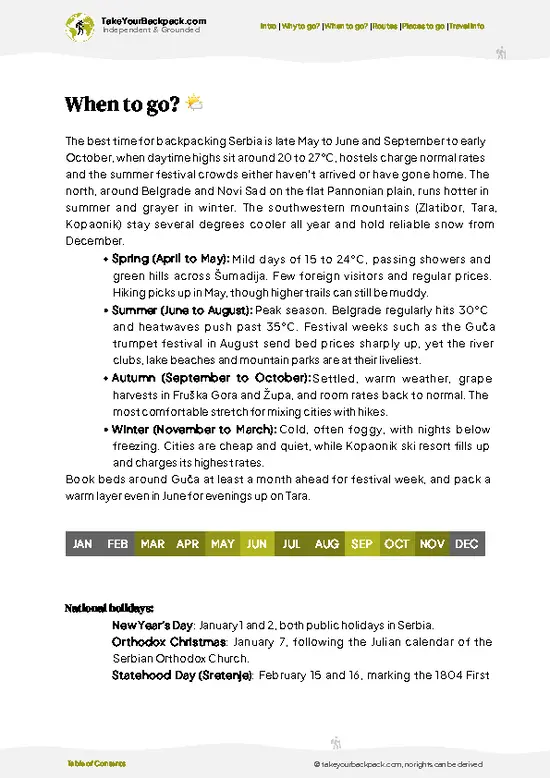
🌤️ When to go?Best time to visit Drvengrad


  • Weather: Drvengrad’s charm peaks in late spring through early autumn. From May to September, expect mild to warm days—around 20-25°C (68-77°F)—perfect for wandering the wooden streets without freezing or sweating buckets. Winters plunge below freezing, often blanketing the village in snow, which is beautiful but limits outdoor exploration.

  • Temperature: Summer days hover comfortably between 20-25°C (68-77°F), while nights cool down to 10-15°C (50-59°F), ideal for campfires or cozy tavern visits. Winter temperatures can dip below 0°C (32°F), making hiking slippery and less inviting.

  • Daylight Hours: Long summer days stretch up to 15 hours of light, giving you plenty of time to soak in the village’s handcrafted details and surrounding nature. In winter, daylight shrinks to about 8 hours,
read more 👉

  • Weather: Drvengrad’s charm peaks in late spring through early autumn. From May to September, expect mild to warm days—around 20-25°C (68-77°F)—perfect for wandering the wooden streets without freezing or sweating buckets. Winters plunge below freezing, often blanketing the village in snow, which is beautiful but limits outdoor exploration.

  • Temperature: Summer days hover comfortably between 20-25°C (68-77°F), while nights cool down to 10-15°C (50-59°F), ideal for campfires or cozy tavern visits. Winter temperatures can dip below 0°C (32°F), making hiking slippery and less inviting.

  • Daylight Hours: Long summer days stretch up to 15 hours of light, giving you plenty of time to soak in the village’s handcrafted details and surrounding nature. In winter, daylight shrinks to about 8 hours, rushing your outdoor plans and dimming the village’s lively vibe.

  • Crowds: Peak season (June to August) draws tourists, especially during cultural events like the Küstendorf Film Festival, which can make the village feel lively but crowded. Shoulder seasons (May and September) offer a quieter, more intimate experience without sacrificing good weather.

  • Seasonal Activities: Summer invites hiking, open-air concerts, and film screenings, while winter offers a serene, snow-covered retreat with fewer activities but a magical stillness. Spring brings blooming wildflowers and fresh mountain air, enhancing the village’s handcrafted wooden charm.

  • Price Fluctuations: Accommodation and local services spike in summer and during festivals. Booking in shoulder seasons can save you money and grant better access to hosts and guides, making your stay smoother and more personal.


Pro-tip: Aim for late spring or early autumn to catch Drvengrad’s sweet spot—pleasant weather, manageable crowds, and wallet-friendly prices—letting you savor the village’s crafted atmosphere without the rush or chill.


source: climatestotravel.comJANJanuary: below average for travelingFEBFebruary: below average for travelingMARMarch: fair for travelingAPRApril: good for travelingMAYMay: excellent for travelingJUNJune: highly recommended for travelingJULJuly: highly recommended for travelingAUGAugust: highly recommended for travelingSEPSeptember: excellent for travelingOCTOctober: good for travelingNOVNovember: fair for travelingDECDecember: below average for traveling
serbia-city-drvengrad v1
© Google |

✈️ The backpacker research shortcutSerbia Travel Guide

An offline-friendly backpacking guide with optimized travel routes, ranked highlights, transport advice, and the best areas to stay.
example page 0 from our offline Travel Guide for Serbia
example page 1 from our offline Travel Guide for Serbia
example page 2 from our offline Travel Guide for Serbia
example page 3 from our offline Travel Guide for Serbia
example page 4 from our offline Travel Guide for Serbia
example page 5 from our offline Travel Guide for Serbia
example page 6 from our offline Travel Guide for Serbia
example page 7 from our offline Travel Guide for Serbia
The digital guide (325 pages) contains:
82 highlights, ranked by travel appeal
Optimized 5, 10 & 15-day travel routes
Cities, national parks, landmarks, beaches
How to get around
Offline-friendly for travel without Wi-Fi
👉 Click to see all 30+ guide features

📅 Plan smarter in minutes, not weeks
Month by month travel advice
Festivals & national holidays
Budget expectations

🗺️ Go to the right places, skip the overrated ones
Honest pros & cons of destinations
Top hikes, parks & viewpoints
Lesser-known places most travelers miss
Clear “worth it vs skip it” guidance

🛏️ Travel smoothly without rookie mistakes
Best areas to stay
Transport systems explained simply
Common scams & safety advice
SIM cards, money & practical tips

🌍 Understand the country, not just visit it
Culture & traditions
52 Essential phrases & customs
Festivals worth planning around
Traveler-friendly historical context
Insights that make places more meaningful

📱 Built for real travel conditions
Fully downloadable PDF
Works completely offline
Optimized for phone use
Useful in remote areas & buses
Everything in one place
Save weeks of stressful planning
Get instant access to your full guide. 30‑day money-back guarantee.


By proceeding you agree to our terms.
Sent to your inbox immediately after payment • 100% Secure Checkout
Best Backpacking Travel Advisor 2025 tourism awardBest Backpacking
Travel Advisor
2025
What others say about Take Your Backpack Guides:
⭐⭐⭐⭐⭐
Fantastic, amazing amount of information!
⭐⭐⭐⭐⭐
My goodness this is amazing, it's what I've been looking for hats off too you!
⭐⭐⭐⭐⭐
I think this is absolutely BRILLIANT
⭐⭐⭐⭐
Very complete and informative. It's still missing places, but I gotta to commend you
⭐⭐⭐⭐⭐
This is truly amazing, thank you, can't wait to explore it with my kids!
⭐⭐⭐⭐⭐
Awesome resource, thank you!
⭐⭐⭐⭐⭐
This is amazing! Can't wait to explore the ones I haven't seen
⭐⭐⭐⭐
I love this! Well done, great idea.
⭐⭐⭐⭐⭐
Thanks for taking the time to make this gem!
⭐⭐⭐⭐⭐
This might be the best website I've ever seen.
⭐⭐⭐⭐⭐
Congratulations, and thank you so much for your work; it's incredibly valuable.
⭐⭐⭐⭐
In all seriousness I think you did a great job pointing out the important spots
⭐⭐⭐⭐⭐
10/10 very good
⭐⭐⭐⭐⭐
As someone who's only just starting to visit regularly this is awesome, thank you.
⭐⭐⭐⭐
Thank you very much! I'm going to visit my dad, it's going to be very useful!
⭐⭐⭐⭐⭐
This is really cool! We'll be travelling for the first time and this definitely come in handy.
⭐⭐⭐⭐⭐
You are now our minister of culture, congratulations 👨‍💼
⭐⭐⭐⭐⭐
Just wanted to tell you that this is a pearl! Going to follow your recommendations.
⭐⭐⭐⭐⭐
This is so cool. I'll definitely be using the resource for my travels soon.
⭐⭐⭐⭐⭐
This is very impressive! Good work.
⭐⭐⭐⭐⭐
This is an amazing and informative site. Very well done!

🛏️ Where to stay?How to pick the right area

Drvengrad isn’t your typical village; it’s a living film set built by Emir Kusturica, so staying here means immersing yourself in a crafted world that feels both timeless and deliberate. The best place for backpackers is the village’s own guesthouse, often called the Ethno Village accommodation. Why? Because it’s the only spot that lets you wake up inside the wooden houses, surrounded by the scent of pine and the faint echo of folk music drifting from the square. You’re not just crashing somewhere; you’re stepping into a story.

Booking here isn’t just about convenience—it’s about syncing with … read more 👉
Drvengrad isn’t your typical village; it’s a living film set built by Emir Kusturica, so staying here means immersing yourself in a crafted world that feels both timeless and deliberate. The best place for backpackers is the village’s own guesthouse, often called the Ethno Village accommodation. Why? Because it’s the only spot that lets you wake up inside the wooden houses, surrounded by the scent of pine and the faint echo of folk music drifting from the square. You’re not just crashing somewhere; you’re stepping into a story.

Booking here isn’t just about convenience—it’s about syncing with the village’s rhythm. The guesthouse is basic but clean, with shared bathrooms and simple beds, which keeps costs down and the vibe communal. This means you’ll meet other travelers who are here for the same reason: to soak in the atmosphere, not just tick a box. The village is small, so staying inside means you avoid the hassle of daily transport and get to experience the soft morning light filtering through wooden shutters, something you miss if you stay in nearby towns.

If you want to stretch your budget, there’s a small hotel nearby in Mokra Gora, but it lacks the charm and immediacy of Drvengrad’s own lodgings. The trade-off is clear: stay in the village for the full sensory immersion or outside for more polished amenities. For backpackers chasing authenticity, the Ethno Village guesthouse is the better how.

🚌 Getting aroundHow to get around Drvengrad

Drvengrad moves at its own pace, a deliberate rhythm that feels like stepping into a slow-motion film where every moment is savored. The air carries the scent of pine and wood smoke, and the cobbled streets echo with the soft shuffle of boots rather than the roar of engines. This isn’t a place where you rush; it’s a town that rewards patience and curiosity. The flow here is less about rigid timetables and more about reading the mood of the day—sunlight filtering through the trees, the murmur of locals chatting by the market, the occasional clatter of a horse-drawn cart. Understanding this flow means you don’t just get from point A to B—you absorb the town’s pulse, making every step part of the experience.


  • Walking: The heart of Drvengrad is best explored on foot. The compact layout and
read more 👉
Drvengrad moves at its own pace, a deliberate rhythm that feels like stepping into a slow-motion film where every moment is savored. The air carries the scent of pine and wood smoke, and the cobbled streets echo with the soft shuffle of boots rather than the roar of engines. This isn’t a place where you rush; it’s a town that rewards patience and curiosity. The flow here is less about rigid timetables and more about reading the mood of the day—sunlight filtering through the trees, the murmur of locals chatting by the market, the occasional clatter of a horse-drawn cart. Understanding this flow means you don’t just get from point A to B—you absorb the town’s pulse, making every step part of the experience.


  • Walking: The heart of Drvengrad is best explored on foot. The compact layout and pedestrian-only zones mean you’ll rarely need anything else. Walking lets you catch the scent of fresh wood, the texture of stone walls, and the quiet moments between the town’s gentle bustle. It’s free, flexible, and the only way to truly soak in the atmosphere.


  • Horse-Drawn Carriage: For a budget-friendly yet authentic ride, hop on one of the horse-drawn carriages that circle the town. They run from mid-morning until dusk, roughly 9 AM to 6 PM, with fares around 3-5 euros depending on distance. It’s slow, comfortable, and offers a tactile connection to the town’s old-world charm, perfect if your legs need a break but you want to stay in sync with the town’s pace.


  • Local Minibus Shuttle: If you’re venturing beyond Drvengrad to nearby villages or the train station, the local minibuses are your go-to. They operate on a loose schedule, roughly every hour from 7 AM to 7 PM, costing about 2 euros per ride. These minibuses are basic but reliable, and they give you a glimpse of everyday life as locals squeeze in and out, chatting and laughing in the tight space.


  • Bicycle Rental: For those who want a bit more speed without losing the town’s intimacy, renting a bicycle is a smart move. Rentals cost around 10 euros per day, and the town’s gentle hills and quiet lanes make for a pleasant ride. It’s faster than walking but still lets you pause whenever a view or a café catches your eye.


  • Taxi Services: Taxis exist but are rare and pricier, typically starting at 10 euros for short trips. They’re best reserved for late-night returns or when you’re carrying heavy gear. The drivers know the town’s quirks and shortcuts, but using taxis too often can disconnect you from the town’s slow, sensory rhythm.

👛 Costs (as of 10 April 2025)What things cost and how to budget

Backpacking in Drvengrad, Serbia, offers a unique blend of rustic charm and cultural immersion, but knowing the daily costs helps you plan without surprises.
  • Dorm Accommodation: Expect to pay around €10 to €15 per night for a bed in a basic guesthouse or hostel dorm. Drvengrad’s accommodations lean toward simple and authentic rather than flashy, so the price reflects a cozy, no-frills stay close to nature.
  • Meals: Local eateries serve hearty Serbian fare, with meals typically costing between €5 and €8. Think fresh bread, grilled meats, and seasonal vegetables. If you opt for self-catering, groceries for a day might run about €3 to €5, especially if you pick up local produce and staples.
  • Local Transport: Drvengrad is small and walkable, so transport costs are minimal. If you need to catch
read more 👉
Backpacking in Drvengrad, Serbia, offers a unique blend of rustic charm and cultural immersion, but knowing the daily costs helps you plan without surprises.
  • Dorm Accommodation: Expect to pay around €10 to €15 per night for a bed in a basic guesthouse or hostel dorm. Drvengrad’s accommodations lean toward simple and authentic rather than flashy, so the price reflects a cozy, no-frills stay close to nature.
  • Meals: Local eateries serve hearty Serbian fare, with meals typically costing between €5 and €8. Think fresh bread, grilled meats, and seasonal vegetables. If you opt for self-catering, groceries for a day might run about €3 to €5, especially if you pick up local produce and staples.
  • Local Transport: Drvengrad is small and walkable, so transport costs are minimal. If you need to catch a bus to nearby towns, budget around €2 to €4 per trip. Taxis are rare and pricier, so walking or hitching rides is the norm.
  • Basic Activities/Entry Fees: Most cultural sites and natural attractions in and around Drvengrad charge modest fees, usually between €2 and €5. This includes entry to the open-air museum and occasional local events. Guided tours, if you choose them, can push this higher but are optional.
  • Miscellaneous Expenses: Budget around €2 to €4 for extras like bottled water, snacks, or a coffee. Internet access might be limited, so consider this if you rely on connectivity. Small souvenirs or local crafts can add to this, but they’re not a must.

All told, a realistic daily budget for backpacking in Drvengrad falls between €22 and €36. This range covers the essentials without cutting corners, letting you soak in the atmosphere without fretting over your wallet.


source: serbia.travel
⚠️ Prices can change and everyone travels differently, so take this as a rough guide. Hope it helps you plan your adventure!

🚌 Day tripsEasy escapes and nearby places

Drvengrad is a charming base for exploring the stunning landscapes and rich culture of Serbia. Nestled in the mountains, it offers easy access to some of the country’s most captivating spots. Here are a few day trips that will elevate your experience.

1. Tara National Park
Just an hour’s drive from Drvengrad, Tara National Park is a nature lover’s paradise. Picture towering pines, deep canyons, and the shimmering Drina River. The park is perfect for hiking, with trails that range from easy strolls to challenging treks. A budget traveler can expect to spend around $10 for transportation and park entry. Late spring and early fall are ideal for vibrant foliage and pleasant weather. A common mistake is underestimating the park’s size; plan your hike in advance to avoid getting lost in its beauty. … read more 👉
Drvengrad is a charming base for exploring the stunning landscapes and rich culture of Serbia. Nestled in the mountains, it offers easy access to some of the country’s most captivating spots. Here are a few day trips that will elevate your experience.

1. Tara National Park
Just an hour’s drive from Drvengrad, Tara National Park is a nature lover’s paradise. Picture towering pines, deep canyons, and the shimmering Drina River. The park is perfect for hiking, with trails that range from easy strolls to challenging treks. A budget traveler can expect to spend around $10 for transportation and park entry. Late spring and early fall are ideal for vibrant foliage and pleasant weather. A common mistake is underestimating the park’s size; plan your hike in advance to avoid getting lost in its beauty. 👉 Explore Drvengrad

2. Višegrad
Head to Višegrad, about 30 minutes away, to explore the iconic Mehmed Paša Sokolović Bridge, a UNESCO World Heritage site. This Ottoman-era marvel spans the Drina River and is steeped in history. You can wander the quaint streets, grab a coffee, and soak in the local vibe. Expect to spend around $15 total for transport and snacks. Spring and summer are the best times to visit, as the river glistens under the sun. Many first-timers miss the chance to visit the nearby Andrićgrad, a cultural complex that adds depth to your trip. 👉 Explore Drvengrad

3. Mokra Gora
A short 20-minute ride takes you to Mokra Gora, where you can hop on the famous Šargan Eight narrow-gauge railway. This scenic train ride winds through lush landscapes and offers breathtaking views. The round trip costs about $10, making it a budget-friendly adventure. The best time to go is during the warmer months when the scenery is alive with color. A common oversight is not checking the train schedule; it’s best to arrive early to secure a good seat. 👉 Explore Drvengrad

4. Sirogojno
Sirogojno, roughly 40 minutes from Drvengrad, is a living museum showcasing traditional Serbian village life. You can stroll through the open-air museum, admire the wooden houses, and even try your hand at local crafts. Budget around $12 for transport and entry. Late spring is particularly lovely, with flowers in bloom. Many travelers overlook the chance to interact with local artisans; don’t miss the opportunity to learn directly from them. 👉 Explore Drvengrad

These day trips not only enhance your experience but also immerse you in the heart of Serbia’s culture and natural beauty.
Want to know what more Serbia offers?
The Serbia Travel Guide describes 82 highlights, from cities to national parks, from beaches to hikes

Get the Travel Guide -

🛡️ SafetySafety Tips and Common Scams in Drvengrad

Drvengrad is a place where the pace slows and the air carries the scent of wood smoke and pine, not tension. It’s broadly safe, but like any small, tourist-touched village, a bit of street smarts goes a long way. The main area around the wooden structures is well-lit and busy during the day, but after dark, the quiet streets can feel a little too quiet. If you’re solo, keep your phone charged and stick to the main paths; the shadows between buildings can play tricks on your eyes.

There’s no real scam scene here—no aggressive vendors or fake guides—but the occasional overcharge can happen in cafes or souvenir shops if you don’t confirm prices upfront. Carry small bills to avoid awkward change situations, and if something feels off, a polite but firm “no, hvala” (thank you) works wonders. … read more 👉
Drvengrad is a place where the pace slows and the air carries the scent of wood smoke and pine, not tension. It’s broadly safe, but like any small, tourist-touched village, a bit of street smarts goes a long way. The main area around the wooden structures is well-lit and busy during the day, but after dark, the quiet streets can feel a little too quiet. If you’re solo, keep your phone charged and stick to the main paths; the shadows between buildings can play tricks on your eyes.

There’s no real scam scene here—no aggressive vendors or fake guides—but the occasional overcharge can happen in cafes or souvenir shops if you don’t confirm prices upfront. Carry small bills to avoid awkward change situations, and if something feels off, a polite but firm “no, hvala” (thank you) works wonders. The locals appreciate respect and calm confidence more than flashy displays. Walk with purpose, soak in the crisp mountain air, and you’ll find Drvengrad’s charm unfolds without hassle.

Other Serbian towns near Drvengrad

Explore more nearby:

  • Bajina Bašta—Tara National Park, Drina house, river rafting| 20 km away
  • Užice—river canyon, Tito’s bunker, rugged hills| 28 km away
  • Prijepolje—Lim River, Ottoman bridge, mountain gateway| 47 km away

💡 Not sure where to go next?
Create a personalized itinerary for Serbia including Drvengrad and the places that fit your trip.

Generate my itinerary

👉 Discover all towns

Or checkout all Serbia has to offer (think cities, towns, villages, national parks, hikes, beaches, festivals)
Country photo of Serbia

We 💚 feedbackParting advice and final tips

Drvengrad pulses with a quirky charm that feels like stepping into a film set. The wooden houses, each with its own character, whisper stories of the past. Don’t miss the local bakery; the scent of fresh bread will draw you in. A delightful surprise? The warmth of the locals—genuine smiles and hearty laughter. Just a heads-up: the cobblestone paths can be tricky, especially if you’re in a hurry. Embrace the slower pace; it’s part of the magic here. You’ll leave with a piece of its spirit in your heart.

✍️ Help improve this page!
The information on this page is based on in-depth research, insights shared by experienced travelers, and feedback from the local travel community in Serbia. While every effort is made to keep the information accurate and current, conditions can change — so if you spot anything incorrect or outdated, please get in touch.


🙋‍♂️ Give feedback

👋 Meet the founderWho’s Behind Take Your Backpack?

Johan, backpacker and founder of TakeYourBackpackHi, I’m Johan (Netherlands 🇳🇱), the creator of TakeYourBackpack. Over the past decade, I’ve backpacked through 80+ countries across six continents, gaining extensive experience with independent travel, long-term trips, and overland routes.

This site is built on a combination of firsthand travel experience and carefully curated insights from other backpackers. Many guides are based on places I’ve personally visited, while others bring together tips, observations, and practical advice shared by trusted travelers I’ve met along the way.

The goal is to provide realistic, experience-driven guidance — not generic itineraries — so you can explore destinations with better context, clearer expectations, and more confidence.

Get full Serbia guide •
Instant download • 82 highlights • Full Offline guide