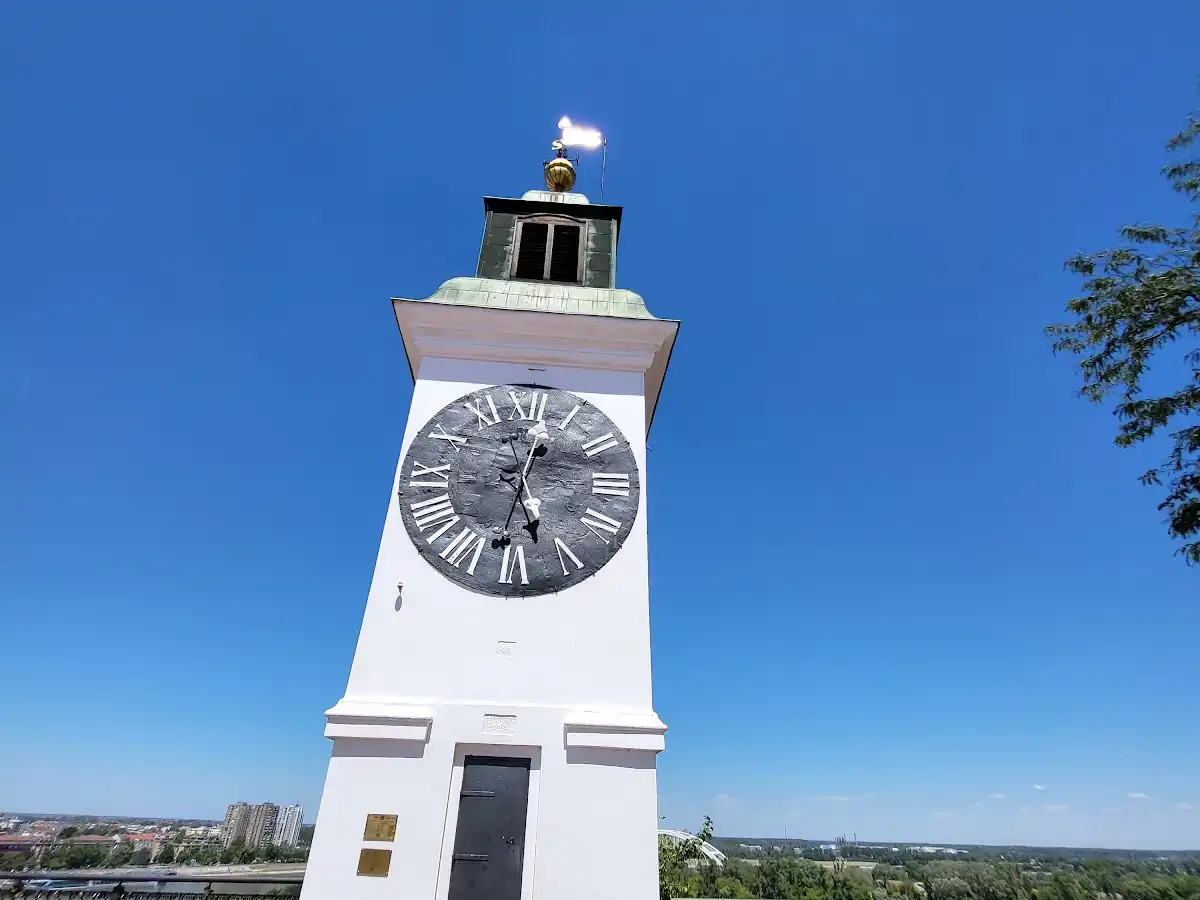
How many landmarks to aim for: Plan on four to six landmarks in a week and you will still have energy to enjoy them. Serbia’s sights are spread out, and the roads between them are often two-lane affairs where a tractor sets the speed limit for everyone. Pack in ten and you will mostly see the inside of buses, which are comfortable enough but not scenic. Fewer stops also leave room for the unplanned coffee that turns into a two-hour conversation about football, which is a legitimate Serbian cultural activity.
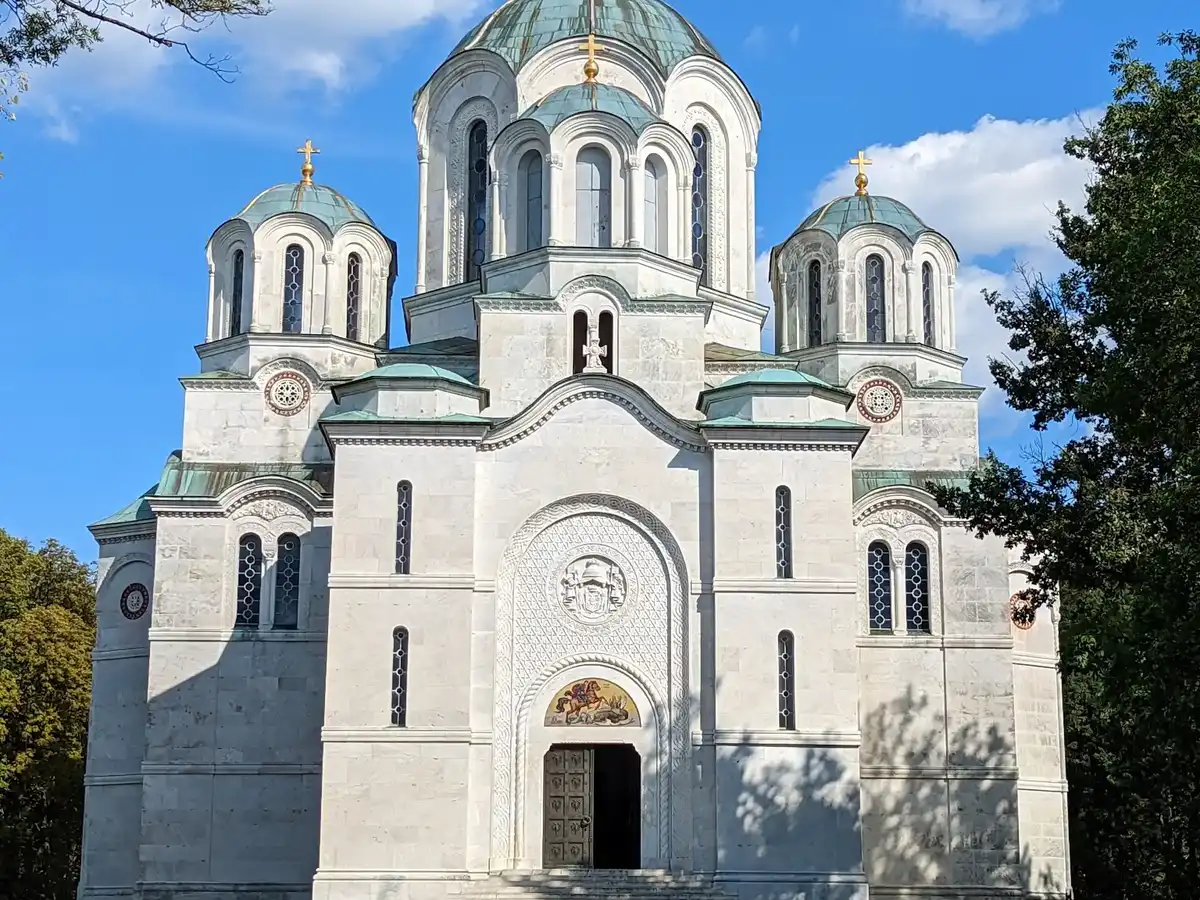
Choosing between kinds of landmarks: Serbia offers three broad kinds: medieval monasteries, fortresses and old town centers, and mountain or river sites. Monastery lovers should put frescoed churches first. Expect quiet courtyards, gravel paths and candle smoke, and a visit usually takes …
read more 👉 How many landmarks to aim for: Plan on four to six landmarks in a week and you will still have energy to enjoy them. Serbia’s sights are spread out, and the roads between them are often two-lane affairs where a tractor sets the speed limit for everyone. Pack in ten and you will mostly see the inside of buses, which are comfortable enough but not scenic. Fewer stops also leave room for the unplanned coffee that turns into a two-hour conversation about football, which is a legitimate Serbian cultural activity.
Choosing between kinds of landmarks: Serbia offers three broad kinds: medieval monasteries, fortresses and old town centers, and mountain or river sites. Monastery lovers should put frescoed churches first. Expect quiet courtyards, gravel paths and candle smoke, and a visit usually takes 45 minutes to an hour. History-minded travelers get more from the fortresses, where you can walk ramparts for free and look out over a river junction while locals jog past with total indifference to the centuries underfoot. Hikers and photographers should lean to the river gorges and national parks, where the view is the entire point and nobody checks your ticket.
What it costs: A realistic backpacker budget is US$30 to 50 a day, or roughly 3,000 to 5,000 Serbian dinars, including a hostel bed, bakery breakfasts and one proper meal. Entry fees are modest. Many monasteries are free or ask a donation, while museums and major fortresses run about 300 to 1,000 dinars (US$3 to 10). National park gates charge a few hundred to roughly 1,000 dinars. Local guides for a half-day cost around US$25 to 60, and they are worth it where the history is dense and the signage is thin. Regional buses between towns run US$4 to 15 a ride, so transport is the line that creeps up. Carry cash, since small ticket booths and village parking often take nothing else.
Safety and etiquette: Serbia is generally safe for visitors, and the landmark circuit is calm. Petty theft is rare but pickpockets work crowded Belgrade spots, so keep your phone in a front pocket. Monasteries are working religious places. Cover shoulders and knees, remove hats, and ask before photographing inside, since some do not allow it. Women may be asked to wear a wrap skirt, which many monasteries lend at the door. Fortresses and gorge trails have drops with little fencing, so mind children and sandals. Sites tied to the 1990s wars and the 1999 NATO bombing are still sensitive subjects, so let locals raise them first and listen more than you argue.
Practical watch-outs: Opening hours shrink outside peak season, and a Monday closure at museums is common. Monastery visits can pause during services, so arrive mid-morning. Signs often use Cyrillic, so learn to read the alphabet in an afternoon, which pays off in every bus station and menu. The payoff is a country where an ordinary Tuesday still feels like you have the place to yourself.





 Best Backpacking
 Hi, I’m Johan (Netherlands 🇳🇱), the creator of TakeYourBackpack. Over the past 3 decades, I’ve backpacked through 90+ countries across six continents, gaining extensive experience with independent travel, long-term trips, and overland routes.