×

South Korea🇰🇷 | townsBoseonggreen tea fields, misty hills, tea houses | things to do and best time to go

Explore DamyangExplore Yeongwol

Backpacking in Boseong
🌟 Highlighttown ranked #5
By Johan Kruseman 🇳🇱 | Updated September 4, 2026

Most people think Boseong is just one photogenic tea plantation and a quick selfie stop. It isn’t. It’s a small, working county town in South Jeolla Province, down in Korea’s southwest, with real mud on the boots and tea dust in the air.

As a backpack base, Boseong itself is modest: low-rise streets, a few no-frills motels, simple barbecue joints, and quiet evenings where the loudest thing is the bus braking at the terminal. You come here to sleep cheap, eat well, and launch into the green hills, not for nightlife. The famous tea fields and nearby forest walks feel like a reward after the slightly clunky bus connections and occasional lack of English signage. Compared with Suncheon or Yeosu, Boseong is calmer, more rural, and less polished; it’s best as a one- or two-night stop to reset, breathe, and then move on.

Discover everything you want to know in the 📖 South Korea Travel Guide.
Loading the map 🌍
CLICK TO FILTER
cities
towns
villages
landmarks
national parks
hikes
beaches
attractions
festivals
regions
SHOW COUNTRY’S BESTSHOW ALL

✨ Why go?
Ranked #5 town in South Korea
Why Boseong should be on your travel list

Boseong draws backpackers for its strategic location along the southern coast of South Korea, making it a perfect pit stop between hikes and beaches. The tea fields here are iconic, but it’s the surrounding trails that keep hikers coming back. You can easily access the Daeheungsa Temple or the Boseong Green Tea Plantation, both offering a taste of local culture and stunning views.

The town itself is walkable, with small-scale hostels and guesthouses that foster a friendly, communal vibe. You’ll find cozy spots to share stories over local dishes like green tea bibimbap. This isn’t a party town; it’s more for those who appreciate a slow travel pace.

Most backpackers linger for a couple of days, soaking in the tranquility and natural beauty. Solo travelers and small groups will thrive here, … read more 👉
Boseong draws backpackers for its strategic location along the southern coast of South Korea, making it a perfect pit stop between hikes and beaches. The tea fields here are iconic, but it’s the surrounding trails that keep hikers coming back. You can easily access the Daeheungsa Temple or the Boseong Green Tea Plantation, both offering a taste of local culture and stunning views.

The town itself is walkable, with small-scale hostels and guesthouses that foster a friendly, communal vibe. You’ll find cozy spots to share stories over local dishes like green tea bibimbap. This isn’t a party town; it’s more for those who appreciate a slow travel pace.

Most backpackers linger for a couple of days, soaking in the tranquility and natural beauty. Solo travelers and small groups will thrive here, enjoying the chance to connect with fellow adventurers without the chaos of larger cities. If you’re looking for a place to recharge and explore, Boseong is a rewarding stop on your journey.
Want to include Boseong in your South Korea route?
Create a personalized South Korea itinerary that includes Boseong and the places that fit your trip — based on your travel style, budget, and available time. Get your route in seconds.

Generate my trip

💡 HighlightsWhat this place is best known for

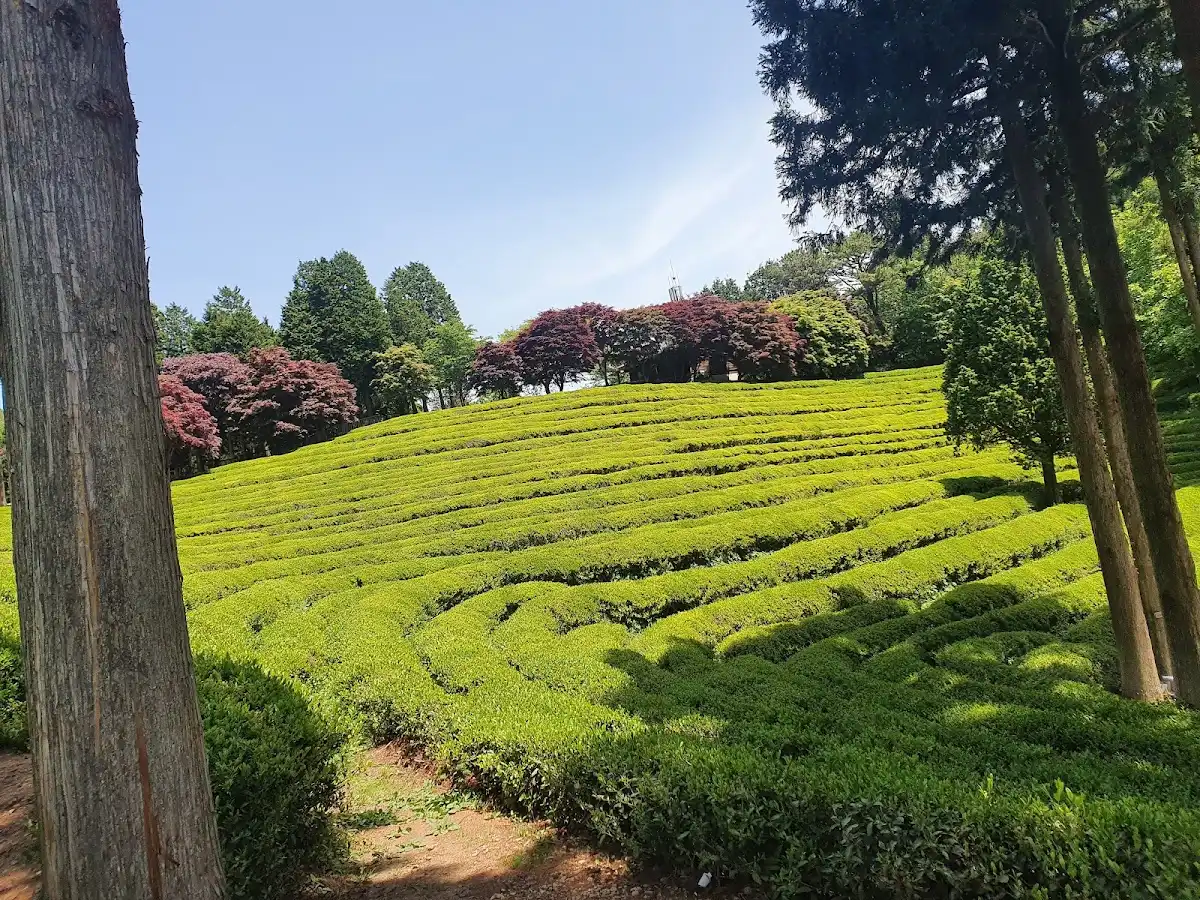
  1. Daehan Dawon (Boseong Green Tea Fields) — The photo everyone comes for: rolling, terraced green-tea plantations with well-kept paths and viewpoints. Walk through the rows, sip freshly brewed jeopcha at the little shops, and catch sunrise/sunset light that turns the hills electric green.
  2. Boseong Tea Museum / Tea Culture Center — Small, focused museum beside the tea fields that explains local tea history, processing and ceremony. Exhibits, tasting stations, and often demonstrations make it a practical primer on why Boseong tea matters.
  3. Boseong Tea Experience Hall (Tea Tasting & Workshops) — Hands-on spot near the plantations where you can sample multiple grades, try a simple tea ceremony, or join seasonal tea-picking and rolling sessions. Great for learning by doing rather than just taking
read more 👉
  1. Daehan Dawon (Boseong Green Tea Fields) — The photo everyone comes for: rolling, terraced green-tea plantations with well-kept paths and viewpoints. Walk through the rows, sip freshly brewed jeopcha at the little shops, and catch sunrise/sunset light that turns the hills electric green.
  2. Boseong Tea Museum / Tea Culture Center — Small, focused museum beside the tea fields that explains local tea history, processing and ceremony. Exhibits, tasting stations, and often demonstrations make it a practical primer on why Boseong tea matters.
  3. Boseong Tea Experience Hall (Tea Tasting & Workshops) — Hands-on spot near the plantations where you can sample multiple grades, try a simple tea ceremony, or join seasonal tea-picking and rolling sessions. Great for learning by doing rather than just taking pictures.
  4. Boseong Traditional Market (Boseong Market) — Classic county market with stalls selling local produce, dried seafood, and plenty of green-tea products. Real everyday life, cheap street eats, and the kind of local bargains backpackers love.
  5. Yulpo Beach (Yulpo Seaside Park) — Sandy public beach on Boseong’s coast with a pleasant promenade, sunset views, and easy amenities. It’s a relaxed contrast to the hills—swim in summer, stroll the shore any season.
  6. Yulpo Seawater Spa / Public Baths — Coastal spa facilities near Yulpo Beach that use heated seawater and offer simple public baths and footbaths. Perfect post-hike soak and a locally popular way to unwind.
  7. Boseong Bay tidal flats (Boseongman) — Wide mudflats and estuary area near the coast, important for migratory birds and low-tide explorations. Bring boots for mudflat walks, watch shorebirds, and enjoy quiet coastal scenery that locals prize.
Nearby day-trip highlights include Suncheon Bay Wetland Reserve (famous tidal flats and birdwatching), the historic Naganeupseong Folk Village in Suncheon, and the regional hub of Gwangju for museums, food, and markets.
Spotted a mistake or missing something? Contact us.
🏘️ NeighborhoodsWhere things are and how it's laid out

Boseong is a charming town known for its lush green tea fields and tranquil atmosphere. Here’s how to navigate its neighborhoods like a pro:

Tea Fields Area
This is the heart of Boseong, where the rolling hills are blanketed in vibrant tea plants. The vibe is serene, perfect for those seeking a peaceful retreat. Walkable paths lead you through the fields, and you can easily spend a day exploring. Accommodations range from guesthouses to mid-range hotels, making it suitable for both short and longer stays. The fresh scent of tea fills the air, and the local tea houses offer tastings that are worth every won.

Boseong Market
A bustling hub, this area is where you’ll find local produce and street food. The atmosphere is lively, with vendors calling out and the smell of grilled fish wafting … read more 👉
Boseong is a charming town known for its lush green tea fields and tranquil atmosphere. Here’s how to navigate its neighborhoods like a pro:

Tea Fields Area
This is the heart of Boseong, where the rolling hills are blanketed in vibrant tea plants. The vibe is serene, perfect for those seeking a peaceful retreat. Walkable paths lead you through the fields, and you can easily spend a day exploring. Accommodations range from guesthouses to mid-range hotels, making it suitable for both short and longer stays. The fresh scent of tea fills the air, and the local tea houses offer tastings that are worth every won.

Boseong Market
A bustling hub, this area is where you’ll find local produce and street food. The atmosphere is lively, with vendors calling out and the smell of grilled fish wafting through the air. It’s a great spot for budget-friendly meals and mingling with locals. While it’s not as quiet as the tea fields, it’s walkable and offers a taste of daily life. Perfect for short stays, but you might want to retreat to the tea fields for a quieter night.

Downtown Boseong
This area has a mix of shops, cafes, and restaurants. The nightlife is low-key, with a few bars where you can unwind after a day of hiking. It’s well-connected by public transport, making it easy to explore surrounding areas. Ideal for those looking for a balance between activity and relaxation, it suits both short and longer visits. The evening lights create a cozy atmosphere, inviting you to linger a bit longer.

⌛️ 1 dayWhat you can realistically do in a day

Boseong, South Korea, is a town that thrives on its lush green tea fields, where the air is thick with the earthy scent of tea leaves and the hills roll like waves in a vibrant sea of green. It’s a place where you can sip the local brew while soaking in the serene landscape, making it a perfect spot for a day of exploration.

Start your morning at the Boseong Green Tea Plantation. Arrive early to catch the soft morning light filtering through the leaves, casting a gentle glow over the rows of tea plants. Take a leisurely stroll along the pathways, breathing in the fresh, grassy aroma. Don’t miss the chance to sample some freshly brewed green tea at the on-site café. The taste is a revelation—smooth, with a hint of sweetness that lingers.

After soaking in the tranquility, head to the nearby … read more 👉
Boseong, South Korea, is a town that thrives on its lush green tea fields, where the air is thick with the earthy scent of tea leaves and the hills roll like waves in a vibrant sea of green. It’s a place where you can sip the local brew while soaking in the serene landscape, making it a perfect spot for a day of exploration.

Start your morning at the Boseong Green Tea Plantation. Arrive early to catch the soft morning light filtering through the leaves, casting a gentle glow over the rows of tea plants. Take a leisurely stroll along the pathways, breathing in the fresh, grassy aroma. Don’t miss the chance to sample some freshly brewed green tea at the on-site café. The taste is a revelation—smooth, with a hint of sweetness that lingers.

After soaking in the tranquility, head to the nearby Daehan Tea Museum. It’s often overlooked by tourists, but it offers a fascinating glimpse into the history and culture of tea in Korea. The exhibits are engaging, and you’ll leave with a deeper appreciation for the craft behind your cup.

For lunch, make your way to the local market in the heart of Boseong. The bustling atmosphere is a feast for the senses. Try some bibimbap, a colorful mix of rice and vegetables, or grab a kimbap roll. The flavors are fresh and vibrant, a perfect fuel for your afternoon adventures.

In the afternoon, wander through the picturesque neighborhoods, particularly the quaint streets around the Boseong River. The sound of water flowing and the sight of locals going about their day create a sense of community.

As the sun begins to set, find a spot at the Boseong Tea Fields to watch the golden hour transform the landscape. The light dances on the leaves, creating a magical ambiance. Cap off your day with dinner at a local eatery, where you can savor a hearty bowl of Korean stew.

Boseong isn’t just a destination; it’s an experience that wraps you in its warmth, inviting you to slow down and savor every moment.
Turn your Boseong visit into an South Korea adventure
Build a complete South Korea route with Boseong, hidden gems, must-see destinations, and realistic travel times included.

Generate my trip

🌤️ When to go?When to go for the best experience


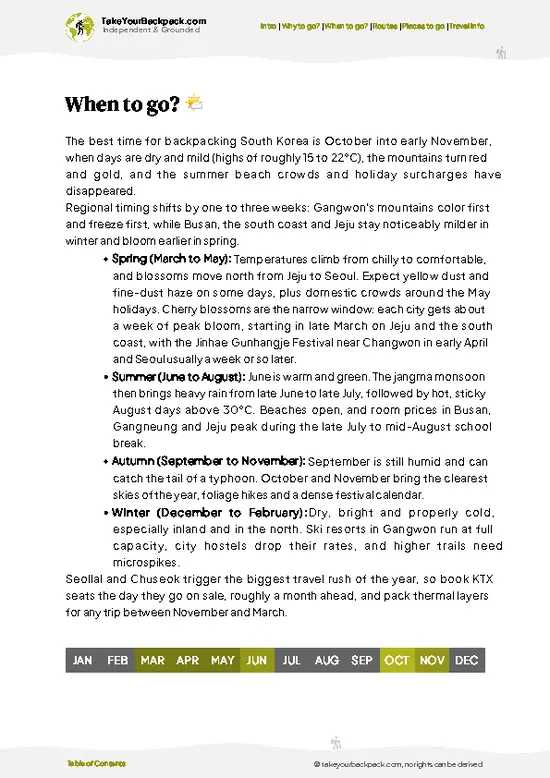
  • Weather: Spring (April to June) and autumn (September to November) offer mild, dry conditions perfect for wandering the tea fields without sweating buckets or dodging rain. Summers can be hot and humid, pushing 30-35°C (86-95°F), while winters dip below freezing, making outdoor exploration less inviting.

  • Temperature: Spring and autumn hover between 15-25°C (59-77°F), ideal for layering and long hikes. Summer’s heat can sap your energy, and winter’s chill, often below 0°C (32°F), demands heavy gear and limits daylight activities.

  • Daylight Hours: Longer days in late spring and early autumn stretch up to 13-14 hours, giving you more time to soak in the rolling green hills and sunset hues over the tea terraces.

  • Crowds: Peak tourist flow hits during the green tea festival in May and autumn
read more 👉

  • Weather: Spring (April to June) and autumn (September to November) offer mild, dry conditions perfect for wandering the tea fields without sweating buckets or dodging rain. Summers can be hot and humid, pushing 30-35°C (86-95°F), while winters dip below freezing, making outdoor exploration less inviting.

  • Temperature: Spring and autumn hover between 15-25°C (59-77°F), ideal for layering and long hikes. Summer’s heat can sap your energy, and winter’s chill, often below 0°C (32°F), demands heavy gear and limits daylight activities.

  • Daylight Hours: Longer days in late spring and early autumn stretch up to 13-14 hours, giving you more time to soak in the rolling green hills and sunset hues over the tea terraces.

  • Crowds: Peak tourist flow hits during the green tea festival in May and autumn foliage season in October. Visiting just before or after these spikes means quieter trails and more personal space to savor the landscape.

  • Seasonal Activities: The May Green Tea Festival is a sensory overload of fresh brews and cultural performances, while autumn brings harvest celebrations and vibrant foliage—both worth timing your trip around if you want local flavor beyond the fields.

  • Price Fluctuations: Accommodation and transport costs rise during festival periods and peak foliage weekends. Booking outside these windows can save you a tidy sum and snag better lodging options.


Pro-tip: Aim for late April or early October—when the air smells crisp, the light is soft, and the crowds thin—so you get Boseong’s tea fields at their most contemplative and captivating.


source: climatestotravel.comJANJanuary: fair for travelingFEBFebruary: fair for travelingMARMarch: good for travelingAPRApril: excellent for travelingMAYMay: highly recommended for travelingJUNJune: excellent for travelingJULJuly: fair for travelingAUGAugust: fair for travelingSEPSeptember: highly recommended for travelingOCTOctober: excellent for travelingNOVNovember: highly recommended for travelingDECDecember: fair for traveling
south-korea-city-boseong
© Google |

✈️ The backpacker research shortcutSouth Korea Travel Guide

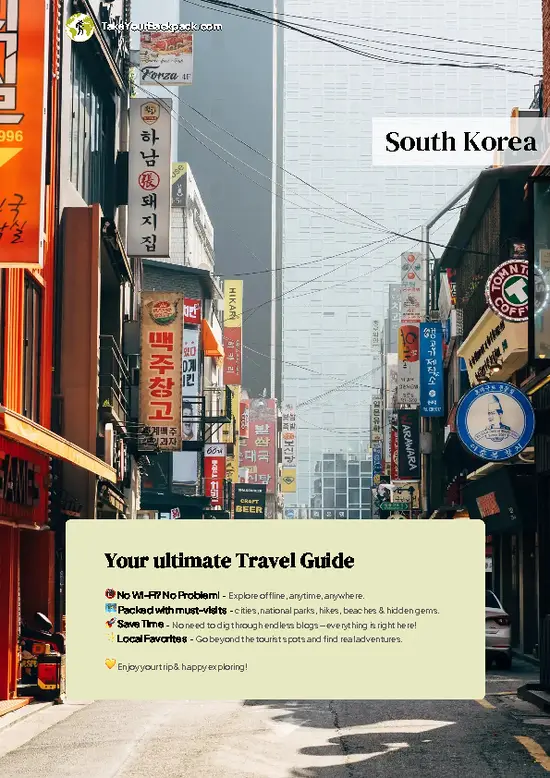
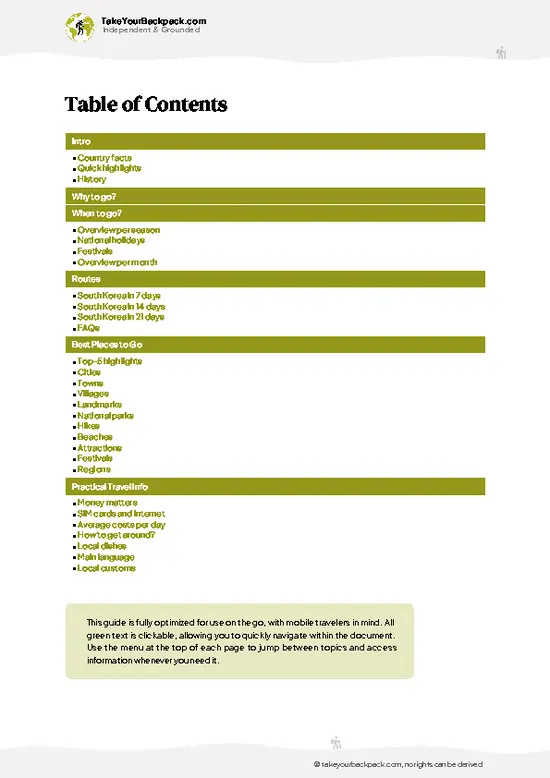
An offline-friendly backpacking guide with optimized travel routes, ranked highlights, transport advice, and the best areas to stay.
example page 0 from our offline Travel Guide for South Korea
example page 1 from our offline Travel Guide for South Korea
example page 2 from our offline Travel Guide for South Korea
example page 3 from our offline Travel Guide for South Korea
example page 4 from our offline Travel Guide for South Korea
example page 5 from our offline Travel Guide for South Korea
example page 6 from our offline Travel Guide for South Korea
example page 7 from our offline Travel Guide for South Korea
The digital guide (439 pages) contains:
124 highlights, ranked by travel appeal
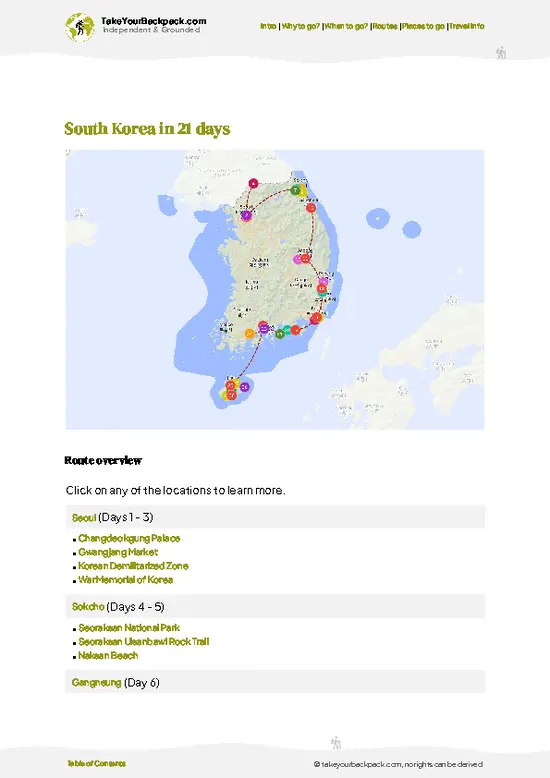
Optimized 7, 14 & 21-day travel routes
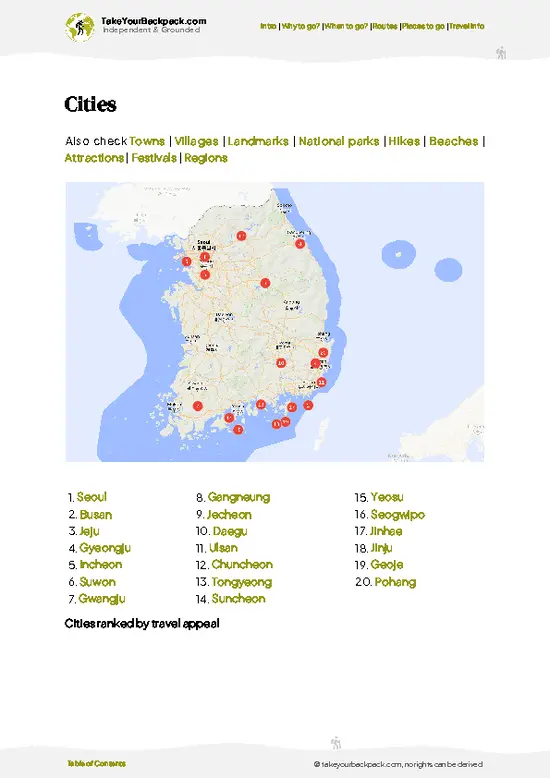
Cities, national parks, landmarks, beaches
How to get around
Offline-friendly for travel without Wi-Fi
👉 Click to see all 30+ guide features

📅 Plan smarter in minutes, not weeks
Month by month travel advice
Festivals & national holidays
Budget expectations

🗺️ Go to the right places, skip the overrated ones
Honest pros & cons of destinations
Top hikes, parks & viewpoints
Lesser-known places most travelers miss
Clear “worth it vs skip it” guidance

🛏️ Travel smoothly without rookie mistakes
Best areas to stay
Transport systems explained simply
Common scams & safety advice
SIM cards, money & practical tips

🌍 Understand the country, not just visit it
Culture & traditions
52 Essential phrases & customs
Festivals worth planning around
Traveler-friendly historical context
Insights that make places more meaningful

📱 Built for real travel conditions
Fully downloadable PDF
Works completely offline
Optimized for phone use
Useful in remote areas & buses
Everything in one place
Save weeks of stressful planning
Get instant access to your full guide. 30‑day money-back guarantee.
+ Add another guide for just US$7.80

By proceeding you agree to our terms.
Sent to your inbox immediately after payment • 100% Secure Checkout
Best Backpacking Travel Advisor 2025 tourism awardBest Backpacking
Travel Advisor
2025
What others say about Take Your Backpack Guides:
⭐⭐⭐⭐⭐
Fantastic, amazing amount of information!
⭐⭐⭐⭐⭐
My goodness this is amazing, it's what I've been looking for hats off too you!
⭐⭐⭐⭐⭐
I think this is absolutely BRILLIANT
⭐⭐⭐⭐
Very complete and informative. It's still missing places, but I gotta to commend you
⭐⭐⭐⭐⭐
This is truly amazing, thank you, can't wait to explore it with my kids!
⭐⭐⭐⭐⭐
Awesome resource, thank you!
⭐⭐⭐⭐⭐
This is amazing! Can't wait to explore the ones I haven't seen
⭐⭐⭐⭐
I love this! Well done, great idea.
⭐⭐⭐⭐⭐
Thanks for taking the time to make this gem!
⭐⭐⭐⭐⭐
This might be the best website I've ever seen.
⭐⭐⭐⭐⭐
Congratulations, and thank you so much for your work; it's incredibly valuable.
⭐⭐⭐⭐
In all seriousness I think you did a great job pointing out the important spots
⭐⭐⭐⭐⭐
10/10 very good
⭐⭐⭐⭐⭐
As someone who's only just starting to visit regularly this is awesome, thank you.
⭐⭐⭐⭐
Thank you very much! I'm going to visit my dad, it's going to be very useful!
⭐⭐⭐⭐⭐
This is really cool! We'll be travelling for the first time and this definitely come in handy.
⭐⭐⭐⭐⭐
You are now our minister of culture, congratulations 👨‍💼
⭐⭐⭐⭐⭐
Just wanted to tell you that this is a pearl! Going to follow your recommendations.
⭐⭐⭐⭐⭐
This is so cool. I'll definitely be using the resource for my travels soon.
⭐⭐⭐⭐⭐
This is very impressive! Good work.
⭐⭐⭐⭐⭐
This is an amazing and informative site. Very well done!

🛏️ Where to stay?How to pick the right area

Boseong’s best backpacker base is the area around Boseong Station and the nearby town center. This spot hums with quiet energy—safe streets lined with small eateries and convenience stores where locals grab quick bites and chat over steaming bowls of spicy kimchi jjigae. The light here softens in the late afternoon, casting long shadows over the low-rise buildings, making it easy to unwind after a day exploring the famous green tea fields.

Why this area? It’s where you’ll find the handful of budget hostels that cater to solo travelers and small groups, offering simple dorms and shared kitchens. … read more 👉
Boseong’s best backpacker base is the area around Boseong Station and the nearby town center. This spot hums with quiet energy—safe streets lined with small eateries and convenience stores where locals grab quick bites and chat over steaming bowls of spicy kimchi jjigae. The light here softens in the late afternoon, casting long shadows over the low-rise buildings, making it easy to unwind after a day exploring the famous green tea fields.

Why this area? It’s where you’ll find the handful of budget hostels that cater to solo travelers and small groups, offering simple dorms and shared kitchens. Staying here means you’re plugged into the local rhythm without the tourist overload that hits the tea plantations themselves. It’s social enough to meet other backpackers but calm enough to recharge.

Compared to the outskirts or the more residential neighborhoods, this central zone offers a better balance of convenience and atmosphere. You’re a short bus ride from the rolling tea terraces but close enough to grab a late-night snack or a fresh coffee without hassle. The vibe is unpretentious, grounded in everyday life, which makes your stay feel authentic rather than staged.

🚌 Getting aroundGetting around like a local

Boseong moves at the pace of the tea leaves steeping in its famous fields—unhurried, deliberate, and deeply connected to the rhythms of nature. This isn’t a place where you’ll find rigid timetables or a frantic rush from one spot to another. Instead, the town’s flow is a blend of quiet mornings filled with the scent of fresh earth and green tea, and afternoons where the sun softens the hills into a gentle haze. The locals’ movements feel intuitive, guided by the natural light and the slow unfolding of the day. For a budget traveler, understanding this flow means syncing your plans with the town’s pulse—embracing the gaps between buses and the leisurely strolls that reveal the soul of Boseong.


  • Walking: The best way to soak in Boseong’s atmosphere, especially around the tea plantations and
read more 👉
Boseong moves at the pace of the tea leaves steeping in its famous fields—unhurried, deliberate, and deeply connected to the rhythms of nature. This isn’t a place where you’ll find rigid timetables or a frantic rush from one spot to another. Instead, the town’s flow is a blend of quiet mornings filled with the scent of fresh earth and green tea, and afternoons where the sun softens the hills into a gentle haze. The locals’ movements feel intuitive, guided by the natural light and the slow unfolding of the day. For a budget traveler, understanding this flow means syncing your plans with the town’s pulse—embracing the gaps between buses and the leisurely strolls that reveal the soul of Boseong.


  • Walking: The best way to soak in Boseong’s atmosphere, especially around the tea plantations and the small town center. Paths wind through emerald fields and quiet streets, offering sensory rewards like the crisp scent of tea leaves and the soft crunch of gravel underfoot. Walking is free, obviously, and perfect for spontaneous detours.


  • Local Bus: The backbone of budget transit here, connecting Boseong town with nearby villages and the famous green tea fields. Buses run roughly every 30-60 minutes from early morning (around 6:30 AM) until early evening (about 6 PM). Tickets cost under 2,000 KRW, making it a wallet-friendly option. The ride is slow but scenic, with windows framing rolling hills and tea terraces.


  • Intercity Bus: For reaching Boseong from larger hubs like Gwangju or Suncheon, intercity buses are your go-to. Departures are spaced throughout the day, typically from 6 AM to 8 PM. Tickets hover around 5,000 to 7,000 KRW. These buses are more comfortable and faster than local ones, but still modest—think clean seats and air conditioning, not luxury coaches.


  • Taxi: Not the cheapest, but invaluable if you’re tight on time or carrying gear. Taxis are metered, starting at about 3,000 KRW, with short trips around town rarely exceeding 10,000 KRW. They’re perfect for catching the sunset at less accessible viewpoints or making a quick hop between tea farms without waiting for the next bus.

👛 Costs (as of 4 September 2026)Money, prices, and spending tips

Backpacking in Boseong, South Korea, offers a mix of rural charm and cultural immersion, and knowing the daily costs helps you plan without surprises.
  • Dorm Accommodation: Expect to pay around $15 to $25 USD per night for a bed in a guesthouse or hostel dormitory. Options are limited but comfortable, often simple rooms with shared bathrooms, giving you a quiet, local vibe away from the city bustle.
  • Meals: Local eateries serve up hearty Korean staples like bibimbap or kimchi stew for about $4 to $7 per meal. Street food snacks, such as hotteok (sweet pancakes), run around $1 to $2. If you shop at local markets and cook, you can keep costs lower, but dining out is affordable and flavorful.
  • Local Transport: Getting around Boseong mainly involves buses and taxis. Bus rides typically cost under
read more 👉
Backpacking in Boseong, South Korea, offers a mix of rural charm and cultural immersion, and knowing the daily costs helps you plan without surprises.
  • Dorm Accommodation: Expect to pay around $15 to $25 USD per night for a bed in a guesthouse or hostel dormitory. Options are limited but comfortable, often simple rooms with shared bathrooms, giving you a quiet, local vibe away from the city bustle.
  • Meals: Local eateries serve up hearty Korean staples like bibimbap or kimchi stew for about $4 to $7 per meal. Street food snacks, such as hotteok (sweet pancakes), run around $1 to $2. If you shop at local markets and cook, you can keep costs lower, but dining out is affordable and flavorful.
  • Local Transport: Getting around Boseong mainly involves buses and taxis. Bus rides typically cost under $1.50 USD, while short taxi trips start at about $3.50. Walking is also a great way to soak in the tea fields and countryside atmosphere, saving money and adding to the experience.
  • Basic Activities/Entry Fees: The highlight is the Boseong Green Tea Plantation, where entry is roughly $3 to $5. Other local attractions, like small museums or temples, usually charge minimal fees or none at all. Guided tours or tea-tasting sessions might add $10 to $15 if you want a deeper dive.
  • Miscellaneous Expenses: Budget around $3 to $7 for essentials like bottled water, snacks, or occasional internet access. Souvenirs and local crafts can vary, but small items typically cost under $10.

All told, a realistic daily budget for backpacking in Boseong falls between $30 and $50 USD. This range covers basic comfort without cutting corners, letting you enjoy the fresh air, rolling tea fields, and local flavors without stress.


source: english.visitkorea.or.kr
⚠️ Prices can change and everyone travels differently, so take this as a rough guide. Hope it helps you plan your adventure!

🚌 Day tripsWhere to go beyond the main area

Boseong is a fantastic base for exploring South Korea’s lush landscapes and cultural treasures. With its tea fields and warm hospitality, you can easily venture out for memorable day trips that feel like a rewarding adventure.

Suncheon Bay Wetland Reserve
Just a quick 30-minute bus ride from Boseong, Suncheon Bay is a paradise for nature lovers. The vast wetlands are home to a stunning array of migratory birds and unique flora. Stroll along the wooden boardwalks as the sun rises, casting golden light over the reeds. The best time to visit is during the fall when the colors explode, and the air is crisp. A round-trip bus ticket will set you back about $3. Many first-timers miss the chance to explore the nearby Suncheonman Bay National Garden, which is worth the extra hour.


Jangheung read more 👉
Boseong is a fantastic base for exploring South Korea’s lush landscapes and cultural treasures. With its tea fields and warm hospitality, you can easily venture out for memorable day trips that feel like a rewarding adventure.

Suncheon Bay Wetland Reserve
Just a quick 30-minute bus ride from Boseong, Suncheon Bay is a paradise for nature lovers. The vast wetlands are home to a stunning array of migratory birds and unique flora. Stroll along the wooden boardwalks as the sun rises, casting golden light over the reeds. The best time to visit is during the fall when the colors explode, and the air is crisp. A round-trip bus ticket will set you back about $3. Many first-timers miss the chance to explore the nearby Suncheonman Bay National Garden, which is worth the extra hour.


Jangheung Daeheungsa Temple
About an hour away by bus, this serene temple offers a glimpse into Korea’s spiritual heritage. The scent of incense wafts through the air as you wander the peaceful grounds. The temple is surrounded by mountains, making it a perfect spot for a picnic. Aim for a visit during the spring when cherry blossoms frame the temple beautifully. Expect to spend around $5 on transportation. A common mistake is to rush through; take your time to soak in the tranquility.


Yulpo Beach
Just under an hour from Boseong, Yulpo Beach is a hidden delight. The soft sand and gentle waves create a perfect backdrop for relaxation. Grab some local seafood from the nearby stalls for a beachside feast. Summer is ideal for swimming, but the beach is lovely in the off-season too, with fewer crowds. A bus ride costs about $2. Many backpackers overlook the sunset here; don’t miss it—it’s a spectacular way to end your day.


Gwangju
A little over an hour by bus, Gwangju is a vibrant city steeped in history and culture. Explore the May 18th National Cemetery and the bustling Yangdong Market for authentic street food. The city is alive with art, especially in the local galleries. Visit in the spring or fall for the best weather. A round-trip will cost around $6. First-timers often stick to the tourist spots; venture into the alleys for hidden culinary treasures.
👉 Explore Gwangju
Want to know what more South Korea offers?
The South Korea Travel Guide describes 124 highlights, from cities to national parks, from beaches to hikes

Get the Travel Guide -

🛡️ SafetyScams, Hazards, and Annoyances

Boseong is generally safe, but a few practical tips can enhance your experience. The tea fields are stunning, but they can be slippery after rain. Wear sturdy shoes and keep your eyes on the path.

If you’re wandering solo at night, stick to well-lit areas. The town is small, and locals are friendly, but it’s wise to avoid dark alleys.

Scams are rare, but be cautious at busy markets. Vendors may inflate prices for tourists. A friendly smile and a little haggling can go a long way.

Annoyances? You might encounter some language barriers, but a few basic Korean phrases can break the ice and earn you respect. Carry a translation app for quick help.

Overall, keep your wits about you, engage with locals, and embrace the charm of Boseong. The rewards are well worth the effort.

FAQCommon questions from travelers

Yes, Boseong is worth visiting for its famous green tea plantations, especially the Daehan Dawon Tea Plantation, which offers scenic views and a unique cultural experience. It is more than just a stopover if you enjoy nature and tea culture.
Two days are sufficient to explore Boseong thoroughly, including the tea fields, local markets, and nearby beaches. This allows time to relax and enjoy the tea tasting and walking trails without rushing.
Yes, Boseong can be visited as a day trip from Gwangju, which is about 50 kilometers away and reachable by bus in around 1.5 hours. A day trip is feasible but limits the time to fully enjoy the tea plantations and surrounding attractions.
⚠️ Things can change over time, so always validate details locally before you go.

Other South Korean towns near Boseong

Explore more nearby:

  • Damyang—bamboo groves, slow food, riverside cycling| 62 km away
  • Namhae—island bridges, terraced fields, German village| 75 km away
  • Sancheong—herbal medicine, mountain trails, rural festivals| 102 km away

💡 Not sure where to go next?
Create a personalized itinerary for South Korea including Boseong and the places that fit your trip.

Generate my itinerary

👉 Discover all towns

Or checkout all South Korea has to offer (think cities, towns, villages, national parks, hikes, beaches, festivals)
Country photo of South Korea

We 💚 feedbackParting advice and final tips

Boseong is a place where the air is thick with the scent of fresh green tea and the hills roll like waves. The best surprise? Strolling through the tea fields at sunrise, when the mist clings to the leaves and the world feels like it’s just waking up. But a heads-up: the trails can be slippery after rain, so sturdy shoes are a must. Embrace the challenge; the views are worth every step. It’s a slice of serenity that feels like a well-kept secret.

✍️ Help improve this page!
The information on this page is based on in-depth research, insights shared by experienced travelers, and feedback from the local travel community in South Korea. While every effort is made to keep the information accurate and current, conditions can change — so if you spot anything incorrect or outdated, please get in touch.


🙋‍♂️ Give feedback

👋 Meet the founderWho’s Behind Take Your Backpack?

Johan, backpacker and founder of TakeYourBackpackHi, I’m Johan (Netherlands 🇳🇱), the creator of TakeYourBackpack. Over the past decade, I’ve backpacked through 80+ countries across six continents, gaining extensive experience with independent travel, long-term trips, and overland routes.

This site is built on a combination of firsthand travel experience and carefully curated insights from other backpackers. Many guides are based on places I’ve personally visited, while others bring together tips, observations, and practical advice shared by trusted travelers I’ve met along the way.

The goal is to provide realistic, experience-driven guidance — not generic itineraries — so you can explore destinations with better context, clearer expectations, and more confidence.

Get full country guide •
Instant download • 124 highlights • Full Offline guide