×

South Korea🇰🇷 | citiesBusanHaeundae beach, seafood markets, hillside villages | things to do and best time to go

Explore Hamdeok BeachExplore Danyang

Backpacking in Busan
🏆 Top pickcity ranked #2
By Johan Kruseman 🇳🇱 | Updated September 4, 2026

Steam from a street-side fishcake stall fogs your glasses as the subway doors hiss shut behind you; neon from Seomyeon’s bars reflects in a puddle, and somewhere above the traffic you hear waves hitting Gwangalli’s dark curve of sand. That’s Busan: South Korea’s big southern port city, spread between steep hills and the sea.

For backpackers, it’s a high‑reward, medium‑effort stop. Beaches, Jagalchi Fish Market, Gamcheon’s hillside maze, and temple runs out to Beomeosa or Haedong Yonggungsa give you more variety than most Korean cities in the same amount of time. It’s cheaper and more relaxed than Seoul, but still wired with late‑night food, bars, and jjimjilbangs where you can soak off night-bus legs. Hostels are social without being chaotic, and the metro makes cross‑city hops simple, though hills and spread‑out sights eat time. It’s safe, friendly, slightly gritty around the port, and feels like a working city that just happens to have a lot of fun attached.

Discover everything you want to know in the 📖 South Korea Travel Guide.
Loading the map 🌍
CLICK TO FILTER
cities
towns
villages
landmarks
national parks
hikes
beaches
attractions
festivals
regions
SHOW COUNTRY’S BESTSHOW ALL

✨ Why go?
Ranked #2 city in South Korea
What sets this place apart

Busan is a backpacker’s playground that strikes a balance between time, money, and comfort. First off, it’s a basecamp for day trips, making it easy to explore nearby gems without the hassle of constant packing. The hostel scene is vibrant and affordable, offering a mix of social vibes and cozy corners to recharge. You’ll find plenty of options that cater to every budget, ensuring you can splurge on experiences without breaking the bank.

When it comes to food, Busan is a culinary delight. Street vendors and local markets serve up delicious bites that won’t dent your wallet, allowing you to indulge without guilt. The city is also incredibly walkable, with neighborhoods that invite exploration on foot, making it easy to soak in the local culture.

As the sun sets, the nightlife kicks in, offering … read more 👉
Busan is a backpacker’s playground that strikes a balance between time, money, and comfort. First off, it’s a basecamp for day trips, making it easy to explore nearby gems without the hassle of constant packing. The hostel scene is vibrant and affordable, offering a mix of social vibes and cozy corners to recharge. You’ll find plenty of options that cater to every budget, ensuring you can splurge on experiences without breaking the bank.

When it comes to food, Busan is a culinary delight. Street vendors and local markets serve up delicious bites that won’t dent your wallet, allowing you to indulge without guilt. The city is also incredibly walkable, with neighborhoods that invite exploration on foot, making it easy to soak in the local culture.

As the sun sets, the nightlife kicks in, offering everything from laid-back bars to lively clubs, perfect for unwinding after a day of adventure. Plus, with easy onward travel options, you can seamlessly continue your journey. Whether you stay for a few days or just a quick stop, Busan offers a rich experience that fits perfectly into any backpacking route.
Want to include Busan in your South Korea route?
Create a personalized South Korea itinerary that includes Busan and the places that fit your trip — based on your travel style, budget, and available time. Get your route in seconds.

Generate my trip

💡 HighlightsMust-see experiences and standout moments

  1. Gamcheon Culture Village — A patchwork of colorful houses, winding alleys and street art built on a hillside; it’s where you feel Busan’s creative, community-driven side and get great photo viewpoints without needing a tour.
  2. Jagalchi Fish Market — Korea’s largest seafood market: noisy stalls, live tanks and on-the-spot sashimi stalls. Eating here is a raw, briny way to experience Busan’s identity as a working port.
  3. Haeundae Beach & Dongbaek Island — Haeundae is the city’s iconic sandy beach and summer hub; a short walk west brings you to Dongbaek, a peaceful rocky cape with coastal paths, camellia trees and the APEC House.
  4. Gwangalli Beach & Gwangan Bridge — A slimmer, cafe-lined beach with one of the city’s best night vistas: the lit-up Gwangan Bridge. Great for evening walks, cheap drinks,
read more 👉
  1. Gamcheon Culture Village — A patchwork of colorful houses, winding alleys and street art built on a hillside; it’s where you feel Busan’s creative, community-driven side and get great photo viewpoints without needing a tour.
  2. Jagalchi Fish Market — Korea’s largest seafood market: noisy stalls, live tanks and on-the-spot sashimi stalls. Eating here is a raw, briny way to experience Busan’s identity as a working port.
  3. Haeundae Beach & Dongbaek Island — Haeundae is the city’s iconic sandy beach and summer hub; a short walk west brings you to Dongbaek, a peaceful rocky cape with coastal paths, camellia trees and the APEC House.
  4. Gwangalli Beach & Gwangan Bridge — A slimmer, cafe-lined beach with one of the city’s best night vistas: the lit-up Gwangan Bridge. Great for evening walks, cheap drinks, and people-watching.
  5. Beomeosa Temple — A 7th-century temple tucked into Geumjeongsan mountain offering a calm spiritual atmosphere, traditional architecture and hiking trails; you can feel centuries of Busan history here.
  6. Taejongdae Park — Rugged seaside cliffs, an old lighthouse and a small tourist train make this Yeongdo waterfront park a dramatic, windswept slice of coastal scenery away from the crowds.
  7. Haedong Yonggungsa Temple — A rare coastal Buddhist temple perched on rocks above the sea; sunrise services and the ocean backdrop make it uniquely cinematic compared to inland temples.
  8. Yongdusan Park & Busan Tower — A compact hilltop park in downtown Nampo-dong with local sculptures, seasonal performances and a tower that gives a quick, central panorama of the city and harbor.
  9. Oryukdo Skywalk — A glass-floored cliffside walkway with views of jagged islets and crashing waves; it’s a short, free-ish adrenaline hit and a good reminder of Busan’s dramatic coastline.
  10. BIFF Square & Gukje Market (Nampo-dong) — The film-festival square, street-food stalls and the sprawling Gukje market next door together show old-school port-city commerce, cheap eats and vibrant street life.
For day trips, real visitable highlights close to Busan include the ancient sites of Gyeongju (Bulguksa, Seokguram), the island scenery around Geoje/Oedo and the seaside murals and cable car at Tongyeong — all doable by bus or train from Busan.
Spotted a mistake or missing something? Contact us.

Things to do in Busan

Ratings based on Tripadvisor reviews. When you book through this link, you support our work at no extra cost to you.

🏘️ NeighborhoodsUnderstanding the local layout

Busan is a vibrant city where the sea meets urban life, offering backpackers a mix of culture, convenience, and character. Here’s how to navigate its neighborhoods for the best experience.

Haeundae: This area is famous for its beach and upscale vibe. It’s perfect for those who want a lively atmosphere with plenty of cafes and bars. Expect higher prices, especially for accommodation. Walkability is excellent, but public transport is also accessible. Ideal for short stays focused on relaxation and nightlife.

Seomyeon: The heart of Busan’s nightlife, Seomyeon is bustling with energy. You’ll find a mix of street food, shopping, and bars. Prices are moderate, making it budget-friendly. It’s walkable, and the subway connects you to other parts of the city easily. Great for longer stays if you … read more 👉
Busan is a vibrant city where the sea meets urban life, offering backpackers a mix of culture, convenience, and character. Here’s how to navigate its neighborhoods for the best experience.

Haeundae: This area is famous for its beach and upscale vibe. It’s perfect for those who want a lively atmosphere with plenty of cafes and bars. Expect higher prices, especially for accommodation. Walkability is excellent, but public transport is also accessible. Ideal for short stays focused on relaxation and nightlife.

Seomyeon: The heart of Busan’s nightlife, Seomyeon is bustling with energy. You’ll find a mix of street food, shopping, and bars. Prices are moderate, making it budget-friendly. It’s walkable, and the subway connects you to other parts of the city easily. Great for longer stays if you enjoy a vibrant urban scene.

Gamcheon Culture Village: Known for its colorful houses and artistic vibe, this area is a must-see. It’s quieter, perfect for those who appreciate art and culture. Costs are lower here, but accommodations can be limited. Walkability is high, and it’s a short bus ride to the city center. Best for a short, immersive experience.

Nampo-dong: This area is a blend of traditional markets and modern shopping. It’s lively but not overwhelming. Prices are reasonable, and it’s very walkable. Transport options are plentiful. Ideal for both short and longer stays, especially if you want to explore local culture.

Each neighborhood offers a unique flavor of Busan, allowing you to tailor your experience based on what you value most.

⌛️ 1 day1-day itinerary for Busan

Busan is a vibrant coastal city that pulses with energy, blending traditional culture with modern flair. From its stunning beaches to bustling markets, it’s a place where you can savor fresh seafood while soaking in the ocean breeze. Let’s dive into a day that captures the essence of this dynamic city.

Start your morning in the charming neighborhood of Gamcheon Culture Village. This colorful hillside community is a feast for the eyes, with its winding alleys and art installations. Grab a coffee at one of the local cafés and wander through the streets, snapping photos of the quirky murals and sculptures. It’s a perfect way to ease into the day, soaking up the artistic vibe while enjoying the panoramic views of the city below.

As the sun climbs higher, make your way to Jagalchi Fish Market, … read more 👉
Busan is a vibrant coastal city that pulses with energy, blending traditional culture with modern flair. From its stunning beaches to bustling markets, it’s a place where you can savor fresh seafood while soaking in the ocean breeze. Let’s dive into a day that captures the essence of this dynamic city.

Start your morning in the charming neighborhood of Gamcheon Culture Village. This colorful hillside community is a feast for the eyes, with its winding alleys and art installations. Grab a coffee at one of the local cafés and wander through the streets, snapping photos of the quirky murals and sculptures. It’s a perfect way to ease into the day, soaking up the artistic vibe while enjoying the panoramic views of the city below.

As the sun climbs higher, make your way to Jagalchi Fish Market, a must-see for any food lover. Here, the air is filled with the briny scent of the sea, and you can watch vendors skillfully prepare everything from live octopus to grilled fish. Don’t miss the chance to sample some fresh sashimi or a spicy seafood stew at one of the market’s eateries. This experience is a delightful immersion into local life, far from the typical tourist traps.

In the afternoon, head to Haeundae Beach. It’s a popular spot, but for good reason. Stroll along the sandy shore or dip your toes in the water. If you’re feeling adventurous, rent a bike and ride along the coastal path. The beach is a great place to unwind and people-watch, soaking in the laid-back atmosphere.

As evening approaches, venture to the lesser-known Dongbaek Island. This peaceful spot offers stunning views of the Busan skyline and the iconic Busan Bridge. The walking paths are lined with beautiful flora, making it a serene escape from the city’s hustle.

Wrap up your day with dinner at a local barbecue joint in the nearby Centum City. Sizzling meats and vibrant side dishes will leave you satisfied and ready to reflect on a day well spent in Busan. Each choice you made today—whether to explore art, indulge in seafood, or relax by the beach—was a conscious trade-off that enriched your experience.
Turn your Busan visit into an South Korea adventure
Build a complete South Korea route with Busan, hidden gems, must-see destinations, and realistic travel times included.

Generate my trip

🌤️ When to go?Seasonal considerations and timing


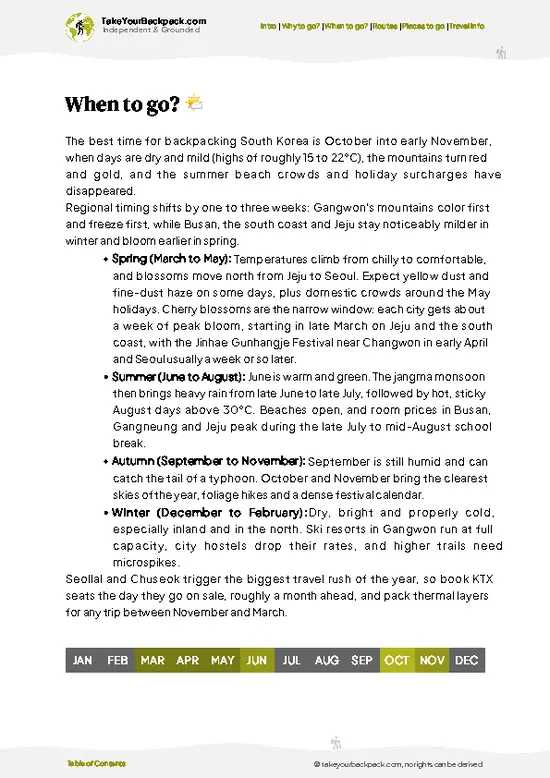
  • Weather: Busan’s climate swings between hot, humid summers and mild, dry winters. Summer (June to August) hits highs around 28-31°C (82-88°F) but brings heavy monsoon rains, which can dampen outdoor plans. Spring and autumn offer more stable, pleasant weather—think 15-22°C (59-72°F)—ideal for hiking and beach strolls without sweating buckets or dodging storms.

  • Temperature: Winter temperatures hover near 2-8°C (36-46°F), chilly but manageable with layers. Spring and fall provide the sweet spot, balancing warmth and coolness, perfect for long days outside without overheating or freezing.

  • Daylight Hours: Longer days from late March to early October mean more daylight for exploring—up to 14 hours in summer. Shorter winter days (around 9-10 hours) limit sightseeing time but offer cozy evenings
read more 👉

  • Weather: Busan’s climate swings between hot, humid summers and mild, dry winters. Summer (June to August) hits highs around 28-31°C (82-88°F) but brings heavy monsoon rains, which can dampen outdoor plans. Spring and autumn offer more stable, pleasant weather—think 15-22°C (59-72°F)—ideal for hiking and beach strolls without sweating buckets or dodging storms.

  • Temperature: Winter temperatures hover near 2-8°C (36-46°F), chilly but manageable with layers. Spring and fall provide the sweet spot, balancing warmth and coolness, perfect for long days outside without overheating or freezing.

  • Daylight Hours: Longer days from late March to early October mean more daylight for exploring—up to 14 hours in summer. Shorter winter days (around 9-10 hours) limit sightseeing time but offer cozy evenings in cafes or markets.

  • Crowds: Peak tourist season aligns with summer and major festivals, swelling the city with locals and travelers alike. Spring and autumn see fewer crowds, letting you enjoy Busan’s beaches and temples with more breathing room.

  • Seasonal Activities: Summer is beach season, with Haeundae and Gwangalli buzzing. Autumn brings colorful foliage and cultural festivals, while spring showcases cherry blossoms and milder hiking conditions. Winter is quieter but offers hot springs and seafood feasts.

  • Price Fluctuations: Accommodation and flights spike in summer and during festivals. Shoulder seasons (spring and autumn) offer better deals without sacrificing experience quality. Winter is cheapest but less lively.


Pro-tip: Aim for late April to early June or September to mid-October to maximize comfort, daylight, and value—this is when Busan plays its best hand.


source: climatestotravel.comJANJanuary: good for travelingFEBFebruary: good for travelingMARMarch: highly recommended for travelingAPRApril: excellent for travelingMAYMay: excellent for travelingJUNJune: highly recommended for travelingJULJuly: fair for travelingAUGAugust: fair for travelingSEPSeptember: excellent for travelingOCTOctober: excellent for travelingNOVNovember: highly recommended for travelingDECDecember: good for traveling
when-to-go

✈️ The backpacker research shortcutSouth Korea Travel Guide

An offline-friendly backpacking guide with optimized travel routes, ranked highlights, transport advice, and the best areas to stay.
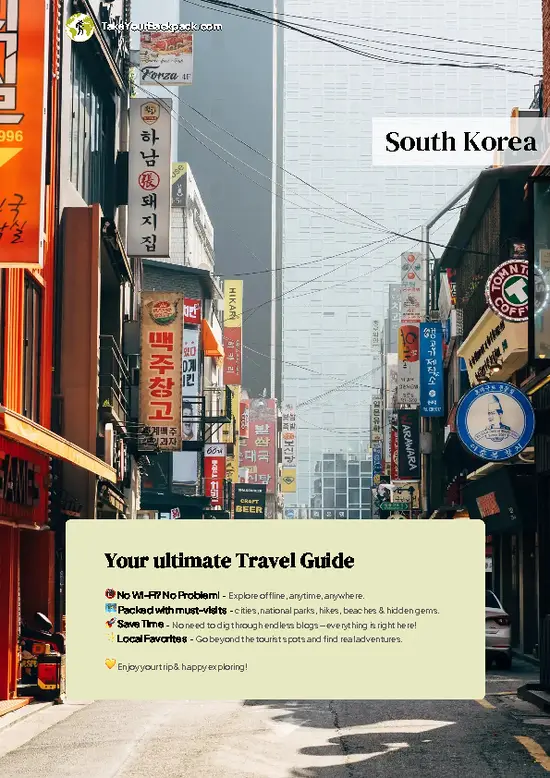
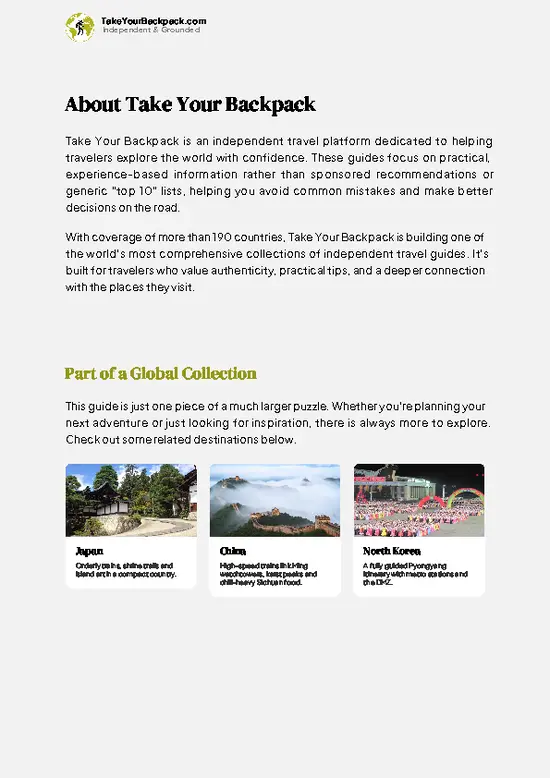
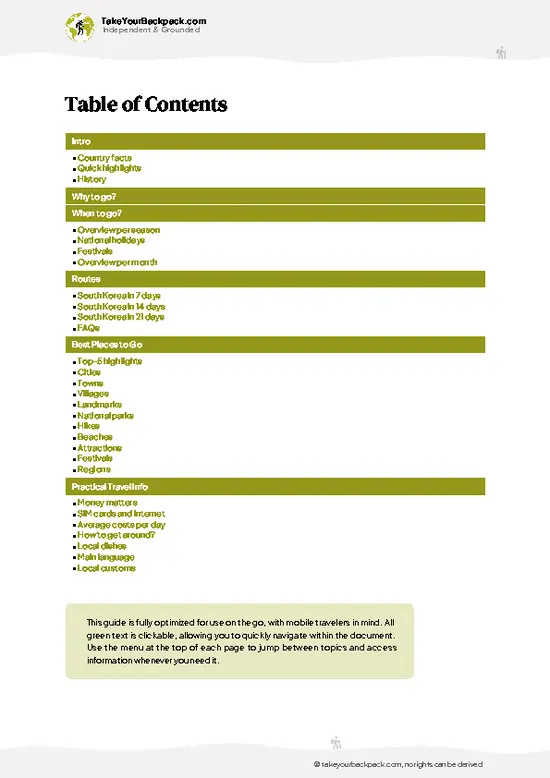
example page 0 from our offline Travel Guide for South Korea
example page 1 from our offline Travel Guide for South Korea
example page 2 from our offline Travel Guide for South Korea
example page 3 from our offline Travel Guide for South Korea
example page 4 from our offline Travel Guide for South Korea
example page 5 from our offline Travel Guide for South Korea
example page 6 from our offline Travel Guide for South Korea
example page 7 from our offline Travel Guide for South Korea
The digital guide (439 pages) contains:
124 highlights, ranked by travel appeal
Optimized 7, 14 & 21-day travel routes
Cities, national parks, landmarks, beaches
How to get around
Offline-friendly for travel without Wi-Fi
👉 Click to see all 30+ guide features

📅 Plan smarter in minutes, not weeks
Month by month travel advice
Festivals & national holidays
Budget expectations

🗺️ Go to the right places, skip the overrated ones
Honest pros & cons of destinations
Top hikes, parks & viewpoints
Lesser-known places most travelers miss
Clear “worth it vs skip it” guidance

🛏️ Travel smoothly without rookie mistakes
Best areas to stay
Transport systems explained simply
Common scams & safety advice
SIM cards, money & practical tips

🌍 Understand the country, not just visit it
Culture & traditions
52 Essential phrases & customs
Festivals worth planning around
Traveler-friendly historical context
Insights that make places more meaningful

📱 Built for real travel conditions
Fully downloadable PDF
Works completely offline
Optimized for phone use
Useful in remote areas & buses
Everything in one place
Save weeks of stressful planning
Get instant access to your full guide. 30‑day money-back guarantee.
+ Add another guide for just US$7.80

By proceeding you agree to our terms.
Sent to your inbox immediately after payment • 100% Secure Checkout
Best Backpacking Travel Advisor 2025 tourism awardBest Backpacking
Travel Advisor
2025
What others say about Take Your Backpack Guides:
⭐⭐⭐⭐⭐
Fantastic, amazing amount of information!
⭐⭐⭐⭐⭐
My goodness this is amazing, it's what I've been looking for hats off too you!
⭐⭐⭐⭐⭐
I think this is absolutely BRILLIANT
⭐⭐⭐⭐
Very complete and informative. It's still missing places, but I gotta to commend you
⭐⭐⭐⭐⭐
This is truly amazing, thank you, can't wait to explore it with my kids!
⭐⭐⭐⭐⭐
Awesome resource, thank you!
⭐⭐⭐⭐⭐
This is amazing! Can't wait to explore the ones I haven't seen
⭐⭐⭐⭐
I love this! Well done, great idea.
⭐⭐⭐⭐⭐
Thanks for taking the time to make this gem!
⭐⭐⭐⭐⭐
This might be the best website I've ever seen.
⭐⭐⭐⭐⭐
Congratulations, and thank you so much for your work; it's incredibly valuable.
⭐⭐⭐⭐
In all seriousness I think you did a great job pointing out the important spots
⭐⭐⭐⭐⭐
10/10 very good
⭐⭐⭐⭐⭐
As someone who's only just starting to visit regularly this is awesome, thank you.
⭐⭐⭐⭐
Thank you very much! I'm going to visit my dad, it's going to be very useful!
⭐⭐⭐⭐⭐
This is really cool! We'll be travelling for the first time and this definitely come in handy.
⭐⭐⭐⭐⭐
You are now our minister of culture, congratulations 👨‍💼
⭐⭐⭐⭐⭐
Just wanted to tell you that this is a pearl! Going to follow your recommendations.
⭐⭐⭐⭐⭐
This is so cool. I'll definitely be using the resource for my travels soon.
⭐⭐⭐⭐⭐
This is very impressive! Good work.
⭐⭐⭐⭐⭐
This is an amazing and informative site. Very well done!

🛏️ Where to stay?Choosing the right base

Busan’s backpacker sweet spot is definitely centered around Seomyeon and Haeundae, each offering a distinct trade-off between time, money, and comfort. Seomyeon is the city’s bustling heart, where you get the best bang for your buck on hostels. It’s safe, packed with nightlife, street food, and easy subway access, so you’re never far from anywhere. The vibe here is energetic but not overwhelming—perfect for solo travelers who want to mix socializing with exploring without burning time on long commutes.

Haeundae, on the other hand, leans into comfort and scenery. It’s pricier than Seomyeon but … read more 👉
Busan’s backpacker sweet spot is definitely centered around Seomyeon and Haeundae, each offering a distinct trade-off between time, money, and comfort. Seomyeon is the city’s bustling heart, where you get the best bang for your buck on hostels. It’s safe, packed with nightlife, street food, and easy subway access, so you’re never far from anywhere. The vibe here is energetic but not overwhelming—perfect for solo travelers who want to mix socializing with exploring without burning time on long commutes.

Haeundae, on the other hand, leans into comfort and scenery. It’s pricier than Seomyeon but rewards you with beachside chill, more polished hostels, and a slightly more relaxed social scene. If you’re willing to spend a bit more for that ocean breeze and a slower pace, this is your spot. It’s still safe and popular with backpackers, but expect a trade-off: more comfort, less hustle, and a bit more cash outlay.

Avoid areas like Nampo-dong for overnight stays if you’re budget-conscious; it’s tourist-heavy and less hostel-dense, meaning fewer social opportunities and higher prices. So, your choice boils down to whether you want to maximize social energy and budget (Seomyeon) or prioritize comfort and coastal vibes (Haeundae). Both deliver on safety and backpacker-friendly atmospheres, but your time and money will stretch differently depending on which you pick.

🚌 Getting aroundMoving around without the hassle

Busan moves with a pulse that’s part clockwork, part improvisation. The city’s rhythm is a blend of efficient, predictable transit systems and the spontaneous flow of street vendors, fishermen, and locals weaving through crowded markets. You’ll find that while buses and subways stick to schedules, the streets themselves are a dance of quick decisions and unexpected detours. Understanding this balance is your key to mastering Busan’s transit game: knowing when to rely on rigid timetables and when to embrace the city’s organic chaos will save you time, money, and frustration.


  • Busan Metro: The backbone of city travel, the subway runs from about 5:30 AM to midnight, with trains every 5-10 minutes during peak hours. A single ride costs around 1,300 KRW (about $1), making it a fast, reliable,
read more 👉
Busan moves with a pulse that’s part clockwork, part improvisation. The city’s rhythm is a blend of efficient, predictable transit systems and the spontaneous flow of street vendors, fishermen, and locals weaving through crowded markets. You’ll find that while buses and subways stick to schedules, the streets themselves are a dance of quick decisions and unexpected detours. Understanding this balance is your key to mastering Busan’s transit game: knowing when to rely on rigid timetables and when to embrace the city’s organic chaos will save you time, money, and frustration.


  • Busan Metro: The backbone of city travel, the subway runs from about 5:30 AM to midnight, with trains every 5-10 minutes during peak hours. A single ride costs around 1,300 KRW (about $1), making it a fast, reliable, and budget-friendly way to cover long distances. Comfort is decent—air-conditioned cars and clear signage—but expect rush hour crowds. The metro’s predictable schedule means you can plan your day down to the minute.


  • City Buses: Buses cover routes the metro doesn’t reach, with fares similar to the subway. They run roughly from 5 AM to 11 PM, though frequency varies widely—some lines come every 10 minutes, others every 30. Buses are slower due to traffic but offer a window into local life and neighborhoods. They’re less comfortable and less predictable, so use them when you want to save money and see the city at street level, but budget extra time.


  • Walking: Busan’s compact neighborhoods, especially around Haeundae and Nampo-dong, reward those who choose to walk. It costs nothing, obviously, and lets you absorb the city’s textures—sea breeze, street food smells, and the chatter of markets. Walking is slower but often the most comfortable way to explore short distances, especially when transit connections are inconvenient or when you want to avoid the crush of rush hour.


  • Taxi: Taxis start at about 3,800 KRW ($3) for the first 2 kilometers, with incremental increases after. They’re faster than buses and more direct but can get stuck in traffic jams, especially during rush hour or festival days. Comfort is high, and drivers generally know their way, but for budget travelers, taxis are best reserved for late-night trips or when you’re carrying heavy gear.


  • Bike Rentals: Busan has been expanding its bike lanes and rental stations, especially near the coast. Renting a bike costs around 1,000-2,000 KRW per hour, offering a balance between speed and cost for short to medium distances. It’s more comfortable than standing on a crowded bus and faster than walking, but it requires some physical effort and awareness of traffic rules. Great for sunny days and exploring seaside paths.

👛 Costs (as of 4 September 2026)What things cost and how to budget

Backpacking in Busan offers a smart balance between cost and experience, but knowing where your money goes helps you play the system like a pro.
  • Dorm Accommodation (High Season): Expect to pay around $15 to $25 per night in popular hostels during peak travel months. These places often fill fast, so prices reflect demand and proximity to hotspots like Haeundae Beach.
  • Dorm Accommodation (Off-Season): Drop to about $10 to $18 per night when the crowds thin out. You’ll find quieter dorms and sometimes better deals if you book last minute or stay longer.
  • Meals: Street food and local eateries keep your daily food budget between $8 and $15. Think bibimbap, kimbap, and fresh seafood from markets—filling, flavorful, and wallet-friendly.
  • Local Transport: Single bus or subway rides cost roughly $1
read more 👉
Backpacking in Busan offers a smart balance between cost and experience, but knowing where your money goes helps you play the system like a pro.
  • Dorm Accommodation (High Season): Expect to pay around $15 to $25 per night in popular hostels during peak travel months. These places often fill fast, so prices reflect demand and proximity to hotspots like Haeundae Beach.
  • Dorm Accommodation (Off-Season): Drop to about $10 to $18 per night when the crowds thin out. You’ll find quieter dorms and sometimes better deals if you book last minute or stay longer.
  • Meals: Street food and local eateries keep your daily food budget between $8 and $15. Think bibimbap, kimbap, and fresh seafood from markets—filling, flavorful, and wallet-friendly.
  • Local Transport: Single bus or subway rides cost roughly $1 to $1.50 each. If you’re hopping around a lot, individual fares add up quickly.
  • City Transport Pass: A T-money card or similar reloadable pass is a must. Loading about $5 to $10 daily onto it covers unlimited rides and saves hassle, effectively bringing your transport cost down to around $4 to $6 per day if you’re active.
  • Basic Activities/Entry Fees: Museums, temples, and cultural sites typically charge between $2 and $7. Some beaches and parks are free, but budget for a few paid experiences to get the full flavor of Busan.
  • Miscellaneous Expenses: This includes bottled water, snacks, occasional coffee, or small souvenirs. Set aside $3 to $7 daily to avoid surprises.

Add it all up, and you’re looking at a daily spend between roughly $30 and $60. The lower end means tight choices and mostly free or cheap activities, while the upper range buys you comfort in lodging and a few paid experiences without breaking the bank. Knowing these trade-offs lets you tailor your trip to exactly how much time, money, and comfort you want to invest.


source: visitkorea.or.kr
⚠️ Prices can change and everyone travels differently, so take this as a rough guide. Hope it helps you plan your adventure!

🚌 Day tripsWhere to go beyond the main area

Busan is a fantastic launchpad for day trips that blend culture, nature, and adventure. Let’s dive into some of the best options that won’t break the bank or your spirit.

**Gyeongju**
Just an hour away by train, Gyeongju is a treasure trove of ancient history. Known as the “museum without walls,” it’s packed with UNESCO World Heritage Sites like Bulguksa Temple and Seokguram Grotto. You can explore the royal tombs and the serene Anapji Pond, all while soaking in the rich heritage of the Silla Kingdom. Expect to spend around 20,000 KRW for transportation and entrance fees, making it a budget-friendly option. Spring and fall are ideal for pleasant weather and fewer crowds. A common mistake? Rushing through the sites without taking time to appreciate the stories behind them.
👉 Explore Gyeongju
read more 👉
Busan is a fantastic launchpad for day trips that blend culture, nature, and adventure. Let’s dive into some of the best options that won’t break the bank or your spirit.

**Gyeongju**
Just an hour away by train, Gyeongju is a treasure trove of ancient history. Known as the “museum without walls,” it’s packed with UNESCO World Heritage Sites like Bulguksa Temple and Seokguram Grotto. You can explore the royal tombs and the serene Anapji Pond, all while soaking in the rich heritage of the Silla Kingdom. Expect to spend around 20,000 KRW for transportation and entrance fees, making it a budget-friendly option. Spring and fall are ideal for pleasant weather and fewer crowds. A common mistake? Rushing through the sites without taking time to appreciate the stories behind them.
👉 Explore Gyeongju

**Taejongdae Resort Park**
If you crave coastal views and a bit of hiking, Taejongdae is your go-to. Located about 40 minutes from Busan, this park offers stunning cliffs and a lighthouse overlooking the ocean. The walking trails are well-marked, and you can even hop on a Danubi train for a scenic ride. Total costs hover around 10,000 KRW, including transport and entry. Late spring or early autumn is perfect for enjoying the views without the sweltering heat. Many first-timers miss the best viewpoints because they stick to the main paths—don’t be afraid to wander!


**Oryukdo Islets**
For a unique coastal experience, head to Oryukdo Islets, just a 30-minute bus ride from Busan. The islets are known for their dramatic rock formations and vibrant marine life. You can hike the trails or simply enjoy the view from the observation deck. The round trip will cost you around 15,000 KRW, making it a steal. Visit in the early morning for the best light and fewer tourists. A common pitfall is not checking the tide schedule; low tide reveals more of the islets and makes for better exploration.


**Tongyeong**
A bit further afield, about two hours by bus, Tongyeong is worth the trek for its stunning harbor and vibrant seafood scene. Known as the “Naples of Korea,” it offers beautiful coastal views and the chance to sample fresh sashimi. The total cost for the day can be around 30,000 KRW, including transport and meals. Late spring is ideal for enjoying the local festivals. Many backpackers overlook the ferry rides to nearby islands, which can add a whole new layer to your adventure.
👉 Explore Tongyeong

Each of these trips offers a unique slice of South Korea, making your base in Busan a strategic choice for exploration.
Want to know what more South Korea offers?
The South Korea Travel Guide describes 124 highlights, from cities to national parks, from beaches to hikes

Get the Travel Guide -

🍲 FoodEating & Drinking in Busan

In **Busan**, food is a vibrant tapestry of flavors and experiences that beckons every backpacker. Start with **sundae**, a unique Korean blood sausage filled with rice and vegetables, often served with a spicy dipping sauce. The street vendors are your best bet; the sizzling sounds and enticing aromas pull you in.

Don’t miss **hoe**, fresh raw fish that’s a local specialty. Head to the bustling **Jagalchi Fish Market**, where you can pick your seafood and have it prepared right in front of you. The salty sea air mixes with the chatter of vendors, creating an atmosphere that’s electric.

For a quick bite, **tteokbokki**—spicy rice cakes—are a must. These chewy delights are often found at street stalls, served hot and drizzled with sweet sauce. Pair it with a **soju**, the local spirit that’s … read more 👉
In **Busan**, food is a vibrant tapestry of flavors and experiences that beckons every backpacker. Start with **sundae**, a unique Korean blood sausage filled with rice and vegetables, often served with a spicy dipping sauce. The street vendors are your best bet; the sizzling sounds and enticing aromas pull you in.

Don’t miss **hoe**, fresh raw fish that’s a local specialty. Head to the bustling **Jagalchi Fish Market**, where you can pick your seafood and have it prepared right in front of you. The salty sea air mixes with the chatter of vendors, creating an atmosphere that’s electric.

For a quick bite, **tteokbokki**—spicy rice cakes—are a must. These chewy delights are often found at street stalls, served hot and drizzled with sweet sauce. Pair it with a **soju**, the local spirit that’s a staple in any drinking culture.

When it comes to customs, remember to pour drinks for others before filling your own; it’s a sign of respect. Sharing food is also key—don’t hesitate to dive into communal dishes. In Busan, every meal is an invitation to connect, making your culinary journey as rich as the flavors themselves.

🛡️ SafetyScams, Hazards, and Annoyances

Busan is generally safe for backpackers, but a few areas and situations warrant a bit of extra awareness. The bustling streets of Seomyeon and Haeundae are lively, especially at night, but keep an eye on your belongings in crowded spots. Solo travelers should feel comfortable, yet it’s wise to stick to well-lit areas after dark.

While scams are rare, be cautious around street vendors who may inflate prices for tourists. If you’re offered a deal that seems too good to be true, trust your instincts. Everyday annoyances can include aggressive taxi drivers or overly persistent street performers; a polite but firm “no” usually does the trick.

Carry yourself confidently, and don’t hesitate to ask locals for directions or advice. They’re often more than willing to help. By staying aware and engaged, … read more 👉
Busan is generally safe for backpackers, but a few areas and situations warrant a bit of extra awareness. The bustling streets of Seomyeon and Haeundae are lively, especially at night, but keep an eye on your belongings in crowded spots. Solo travelers should feel comfortable, yet it’s wise to stick to well-lit areas after dark.

While scams are rare, be cautious around street vendors who may inflate prices for tourists. If you’re offered a deal that seems too good to be true, trust your instincts. Everyday annoyances can include aggressive taxi drivers or overly persistent street performers; a polite but firm “no” usually does the trick.

Carry yourself confidently, and don’t hesitate to ask locals for directions or advice. They’re often more than willing to help. By staying aware and engaged, you’ll navigate Busan smoothly and enjoy its vibrant culture without unnecessary hiccups.

FAQCommon questions from travelers

3 to 4 days are sufficient to explore Busan's main attractions, including Haeundae Beach, Gamcheon Culture Village, and Jagalchi Fish Market. This allows time for both city sightseeing and some beach relaxation. Additional days can be added for hiking or visiting nearby temples.
Yes, Busan is safe for solo backpackers. The city has a low crime rate, and public transportation is reliable and easy to navigate. Basic precautions like avoiding poorly lit areas at night are recommended, as in any large city.
Busan is known for its beautiful beaches, especially Haeundae and Gwangalli, its vibrant seafood markets like Jagalchi, and cultural sites such as the colorful Gamcheon Culture Village. It is also famous for the Busan International Film Festival held every October.
⚠️ Things can change over time, so always validate details locally before you go.

Other South Korean cities near Busan

Explore more nearby:

  • Gimhae—Royal tombs, archaeological sites, Gimhae airport| 18 km away
  • Jinhae—Cherry blossom festival, naval base, mountain backdrop| 30 km away
  • Ulsan—Whale museum, shipbuilding docks, bamboo groves| 48 km away

💡 Not sure where to go next?
Create a personalized itinerary for South Korea including Busan and the places that fit your trip.

Generate my itinerary

👉 Discover all cities

Or checkout all South Korea has to offer (think cities, towns, villages, national parks, hikes, beaches, festivals)
Country photo of South Korea

We 💚 feedbackSumming up the experience

Busan has this electric vibe that’s hard to shake off. The best surprise? The food scene—street stalls serving tteokbokki that’ll make your taste buds dance. Don’t skip the Jagalchi Fish Market; it’s a sensory overload in the best way. Just a heads-up: the beaches can get crowded in summer, so plan your visits early. Embrace the chaos, and you’ll find your own slice of magic here. It’s a city that rewards curiosity.

✍️ Help improve this page!
The information on this page is based on in-depth research, insights shared by experienced travelers, and feedback from the local travel community in South Korea. While every effort is made to keep the information accurate and current, conditions can change — so if you spot anything incorrect or outdated, please get in touch.


🙋‍♂️ Give feedback

👋 Meet the founderWho’s Behind Take Your Backpack?

Johan, backpacker and founder of TakeYourBackpackHi, I’m Johan (Netherlands 🇳🇱), the creator of TakeYourBackpack. Over the past decade, I’ve backpacked through 80+ countries across six continents, gaining extensive experience with independent travel, long-term trips, and overland routes.

This site is built on a combination of firsthand travel experience and carefully curated insights from other backpackers. Many guides are based on places I’ve personally visited, while others bring together tips, observations, and practical advice shared by trusted travelers I’ve met along the way.

The goal is to provide realistic, experience-driven guidance — not generic itineraries — so you can explore destinations with better context, clearer expectations, and more confidence.

Get full country guide •
Instant download • 124 highlights • Full Offline guide