v2.webp)
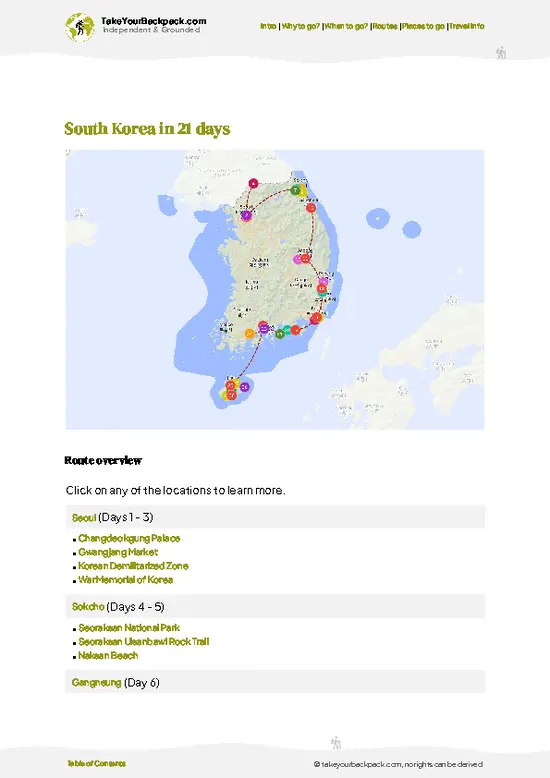
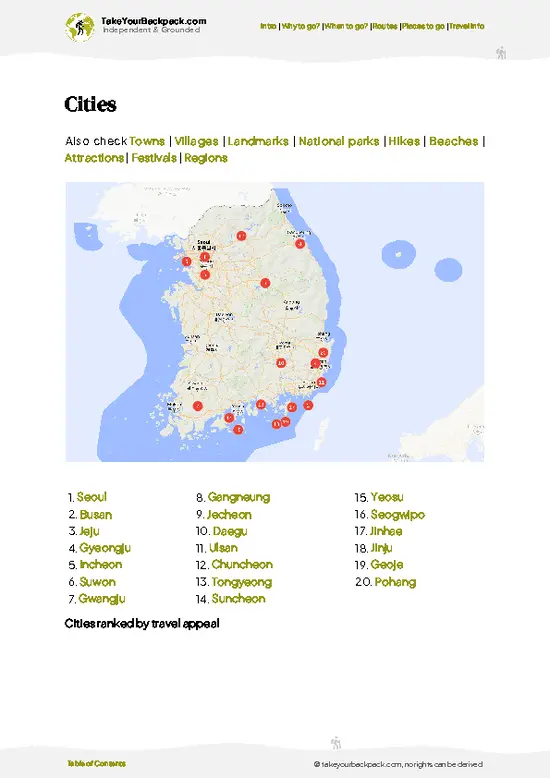
- Bulguksa Temple — The Silla-era masterpiece and UNESCO site: elegant stone stairways, twin pagodas, and real-scale history you can walk through. It’s peaceful, photogenic, and shows how Buddhist art shaped Gyeongju.
- Seokguram Grotto — A mountain-side grotto with a seated Buddha gazing out to the sea; the craftsmanship and atmosphere are otherworldly. It’s best at sunrise or late afternoon when the light hits the statue just right.
- Mount Namsan — A compact archaeological playground: hiking trails studded with carved Buddhas, temple ruins, and stone pagodas. It’s where you actually stumble onto Silla relics in the woods rather than seeing them behind glass.
- Daereungwon (Tumuli Park) — The rolling grassy mounds of royal graves are unmistakable and ridiculously photogenic. Walk among the
- Bulguksa Temple — The Silla-era masterpiece and UNESCO site: elegant stone stairways, twin pagodas, and real-scale history you can walk through. It’s peaceful, photogenic, and shows how Buddhist art shaped Gyeongju.
- Seokguram Grotto — A mountain-side grotto with a seated Buddha gazing out to the sea; the craftsmanship and atmosphere are otherworldly. It’s best at sunrise or late afternoon when the light hits the statue just right.
- Mount Namsan — A compact archaeological playground: hiking trails studded with carved Buddhas, temple ruins, and stone pagodas. It’s where you actually stumble onto Silla relics in the woods rather than seeing them behind glass.
- Daereungwon (Tumuli Park) — The rolling grassy mounds of royal graves are unmistakable and ridiculously photogenic. Walk among the tombs, learn Silla burial customs, and get a feel for how the city grew around its past.
- Cheonmachong (Heavenly Horse Tomb) — An interior tomb museum you can enter, with reproductions and original finds (including the famous horse mural). It makes the abstract idea of “royal tomb” into something tangible and oddly humane.
- Cheomseongdae Observatory — One of the world’s oldest surviving astronomical observatories: simple, strange, and surprisingly graceful. It’s a tiny structure but a direct link to Silla science and curiosity.
- Donggung Palace and Wolji Pond (Anapji) — Reconstructed palace gardens and a mirror-like pond—spectacular at night when the buildings are lit. Great for a relaxed stroll and imagining royal banquets under the moon.
- Gyeongju National Museum — The best single place in town to put names and dates to what you’ve seen: crowns, jewelry, and stonework from Silla. Compact, well-labelled, and full of “wow” pieces.
- Yangdong Folk Village — A living UNESCO village inside Gyeongju’s administrative area: traditional hanok clusters, family shrines, and village life preserved in stone and timber. It’s quieter than mainstream tourist spots and feels authentic.
- Gyochon Hanok Village — A small, less touristy hanok neighborhood where you can stay in a traditional house, sip tea in a courtyard, and watch everyday Gyeongju life. Perfect if you want a slower, domestic side of the city.
Spotted a mistake or missing something? Contact us.

Gyeongju UNESCO Private Tour with Busan or Gyeongju Pick-up

Private Gyeongju Tour - Explore Gyeongju UNESCO Sites

Gyeongju UNESCO World Heritage Sites and History Full-Day Tour with Lunch

Full day Private Gyeongju UNESCO Heritage Tour : a glimpse into Silla

Guided Car Tour in Geyongju with a Local Guide

Gyeongju's Top Attractions on Private Tour with a Licensed guide

Private World Heritage Gyeongju Taxi Tour

Private Gyeongju UNESCO Tour with local - Starts in Gyeongju

GYEONGJU UNESCO Highlights : 4-Hours Private Tour with a Local


 Best Backpacking
.jpg) Hi, I’m Johan (Netherlands 🇳🇱), the creator of TakeYourBackpack. Over the past 3 decades, I’ve backpacked through 90+ countries across six continents, gaining extensive experience with independent travel, long-term trips, and overland routes.
Hi, I’m Johan (Netherlands 🇳🇱), the creator of TakeYourBackpack. Over the past 3 decades, I’ve backpacked through 90+ countries across six continents, gaining extensive experience with independent travel, long-term trips, and overland routes.