×

South Korea🇰🇷 | citiesGimhaeRoyal tombs, archaeological sites, Gimhae airport | things to do and best time to go

Explore JecheonExplore Gimcheon

Backpacking in Gimhae
👌 Worth visitingcity ranked #26
By Johan Kruseman 🇳🇱 | Updated September 4, 2026

Most people only realize on the way out that Gimhae is the cheapest, calmest base for exploring Busan and the southeast by metro and light rail. Sitting just northwest of Busan in South Gyeongsang, it’s a mid-size city with real history but zero hype. You get the Gaya-era royal tombs, the solid Gimhae National Museum, riverside bike paths, and local barbecue joints instead of bar streets. It’s safe, cheaper than Busan, easy to navigate, but quieter and thinner on hostels and backpacker nightlife, so you trade instant social life for everyday Korean city rhythm.

Discover everything you want to know in the 📖 South Korea Travel Guide.
Loading the map 🌍
CLICK TO FILTER
cities
towns
villages
landmarks
national parks
hikes
beaches
attractions
festivals
regions
SHOW COUNTRY’S BESTSHOW ALL

✨ Why go?
Ranked #26 city in South Korea
Why Gimhae should be on your travel list

Gimhae is a strategic stop for backpackers navigating South Korea. It offers a solid mix of affordable hostels and delicious street food, making it easy on the wallet. The city is walkable, allowing you to soak in local life without the hassle of transport. With a handful of highlights to explore, you can easily fill a day or two. Plus, it serves as a great basecamp for day trips to nearby attractions, enhancing your overall itinerary. If you’re looking for a blend of comfort and convenience, Gimhae fits the bill, but it’s best as a short stop rather than a long stay.
Want to include Gimhae in your South Korea route?
Create a personalized South Korea itinerary that includes Gimhae and the places that fit your trip — based on your travel style, budget, and available time. Get your route in seconds.

Generate my trip

💡 HighlightsThe experiences that define the visit

Gimhae Gaya Theme Park
This isn’t your average theme park—it’s a hands-on crash course in the ancient Gaya Kingdom, with reconstructed palaces, interactive performances, and traditional archery. Go in the late afternoon for cooler weather and fewer school groups. Entry is around 15,000 KRW. You’ll want at least two hours to do it justice, more if you’re traveling with kids or history buffs.

Royal Tomb of King Suro
A serene, tree-shaded burial mound that’s the real deal: the legendary founder of the Gaya confederacy is said to rest here. The site is free, open daylight hours, and rarely crowded. Thirty minutes is enough for a thoughtful visit, but linger for the peaceful atmosphere and the adjacent park.

Gimhae National Museum
If you want to understand why Gimhae matters, this is your shortcut. … read more 👉
Gimhae Gaya Theme Park
This isn’t your average theme park—it’s a hands-on crash course in the ancient Gaya Kingdom, with reconstructed palaces, interactive performances, and traditional archery. Go in the late afternoon for cooler weather and fewer school groups. Entry is around 15,000 KRW. You’ll want at least two hours to do it justice, more if you’re traveling with kids or history buffs.

Royal Tomb of King Suro
A serene, tree-shaded burial mound that’s the real deal: the legendary founder of the Gaya confederacy is said to rest here. The site is free, open daylight hours, and rarely crowded. Thirty minutes is enough for a thoughtful visit, but linger for the peaceful atmosphere and the adjacent park.

Gimhae National Museum
If you want to understand why Gimhae matters, this is your shortcut. The museum’s Gaya-era artifacts—ornate crowns, ironworks, and pottery—are displayed with context, not just labels. Free admission. One hour is enough for highlights, but history fans can easily double that.

Bonghwang-dong Ancient Tombs
A cluster of grassy burial mounds right in the city, offering a rare chance to walk among relics without velvet ropes. Free, open access. Best at golden hour for photos. You’ll need 20-30 minutes, unless you’re sketching or picnicking.

Clayarch Gimhae Museum
A contemporary ceramics museum that bridges Gimhae’s ancient pottery tradition with modern art. The building itself is a geometric marvel. Entry is about 2,000 KRW. Allow 45 minutes to an hour, especially if exhibitions are in full swing.

For day trips, consider the Nakdonggang Estuary Eco Center, Busan’s Haeundae Beach, or the UNESCO-listed Haeinsa Temple—all within easy striking distance from Gimhae.
Spotted a mistake or missing something? Contact us.

Things to do near Gimhae

Ratings based on Tripadvisor reviews. When you book through this link, you support our work at no extra cost to you.

🏘️ NeighborhoodsUnderstanding the local layout

Gimhae offers a unique blend of history and modernity, making it a fascinating stop for backpackers.

**Gimhae City Center**: This area buzzes with energy. You’ll find affordable eateries and shops. It’s walkable, with easy access to public transport. Perfect for short stays, you can soak in the local vibe without breaking the bank. Nightlife is low-key, ideal for those who prefer a quieter evening.

**Jangyu**: A bit more residential, Jangyu is great for longer stays. It’s peaceful, with parks and local cafes. Costs are lower here, and you can easily hop on the subway to explore further. It’s less touristy, giving you a genuine feel of daily life.

**Daebang-dong**: Known for its nightlife, this area is lively and vibrant. Bars and restaurants line the streets, making it perfect for social … read more 👉
Gimhae offers a unique blend of history and modernity, making it a fascinating stop for backpackers.

**Gimhae City Center**: This area buzzes with energy. You’ll find affordable eateries and shops. It’s walkable, with easy access to public transport. Perfect for short stays, you can soak in the local vibe without breaking the bank. Nightlife is low-key, ideal for those who prefer a quieter evening.

**Jangyu**: A bit more residential, Jangyu is great for longer stays. It’s peaceful, with parks and local cafes. Costs are lower here, and you can easily hop on the subway to explore further. It’s less touristy, giving you a genuine feel of daily life.

**Daebang-dong**: Known for its nightlife, this area is lively and vibrant. Bars and restaurants line the streets, making it perfect for social backpackers. It’s slightly pricier, but the energy makes it worth it for a night out.

⌛️ 1 day1-day itinerary for Gimhae

Gimhae, South Korea, is a city where history and modernity intertwine seamlessly. It’s often overshadowed by its larger neighbors, but that’s part of its charm. Start your morning at the Gimhae National Museum, where you can dive into the region’s rich history. The artifacts are fascinating, and the peaceful gardens offer a nice spot to reflect.

Afterward, stroll through the nearby Gimhae Hanok Village. This area showcases traditional Korean architecture and provides a glimpse into local life. Grab a quick bite at a nearby café—try the local specialty, “Gimhae Bibimbap,” for a taste of the region.

In the afternoon, head to the serene Daeseong-dong Ancient Tombs. These ancient burial mounds are often overlooked but are a treasure trove of history. As the sun sets, make your way to the bustling … read more 👉
Gimhae, South Korea, is a city where history and modernity intertwine seamlessly. It’s often overshadowed by its larger neighbors, but that’s part of its charm. Start your morning at the Gimhae National Museum, where you can dive into the region’s rich history. The artifacts are fascinating, and the peaceful gardens offer a nice spot to reflect.

Afterward, stroll through the nearby Gimhae Hanok Village. This area showcases traditional Korean architecture and provides a glimpse into local life. Grab a quick bite at a nearby café—try the local specialty, “Gimhae Bibimbap,” for a taste of the region.

In the afternoon, head to the serene Daeseong-dong Ancient Tombs. These ancient burial mounds are often overlooked but are a treasure trove of history. As the sun sets, make your way to the bustling downtown area. Enjoy dinner at a local barbecue joint, where you can grill your own meat and savor the vibrant atmosphere.

This day in Gimhae offers a blend of culture, history, and local flavor, making it a rewarding experience.
Turn your Gimhae visit into an South Korea adventure
Build a complete South Korea route with Gimhae, hidden gems, must-see destinations, and realistic travel times included.

Generate my trip

🌤️ When to go?Weather, crowds, and seasonal trade-offs


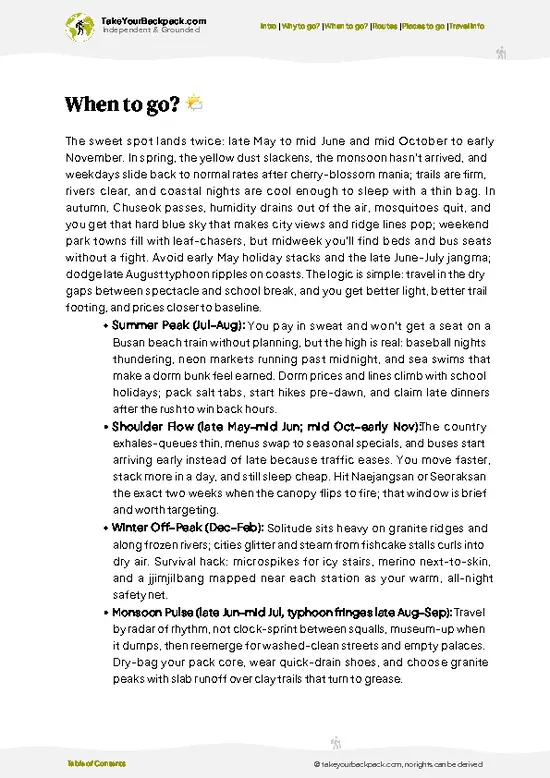
  • Weather: Spring (April-May) and autumn (September-October) offer mild, dry conditions, avoiding the heavy monsoon rains of summer and the cold, damp winters.

  • Temperature: Spring and autumn average 15-22°C (59-72°F), perfect for hiking and city strolls without overheating or freezing.

  • Daylight Hours: These seasons provide balanced daylight, roughly 12-14 hours, enough time to explore without rushing or losing light early.

  • Crowds: Avoid summer festivals and holiday spikes; spring and autumn see fewer tourists, letting you experience local life more authentically.

  • Seasonal Activities: Cherry blossoms bloom in spring, while autumn paints the landscape with vivid foliage—both prime for photography and outdoor adventures.

  • Price Fluctuations: Accommodation and transport costs dip outside
read more 👉

  • Weather: Spring (April-May) and autumn (September-October) offer mild, dry conditions, avoiding the heavy monsoon rains of summer and the cold, damp winters.

  • Temperature: Spring and autumn average 15-22°C (59-72°F), perfect for hiking and city strolls without overheating or freezing.

  • Daylight Hours: These seasons provide balanced daylight, roughly 12-14 hours, enough time to explore without rushing or losing light early.

  • Crowds: Avoid summer festivals and holiday spikes; spring and autumn see fewer tourists, letting you experience local life more authentically.

  • Seasonal Activities: Cherry blossoms bloom in spring, while autumn paints the landscape with vivid foliage—both prime for photography and outdoor adventures.

  • Price Fluctuations: Accommodation and transport costs dip outside peak summer and winter holidays, making spring and autumn the best value for comfort and experience.


Pro-tip: Target late April or early October to catch perfect weather, manageable crowds, and wallet-friendly prices—your sweet spot for backpacking Gimhae.


source: climatestotravel.comJANJanuary: fair for travelingFEBFebruary: fair for travelingMARMarch: good for travelingAPRApril: excellent for travelingMAYMay: excellent for travelingJUNJune: good for travelingJULJuly: below average for travelingAUGAugust: below average for travelingSEPSeptember: excellent for travelingOCTOctober: excellent for travelingNOVNovember: good for travelingDECDecember: fair for traveling
when-to-go

✈️ The backpacker research shortcutSouth Korea Travel Guide

An offline-friendly backpacking guide with optimized travel routes, ranked highlights, transport advice, and the best areas to stay.
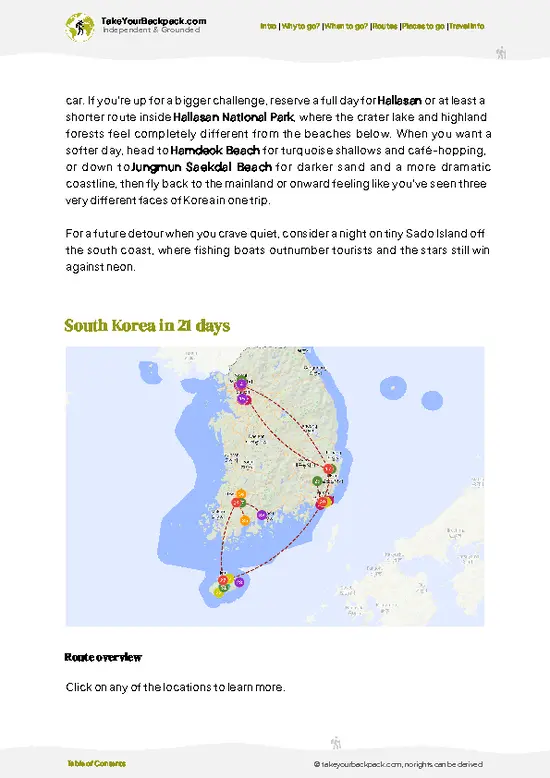
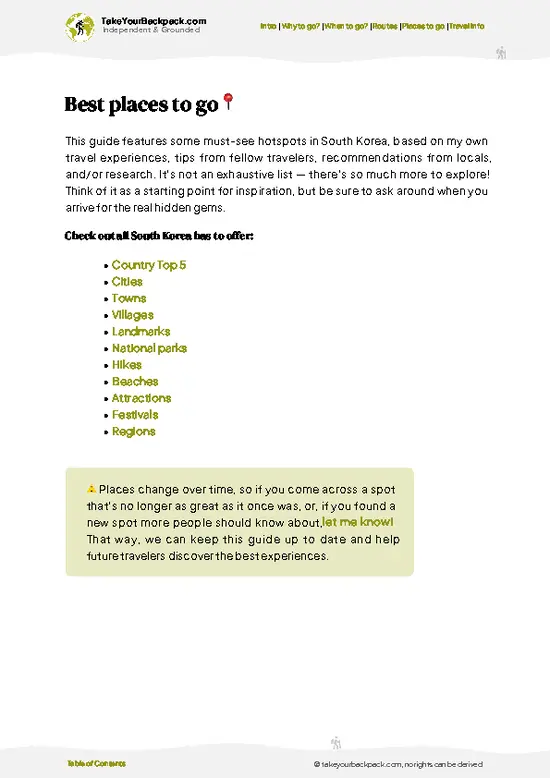
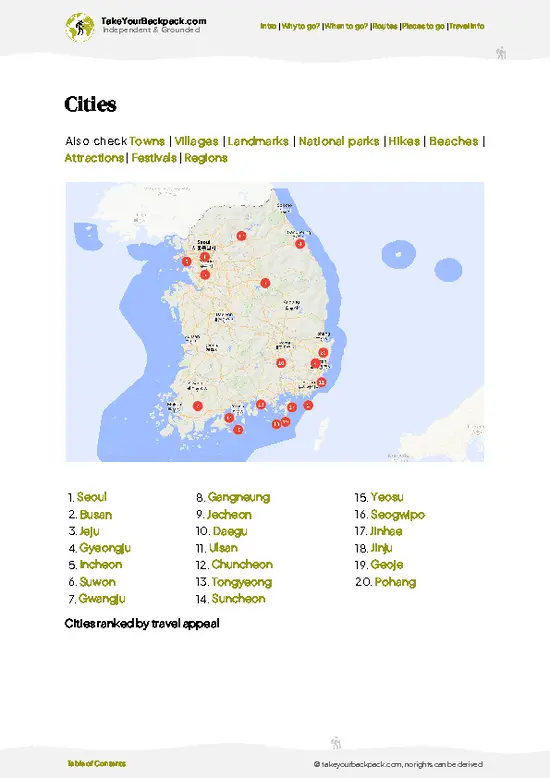
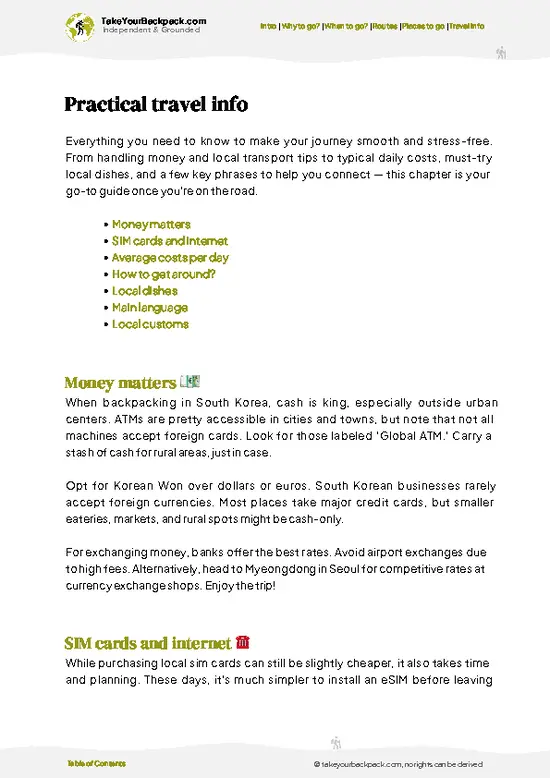
example page 0 from our offline Travel Guide for South Korea
example page 1 from our offline Travel Guide for South Korea
example page 2 from our offline Travel Guide for South Korea
example page 3 from our offline Travel Guide for South Korea
example page 4 from our offline Travel Guide for South Korea
example page 5 from our offline Travel Guide for South Korea
example page 6 from our offline Travel Guide for South Korea
example page 7 from our offline Travel Guide for South Korea
The digital guide (439 pages) contains:
124 highlights, ranked by travel appeal
Optimized 7, 14 & 21-day travel routes
Cities, national parks, landmarks, beaches
How to get around
Offline-friendly for travel without Wi-Fi
👉 Click to see all 30+ guide features

📅 Plan smarter in minutes, not weeks
Month by month travel advice
Festivals & national holidays
Budget expectations

🗺️ Go to the right places, skip the overrated ones
Honest pros & cons of destinations
Top hikes, parks & viewpoints
Lesser-known places most travelers miss
Clear “worth it vs skip it” guidance

🛏️ Travel smoothly without rookie mistakes
Best areas to stay
Transport systems explained simply
Common scams & safety advice
SIM cards, money & practical tips

🌍 Understand the country, not just visit it
Culture & traditions
52 Essential phrases & customs
Festivals worth planning around
Traveler-friendly historical context
Insights that make places more meaningful

📱 Built for real travel conditions
Fully downloadable PDF
Works completely offline
Optimized for phone use
Useful in remote areas & buses
Everything in one place
Save weeks of stressful planning
Get instant access to your full guide. 30‑day money-back guarantee.
+ Add another guide for just US$7.80

By proceeding you agree to our terms.
Sent to your inbox immediately after payment • 100% Secure Checkout
Best Backpacking Travel Advisor 2025 tourism awardBest Backpacking
Travel Advisor
2025
What others say about Take Your Backpack Guides:
⭐⭐⭐⭐⭐
Fantastic, amazing amount of information!
⭐⭐⭐⭐⭐
My goodness this is amazing, it's what I've been looking for hats off too you!
⭐⭐⭐⭐⭐
I think this is absolutely BRILLIANT
⭐⭐⭐⭐
Very complete and informative. It's still missing places, but I gotta to commend you
⭐⭐⭐⭐⭐
This is truly amazing, thank you, can't wait to explore it with my kids!
⭐⭐⭐⭐⭐
Awesome resource, thank you!
⭐⭐⭐⭐⭐
This is amazing! Can't wait to explore the ones I haven't seen
⭐⭐⭐⭐
I love this! Well done, great idea.
⭐⭐⭐⭐⭐
Thanks for taking the time to make this gem!
⭐⭐⭐⭐⭐
This might be the best website I've ever seen.
⭐⭐⭐⭐⭐
Congratulations, and thank you so much for your work; it's incredibly valuable.
⭐⭐⭐⭐
In all seriousness I think you did a great job pointing out the important spots
⭐⭐⭐⭐⭐
10/10 very good
⭐⭐⭐⭐⭐
As someone who's only just starting to visit regularly this is awesome, thank you.
⭐⭐⭐⭐
Thank you very much! I'm going to visit my dad, it's going to be very useful!
⭐⭐⭐⭐⭐
This is really cool! We'll be travelling for the first time and this definitely come in handy.
⭐⭐⭐⭐⭐
You are now our minister of culture, congratulations 👨‍💼
⭐⭐⭐⭐⭐
Just wanted to tell you that this is a pearl! Going to follow your recommendations.
⭐⭐⭐⭐⭐
This is so cool. I'll definitely be using the resource for my travels soon.
⭐⭐⭐⭐⭐
This is very impressive! Good work.
⭐⭐⭐⭐⭐
This is an amazing and informative site. Very well done!

🛏️ Where to stay?Best areas and accommodation options

In Gimhae, the sweet spot for backpackers is the area around Gimhae Station and the nearby Sangdong-dong neighborhood. This zone nails the balance between safety and social buzz without the touristy fluff. It’s where budget travelers cluster because hostels and guesthouses are plentiful, clean, and wallet-friendly. The vibe here is low-key but lively enough to meet fellow adventurers, with local eateries and convenience stores within easy reach. Compared to the quieter, more residential outskirts, this area keeps you plugged into the city’s pulse without sacrificing comfort or breaking the bank. … read more 👉
In Gimhae, the sweet spot for backpackers is the area around Gimhae Station and the nearby Sangdong-dong neighborhood. This zone nails the balance between safety and social buzz without the touristy fluff. It’s where budget travelers cluster because hostels and guesthouses are plentiful, clean, and wallet-friendly. The vibe here is low-key but lively enough to meet fellow adventurers, with local eateries and convenience stores within easy reach. Compared to the quieter, more residential outskirts, this area keeps you plugged into the city’s pulse without sacrificing comfort or breaking the bank. It’s a practical choice that maximizes your time and energy for exploring.

🚌 Getting aroundGetting around like a local

Gimhae moves at a pace that’s neither frantic nor sluggish—it’s a city where schedules matter, but local intuition often fills the gaps. You’ll find a blend of punctual buses and trains, but also moments where a quick decision or a short walk beats waiting for the next ride. The rhythm here rewards those who understand the trade-offs between time, money, and comfort. Knowing when to save a few won or when to invest in a faster, smoother ride is your ticket to mastering the city’s flow.


  • Bus: Runs from about 5:30 AM to 11 PM, fares hover around 1,200 KRW. It’s the cheapest way to cover longer distances but expect frequent stops and moderate crowding during rush hours.

  • Gimhae Light Rail Transit (LRT): Operating roughly 5:00 AM to midnight, tickets cost about 1,350 KRW. It’s faster than
read more 👉
Gimhae moves at a pace that’s neither frantic nor sluggish—it’s a city where schedules matter, but local intuition often fills the gaps. You’ll find a blend of punctual buses and trains, but also moments where a quick decision or a short walk beats waiting for the next ride. The rhythm here rewards those who understand the trade-offs between time, money, and comfort. Knowing when to save a few won or when to invest in a faster, smoother ride is your ticket to mastering the city’s flow.


  • Bus: Runs from about 5:30 AM to 11 PM, fares hover around 1,200 KRW. It’s the cheapest way to cover longer distances but expect frequent stops and moderate crowding during rush hours.

  • Gimhae Light Rail Transit (LRT): Operating roughly 5:00 AM to midnight, tickets cost about 1,350 KRW. It’s faster than the bus, with a smooth ride and predictable schedule, ideal if you want to avoid traffic delays.

  • Taxi: Starting fare near 3,800 KRW, with additional charges per kilometer. Taxis offer door-to-door comfort and save time, especially if you’re carrying gear or traveling off-peak, but they’ll eat your budget faster.

  • Walking: Gimhae’s compact downtown makes walking a surprisingly efficient option. It costs nothing, gives you freedom, and lets you soak in the city’s character, but it’s only practical for short hops or if you’re light on time.

👛 Costs (as of 4 September 2026)Money, prices, and spending tips

Backpacking in Gimhae, South Korea, offers a clear trade-off between cost and convenience, with prices reflecting the city’s blend of local charm and accessibility to nearby Busan.
  • Dorm Accommodation (High Season): Expect to pay around $15 to $25 per night. High season drives prices up due to increased demand, especially during festivals or holidays.
  • Dorm Accommodation (Off-Season): Prices drop to about $10 to $18 per night. Off-season offers better deals but fewer options, so booking ahead is smart.
  • Meals: Street food and local eateries keep costs low, typically $5 to $10 per day if you stick to simple dishes like kimbap or bibimbap. Dining at mid-range restaurants can push this to $15 or more.
  • Local Transport: Single bus or taxi rides within Gimhae usually cost between $1 and $3. Buses
read more 👉
Backpacking in Gimhae, South Korea, offers a clear trade-off between cost and convenience, with prices reflecting the city’s blend of local charm and accessibility to nearby Busan.
  • Dorm Accommodation (High Season): Expect to pay around $15 to $25 per night. High season drives prices up due to increased demand, especially during festivals or holidays.
  • Dorm Accommodation (Off-Season): Prices drop to about $10 to $18 per night. Off-season offers better deals but fewer options, so booking ahead is smart.
  • Meals: Street food and local eateries keep costs low, typically $5 to $10 per day if you stick to simple dishes like kimbap or bibimbap. Dining at mid-range restaurants can push this to $15 or more.
  • Local Transport: Single bus or taxi rides within Gimhae usually cost between $1 and $3. Buses are frequent and affordable, while taxis offer convenience at a higher price.
  • City Transport Pass: A daily transport pass for buses and subways in the greater Busan-Gimhae area runs about $4 to $6, a smart choice if you plan multiple trips.
  • Basic Activities/Entry Fees: Museums, parks, and cultural sites typically charge $2 to $7. Many outdoor attractions are free or have minimal fees.
  • Miscellaneous Expenses: Budget around $3 to $7 for essentials like bottled water, snacks, or occasional small purchases.

Summing it up, a backpacker in Gimhae can expect to spend roughly $25 to $50 per day. The lower end requires careful choices—off-season stays, street food, and walking or bus rides. The upper end buys more comfort and flexibility, especially in accommodation and transport. Knowing these trade-offs lets you tailor your trip to what matters most: saving time, money, or comfort.


source: english.visitkorea.or.kr
⚠️ Prices can change and everyone travels differently, so take this as a rough guide. Hope it helps you plan your adventure!

🚌 Day tripsWhere to go beyond the main area

Gimhae is a fantastic launchpad for day trips that blend culture, nature, and adventure. Here are some standout options.

**Haeinsa Temple**
Just over an hour from Gimhae, Haeinsa is home to the Tripitaka Koreana, a UNESCO World Heritage site. The temple’s serene atmosphere and stunning mountain backdrop make it a peaceful retreat. Expect to spend around 10,000 KRW for entry and a few extra for snacks. Spring and autumn are ideal for mild weather and fewer crowds. A common mistake? Underestimating the hike up; wear good shoes.
👉 Explore Haeinsa Temple

**Busan**
In under an hour, you can be in Busan, South Korea’s second-largest city. Explore the vibrant Jagalchi Fish Market, then hit the beach at Haeundae. A budget of about 20,000 KRW covers transport and a decent meal. Summer is buzzing, … read more 👉
Gimhae is a fantastic launchpad for day trips that blend culture, nature, and adventure. Here are some standout options.

**Haeinsa Temple**
Just over an hour from Gimhae, Haeinsa is home to the Tripitaka Koreana, a UNESCO World Heritage site. The temple’s serene atmosphere and stunning mountain backdrop make it a peaceful retreat. Expect to spend around 10,000 KRW for entry and a few extra for snacks. Spring and autumn are ideal for mild weather and fewer crowds. A common mistake? Underestimating the hike up; wear good shoes.
👉 Explore Haeinsa Temple

**Busan**
In under an hour, you can be in Busan, South Korea’s second-largest city. Explore the vibrant Jagalchi Fish Market, then hit the beach at Haeundae. A budget of about 20,000 KRW covers transport and a decent meal. Summer is buzzing, but spring offers pleasant weather without the throngs. Don’t miss the local street food, but be wary of overindulging too early; save room for the seafood!
👉 Explore Busan

**Changwon**
Only 30 minutes away, Changwon is perfect for a quick escape. The city boasts beautiful parks and the impressive Yongji Lake. You can enjoy a leisurely day for around 15,000 KRW, including transport and lunch. Visit in spring for cherry blossoms or autumn for colorful foliage. First-timers often overlook the local eateries; dive into the small restaurants for authentic flavors.
Want to know what more South Korea offers?
The South Korea Travel Guide describes 124 highlights, from cities to national parks, from beaches to hikes

Get the Travel Guide -

🍲 FoodLocal Cuisine & Drinks

Gimhae’s **culinary scene** is a delightful playground for backpackers. Dive into **tteokgalbi**, tender grilled short ribs that melt in your mouth, or savor **bibimbap**, a colorful mix of rice, veggies, and spicy gochujang. Street food stalls are your best friends here; grab a **hotteok**—sweet pancakes filled with brown sugar and nuts—while wandering the bustling markets.

When it comes to drinks, don’t miss out on **makgeolli**, a traditional rice wine that’s both refreshing and slightly fizzy. Sharing a bowl with locals is a rite of passage. Remember, it’s all about **community**; so, don’t hesitate to join in on the laughter and stories that flow as freely as the drinks.

🛡️ SafetyTraveler Safety Guide

Gimhae is generally safe, but staying aware is key. Stick to well-lit areas at night, especially around the bus and train stations. Solo travelers should trust their instincts; if something feels off, it probably is.

Scams are rare, but be cautious of overly friendly strangers offering unsolicited help. They might expect something in return. Everyday annoyances include occasional language barriers, so learning a few basic Korean phrases can smooth interactions. Carry yourself confidently, and you’ll navigate the city like a pro.

FAQCommon questions from travelers

2 to 3 days are sufficient to explore Gimhae, covering key sites like the Gimhae National Museum and the ancient tombs. This allows time to visit the nearby Nakdong River and enjoy local markets without rushing.
Yes, Gimhae is safe for solo backpackers. The city has low crime rates and a friendly local population, with basic amenities and public transport easily accessible for independent travelers.
Gimhae is known for its rich history as the ancient capital of the Gaya Kingdom and its archaeological sites, including royal tombs and artifacts. It is also recognized for its traditional Korean ceramics and proximity to Busan.
⚠️ Things can change over time, so always validate details locally before you go.

Other South Korean cities near Gimhae

Explore more nearby:

  • Jinhae—Cherry blossom festival, naval base, mountain backdrop| 18 km away
  • Busan—Haeundae beach, seafood markets, hillside villages| 18 km away
  • Geoje—Island coastline, shipyards, wind-swept cliffs| 45 km away

💡 Not sure where to go next?
Create a personalized itinerary for South Korea including Gimhae and the places that fit your trip.

Generate my itinerary

👉 Discover all cities

Or checkout all South Korea has to offer (think cities, towns, villages, national parks, hikes, beaches, festivals)
Country photo of South Korea

We 💚 feedbackSumming up the experience

Gimhae feels like a cozy secret, a blend of history and modern life. Don’t miss the local markets; the street food is a delightful surprise. Just be ready for the occasional language barrier—it adds to the adventure, but a translation app helps!

✍️ Help improve this page!
The information on this page is based on in-depth research, insights shared by experienced travelers, and feedback from the local travel community in South Korea. While every effort is made to keep the information accurate and current, conditions can change — so if you spot anything incorrect or outdated, please get in touch.


🙋‍♂️ Give feedback

👋 Meet the founderWho’s Behind Take Your Backpack?

Johan, backpacker and founder of TakeYourBackpackHi, I’m Johan (Netherlands 🇳🇱), the creator of TakeYourBackpack. Over the past decade, I’ve backpacked through 80+ countries across six continents, gaining extensive experience with independent travel, long-term trips, and overland routes.

This site is built on a combination of firsthand travel experience and carefully curated insights from other backpackers. Many guides are based on places I’ve personally visited, while others bring together tips, observations, and practical advice shared by trusted travelers I’ve met along the way.

The goal is to provide realistic, experience-driven guidance — not generic itineraries — so you can explore destinations with better context, clearer expectations, and more confidence.

Get full country guide •
Instant download • 124 highlights • Full Offline guide