v2.webp)
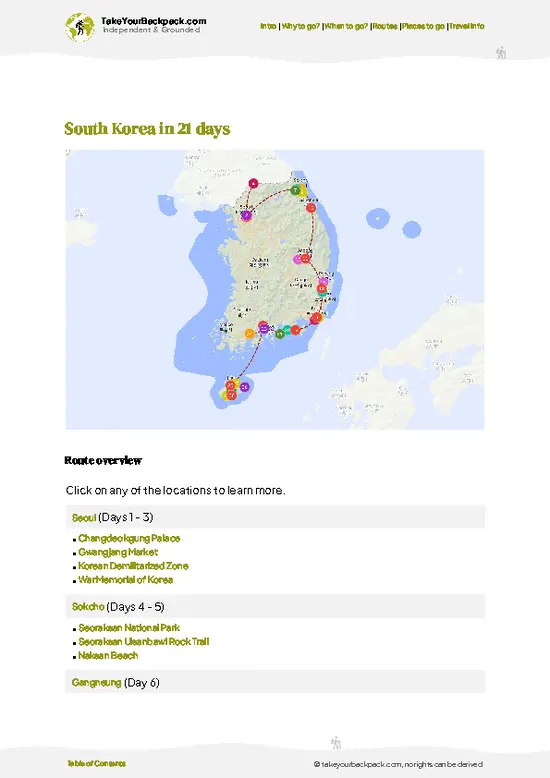
- Jinjuseong (진주성) — Jinju Fortress: A real, walkable fortress complex on the Namgang river with rebuilt walls, artillery displays and strong historical vibes from the Imjin War; great for sunset views and imagining the sieges that made the city famous.
- Chokseoknu Pavilion (촉석루): The wooden pavilion sitting over the river inside Jinjuseong — one of Korea’s classic pavilions. The view across Namgang is iconic, and the pavilion itself is full of plaques and poetry tying place to history.
- Nongae Statue & Uiam Park (논개 의암): The famed Nongae memorial where the courtesan’s story from the 1590s is commemorated. You’ll get a riverside monument, a small shrine and a very tangible local legend that Jinju leans on proudly.
- Namgang River & Riverside Park (남강): Stroll the riverbank, take a short boat
- Jinjuseong (진주성) — Jinju Fortress: A real, walkable fortress complex on the Namgang river with rebuilt walls, artillery displays and strong historical vibes from the Imjin War; great for sunset views and imagining the sieges that made the city famous.
- Chokseoknu Pavilion (촉석루): The wooden pavilion sitting over the river inside Jinjuseong — one of Korea’s classic pavilions. The view across Namgang is iconic, and the pavilion itself is full of plaques and poetry tying place to history.
- Nongae Statue & Uiam Park (논개 의암): The famed Nongae memorial where the courtesan’s story from the 1590s is commemorated. You’ll get a riverside monument, a small shrine and a very tangible local legend that Jinju leans on proudly.
- Namgang River & Riverside Park (남강): Stroll the riverbank, take a short boat ride or visit during the Namgang Yudeung (Lantern) Festival — the riverside is the experiential heart of Jinju and lovely for evening walks and river views.
- Jinju National Museum (국립진주박물관): Focused on local archaeology and the Jinju sieges, it’s compact but well-curated — helpful context if you want to understand the city’s material culture and wartime history.
- Jinju Jungang Market (진주중앙시장): A lively traditional market where you can eat local street-food (try regional banchan and snacks), shop for Jinju specialties and soak up everyday local life — better than a tourist food court.
- Jinju Hyanggyo (진주향교): The old Confucian academy — low-key, peaceful and instructive. Good place to see classical architecture, stone monuments and how education and ritual shaped the town.
- Jinju Gaeksa (진주 객사): The former government guesthouse/official reception hall — a straightforward slice of Joseon-era civic architecture and ceremonies; it’s small but helps fill in how the city ran administratively.
- Jinju Culture & Arts Center (진주문화예술회관): Contemporary performances, rotating exhibitions and occasional festivals — useful if you want live music, theater or local modern art tied to Jinju’s present-day culture.
- Heo Gyun / Local Literary Sites (허균 관련 유적): Jinju celebrates local writers (notably Heo Gyun) with small memorials and museum touches around the city; good for travelers who like literary history and local storytelling framed in place.
Spotted a mistake or missing something? Contact us.


 Best Backpacking
.jpg) Hi, I’m Johan (Netherlands 🇳🇱), the creator of TakeYourBackpack. Over the past 3 decades, I’ve backpacked through 90+ countries across six continents, gaining extensive experience with independent travel, long-term trips, and overland routes.
Hi, I’m Johan (Netherlands 🇳🇱), the creator of TakeYourBackpack. Over the past 3 decades, I’ve backpacked through 90+ countries across six continents, gaining extensive experience with independent travel, long-term trips, and overland routes.