×

South Korea🇰🇷 | citiesGwangyangSteelworks, plum blossom groves, riverside parks | things to do and best time to go

Explore GeojeExplore Jecheon

Backpacking in Gwangyang
👌 Worth visitingcity ranked #31
By Johan Kruseman 🇳🇱 | Updated September 23, 2026

Most people only realize after leaving that Gwangyang is where you finally get quiet, cheap coastal Korea and fast access to big-ticket sights like Suncheon Bay and Yeosu without paying their premiums. Sitting on the south coast between those two better-known cities, it’s a work-first steel town with cherry blossoms, riverside bike paths, and Maehwa Village views rather than postcard charm. Backpacking here is low-cost, safe, and logistically easy by bus or train, but nightlife and hostel culture are thin, so you trade instant social buzz for a more local, industrial-port vibe that feels real, if not conventionally pretty.

Discover everything you want to know in the 📖 South Korea Travel Guide.


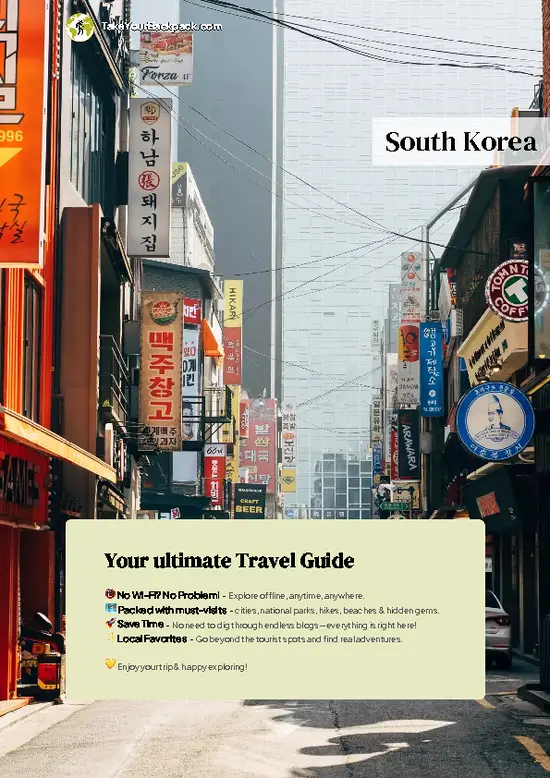
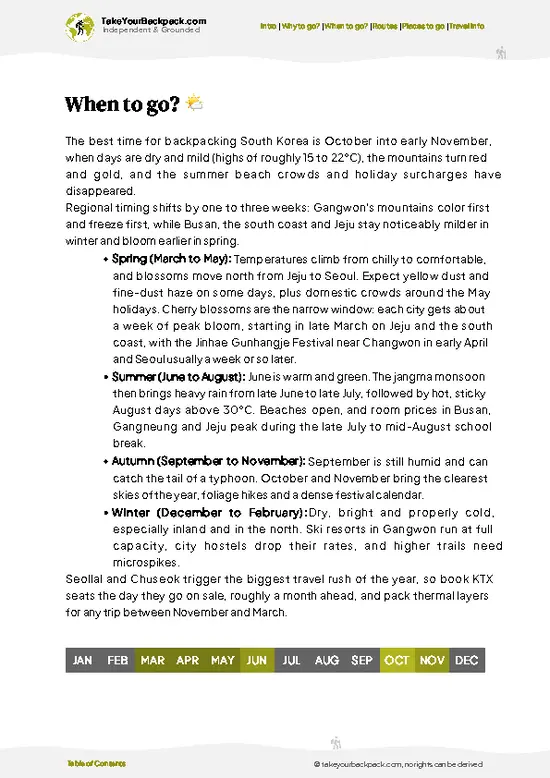
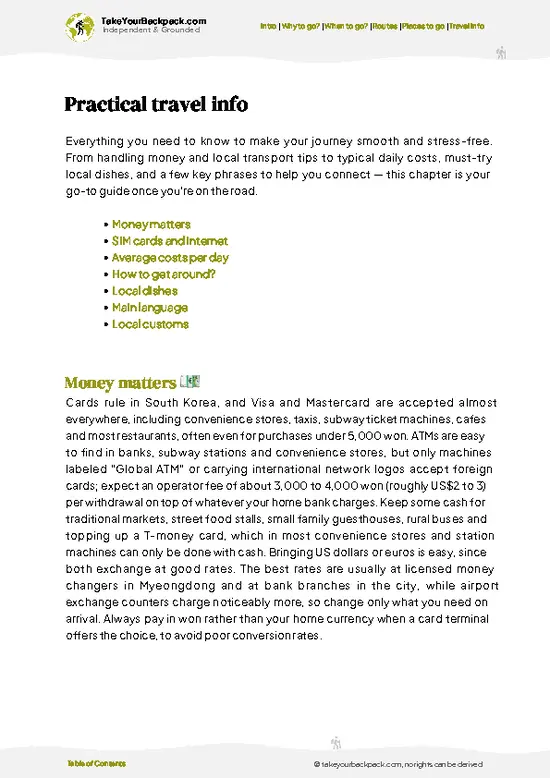
example page 0 from our offline Travel Guide for South Korea
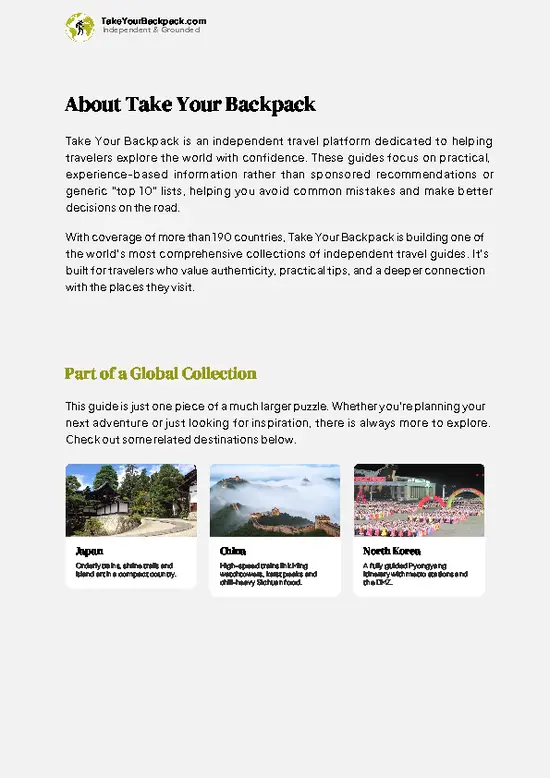
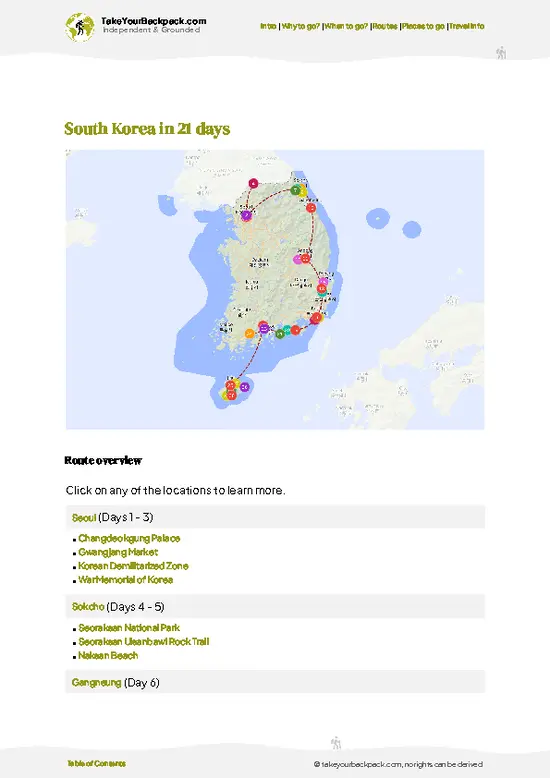
example page 1 from our offline Travel Guide for South Korea
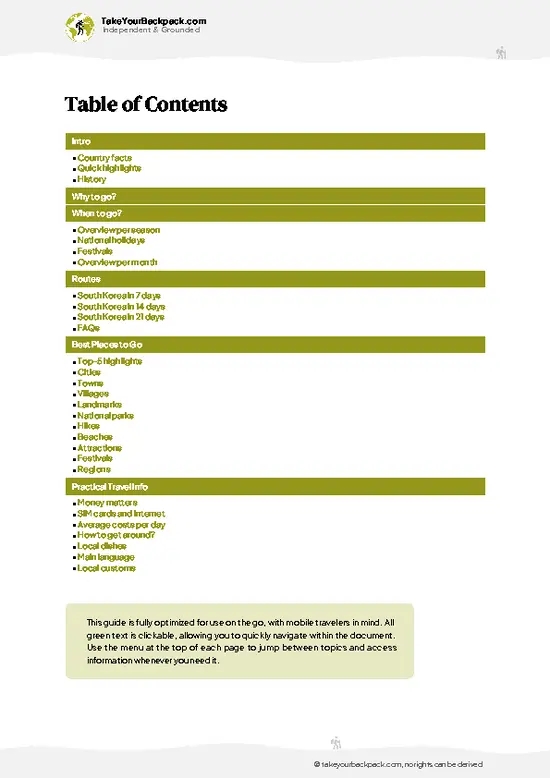
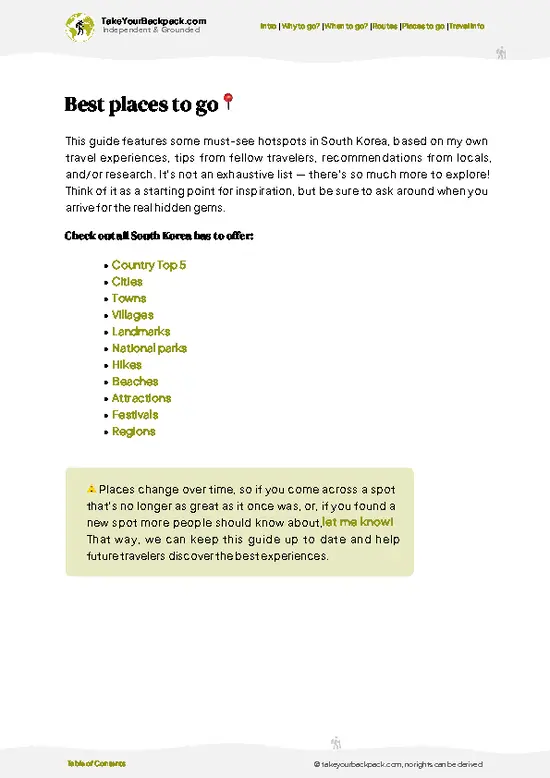
example page 2 from our offline Travel Guide for South Korea
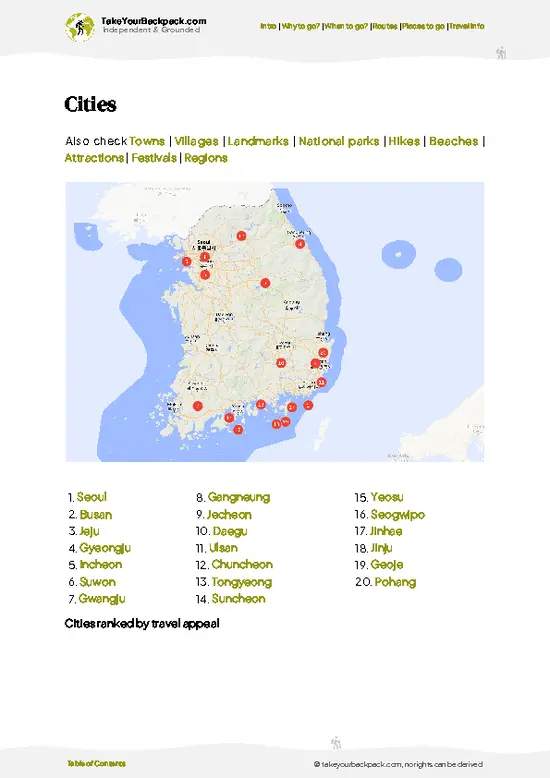
example page 3 from our offline Travel Guide for South Korea
example page 4 from our offline Travel Guide for South Korea
example page 5 from our offline Travel Guide for South Korea
example page 6 from our offline Travel Guide for South Korea
example page 7 from our offline Travel Guide for South Korea
Loading the map 🌍
CLICK TO FILTER
cities
towns
villages
landmarks
national parks
hikes
beaches
attractions
festivals
regions
SHOW COUNTRY’S BESTSHOW ALL

✨ Why go?
Ranked #31 city in South Korea
The unique appeal for travelers

Gwangyang is a strategic stop for backpackers navigating South Korea. Its affordable hostels make it easy to settle in without breaking the bank. The city’s walkability allows you to explore local markets and street food stalls, where you can savor authentic flavors without spending much. Gwangyang serves as a basecamp for day trips to nearby attractions, maximizing your time and minimizing hassle. While the nightlife is low-key, it offers a chance to unwind with locals. If you’re after a blend of convenience and cultural immersion, Gwangyang fits the bill, making it a worthy addition to your route.

💡 HighlightsThe experiences that define the visit

  • POSCO Gwangyang Steelworks — one of the world’s largest steel complexes; the visitor center and organized tours let you see blast furnaces, rolling mills, and the huge harbor operations that shaped the city’s modern economy.
  • Gwangyang Maehwa Village (Plum Blossom Fields) — legendary early-spring plum blossoms and the annual Maehwa Festival; walking the blossom-lined lanes and tasting seasonal street food is a local rite of passage.
  • Gwangyang Central Market & Bulgogi Quarter — lively traditional market plus clusters of restaurants serving authentic Gwangyang bulgogi, the city’s signature grilled-beef style; perfect for sampling local flavors and watching daily life.
  • Gwangyang Port and Waterfront Parks — working port with promenades, fishing piers, and sunset views over the bay; good for
… read more 👉
  • POSCO Gwangyang Steelworks — one of the world’s largest steel complexes; the visitor center and organized tours let you see blast furnaces, rolling mills, and the huge harbor operations that shaped the city’s modern economy.
  • Gwangyang Maehwa Village (Plum Blossom Fields) — legendary early-spring plum blossoms and the annual Maehwa Festival; walking the blossom-lined lanes and tasting seasonal street food is a local rite of passage.
  • Gwangyang Central Market & Bulgogi Quarter — lively traditional market plus clusters of restaurants serving authentic Gwangyang bulgogi, the city’s signature grilled-beef style; perfect for sampling local flavors and watching daily life.
  • Gwangyang Port and Waterfront Parks — working port with promenades, fishing piers, and sunset views over the bay; good for easy walks, watching ship traffic, and snapping coastal photos.
  • Seomjin River Estuary and Riverside Trails — the river mouth and nearby embankments offer birdwatching, cycling routes, and quiet rural scenery that contrast the industrial side of Gwangyang.
A few excellent day trips nearby are Yeosu (Odongdo island and the Yeosu cable car), Suncheon (Suncheonman Bay Wetland Reserve), and Boseong (the famous green-tea fields).
Spotted a mistake or missing something? Contact us.

Things to do near Gwangyang

Ratings based on Tripadvisor reviews. When you book through this link, you support our work at no extra cost to you.

🏘️ NeighborhoodsHow different areas shape the experience

Gwangyang offers a unique blend of culture and convenience for backpackers. Here’s how the neighborhoods stack up:

Gwangyang City Center: This is the heartbeat of the city. It’s bustling, with plenty of eateries and shops. Affordable accommodations are abundant, making it ideal for longer stays. Walkability is high, but nightlife is low-key. Public transport connects easily to other areas.

Yeongam: A quieter area, perfect for those seeking a peaceful retreat. It’s less touristy, offering a more authentic experience. Costs are lower here, but amenities are limited. Great for short stays if you want to recharge.

Gwangyang Port: A vibrant area with a mix of locals and travelers. It’s lively, especially in the evenings, with seafood markets and casual bars. While it can be pricier, the atmosphere is worth it for a night out.

⌛️ 1 dayWhat you can realistically do in a day

Gwangyang, South Korea, is a city where the charm of traditional culture meets the vibrancy of modern life. Start your day at the Gwangyang Maehwa Village, famous for its stunning plum blossoms in spring. Stroll through the fragrant orchards, soaking in the serene atmosphere.

Afterward, head to the Gwangyang Port area for lunch. Try some local seafood at a small eatery; the grilled mackerel is a must. The waterfront views are a bonus.

In the afternoon, visit the Gwangyang Confucian School, a hidden gem that showcases the city’s educational heritage. The tranquil grounds invite you to reflect and appreciate the history.

As evening approaches, make your way to the Gwangyang Night Market. Here, the lively stalls offer everything from street food to handmade crafts. Grab some spicy tteokbokki … read more 👉
Gwangyang, South Korea, is a city where the charm of traditional culture meets the vibrancy of modern life. Start your day at the Gwangyang Maehwa Village, famous for its stunning plum blossoms in spring. Stroll through the fragrant orchards, soaking in the serene atmosphere.

Afterward, head to the Gwangyang Port area for lunch. Try some local seafood at a small eatery; the grilled mackerel is a must. The waterfront views are a bonus.

In the afternoon, visit the Gwangyang Confucian School, a hidden gem that showcases the city’s educational heritage. The tranquil grounds invite you to reflect and appreciate the history.

As evening approaches, make your way to the Gwangyang Night Market. Here, the lively stalls offer everything from street food to handmade crafts. Grab some spicy tteokbokki and enjoy the buzz of local life.

This day in Gwangyang balances culture, cuisine, and community, making it a rewarding experience without the tourist rush.

🌤️ When to go?Best time to visit Gwangyang

  • Weather: Spring (April-May) and autumn (September-October) offer mild, dry conditions—perfect for hiking and exploring without sweating buckets or battling rainstorms.
  • Temperature: Spring and autumn average 15-22°C (59-72°F), striking a balance between chilly and sweltering. Summer spikes to 28-32°C (82-90°F), often humid, while winter dips below freezing.
  • Daylight Hours: Longer days in late spring and early autumn give you 12-14 hours of light, maximizing your adventure window without rushing.
  • Crowds: Peak summer draws domestic tourists, especially around Gwangyang’s famous cherry blossom and tea festivals, so expect busy trails and higher prices.
  • Seasonal Activities: Cherry blossoms bloom in April, and the Gwangyang Maehwa Festival in March is a cultural highlight. Autumn brings vibrant
… read more 👉
  • Weather: Spring (April-May) and autumn (September-October) offer mild, dry conditions—perfect for hiking and exploring without sweating buckets or battling rainstorms.
  • Temperature: Spring and autumn average 15-22°C (59-72°F), striking a balance between chilly and sweltering. Summer spikes to 28-32°C (82-90°F), often humid, while winter dips below freezing.
  • Daylight Hours: Longer days in late spring and early autumn give you 12-14 hours of light, maximizing your adventure window without rushing.
  • Crowds: Peak summer draws domestic tourists, especially around Gwangyang’s famous cherry blossom and tea festivals, so expect busy trails and higher prices.
  • Seasonal Activities: Cherry blossoms bloom in April, and the Gwangyang Maehwa Festival in March is a cultural highlight. Autumn brings vibrant foliage, ideal for photography and quiet hikes.
  • Price Fluctuations: Accommodation and transport costs spike during festivals and summer holidays. Shoulder seasons (spring and autumn) offer better deals and fewer tourists.
Pro-tip: Aim for late April or early October to dodge crowds, enjoy crisp weather, and snag better prices—your backpacker’s sweet spot.


source: climatestotravel.comJANJanuary: fair for travelingFEBFebruary: fair for travelingMARMarch: good for travelingAPRApril: excellent for travelingMAYMay: excellent for travelingJUNJune: good for travelingJULJuly: fair for travelingAUGAugust: fair for travelingSEPSeptember: highly recommended for travelingOCTOctober: excellent for travelingNOVNovember: good for travelingDECDecember: fair for traveling
when-to-go

✈️ The backpacker research shortcutSouth Korea Travel Guide

An offline-friendly backpacking guide with optimized travel routes, ranked highlights, transport advice, and the best areas to stay.
example page 0 from our offline Travel Guide for South Korea
example page 1 from our offline Travel Guide for South Korea
example page 2 from our offline Travel Guide for South Korea
example page 3 from our offline Travel Guide for South Korea
example page 4 from our offline Travel Guide for South Korea
example page 5 from our offline Travel Guide for South Korea
example page 6 from our offline Travel Guide for South Korea
example page 7 from our offline Travel Guide for South Korea
The digital guide (419 pages) contains:
✅ 117 highlights, ranked by travel appeal
✅ Optimized 7, 14 & 21-day travel routes
✅ Cities, national parks, landmarks, beaches
✅ How to get around
✅ Offline-friendly for travel without Wi-Fi
👉 Click to see all 30+ guide features

📅 Plan smarter in minutes, not weeks
✅ Month by month travel advice
✅ Festivals & national holidays
✅ Budget expectations

🗺️ Go to the right places, skip the overrated ones
✅ Honest pros & cons of destinations
✅ Top hikes, parks & viewpoints
✅ Lesser-known places most travelers miss
✅ Clear “worth it vs skip it” guidance

🛏️ Travel smoothly without rookie mistakes
✅ Best areas to stay
✅ Transport systems explained simply
✅ Common scams & safety advice
✅ SIM cards, money & practical tips

🌍 Understand the country, not just visit it
✅ Culture & traditions
✅ 52 Essential phrases & customs
✅ Festivals worth planning around
✅ Traveler-friendly historical context
✅ Insights that make places more meaningful

📱 Built for real travel conditions
✅ Fully downloadable PDF
✅ Works completely offline
✅ Optimized for phone use
✅ Useful in remote areas & buses
✅ Everything in one place
Stop searching, start planning
Get instant access to your full guide. 30‑day money-back guarantee.
+ Add another guide for just

By proceeding you agree to our terms.
Sent to your inbox immediately after payment • 100% Secure Checkout
Best Backpacking Travel Advisor 2025 tourism awardBest Backpacking
Travel Advisor
2025
What others say about Take Your Backpack Guides:
⭐⭐⭐⭐⭐
Fantastic, amazing amount of information!
⭐⭐⭐⭐⭐
My goodness this is amazing, it's what I've been looking for hats off too you!
⭐⭐⭐⭐⭐
I think this is absolutely BRILLIANT
⭐⭐⭐⭐
Very complete and informative. It's still missing places, but I gotta to commend you
⭐⭐⭐⭐⭐
This is truly amazing, thank you, can't wait to explore it with my kids!
⭐⭐⭐⭐⭐
Awesome resource, thank you!
⭐⭐⭐⭐⭐
This is amazing! Can't wait to explore the ones I haven't seen
⭐⭐⭐⭐
I love this! Well done, great idea.
⭐⭐⭐⭐⭐
Thanks for taking the time to make this gem!
⭐⭐⭐⭐⭐
This might be the best website I've ever seen.
⭐⭐⭐⭐⭐
Congratulations, and thank you so much for your work; it's incredibly valuable.
⭐⭐⭐⭐
In all seriousness I think you did a great job pointing out the important spots
⭐⭐⭐⭐⭐
10/10 very good
⭐⭐⭐⭐⭐
As someone who's only just starting to visit regularly this is awesome, thank you.
⭐⭐⭐⭐
Thank you very much! I'm going to visit my dad, it's going to be very useful!
⭐⭐⭐⭐⭐
This is really cool! We'll be travelling for the first time and this definitely come in handy.
⭐⭐⭐⭐⭐
You are now our minister of culture, congratulations 👨‍💼
⭐⭐⭐⭐⭐
Just wanted to tell you that this is a pearl! Going to follow your recommendations.
⭐⭐⭐⭐⭐
This is so cool. I'll definitely be using the resource for my travels soon.
⭐⭐⭐⭐⭐
This is very impressive! Good work.
⭐⭐⭐⭐⭐
This is an amazing and informative site. Very well done!

🛏️ Where to stay?How to pick the right area

In Gwangyang, the sweet spot for backpackers is the city center near Gwangyang Station. This area nails the balance between safety and social buzz, making it a magnet for solo travelers and budget explorers. Hostels cluster here, offering affordable beds without sacrificing convenience. You’re steps from local markets, street food stalls, and public transit, so you save time and money while soaking in authentic daily life. Compared to quieter residential zones, this neighborhood pulses with energy but stays manageable—no overwhelming crowds or sketchy corners. It’s the kind of place where you … read more 👉
In Gwangyang, the sweet spot for backpackers is the city center near Gwangyang Station. This area nails the balance between safety and social buzz, making it a magnet for solo travelers and budget explorers. Hostels cluster here, offering affordable beds without sacrificing convenience. You’re steps from local markets, street food stalls, and public transit, so you save time and money while soaking in authentic daily life. Compared to quieter residential zones, this neighborhood pulses with energy but stays manageable—no overwhelming crowds or sketchy corners. It’s the kind of place where you can easily strike up conversations, recharge, and plot your next move without burning your budget or your patience.

🚌 Getting aroundMoving around without the hassle

Gwangyang moves at its own rhythm—less a strict timetable and more a pulse you catch by watching the locals. It’s not a city where everything clicks like clockwork, but neither is it a free-for-all chaos. Instead, it’s a blend: buses and trains run on schedules, but expect some wiggle room, especially outside peak hours. The real flow here is about reading the moment, knowing when to hop on a bus or just stretch your legs and walk. Your choices boil down to a trade-off between saving time, saving money, or grabbing a bit more comfort—and each option nudges you closer to a different experience of the city.
  • Walking: The cheapest and most flexible way to explore Gwangyang’s compact downtown. No schedule, no cost, but expect to spend energy and time—perfect if you want to soak in street-level
… read more 👉
Gwangyang moves at its own rhythm—less a strict timetable and more a pulse you catch by watching the locals. It’s not a city where everything clicks like clockwork, but neither is it a free-for-all chaos. Instead, it’s a blend: buses and trains run on schedules, but expect some wiggle room, especially outside peak hours. The real flow here is about reading the moment, knowing when to hop on a bus or just stretch your legs and walk. Your choices boil down to a trade-off between saving time, saving money, or grabbing a bit more comfort—and each option nudges you closer to a different experience of the city.
  • Walking: The cheapest and most flexible way to explore Gwangyang’s compact downtown. No schedule, no cost, but expect to spend energy and time—perfect if you want to soak in street-level details and local life.
  • City Bus: Runs roughly from 5:30 AM to 10:30 PM, fares around 1,250 KRW. Slower than a taxi but reliable and budget-friendly. Comfort is basic, but you get a window seat on quieter routes.
  • Intercity Bus: Connects Gwangyang to nearby cities like Suncheon and Yeosu. First buses start around 6 AM, last around 9 PM. Tickets cost 3,000-5,000 KRW. Faster than city buses, with more legroom, but less frequent.
  • Taxi: Available 24/7, starting fare about 3,800 KRW. Fast and comfortable but pricey compared to public transit. Best for late-night trips or when you’re carrying heavy gear.
  • Train (Mugunghwa Line): Runs several times daily, connecting Gwangyang to major hubs. Tickets vary but expect around 5,000 KRW. Comfortable seats and scenic views, but schedules are limited—plan ahead.

👛 Costs (as of 23 September 2026)Money, prices, and spending tips

Backpacking in Gwangyang, South Korea, offers a mix of affordability and convenience, but understanding the cost trade-offs is key to making smart choices.
  • Dorm Accommodation (High Season): Expect to pay around $15 to $25 per night. High season, typically spring and fall, pushes prices up due to demand, especially near popular spots or during festivals.
  • Dorm Accommodation (Off-Season): In quieter months, prices drop to about $10 to $18. You might find fewer options open, but the savings can be significant if you’re flexible.
  • Meals: Street food and local eateries will cost you roughly $5 to $10 per day if you stick to simple Korean dishes like bibimbap or kimbap. Eating at mid-range restaurants or cafes bumps this to $12-$20.
  • Local Transport: Bus fares within Gwangyang are generally low,
… read more 👉
Backpacking in Gwangyang, South Korea, offers a mix of affordability and convenience, but understanding the cost trade-offs is key to making smart choices.
  • Dorm Accommodation (High Season): Expect to pay around $15 to $25 per night. High season, typically spring and fall, pushes prices up due to demand, especially near popular spots or during festivals.
  • Dorm Accommodation (Off-Season): In quieter months, prices drop to about $10 to $18. You might find fewer options open, but the savings can be significant if you’re flexible.
  • Meals: Street food and local eateries will cost you roughly $5 to $10 per day if you stick to simple Korean dishes like bibimbap or kimbap. Eating at mid-range restaurants or cafes bumps this to $12-$20.
  • Local Transport: Bus fares within Gwangyang are generally low, around $0.80 to $1.20 per ride. If you plan multiple trips, this adds up but remains budget-friendly.
  • City Transport Pass: A daily transport pass, if available, might cost around $3 to $5, offering unlimited rides and convenience, which can be a smart move if you’re hopping around a lot.
  • Basic Activities/Entry Fees: Many local attractions are free or charge minimal fees, typically $2 to $5. Museums, parks, and cultural sites fall into this range, making it easy to explore without breaking the bank.
  • Miscellaneous Expenses: This covers essentials like bottled water, snacks, or occasional laundry—budget around $3 to $7 daily. It’s the buffer that keeps your trip smooth without surprises.

Add it all up, and you’re looking at a daily budget between $25 and $50, depending on your season and style. The trade-off is clear: spend a bit more on comfort and convenience, or save by embracing local simplicity and off-peak timing. Either way, Gwangyang’s costs stay manageable, letting you focus on the experience rather than the expense.


source: english.visitkorea.or.kr
⚠️ Prices can change and everyone travels differently, so take this as a rough guide. Hope it helps you plan your adventure!

🚌 Day tripsExploring the surroundings

Gwangyang is a fantastic base for day trips that offer a taste of South Korea’s diverse landscapes and culture. Here are some standout options.

Suncheon Bay
Just a 30-minute bus ride from Gwangyang, Suncheon Bay is a must-see for its stunning wetlands and vibrant reed fields. The bay is home to a variety of migratory birds, making it a paradise for nature lovers. The entrance fee is minimal, and you can easily spend a few hours walking the scenic trails. Spring and autumn are ideal for visiting, as the colors are breathtaking. A common mistake is underestimating the time needed to explore; plan for at least half a day.
👉 Explore Suncheon Bay

Boseong Green Tea Fields
About an hour away, the Boseong Green Tea Fields are a feast for the senses. The rolling hills covered in lush green tea … read more 👉
Gwangyang is a fantastic base for day trips that offer a taste of South Korea’s diverse landscapes and culture. Here are some standout options.

Suncheon Bay
Just a 30-minute bus ride from Gwangyang, Suncheon Bay is a must-see for its stunning wetlands and vibrant reed fields. The bay is home to a variety of migratory birds, making it a paradise for nature lovers. The entrance fee is minimal, and you can easily spend a few hours walking the scenic trails. Spring and autumn are ideal for visiting, as the colors are breathtaking. A common mistake is underestimating the time needed to explore; plan for at least half a day.
👉 Explore Suncheon Bay

Boseong Green Tea Fields
About an hour away, the Boseong Green Tea Fields are a feast for the senses. The rolling hills covered in lush green tea plants create a serene atmosphere. You can sip fresh green tea while enjoying the view, and the entrance is free. Late spring is the best time to visit, as the tea is freshly harvested. Many first-timers miss the chance to hike the trails that offer panoramic views, so don’t skip those!


Yeosu
A quick 40-minute bus ride will take you to Yeosu, a coastal city known for its beautiful harbor and vibrant seafood scene. Stroll along the waterfront, visit the aquarium, or take a cable car for stunning views. Budget around $20 for food and activities. Summer is bustling, but spring and fall offer pleasant weather without the crowds. A common mistake is sticking to the harbor; venture into the local markets for authentic experiences.
👉 Explore Yeosu

🍲 FoodEating & Drinking in Gwangyang

Gwangyang is a culinary playground for backpackers. Dive into Gwangyang bulgogi, marinated beef grilled to perfection, with a smoky flavor that dances on your palate. Street vendors serve up tteokbokki, spicy rice cakes that are a must-try, especially when paired with a cold soju.

Markets buzz with energy, offering fresh seafood and local produce. Grab a seat at a casual eatery where sharing is the norm; it’s all about community here. Don’t forget to try makgeolli, a traditional rice wine, often enjoyed in cozy, rustic bars. Embrace the local custom of toasting with “geonbae” — it’s all part of the experience!

🛡️ SafetySafety Tips and Common Scams in Gwangyang

Gwangyang is generally safe, but like any city, it has its quirks. Stay alert in crowded areas, especially near markets where pickpockets might lurk. If you’re solo and out at night, stick to well-lit streets and avoid wandering into quieter neighborhoods.

Scams are rare, but be cautious of overly friendly locals offering unsolicited help—sometimes it leads to a pushy sales pitch. Carry yourself confidently, and don’t hesitate to say no. Embrace the local vibe, and you’ll navigate Gwangyang with ease.

FAQTraveler FAQ

2 to 3 days are sufficient to explore Gwangyang. This allows time to visit the Gwangyang Maehwa Village during the plum blossom season in March and explore the scenic Jirisan Mountain nearby. Additional days may be needed if planning to hike extensively or visit surrounding areas.
Yes, Gwangyang is generally safe for solo backpackers. The city has low crime rates and a friendly local population. Standard precautions like avoiding poorly lit areas at night and securing belongings are recommended.
Gwangyang is known for its steel industry, particularly the POSCO steelworks, one of the largest in the world. It is also famous for the Gwangyang Maehwa Festival, celebrating the blooming of plum blossoms in early spring.
⚠️ Things can change over time, so always validate details locally before you go.

Other South Korean cities near Gwangyang

Explore more nearby:

  • Suncheon—Wetland reserve, reed fields, eco-park| 10 km away
  • Yeosu—Cable car, night markets, coastal promenade| 25 km away
  • Sacheon—Aerospace museum, tidal flats, fishing harbors| 46 km away

💡 Not sure where to go next?
Create a personalized itinerary for South Korea including Gwangyang and the places that fit your trip.

Generate my itinerary

👉 Discover all cities

Or checkout all South Korea has to offer (think cities, towns, villages, national parks, hikes, beaches, festivals)
Country photo of South Korea

We 💚 feedbackWhat to keep in mind

Gwangyang has a chill vibe that feels like a secret. The best surprise? The local food scene—especially the grilled mackerel. Just a heads-up: the public transport can be a bit tricky, so plan your routes ahead. It’s worth the effort.

✍️ Help improve this page!
The information on this page is based on in-depth research, insights shared by experienced travelers, and feedback from the local travel community in South Korea. While every effort is made to keep the information accurate and current, conditions can change — so if you spot anything incorrect or outdated, please get in touch.


🙋‍♂️ Give feedback

👋 Meet the founderWho’s Behind Take Your Backpack?

Johan, backpacker and founder of TakeYourBackpackHi, I’m Johan (Netherlands 🇳🇱), the creator of TakeYourBackpack. Over the past 3 decades, I’ve backpacked through 90+ countries across six continents, gaining extensive experience with independent travel, long-term trips, and overland routes.

This site is built on a combination of firsthand travel experience and carefully curated insights from other backpackers. Many guides are based on places I’ve personally visited, while others bring together tips, observations, and practical advice shared by trusted travelers I’ve met along the way.

The goal is to provide realistic, experience-driven guidance — not generic itineraries — so you can explore destinations with better context, clearer expectations, and more confidence.