v2.webp)
- Akobo riverbank on the Pibor: The town’s main stage, with fishing canoes, women washing clothes and cattle drinking. Go in the morning when it is busiest. Free, 1 hour. Ask before photographing people.
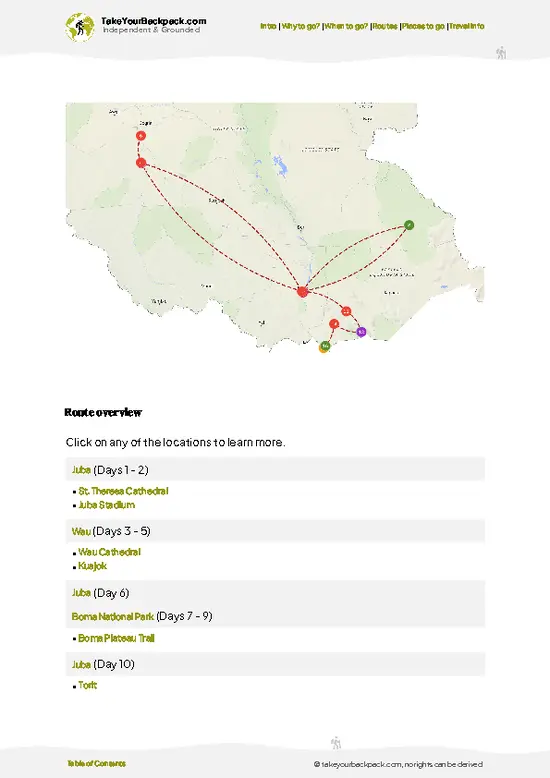
- Akobo market: A modest market of grain, dried fish, tea, soap and goods that arrive from Ethiopia. Mornings are best. Free to wander, with snacks around US$1, and 1 to 2 hours.
- Cattle camps at the edge of town: Nuer life revolves around cattle, and herders tend them with dung smoke fires and ash-dusted skin. Visit with a local guide who can arrange introductions. Expect a small gift or guide fee of US$5 to 15. About 2 hours, best at dawn or late afternoon.
- Tea stalls on the main street: Spiced sweet tea and flatbread show how locals pass the day, and conversation is easy. Cost is US$1 or less,
- Akobo riverbank on the Pibor: The town’s main stage, with fishing canoes, women washing clothes and cattle drinking. Go in the morning when it is busiest. Free, 1 hour. Ask before photographing people.
- Akobo market: A modest market of grain, dried fish, tea, soap and goods that arrive from Ethiopia. Mornings are best. Free to wander, with snacks around US$1, and 1 to 2 hours.
- Cattle camps at the edge of town: Nuer life revolves around cattle, and herders tend them with dung smoke fires and ash-dusted skin. Visit with a local guide who can arrange introductions. Expect a small gift or guide fee of US$5 to 15. About 2 hours, best at dawn or late afternoon.
- Tea stalls on the main street: Spiced sweet tea and flatbread show how locals pass the day, and conversation is easy. Cost is US$1 or less, and an hour fits well in the late afternoon.
- Akobo church compounds: Churches are central to community life, and Sunday services bring song and long gatherings. Visitors are usually welcomed if they ask politely. Free, 1 to 2 hours, with a donation appreciated.
Spotted a mistake or missing something? Contact us.

 Best Backpacking
.jpg) Hi, I’m Johan (Netherlands 🇳🇱), the creator of TakeYourBackpack. Over the past 3 decades, I’ve backpacked through 90+ countries across six continents, gaining extensive experience with independent travel, long-term trips, and overland routes.
Hi, I’m Johan (Netherlands 🇳🇱), the creator of TakeYourBackpack. Over the past 3 decades, I’ve backpacked through 90+ countries across six continents, gaining extensive experience with independent travel, long-term trips, and overland routes.