×

South Sudan🇸🇸 | townsYirollakeshore town, fishing communities, cattle herding | things to do and best time to go

Explore TaliExplore Pochalla

Backpacking in Yirol
👌 Worth visitingtown ranked #16
By Johan Kruseman 🇳🇱 | Updated September 3, 2026

Yirol is not for anyone chasing nightlife, polished cafés, or the kind of comforts you find in Juba or Rumbek. But for backpackers who crave the raw, unfiltered side of South Sudan, Yirol rewards patience. Set in the heart of Lakes State, the town hums with cattle markets and the earthy scent of woodsmoke. It’s a practical stopover—less hectic than Rumbek, more authentic than Awerial—where you’ll trade Wi-Fi for slow evenings and real conversations. Transport is basic, mostly battered minibuses, and you’ll walk everywhere. Costs are low, safety is manageable with local advice, and while you won’t find hostels, you might just find the kind of welcome that makes the dust and heat feel worth it.

Discover everything you want to know in the 📖 South Sudan Travel Guide.
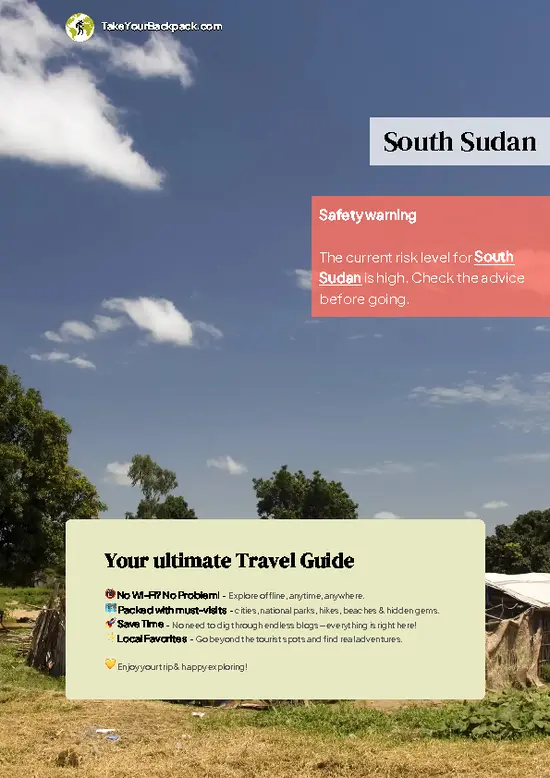
Safety warning

The current risk level for South Sudan is high. Check the advice before going.


Get your South Sudan guide
68 ranked highlights, routes & tips, works offline (270 pages)
Loading the map 🌍
CLICK TO FILTER
cities
towns
landmarks
national parks
hikes
attractions
festivals
regions
SHOW COUNTRY’S BESTSHOW ALL

✨ Why go?
Ranked #16 town in South Sudan
Why visitors keep coming back

Yirol serves as a gateway for backpackers exploring South Sudan’s rugged beauty. Its walkable streets invite you to wander, while small-scale hostels and guesthouses offer a cozy base. The local food is a treat—think spicy stews and fresh fish from nearby lakes. Hikers appreciate the convenience of accessing trails that lead to stunning landscapes. Travelers often linger a few days, soaking in the friendly atmosphere and connecting with locals. This town suits slow travelers and solo adventurers looking for a genuine experience, making it a worthwhile stop rather than just a fleeting visit.
Want to include Yirol in your South Sudan route?
Create a personalized South Sudan itinerary that includes Yirol and the places that fit your trip — based on your travel style, budget, and available time. Get your route in seconds.

Generate my trip

💡 HighlightsWhat this place is best known for

  • Yirol Central Market — The beating heart of town: fresh fish, smoked drying racks, vegetables, fabric and the best place to watch daily commerce and meet traders from surrounding villages.
  • Yirol Airstrip (Yirol Airport) — A small, functional airstrip used by charter and aid flights; useful to see the town from above, grab a quick photo and feel the logistics side of life here.
  • Lake shoreline and boat landings — The town’s shoreline and landing spots for local dugout canoes: great for short boat rides, sunrise/sunset photography and seeing how fishing shapes daily life.
  • Fish-drying yards and smokehouses — Where the catch gets processed: informal smokehouses and drying racks are a working cultural scene worth visiting to learn local techniques and taste the results.
  • Cattle market / stockyards
read more 👉
  • Yirol Central Market — The beating heart of town: fresh fish, smoked drying racks, vegetables, fabric and the best place to watch daily commerce and meet traders from surrounding villages.
  • Yirol Airstrip (Yirol Airport) — A small, functional airstrip used by charter and aid flights; useful to see the town from above, grab a quick photo and feel the logistics side of life here.
  • Lake shoreline and boat landings — The town’s shoreline and landing spots for local dugout canoes: great for short boat rides, sunrise/sunset photography and seeing how fishing shapes daily life.
  • Fish-drying yards and smokehouses — Where the catch gets processed: informal smokehouses and drying racks are a working cultural scene worth visiting to learn local techniques and taste the results.
  • Cattle market / stockyards — An essential Dinka experience inside town limits: trading, bargaining, and the social role of cattle are visible here — noisy, vivid, and very local.
  • Traditional homestead visits (town compounds) — Within or very near the town, visiting a Dinka compound (with permission and a guide) gives a real look at family life, livestock husbandry and crafts.
  • Yirol County administrative compound — The local government hub where you can see county-level administration, catch public noticeboards, and get practical travel information from officials.
  • Health centre / mission clinic — A working community facility that tells an important story about how medical care is delivered here; respectful visits show the reality of services in a small South Sudanese town.
  • Main church and mosque precincts — The town’s main places of worship are social anchors: attend a service (ask first) or observe gatherings to understand faith’s everyday role in Yirol.
  • Local artisan spots and small workshops — Simple leatherwork, basketry and tailoring stalls tucked into market lanes — good for picking up souvenirs made by local hands and seeing traditional skills in practice.
A few real, visitable highlights just outside Yirol that make tidy day trips are the surrounding seasonal lake shores and fishing villages (for more boating and birdlife), nearby Dinka villages for fuller cultural visits, and the larger town of Rumbek for broader markets and regional services.
Spotted a mistake or missing something? Contact us.

🏘️ NeighborhoodsNeighborhood guide to Yirol

Yirol offers a unique blend of culture and community, making it a fascinating stop for backpackers.

Central Yirol: This is the heartbeat of the town. You’ll find bustling markets and local eateries. The vibe is lively, perfect for soaking in daily life. Walkability is high, with most attractions within a short stroll. It’s ideal for short stays, but you can easily settle in for longer if you enjoy the local rhythm.

Lake Yirol Area: A quieter escape, this area is perfect for those seeking tranquility. The lake’s beauty is a reward after a day of exploration. It’s less walkable, so consider a bike or local transport. Great for longer stays, especially if you want to unwind.

Outskirts: More rural, this area offers a glimpse into traditional life. It’s less developed, so expect a slower pace. … read more 👉
Yirol offers a unique blend of culture and community, making it a fascinating stop for backpackers.

Central Yirol: This is the heartbeat of the town. You’ll find bustling markets and local eateries. The vibe is lively, perfect for soaking in daily life. Walkability is high, with most attractions within a short stroll. It’s ideal for short stays, but you can easily settle in for longer if you enjoy the local rhythm.

Lake Yirol Area: A quieter escape, this area is perfect for those seeking tranquility. The lake’s beauty is a reward after a day of exploration. It’s less walkable, so consider a bike or local transport. Great for longer stays, especially if you want to unwind.

Outskirts: More rural, this area offers a glimpse into traditional life. It’s less developed, so expect a slower pace. Transport can be tricky, but the experience is authentic. Best for longer stays if you’re looking to immerse yourself in local culture.

⌛️ 1 dayWhat you can realistically do in a day

Yirol, South Sudan, pulses with life and resilience, a town where the air is thick with the scent of earth after rain and the sounds of laughter echo through the streets. Start your morning at the bustling local market, where vendors display vibrant fruits and handmade crafts. Engage with the friendly locals; their stories are as rich as the colors around you.

In the afternoon, take a stroll through the serene neighborhoods, particularly around the lakeside. The shimmering waters of Lake Yirol offer a peaceful backdrop for reflection. If you’re feeling adventurous, visit the nearby fishing village, a spot often overlooked by tourists. Here, you can witness traditional fishing methods and perhaps even join in.

As evening falls, head to a local eatery for a taste of traditional dishes like … read more 👉
Yirol, South Sudan, pulses with life and resilience, a town where the air is thick with the scent of earth after rain and the sounds of laughter echo through the streets. Start your morning at the bustling local market, where vendors display vibrant fruits and handmade crafts. Engage with the friendly locals; their stories are as rich as the colors around you.

In the afternoon, take a stroll through the serene neighborhoods, particularly around the lakeside. The shimmering waters of Lake Yirol offer a peaceful backdrop for reflection. If you’re feeling adventurous, visit the nearby fishing village, a spot often overlooked by tourists. Here, you can witness traditional fishing methods and perhaps even join in.

As evening falls, head to a local eatery for a taste of traditional dishes like kisra and grilled fish. The atmosphere is warm, filled with the chatter of families enjoying their meals. This day in Yirol isn’t just about sights; it’s about connecting with the heart of South Sudan.
Turn your Yirol visit into an South Sudan adventure
Build a complete South Sudan route with Yirol, hidden gems, must-see destinations, and realistic travel times included.

Generate my trip

🌤️ When to go?Seasonal considerations and timing


  • Topic: Weather – Yirol’s dry season from November to February offers clear skies and manageable heat, with daytime temps around 28-32°C (82-90°F). The wet season, June to September, brings heavy rains that turn roads to mud, making travel tough and the air thick with humidity.

  • Topic: Temperature – Nights can dip to 15°C (59°F) in the dry season, so pack layers. The wet season stays warmer but stickier, often hovering near 25°C (77°F) after sunset.

  • Topic: Daylight Hours – Near the equator, daylight is steady year-round, roughly 12 hours. Early mornings and late afternoons provide the best light for exploring without the harsh midday sun.

  • Topic: Crowds – Yirol is off the beaten path, so expect solitude year-round. The dry season sees a slight uptick in visitors, mostly local traders
read more 👉

  • Topic: Weather – Yirol’s dry season from November to February offers clear skies and manageable heat, with daytime temps around 28-32°C (82-90°F). The wet season, June to September, brings heavy rains that turn roads to mud, making travel tough and the air thick with humidity.

  • Topic: Temperature – Nights can dip to 15°C (59°F) in the dry season, so pack layers. The wet season stays warmer but stickier, often hovering near 25°C (77°F) after sunset.

  • Topic: Daylight Hours – Near the equator, daylight is steady year-round, roughly 12 hours. Early mornings and late afternoons provide the best light for exploring without the harsh midday sun.

  • Topic: Crowds – Yirol is off the beaten path, so expect solitude year-round. The dry season sees a slight uptick in visitors, mostly local traders and seasonal workers.

  • Topic: Seasonal Activities – Dry months are prime for fishing and market visits, while the wet season transforms the landscape into lush wetlands, ideal for birdwatching if you can handle the mud.

  • Topic: Price Fluctuations – Costs for guides and transport rise during the dry season due to demand and easier access. The wet season offers bargains but at the expense of comfort and mobility.


Pro-tip: Aim for late dry season—cool mornings, fewer crowds, and vibrant markets—before the rains turn the town into a challenging but rewarding wilderness.


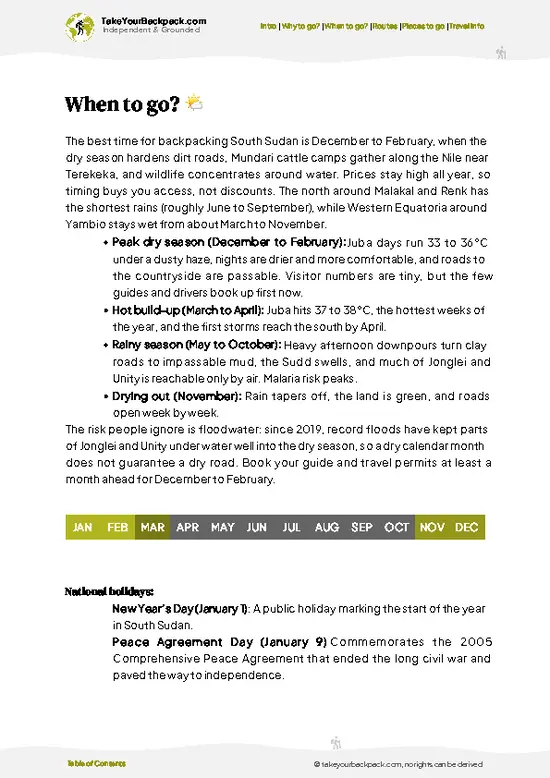
source: climatestotravel.comJANJanuary: excellent for travelingFEBFebruary: excellent for travelingMARMarch: highly recommended for travelingAPRApril: good for travelingMAYMay: good for travelingJUNJune: fair for travelingJULJuly: fair for travelingAUGAugust: fair for travelingSEPSeptember: fair for travelingOCTOctober: good for travelingNOVNovember: highly recommended for travelingDECDecember: excellent for traveling
when-to-go

✈️ The backpacker research shortcutSouth Sudan Travel Guide

An offline-friendly backpacking guide with optimized travel routes, ranked highlights, transport advice, and the best areas to stay.
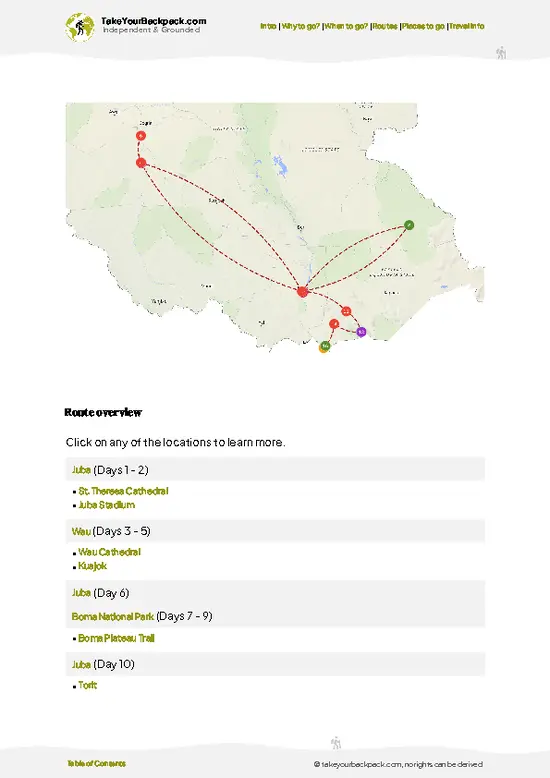
example page 0 from our offline Travel Guide for South Sudan
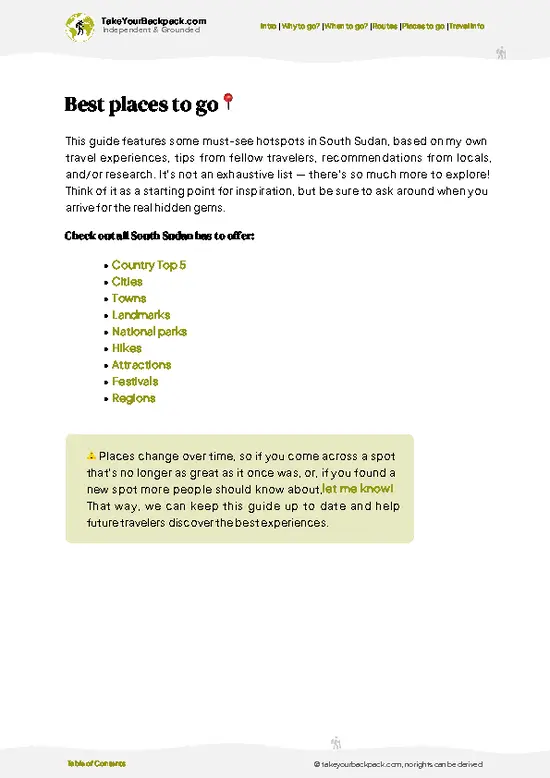
example page 1 from our offline Travel Guide for South Sudan
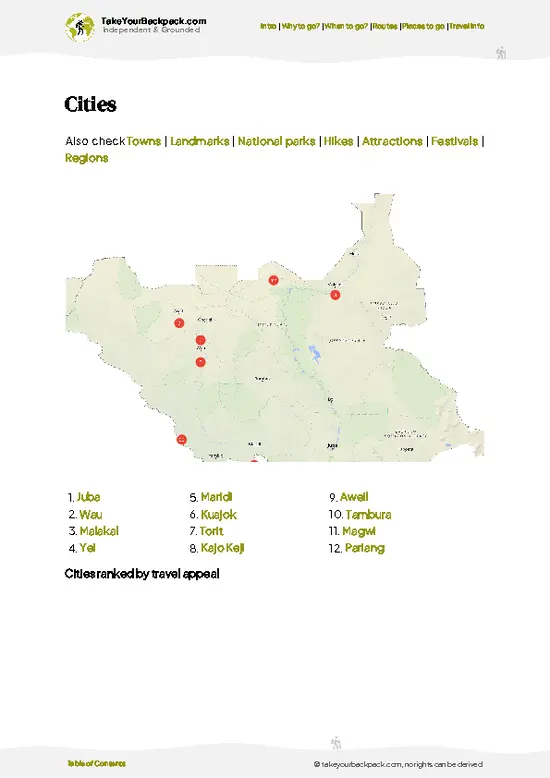
example page 2 from our offline Travel Guide for South Sudan
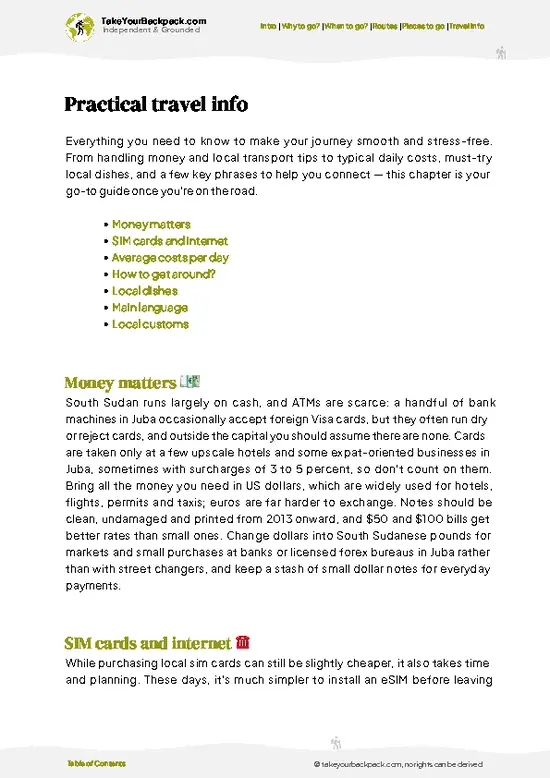
example page 3 from our offline Travel Guide for South Sudan
example page 4 from our offline Travel Guide for South Sudan
example page 5 from our offline Travel Guide for South Sudan
example page 6 from our offline Travel Guide for South Sudan
example page 7 from our offline Travel Guide for South Sudan
The digital guide (270 pages) contains:
68 highlights, ranked by travel appeal
Optimized 5, 10 & 15-day travel routes
Cities, national parks, landmarks, beaches
How to get around
Offline-friendly for travel without Wi-Fi
👉 Click to see all 30+ guide features

📅 Plan smarter in minutes, not weeks
Month by month travel advice
Festivals & national holidays
Budget expectations

🗺️ Go to the right places, skip the overrated ones
Honest pros & cons of destinations
Top hikes, parks & viewpoints
Lesser-known places most travelers miss
Clear “worth it vs skip it” guidance

🛏️ Travel smoothly without rookie mistakes
Best areas to stay
Transport systems explained simply
Common scams & safety advice
SIM cards, money & practical tips

🌍 Understand the country, not just visit it
Culture & traditions
52 Essential phrases & customs
Festivals worth planning around
Traveler-friendly historical context
Insights that make places more meaningful

📱 Built for real travel conditions
Fully downloadable PDF
Works completely offline
Optimized for phone use
Useful in remote areas & buses
Everything in one place
Save weeks of stressful planning
Get instant access to your full guide. 30‑day money-back guarantee.
+ Add another guide for just €6.50

By proceeding you agree to our terms.
Sent to your inbox immediately after payment • 100% Secure Checkout
Best Backpacking Travel Advisor 2025 tourism awardBest Backpacking
Travel Advisor
2025
What others say about Take Your Backpack Guides:
⭐⭐⭐⭐⭐
Fantastic, amazing amount of information!
⭐⭐⭐⭐⭐
My goodness this is amazing, it's what I've been looking for hats off too you!
⭐⭐⭐⭐⭐
I think this is absolutely BRILLIANT
⭐⭐⭐⭐
Very complete and informative. It's still missing places, but I gotta to commend you
⭐⭐⭐⭐⭐
This is truly amazing, thank you, can't wait to explore it with my kids!
⭐⭐⭐⭐⭐
Awesome resource, thank you!
⭐⭐⭐⭐⭐
This is amazing! Can't wait to explore the ones I haven't seen
⭐⭐⭐⭐
I love this! Well done, great idea.
⭐⭐⭐⭐⭐
Thanks for taking the time to make this gem!
⭐⭐⭐⭐⭐
This might be the best website I've ever seen.
⭐⭐⭐⭐⭐
Congratulations, and thank you so much for your work; it's incredibly valuable.
⭐⭐⭐⭐
In all seriousness I think you did a great job pointing out the important spots
⭐⭐⭐⭐⭐
10/10 very good
⭐⭐⭐⭐⭐
As someone who's only just starting to visit regularly this is awesome, thank you.
⭐⭐⭐⭐
Thank you very much! I'm going to visit my dad, it's going to be very useful!
⭐⭐⭐⭐⭐
This is really cool! We'll be travelling for the first time and this definitely come in handy.
⭐⭐⭐⭐⭐
You are now our minister of culture, congratulations 👨‍💼
⭐⭐⭐⭐⭐
Just wanted to tell you that this is a pearl! Going to follow your recommendations.
⭐⭐⭐⭐⭐
This is so cool. I'll definitely be using the resource for my travels soon.
⭐⭐⭐⭐⭐
This is very impressive! Good work.
⭐⭐⭐⭐⭐
This is an amazing and informative site. Very well done!

🛏️ Where to stay?Choosing the right base

In Yirol, the best spot for backpackers is the town center near the market area. It’s where the pulse of daily life beats strongest—vendors shouting, the scent of fresh fish mingling with dusty earth, and locals gathering under acacia trees. This zone is safer thanks to regular foot traffic and informal community watchfulness, which means you can wander without that tight grip of anxiety. Socially, it’s a hub where you’ll bump into other travelers and locals alike, sharing stories over roadside tea stalls. Hostels are sparse but tend to cluster here, offering basic but reliable shelter. Compared … read more 👉
In Yirol, the best spot for backpackers is the town center near the market area. It’s where the pulse of daily life beats strongest—vendors shouting, the scent of fresh fish mingling with dusty earth, and locals gathering under acacia trees. This zone is safer thanks to regular foot traffic and informal community watchfulness, which means you can wander without that tight grip of anxiety. Socially, it’s a hub where you’ll bump into other travelers and locals alike, sharing stories over roadside tea stalls. Hostels are sparse but tend to cluster here, offering basic but reliable shelter. Compared to quieter outskirts, this area gives you a genuine slice of Yirol’s rhythm without sacrificing safety or connection.

🚌 Getting aroundTransportation options and practical tips

Yirol moves at its own rhythm—less a clock-driven town and more a place where the sun’s position and the chatter of locals set the pace. The air carries the scent of earth and smoke from cooking fires, and the streets pulse with a mix of purposeful strides and spontaneous stops. There’s no rush here, but that doesn’t mean you can’t navigate efficiently. Understanding how people get around unlocks a smoother experience, letting you blend in rather than stand out as a confused outsider.


  • Walking: The most reliable and immersive way to get around. Streets are unpaved and can get muddy after rain, so sturdy shoes are a must. Walking lets you catch the subtle shifts in daily life—from market calls to children playing in the dust.

  • Bicycle: A budget-friendly option for covering longer distances
read more 👉
Yirol moves at its own rhythm—less a clock-driven town and more a place where the sun’s position and the chatter of locals set the pace. The air carries the scent of earth and smoke from cooking fires, and the streets pulse with a mix of purposeful strides and spontaneous stops. There’s no rush here, but that doesn’t mean you can’t navigate efficiently. Understanding how people get around unlocks a smoother experience, letting you blend in rather than stand out as a confused outsider.


  • Walking: The most reliable and immersive way to get around. Streets are unpaved and can get muddy after rain, so sturdy shoes are a must. Walking lets you catch the subtle shifts in daily life—from market calls to children playing in the dust.

  • Bicycle: A budget-friendly option for covering longer distances quickly. Rentals are informal and negotiated on the spot, usually costing a few dollars per day. Expect a bumpy ride on uneven terrain but a refreshing breeze and freedom to explore outskirts.

  • Motorbike Taxis (Boda Bodas): These dart through traffic with surprising agility. Fares are cheap but always agree on the price before hopping on. They run from dawn until dusk, offering a faster, if slightly adrenaline-pumping, way to cross town.

  • Shared Minibuses: The main link between Yirol and neighboring towns. Departures are irregular—often leaving when full—so patience is key. Tickets are affordable, and the ride offers a raw, unfiltered glimpse of local life outside the town center.

👛 Costs (as of 3 September 2026)Travel costs and budget guide for Yirol

Backpacking in Yirol, South Sudan, is a raw experience where costs reflect the simplicity and limited infrastructure of the area. Expect basic but functional options, with prices that keep you close to the ground and deeply connected to local rhythms.
  • Dorm Accommodation: Yirol doesn’t have formal hostels or guesthouses like bigger cities. Budget travelers usually find simple rooms in local guesthouses or homestays, often without running water or electricity. Prices hover around $5 to $10 per night, depending on negotiation and season.
  • Meals: Food is straightforward—think staple grains, fresh fish from the nearby lakes, and local vegetables. Street food or small local eateries offer meals for about $2 to $4 each. Cooking your own food is rare due to limited facilities, so plan on eating out.
read more 👉
Backpacking in Yirol, South Sudan, is a raw experience where costs reflect the simplicity and limited infrastructure of the area. Expect basic but functional options, with prices that keep you close to the ground and deeply connected to local rhythms.
  • Dorm Accommodation: Yirol doesn’t have formal hostels or guesthouses like bigger cities. Budget travelers usually find simple rooms in local guesthouses or homestays, often without running water or electricity. Prices hover around $5 to $10 per night, depending on negotiation and season.
  • Meals: Food is straightforward—think staple grains, fresh fish from the nearby lakes, and local vegetables. Street food or small local eateries offer meals for about $2 to $4 each. Cooking your own food is rare due to limited facilities, so plan on eating out.
  • Local Transport: Transport options are minimal and rustic. Motorbike taxis (boda-bodas) are the main way to get around town, costing roughly $0.50 to $1 per short trip. For longer distances, shared pickups or hitching rides are common but unpredictable and can cost $3 to $7 depending on distance.
  • Basic Activities/Entry Fees: Yirol’s appeal is its natural surroundings and local culture rather than formal tourist sites. There are no official entry fees, but hiring a local guide for cultural tours or fishing trips can run $10 to $20 per day, often negotiable.
  • Miscellaneous Expenses: Expect to spend a few dollars on essentials like bottled water (around $0.50), phone credit for local SIM cards ($1 to $3), and occasional small tips or purchases of local crafts. Budget $2 to $5 daily for these extras.

All told, a realistic daily budget for backpacking in Yirol ranges from about $10 to $25. This keeps you grounded in the local pace and lifestyle, trading comfort for authenticity and a chance to experience a part of South Sudan few travelers see.
⚠️ Prices can change and everyone travels differently, so take this as a rough guide. Hope it helps you plan your adventure!

🚌 Day tripsBest day trips from Yirol

Yirol, South Sudan, is a vibrant hub for backpackers eager to explore the surrounding landscapes and cultures. With its unique blend of natural beauty and local life, it’s a perfect base for day trips that feel both rewarding and authentic.

Lake Yirol Adventure
Just a short ride from town, Lake Yirol offers a serene escape. Spend your day fishing or simply soaking in the sun on the shores. The lake is alive with the sounds of birds and the scent of fresh water. Aim for early morning to catch the sunrise; it’s a sight that makes the early wake-up worth it. Expect to spend around $5 on transport and snacks. Avoid the mistake of visiting during the rainy season, as the roads can become tricky.


Visit to Yirol Market
Immerse yourself in local life by visiting the bustling Yirol Market. … read more 👉
Yirol, South Sudan, is a vibrant hub for backpackers eager to explore the surrounding landscapes and cultures. With its unique blend of natural beauty and local life, it’s a perfect base for day trips that feel both rewarding and authentic.

Lake Yirol Adventure
Just a short ride from town, Lake Yirol offers a serene escape. Spend your day fishing or simply soaking in the sun on the shores. The lake is alive with the sounds of birds and the scent of fresh water. Aim for early morning to catch the sunrise; it’s a sight that makes the early wake-up worth it. Expect to spend around $5 on transport and snacks. Avoid the mistake of visiting during the rainy season, as the roads can become tricky.


Visit to Yirol Market
Immerse yourself in local life by visiting the bustling Yirol Market. It’s a sensory overload—colors, scents, and sounds collide as vendors sell everything from spices to handmade crafts. The market is best on Saturdays, when it’s at its liveliest. A $2 bus ride gets you there, and you’ll want to budget a bit for snacks and souvenirs. Don’t rush; take your time to chat with locals and soak in the atmosphere.


Exploring the Boma National Park
A bit further afield, Boma National Park is a must for wildlife enthusiasts. The journey takes about two hours, but the thrill of spotting elephants and antelopes makes it worthwhile. Bring a packed lunch and plenty of water; the park’s beauty is best enjoyed at a leisurely pace. Expect to spend around $10 for transport. Many first-timers underestimate the park’s vastness, so plan to explore a bit off the beaten path for a richer experience.
👉 Explore Boma National Park
Want to know what more South Sudan offers?
The South Sudan Travel Guide describes 68 highlights, from cities to national parks, from beaches to hikes

Get the Travel Guide -

🛡️ SafetyScams, Hazards, and Annoyances

Yirol is generally safe, but staying aware enhances your experience. Stick to well-lit areas at night, especially if you’re solo. The local vibe is friendly, but be cautious around markets; some vendors may inflate prices for newcomers. Always negotiate, as it’s part of the culture. Keep your belongings close, especially in crowded spots. A confident demeanor goes a long way—smile, engage, and you’ll find that most interactions are warm and genuine. Embrace the rhythm of the town, and you’ll feel right at home.

FAQTraveler FAQ

Yirol is primarily a stopover rather than a destination for extended visits due to limited tourist infrastructure and attractions. It serves as a practical rest point for travelers moving between Juba and other parts of South Sudan. The town offers basic amenities but few activities beyond local markets and lakeside views.
One to two days are sufficient to experience Yirol, mainly to rest and explore the local market and nearby Lake Yirol. The town's small size and limited attractions mean longer stays are generally unnecessary unless using it as a base for fishing or cultural visits in the surrounding area.
Yes, Yirol can be visited as a day trip from nearby towns like Rumbek, which is about 120 kilometers away. Travel times vary due to road conditions, so expect a full day for travel and exploration, making it feasible but somewhat demanding as a day trip.
⚠️ Things can change over time, so always validate details locally before you go.

Other South Sudanese towns near Yirol

Explore more nearby:

  • Tali—rural outpost, Mundari settlements, open grassland| 80 km away
  • Panyijar—swamp islands, Nuer heartland, seasonal fishing| 105 km away
  • Mundri—river crossings, Moru communities, forested outskirts| 157 km away

💡 Not sure where to go next?
Create a personalized itinerary for South Sudan including Yirol and the places that fit your trip.

Generate my itinerary

👉 Discover all towns

Or checkout all South Sudan has to offer (think cities, towns, villages, national parks, hikes, beaches, festivals)
Country photo of South Sudan

We 💚 feedbackKey takeaways before you go

Yirol pulses with a raw, unfiltered energy. The sunsets? A fiery canvas that makes the effort worthwhile. Expect warmth from locals but be ready for basic amenities. Embrace the simplicity; it’s where the real connection lies. You’ll leave with stories that linger.

✍️ Help improve this page!
The information on this page is based on in-depth research, insights shared by experienced travelers, and feedback from the local travel community in South Sudan. While every effort is made to keep the information accurate and current, conditions can change — so if you spot anything incorrect or outdated, please get in touch.


🙋‍♂️ Give feedback

👋 Meet the founderWho’s Behind Take Your Backpack?

Johan, backpacker and founder of TakeYourBackpackHi, I’m Johan (Netherlands 🇳🇱), the creator of TakeYourBackpack. Over the past decade, I’ve backpacked through 80+ countries across six continents, gaining extensive experience with independent travel, long-term trips, and overland routes.

This site is built on a combination of firsthand travel experience and carefully curated insights from other backpackers. Many guides are based on places I’ve personally visited, while others bring together tips, observations, and practical advice shared by trusted travelers I’ve met along the way.

The goal is to provide realistic, experience-driven guidance — not generic itineraries — so you can explore destinations with better context, clearer expectations, and more confidence.

Get full country guide •
Instant download • 68 highlights • Full Offline guide