×

Sri Lanka🇱🇰 | citiesTrincomaleeharbor views, Hindu temples, coastal forts | things to do and best time to go

Explore PanamaExplore Matara

Backpacking in Trincomalee
🌟 Highlightcity ranked #5
By Johan Kruseman 🇳🇱 | Updated September 23, 2026

Ten years ago Trincomalee felt like a half-forgotten harbor town: war-scarred, quiet, with more fishermen than guesthouses and barely a tour desk in sight. Today it’s firmly on the backpacker loop, but still rough-edged enough that you feel you’re in someone’s real city, not a resort bubble. Sitting on Sri Lanka’s northeast coast, it’s your launchpad for Uppuveli and Nilaveli beaches, cheap snorkel trips to Pigeon Island, and that wild cliff-top Koneswaram Temple hanging over the sea. It’s cheaper and calmer than Arugam Bay, less polished than the south coast, and nightlife is mostly beers on the sand, not bar crawls. Buses are chaotic but frequent, trains are slow but scenic, and you’ll meet other travelers without drowning in them. It’s generally safe if you use normal street sense. The vibe: working port, Tamil culture, salt air, and just enough scruff to feel like an adventure.

Discover everything you want to know in the 📖 Sri Lanka Travel Guide.


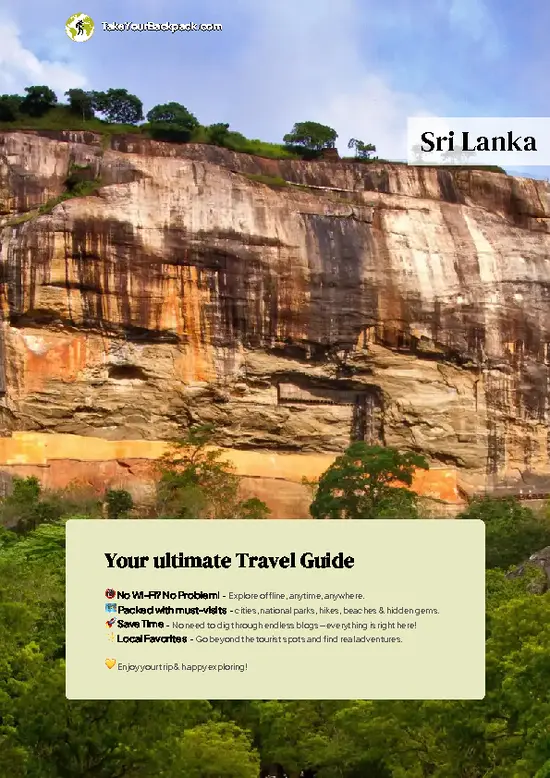
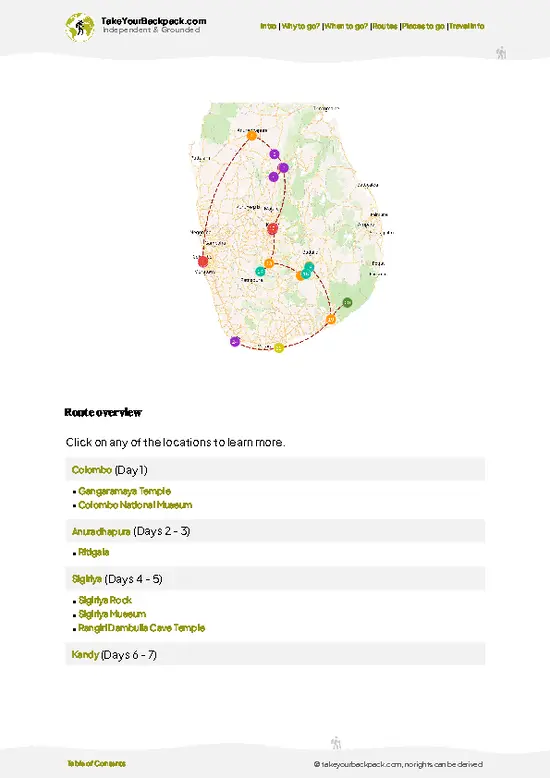
example page 0 from our offline Travel Guide for Sri Lanka
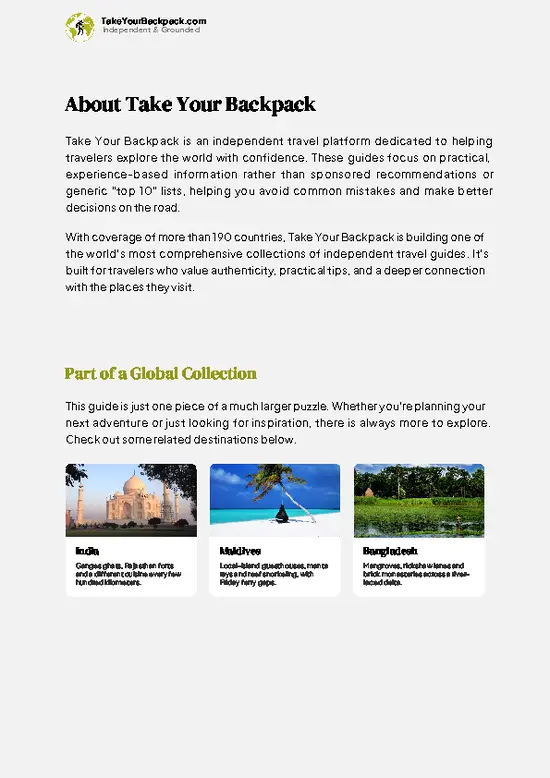
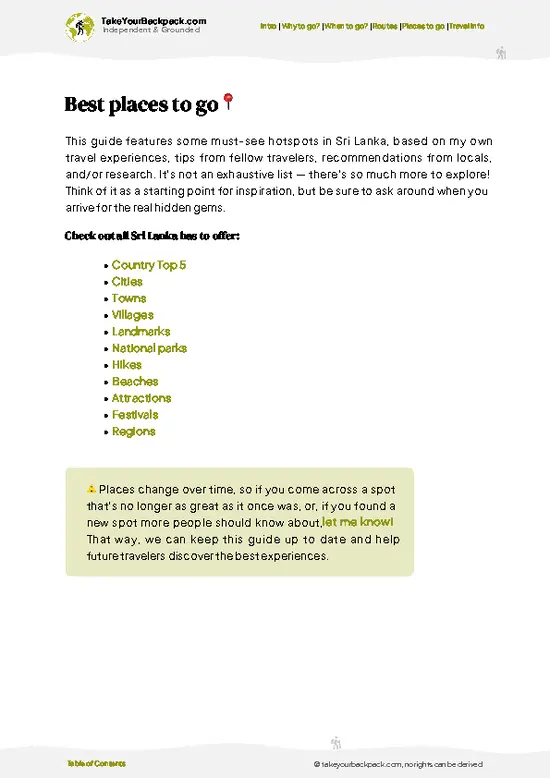
example page 1 from our offline Travel Guide for Sri Lanka
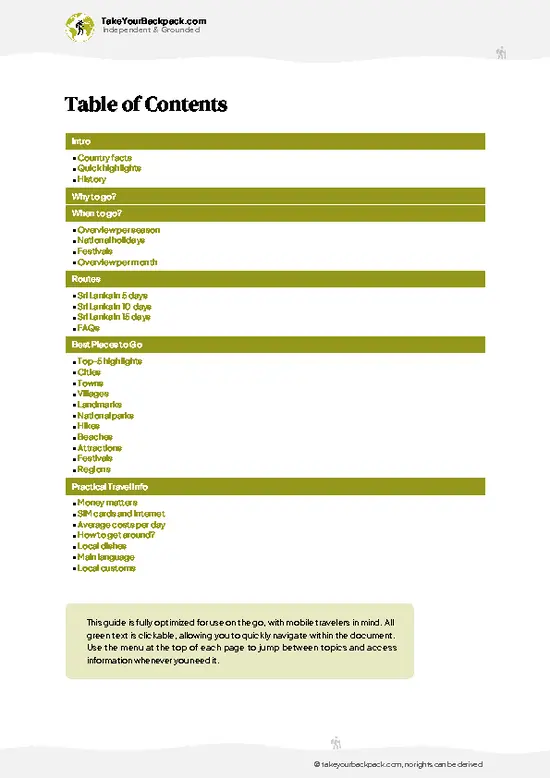
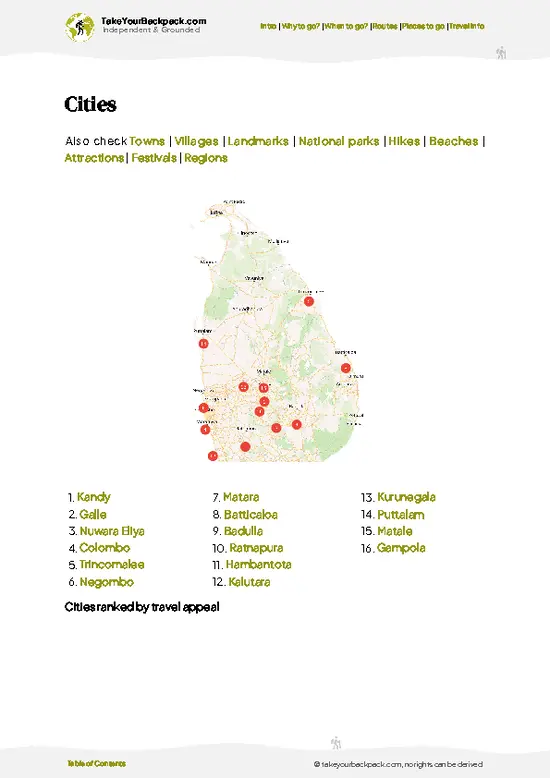
example page 2 from our offline Travel Guide for Sri Lanka
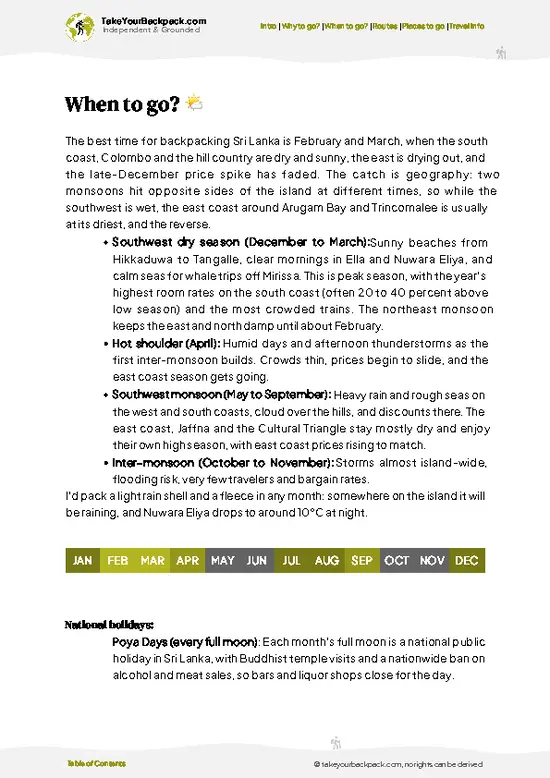
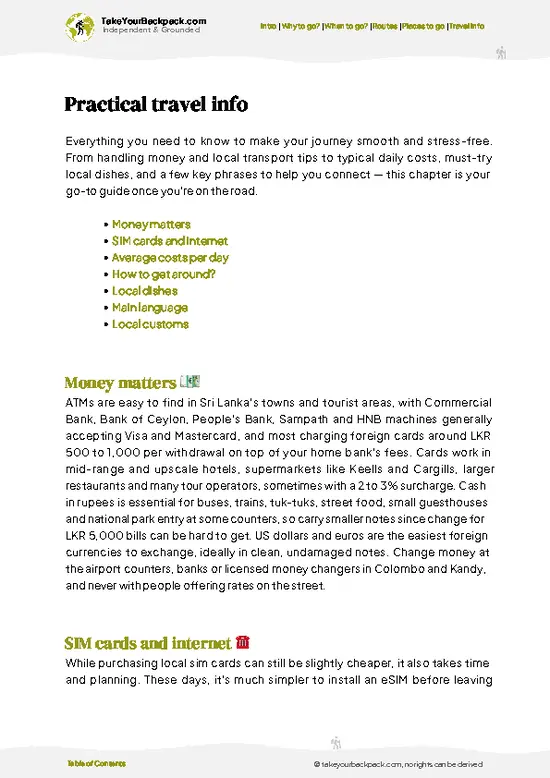
example page 3 from our offline Travel Guide for Sri Lanka
example page 4 from our offline Travel Guide for Sri Lanka
example page 5 from our offline Travel Guide for Sri Lanka
example page 6 from our offline Travel Guide for Sri Lanka
example page 7 from our offline Travel Guide for Sri Lanka
Loading the map 🌍
CLICK TO FILTER
cities
towns
villages
landmarks
national parks
hikes
beaches
attractions
festivals
regions
SHOW COUNTRY’S BESTSHOW ALL

✨ Why go?
Ranked #5 city in Sri Lanka
The unique appeal for travelers

Trincomalee is a strategic basecamp for backpackers navigating Sri Lanka’s east coast. Its walkability makes it easy to explore on foot, with a mix of local markets and beachside cafes. You’ll find a range of hostels that cater to budget travelers, offering both social vibes and quiet corners for downtime. The food scene is a delightful blend of fresh seafood and local dishes, perfect for fueling your adventures.

What sets Trincomalee apart is its proximity to various day trips. You can dive into vibrant marine life or hike to stunning viewpoints without the hassle of long travel times. This city is also a hub for nightlife, with beach bars and local hangouts that keep the energy alive after sunset.

While some might see it as just a stopover, those who linger discover a rich tapestry of … read more 👉
Trincomalee is a strategic basecamp for backpackers navigating Sri Lanka’s east coast. Its walkability makes it easy to explore on foot, with a mix of local markets and beachside cafes. You’ll find a range of hostels that cater to budget travelers, offering both social vibes and quiet corners for downtime. The food scene is a delightful blend of fresh seafood and local dishes, perfect for fueling your adventures.

What sets Trincomalee apart is its proximity to various day trips. You can dive into vibrant marine life or hike to stunning viewpoints without the hassle of long travel times. This city is also a hub for nightlife, with beach bars and local hangouts that keep the energy alive after sunset.

While some might see it as just a stopover, those who linger discover a rich tapestry of experiences. If you’re after a mix of comfort and adventure, Trincomalee offers a high-value experience that fits seamlessly into your backpacking route.

💡 HighlightsMust-see experiences and standout moments

  • Koneswaram Temple (Swami Rock) — A dramatic, centuries-old Hindu temple perched on a granite promontory with sweeping views over Trincomalee harbour; full of ritual, history (Portuguese/Dutch stories), and that cliffside “lookout” vibe you won’t forget.
  • Fort Frederick (Old Dutch Fort area) — Layers of Portuguese, Dutch and British history in the ramparts and ruins; wander the fort, see the lighthouse and get a real sense of how strategic this harbour was for centuries.
  • Lover’s Leap (cliff viewpoint) — A short walk from Koneswaram with a steep, scenic drop and a local legend to match; best for photos at golden hour and a raw viewpoint over the bay.
  • Kanniya Hot Springs — A cluster of ancient, sacred wells used for ritual bathing; quiet, slightly mystical, and a hands-on cultural stop (bring
… read more 👉
  • Koneswaram Temple (Swami Rock) — A dramatic, centuries-old Hindu temple perched on a granite promontory with sweeping views over Trincomalee harbour; full of ritual, history (Portuguese/Dutch stories), and that cliffside “lookout” vibe you won’t forget.
  • Fort Frederick (Old Dutch Fort area) — Layers of Portuguese, Dutch and British history in the ramparts and ruins; wander the fort, see the lighthouse and get a real sense of how strategic this harbour was for centuries.
  • Lover’s Leap (cliff viewpoint) — A short walk from Koneswaram with a steep, scenic drop and a local legend to match; best for photos at golden hour and a raw viewpoint over the bay.
  • Kanniya Hot Springs — A cluster of ancient, sacred wells used for ritual bathing; quiet, slightly mystical, and a hands-on cultural stop (bring modest clothes and respect the rituals).
  • Trincomalee War Cemetery — A calm, beautifully kept Commonwealth cemetery with WWII graves that give a very human perspective on the area’s 20th-century past.
  • Nilaveli / Marble Beach — Powdery sand and turquoise water right near the town; great for swimming, shoreline snorkeling and catching boats for short island trips (it’s quieter early morning).
  • Uppuveli Beach — Less touristy than some beaches, popular with locals; good for long walks, cheap beachside food stalls and relaxed sunset crowds.
  • Trincomalee Central Fish Market & Main Street — The best place to see everyday life: noisy stalls, fresh catches, bargaining and cheap seafood eaten where it’s caught — essential for food-oriented travellers.
  • Trincomalee Museum (regional/archaeological) — Small but useful museum with artefacts from the east coast, giving context to ancient trading links, local cultures and the temple’s archaeology.
  • China Bay WWII relics and airfield area — Walkable relics and coastal views around the old China Bay airfield: wartime bunkers, concrete runways and a gritty reminder of the strategic past, good for curious history buffs.
A few great day trips just outside town: Pigeon Island National Park for snorkeling, the ancient ruins of Polonnaruwa for history, and the calm shallow bays around Pasikuda/Kalkudah if you want a longer beach day.
Spotted a mistake or missing something? Contact us.

Things to do near Trincomalee

Ratings based on Tripadvisor reviews. When you book through this link, you support our work at no extra cost to you.

🏘️ NeighborhoodsHow different areas shape the experience

Trincomalee offers a blend of coastal charm and cultural richness, making it a prime spot for backpackers. Here’s a breakdown of key neighborhoods to help you navigate your stay.

Fort Frederick: This area is steeped in history, with colonial architecture and the famous Koneswaram Temple nearby. The vibe is laid-back, perfect for those who want to soak in local culture. Accommodation ranges from budget hostels to mid-range guesthouses. Walkability is decent, but a bike rental can enhance your exploration. Nightlife is minimal, making it ideal for a quieter stay.

Uppuveli: Known for its stunning beaches, Uppuveli is a backpacker favorite. The atmosphere is vibrant, with plenty of beach bars and restaurants. Prices here can be higher, especially for beachfront properties, but you can find affordable … read more 👉
Trincomalee offers a blend of coastal charm and cultural richness, making it a prime spot for backpackers. Here’s a breakdown of key neighborhoods to help you navigate your stay.

Fort Frederick: This area is steeped in history, with colonial architecture and the famous Koneswaram Temple nearby. The vibe is laid-back, perfect for those who want to soak in local culture. Accommodation ranges from budget hostels to mid-range guesthouses. Walkability is decent, but a bike rental can enhance your exploration. Nightlife is minimal, making it ideal for a quieter stay.

Uppuveli: Known for its stunning beaches, Uppuveli is a backpacker favorite. The atmosphere is vibrant, with plenty of beach bars and restaurants. Prices here can be higher, especially for beachfront properties, but you can find affordable options a bit inland. It’s walkable, and the beach is just steps away. Great for both short and longer stays, especially if you enjoy sunbathing and socializing.

Nilaveli: A bit more secluded, Nilaveli offers a tranquil escape. The beach is pristine, and the vibe is peaceful. Accommodation is generally affordable, but options are limited compared to Uppuveli. It’s less walkable, so consider renting a bike or tuk-tuk for transport. Perfect for those seeking a longer, more relaxed retreat.

Trincomalee Town: The bustling heart of the city, this area is where you’ll find local markets and eateries. It’s budget-friendly and offers a mix of experiences. Walkability is high, and public transport is easily accessible. Ideal for short stays if you want to dive into local life.

⌛️ 1 daySeeing the highlights in 24 hours

Trincomalee, on Sri Lanka’s northeastern coast, is a treasure trove of history, culture, and stunning beaches. The city’s rich tapestry includes ancient temples, colonial architecture, and some of the best diving spots in the world. You can easily spend a day here soaking in its unique vibe.

Start your morning at the Koneswaram Temple, perched on a cliff overlooking the ocean. The early light casts a magical glow on the intricate carvings, and the sound of waves crashing below adds to the atmosphere. Spend some time wandering the grounds, absorbing the spiritual energy. Afterward, stroll down to the nearby Fort Frederick. Built by the Portuguese in the 17th century, it offers a fascinating glimpse into the city’s colonial past. The views from the ramparts are worth the climb.

As the sun … read more 👉
Trincomalee, on Sri Lanka’s northeastern coast, is a treasure trove of history, culture, and stunning beaches. The city’s rich tapestry includes ancient temples, colonial architecture, and some of the best diving spots in the world. You can easily spend a day here soaking in its unique vibe.

Start your morning at the Koneswaram Temple, perched on a cliff overlooking the ocean. The early light casts a magical glow on the intricate carvings, and the sound of waves crashing below adds to the atmosphere. Spend some time wandering the grounds, absorbing the spiritual energy. Afterward, stroll down to the nearby Fort Frederick. Built by the Portuguese in the 17th century, it offers a fascinating glimpse into the city’s colonial past. The views from the ramparts are worth the climb.

As the sun climbs higher, head to the local market in the heart of Trincomalee. Here, you can sample fresh fruits and local snacks. Try a kottu roti from a street vendor; it’s a delicious mix of chopped roti, vegetables, and spices that will fuel your afternoon adventures.

In the afternoon, make your way to Nilaveli Beach. This stretch of white sand is perfect for a swim or simply lounging under a palm tree. If you’re feeling adventurous, consider a snorkeling trip to Pigeon Island, where vibrant coral reefs teem with marine life.

As evening approaches, return to the city and explore the quaint streets of the old town. Grab dinner at a local eatery; the seafood here is fresh and flavorful. I once had a grilled fish that was so good, I still dream about it.

Wrap up your day with a sunset at Uppuveli Beach. The colors are breathtaking, and it’s a perfect way to reflect on a day well spent in this vibrant city.

🌤️ When to go?When to go for the best experience

  • Topic: Weather - The dry season from May to September is your best bet. Expect sunny days and minimal rain, perfect for beach time and diving. Avoid October to January when the northeast monsoon brings heavy showers, turning trails muddy and skies gray.
  • Topic: Temperature - Temperatures hover between 27°C and 33°C (80°F to 91°F) year-round. May to September feels hotter but drier, while the monsoon months are cooler but damp, which can sap your energy fast.
  • Topic: Daylight Hours - Trincomalee enjoys roughly 11 to 12 hours of daylight all year, so you won’t lose much time exploring no matter when you go. Early mornings and late afternoons are cooler and less crowded, ideal for beach walks or temple visits.
  • Topic: Crowds - Peak tourist season aligns with the dry months, so expect more travelers
… read more 👉
  • Topic: Weather - The dry season from May to September is your best bet. Expect sunny days and minimal rain, perfect for beach time and diving. Avoid October to January when the northeast monsoon brings heavy showers, turning trails muddy and skies gray.
  • Topic: Temperature - Temperatures hover between 27°C and 33°C (80°F to 91°F) year-round. May to September feels hotter but drier, while the monsoon months are cooler but damp, which can sap your energy fast.
  • Topic: Daylight Hours - Trincomalee enjoys roughly 11 to 12 hours of daylight all year, so you won’t lose much time exploring no matter when you go. Early mornings and late afternoons are cooler and less crowded, ideal for beach walks or temple visits.
  • Topic: Crowds - Peak tourist season aligns with the dry months, so expect more travelers from June to August. If you want solitude, shoulder months like May or September offer a quieter vibe without the weather penalty.
  • Topic: Seasonal Activities - Whale watching peaks between February and April, while diving and snorkeling thrive in the dry season. Cultural festivals like the Hindu Koneswaram Temple celebrations happen year-round but spike during the dry months.
  • Topic: Price Fluctuations - Accommodation and tours cost more during peak dry season. Booking in shoulder months can save you 20-30% without sacrificing much on weather or activities.
Pro-tip: Aim for late May or early September—dry enough for adventure, light on crowds, and friendlier on your wallet. That’s the sweet spot where timing turns into a tactical win.


source: climatestotravel.comJANJanuary: fair for travelingFEBFebruary: good for travelingMARMarch: good for travelingAPRApril: good for travelingMAYMay: highly recommended for travelingJUNJune: excellent for travelingJULJuly: excellent for travelingAUGAugust: excellent for travelingSEPSeptember: highly recommended for travelingOCTOctober: below average for travelingNOVNovember: below average for travelingDECDecember: below average for traveling
sri-lanka-city-trincomalee
© Google |

✈️ The backpacker research shortcutSri Lanka Travel Guide

An offline-friendly backpacking guide with optimized travel routes, ranked highlights, transport advice, and the best areas to stay.
example page 0 from our offline Travel Guide for Sri Lanka
example page 1 from our offline Travel Guide for Sri Lanka
example page 2 from our offline Travel Guide for Sri Lanka
example page 3 from our offline Travel Guide for Sri Lanka
example page 4 from our offline Travel Guide for Sri Lanka
example page 5 from our offline Travel Guide for Sri Lanka
example page 6 from our offline Travel Guide for Sri Lanka
example page 7 from our offline Travel Guide for Sri Lanka
The digital guide (435 pages) contains:
✅ 121 highlights, ranked by travel appeal
✅ Optimized 5, 10 & 15-day travel routes
✅ Cities, national parks, landmarks, beaches
✅ How to get around
✅ Offline-friendly for travel without Wi-Fi
👉 Click to see all 30+ guide features

📅 Plan smarter in minutes, not weeks
✅ Month by month travel advice
✅ Festivals & national holidays
✅ Budget expectations

🗺️ Go to the right places, skip the overrated ones
✅ Honest pros & cons of destinations
✅ Top hikes, parks & viewpoints
✅ Lesser-known places most travelers miss
✅ Clear “worth it vs skip it” guidance

🛏️ Travel smoothly without rookie mistakes
✅ Best areas to stay
✅ Transport systems explained simply
✅ Common scams & safety advice
✅ SIM cards, money & practical tips

🌍 Understand the country, not just visit it
✅ Culture & traditions
✅ 52 Essential phrases & customs
✅ Festivals worth planning around
✅ Traveler-friendly historical context
✅ Insights that make places more meaningful

📱 Built for real travel conditions
✅ Fully downloadable PDF
✅ Works completely offline
✅ Optimized for phone use
✅ Useful in remote areas & buses
✅ Everything in one place
Stop searching, start planning
Get instant access to your full guide. 30‑day money-back guarantee.
+ Add another guide for just

By proceeding you agree to our terms.
Sent to your inbox immediately after payment • 100% Secure Checkout
Best Backpacking Travel Advisor 2025 tourism awardBest Backpacking
Travel Advisor
2025
What others say about Take Your Backpack Guides:
⭐⭐⭐⭐⭐
Fantastic, amazing amount of information!
⭐⭐⭐⭐⭐
My goodness this is amazing, it's what I've been looking for hats off too you!
⭐⭐⭐⭐⭐
I think this is absolutely BRILLIANT
⭐⭐⭐⭐
Very complete and informative. It's still missing places, but I gotta to commend you
⭐⭐⭐⭐⭐
This is truly amazing, thank you, can't wait to explore it with my kids!
⭐⭐⭐⭐⭐
Awesome resource, thank you!
⭐⭐⭐⭐⭐
This is amazing! Can't wait to explore the ones I haven't seen
⭐⭐⭐⭐
I love this! Well done, great idea.
⭐⭐⭐⭐⭐
Thanks for taking the time to make this gem!
⭐⭐⭐⭐⭐
This might be the best website I've ever seen.
⭐⭐⭐⭐⭐
Congratulations, and thank you so much for your work; it's incredibly valuable.
⭐⭐⭐⭐
In all seriousness I think you did a great job pointing out the important spots
⭐⭐⭐⭐⭐
10/10 very good
⭐⭐⭐⭐⭐
As someone who's only just starting to visit regularly this is awesome, thank you.
⭐⭐⭐⭐
Thank you very much! I'm going to visit my dad, it's going to be very useful!
⭐⭐⭐⭐⭐
This is really cool! We'll be travelling for the first time and this definitely come in handy.
⭐⭐⭐⭐⭐
You are now our minister of culture, congratulations 👨‍💼
⭐⭐⭐⭐⭐
Just wanted to tell you that this is a pearl! Going to follow your recommendations.
⭐⭐⭐⭐⭐
This is so cool. I'll definitely be using the resource for my travels soon.
⭐⭐⭐⭐⭐
This is very impressive! Good work.
⭐⭐⭐⭐⭐
This is an amazing and informative site. Very well done!

🛏️ Where to stay?Best areas and accommodation options

In Trincomalee, the real backpacker sweet spot is around the Fort and Main Street area. This neighborhood nails the balance between safety and social buzz, which is exactly what you want when you’re flying solo or pinching pennies. It’s compact, easy to navigate on foot or bike, and packed with budget-friendly guesthouses and hostels that cater to travelers who want to swap stories over a cold drink without breaking the bank.

Compared to the quieter, more residential suburbs or the isolated beach resorts, Fort/Main Street puts you right in the thick of it. You’re close to the harbor, local markets, … read more 👉
In Trincomalee, the real backpacker sweet spot is around the Fort and Main Street area. This neighborhood nails the balance between safety and social buzz, which is exactly what you want when you’re flying solo or pinching pennies. It’s compact, easy to navigate on foot or bike, and packed with budget-friendly guesthouses and hostels that cater to travelers who want to swap stories over a cold drink without breaking the bank.

Compared to the quieter, more residential suburbs or the isolated beach resorts, Fort/Main Street puts you right in the thick of it. You’re close to the harbor, local markets, and a handful of dive shops, which means you can jump into activities or just soak up the local rhythm without wasting time or money on transport. The vibe here is casual but lively—think laid-back cafes, street food stalls, and a steady stream of fellow backpackers and expats. It’s not a party zone, but it’s social enough to meet people without the noise or chaos.

If you stray too far north or east, you’ll find fewer hostels and more expensive hotels, plus less of that communal backpacker energy. So, for a smart, value-packed stay that keeps you connected and comfortable, Fort/Main Street is your go-to in Trincomalee.

🚌 Getting aroundMoving around without the hassle

Trincomalee moves at its own rhythm—a blend of laid-back coastal vibes and pockets of bustling local life. It’s not a city where you’ll find strict timetables etched in stone, but neither is it a free-for-all chaos. Instead, the flow here is a dance between the predictable and the spontaneous. You’ll catch buses that mostly stick to a schedule but can run late, tuk-tuks that dart through traffic with intuitive precision, and the occasional ferry or boat that depends on tides and weather more than clocks. Understanding this flow means you’re not just a passenger; you’re a player in a system where time, money, and comfort constantly trade places.
  • Local Bus: Runs roughly from 5:30 AM to 7:30 PM, fares hover around 30-50 LKR, making it the cheapest way to get around. It’s slow and often crowded,
… read more 👉
Trincomalee moves at its own rhythm—a blend of laid-back coastal vibes and pockets of bustling local life. It’s not a city where you’ll find strict timetables etched in stone, but neither is it a free-for-all chaos. Instead, the flow here is a dance between the predictable and the spontaneous. You’ll catch buses that mostly stick to a schedule but can run late, tuk-tuks that dart through traffic with intuitive precision, and the occasional ferry or boat that depends on tides and weather more than clocks. Understanding this flow means you’re not just a passenger; you’re a player in a system where time, money, and comfort constantly trade places.
  • Local Bus: Runs roughly from 5:30 AM to 7:30 PM, fares hover around 30-50 LKR, making it the cheapest way to get around. It’s slow and often crowded, but you’ll get a genuine slice of local life and a reliable, if flexible, schedule.
  • Tuk-Tuk: Available 24/7, fares start at about 100 LKR for short rides but can double or triple depending on distance and negotiation skills. Fast and nimble, tuk-tuks offer comfort and door-to-door convenience but at a price that can add up quickly if you’re not careful.
  • Walking: The city center and beach areas are compact enough to explore on foot. Zero cost, full control over your pace, and the best way to soak in the atmosphere. Just watch for uneven sidewalks and the occasional stray dog.
  • Boat Taxi: Seasonal and weather-dependent, these operate mainly during daylight hours with fares around 200-300 LKR. They’re a scenic shortcut to some coastal spots, but timing and comfort depend heavily on sea conditions.
  • Private Car Hire: For those who want maximum comfort and flexibility, expect to pay around 3,000-4,000 LKR per day. It’s the fastest way to cover longer distances but comes at a premium that’s hard to justify for budget travelers.

In Trincomalee, every transit choice is a strategic move. Opt for the bus and you save money but sacrifice speed and comfort. Tuk-tuks give you agility and ease but demand a sharper eye on your wallet. Walking costs nothing and rewards you with intimacy but limits your range. Boats add a splash of adventure but hinge on nature’s whims. Private cars offer control and comfort but at a steep price. Knowing these trade-offs lets you tailor your trip’s tempo—whether you’re chasing efficiency, economy, or experience.

👛 Costs (as of 23 September 2026)What things cost and how to budget

Backpacking in Trincomalee, Sri Lanka, offers a clear trade-off between cost and comfort, with prices that reflect its status as a laid-back coastal city rather than a major tourist hub. Here’s how your daily expenses typically break down:
  • Dorm Accommodation (High Season and Off-Season): In high season, expect to pay around $8-$12 per night for a bed in a basic dorm. Off-season drops that to about $5-$8. These places are simple but clean, often with fans rather than air conditioning, which suits the tropical climate.
  • Meals: Street food and local eateries dominate here. You can get a filling rice and curry meal for $1.50-$3. Mid-range restaurants will push that to $5-$8 per meal. Breakfasts tend to be cheaper, often under $2, especially if you stick to local options like hoppers or roti.
… read more 👉
Backpacking in Trincomalee, Sri Lanka, offers a clear trade-off between cost and comfort, with prices that reflect its status as a laid-back coastal city rather than a major tourist hub. Here’s how your daily expenses typically break down:
  • Dorm Accommodation (High Season and Off-Season): In high season, expect to pay around $8-$12 per night for a bed in a basic dorm. Off-season drops that to about $5-$8. These places are simple but clean, often with fans rather than air conditioning, which suits the tropical climate.
  • Meals: Street food and local eateries dominate here. You can get a filling rice and curry meal for $1.50-$3. Mid-range restaurants will push that to $5-$8 per meal. Breakfasts tend to be cheaper, often under $2, especially if you stick to local options like hoppers or roti.
  • Local Transport: Tuk-tuks are the go-to for short trips, usually costing $0.50-$1.50 depending on distance. Buses are even cheaper, often under $0.50, but less predictable in schedule and comfort.
  • City Transport Pass: Trincomalee doesn’t have a formal city transport pass system. Budget travelers rely on tuk-tuks and buses, so no fixed pass cost applies here.
  • Basic Activities/Entry Fees: Entry to key sites like Fort Frederick or Koneswaram Temple is minimal, around $1-$3. Snorkeling gear rental or boat trips to nearby beaches can range from $5 to $15, depending on the provider and duration.
  • Miscellaneous Expenses: Bottled water, snacks, and occasional small purchases like SIM cards or toiletries typically add up to $1-$3 daily. Internet cafes or mobile data top-ups are affordable, around $1-$2 for decent coverage.

All told, a backpacker in Trincomalee can expect to spend roughly $15 to $30 per day, depending on how much comfort or convenience they want to buy. The city rewards those who embrace simplicity and local flavor, turning modest spending into rich experiences without the tourist price tag.


source: srilanka.travel
⚠️ Prices can change and everyone travels differently, so take this as a rough guide. Hope it helps you plan your adventure!

🚌 Day tripsExploring the surroundings

Trincomalee is a fantastic base for day trips, offering a blend of culture, nature, and adventure. Here are some top picks that will make your Sri Lankan experience truly memorable.

Pigeon Island National Park
Just a short boat ride from Trincomalee, Pigeon Island is a paradise for snorkelers. The vibrant coral reefs teem with colorful fish, making it a must-visit for marine enthusiasts. Expect to spend around 1,500 LKR for the boat ride and entrance fee. The best time to go is during the dry season from May to September. A common mistake is underestimating the sun; bring plenty of sunscreen and a hat to avoid a painful burn.
👉 Explore Pigeon Island National Park

Koneswaram Temple
Perched on a cliff overlooking the ocean, Koneswaram Temple is a stunning example of Dravidian architecture. … read more 👉
Trincomalee is a fantastic base for day trips, offering a blend of culture, nature, and adventure. Here are some top picks that will make your Sri Lankan experience truly memorable.

Pigeon Island National Park
Just a short boat ride from Trincomalee, Pigeon Island is a paradise for snorkelers. The vibrant coral reefs teem with colorful fish, making it a must-visit for marine enthusiasts. Expect to spend around 1,500 LKR for the boat ride and entrance fee. The best time to go is during the dry season from May to September. A common mistake is underestimating the sun; bring plenty of sunscreen and a hat to avoid a painful burn.
👉 Explore Pigeon Island National Park

Koneswaram Temple
Perched on a cliff overlooking the ocean, Koneswaram Temple is a stunning example of Dravidian architecture. The temple is not just a spiritual site; it offers breathtaking views of the coastline. You can easily reach it by tuk-tuk in about 15 minutes from the city center, costing around 300 LKR. Early morning is the best time to visit, as the light is perfect for photos and the crowds are minimal. Many first-timers overlook the nearby Swami Rock, which is perfect for a quiet moment of reflection.
👉 Explore Koneswaram Temple

Nilaveli Beach
A 30-minute ride from Trincomalee, Nilaveli Beach is where you can unwind on soft sands and swim in crystal-clear waters. It’s a great spot for a beach day, with local eateries serving fresh seafood. Budget around 1,000 LKR for transportation and lunch. The ideal time to visit is during the dry season, but avoid weekends when it gets crowded with locals. A common pitfall is not checking the tide schedule; low tide reveals a beautiful stretch of beach perfect for exploring.
👉 Explore Nilaveli Beach

Fort Frederick
This historic fort offers a glimpse into Sri Lanka’s colonial past. Just a 10-minute tuk-tuk ride from Trincomalee, it’s free to enter and provides a unique perspective on the area’s history. Aim for a late afternoon visit to catch the sunset over the harbor. Many travelers miss the small museum inside, which has fascinating artifacts.
👉 Explore Fort Frederick

Hot Springs at Kanniya
About 30 minutes from Trincomalee, the Kanniya Hot Springs are a unique experience. These natural hot springs are believed to have healing properties. Entry is around 500 LKR, and the best time to visit is early morning or late afternoon to avoid the heat. First-timers often forget to bring a towel and swimwear, so pack accordingly!

🍲 FoodLocal Cuisine & Drinks

In Trincomalee, the food scene is a vibrant tapestry of flavors that reflects its coastal heritage. You can’t miss the seafood—freshly caught fish grilled to perfection, often served with a tangy sambol that packs a punch. Try the prawn curry, rich with coconut milk and spices, or the fish ambul thiyal, a sour fish curry that’s a local favorite.

Street food is where the magic happens. Vendors line the bustling markets, dishing out kottu roti, a stir-fried mix of chopped roti, vegetables, and your choice of meat, all sizzling on a hot griddle. The aroma alone is enough to draw you in. Pair your meal with a refreshing king coconut, a local drink that’s both hydrating and sweet.

Dining here is casual and communal. You’ll often find locals sharing meals, so don’t hesitate to join in. It’s customary … read more 👉
In Trincomalee, the food scene is a vibrant tapestry of flavors that reflects its coastal heritage. You can’t miss the seafood—freshly caught fish grilled to perfection, often served with a tangy sambol that packs a punch. Try the prawn curry, rich with coconut milk and spices, or the fish ambul thiyal, a sour fish curry that’s a local favorite.

Street food is where the magic happens. Vendors line the bustling markets, dishing out kottu roti, a stir-fried mix of chopped roti, vegetables, and your choice of meat, all sizzling on a hot griddle. The aroma alone is enough to draw you in. Pair your meal with a refreshing king coconut, a local drink that’s both hydrating and sweet.

Dining here is casual and communal. You’ll often find locals sharing meals, so don’t hesitate to join in. It’s customary to eat with your hands, a practice that connects you to the food and the culture. Just remember to wash up first—cleanliness is key.

As the sun sets, the beach bars come alive. Sip on a local beer or a coconut arrack, a spirit made from fermented coconut sap, while soaking in the laid-back vibe. In Trincomalee, every bite and sip tells a story, making your culinary journey as rich as the landscape itself.

🛡️ SafetySafety Tips and Common Scams in Trincomalee

Trincomalee is generally safe for backpackers, but a few situational awareness tips can enhance your experience. Stick to well-lit areas at night, especially along the beach and in quieter neighborhoods. Solo travelers should trust their instincts; if something feels off, it probably is.

Be mindful of your belongings in crowded spots like the local market. It’s a vibrant place, but pickpockets can lurk. When it comes to transportation, always negotiate fares upfront with tuk-tuk drivers to avoid surprises later.

Common scams include overly friendly locals offering unsolicited help, which can lead to inflated prices or unwanted detours. A polite but firm “no, thank you” usually suffices.

Overall, keeping your wits about you and maintaining a confident demeanor will serve you well. Embrace … read more 👉
Trincomalee is generally safe for backpackers, but a few situational awareness tips can enhance your experience. Stick to well-lit areas at night, especially along the beach and in quieter neighborhoods. Solo travelers should trust their instincts; if something feels off, it probably is.

Be mindful of your belongings in crowded spots like the local market. It’s a vibrant place, but pickpockets can lurk. When it comes to transportation, always negotiate fares upfront with tuk-tuk drivers to avoid surprises later.

Common scams include overly friendly locals offering unsolicited help, which can lead to inflated prices or unwanted detours. A polite but firm “no, thank you” usually suffices.

Overall, keeping your wits about you and maintaining a confident demeanor will serve you well. Embrace the local culture, but stay alert, and you’ll navigate Trincomalee like a pro.

FAQCommon questions from travelers

3 to 4 days are sufficient to explore Trincomalee. This allows time to visit key sites like Nilaveli Beach, Pigeon Island National Park, and the Koneswaram Temple. You can also enjoy snorkeling and diving activities during this period.
Yes, Trincomalee is generally safe for solo backpackers. Basic precautions like avoiding isolated areas at night and securing belongings are advised. The local community is friendly, and tourist areas are well-patrolled.
Trincomalee is known for its natural deep-water harbor, pristine beaches, and historical Hindu temples. It is famous for the Koneswaram Temple and whale watching, especially from November to April. The city also has significant colonial history and vibrant marine life.
⚠️ Things can change over time, so always validate details locally before you go.

Other Sri Lankan cities near Trincomalee

Explore more nearby:

  • Batticaloa—lagoon islands, colonial lighthouse, Tamil culture| 110 km away
  • Matale—spice gardens, Hindu shrines, mountain passes| 141 km away
  • Kurunegala—rock outcrops, coconut plantations, regional markets| 155 km away

💡 Not sure where to go next?
Create a personalized itinerary for Sri Lanka including Trincomalee and the places that fit your trip.

Generate my itinerary

👉 Discover all cities

Or checkout all Sri Lanka has to offer (think cities, towns, villages, national parks, hikes, beaches, festivals)
Country photo of Sri Lanka

We 💚 feedbackKey takeaways before you go

Trincomalee is a treasure for those who crave stunning beaches and rich history. Picture yourself lounging on the soft sands of Nilaveli, then diving into the vibrant underwater world. But here’s the catch: the infrastructure can be hit or miss. Expect some bumpy roads and limited dining options. It’s a trade-off between paradise and convenience. If you’re ready to embrace the quirks, Trinco will reward you with unforgettable moments.

✈️ When did I visit Sri Lanka?
In December 2025 I visited Sri Lanka.

✍️ Help improve this page!
The information on this page is based on my own backpacking experience in Sri Lanka, supplemented with up-to-date research and feedback from other travelers. Travel details can change, so if you notice anything outdated or incomplete, feel free to let me know.


🙋‍♂️ Give feedback

👋 Meet the founderWho’s Behind Take Your Backpack?

Johan, backpacker and founder of TakeYourBackpackHi, I’m Johan (Netherlands 🇳🇱), the creator of TakeYourBackpack. Over the past 3 decades, I’ve backpacked through 90+ countries across six continents, gaining extensive experience with independent travel, long-term trips, and overland routes.

This site is built on a combination of firsthand travel experience and carefully curated insights from other backpackers. Many guides are based on places I’ve personally visited, while others bring together tips, observations, and practical advice shared by trusted travelers I’ve met along the way.

The goal is to provide realistic, experience-driven guidance — not generic itineraries — so you can explore destinations with better context, clearer expectations, and more confidence.