v2.webp)
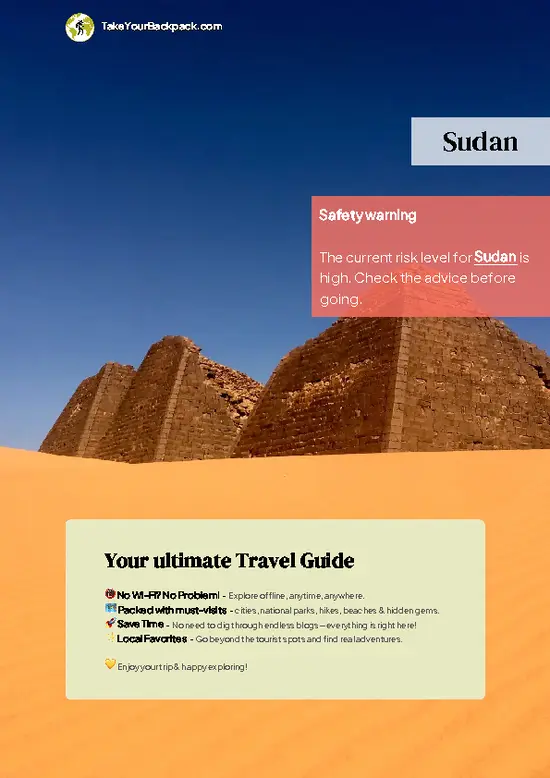
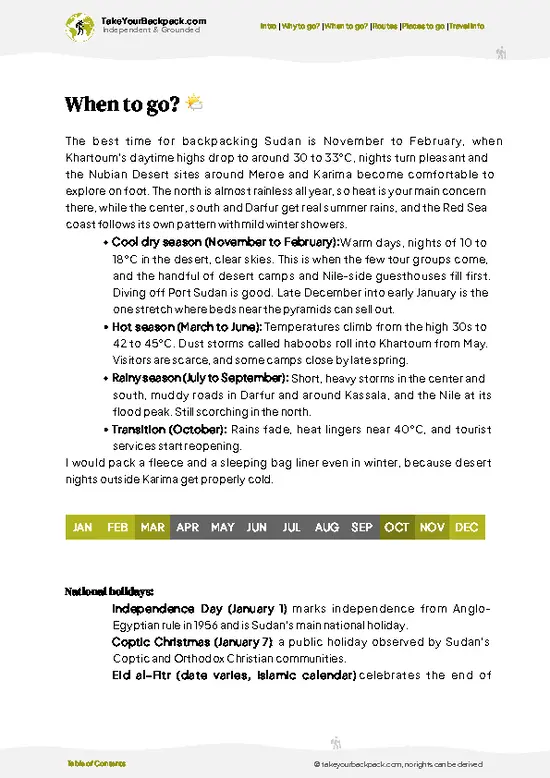
- The Great Mosque building (Khalifa’s Mosque) — The mosque itself is the focal point: imposing, whitewashed walls, and a minaret that marks Omdurman’s skyline. It’s a clear reminder of the Mahdist era and stands out because it still functions as the city’s spiritual heart rather than a frozen museum piece.
- The Mahdi’s Tomb (Al-Mahdi Mausoleum) — personal favorite — A short walk from the mosque, the gilded dome and ornate tomb complex are visually striking and loaded with history. It’s where pilgrims come to pay respects, so you get both photo-worthy architecture and real cultural meaning in one spot.
- Friday prayer (Jumu’ah) atmosphere — If you can time it, the Friday congregation is intense and moving. You won’t be part of the prayer if you’re non-Muslim, but observing the flow, music of
- The Great Mosque building (Khalifa’s Mosque) — The mosque itself is the focal point: imposing, whitewashed walls, and a minaret that marks Omdurman’s skyline. It’s a clear reminder of the Mahdist era and stands out because it still functions as the city’s spiritual heart rather than a frozen museum piece.
- The Mahdi’s Tomb (Al-Mahdi Mausoleum) — personal favorite — A short walk from the mosque, the gilded dome and ornate tomb complex are visually striking and loaded with history. It’s where pilgrims come to pay respects, so you get both photo-worthy architecture and real cultural meaning in one spot.
- Friday prayer (Jumu’ah) atmosphere — If you can time it, the Friday congregation is intense and moving. You won’t be part of the prayer if you’re non-Muslim, but observing the flow, music of the call to prayer, and local dress gives you a powerful sense of community life.
- Courtyard and minaret views — The mosque’s open courtyard is great for people-watching and catching light on the masonry. From the outer areas you can also get views toward the Nile and Khartoum across the water, which is especially pretty around late afternoon.
- Khalifa’s House Museum and historic complex — Adjacent buildings and small museums tell the story of the Mahdist state and the Khalifa’s rule. The displays are modest but informative, and seeing them puts the mosque’s importance into context without spending much.
- Local dress and everyday life — Around the mosque you’ll see classic Sudanese jellabiyas, colorful wraps, and traditional hairstyles. It’s a low-cost cultural lesson: watch, listen, and chat politely with vendors or worshippers (ask before photographing).
- Souq Omdurman and nearby markets — Not inside the mosque but right there: the market is where you can grab cheap local food, spices, brassware and fabrics after your visit. It’s noisy, friendly, and perfect for budget travelers who like to haggle.
Spotted a mistake or missing something? Contact us.

 Best Backpacking
.jpg) Hi, I’m Johan (Netherlands 🇳🇱), the creator of TakeYourBackpack. Over the past 3 decades, I’ve backpacked through 90+ countries across six continents, gaining extensive experience with independent travel, long-term trips, and overland routes.
Hi, I’m Johan (Netherlands 🇳🇱), the creator of TakeYourBackpack. Over the past 3 decades, I’ve backpacked through 90+ countries across six continents, gaining extensive experience with independent travel, long-term trips, and overland routes.