×

Taiwan🇹🇼 | best landmarksWhere to Find the 4 Best landmarks in Taiwan

Taiwan is a treasure trove of unique sites that reflect its rich cultural, historical, and natural tapestry. What defines these sites is their ability to offer authentic experiences that resonate deeply with the local context. From the bustling night markets of Taipei to the serene landscapes of Taroko Gorge, each region presents distinct vibes and accessibility challenges.

Understanding how these sites differ can significantly enhance your backpacking journey. For instance, visiting during the off-peak season not only reduces costs but also allows for a more intimate experience. Choosing the right site impacts your cultural immersion, safety, and overall travel ease, making it essential to align your choices with your travel style and budget.

By Johan Kruseman 🇳🇱 | Updated June 10, 2026
Explore the best national parks in Taiwan

Why go?Understanding Their Importance

Unique sites in Taiwan matter because they encapsulate the island’s rich tapestry of cultural, historical, and natural significance. Unlike many other countries, Taiwan’s unique blend of indigenous heritage, colonial history, and modern influences creates a landscape where each site tells a multifaceted story. This complexity is rooted in Taiwan’s geographic position along vital trade routes, which has fostered a melting pot of cultures and traditions.

However, exploring these sites comes with trade-offs. Accessibility can be a challenge; some locations are remote, requiring time and effort to reach. This often means sacrificing convenience for a deeper understanding of Taiwan’s heritage. The peak visitor periods can also impact the experience. Traveling during festivals or holidays may enhance … read more 👉
Unique sites in Taiwan matter because they encapsulate the island’s rich tapestry of cultural, historical, and natural significance. Unlike many other countries, Taiwan’s unique blend of indigenous heritage, colonial history, and modern influences creates a landscape where each site tells a multifaceted story. This complexity is rooted in Taiwan’s geographic position along vital trade routes, which has fostered a melting pot of cultures and traditions.

However, exploring these sites comes with trade-offs. Accessibility can be a challenge; some locations are remote, requiring time and effort to reach. This often means sacrificing convenience for a deeper understanding of Taiwan’s heritage. The peak visitor periods can also impact the experience. Traveling during festivals or holidays may enhance cultural immersion but can lead to overcrowding, diluting the authenticity of the visit.

Taiwan’s climatic conditions further influence site exploration. The island’s varied weather patterns mean that certain sites are best visited in specific seasons, impacting travel plans. Additionally, the infrastructural development in Taiwan, while robust, can vary significantly between urban and rural areas, affecting how easily one can navigate to these unique sites.

Understanding these dynamics allows travelers to make informed decisions, balancing the desire for exploration with the realities of accessibility and timing. This strategic approach transforms a trip into a more rewarding experience, unlocking the true essence of Taiwan’s unique offerings.
Evaluating the Top Choices
The list of best unique sites in Taiwan is created based on history or culture, wow factor, atmosphere, quirks, and memorability. If you feel a unique site is missing in this list, please let us know.

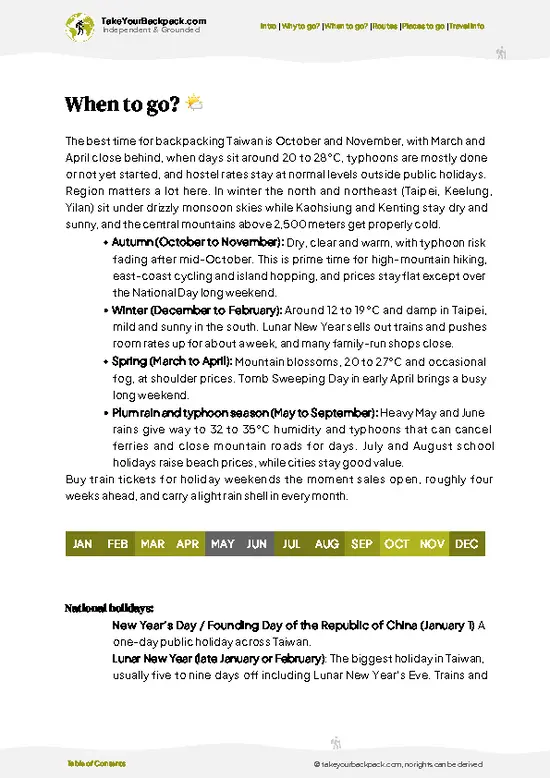
When to go?Timing Your Visit for the Best Experience

Seasonality plays a crucial role in experiencing Taiwan’s unique sites. The island has a subtropical climate, leading to distinct wet and dry seasons. Typically, the dry season runs from late autumn to early spring, offering clear skies and comfortable temperatures. This period is ideal for exploring outdoor sites, as visibility is high and conditions are generally pleasant.

Optimal months for visits are generally from October to April. During these months, the weather is cooler, making it easier to enjoy Taiwan’s diverse landscapes. However, the peak tourist season often coincides with major holidays, leading to crowded sites and higher accommodation costs.

Shoulder seasons, particularly late spring and early autumn, present a mixed bag. While the weather can still be favorable, travelers … read more 👉
Seasonality plays a crucial role in experiencing Taiwan’s unique sites. The island has a subtropical climate, leading to distinct wet and dry seasons. Typically, the dry season runs from late autumn to early spring, offering clear skies and comfortable temperatures. This period is ideal for exploring outdoor sites, as visibility is high and conditions are generally pleasant.

Optimal months for visits are generally from October to April. During these months, the weather is cooler, making it easier to enjoy Taiwan’s diverse landscapes. However, the peak tourist season often coincides with major holidays, leading to crowded sites and higher accommodation costs.

Shoulder seasons, particularly late spring and early autumn, present a mixed bag. While the weather can still be favorable, travelers may encounter occasional rain and humidity. Crowds are thinner, which can enhance the experience at popular sites. Costs for lodging and activities may also drop, making this an attractive option for budget-conscious travelers.

Seasonal constraints include typhoon season, typically from June to September, which can disrupt travel plans and limit access to certain areas. Understanding these patterns allows for strategic planning, ensuring visits align with the best conditions for exploration and enjoyment.

unique site hoppingPlanning Your Route Efficiently

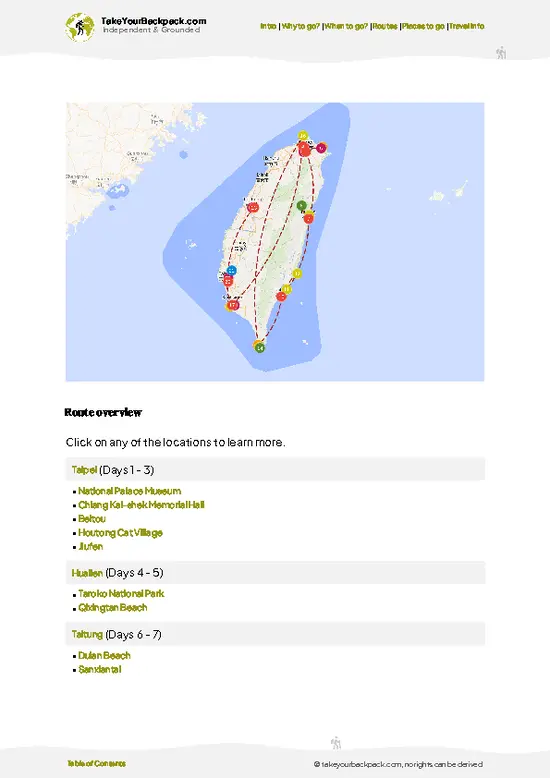
General Routing Logic

Taiwan’s geography is a key player in planning an efficient trip. Start in the north, where Taipei serves as a natural hub. From there, cluster sites in the surrounding areas like Jiufen and Yangmingshan National Park. This minimizes travel time and maximizes exploration. Moving south, consider a route through Taichung and Tainan, where cultural and historical sites abound. Finally, wrap up in Kaohsiung, which offers a vibrant waterfront and night markets.

Typical Time Needed

Allocate at least two to three hours per major site. For smaller attractions, one hour is usually sufficient. This pacing allows for meaningful engagement without feeling rushed. Factor in travel time between locations, which can vary significantly based on traffic and distance.

Common Planning

read more 👉

General Routing Logic

Taiwan’s geography is a key player in planning an efficient trip. Start in the north, where Taipei serves as a natural hub. From there, cluster sites in the surrounding areas like Jiufen and Yangmingshan National Park. This minimizes travel time and maximizes exploration. Moving south, consider a route through Taichung and Tainan, where cultural and historical sites abound. Finally, wrap up in Kaohsiung, which offers a vibrant waterfront and night markets.

Typical Time Needed

Allocate at least two to three hours per major site. For smaller attractions, one hour is usually sufficient. This pacing allows for meaningful engagement without feeling rushed. Factor in travel time between locations, which can vary significantly based on traffic and distance.

Common Planning Mistakes

Travelers often underestimate the time needed for transit. Avoid cramming too many sites into a single day. Instead, prioritize depth over breadth. This approach enhances the experience and reduces fatigue.

Trade-offs and Constraints

Consider the balance between speed and depth. A fast-paced itinerary may miss the nuances of local culture. Budget constraints can also affect comfort; public transport is economical but may require more time. Flexibility is crucial; allow for spontaneous detours that could lead to unexpected discoveries.

The ListTop landmarks of Taiwan

1 Alishan Forest Railway

narrow-gauge tracks, misty mountain views, vintage trains

Ride through shifting cloud forests and steep slopes, watching the landscape change dramatically as the train climbs toward Alishan’s highland villages.

taiwan-unique-site-alishan-forest-railway
© Google |

2 Shifen Waterfall

tiered cascade, lush river valley, rainbow mist

Stand at the edge of a broad waterfall, feeling cool spray and watching rainbows form in the mist drifting over forested banks.

taiwan-unique-site-shifen-waterfall
© Google |

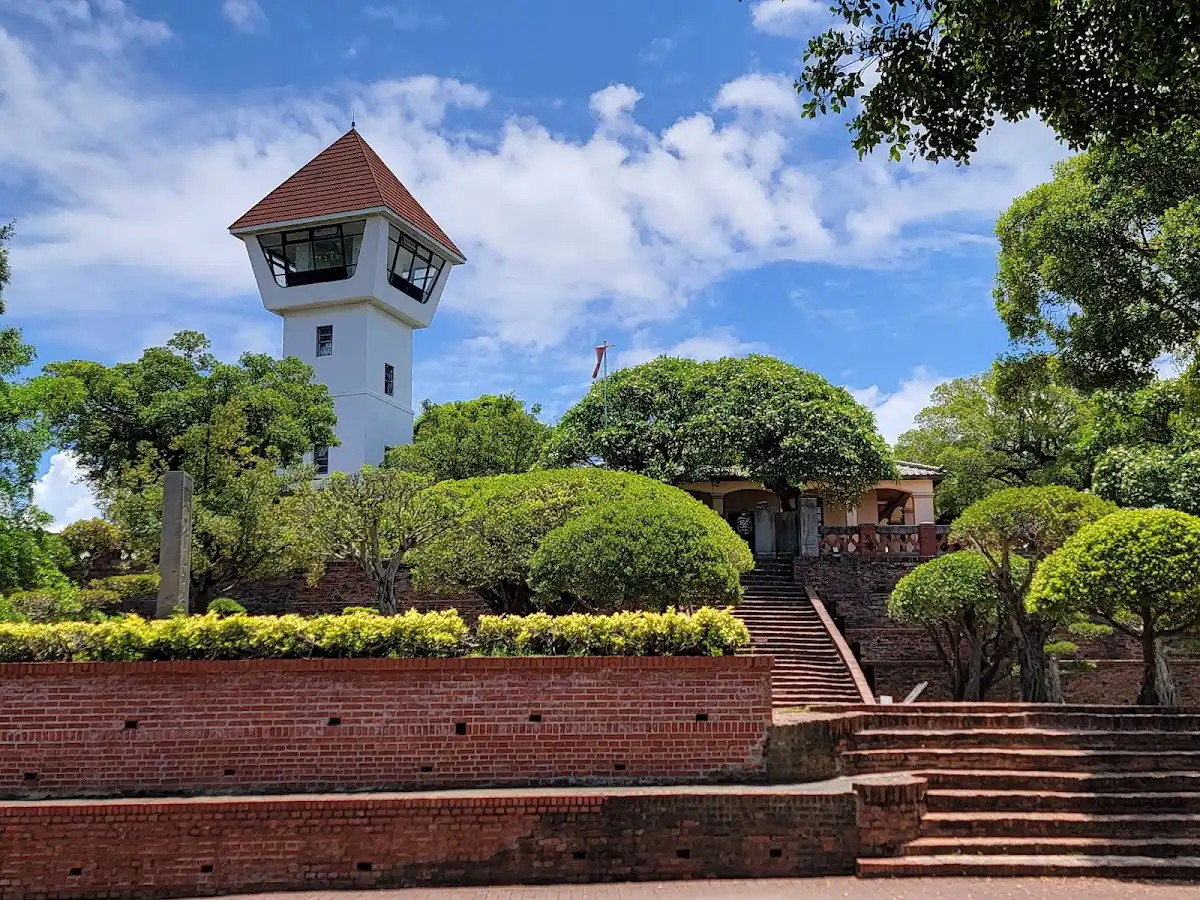
3 Tainan’s Anping Fort

Dutch bastion, brick ramparts, coastal relics

Walk the weathered walls of a centuries-old fort, tracing layers of colonial history and glimpsing the shifting coastline beyond.

taiwan-unique-site-tainans-anping-fort
© Google |

4 Cihmu Bridge

red suspension bridge, Taroko Gorge, marble cliffs

Cross a striking bridge suspended above a deep gorge, surrounded by sheer marble walls and the sound of rushing river below.

Loading the map 🌍

Expert viewExpert Commentary on landmarks

Significance

Taiwan is a treasure trove of unique sites, each telling a story that reflects the island’s rich history and diverse culture. When planning your visit, consider that the most rewarding experiences often lie off the beaten path. Prioritize sites that resonate with your interests—be it indigenous culture, natural wonders, or historical landmarks. The key is to focus on around five to seven unique sites per trip. This allows for a deep dive into each location without feeling rushed.

Access Constraints

Taiwan’s public transport is efficient, but some unique sites require a bit of extra effort to reach. For instance, while major attractions are well-connected by train or bus, more remote locations may necessitate a rental car or a guided tour. Be prepared for varying levels of … read more 👉

Significance

Taiwan is a treasure trove of unique sites, each telling a story that reflects the island’s rich history and diverse culture. When planning your visit, consider that the most rewarding experiences often lie off the beaten path. Prioritize sites that resonate with your interests—be it indigenous culture, natural wonders, or historical landmarks. The key is to focus on around five to seven unique sites per trip. This allows for a deep dive into each location without feeling rushed.

Access Constraints

Taiwan’s public transport is efficient, but some unique sites require a bit of extra effort to reach. For instance, while major attractions are well-connected by train or bus, more remote locations may necessitate a rental car or a guided tour. Be prepared for varying levels of accessibility; some sites might involve a hike or a short trek. Factor in travel time and potential delays, especially during weekends when locals flock to popular spots. This is where your planning pays off—understanding the access constraints helps you avoid frustration and maximize enjoyment.

Crowd Patterns

Timing is everything. Weekdays generally see fewer crowds, allowing for a more intimate experience at popular sites. If you can, visit during off-peak hours, such as early mornings or late afternoons. This not only enhances your experience but also gives you the chance to interact with locals, who are often more available to share their stories. Be mindful of local holidays and festivals, as these can significantly increase foot traffic. Knowing when to go can turn a crowded site into a more manageable experience.

Combining Sites

Strategically combining sites can elevate your trip from good to great. Look for clusters of unique sites within a manageable radius. For instance, if you’re exploring a mountainous region, consider visiting a few cultural sites along the way. This not only saves time but also enriches your understanding of the area. However, don’t over-schedule; allow for spontaneity. Sometimes the best experiences come from unplanned detours.

Time, Budget, and Effort

Expect to spend a range of time at each unique site, typically between one to three hours, depending on your interest level. Budget-wise, entry fees can vary, but many sites are free or have minimal costs. Factor in transportation and meals, which can add up, especially if you’re venturing into less touristy areas. The effort required can range from leisurely strolls to more strenuous hikes, so assess your physical readiness and choose accordingly.

Regional Variation

Taiwan’s unique sites vary significantly by region. The north is rich in historical landmarks, while the south offers stunning natural landscapes. Understanding these regional differences can help you tailor your itinerary. For example, if you’re drawn to indigenous culture, focus on the east coast, where you’ll find vibrant communities and traditional practices.

Safety and Cultural Considerations

Safety is generally not a major concern in Taiwan, but it’s wise to stay aware of your surroundings, especially in crowded areas. Respect local customs and traditions, particularly in indigenous regions. Engaging with locals can enhance your experience, but always approach with humility and openness. Learning a few basic Mandarin phrases can go a long way in building rapport.

Navigating Taiwan’s unique sites is like piecing together a puzzle. Each visit reveals another layer of the island’s character. By understanding the systems at play—access, crowd patterns, and regional variations—you empower yourself to craft a memorable journey that resonates long after you’ve returned home.

✈️ The backpacker research shortcutTaiwan Travel Guide

An offline-friendly backpacking guide with optimized travel routes, ranked highlights, transport advice, and the best areas to stay.
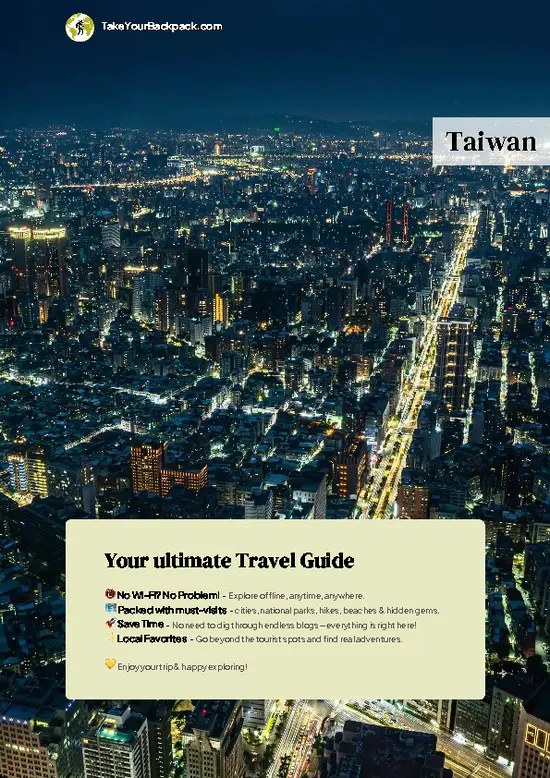
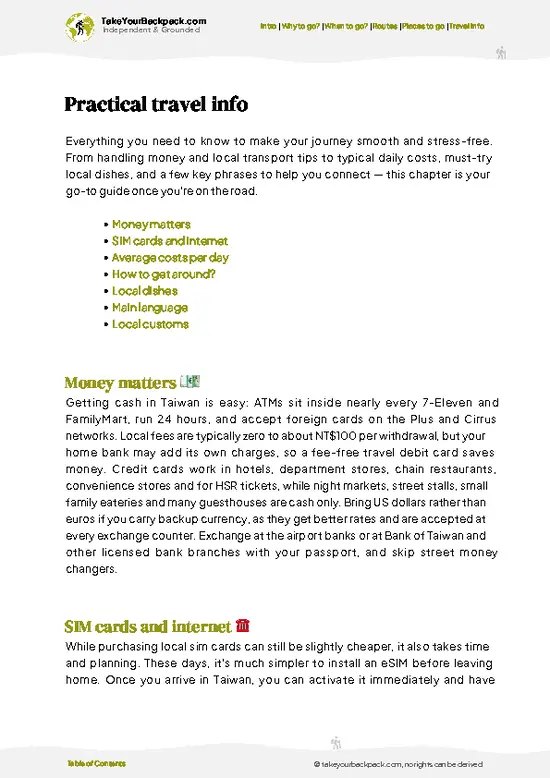
example page 0 from our offline Travel Guide for Taiwan
example page 1 from our offline Travel Guide for Taiwan
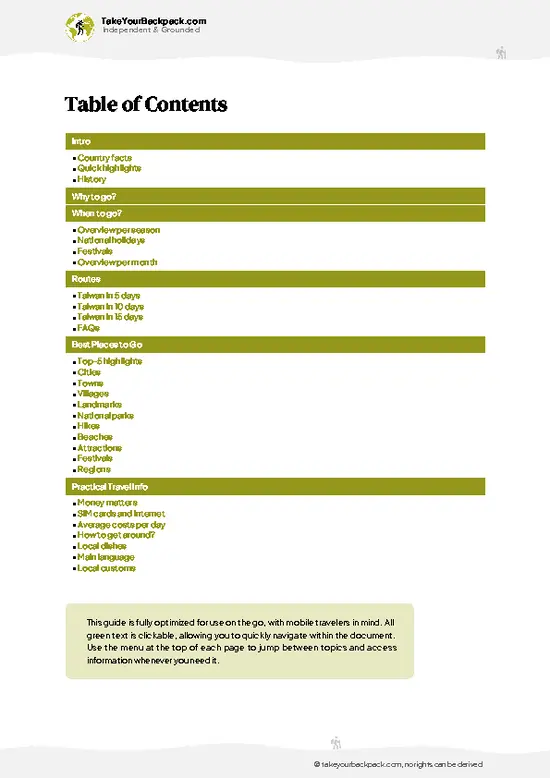
example page 2 from our offline Travel Guide for Taiwan
example page 3 from our offline Travel Guide for Taiwan
example page 4 from our offline Travel Guide for Taiwan
example page 5 from our offline Travel Guide for Taiwan
example page 6 from our offline Travel Guide for Taiwan
example page 7 from our offline Travel Guide for Taiwan
The digital guide (421 pages) contains:
115 highlights, ranked by travel appeal
Optimized 5, 10 & 15-day travel routes
Cities, national parks, landmarks, beaches
How to get around
Offline-friendly for travel without Wi-Fi
👉 Click to see all 30+ guide features

📅 Plan smarter in minutes, not weeks
Month by month travel advice
Festivals & national holidays
Budget expectations

🗺️ Go to the right places, skip the overrated ones
Honest pros & cons of destinations
Top hikes, parks & viewpoints
Lesser-known places most travelers miss
Clear “worth it vs skip it” guidance

🛏️ Travel smoothly without rookie mistakes
Best areas to stay
Transport systems explained simply
Common scams & safety advice
SIM cards, money & practical tips

🌍 Understand the country, not just visit it
Culture & traditions
52 Essential phrases & customs
Festivals worth planning around
Traveler-friendly historical context
Insights that make places more meaningful

📱 Built for real travel conditions
Fully downloadable PDF
Works completely offline
Optimized for phone use
Useful in remote areas & buses
Everything in one place
Save weeks of stressful planning
Get instant access to your full guide. 30‑day money-back guarantee.


By proceeding you agree to our terms.
Sent to your inbox immediately after payment • 100% Secure Checkout
Best Backpacking Travel Advisor 2025 tourism awardBest Backpacking
Travel Advisor
2025
What others say about Take Your Backpack Guides:
⭐⭐⭐⭐⭐
Fantastic, amazing amount of information!
⭐⭐⭐⭐⭐
My goodness this is amazing, it's what I've been looking for hats off too you!
⭐⭐⭐⭐⭐
I think this is absolutely BRILLIANT
⭐⭐⭐⭐
Very complete and informative. It's still missing places, but I gotta to commend you
⭐⭐⭐⭐⭐
This is truly amazing, thank you, can't wait to explore it with my kids!
⭐⭐⭐⭐⭐
Awesome resource, thank you!
⭐⭐⭐⭐⭐
This is amazing! Can't wait to explore the ones I haven't seen
⭐⭐⭐⭐
I love this! Well done, great idea.
⭐⭐⭐⭐⭐
Thanks for taking the time to make this gem!
⭐⭐⭐⭐⭐
This might be the best website I've ever seen.
⭐⭐⭐⭐⭐
Congratulations, and thank you so much for your work; it's incredibly valuable.
⭐⭐⭐⭐
In all seriousness I think you did a great job pointing out the important spots
⭐⭐⭐⭐⭐
10/10 very good
⭐⭐⭐⭐⭐
As someone who's only just starting to visit regularly this is awesome, thank you.
⭐⭐⭐⭐
Thank you very much! I'm going to visit my dad, it's going to be very useful!
⭐⭐⭐⭐⭐
This is really cool! We'll be travelling for the first time and this definitely come in handy.
⭐⭐⭐⭐⭐
You are now our minister of culture, congratulations 👨‍💼
⭐⭐⭐⭐⭐
Just wanted to tell you that this is a pearl! Going to follow your recommendations.
⭐⭐⭐⭐⭐
This is so cool. I'll definitely be using the resource for my travels soon.
⭐⭐⭐⭐⭐
This is very impressive! Good work.
⭐⭐⭐⭐⭐
This is an amazing and informative site. Very well done!

🛏️ Where to stay?Accommodation Highlights

Yes — hostels and budget accommodation are widespread across Taiwan, with the highest density in major cities and tourist towns like Taipei, Taichung, Tainan, Kaohsiung and Hualien.
In Taipei look in Ximending (best for nightlife and shopping but noisy) or around Taipei Main Station (cheapest, excellent transit access but less character); in Taichung target the Fengjia area (student vibe and night market, busy evenings); in Tainan try Anping or the old city (close to historic sites and generally quieter at night); in Kaohsiung favor Liuhe/Yancheng (night market, harbour access, central and safe); in Hualien stay near the train station for easy access to Taroko Gorge (convenient for tours but … read more 👉
Yes — hostels and budget accommodation are widespread across Taiwan, with the highest density in major cities and tourist towns like Taipei, Taichung, Tainan, Kaohsiung and Hualien.
In Taipei look in Ximending (best for nightlife and shopping but noisy) or around Taipei Main Station (cheapest, excellent transit access but less character); in Taichung target the Fengjia area (student vibe and night market, busy evenings); in Tainan try Anping or the old city (close to historic sites and generally quieter at night); in Kaohsiung favor Liuhe/Yancheng (night market, harbour access, central and safe); in Hualien stay near the train station for easy access to Taroko Gorge (convenient for tours but quiet after dark).
Expect dorms and cheap private rooms, book early for holiday weekends or festival dates, and choose your neighborhood based on whether you prioritize nightlife, transit links, or quiet before long day trips.

If you enjoy meeting fellow travelers, consider choosing hostels with high ratings for atmosphere. On the other hand, if you prefer having your own space, a hotel might be a better option.

TaiwanSee More of Taiwan

👋 Meet the founderWho’s Behind Take Your Backpack?

Johan, backpacker and founder of TakeYourBackpackHi, I’m Johan (Netherlands 🇳🇱), the creator of TakeYourBackpack. Over the past decade, I’ve backpacked through 80+ countries across six continents, gaining extensive experience with independent travel, long-term trips, and overland routes.

This site is built on a combination of firsthand travel experience and carefully curated insights from other backpackers. Many guides are based on places I’ve personally visited, while others bring together tips, observations, and practical advice shared by trusted travelers I’ve met along the way.

The goal is to provide realistic, experience-driven guidance — not generic itineraries — so you can explore destinations with better context, clearer expectations, and more confidence.

Get full Taiwan guide •
Instant download • 115 highlights • Full Offline guide