×

Tanzania🇹🇿 | attractionsArusha Declaration Museumpolitical history, independence era, archival exhibits | things to do and best time to go

Explore Maruhubi Palace RuinsExplore Jambiani Beach

Backpacking in Arusha Declaration Museum
By Johan Kruseman 🇳🇱 | Updated October 15, 2026

Here’s what nobody tells you until you’re standing there: the Arusha Declaration Museum is air-conditioned, blissfully quiet, and costs less than your morning coffee—making it the ultimate escape from Arusha’s midday chaos. You’ll find it right in the city center, a short walk from the main market, tucked between the traffic and the tangle of safari agencies. Now, let’s be real—this isn’t the Serengeti or Kilimanjaro. You won’t get jaw-dropping landscapes or adrenaline spikes. What you do get is a crash course in Tanzania’s soul, told through the artifacts and propaganda of the 1967 Arusha Declaration. The museum is small, a little dusty, and rarely crowded. That’s the magic: you can actually hear yourself think as you trace the country’s fight for equality and independence. It’s not flashy, but it’s honest, raw, and deeply human—an antidote to the tourist circus outside. If you want to understand Tanzania, start here.

Discover everything you want to know in the 📖 Tanzania Travel Guide.


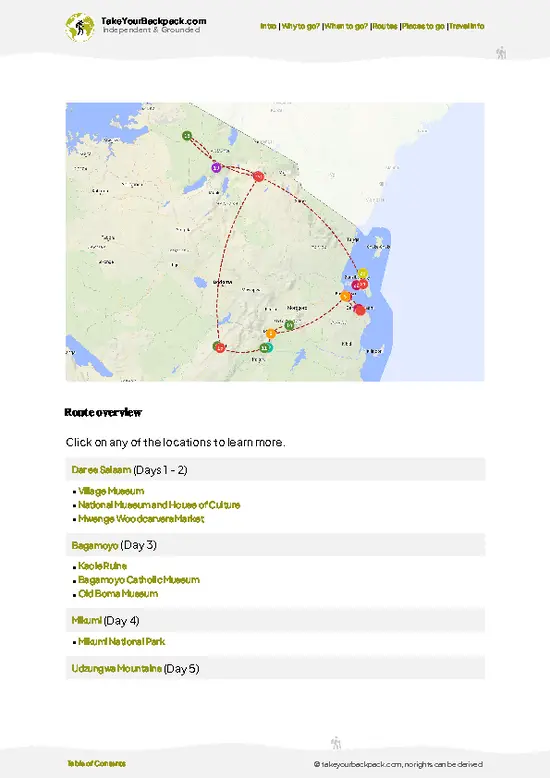
example page 0 from our offline Travel Guide for Tanzania
example page 1 from our offline Travel Guide for Tanzania
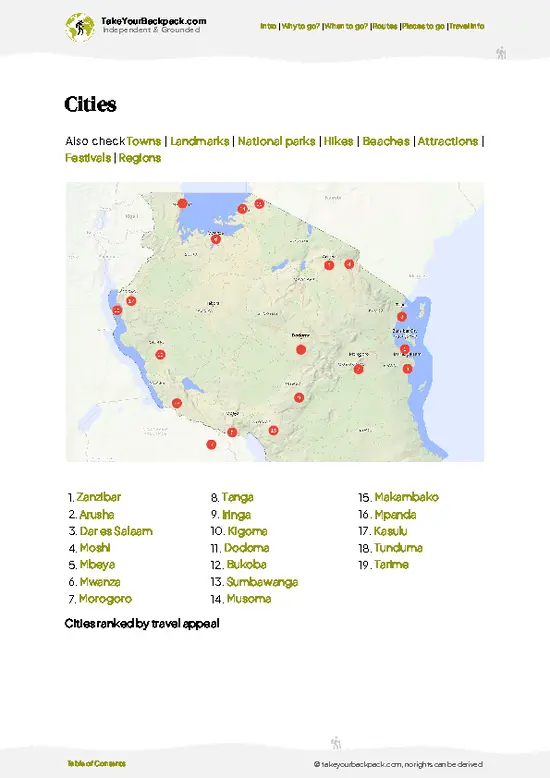
example page 2 from our offline Travel Guide for Tanzania
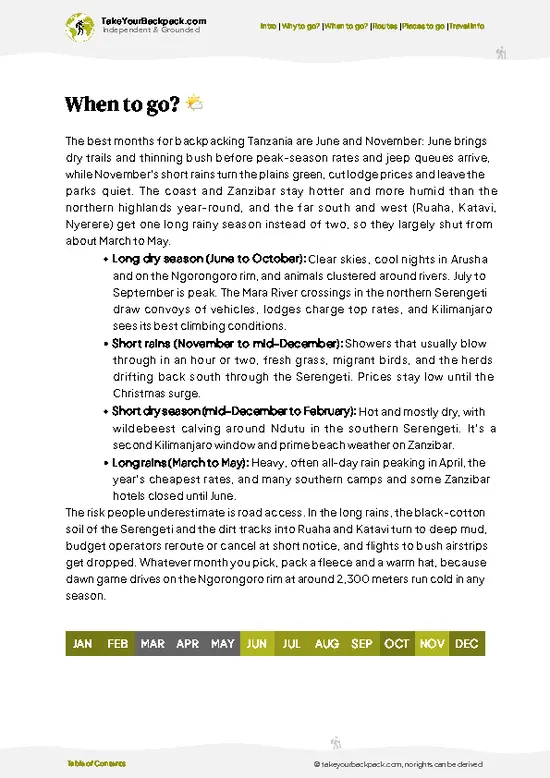
example page 3 from our offline Travel Guide for Tanzania
example page 4 from our offline Travel Guide for Tanzania
example page 5 from our offline Travel Guide for Tanzania
example page 6 from our offline Travel Guide for Tanzania
example page 7 from our offline Travel Guide for Tanzania
Loading the map 🌍
CLICK TO FILTER
cities
towns
landmarks
national parks
hikes
beaches
attractions
festivals
regions
SHOW COUNTRY’S BESTSHOW ALL

✨ Why go?
Ranked #99 attraction in Tanzania
What sets this place apart

The Arusha Declaration Museum isn’t your typical tourist checkbox. Sure, it doesn’t have the postcard-perfect views of Kilimanjaro or the wildlife spectacle of the Serengeti, but skipping it means missing a crucial piece of Tanzania’s soul. This place is a raw dive into the country’s post-independence identity, where Julius Nyerere’s vision of Ujamaa socialism was hammered out. It’s not just history; it’s the blueprint that shaped modern Tanzania’s social fabric. Backpackers who make time here get more than dusty exhibits—they get context. The museum’s location in Arusha, a major hub for East African travel, makes it a natural pit stop. It’s a reality check after the safari hype, grounding you in the political and cultural struggles that underpin the region. The crowds are manageable, and … read more 👉
The Arusha Declaration Museum isn’t your typical tourist checkbox. Sure, it doesn’t have the postcard-perfect views of Kilimanjaro or the wildlife spectacle of the Serengeti, but skipping it means missing a crucial piece of Tanzania’s soul. This place is a raw dive into the country’s post-independence identity, where Julius Nyerere’s vision of Ujamaa socialism was hammered out. It’s not just history; it’s the blueprint that shaped modern Tanzania’s social fabric. Backpackers who make time here get more than dusty exhibits—they get context. The museum’s location in Arusha, a major hub for East African travel, makes it a natural pit stop. It’s a reality check after the safari hype, grounding you in the political and cultural struggles that underpin the region. The crowds are manageable, and the entry fee is a steal compared to the big-name parks. The real reward is the clarity you gain about Tanzania’s journey from colonial rule to self-determination. If you want to understand the country beyond the wildlife and landscapes, this museum is a milestone that adds depth to your entire route through East Africa. It’s not flashy, but it’s essential.

💡 HighlightsDon't-miss highlights and experiences

The Original Arusha Declaration Document
Let’s cut through the haze: you’re here for the real deal, not a dusty echo. The actual 1967 Arusha Declaration—Tanzania’s blueprint for self-reliance and African socialism—lives here. This isn’t some faded photocopy behind glass. The original document, with its typewritten urgency and Nyerere’s signature, radiates the raw ambition of a nation trying to rewrite its own rules. If you want to understand why Tanzania is the way it is—why the word “ujamaa” still means something here—this is your Rosetta Stone.


Julius Nyerere’s Personal Artifacts
Forget the sanitized leader portraits you see in airports. Here, you get Nyerere’s battered briefcase, his handwritten notes, and the kind of everyday objects that make a legend feel human. There’s a gravity to … read more 👉
The Original Arusha Declaration Document
Let’s cut through the haze: you’re here for the real deal, not a dusty echo. The actual 1967 Arusha Declaration—Tanzania’s blueprint for self-reliance and African socialism—lives here. This isn’t some faded photocopy behind glass. The original document, with its typewritten urgency and Nyerere’s signature, radiates the raw ambition of a nation trying to rewrite its own rules. If you want to understand why Tanzania is the way it is—why the word “ujamaa” still means something here—this is your Rosetta Stone.


Julius Nyerere’s Personal Artifacts
Forget the sanitized leader portraits you see in airports. Here, you get Nyerere’s battered briefcase, his handwritten notes, and the kind of everyday objects that make a legend feel human. There’s a gravity to seeing the pen he used, the glasses he wore, and the jacket that probably still smells like pipe smoke. It’s not hero worship—it’s a reminder that history is built by real people, not marble statues.


Propaganda Posters and Political Cartoons
This is where the museum gets unexpectedly lively. The walls are lined with original posters and cartoons from the 1960s and 70s, some earnest, some slyly subversive. You’ll see bold graphics urging unity, literacy, and hard work—plus a few that poke fun at the bureaucracy. It’s a crash course in how a young country tried to sell its own revolution, with a wink and a nudge.


Photographic Timeline of the Independence Movement
Don’t expect a sterile, chronological slog. The photo displays are visceral: jubilant crowds, tense negotiations, and the kind of candid moments that never make it into textbooks. You’ll see faces—hopeful, skeptical, determined—that put flesh and bone on the abstract idea of “nation-building.” It’s a reminder that independence wasn’t a single event, but a messy, exhilarating process.


Everyday Life Under Ujamaa
This is the section that Instagram never shows. Grainy photos and artifacts from collective farms, ration cards, and schoolbooks reveal the daily grind of socialism-in-action. It’s not romanticized. You’ll see the optimism, but also the shortages and compromises. If you want to understand what “ujamaa” felt like on the ground, this is as close as you’ll get without a time machine.


Audio Recordings of Speeches and Songs
Plug in the headphones and you’re dropped straight into the era. Nyerere’s speeches—delivered in Swahili, with a cadence that could rally a village—are here, along with revolutionary songs that still echo at political rallies. It’s not just background noise; it’s the soundtrack of a country inventing itself, one verse at a time.
Spotted a mistake or missing something? Contact us.

Things to do around Arusha Declaration Museum

Ratings based on Tripadvisor reviews. When you book through this link, you support our work at no extra cost to you.

🌤️ When to go?Weather, crowds, and seasonal trade-offs

  • Weather: The best time to visit the Arusha Declaration Museum is during Tanzania’s dry seasons, from late June to October and again in January and February. These months offer clear skies and minimal rain, making it easier to explore without soggy shoes or damp exhibits.
  • Temperature: Expect daytime highs around 24-27°C (75-81°F) during dry months, which is comfortable for walking and absorbing history without overheating. The wet season, from March to May and November to early December, brings cooler temps but also heavy rains that can disrupt plans.
  • Daylight Hours: Tanzania sits near the equator, so daylight is fairly consistent year-round—about 12 hours daily. This means you won’t lose precious museum time to early sunsets, regardless of when you visit.
  • Crowds: The museum is not a tourist
… read more 👉
  • Weather: The best time to visit the Arusha Declaration Museum is during Tanzania’s dry seasons, from late June to October and again in January and February. These months offer clear skies and minimal rain, making it easier to explore without soggy shoes or damp exhibits.
  • Temperature: Expect daytime highs around 24-27°C (75-81°F) during dry months, which is comfortable for walking and absorbing history without overheating. The wet season, from March to May and November to early December, brings cooler temps but also heavy rains that can disrupt plans.
  • Daylight Hours: Tanzania sits near the equator, so daylight is fairly consistent year-round—about 12 hours daily. This means you won’t lose precious museum time to early sunsets, regardless of when you visit.
  • Crowds: The museum is not a tourist magnet like Serengeti or Zanzibar, but local school groups and history buffs peak during the dry season. Visiting early in the morning or late afternoon helps dodge any small crowds.
  • Seasonal Activities: Pair your visit with Arusha’s cultural festivals or local markets, which often happen in the dry months. This adds a layer of authenticity beyond the museum walls.
  • Price Fluctuations: Entry fees remain stable year-round, but accommodation and transport costs spike during the dry season when safari traffic is highest. Budget accordingly if you’re combining trips.
Pro-tip: Visit in July or September for the sweet spot of dry weather, manageable crowds, and vibrant local life without the safari price surge.


source: climatestotravel.comJANJanuary: excellent for travelingFEBFebruary: excellent for travelingMARMarch: fair for travelingAPRApril: fair for travelingMAYMay: fair for travelingJUNJune: highly recommended for travelingJULJuly: excellent for travelingAUGAugust: highly recommended for travelingSEPSeptember: excellent for travelingOCTOctober: highly recommended for travelingNOVNovember: fair for travelingDECDecember: fair for traveling
when-to-go

✈️ The backpacker research shortcutTanzania Travel Guide

An offline-friendly backpacking guide with optimized travel routes, ranked highlights, transport advice, and the best areas to stay.
example page 0 from our offline Travel Guide for Tanzania
example page 1 from our offline Travel Guide for Tanzania
example page 2 from our offline Travel Guide for Tanzania
example page 3 from our offline Travel Guide for Tanzania
example page 4 from our offline Travel Guide for Tanzania
example page 5 from our offline Travel Guide for Tanzania
example page 6 from our offline Travel Guide for Tanzania
example page 7 from our offline Travel Guide for Tanzania
The digital guide (396 pages) contains:
✅ 103 highlights, ranked by travel appeal
✅ Optimized 7, 14 & 21-day travel routes
✅ Cities, national parks, landmarks, beaches
✅ How to get around
✅ Offline-friendly for travel without Wi-Fi
👉 Click to see all 30+ guide features

📅 Plan smarter in minutes, not weeks
✅ Month by month travel advice
✅ Festivals & national holidays
✅ Budget expectations

🗺️ Go to the right places, skip the overrated ones
✅ Honest pros & cons of destinations
✅ Top hikes, parks & viewpoints
✅ Lesser-known places most travelers miss
✅ Clear “worth it vs skip it” guidance

🛏️ Travel smoothly without rookie mistakes
✅ Best areas to stay
✅ Transport systems explained simply
✅ Common scams & safety advice
✅ SIM cards, money & practical tips

🌍 Understand the country, not just visit it
✅ Culture & traditions
✅ 52 Essential phrases & customs
✅ Festivals worth planning around
✅ Traveler-friendly historical context
✅ Insights that make places more meaningful

📱 Built for real travel conditions
✅ Fully downloadable PDF
✅ Works completely offline
✅ Optimized for phone use
✅ Useful in remote areas & buses
✅ Everything in one place
Stop searching, start planning
Get instant access to your full guide. 30‑day money-back guarantee.
+ Add another guide for just

By proceeding you agree to our terms.
Sent to your inbox immediately after payment • 100% Secure Checkout
Best Backpacking Travel Advisor 2025 tourism awardBest Backpacking
Travel Advisor
2025
What others say about Take Your Backpack Guides:
⭐⭐⭐⭐⭐
Fantastic, amazing amount of information!
⭐⭐⭐⭐⭐
My goodness this is amazing, it's what I've been looking for hats off too you!
⭐⭐⭐⭐⭐
I think this is absolutely BRILLIANT
⭐⭐⭐⭐
Very complete and informative. It's still missing places, but I gotta to commend you
⭐⭐⭐⭐⭐
This is truly amazing, thank you, can't wait to explore it with my kids!
⭐⭐⭐⭐⭐
Awesome resource, thank you!
⭐⭐⭐⭐⭐
This is amazing! Can't wait to explore the ones I haven't seen
⭐⭐⭐⭐
I love this! Well done, great idea.
⭐⭐⭐⭐⭐
Thanks for taking the time to make this gem!
⭐⭐⭐⭐⭐
This might be the best website I've ever seen.
⭐⭐⭐⭐⭐
Congratulations, and thank you so much for your work; it's incredibly valuable.
⭐⭐⭐⭐
In all seriousness I think you did a great job pointing out the important spots
⭐⭐⭐⭐⭐
10/10 very good
⭐⭐⭐⭐⭐
As someone who's only just starting to visit regularly this is awesome, thank you.
⭐⭐⭐⭐
Thank you very much! I'm going to visit my dad, it's going to be very useful!
⭐⭐⭐⭐⭐
This is really cool! We'll be travelling for the first time and this definitely come in handy.
⭐⭐⭐⭐⭐
You are now our minister of culture, congratulations 👨‍💼
⭐⭐⭐⭐⭐
Just wanted to tell you that this is a pearl! Going to follow your recommendations.
⭐⭐⭐⭐⭐
This is so cool. I'll definitely be using the resource for my travels soon.
⭐⭐⭐⭐⭐
This is very impressive! Good work.
⭐⭐⭐⭐⭐
This is an amazing and informative site. Very well done!

🛏️ Where to stay?Best areas to stay in Tanzania

The Arusha Declaration Museum sits smack in the middle of Arusha’s bustling city center, and that means one thing: you’re not escaping the noise or the crowds. Forget the Instagram fantasy of serene, untouched Tanzania here. This is a working city, full of honking matatus, street vendors hawking everything from roasted maize to secondhand clothes, and locals hustling through their day. It’s loud, it’s chaotic, and yes, it’s a bit gritty. But that’s exactly why it’s worth sticking around.

If you’re backpacking on a budget and want to be close to the museum, aim for the neighborhoods just a few … read more 👉
The Arusha Declaration Museum sits smack in the middle of Arusha’s bustling city center, and that means one thing: you’re not escaping the noise or the crowds. Forget the Instagram fantasy of serene, untouched Tanzania here. This is a working city, full of honking matatus, street vendors hawking everything from roasted maize to secondhand clothes, and locals hustling through their day. It’s loud, it’s chaotic, and yes, it’s a bit gritty. But that’s exactly why it’s worth sticking around.

If you’re backpacking on a budget and want to be close to the museum, aim for the neighborhoods just a few blocks out from the main roads—places like Kaloleni or the areas around the central market. These spots are where you’ll find the real pulse of Arusha: affordable guesthouses, lively street food stalls, and a mix of solo travelers and locals who are open to a chat or a shared meal. Safety here is decent if you keep your wits about you and avoid wandering after dark alone.

These neighborhoods aren’t polished tourist zones. They’re raw, authentic, and social. You’ll meet other backpackers swapping safari tips, locals eager to share stories, and get a genuine feel for Tanzanian urban life. It’s not about luxury or quiet nights—it’s about connection, culture, and the kind of experience that sticks with you long after you leave.

👛 Costs (as of 15 October 2026)Money, prices, and spending tips

The Arusha Declaration Museum charges an entrance fee of approximately 10,000 Tanzanian shillings, which is about €4 to €5.

source: tourtravelworld.com
⚠️ Prices can change and everyone travels differently, so take this as a rough guide. Hope it helps you plan your adventure!

FAQTraveler FAQ

1 to 2 hours is sufficient to visit Arusha Declaration Museum. This allows enough time to explore the exhibits and understand the historical context of Tanzania's political history. The museum is compact but informative, so a couple of hours is ideal.
Yes, the Arusha Declaration Museum is worth the entrance fee, which is typically around 5,000 Tanzanian Shillings (about 2 USD). It offers valuable insights into Tanzania's post-independence political development and the Arusha Declaration itself. The museum provides a unique educational experience for those interested in African history.
You can get to Arusha Declaration Museum by taxi or boda boda (motorcycle taxi) from central Arusha town. It is located about 3 kilometers from the city center, making it easily accessible. Public transport options like dala-dalas also run routes nearby, but taxis are the most straightforward way to reach the museum.
⚠️ Things can change over time, so always validate details locally before you go.

Other Tanzanian attractions near Arusha Declaration Museum

Explore more nearby:


💡 Not sure where to go next?
Create a personalized itinerary for Tanzania including Arusha Declaration Museum and the places that fit your trip.

Generate my itinerary

👉 Discover all attractions

Or checkout all Tanzania has to offer (think cities, towns, villages, national parks, hikes, beaches, festivals)
Country photo of Tanzania

We 💚 feedbackFinal thoughts on visiting Arusha Declaration Museum

The Arusha Declaration Museum isn’t a flashy tourist magnet, and that’s exactly why it hits differently. Expect a quiet, almost reverent vibe—no crowds, no noise, just the weight of history pressing in. The real surprise? How deeply it pulls you into Tanzania’s post-colonial struggle and vision, beyond what any guidebook or Instagram post shows. Heads up: it’s not polished for casual tourists, so go ready to engage with raw, unfiltered stories that stick with you long after you leave. This is history that demands your attention.

✍️ Help improve this page!
The information on this page is based on in-depth research, insights shared by experienced travelers, and feedback from the local travel community in Tanzania. While every effort is made to keep the information accurate and current, conditions can change — so if you spot anything incorrect or outdated, please get in touch.


🙋‍♂️ Give feedback

👋 Meet the founderWho’s Behind Take Your Backpack?

Johan, backpacker and founder of TakeYourBackpackHi, I’m Johan (Netherlands 🇳🇱), the creator of TakeYourBackpack. Over the past 3 decades, I’ve backpacked through 90+ countries across six continents, gaining extensive experience with independent travel, long-term trips, and overland routes.

This site is built on a combination of firsthand travel experience and carefully curated insights from other backpackers. Many guides are based on places I’ve personally visited, while others bring together tips, observations, and practical advice shared by trusted travelers I’ve met along the way.

The goal is to provide realistic, experience-driven guidance — not generic itineraries — so you can explore destinations with better context, clearer expectations, and more confidence.