



The Skeleton of Sultan’s Ambition
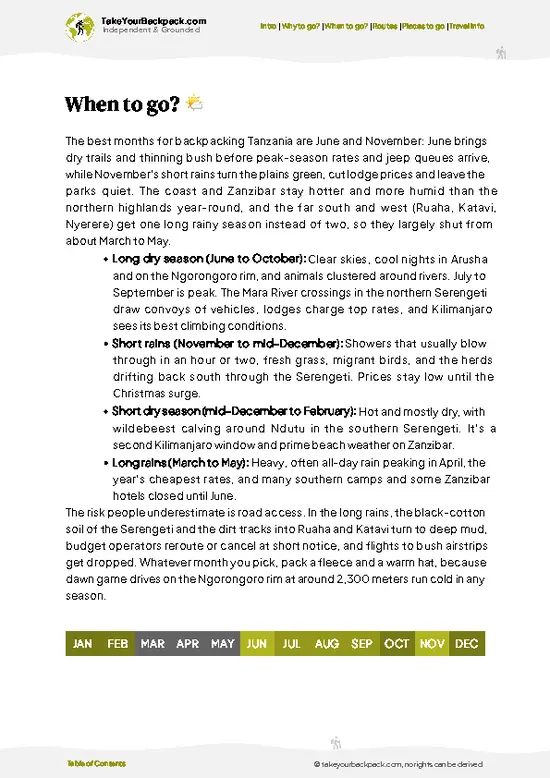
Forget the Instagram daydream of pristine palaces and manicured lawns. Maruhubi is a palace stripped to its bones—arches open to the sky, columns gnawed by time, and the ghosts of Zanzibar’s royal drama lingering in the air. What you see is the raw aftermath of a fire that gutted Sultan Barghash’s pleasure palace in 1899. The ruins are not “beautiful” in the postcard sense, but they’re magnetic. You’re walking through the Sultan’s failed dream, not a sanitized museum. That’s the real draw: the honesty of decay, the sense of history unvarnished and unfiltered.
The Bathhouses: Echoes of Indulgence
The bathhouses are the most intact part of the complex, and they’re a window into the sultan’s taste for luxury. Picture a time when these echoing chambers were filled … read more 👉
Forget the Instagram daydream of pristine palaces and manicured lawns. Maruhubi is a palace stripped to its bones—arches open to the sky, columns gnawed by time, and the ghosts of Zanzibar’s royal drama lingering in the air. What you see is the raw aftermath of a fire that gutted Sultan Barghash’s pleasure palace in 1899. The ruins are not “beautiful” in the postcard sense, but they’re magnetic. You’re walking through the Sultan’s failed dream, not a sanitized museum. That’s the real draw: the honesty of decay, the sense of history unvarnished and unfiltered.
The Bathhouses: Echoes of Indulgence
The bathhouses are the most intact part of the complex, and they’re a window into the sultan’s taste for luxury. Picture a time when these echoing chambers were filled … read more 👉
The Skeleton of Sultan’s Ambition
Forget the Instagram daydream of pristine palaces and manicured lawns. Maruhubi is a palace stripped to its bones—arches open to the sky, columns gnawed by time, and the ghosts of Zanzibar’s royal drama lingering in the air. What you see is the raw aftermath of a fire that gutted Sultan Barghash’s pleasure palace in 1899. The ruins are not “beautiful” in the postcard sense, but they’re magnetic. You’re walking through the Sultan’s failed dream, not a sanitized museum. That’s the real draw: the honesty of decay, the sense of history unvarnished and unfiltered.
The Bathhouses: Echoes of Indulgence
The bathhouses are the most intact part of the complex, and they’re a window into the sultan’s taste for luxury. Picture a time when these echoing chambers were filled with steam, laughter, and the politics of the harem. The marble baths are still visible, and if you listen, you can almost hear the splash of water and the gossip of the palace’s 99 concubines. This isn’t a place for staged photos; it’s a place to imagine the real, messy lives that played out behind these walls.
The Banyan Trees: Nature’s Takeover
The palace grounds are now ruled by banyan trees, their roots muscling through stone and brick. It’s a living reminder that nature always wins in the end. The way the roots wrap around the ruins is more dramatic than any landscaping crew could design. It’s wild, a little eerie, and absolutely worth seeing in person—especially if you’re tired of manicured tourist traps.
The Unfiltered Local Scene
Maruhubi isn’t fenced off from daily life. You’ll see kids playing soccer in the shadow of the ruins, fishermen mending nets nearby, and the occasional goat wandering through what was once royal ground. There’s no velvet rope here. The palace is part of the neighborhood, and that’s the secret sauce. You’re not just looking at history—you’re standing in the middle of it, with all the noise and mess that real life brings.
The Absence of Hype
Here’s the kicker: Maruhubi isn’t swamped by tour buses or selfie-stick armies. Most visitors skip it for the more famous Stone Town sites. That means you get space to breathe, to explore at your own pace, and to let your imagination fill in the gaps. The lack of crowds is a luxury you can’t buy, and it’s what makes the ruins feel personal, even a little rebellious—like you’ve discovered a secret the guidebooks forgot.
Forget the Instagram daydream of pristine palaces and manicured lawns. Maruhubi is a palace stripped to its bones—arches open to the sky, columns gnawed by time, and the ghosts of Zanzibar’s royal drama lingering in the air. What you see is the raw aftermath of a fire that gutted Sultan Barghash’s pleasure palace in 1899. The ruins are not “beautiful” in the postcard sense, but they’re magnetic. You’re walking through the Sultan’s failed dream, not a sanitized museum. That’s the real draw: the honesty of decay, the sense of history unvarnished and unfiltered.
The Bathhouses: Echoes of Indulgence
The bathhouses are the most intact part of the complex, and they’re a window into the sultan’s taste for luxury. Picture a time when these echoing chambers were filled with steam, laughter, and the politics of the harem. The marble baths are still visible, and if you listen, you can almost hear the splash of water and the gossip of the palace’s 99 concubines. This isn’t a place for staged photos; it’s a place to imagine the real, messy lives that played out behind these walls.
The Banyan Trees: Nature’s Takeover
The palace grounds are now ruled by banyan trees, their roots muscling through stone and brick. It’s a living reminder that nature always wins in the end. The way the roots wrap around the ruins is more dramatic than any landscaping crew could design. It’s wild, a little eerie, and absolutely worth seeing in person—especially if you’re tired of manicured tourist traps.
The Unfiltered Local Scene
Maruhubi isn’t fenced off from daily life. You’ll see kids playing soccer in the shadow of the ruins, fishermen mending nets nearby, and the occasional goat wandering through what was once royal ground. There’s no velvet rope here. The palace is part of the neighborhood, and that’s the secret sauce. You’re not just looking at history—you’re standing in the middle of it, with all the noise and mess that real life brings.
The Absence of Hype
Here’s the kicker: Maruhubi isn’t swamped by tour buses or selfie-stick armies. Most visitors skip it for the more famous Stone Town sites. That means you get space to breathe, to explore at your own pace, and to let your imagination fill in the gaps. The lack of crowds is a luxury you can’t buy, and it’s what makes the ruins feel personal, even a little rebellious—like you’ve discovered a secret the guidebooks forgot.
Spotted a mistake or missing something? Contact us.
v2.webp)

Best Backpacking
Hi, I’m Johan (Netherlands 🇳🇱), the creator of TakeYourBackpack. Over the past decade, I’ve backpacked through 80+ countries across six continents, gaining extensive experience with independent travel, long-term trips, and overland routes.