
×

Tanzania🇹🇿 | townsKilwa MasokoSwahili ruins, Indian Ocean coast, dhow harbor, fishing community | things to do and best time to go

Explore MikumiExplore Korogwe

Backpacking in Kilwa Masoko
🏆 Top picktown ranked #2
By Johan Kruseman 🇳🇱 | Updated July 18, 2026

The air in Kilwa Masoko tastes faintly of salt and woodsmoke—morning sun slanting through baobab branches as you step off the dala-dala, sweat already prickling your back. This is southern Tanzania’s quiet port town, a sandy thumb jutting into the Indian Ocean, facing the legendary ruins of Kilwa Kisiwani across a shallow channel. Kilwa Masoko isn’t a place that dazzles on arrival; it’s a working town, with fishermen mending nets on the shore and the slow shuffle of market life. For backpackers, it’s a launchpad, not a destination—your base for boat trips to the UNESCO-listed ruins, or a pause on the long, dusty road between Dar es Salaam and the wilds of southern Tanzania. The town itself is compact and walkable, but don’t expect a buzzing hostel scene or nightlife; evenings are slow, with cold beers at a local bar and the occasional traveler swapping stories. Costs are low, but so is infrastructure—think bucket showers and patchy Wi-Fi. Compared to tourist-heavy Zanzibar or even Lindi, Kilwa Masoko feels raw, honest, and refreshingly unpolished. It’s for those who want the reward of history and ocean air, earned by a little extra effort.

Discover everything you want to know in the 📖 Tanzania Travel Guide.
Loading the map 🌍
CLICK TO FILTER
cities
towns
landmarks
national parks
hikes
beaches
attractions
festivals
SHOW COUNTRY’S BESTSHOW ALL

✨ Why go?
Ranked #2 town in Tanzania
What makes this town worth visiting

Kilwa Masoko is a backpacker’s waypoint that blends convenience with a laid-back vibe. Nestled along the coast, it serves as a launchpad for nearby hikes and cultural sites like the ancient ruins of Kilwa Kisiwani. The walkable streets invite exploration, where you can soak in the scent of street food wafting from local vendors.

Accommodations range from small-scale hostels to cozy guesthouses, making it easy to find a spot that fits your budget and vibe. The atmosphere is friendly, perfect for solo travelers or those in small groups looking to connect. You might find yourself sharing stories over a plate of fresh fish or a local stew, fostering a sense of community among fellow adventurers.

Most backpackers tend to linger a few days, soaking up the relaxed pace and the tranquil beachesread more 👉
Kilwa Masoko is a backpacker’s waypoint that blends convenience with a laid-back vibe. Nestled along the coast, it serves as a launchpad for nearby hikes and cultural sites like the ancient ruins of Kilwa Kisiwani. The walkable streets invite exploration, where you can soak in the scent of street food wafting from local vendors.

Accommodations range from small-scale hostels to cozy guesthouses, making it easy to find a spot that fits your budget and vibe. The atmosphere is friendly, perfect for solo travelers or those in small groups looking to connect. You might find yourself sharing stories over a plate of fresh fish or a local stew, fostering a sense of community among fellow adventurers.

Most backpackers tend to linger a few days, soaking up the relaxed pace and the tranquil beaches nearby. It’s not a party town, so if you’re seeking vibrant nightlife, you might want to keep moving. Instead, Kilwa Masoko offers a chance to recharge, reflect, and truly appreciate the rich culture and natural beauty surrounding you.
Want to include Kilwa Masoko in your Tanzania route?
Create a personalized Tanzania itinerary that includes Kilwa Masoko and the places that fit your trip — based on your travel style, budget, and available time. Get your route in seconds.

Generate my trip

💡 HighlightsEssential experiences to have while visiting Kilwa Masoko

  • Kilwa Masoko Jetty / Ferry Terminal — The town’s pulsing arrival point where dhows, ferries and small passenger boats come and go; great for watching the comings and goings, catching a boat to the islands, and feeling the coastal trade rhythm up close.
  • Main Market (Soko Kuu) — A colourful, noisy market in the town centre where you can buy fresh produce, spices, cheap textiles and watch everyday life; excellent for picking up travel supplies and people-watching with a chai.
  • Fish Landing & Early-Morning Fish Market — Head down at dawn to see the fishermen haul in the catch, haggle over prices and taste fish straight off the boat; it’s one of the most authentic daily rituals in town.
  • Dhow-building Yards along the Shore — Local craftsmen still build and repair traditional wooden dhows here;
read more 👉
  • Kilwa Masoko Jetty / Ferry Terminal — The town’s pulsing arrival point where dhows, ferries and small passenger boats come and go; great for watching the comings and goings, catching a boat to the islands, and feeling the coastal trade rhythm up close.
  • Main Market (Soko Kuu) — A colourful, noisy market in the town centre where you can buy fresh produce, spices, cheap textiles and watch everyday life; excellent for picking up travel supplies and people-watching with a chai.
  • Fish Landing & Early-Morning Fish Market — Head down at dawn to see the fishermen haul in the catch, haggle over prices and taste fish straight off the boat; it’s one of the most authentic daily rituals in town.
  • Dhow-building Yards along the Shore — Local craftsmen still build and repair traditional wooden dhows here; watching the work and chatting with builders is both cultural and oddly meditative — you’ll see how coastal trade has been kept alive.
  • Kilwa Masoko Beach (main town beach) — Wide sand, local swimmers and slow sunsets; not a postcard private beach, but perfect for a relaxed stroll, a swim off the rocks and a quiet evening away from the tourist crowds.
  • Mangrove-fringed Estuary Walks — Short walks along the mangrove edges and tidal creeks just outside the busiest parts of town reveal birds, crabs and small-scale fishing life — good for a calm morning or late-afternoon exploration.
  • Main Town Mosque — The mosque at the centre of community life is worth a respectful visit to observe daily prayer rhythms and coastal Swahili Islamic culture; non-Muslim visitors can admire the architecture and atmosphere outside prayer times.
  • Waterfront Colonial-era Buildings and Boma Remnants — Scattered older administrative buildings and the modest boma traces on the waterfront tell the story of Kilwa’s more recent colonial past; useful for a short history walk and photos.
  • Small Artisan Stalls & Tailor Shops — Near the market you’ll find tailors, shell craftsmen and women selling woven mats and simple jewellery; good places to buy handmade souvenirs and to see small-scale local enterprise.
  • Roadside Eateries and Mama-Lishe Kitchens — Simple stalls and small restaurants offer fresh grilled fish, pilau and local stews for very little money — eating here is the best way to taste Kilwa Masoko without pretense, and to meet locals over a meal.
For day trips outside town, the must-see nearby highlights are the Kilwa Kisiwani and Songo Mnara UNESCO ruins (both a short boat ride away) and the small surrounding islands and sandbanks that are popular for short snorkeling and ruin-exploration trips.
Spotted a mistake or missing something? Contact us.

🏘️ NeighborhoodsUnderstanding the local layout

Kilwa Masoko is a captivating blend of history and coastal charm, perfect for backpackers seeking both adventure and relaxation. Here’s how to navigate its neighborhoods:

Kilwa Town
This area pulses with local life. The vibe is laid-back, with a mix of fishermen and market-goers. It’s walkable, making it easy to explore the bustling market and grab street food. Accommodations here are budget-friendly, ideal for short stays. Nightlife is minimal, but you can find a few local spots for a cold drink and good conversation.

Ras Kutani
A bit more upscale, Ras Kutani offers stunning beachfront views and a tranquil atmosphere. It’s perfect for those looking to unwind after a trek. While it’s pricier, the experience is worth it for the serene beaches and cozy lodges. Transport options are limited, … read more 👉
Kilwa Masoko is a captivating blend of history and coastal charm, perfect for backpackers seeking both adventure and relaxation. Here’s how to navigate its neighborhoods:

Kilwa Town
This area pulses with local life. The vibe is laid-back, with a mix of fishermen and market-goers. It’s walkable, making it easy to explore the bustling market and grab street food. Accommodations here are budget-friendly, ideal for short stays. Nightlife is minimal, but you can find a few local spots for a cold drink and good conversation.

Ras Kutani
A bit more upscale, Ras Kutani offers stunning beachfront views and a tranquil atmosphere. It’s perfect for those looking to unwind after a trek. While it’s pricier, the experience is worth it for the serene beaches and cozy lodges. Transport options are limited, so plan ahead. This area suits longer stays, especially if you want to soak in the sun and enjoy the ocean.

Kilwa Kisiwani
This historic island is a must-visit. The ruins whisper tales of ancient trade routes. Accessible by boat, it’s a day trip that feels like stepping back in time. The vibe is quiet, ideal for reflection. Accommodations are basic, catering to those who appreciate simplicity. This area is best for short visits, as it’s more about exploration than nightlife.

Each neighborhood offers a unique slice of Kilwa Masoko, ensuring you find the right fit for your adventure.

⌛️ 1 dayHow to make the most of one day

Kilwa Masoko, a coastal town steeped in history, offers a unique blend of Swahili culture and stunning ocean views. Once a bustling trading hub, it now invites you to explore its rich past and vibrant local life. The scent of saltwater mingles with the aroma of grilled fish from the market, creating an atmosphere that feels both alive and timeless.

Start your morning at the Kilwa Masoko market. The early sun casts a golden hue over the stalls, where vendors sell fresh produce and spices. Engage with the locals; their warmth is infectious. Grab a breakfast of mandazi—sweet, fried dough that pairs perfectly with a cup of chai. This is not just food; it’s a taste of daily life here.

After fueling up, head to the Kilwa Kisiwani ruins, a short boat ride away. The ancient coral stone structures … read more 👉
Kilwa Masoko, a coastal town steeped in history, offers a unique blend of Swahili culture and stunning ocean views. Once a bustling trading hub, it now invites you to explore its rich past and vibrant local life. The scent of saltwater mingles with the aroma of grilled fish from the market, creating an atmosphere that feels both alive and timeless.

Start your morning at the Kilwa Masoko market. The early sun casts a golden hue over the stalls, where vendors sell fresh produce and spices. Engage with the locals; their warmth is infectious. Grab a breakfast of mandazi—sweet, fried dough that pairs perfectly with a cup of chai. This is not just food; it’s a taste of daily life here.

After fueling up, head to the Kilwa Kisiwani ruins, a short boat ride away. The ancient coral stone structures tell stories of a bygone era. As you walk among the remnants of mosques and palaces, the sound of waves crashing against the shore adds a rhythmic backdrop to your exploration. This site is often overlooked by tourists, but its serenity makes it a hidden treasure.

In the afternoon, return to Kilwa Masoko and stroll along the beach. The soft sand beneath your feet and the gentle breeze create a perfect setting for reflection. Stop by a local eatery for lunch—try the grilled octopus, a local specialty, seasoned with spices that dance on your palate.

As evening approaches, make your way to the waterfront. The sunset paints the sky in hues of orange and pink, a breathtaking reward after a day of discovery. Find a spot at a beachside café, sip on a cold Kilimanjaro beer, and soak in the atmosphere. The sounds of laughter and music from nearby gatherings fill the air, reminding you that Kilwa Masoko is not just a destination; it’s a community that thrives on connection.
Turn your Kilwa Masoko visit into an Tanzania adventure
Build a complete Tanzania route with Kilwa Masoko, hidden gems, must-see destinations, and realistic travel times included.

Generate my trip

🌤️ When to go?Choosing the right time of year


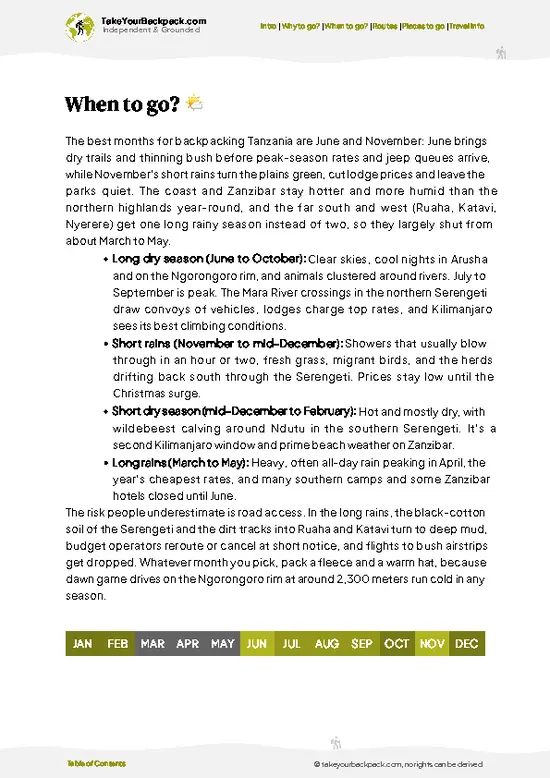
  • Weather: Kilwa Masoko basks in a tropical climate with a clear dry season from June to October. This is your best window—expect sunny skies and low humidity, perfect for exploring ruins without the sticky discomfort of the rainy months.

  • Temperature: Daytime highs hover around 28-32°C (82-90°F) during the dry season, cooling off pleasantly at night to 20-24°C (68-75°F). The wet season (March to May) brings warmer, muggy air that can sap your energy.

  • Daylight Hours: Near the equator, daylight is steady year-round, roughly 12 hours a day. This consistency means you can plan your hikes and boat trips without worrying about early sunsets cutting your adventures short.

  • Crowds: Kilwa Masoko remains off the beaten path, but the dry season draws a modest uptick in visitors. You’ll find a quiet
read more 👉

  • Weather: Kilwa Masoko basks in a tropical climate with a clear dry season from June to October. This is your best window—expect sunny skies and low humidity, perfect for exploring ruins without the sticky discomfort of the rainy months.

  • Temperature: Daytime highs hover around 28-32°C (82-90°F) during the dry season, cooling off pleasantly at night to 20-24°C (68-75°F). The wet season (March to May) brings warmer, muggy air that can sap your energy.

  • Daylight Hours: Near the equator, daylight is steady year-round, roughly 12 hours a day. This consistency means you can plan your hikes and boat trips without worrying about early sunsets cutting your adventures short.

  • Crowds: Kilwa Masoko remains off the beaten path, but the dry season draws a modest uptick in visitors. You’ll find a quiet rhythm, not a tourist crush—ideal for soaking in the atmosphere without feeling rushed.

  • Seasonal Activities: The dry months open up access to the Kilwa Kisiwani ruins and nearby islands. Boat tours and snorkeling thrive when the sea is calm and clear, making June to October the prime time for immersive exploration.

  • Price Fluctuations: Expect slightly higher prices during the dry season due to increased demand, but nothing that breaks the bank. Off-season travelers can score deals but must weigh that against the inconvenience of rain and rough seas.


Pro-tip: Aim for late September to early October—when the dry season’s heat softens, the sea is calm, and the crowds are still thin—this slice of time feels like Kilwa Masoko’s sweet spot.


source: climatestotravel.comJANJanuary: fair for travelingFEBFebruary: fair for travelingMARMarch: fair for travelingAPRApril: fair for travelingMAYMay: fair for travelingJUNJune: excellent for travelingJULJuly: excellent for travelingAUGAugust: excellent for travelingSEPSeptember: excellent for travelingOCTOctober: excellent for travelingNOVNovember: good for travelingDECDecember: good for traveling
when-to-go

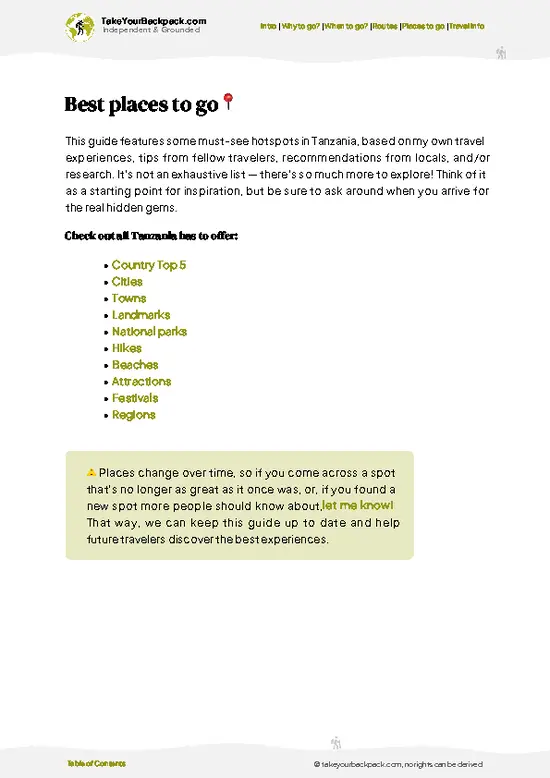
✈️ The backpacker research shortcutTanzania Travel Guide

An offline-friendly backpacking guide with optimized travel routes, ranked highlights, transport advice, and the best areas to stay.
example page 0 from our offline Travel Guide for Tanzania
example page 1 from our offline Travel Guide for Tanzania
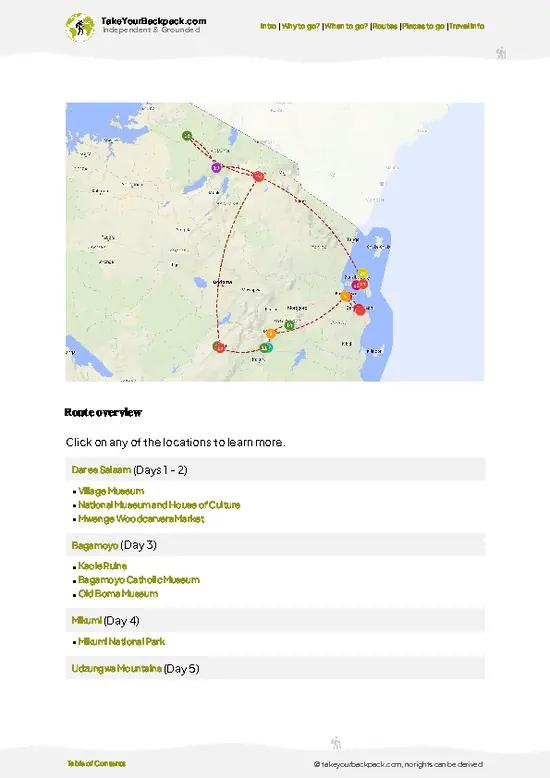
example page 2 from our offline Travel Guide for Tanzania
example page 3 from our offline Travel Guide for Tanzania
example page 4 from our offline Travel Guide for Tanzania
example page 5 from our offline Travel Guide for Tanzania
example page 6 from our offline Travel Guide for Tanzania
example page 7 from our offline Travel Guide for Tanzania
The digital guide (377 pages) contains:
100 highlights, ranked by travel appeal
Optimized 7, 14 & 21-day travel routes
Cities, national parks, landmarks, beaches
How to get around
Offline-friendly for travel without Wi-Fi
👉 Click to see all 30+ guide features

📅 Plan smarter in minutes, not weeks
Month by month travel advice
Festivals & national holidays
Budget expectations

🗺️ Go to the right places, skip the overrated ones
Honest pros & cons of destinations
Top hikes, parks & viewpoints
Lesser-known places most travelers miss
Clear “worth it vs skip it” guidance

🛏️ Travel smoothly without rookie mistakes
Best areas to stay
Transport systems explained simply
Common scams & safety advice
SIM cards, money & practical tips

🌍 Understand the country, not just visit it
Culture & traditions
52 Essential phrases & customs
Festivals worth planning around
Traveler-friendly historical context
Insights that make places more meaningful

📱 Built for real travel conditions
Fully downloadable PDF
Works completely offline
Optimized for phone use
Useful in remote areas & buses
Everything in one place
Save weeks of stressful planning
Get instant access to your full guide. 30‑day money-back guarantee.


By proceeding you agree to our terms.
Sent to your inbox immediately after payment • 100% Secure Checkout
Best Backpacking Travel Advisor 2025 tourism awardBest Backpacking
Travel Advisor
2025
What others say about Take Your Backpack Guides:
⭐⭐⭐⭐⭐
Fantastic, amazing amount of information!
⭐⭐⭐⭐⭐
My goodness this is amazing, it's what I've been looking for hats off too you!
⭐⭐⭐⭐⭐
I think this is absolutely BRILLIANT
⭐⭐⭐⭐
Very complete and informative. It's still missing places, but I gotta to commend you
⭐⭐⭐⭐⭐
This is truly amazing, thank you, can't wait to explore it with my kids!
⭐⭐⭐⭐⭐
Awesome resource, thank you!
⭐⭐⭐⭐⭐
This is amazing! Can't wait to explore the ones I haven't seen
⭐⭐⭐⭐
I love this! Well done, great idea.
⭐⭐⭐⭐⭐
Thanks for taking the time to make this gem!
⭐⭐⭐⭐⭐
This might be the best website I've ever seen.
⭐⭐⭐⭐⭐
Congratulations, and thank you so much for your work; it's incredibly valuable.
⭐⭐⭐⭐
In all seriousness I think you did a great job pointing out the important spots
⭐⭐⭐⭐⭐
10/10 very good
⭐⭐⭐⭐⭐
As someone who's only just starting to visit regularly this is awesome, thank you.
⭐⭐⭐⭐
Thank you very much! I'm going to visit my dad, it's going to be very useful!
⭐⭐⭐⭐⭐
This is really cool! We'll be travelling for the first time and this definitely come in handy.
⭐⭐⭐⭐⭐
You are now our minister of culture, congratulations 👨‍💼
⭐⭐⭐⭐⭐
Just wanted to tell you that this is a pearl! Going to follow your recommendations.
⭐⭐⭐⭐⭐
This is so cool. I'll definitely be using the resource for my travels soon.
⭐⭐⭐⭐⭐
This is very impressive! Good work.
⭐⭐⭐⭐⭐
This is an amazing and informative site. Very well done!

🛏️ Where to stay?How to pick the right area

Kilwa Masoko’s heartbeat for backpackers pulses strongest around the town center and the waterfront area. This is where you’ll find the right mix of safety, social buzz, and budget-friendly digs. The town center isn’t sprawling, but it’s compact enough to walk everywhere, which means you’re never far from a local market’s earthy scent or the chatter of fishermen unloading their catch. Staying here plugs you into the daily rhythm—vendors calling out, children playing soccer in the dusty streets, and the occasional clatter of motorbikes weaving through.

The waterfront area, just a short stroll … read more 👉
Kilwa Masoko’s heartbeat for backpackers pulses strongest around the town center and the waterfront area. This is where you’ll find the right mix of safety, social buzz, and budget-friendly digs. The town center isn’t sprawling, but it’s compact enough to walk everywhere, which means you’re never far from a local market’s earthy scent or the chatter of fishermen unloading their catch. Staying here plugs you into the daily rhythm—vendors calling out, children playing soccer in the dusty streets, and the occasional clatter of motorbikes weaving through.

The waterfront area, just a short stroll from the center, offers a cooler breeze off the Indian Ocean and a more relaxed vibe. It’s quieter at night but still social enough to meet other travelers swapping stories over a cold drink. This spot is ideal if you want to wake up to the salty tang of sea air and watch fishing boats bobbing against the dawn light.

Other parts of Kilwa Masoko tend to feel more residential or isolated, lacking the easy access to communal spaces where backpackers naturally gather. The town center and waterfront strike the perfect balance—safe enough to wander after dark, lively enough to feel connected, and budget-friendly without sacrificing the authentic pulse of this coastal town.

🚌 Getting aroundTransportation options and practical tips

Kilwa Masoko moves at the pace of the ocean tides—unhurried, with a rhythm that feels more like a slow dance than a race. The sun casts long shadows over the dusty streets by mid-afternoon, and the scent of salt and spices hangs in the air, mixing with the occasional waft of diesel from a passing boat or motorbike. This isn’t a place where you’ll find strict timetables or punctual buses; instead, it’s about reading the moment, catching the right wave of locals and travelers moving through the town’s modest hubs. The flow here is intuitive, a blend of waiting patiently and jumping in when the chance arises. Understanding this helps you move smarter, not just faster, turning what could be frustrating delays into part of the experience.

Walking: The heart of Kilwa Masoko is compact enough to … read more 👉
Kilwa Masoko moves at the pace of the ocean tides—unhurried, with a rhythm that feels more like a slow dance than a race. The sun casts long shadows over the dusty streets by mid-afternoon, and the scent of salt and spices hangs in the air, mixing with the occasional waft of diesel from a passing boat or motorbike. This isn’t a place where you’ll find strict timetables or punctual buses; instead, it’s about reading the moment, catching the right wave of locals and travelers moving through the town’s modest hubs. The flow here is intuitive, a blend of waiting patiently and jumping in when the chance arises. Understanding this helps you move smarter, not just faster, turning what could be frustrating delays into part of the experience.

Walking: The heart of Kilwa Masoko is compact enough to explore on foot. Streets are mostly unpaved, so sturdy shoes are a must. Walking lets you soak in the salt-tinged breeze from the Indian Ocean and spot local life—fishermen hauling nets, market vendors shouting their wares. It’s free, flexible, and the best way to discover tucked-away corners, but be ready for uneven ground and midday heat.

Bajaji (Motorcycle Taxi): Bajajis are the lifeblood of local transit—small, three-wheeled motorbikes darting through narrow lanes and dirt roads. They’re cheap, usually costing around 500 to 1,000 Tanzanian shillings for short trips, and run all day until dusk. Bajajis don’t follow fixed routes or schedules; you flag one down and negotiate the fare upfront. They’re fast and nimble but hold on tight—roads can be bumpy, and helmets aren’t always standard.

Dala-Dala (Minibus): For longer distances or trips to nearby villages, dala-dalas are your go-to. These minibuses operate on semi-fixed routes but leave only when full, so timing is unpredictable. Fares are low, often under 2,000 shillings, making them budget-friendly but sometimes slow due to frequent stops and waiting times. They’re a window into local life, packed with chatter and the smell of diesel, but comfort is basic.

Boat Taxi: Given Kilwa Masoko’s coastal location, boats are a practical option for island hopping or reaching remote beaches. Small wooden boats leave irregularly, often arranged by word of mouth at the docks. Prices vary depending on distance and negotiation skills. The ride offers salty sea air and a chance to spot dolphins or seabirds, but it’s weather-dependent and can be rough on windy days.

Bicycle Rental: Renting a bicycle is a quiet, flexible way to cover more ground than walking without the noise of motorbikes. Rentals are affordable, around 5,000 to 10,000 shillings per day. The terrain is mostly flat but sandy, so a sturdy bike with thick tires is best. Early mornings and late afternoons are ideal for cycling to avoid the heat and catch the golden light over the ocean.

Mastering Kilwa Masoko’s transit means embracing its laid-back pulse. You’ll find that patience and a sense of adventure turn every ride into a story, every delay into a moment to breathe in the salty air and watch the town’s slow dance unfold.

👛 Costs (as of 14 January 2025)Travel costs and budget guide for Kilwa Masoko

Backpacking in Kilwa Masoko, Tanzania, means embracing a slow, coastal rhythm where every shilling spent feels like an investment in local color and quiet charm.
  • Dorm Accommodation: Expect to pay around $8 to $15 per night for a basic dorm bed. These are simple, often fan-cooled rooms with mosquito nets, sometimes sharing bathrooms. The light here is soft and salty, filtering through wooden shutters, making the modest comfort feel like a coastal retreat rather than a compromise.
  • Meals: Local eateries serve up fresh seafood and staples like ugali and rice for about $3 to $6 per meal. Street food is even cheaper, around $1 to $2 for snacks like fried cassava or samosas. The scent of grilled fish mingling with ocean breeze is a daily reminder that food here is as much about place as it is about
read more 👉
Backpacking in Kilwa Masoko, Tanzania, means embracing a slow, coastal rhythm where every shilling spent feels like an investment in local color and quiet charm.
  • Dorm Accommodation: Expect to pay around $8 to $15 per night for a basic dorm bed. These are simple, often fan-cooled rooms with mosquito nets, sometimes sharing bathrooms. The light here is soft and salty, filtering through wooden shutters, making the modest comfort feel like a coastal retreat rather than a compromise.
  • Meals: Local eateries serve up fresh seafood and staples like ugali and rice for about $3 to $6 per meal. Street food is even cheaper, around $1 to $2 for snacks like fried cassava or samosas. The scent of grilled fish mingling with ocean breeze is a daily reminder that food here is as much about place as it is about flavor.
  • Local Transport: Boda-bodas (motorcycle taxis) dominate short trips, costing roughly $0.50 to $1.50 depending on distance. For longer rides or trips to nearby villages, expect $3 to $5. Walking is often the best way to soak in the town’s laid-back vibe, but when you need to move, these rides are quick and lively.
  • Basic Activities/Entry Fees: Visiting Kilwa’s historic ruins or local markets usually costs between $5 and $10. These fees support preservation and give you access to some of the oldest Swahili architecture on the coast. The sun here hits hard, so timing your visits early or late in the day makes the experience more comfortable and rewarding.
  • Miscellaneous Expenses: Budget around $2 to $4 for essentials like bottled water, snacks, or small souvenirs. Internet access is patchy and often costs extra at guesthouses or cafes, so plan accordingly. The salty air can be rough on gear, so a little extra for maintenance or replacements is wise.

All told, a realistic daily budget for backpacking in Kilwa Masoko falls between $20 and $40. This range covers the essentials without cutting corners, letting you move through the town with ease while soaking up its unique coastal atmosphere.
⚠️ Prices can change and everyone travels differently, so take this as a rough guide. Hope it helps you plan your adventure!

🚌 Day tripsEasy escapes and nearby places

Kilwa Masoko is a backpacker’s dream base, offering a blend of rich history and stunning landscapes. With its laid-back vibe, you can easily launch into a series of day trips that reveal the heart of Tanzania.

Kilwa Kisiwani
Just a short boat ride away, Kilwa Kisiwani is a UNESCO World Heritage site that whispers tales of ancient trade routes. The ruins of the old Swahili city are hauntingly beautiful, with crumbling coral stone structures set against the azure sea. Spend a few hours wandering through the remains of the Great Mosque and the Sultan’s Palace, feeling the weight of history in the salty air. The boat ride takes about 30 minutes and costs around $10. Early morning is best to avoid the heat and crowds. A common mistake? Many rush through the site without taking time to soak in … read more 👉
Kilwa Masoko is a backpacker’s dream base, offering a blend of rich history and stunning landscapes. With its laid-back vibe, you can easily launch into a series of day trips that reveal the heart of Tanzania.

Kilwa Kisiwani
Just a short boat ride away, Kilwa Kisiwani is a UNESCO World Heritage site that whispers tales of ancient trade routes. The ruins of the old Swahili city are hauntingly beautiful, with crumbling coral stone structures set against the azure sea. Spend a few hours wandering through the remains of the Great Mosque and the Sultan’s Palace, feeling the weight of history in the salty air. The boat ride takes about 30 minutes and costs around $10. Early morning is best to avoid the heat and crowds. A common mistake? Many rush through the site without taking time to soak in the atmosphere.


Ras Mkumbuu
For a more off-the-beaten-path experience, head to Ras Mkumbuu, a lesser-known beach just a short walk from Kilwa Masoko. The soft, white sand and gentle waves create an idyllic setting for a lazy day. Bring a picnic and enjoy the tranquility, or explore the nearby mangroves, where you might spot colorful birds and crabs scuttling about. It’s about a 20-minute walk, and you can do it for less than $5. The best time is during the dry season, when the skies are clear. A rookie mistake is forgetting sunscreen; the sun can be relentless here.


Ruins of Songo Songo
If you’re up for a bit of adventure, consider a day trip to the Ruins of Songo Songo. This remote island is known for its stunning coral reefs and historical significance. The boat ride takes about an hour and costs around $15. Once there, you can snorkel among vibrant marine life or explore the ruins of an old German plantation. The best time to visit is during the dry season, when visibility underwater is at its peak. Many first-timers underestimate the boat ride; be prepared for a bumpy journey.


Lake Nyumba ya Mungu
For a taste of local life, visit Lake Nyumba ya Mungu, where you can engage with the community and enjoy the serene landscape. It’s about a 45-minute drive from Kilwa Masoko, costing roughly $10 for transport. Here, you can fish, hike, or simply relax by the water. The best time to go is early morning for cooler temperatures and fewer people. A common oversight is not bringing enough water; it’s easy to get dehydrated while exploring.
Want to know what more Tanzania offers?
The Tanzania Travel Guide describes 100 highlights, from cities to national parks, from beaches to hikes

Get the Travel Guide -

🛡️ SafetyTraveler Safety Guide

Kilwa Masoko is generally safe, but like any place, a little awareness goes a long way. The town has a relaxed vibe, yet it’s wise to stay alert in crowded markets or near the waterfront, especially when vendors are eager to engage.

If you’re traveling solo, consider your surroundings, particularly after dark. The streets can be quiet, so stick to well-lit areas and avoid wandering too far from your accommodations. Trust your instincts; if something feels off, it probably is.

Scams are rare, but be cautious of overly friendly locals who might want to guide you for a fee. Politely decline if you’re not interested. Everyday annoyances include persistent sellers, but a friendly smile and a firm “no, thank you” usually do the trick.

Keep your belongings close, especially in busy spots. A … read more 👉
Kilwa Masoko is generally safe, but like any place, a little awareness goes a long way. The town has a relaxed vibe, yet it’s wise to stay alert in crowded markets or near the waterfront, especially when vendors are eager to engage.

If you’re traveling solo, consider your surroundings, particularly after dark. The streets can be quiet, so stick to well-lit areas and avoid wandering too far from your accommodations. Trust your instincts; if something feels off, it probably is.

Scams are rare, but be cautious of overly friendly locals who might want to guide you for a fee. Politely decline if you’re not interested. Everyday annoyances include persistent sellers, but a friendly smile and a firm “no, thank you” usually do the trick.

Keep your belongings close, especially in busy spots. A crossbody bag can be your best friend. By staying aware and confident, you’ll navigate Kilwa Masoko smoothly and enjoy its rich history and culture.

Other Tanzanian towns near Kilwa Masoko

Explore more nearby:

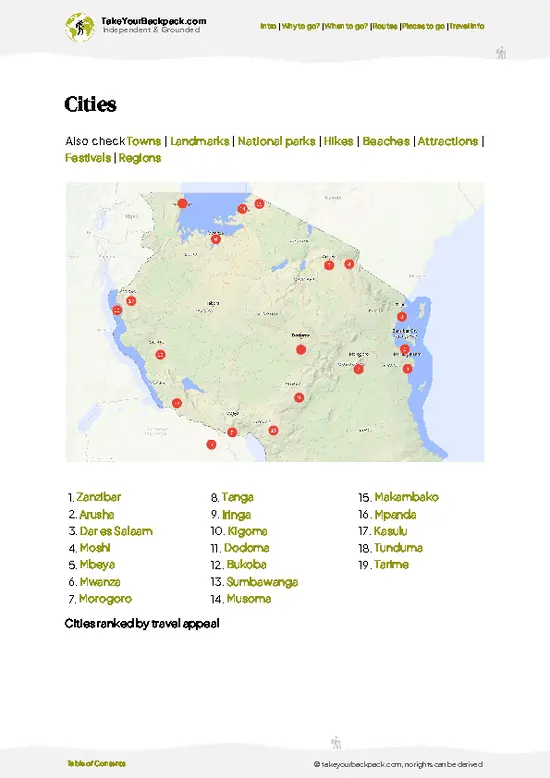
  • Bagamoyo—coastal ruins, Swahili heritage, colonial relics| 285 km away
  • Mikumi—wildlife corridor, park gateway, highway town, local eateries| 325 km away
  • Korogwe—railway junction, Tanga access, river valley, agricultural hub| 435 km away

💡 Not sure where to go next?
Create a personalized itinerary for Tanzania including Kilwa Masoko and the places that fit your trip.

Generate my itinerary

👉 Discover all towns

Or checkout all Tanzania has to offer (think cities, towns, villages, national parks, hikes, beaches, festivals)
Country photo of Tanzania

We 💚 feedbackSumming up the experience

Kilwa Masoko has a rhythm all its own. The salty breeze carries whispers of history, and the local markets pulse with life. You’ll stumble upon the ruins of Kilwa Kisiwani, where the sun sets in a blaze of orange, illuminating ancient stones. But watch out for the tides; they can be sneaky. The best surprise? The warmth of the locals—everyone’s ready with a smile and a story. Embrace the slow pace; it’s where the real magic happens.

✍️ Help improve this page!
The information on this page is based on in-depth research, insights shared by experienced travelers, and feedback from the local travel community in Tanzania. While every effort is made to keep the information accurate and current, conditions can change — so if you spot anything incorrect or outdated, please get in touch.


🙋‍♂️ Give feedback

👋 Meet the founderWho’s Behind Take Your Backpack?

Johan, backpacker and founder of TakeYourBackpackHi, I’m Johan (Netherlands 🇳🇱), the creator of TakeYourBackpack. Over the past decade, I’ve backpacked through 80+ countries across six continents, gaining extensive experience with independent travel, long-term trips, and overland routes.

This site is built on a combination of firsthand travel experience and carefully curated insights from other backpackers. Many guides are based on places I’ve personally visited, while others bring together tips, observations, and practical advice shared by trusted travelers I’ve met along the way.

The goal is to provide realistic, experience-driven guidance — not generic itineraries — so you can explore destinations with better context, clearer expectations, and more confidence.

Get full Tanzania guide •
Instant download • 100 highlights • Full Offline guide