
×

Tanzania🇹🇿 | townsBagamoyocoastal ruins, Swahili heritage, colonial relics | things to do and best time to go

Explore Ugalla River National ParkExplore Lushoto

Backpacking in Bagamoyo
🏆 Top picktown ranked #1
By Johan Kruseman 🇳🇱 | Updated September 3, 2026

A rooster crows behind the crumbling German customs house as you step barefoot onto the cool sand, the scent of salt and woodsmoke mixing with the distant clang of a bicycle bell. This is Bagamoyo, a faded port town on Tanzania’s Indian Ocean coast, about an hour north of Dar es Salaam. Bagamoyo is a place where history isn’t curated—it’s lived in. You’ll find colonial ruins tangled with bougainvillea, a museum that feels like a time capsule, and evenings where locals gather in the main square for street food and slow conversation. It’s cheaper and quieter than Zanzibar or Dar, but also sleepier—don’t expect a backpacker circus or wild nightlife. Meeting other travelers takes effort, but the trade-off is authenticity and a pace that lets you breathe. Safety is solid by Tanzanian standards, though the usual street smarts apply. Bagamoyo’s charm is subtle, best for those who savor atmosphere over spectacle.

Discover everything you want to know in the 📖 Tanzania Travel Guide.
Loading the map 🌍
CLICK TO FILTER
cities
towns
landmarks
national parks
hikes
beaches
attractions
festivals
SHOW COUNTRY’S BESTSHOW ALL

✨ Why go?
Ranked #1 town in Tanzania
Why Bagamoyo should be on your travel list

Bagamoyo is a strategic stop for backpackers weaving through Tanzania. It offers a basecamp value that’s hard to beat, making it easy to launch into nearby adventures. The walkability of the city means you can explore local markets and beaches without needing a vehicle, soaking in the vibrant atmosphere.

Accommodations range from budget-friendly hostels to cozy guesthouses, catering to various comfort levels while keeping costs low. When it comes to food, you’ll find everything from street vendors to sit-down restaurants, allowing you to indulge without breaking the bank.

The nightlife is laid-back yet lively, perfect for unwinding after a day of exploration. Plus, its proximity to easy onward travel options makes it a convenient pit stop on your journey. Whether you’re looking to linger … read more 👉
Bagamoyo is a strategic stop for backpackers weaving through Tanzania. It offers a basecamp value that’s hard to beat, making it easy to launch into nearby adventures. The walkability of the city means you can explore local markets and beaches without needing a vehicle, soaking in the vibrant atmosphere.

Accommodations range from budget-friendly hostels to cozy guesthouses, catering to various comfort levels while keeping costs low. When it comes to food, you’ll find everything from street vendors to sit-down restaurants, allowing you to indulge without breaking the bank.

The nightlife is laid-back yet lively, perfect for unwinding after a day of exploration. Plus, its proximity to easy onward travel options makes it a convenient pit stop on your journey. Whether you’re looking to linger or just passing through, Bagamoyo fits seamlessly into your backpacking route, offering enough to keep you engaged without overstaying your welcome.
Want to include Bagamoyo in your Tanzania route?
Create a personalized Tanzania itinerary that includes Bagamoyo and the places that fit your trip — based on your travel style, budget, and available time. Get your route in seconds.

Generate my trip

💡 HighlightsDon't-miss highlights and experiences

  1. Bagamoyo Old Fort (the German Boma / Bagamoyo Museum) — A compact museum inside the old colonial boma with displays on the caravan trade, German colonial rule and the town’s role in the slave trade; great for grounding the whole place historically and a good rooftop for views of the sea.
  2. Kaole Ruins and Graves — Stone mosque foundations and centuries-old coral tombs right by the shore; the site shows Bagamoyo’s Swahili trading past before the 19th century and is atmospheric at low tide and sunset.
  3. Bagamoyo Arts & Cultural Institute (College of Arts) — The town’s creative hub: studios, galleries and regular music/dance performances. You can watch painters and sculptors at work and buy authentic pieces, or time a visit for an evening show.
  4. Dhow-building Yards on the Beach — Old-school shipwrights
read more 👉
  1. Bagamoyo Old Fort (the German Boma / Bagamoyo Museum) — A compact museum inside the old colonial boma with displays on the caravan trade, German colonial rule and the town’s role in the slave trade; great for grounding the whole place historically and a good rooftop for views of the sea.
  2. Kaole Ruins and Graves — Stone mosque foundations and centuries-old coral tombs right by the shore; the site shows Bagamoyo’s Swahili trading past before the 19th century and is atmospheric at low tide and sunset.
  3. Bagamoyo Arts & Cultural Institute (College of Arts) — The town’s creative hub: studios, galleries and regular music/dance performances. You can watch painters and sculptors at work and buy authentic pieces, or time a visit for an evening show.
  4. Dhow-building Yards on the Beach — Old-school shipwrights shaping timber dhows on the sand. It’s noisy, smelly, fascinating and a perfect hands-on photo stop; talk to the builders and you’ll learn about trade routes and local craftsmanship.
  5. Historic Slave Market / Caravan Terminus area — The shoreline and market quarter where caravans disembarked and slaves were sold; there are interpretive spots and plaques that help you understand the gritty human history that shaped Bagamoyo.
  6. Bagamoyo Catholic Mission & Old Mission House — A mission complex with an old church, mission house and small exhibits about missionaries and freed slaves. The architecture and quiet compound give a different angle on the town’s colonial and humanitarian history.
  7. Old Town & Seafront Merchant Houses — Walk the narrow lanes of Bagamoyo’s old town to see coral stone and timber merchant houses, faded Swahili doorways and the living streetscape where traders from centuries past still influence daily life.
  8. Bagamoyo Fish Market and Working Port — Early morning is best: fishermen landing daily catch, the pier full of activity, and informal seafood stalls. It’s noisy and real — perfect for sampling grilled fish or watching local commerce up close.
  9. Historic Cemeteries and Tombstones — Scattered graveyards with Arab tombs and missionary graves that tell personal stories — inscriptions, dates and ornamentation that reveal the multicultural past of the town if you slow down and read them.
  10. Beaches and Low-key Seafront Cafés — Not a polished resort strip, but wide sandy beaches where you can swim, watch dhows slip by, and catch brilliant sunsets while sipping coconut water or a cheap seafood meal; it’s Bagamoyo’s relaxed side.
For day trips, consider Saadani National Park (wildlife by the beach), boat trips to local mangrove creeks and fishing villages north of town, or a run down to Dar es Salaam for museums and island excursions (Bongoyo/Mbudya) if you want more urban sights.
Spotted a mistake or missing something? Contact us.

Things to do near Bagamoyo

Ratings based on Tripadvisor reviews. When you book through this link, you support our work at no extra cost to you.

🏘️ NeighborhoodsUnderstanding the local layout

Bagamoyo is a captivating blend of history and coastal charm, making it a unique stop for backpackers. Here’s how the neighborhoods stack up:

Bagamoyo Town: This is the heart of the action. You’ll find vibrant markets, local eateries, and historical sites like the Old Fort. It’s walkable, with a lively atmosphere that buzzes during the day but quiets down at night. Perfect for short stays where you want to soak up the local culture without breaking the bank.

Msasani: A bit more upscale, Msasani offers a laid-back vibe with beachfront access. It’s ideal for those looking to relax after a day of exploration. Prices are higher here, but the comfort level is worth it. Transport options are good, making it easy to venture into town. Great for longer stays if you want a mix of leisure and local … read more 👉
Bagamoyo is a captivating blend of history and coastal charm, making it a unique stop for backpackers. Here’s how the neighborhoods stack up:

Bagamoyo Town: This is the heart of the action. You’ll find vibrant markets, local eateries, and historical sites like the Old Fort. It’s walkable, with a lively atmosphere that buzzes during the day but quiets down at night. Perfect for short stays where you want to soak up the local culture without breaking the bank.

Msasani: A bit more upscale, Msasani offers a laid-back vibe with beachfront access. It’s ideal for those looking to relax after a day of exploration. Prices are higher here, but the comfort level is worth it. Transport options are good, making it easy to venture into town. Great for longer stays if you want a mix of leisure and local life.

Kidongo Chekundu: This area is quieter, perfect for those seeking solitude. It’s less touristy, giving you a more authentic experience. Walkability is limited, but it’s a short ride to the main attractions. Ideal for longer stays where you can immerse yourself in the local rhythm without the hustle.

Choose wisely based on your priorities, and you’ll find the right balance of time, money, and comfort in Bagamoyo.

⌛️ 1 dayWhat you can realistically do in a day

Bagamoyo, Tanzania, is a city steeped in history and culture, once a bustling port for the East African slave trade and now a vibrant hub for art and coastal life. You can feel the pulse of its past in the crumbling colonial architecture and the lively markets.

Start your morning at the Bagamoyo Fish Market, where the day begins with the catch of the day. The scent of saltwater mingles with the chatter of fishermen and locals. Grab a fresh breakfast of fried fish and ugali from a nearby vendor. It’s a simple meal, but it sets the tone for an authentic experience.

After breakfast, stroll along the beach to the historic ruins of the Old Boma. This site, once a fort, offers a glimpse into the city’s colonial past. The ocean breeze and the sound of waves crashing create a serene backdrop as … read more 👉
Bagamoyo, Tanzania, is a city steeped in history and culture, once a bustling port for the East African slave trade and now a vibrant hub for art and coastal life. You can feel the pulse of its past in the crumbling colonial architecture and the lively markets.

Start your morning at the Bagamoyo Fish Market, where the day begins with the catch of the day. The scent of saltwater mingles with the chatter of fishermen and locals. Grab a fresh breakfast of fried fish and ugali from a nearby vendor. It’s a simple meal, but it sets the tone for an authentic experience.

After breakfast, stroll along the beach to the historic ruins of the Old Boma. This site, once a fort, offers a glimpse into the city’s colonial past. The ocean breeze and the sound of waves crashing create a serene backdrop as you explore.

In the afternoon, head to the vibrant Mwenge Arts and Crafts Village. Here, you can wander through stalls filled with handmade crafts and artwork. Engage with local artisans; their stories add depth to your purchases. This isn’t just shopping; it’s a connection to the community.

As evening approaches, make your way to the Bagamoyo Cultural Arts Centre. This lesser-known spot often hosts traditional dance performances. Grab a seat and immerse yourself in the rhythm of local culture.

End your day with a sunset stroll along the beach, reflecting on the rich tapestry of experiences you’ve woven throughout the day. In Bagamoyo, every moment is a chance to connect, learn, and savor the essence of Tanzania.
Turn your Bagamoyo visit into an Tanzania adventure
Build a complete Tanzania route with Bagamoyo, hidden gems, must-see destinations, and realistic travel times included.

Generate my trip

🌤️ When to go?Seasonal considerations and timing


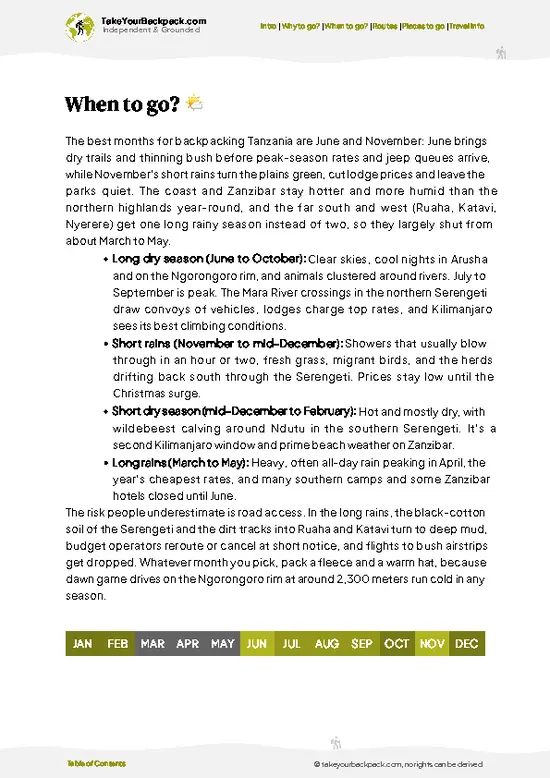
  • Topic: Weather – Bagamoyo’s climate swings between a hot, humid wet season from March to May and a drier, cooler stretch from June to October. The dry months offer clearer skies and less sticky heat, making trekking and exploring more comfortable.

  • Topic: Temperature – Expect highs around 30-32°C (86-90°F) during the dry season, dropping to a more bearable 25-27°C (77-81°F) in the evenings. The wet season pushes temps higher and humidity can make it feel hotter, which can sap your energy fast.

  • Topic: Daylight Hours – Daylight stays fairly consistent year-round, roughly 12 hours daily. This means you can plan your days without worrying about early sunsets cutting your adventures short.

  • Topic: Crowds – Peak tourist flow aligns with the dry season, especially July and August. You’ll find
read more 👉

  • Topic: Weather – Bagamoyo’s climate swings between a hot, humid wet season from March to May and a drier, cooler stretch from June to October. The dry months offer clearer skies and less sticky heat, making trekking and exploring more comfortable.

  • Topic: Temperature – Expect highs around 30-32°C (86-90°F) during the dry season, dropping to a more bearable 25-27°C (77-81°F) in the evenings. The wet season pushes temps higher and humidity can make it feel hotter, which can sap your energy fast.

  • Topic: Daylight Hours – Daylight stays fairly consistent year-round, roughly 12 hours daily. This means you can plan your days without worrying about early sunsets cutting your adventures short.

  • Topic: Crowds – Peak tourist flow aligns with the dry season, especially July and August. You’ll find more fellow travelers and higher prices then, but also better infrastructure and more open attractions.

  • Topic: Seasonal Activities – Dry months are prime for beach time, historical tours, and boat trips on the Indian Ocean. The wet season brings lush greenery but can limit outdoor activities due to muddy trails and occasional flooding.

  • Topic: Price Fluctuations – Accommodation and transport costs spike during the dry season’s peak months. Visiting just before or after this window can save you money while still enjoying decent weather.


Pro-tip: Aim for the shoulder months of June or October to balance pleasant weather, fewer crowds, and better prices—maximizing your value without sacrificing comfort.


source: climatestotravel.comJANJanuary: good for travelingFEBFebruary: good for travelingMARMarch: fair for travelingAPRApril: fair for travelingMAYMay: fair for travelingJUNJune: highly recommended for travelingJULJuly: excellent for travelingAUGAugust: excellent for travelingSEPSeptember: highly recommended for travelingOCTOctober: highly recommended for travelingNOVNovember: good for travelingDECDecember: good for traveling
when-to-go

✈️ The backpacker research shortcutTanzania Travel Guide

An offline-friendly backpacking guide with optimized travel routes, ranked highlights, transport advice, and the best areas to stay.
example page 0 from our offline Travel Guide for Tanzania
example page 1 from our offline Travel Guide for Tanzania
example page 2 from our offline Travel Guide for Tanzania
example page 3 from our offline Travel Guide for Tanzania
example page 4 from our offline Travel Guide for Tanzania
example page 5 from our offline Travel Guide for Tanzania
example page 6 from our offline Travel Guide for Tanzania
example page 7 from our offline Travel Guide for Tanzania
The digital guide (377 pages) contains:
100 highlights, ranked by travel appeal
Optimized 7, 14 & 21-day travel routes
Cities, national parks, landmarks, beaches
How to get around
Offline-friendly for travel without Wi-Fi
👉 Click to see all 30+ guide features

📅 Plan smarter in minutes, not weeks
Month by month travel advice
Festivals & national holidays
Budget expectations

🗺️ Go to the right places, skip the overrated ones
Honest pros & cons of destinations
Top hikes, parks & viewpoints
Lesser-known places most travelers miss
Clear “worth it vs skip it” guidance

🛏️ Travel smoothly without rookie mistakes
Best areas to stay
Transport systems explained simply
Common scams & safety advice
SIM cards, money & practical tips

🌍 Understand the country, not just visit it
Culture & traditions
52 Essential phrases & customs
Festivals worth planning around
Traveler-friendly historical context
Insights that make places more meaningful

📱 Built for real travel conditions
Fully downloadable PDF
Works completely offline
Optimized for phone use
Useful in remote areas & buses
Everything in one place
Save weeks of stressful planning
Get instant access to your full guide. 30‑day money-back guarantee.
+ Add another guide for just US$7.80

By proceeding you agree to our terms.
Sent to your inbox immediately after payment • 100% Secure Checkout
Best Backpacking Travel Advisor 2025 tourism awardBest Backpacking
Travel Advisor
2025
What others say about Take Your Backpack Guides:
⭐⭐⭐⭐⭐
Fantastic, amazing amount of information!
⭐⭐⭐⭐⭐
My goodness this is amazing, it's what I've been looking for hats off too you!
⭐⭐⭐⭐⭐
I think this is absolutely BRILLIANT
⭐⭐⭐⭐
Very complete and informative. It's still missing places, but I gotta to commend you
⭐⭐⭐⭐⭐
This is truly amazing, thank you, can't wait to explore it with my kids!
⭐⭐⭐⭐⭐
Awesome resource, thank you!
⭐⭐⭐⭐⭐
This is amazing! Can't wait to explore the ones I haven't seen
⭐⭐⭐⭐
I love this! Well done, great idea.
⭐⭐⭐⭐⭐
Thanks for taking the time to make this gem!
⭐⭐⭐⭐⭐
This might be the best website I've ever seen.
⭐⭐⭐⭐⭐
Congratulations, and thank you so much for your work; it's incredibly valuable.
⭐⭐⭐⭐
In all seriousness I think you did a great job pointing out the important spots
⭐⭐⭐⭐⭐
10/10 very good
⭐⭐⭐⭐⭐
As someone who's only just starting to visit regularly this is awesome, thank you.
⭐⭐⭐⭐
Thank you very much! I'm going to visit my dad, it's going to be very useful!
⭐⭐⭐⭐⭐
This is really cool! We'll be travelling for the first time and this definitely come in handy.
⭐⭐⭐⭐⭐
You are now our minister of culture, congratulations 👨‍💼
⭐⭐⭐⭐⭐
Just wanted to tell you that this is a pearl! Going to follow your recommendations.
⭐⭐⭐⭐⭐
This is so cool. I'll definitely be using the resource for my travels soon.
⭐⭐⭐⭐⭐
This is very impressive! Good work.
⭐⭐⭐⭐⭐
This is an amazing and informative site. Very well done!

🛏️ Where to stay?Choosing the right base

In Bagamoyo, the real backpacker sweet spot is the town center near the old port area. This neighborhood strikes a smart balance between safety, social buzz, and budget-friendly options. It’s compact enough to walk everywhere, which saves you time and money on transport—a big win when you want to squeeze every moment out of your trip. Hostels and guesthouses cluster here, creating a natural hub for solo travelers and groups alike. The vibe is relaxed but lively, with local markets, street food stalls, and cafés where you can swap stories with fellow adventurers or locals without feeling like you’re … read more 👉
In Bagamoyo, the real backpacker sweet spot is the town center near the old port area. This neighborhood strikes a smart balance between safety, social buzz, and budget-friendly options. It’s compact enough to walk everywhere, which saves you time and money on transport—a big win when you want to squeeze every moment out of your trip. Hostels and guesthouses cluster here, creating a natural hub for solo travelers and groups alike. The vibe is relaxed but lively, with local markets, street food stalls, and cafés where you can swap stories with fellow adventurers or locals without feeling like you’re stuck in a tourist bubble.

Compared to the quieter residential zones or the more isolated beach stretches, staying in the center means you’re plugged into the pulse of Bagamoyo’s history and daily life. It’s not luxury, but it’s comfortable enough to recharge after a day exploring. You’re trading off some peace and quiet for connection and convenience, which is exactly what most backpackers want. Plus, the safety here is noticeably better than in outlying areas, so you can focus on the experience rather than watching your back. In short, the town center near the port is your strategic base camp for a smart, social, and safe Bagamoyo stay.

🚌 Getting aroundHow to get from A to B

Bagamoyo moves at its own pace—less a clock-driven metropolis and more a place where time bends to the rhythm of the ocean breeze and the chatter of market stalls. Here, schedules are loose suggestions rather than ironclad rules. You’ll find that the city’s flow is a blend of laid-back coastal calm and bursts of activity when boats dock or traders arrive. This means your travel choices aren’t just about getting from A to B; they’re about syncing with the city’s pulse. Knowing when to push for speed, when to save cash, and when to prioritize comfort is your secret weapon. The trade-off map here is simple: time, money, and comfort don’t align neatly, but mastering their balance turns your trip into a smooth, savvy adventure.


  • Walking: The ultimate budget option, free and flexible, perfect
read more 👉
Bagamoyo moves at its own pace—less a clock-driven metropolis and more a place where time bends to the rhythm of the ocean breeze and the chatter of market stalls. Here, schedules are loose suggestions rather than ironclad rules. You’ll find that the city’s flow is a blend of laid-back coastal calm and bursts of activity when boats dock or traders arrive. This means your travel choices aren’t just about getting from A to B; they’re about syncing with the city’s pulse. Knowing when to push for speed, when to save cash, and when to prioritize comfort is your secret weapon. The trade-off map here is simple: time, money, and comfort don’t align neatly, but mastering their balance turns your trip into a smooth, savvy adventure.


  • Walking: The ultimate budget option, free and flexible, perfect for exploring the compact town center and shoreline at your own pace. Expect to spend 15-30 minutes between most key spots, with the bonus of spontaneous discoveries and zero waiting time.

  • Bajaj (Motorcycle Taxi): Runs all day from dawn until dusk, fares hover around 1,000-2,000 TZS ($0.40-$0.80). Fast and nimble through narrow streets, but comfort is minimal and safety varies—ideal for short hops when you’re in a hurry and traveling light.

  • Dala-Dala (Minibus): The backbone of local transit, operating roughly 6 AM to 7 PM. Costs about 500-1,000 TZS ($0.20-$0.40) per ride. It’s slow, often crowded, and unpredictable in timing, but unbeatable for budget travelers covering longer distances like Bagamoyo to Dar es Salaam.

  • Boat Taxi: Limited schedules tied to tides and weather, usually early morning and late afternoon. Prices vary but expect around 5,000 TZS ($2). Offers a scenic shortcut along the coast, saving time compared to road travel, with a splash of comfort and a dose of local flavor.

👛 Costs (as of 3 September 2026)Typical daily expenses

Backpacking in Bagamoyo, Tanzania, offers a clear trade-off map between time, money, and comfort, with costs that reflect its laid-back coastal vibe and developing tourism infrastructure.
  • Dorm Accommodation (High Season): Expect to pay around $10 to $15 per night in basic dorms. These are simple, often fan-cooled rooms with shared bathrooms, popular during peak travel months when demand spikes.
  • Dorm Accommodation (Off-Season): Prices drop to about $6 to $10 per night. Fewer travelers mean more bargaining power and sometimes added perks like free Wi-Fi or breakfast.
  • Meals: Street food and local eateries dominate the scene. Budget $3 to $6 per meal for dishes like grilled fish, rice, or chapati. Western-style meals or dining at tourist-oriented spots can push costs to $8 or more.
  • Local Transport:
read more 👉
Backpacking in Bagamoyo, Tanzania, offers a clear trade-off map between time, money, and comfort, with costs that reflect its laid-back coastal vibe and developing tourism infrastructure.
  • Dorm Accommodation (High Season): Expect to pay around $10 to $15 per night in basic dorms. These are simple, often fan-cooled rooms with shared bathrooms, popular during peak travel months when demand spikes.
  • Dorm Accommodation (Off-Season): Prices drop to about $6 to $10 per night. Fewer travelers mean more bargaining power and sometimes added perks like free Wi-Fi or breakfast.
  • Meals: Street food and local eateries dominate the scene. Budget $3 to $6 per meal for dishes like grilled fish, rice, or chapati. Western-style meals or dining at tourist-oriented spots can push costs to $8 or more.
  • Local Transport: Bajaj (three-wheeler taxis) and dala-dalas (minibuses) are the main options. A typical short ride costs $0.30 to $0.70. Budget around $2 to $4 daily if you move around moderately.
  • City Transport Pass: Bagamoyo doesn’t have a formal city transport pass system. Regular use of dala-dalas or bajajs is pay-as-you-go, so no upfront pass cost but keep daily transport expenses in mind.
  • Basic Activities/Entry Fees: Visiting historical sites like the Old Fort or Kaole Ruins usually costs between $2 and $5. Guided tours or boat trips can run $10 to $20, depending on length and group size.
  • Miscellaneous Expenses: This includes bottled water, snacks, occasional internet cafes, or small tips. Allocate about $2 to $5 daily to cover these minor but necessary extras.

In total, a backpacker in Bagamoyo can expect to spend roughly $15 to $30 per day, depending on season and lifestyle choices. This range balances basic comfort with local flavor, letting you decide where to save and where to splurge for a richer experience.
⚠️ Prices can change and everyone travels differently, so take this as a rough guide. Hope it helps you plan your adventure!

🚌 Day tripsExploring the surroundings

Bagamoyo, Tanzania, is a fantastic launchpad for day trips that blend adventure with cultural immersion. Here’s how to make the most of your time and money while exploring the surrounding gems.

Kisite-Mpunguti Marine Park
Just a couple of hours from Bagamoyo, this marine park is a paradise for snorkelers and divers. The vibrant coral reefs and diverse marine life are worth the trip alone. Expect to pay around $30 for transport and entry fees. The best time to visit is during the dry season, from June to October, when visibility is at its peak. A common mistake? Underestimating the need for sunscreen; the sun can be brutal out there.


Saadani National Park
About an hour’s drive from Bagamoyo, Saadani offers a unique blend of wildlife and beach. You can spot elephants, giraffes, and … read more 👉
Bagamoyo, Tanzania, is a fantastic launchpad for day trips that blend adventure with cultural immersion. Here’s how to make the most of your time and money while exploring the surrounding gems.

Kisite-Mpunguti Marine Park
Just a couple of hours from Bagamoyo, this marine park is a paradise for snorkelers and divers. The vibrant coral reefs and diverse marine life are worth the trip alone. Expect to pay around $30 for transport and entry fees. The best time to visit is during the dry season, from June to October, when visibility is at its peak. A common mistake? Underestimating the need for sunscreen; the sun can be brutal out there.


Saadani National Park
About an hour’s drive from Bagamoyo, Saadani offers a unique blend of wildlife and beach. You can spot elephants, giraffes, and even hippos, all while enjoying the coastal scenery. A day trip will set you back around $50, including transport and park fees. The dry season is ideal for wildlife viewing, but be prepared for some bumpy roads. First-timers often forget to bring binoculars, which can enhance the experience significantly.
👉 Explore Saadani National Park

Mikumi National Park
A bit further afield, Mikumi is about a three-hour drive but rewards you with a classic safari experience. You’ll see lions, zebras, and elephants roaming freely. Budget around $70 for transport and park fees. The best months are from June to September. Many backpackers make the mistake of not packing enough water for the long drive, so stock up before you go.
👉 Explore Mikumi National Park

Bagamoyo Town Tour
Don’t overlook the rich history right at your doorstep. Spend a day exploring Bagamoyo’s old town, visiting the historical sites like the Old Fort and the German Boma. This trip is practically free; just budget for lunch and maybe a local guide, which can be around $10. Anytime is good for this, but mornings are cooler and less crowded. A common pitfall is rushing through without taking the time to chat with locals, which can lead to missed insights.
Want to know what more Tanzania offers?
The Tanzania Travel Guide describes 100 highlights, from cities to national parks, from beaches to hikes

Get the Travel Guide -

🍲 FoodWhat to Eat & Drink

In Bagamoyo, the culinary scene is a vibrant tapestry of flavors that beckons you to dive in. Start with ugali, a staple made from maize flour, often served with rich, spicy sauces or grilled fish. Pair it with samosas filled with spiced potatoes or meat, a popular street snack that’s crispy and satisfying.

Street food stalls are your best bet for authentic bites. The fish market is alive with the scent of the ocean, where you can grab freshly grilled fish, seasoned to perfection. Don’t miss the zanzibar pizza, a local twist on the classic, stuffed with a mix of ingredients and fried until golden.

When it comes to drinks, try konyagi, a local gin that’s often enjoyed with tonic or soda. The laid-back bars along the coast offer a chance to sip while watching the sunset, a ritual that locals … read more 👉
In Bagamoyo, the culinary scene is a vibrant tapestry of flavors that beckons you to dive in. Start with ugali, a staple made from maize flour, often served with rich, spicy sauces or grilled fish. Pair it with samosas filled with spiced potatoes or meat, a popular street snack that’s crispy and satisfying.

Street food stalls are your best bet for authentic bites. The fish market is alive with the scent of the ocean, where you can grab freshly grilled fish, seasoned to perfection. Don’t miss the zanzibar pizza, a local twist on the classic, stuffed with a mix of ingredients and fried until golden.

When it comes to drinks, try konyagi, a local gin that’s often enjoyed with tonic or soda. The laid-back bars along the coast offer a chance to sip while watching the sunset, a ritual that locals cherish.

Etiquette is simple: share your food and drinks. It’s a way to bond, and you’ll find that meals are often communal. Embrace the flavors and the warmth of the people; it’s all part of the experience.

🛡️ SafetyScams, Hazards, and Annoyances

Bagamoyo is generally safe, but a few smart practices can enhance your experience. Stay alert in crowded markets, especially around the fish market, where distractions can lead to petty theft. If you’re solo, avoid wandering too far after dark; stick to well-lit areas and main streets.

Common scams include overly friendly locals offering unsolicited help, often with the intent of leading you to shops where they earn a commission. Politely decline and trust your instincts.

Annoyances like aggressive touts can be part of the scene, especially near tourist spots. A firm but friendly “no, thank you” usually works wonders. Carry yourself confidently, and keep your belongings secure. With these strategies, you’ll navigate Bagamoyo like a pro, enjoying its rich culture without unnecessary stress.

FAQTraveler FAQ

Yes, Bagamoyo is worth visiting for its rich history as a former trading port and its cultural sites like the Kaole Ruins and the Old Fort. It offers a quieter alternative to busier tourist spots and a glimpse into Tanzania's colonial past.
Two to three days are sufficient to explore Bagamoyo's main attractions, including the historical sites, local markets, and nearby beaches. This allows time to absorb the town's atmosphere without rushing.
Yes, Bagamoyo can be visited as a day trip from Dar es Salaam, which is about 75 kilometers away. The trip typically takes around 1.5 to 2 hours each way by car or bus, making it feasible for a long day trip.
⚠️ Things can change over time, so always validate details locally before you go.

Other Tanzanian towns near Bagamoyo

Explore more nearby:

  • Korogwe—railway junction, Tanga access, river valley, agricultural hub| 151 km away
  • Lushoto—Usambara Mountains, forest trails, local markets, cool climate| 217 km away
  • Mikumi—wildlife corridor, park gateway, highway town, local eateries| 236 km away

💡 Not sure where to go next?
Create a personalized itinerary for Tanzania including Bagamoyo and the places that fit your trip.

Generate my itinerary

👉 Discover all towns

Or checkout all Tanzania has to offer (think cities, towns, villages, national parks, hikes, beaches, festivals)
Country photo of Tanzania

We 💚 feedbackFinal thoughts on visiting Bagamoyo

Bagamoyo has a laid-back vibe that feels like a breath of fresh air after the busyness of Dar es Salaam. The best surprise? The local seafood—fresh and bursting with flavor. Grab a plate at a beachside shack; it’s worth every shilling. Just a heads-up: the beaches can be littered with debris, so keep your expectations in check. Embrace the imperfections; they add character to this charming coastal town.

✍️ Help improve this page!
The information on this page is based on in-depth research, insights shared by experienced travelers, and feedback from the local travel community in Tanzania. While every effort is made to keep the information accurate and current, conditions can change — so if you spot anything incorrect or outdated, please get in touch.


🙋‍♂️ Give feedback

👋 Meet the founderWho’s Behind Take Your Backpack?

Johan, backpacker and founder of TakeYourBackpackHi, I’m Johan (Netherlands 🇳🇱), the creator of TakeYourBackpack. Over the past decade, I’ve backpacked through 80+ countries across six continents, gaining extensive experience with independent travel, long-term trips, and overland routes.

This site is built on a combination of firsthand travel experience and carefully curated insights from other backpackers. Many guides are based on places I’ve personally visited, while others bring together tips, observations, and practical advice shared by trusted travelers I’ve met along the way.

The goal is to provide realistic, experience-driven guidance — not generic itineraries — so you can explore destinations with better context, clearer expectations, and more confidence.

Get full Tanzania guide •
Instant download • 100 highlights • Full Offline guide